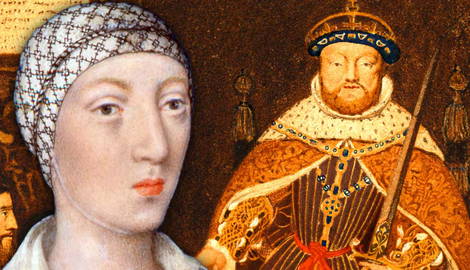
During the course of the Tudor Dynasty, no two royal successions were alike. England, which had never previously been ruled by a woman, had three Tudor queens on the throne, two of whose legitimate status varied over time. In an age when monarchs could create acts of succession, spelling out who was legitimate and whose royal claim was valid, it is curious that Henry VIII’s illegitimate son, Henry FitzRoy, was never legitimized and given a place in the succession to the English throne, especially as before the birth of the future Edward VI, King Henry had no legitimate male heir.
The (Relatively Short) Life of Henry FitzRoy
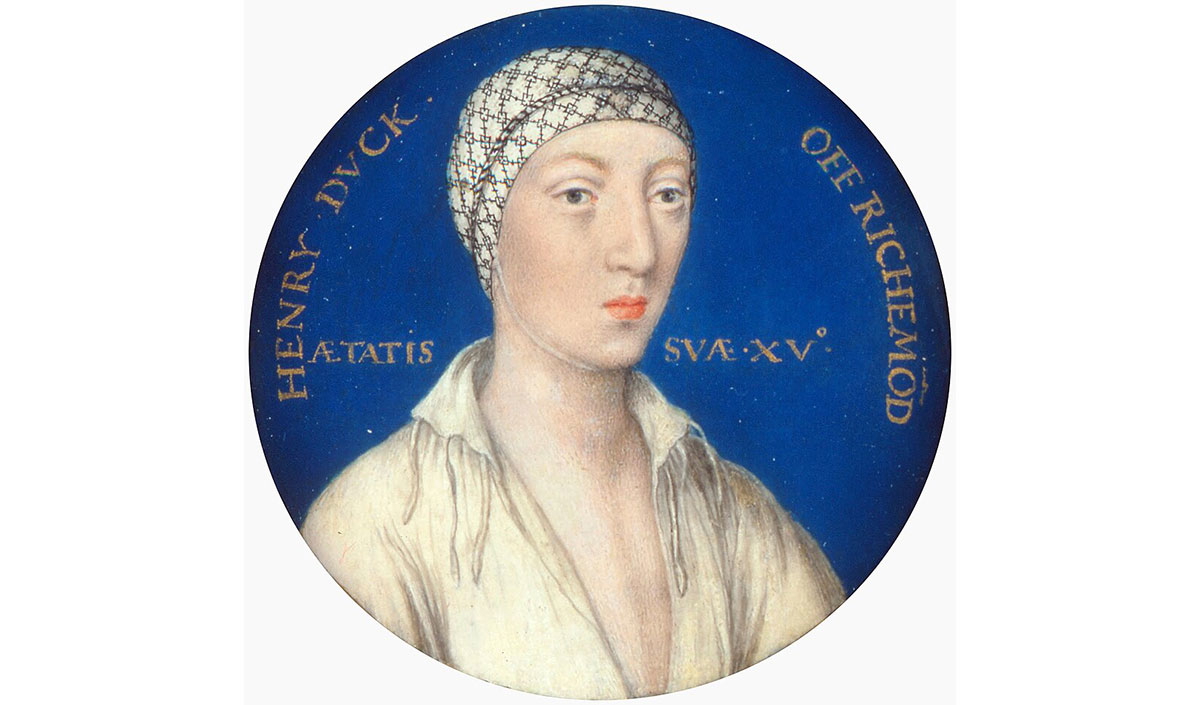
Henry FitzRoy was born on June 15, 1519, the son of Henry VIII and his mistress, Elizabeth Blount, one of the ladies-in-waiting of the English queen, Katherine of Aragon. Although royal mistresses were not as publicly accepted in England as they were in France, where they could even hold positions at court, they were certainly not unheard of.
As the queen had not produced a son who had lived past infancy (only one daughter, Mary) in a decade of marriage, the fact that Blount could sire a son for the king proved that Henry could produce healthy male children, while also implying that Katherine could not. King Henry was overjoyed at his son’s birth, openly acknowledging him as his own, and naming him Henry with the surname FitzRoy, literally “son of the king,” as if to quell any doubts as to whose son he was.
In 1525, at the young age of six, Henry FitzRoy was admitted into the prestigious Order of the Garter, the English chivalric order begun by King Edward III in the 14th century, perhaps the highest honor possible in England. That same year, Henry VIII began bestowing upon him an impressive array of titles: Duke of Richmond and Somerset, Lord High Admiral of England, Lord President of the Council of the North, and Warden of the Marches. A princely household was established for him, and his upbringing varied little from that of a royal heir. This was by no means the usual curriculum vitae of a bastard son in Tudor England, and this fact would have been lost on no one at court.
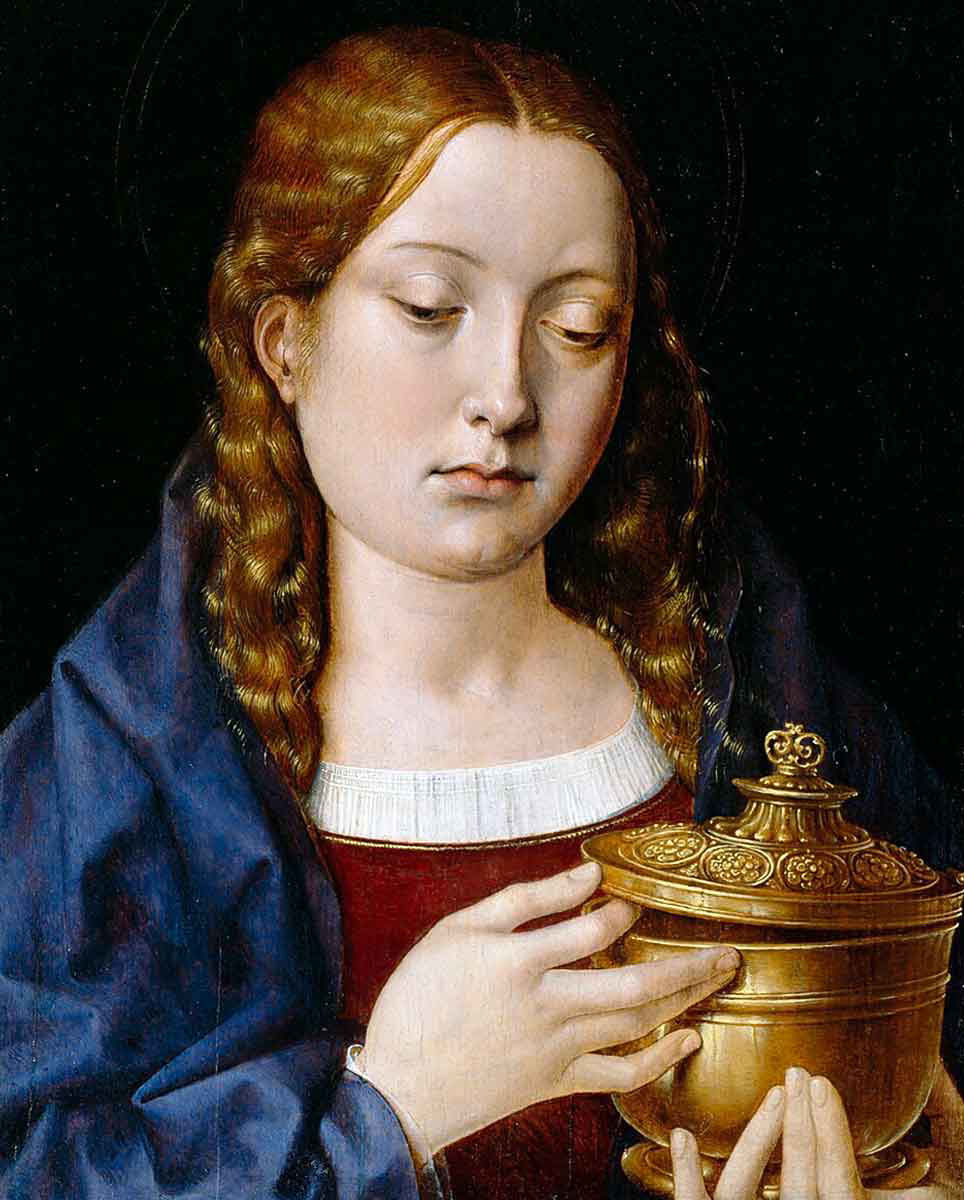
In 1533, Henry FitzRoy married Mary Howard, daughter of Thomas Howard, Duke of Norfolk, and one of the most powerful men in England. However, Henry VIII refused to allow the marriage to be consummated, purportedly out of concern for young FitzRoy’s health (which it could be argued was entirely ineffective preventative healthcare).
Although there was a precedent for such thinking, as it was rumored that the king’s older brother, Arthur, had become ill and died after sexual overindulgence, the true motivation for such a restriction was far more likely one much more in keeping with Henry’s Machiavellian nature—namely, that if the marriage was never consummated, it could be easily annulled if a more politically advantageous match should present itself.
And indeed, there is evidence that as early as 1534, Henry began exploring the possibilities for a marriage between FitzRoy and Mary of Guise, which, if brought to fruition, would have required an annulment of his marriage with Mary Howard.
The fact that Henry considered a match for his son with the Guises—one of the most powerful families in France—is a clear indication that he held open the possibility of great things for FitzRoy, perhaps even legitimization and naming him as heir to the throne, especially as Anne Boleyn had not yet produced a male heir. However, Henry FitzRoy became ill, most likely with tuberculosis, and died at the age of 17 in July 1536.
The Many Paths to the Tudor Throne
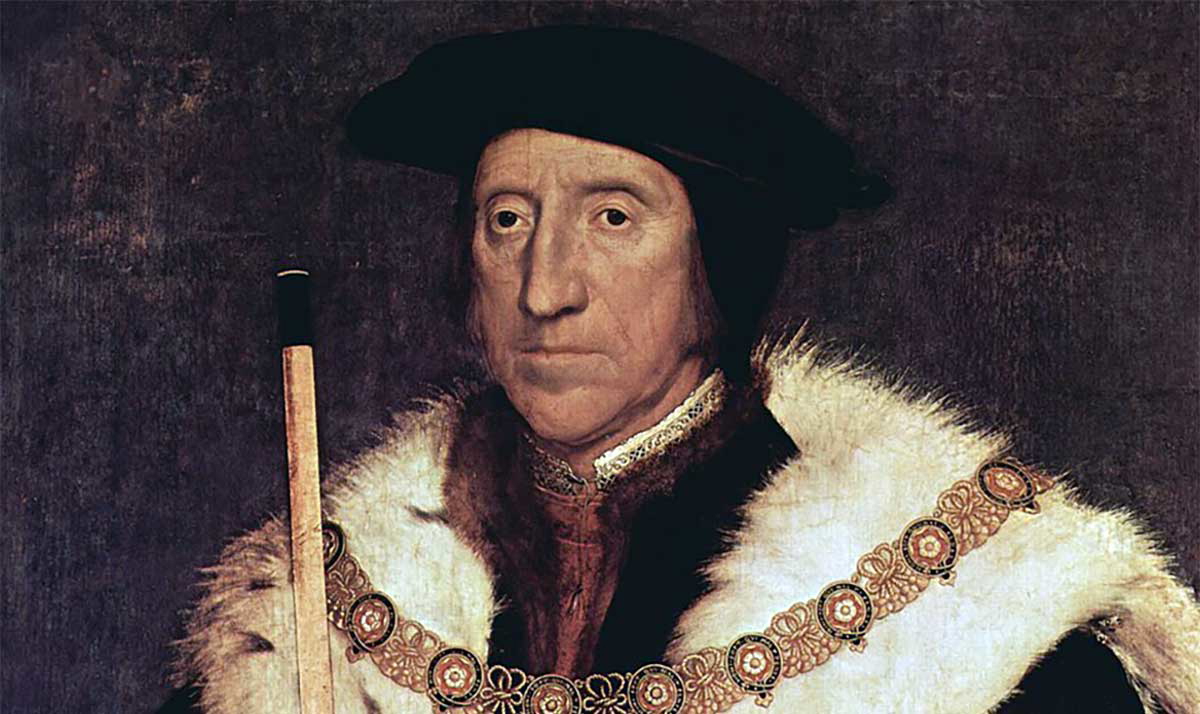
The fact that Henry FitzRoy, born illegitimate, was never named to the royal succession would come as no surprise in another age. But in Tudor England, an illegitimate birth was not quite the obstacle it was in other lands or even in other eras of English history. Indeed, the only “normal” royal succession of the entire Tudor Dynasty—wherein the crown passed from father to (indisputably) legitimate male heir—was that of Henry VIII, when he succeeded to the throne upon the death of his father, Henry VII. A brief look at how the English crown was passed down the Tudor line will put Henry FitzRoy’s royal eligibility in context.
With the exception of Jane Grey, all of the Tudor monarchs of England after Henry VIII were his offspring, and each one’s legitimacy and right to rule were questioned from at least one corner. The annulment of Henry’s marriage to Katherine of Aragon, his first wife, was held to be invalid by Catholics since it was obtained outside the church of Rome. Thus, to Catholics, Henry’s only legitimate child was Mary, his daughter with Katherine. According to this interpretation, both Elizabeth, Henry’s daughter with Anne Boleyn, and Edward, his son with Jane Seymour, were illegitimate since he was still married to Katherine of Aragon. In order to quell any doubts over the crown’s future, Henry turned to a parliamentary tactic called an Act of Succession, of which there were three during his reign.
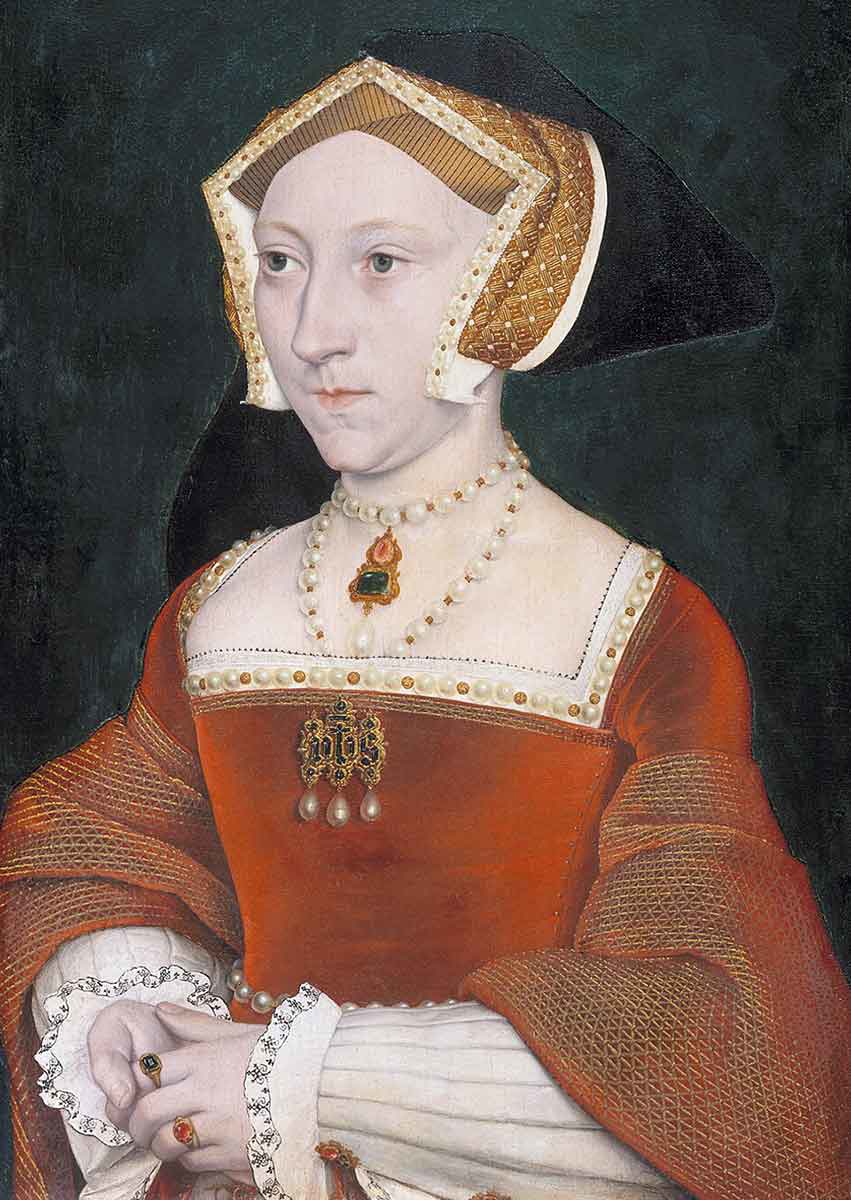
The first Act of Succession (1534) illegitimized Mary, removed her from the line of succession, and declared Elizabeth and any other future offspring of Henry and Anne Boleyn as legitimate heirs to the throne. The second Act of Succession (1536) declared Elizabeth also illegitimate (now that her mother had been executed) and, importantly, gave Henry the power to name his successor by letters patent or royal will in the event that he died without a legitimate heir. The third Act of Succession restored both Mary and Elizabeth to the royal succession (though without restoring their legitimacy) and confirmed Edward, Henry’s son by Jane Seymour, as heir to the throne (followed by Mary and Elizabeth if Edward were to die childless).
Edward VI continued his father’s use of letters patent to ensure (unsuccessfully) that his Catholic sister Mary would not succeed to the throne, leading to the brief (and disputed) reign of Jane Grey, the so-called “Nine Days Queen.” Ultimately, Mary and Elizabeth, both of whom had been alternatively legitimate and illegitimate, succeeded to the English throne.
How Henry FitzRoy Could Have Been King
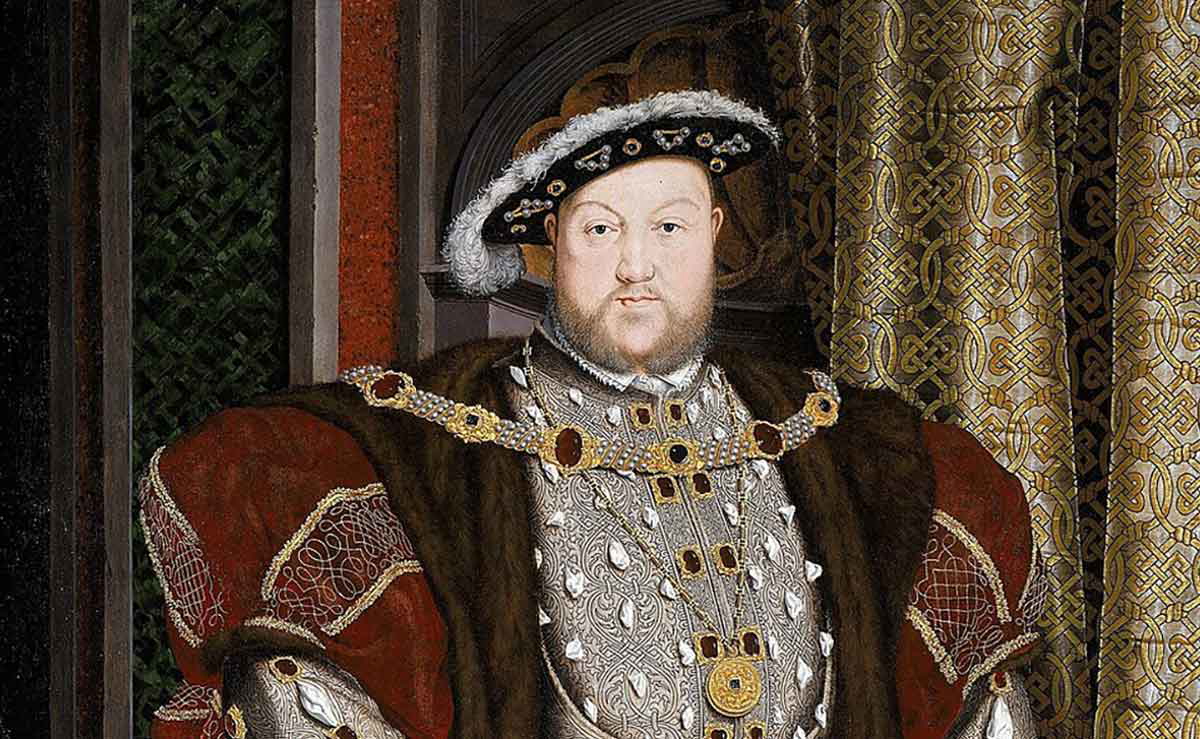
As he demonstrated repeatedly, there were few rules that Henry VIII was unwilling to either bend or break to have his way regarding both his marital status and the royal succession. The favors which Henry showered upon FitzRoy from an early age demonstrated to everyone that he considered the boy to be much more than simply the bastard offspring of a royal mistress. And speculation regarding FitzRoy’s royal candidacy was not limited to the English court. Eustace Chapuys, the Imperial ambassador in England, wrote to Emperor Charles V in 1536 regarding the possibility that Henry might legitimize FitzRoy and designate him as heir.
When the second Act of Succession was enacted in the summer of 1536, there was still no legitimate male heir. This would have been the perfect time for Henry to legitimize his bastard son, and he may well have intended to do so, but the fact that FitzRoy died in July of that year is a likely indication that he was already too sickly for such a consideration.
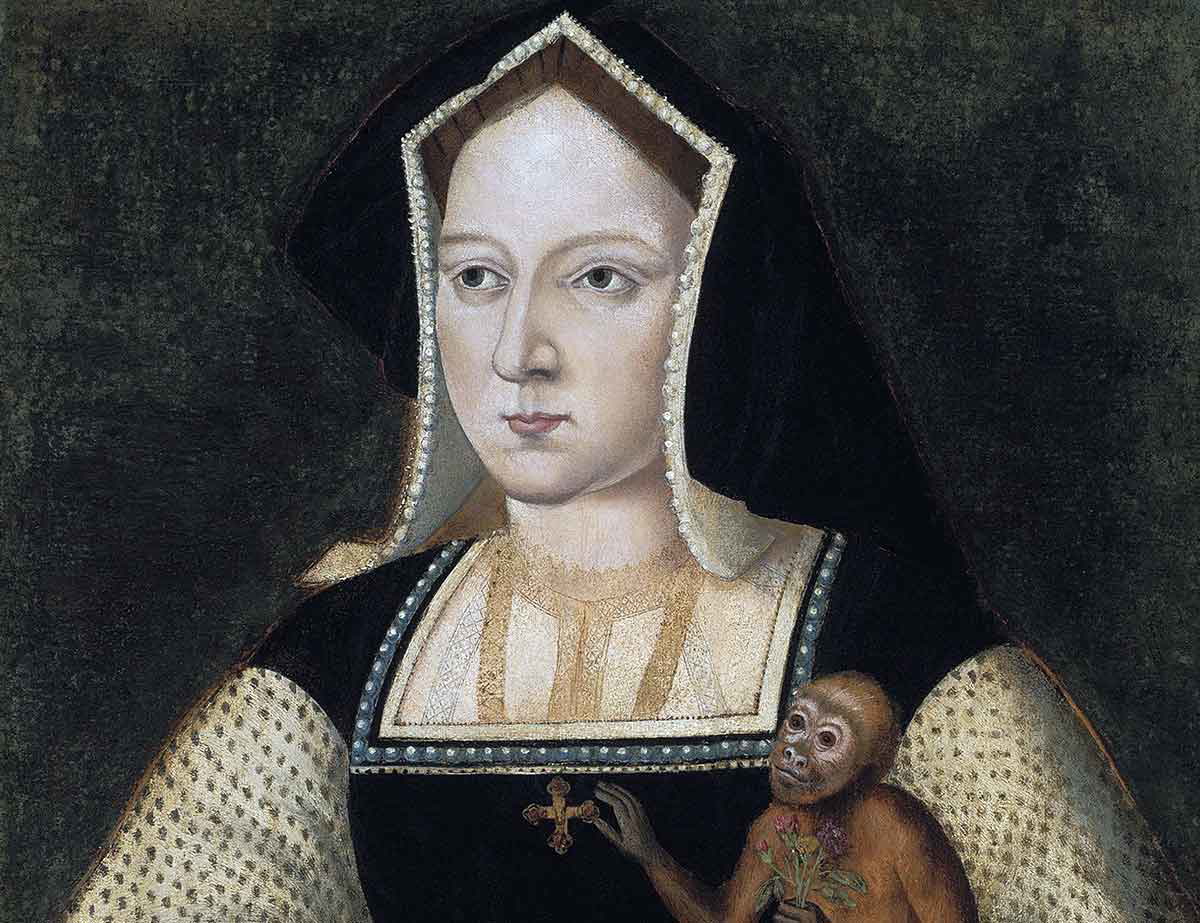
Possessing both the motive and means to do so, it is unclear why Henry did not ever legitimize FitzRoy or name him to the succession before his fatal illness, but one possibility at least seems plausible—namely, that Henry and Elizabeth Blount had never been married. Now, in Catholic eyes, Henry had never been married to anyone other than Katherine of Aragon, but as far as Henry was concerned, his subsequent marriages were equally valid, even though they took place outside the church of Rome. A son or daughter could be legitimized or illegitimized, but an extramarital relationship could not be converted into a marriage ex post facto, within or without the bounds of the Catholic Church.
This may have been an important distinction in Henry’s mind, especially since his chief rival, King Francis I of France, had two unquestionably legitimate sons, one of whom would succeed him as king of France (Henry II). Perhaps Henry believed that only a son born in wedlock could be the equal of one of Francis’s sons.
If Henry FitzRoy had survived his illness in 1536, then it seems likely that Edward VI would have named him to the succession, assuming Henry VIII had not done so already. Perhaps even more than his father, who had already (most likely reluctantly) restored Mary and Elizabeth to the succession, Edward was insistent that only a male heir should succeed to the throne. In the early drafts of his Devise for the Succession (1553) he made it clear that only a male could succeed to the throne, but his deteriorating health, the lack of a viable male candidate, and pressure from the powerful Duke of Northumberland led to several modifications, resulting in Edward naming Jane Grey as heir to the throne in the final Letters Patent.
However, if his illegitimate half-brother, Henry FitzRoy, had still been alive when Edward’s health began to fail, he most assuredly would have named him as heir to the throne over any female candidate, no matter her lineage or the validity of her claim. By 1553, FitzRoy would most likely have had one or more surviving children of his own, perhaps even a son or two, to succeed to the throne after him. The Tudor Dynasty would have continued with a king instead of a queen, and the second half of the 16th century would have looked quite different.
More Unknowns Than Knowns
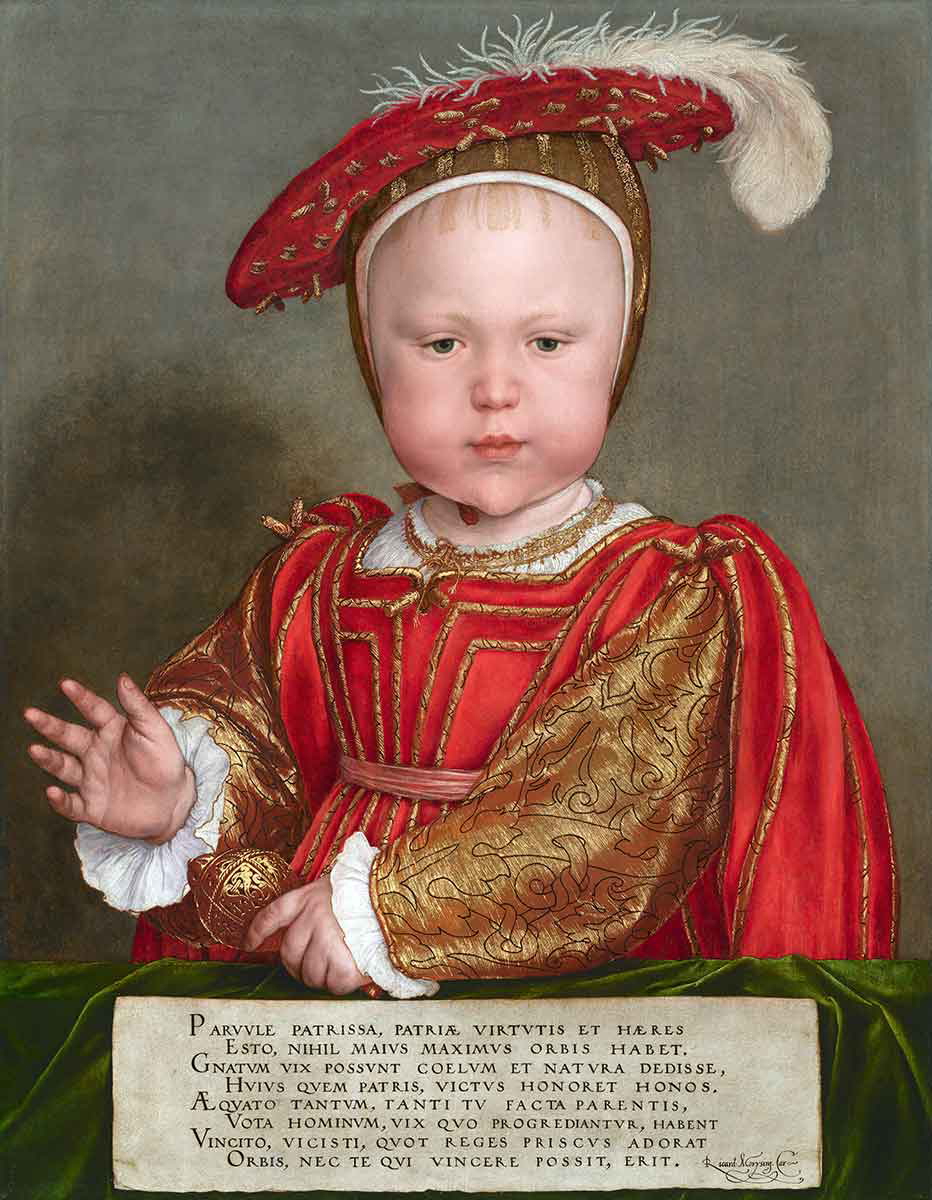
Unfortunately, we simply do not know what Henry FitzRoy himself thought about his own position in Tudor England. If he had any hopes or dreams of one day succeeding to the English throne, there is no record of it, which is hardly surprising given that putting such a sentiment down in writing could have been dangerous. What little writing exists from his own hand mostly consists of correspondence related to his various positions as Duke of Richmond, Warden of the Marches, and others.
It would be fascinating to know whether he resented his father for not legitimizing him, especially after the divorce from Katherine of Aragon and the delegitimization of Mary. Henry FitzRoy spent his entire life as the only son of Henry VIII (he died before Edward was born), so one can only assume that at least once he asked the question, “Why not me?”