The county of Hertfordshire offers visitors the chance to explore beautiful ruins dating back to Roman times, a stunning Jacobean mansion, and architecture that looks like candy canes. It was in this county that an infamous political plot was foiled by chance, and the young Queen Elizabeth I learned of her ascension to the throne. Famous families have also made their mark, like at the National History Museum at Tring. These are nine of the most intriguing places of historical interest to explore when visiting the county of Hertfordshire.
1. Marvel at the Collections of the Natural History Museum at Tring
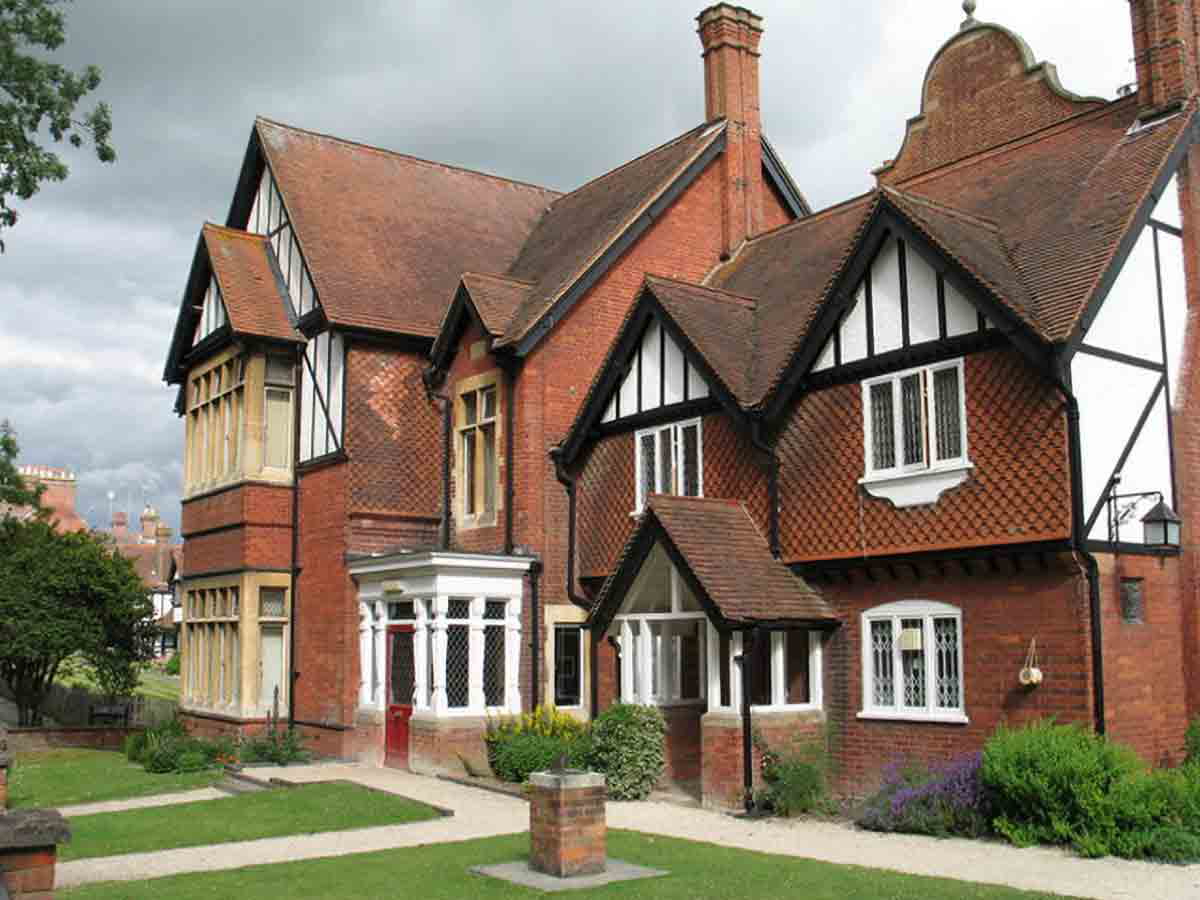
The Natural History Museum at Tring is a personal zoological collection that once belonged to Lionel Walter Rothschild, the 2nd Baron Rothschild. He founded the private museum in 1889 on the grounds of the Rothschild family home. Rothschild was a keen zoologist and an eccentric character; he was known for riding around in zebra-drawn carriages. What started out as a personal project has today amounted to one of the largest ever zoological collections created by a single person.
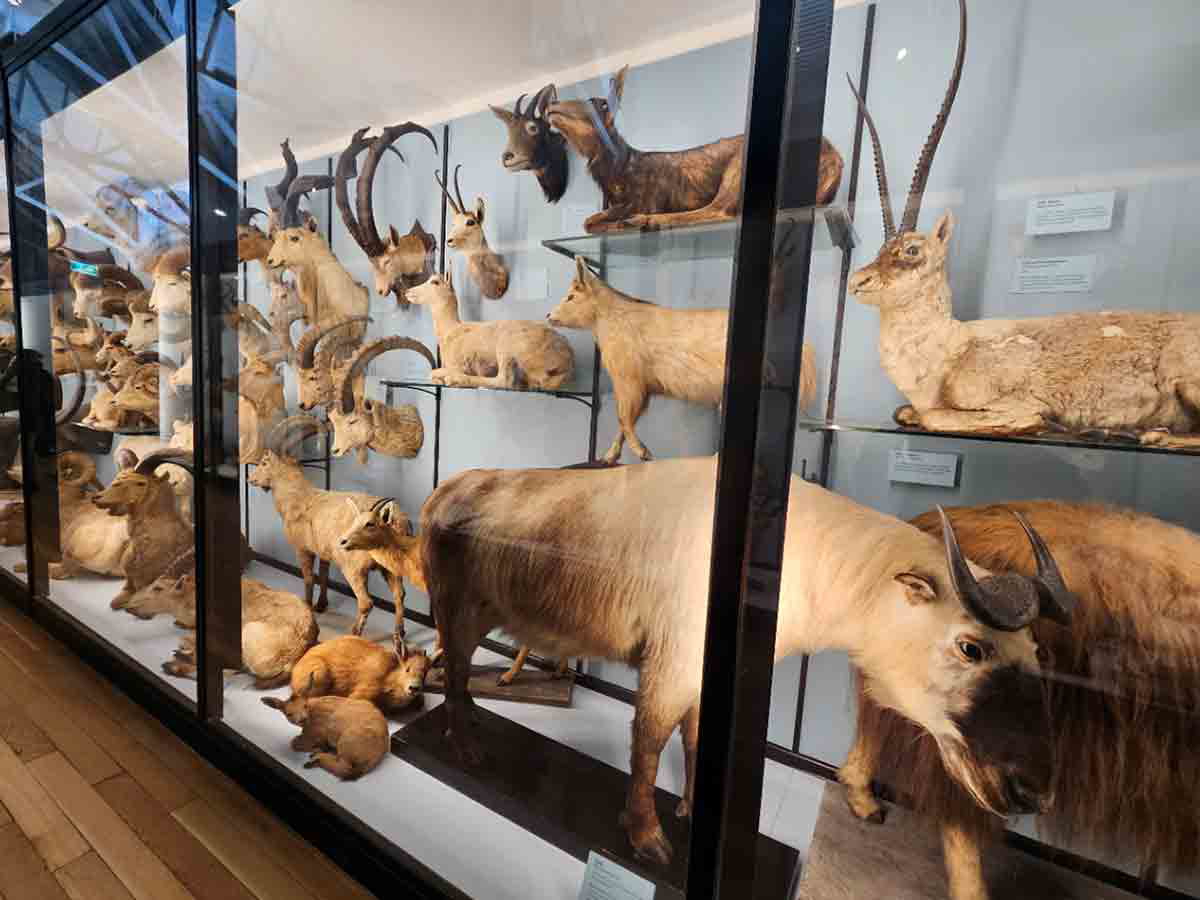
After almost 50 years as a private museum, Rothschild gifted everything to the Trustees of the British Museum in 1937, on the condition that it would remain a center for zoological research. Today, visitors can discover over 4,900 animal specimens—from beetles to bears and aye-ayes to zebras—and learn about conservation and the natural world. Exhibits feature displays of extinct creatures and Rothschild’s own breeding experiments, such as the zebra-horse hybrid foal. The museum has kept its mission—and promise to Rothschild—however, some of his methods of collection would be considered quite controversial by today’s standards.
2. Enjoy Exquisite Architecture at Rye House Gatehouse
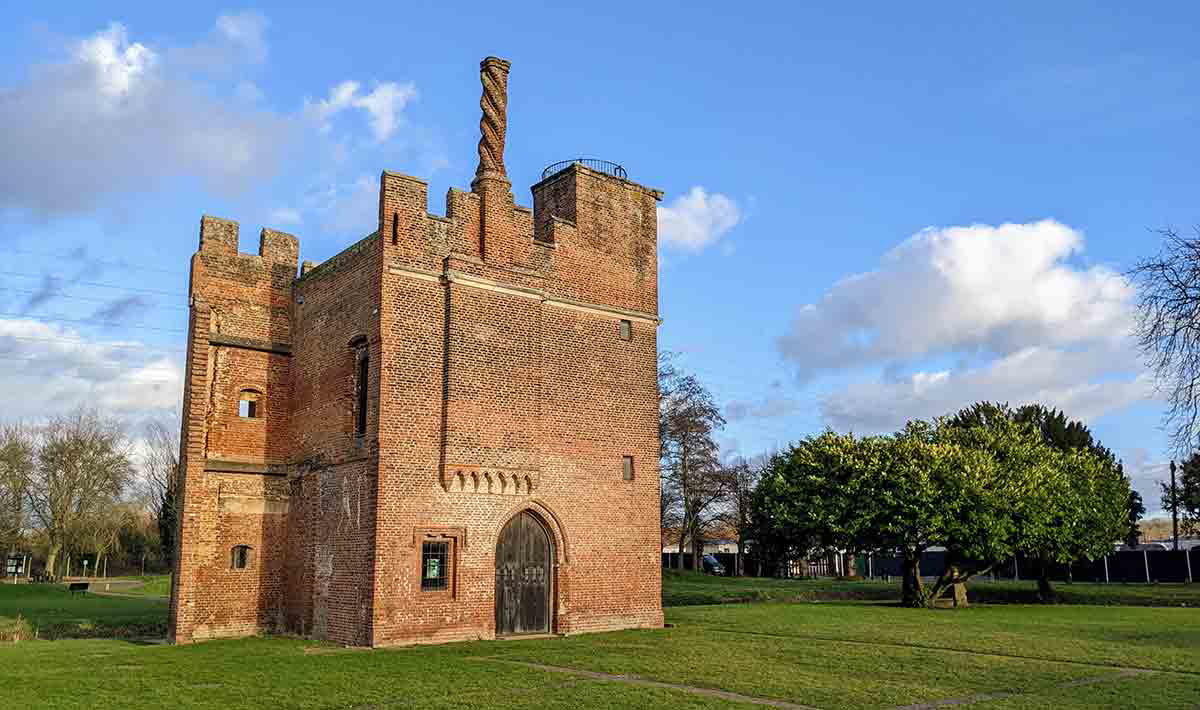
Rye House Gatehouse, built in 1443, is one of England’s oldest post-Roman brick buildings. It is the only remnant of a once-grand fortified manor commissioned by Danish knight, Sir Andrew Ogard. The beautiful walls showcase early brick construction techniques, including the decorative “diaper” brickwork made using repeating geometric patterns. The building also professes unique architectural elements like a “barley sugar” chimney, a style characterized by twisted or spiral patterns that resemble traditional barley sugar candy sticks. The gatehouse was the childhood home of Catherine Parr (1512-48), King Henry VIII’s sixth and last wife and England’s most married queen (she had four husbands).
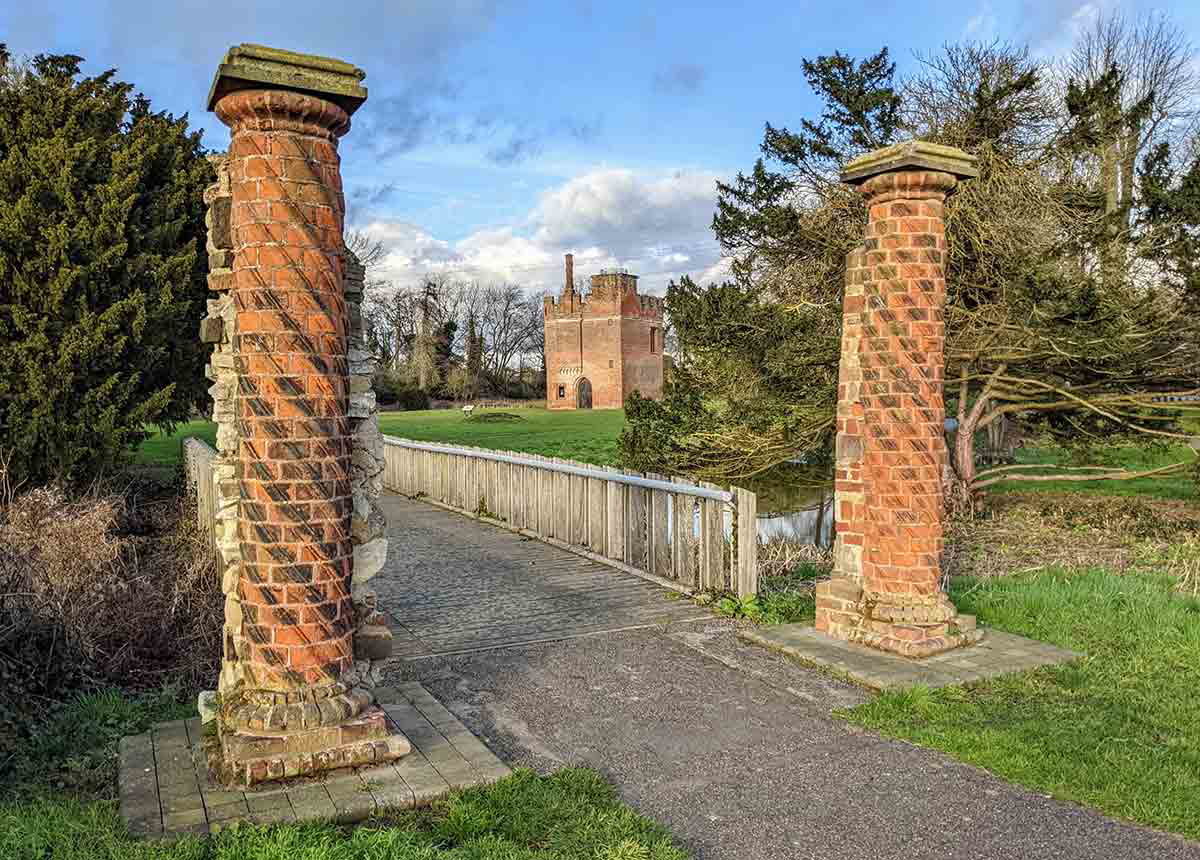
In 1683, a group of Protestant Whigs plotted to assassinate King Charles II (1630-85) and his brother James, Duke of York (later King James II), at Rye House. The plan was to ambush the royal party on their return from the Newmarket races. However, a fire broke out—destroying half the town—prompting the royals to return to London earlier than planned. The plot was foiled by this chance event, and, after it was discovered, the government issued arrests and held trials and executions of the suspected plotters. In 1870, the Grade I listed building was transformed into a popular Victorian pleasure garden, and today visitors can explore exhibits and marked outlines of the former manor house.
3. Visit St Albans to Discover Ancient Celtic and Roman History
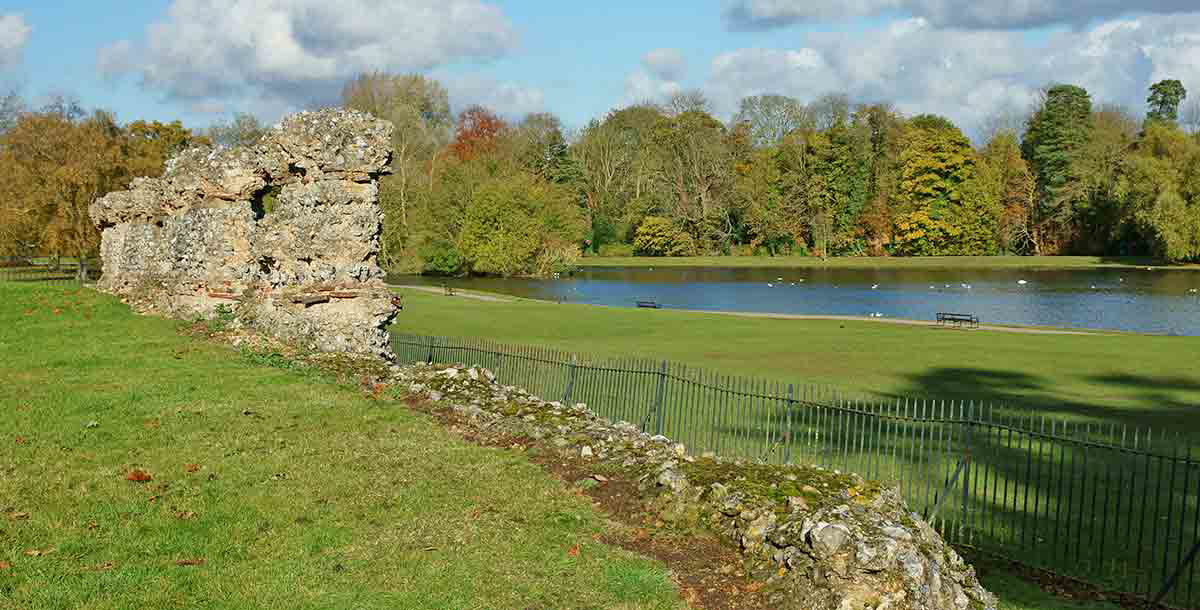
Near the present-day town of St Albans are the ruins and remnants of what once was a significant Roman settlement called Verulamium. However, before the Romans, there was an Iron Age British settlement called Verlamion or Verlamio. It served as the tribal center for the Catuvellauni, a powerful Celtic tribe whose name likely translates to “battle-famous” or “war-chiefs.”
At the height of their power, the Catuvellauni occupied many areas, including modern-day Hertfordshire, Bedfordshire, Buckinghamshire, and Cambridgeshire. The tribe led the resistance against the invading Romans in 43 CE. In 51 CE, the Celtic King Caractacus (also known as Caratacus) was hauled before Emperor Claudius in Rome, where he made a speech that would spare his life and make him a folk hero of British history.
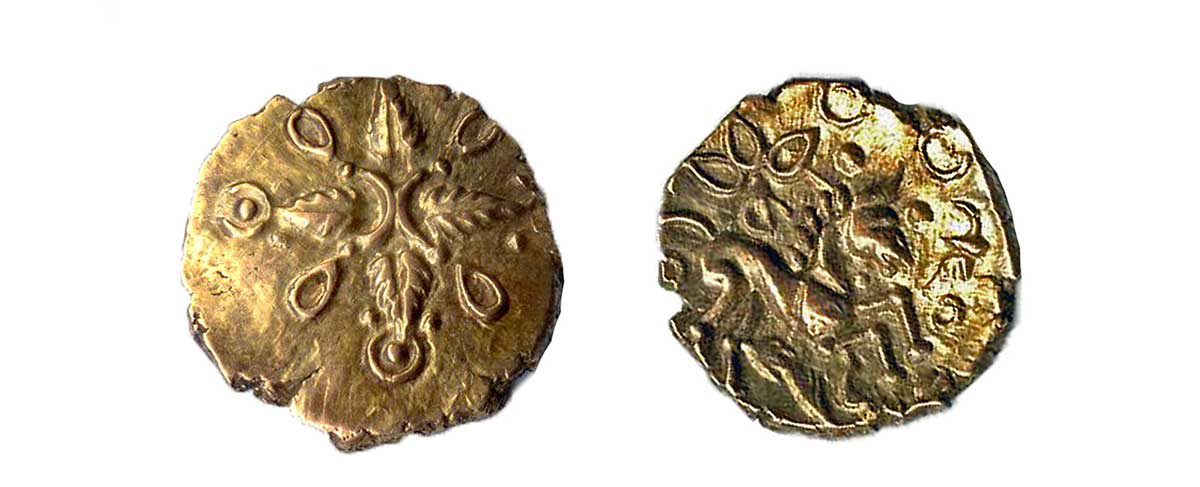
As Roman rule replaced Celtic rule, Verlamion was replaced with Verulamium, which developed into a major Roman town and eventually became the third-largest city in Roman Britain. It flourished in the next four centuries, housing a basilica, forum, theater, and strong city walls. This all changed after the Roman’s departure from Britain between 400 and 450 CE. Town folk used city stone and rubble to create other structures in their community, causing the grand city of Verulamium to erode away in the centuries that followed.
4. Take a Seat on the Mounds of the Roman Theatre of Verulamium
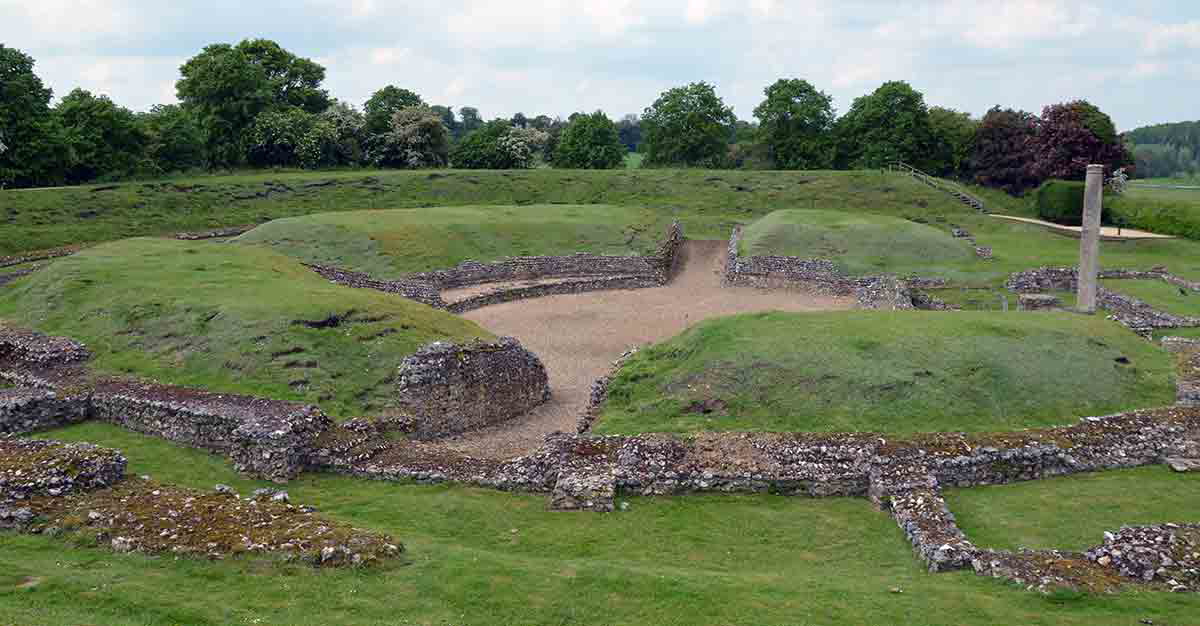
Of the many traces of Verulamium ruins, the Roman Theatre is perhaps one of the most interesting that remains visible. Built around 140 CE, it is the only known Roman theater with a stage—as opposed to a free-standing open-air amphitheater—in Britain. It would have served as a place for wrestling, dancing, religious ceremonies, and even shows with wild animals.
Extensions to the auditorium in 180 CE and later in 300 CE brought seating for 2,000 spectators. When the Romans left, it fell into disuse, became a garbage dump, and lay largely forgotten. It was rediscovered and excavated in 1847, with further works in 1935, 1957, and 1961 gradually revealing shop foundations, a 2,000-year-old secret shrine, and a Roman villa. Visitors can pay a small fee to explore the ruins and can also attend theatrical shows, with admissions managed by the Gorhambury Estate.
5. Trace the Roman Wall of St Albans

To protect the Roman city of Verulamium, the Romans constructed walls encircling the settlement, ruins of which can still be found in the area. Originally, the walls, built with mortared flint, rubble, and brick bonding, were 5 meters tall and had 3-meter-wide footings. For extra protection, a 6-meter-deep, 29-meter-wide ditch was dug out. Visitors can explore one of the ruins, called the Roman Wall of St Albans, which dates between 265 CE and 270 CE.
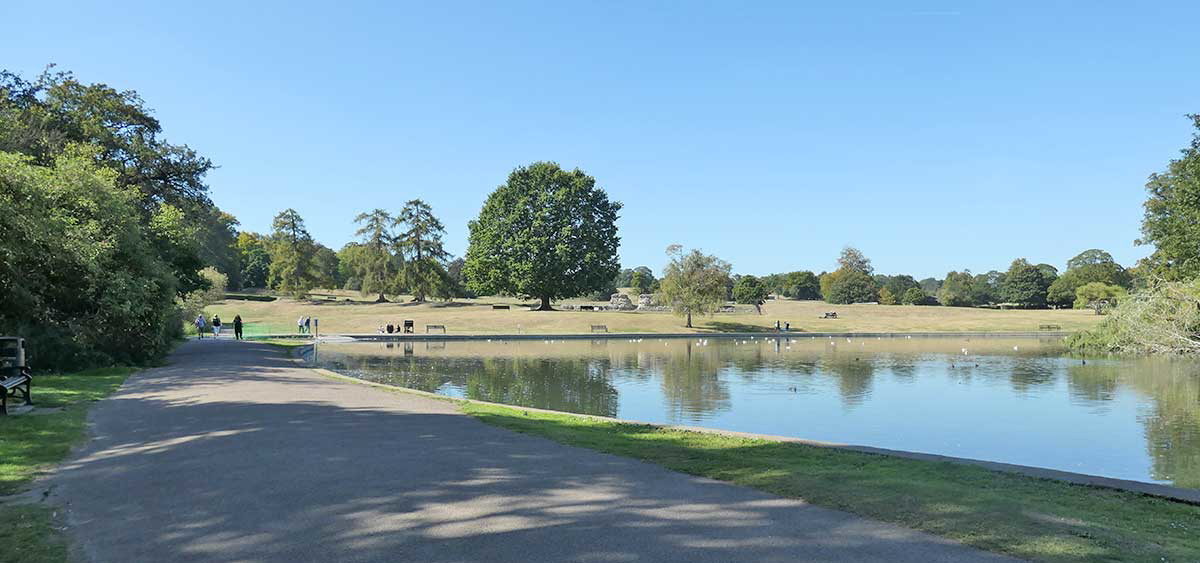
Today, most of the Roman Wall’s two-mile circuit can be walked in Verulamium Park. The best-preserved section can be found on the south side of St Albans, off King Harry Lane. Many of the stones repurposed by local villagers can be found in nearby buildings, such as St Albans Abbey, where the Roman bricks are still visible in the 11th-century tower. Entrance to the park and surrounding areas to explore the ruins is free, and the sites are managed by English Heritage.
6. Explore the Majestic Ruins of Old Gorhambury House
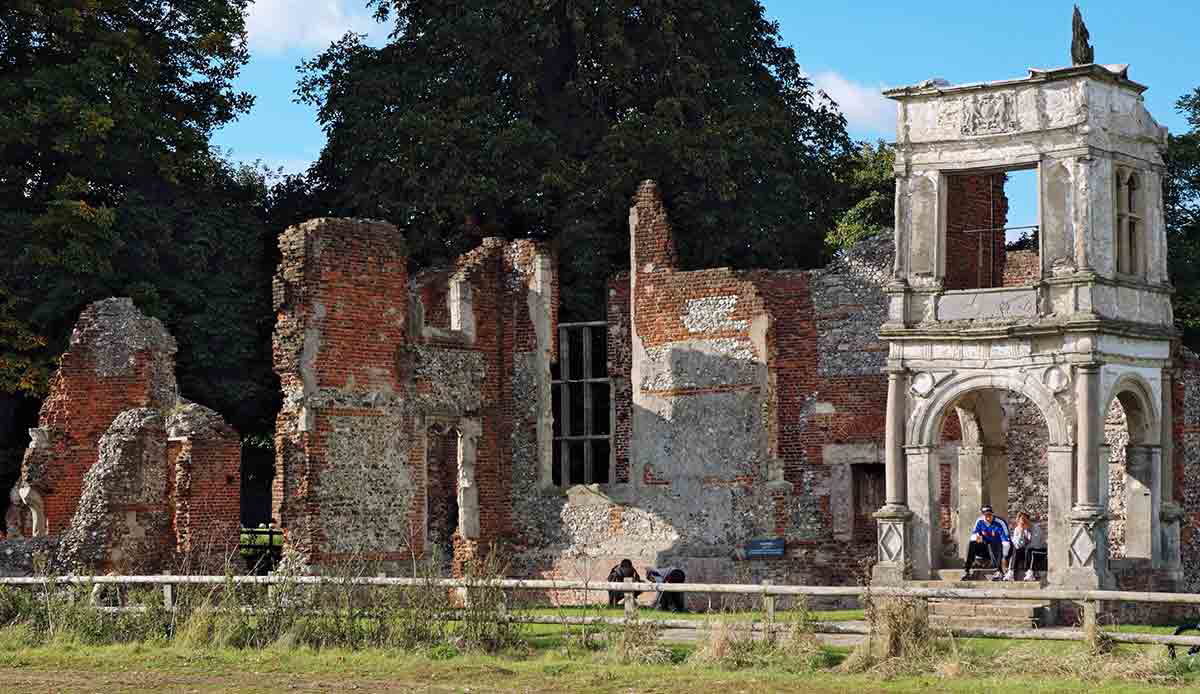
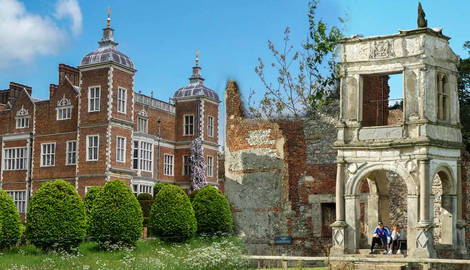
Although these crumbling walls still stand tall and proud, it is the entrance porch that paints a picture of just how glorious Old Gorhambury House would have looked in its prime. Built between 1563 and 1568, this Elizabethan mansion was commissioned by a gentleman named Sir Nicholas Bacon, who was Lord Keeper of the Great Seal during Queen Elizabeth I’s reign. His role carried significant symbolic importance, as historically, the Great Seal was the ultimate mark of sovereign approval that was used on official documentation. Queen Elizabeth I visited the property on a few occasions, and after remarking upon its modest size, Bacon extended the property.
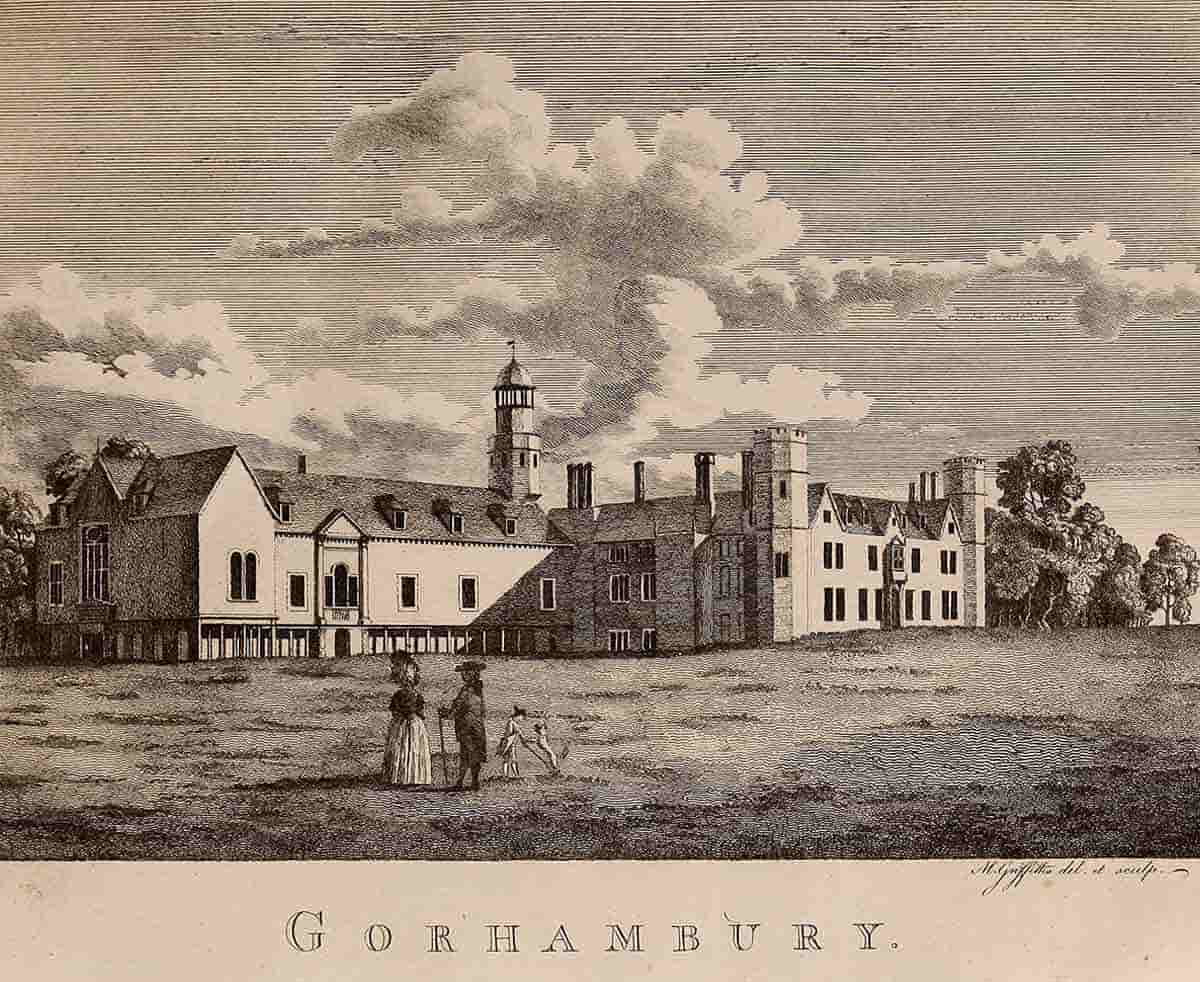
The surviving porch served as a focal point of the house, boasting Doric and Ionic columns. Latin carvings record the date of completion, while other parts of the ruins boast carvings in Caen limestone from Normandy. The property had a conventional Tudor design with a chapel, hall, galleried cloister, and clock tower arranged around a courtyard. Both Bacon and his son, renowned philosopher and statesman Francis Bacon (1561-1626), lived at the property. Sadly, by the 1700s, the house had fallen into disrepair, and in 1784, a Palladian-style property replaced most of the original structure. Today, visitors can still discover some Tudor architecture when exploring the area.
7. Wander the Royal Ruins of Berkhamstead Castle
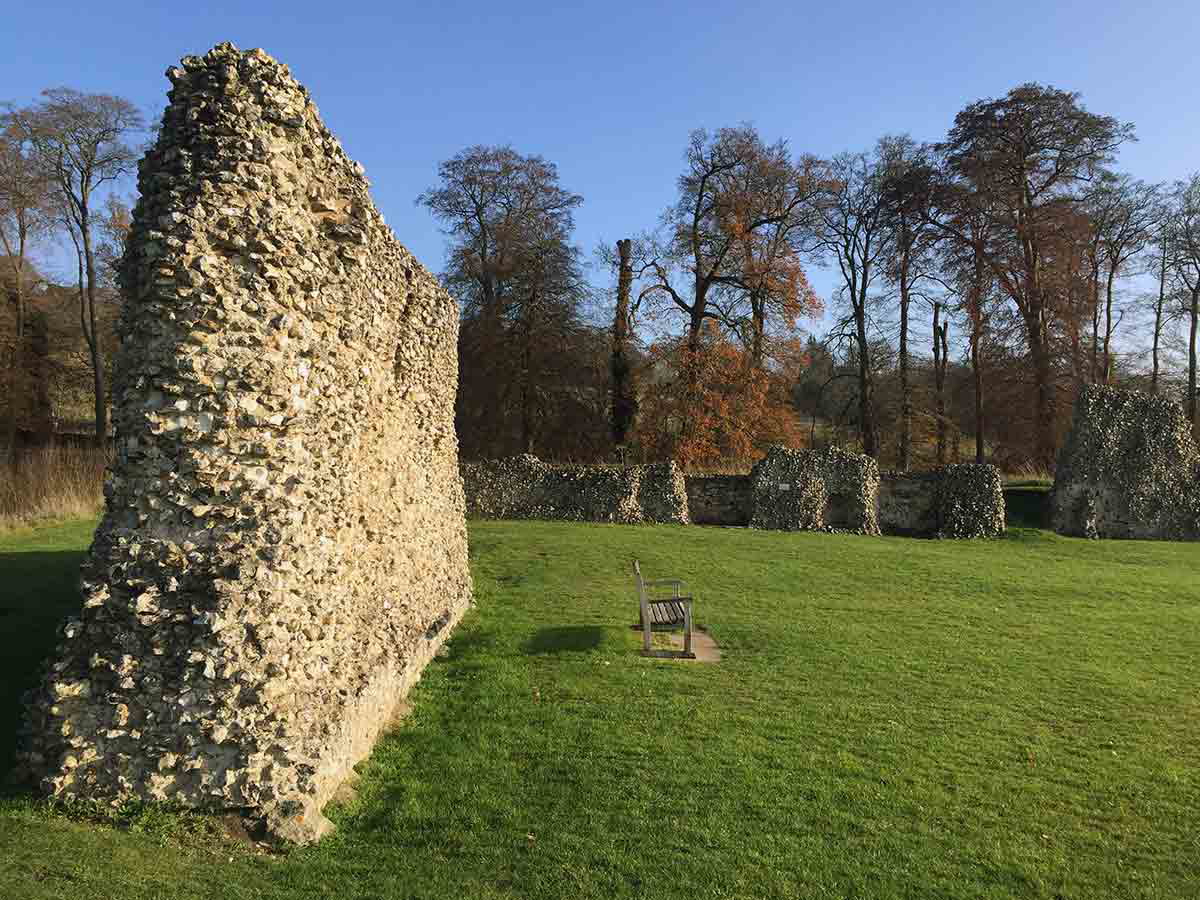
Protruding walls standing stoutly in the ground are all that is left of Berkhamstead Castle. The castle was once a powerful Norman motte-and-bailey fortress, erected in the 11th century by Robert of Mortain, half-brother of William the Conqueror. Berkhamstead was to control the route between London and the Midlands.
Originally constructed in wood, it later became fortified with stone. In 1155, King Henry II granted Thomas Becket the honor of Berkhamsted, who held it until he fell out of the King’s grace in 1164. In 1216, the castle was besieged by Prince Louis of France for 20 days during the First Barons’ War against King John. It served as royal residence for many monarchs, including Richard, Earl of Cornwall, and Edward, the Black Prince. By the 15th century, the castle fell into disuse and was left to rot and ruin. Today, visitors can wander amongst the earthworks and stone ruins that have stood for nearly 1,000 years.
8. Dip Into the History of the Welwyn Roman Baths
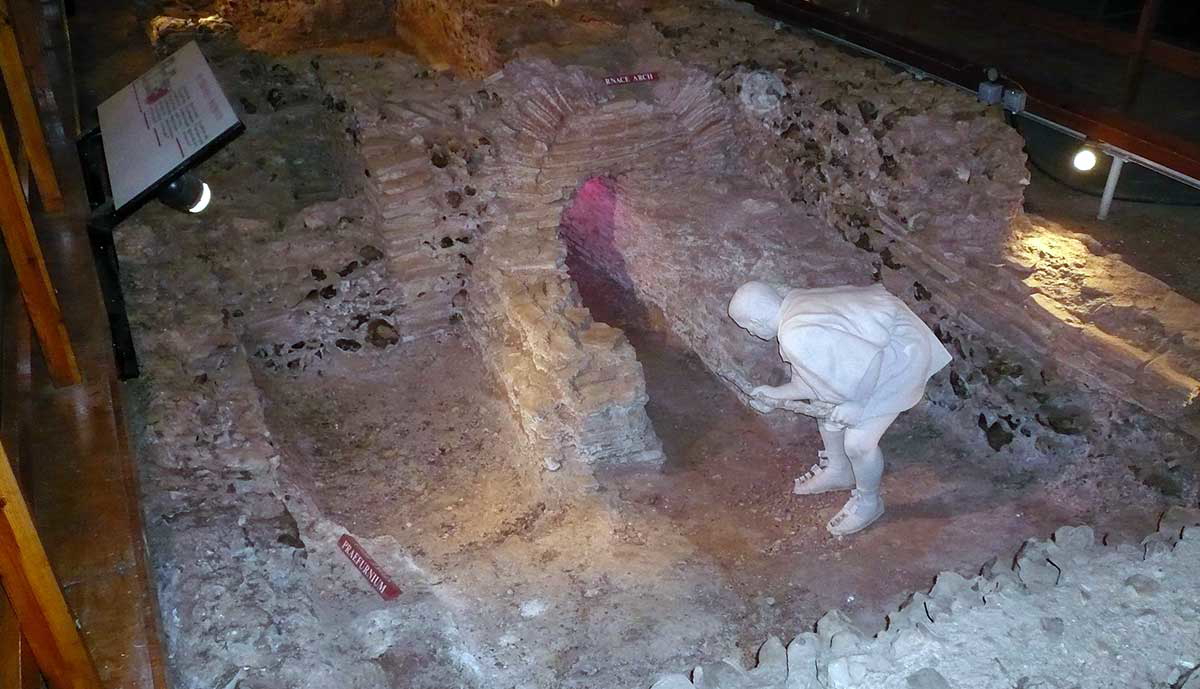
Many of Hertfordshire’s historic sites are nothing more than ruins; however, nine meters below a highway in Hertfordshire are some very well-preserved Roman Baths. Discovered by accident during highway construction in 1960, the Welwyn Roman Baths date back to around 250 AD and were thought to have been part of a roadside inn or possibly a farm. They would have been situated in the Dicket Mead Roman villa close to Welwyn village, from which they get their name. The site, preserved in a steel vault, can be accessed through a tunnel dressed in original Roman tiles. Deep inside, there is a frigidarium (cold room), tepidarium (warm room), caldarium (hot room), plunge pools, and hypocaust (underfloor heating) systems. The baths are open to the general public on Saturdays.
9. Discover Over 400 Years of History at Hatfield House Park and Gardens
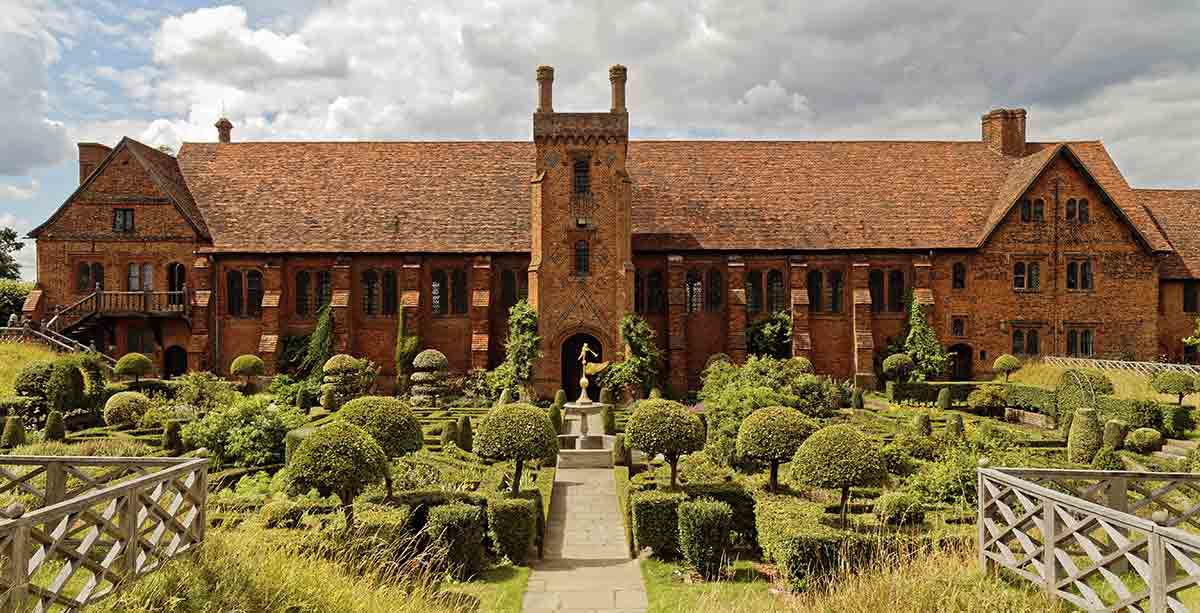
Hatfield House is a Jacobean mansion that was built in 1611 by Robert Cecil, 1st Earl of Salisbury. It sits upon an estate that includes the Old Palace, where Queen Elizabeth I spent much of her younger days and where, in 1558, she famously learned she would become Queen. The house has beautiful gardens, and the woodlands also feature a deer park and the Queen Elizabeth Oak.
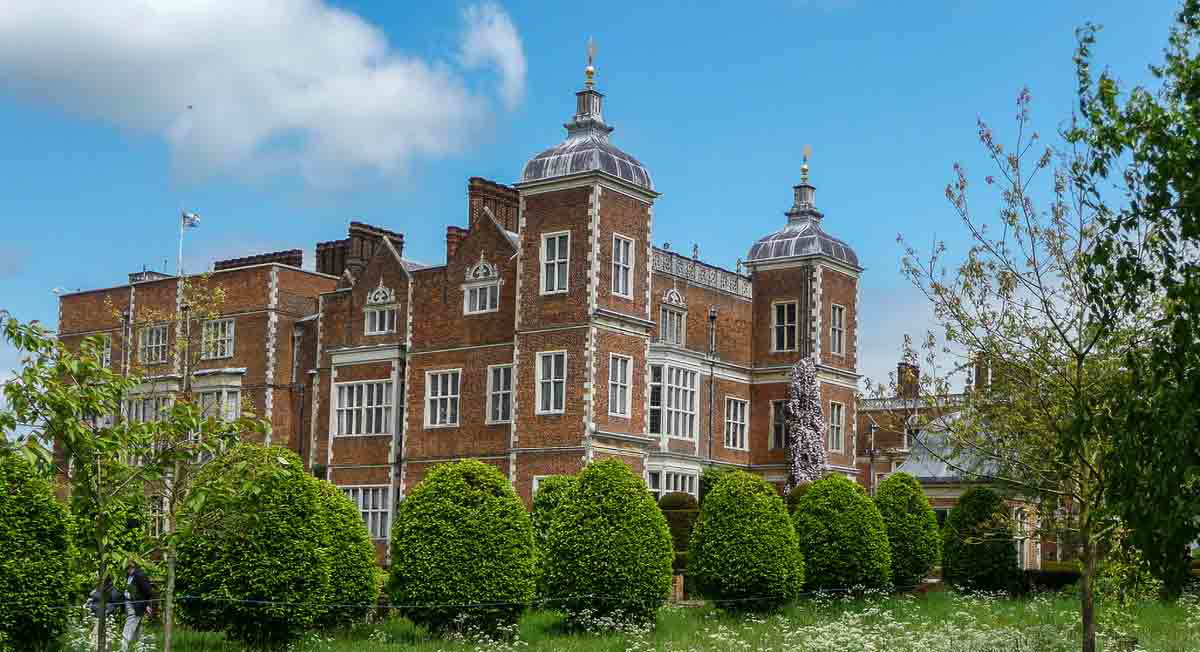
Inside the property are several unique historical treasures, like the Rainbow Portrait of Queen Elizabeth I and Lord Burghley’s draft warrant for Mary Queen of Scots’ execution. Visitors can also explore the Long Gallery, library, chapel, and armory, and discover various Tudor and Stuart era artifacts. The house is still the family home of the Cecils, a family that has played a prominent role in British politics for centuries. Visitors can explore the estate, attend events, and enjoy experiences all hosted by Hatfield Park.