Few historical figures attract as much attention as Napoleon Bonaparte. Over the last roughly two centuries, scholars have come to learn a great deal about virtually every aspect of Napoleon’s remarkable life and career.
Yet, much of Napoleon’s life is also wrapped in myth and legend. We’ll explore one enduring debate about Napoleon’s life: his height. Contrary to popular belief, Napoleon was not exceptionally short. Recent scholarly estimates place his height between 5’5″ and 5’7″, which was considered average for men of his time.
Why Does the Truth About Napoleon’s Height Matter?
It might seem silly to focus so much on a historical figure’s physical appearance. However, Napoleon’s height played a significant role in shaping his legend and legacy among both his supporters and detractors.
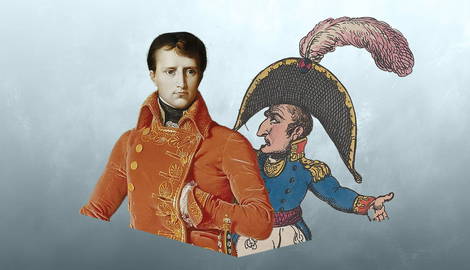
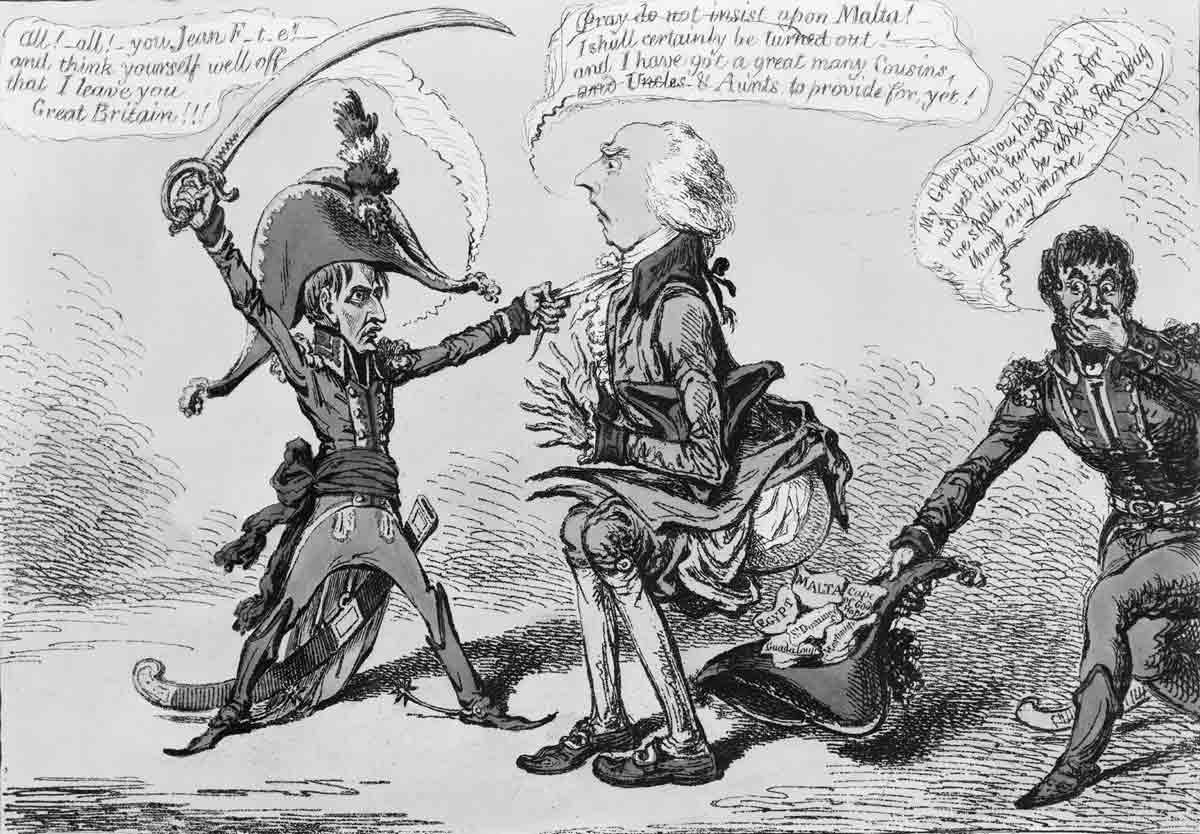
As we will see below, much of what we know regarding Napoleon’s alleged dramatically short stature stems from British propaganda. Britain was revolutionary and Napoleonic France’s most frequent enemy in the more than two decades of near-constant warfare between 1792 and 1815.
In the highly literate and politically active world of early 19th-century Britain, it made sense to publish pamphlets and political cartoons depicting a tiny and annoying rival that the mighty British military would crush. Depicting a diminutive opponent was one way to project confidence in a British victory over France.
However, the British were not alone in producing caricatures of their rival, Napoleon. French Royalists and other opponents also created anti-Napoleonic images.
Moreover, Napoleon Bonaparte and his supporters made use of his stature to create a popular image to celebrate among the French troops and the wider public.
Thus, while it might seem insignificant to talk about Napoleon’s physical appearance, it is relevant to our understanding of many aspects of his life and the Napoleonic era in general.
How Tall Was Napoleon?
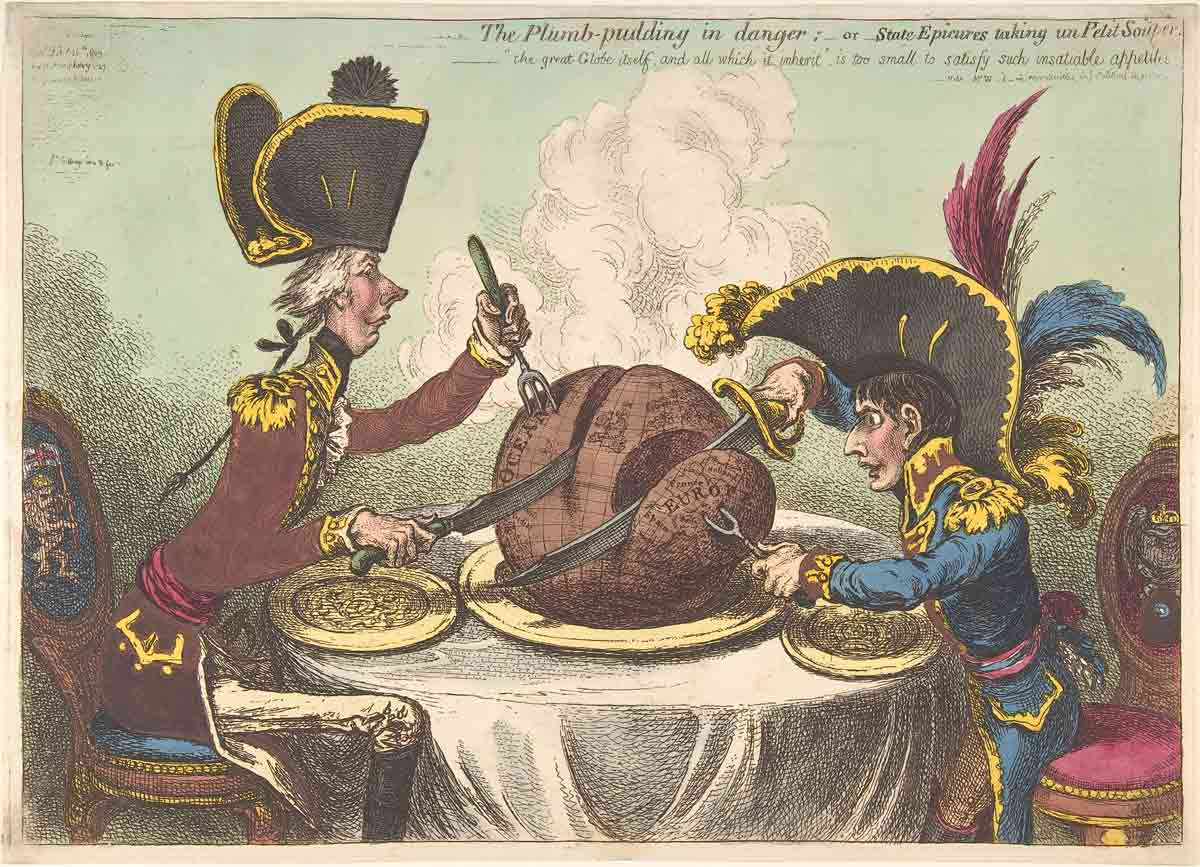
Scholars have long debated the question of Napoleon’s height, just as they have virtually every other aspect of his life and career. According to historian Martyn Lyons, Napoleon “was a short man, even by the standards of the day” (1994, 1).
However, current scholarship on Napoleon moderates the view held by Lyons and many others on Napoleon’s height. For example, historian David Bell says Napoleon stood at 5’4” or 5’5” or roughly an inch or two shorter than the average adult male height of the time (2019, 19). Other estimates place Napoleon’s height at 5’6” or 5’7”.
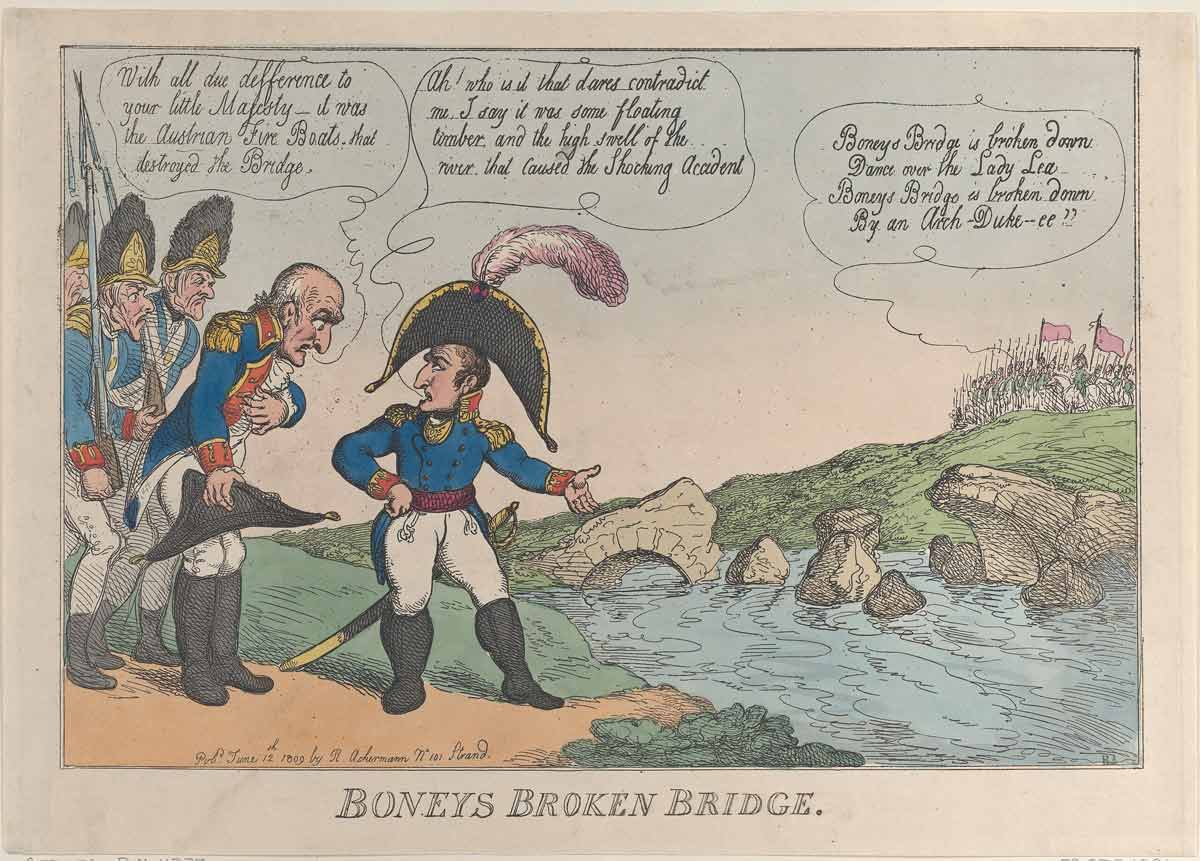
In other words, Napoleon was not a particularly tall man, but he was also far from the familiar diminutive caricatures in the contemporary British press.
The initial cause of the discrepancy comes from the fact that Napoleon measured just 5’2” in the pre-metric French measurement system. Yet, as David Bell notes, this measurement was different than British measurements at the time (2019, 19). Lyons’ assessment is technically correct, but perhaps could be read as a slight exaggeration.
Contemporary Accounts of Napoleon’s Appearance
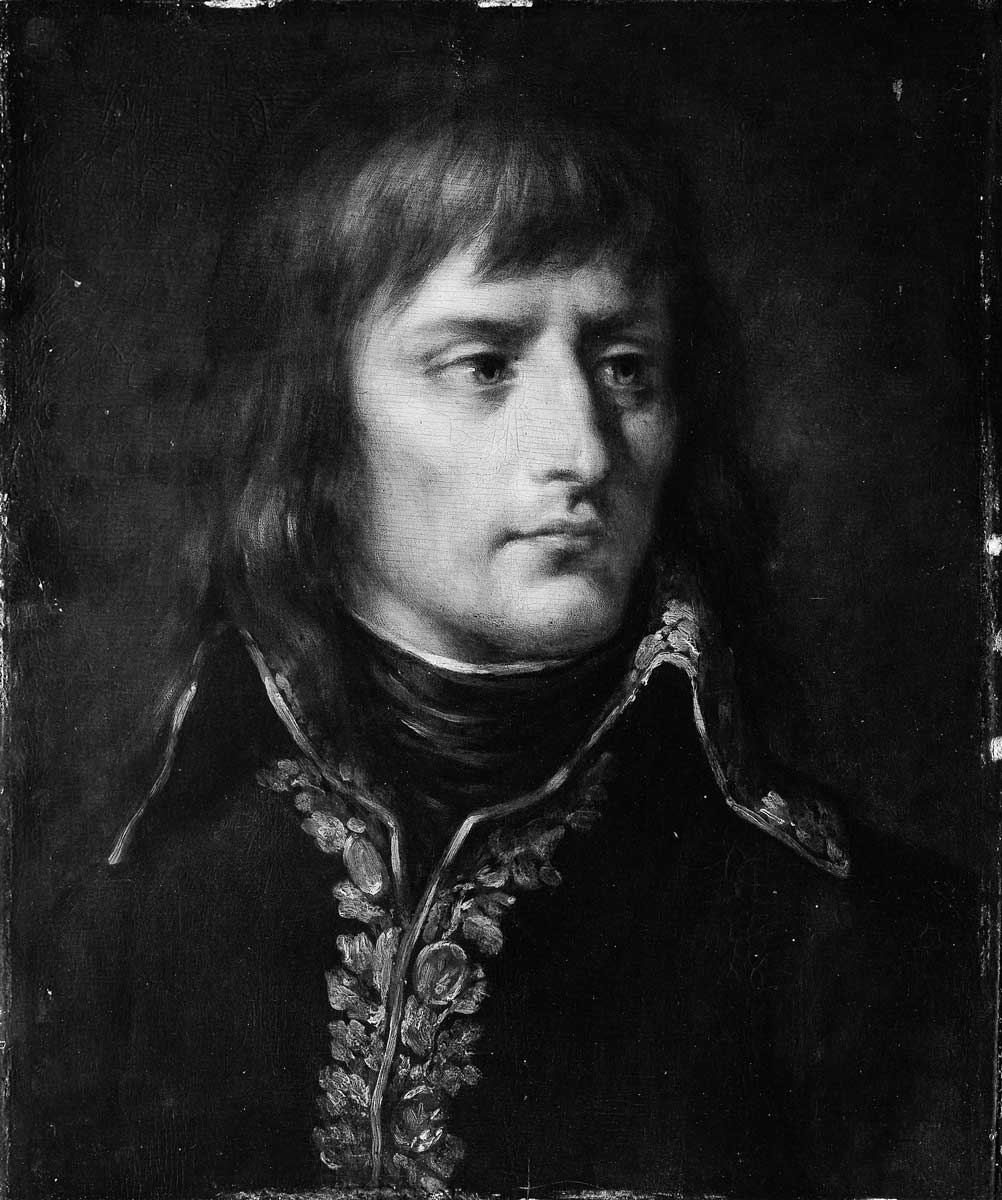
Anyone with an interest in finding out what people who knew or at least met Napoleon thought of him has no shortage of surviving letters, memoirs, and other written accounts to study.
It does not appear that many of his troops were initially impressed by Napoleon’s appearance when he took command of the Army of Italy in 1796. For example, one sergeant described him as “small, skinny, very pale, with big black eyes and sunken cheeks” (Bell, 2019, 29). One of his future marshals, André Masséna, described Napoleon in that same Italian campaign as being “small” and having a “puny face” (Roberts, 2014, 75).
Napoleon’s success on the battlefield rapidly won over the officers and soldiers of the Army of Italy. While nobody would have considered Napoleon a particularly tall and imposing figure, many certainly recognized the qualities that made him a powerful force in early 19th-century Europe.
Chief among those qualities was Napoleon’s boundless energy. Indeed, Napoleon frequently wrote or dictated thousands of letters per year on even the most minute details of government or military affairs. Charles-Maurice de Talleyrand, the political chameleon and longtime French foreign minister who would eventually become a bitter opponent of Napoleon, once said, “What a pity he wasn’t lazy” (Bell, 2019, 29).
The Napoleonic Legend
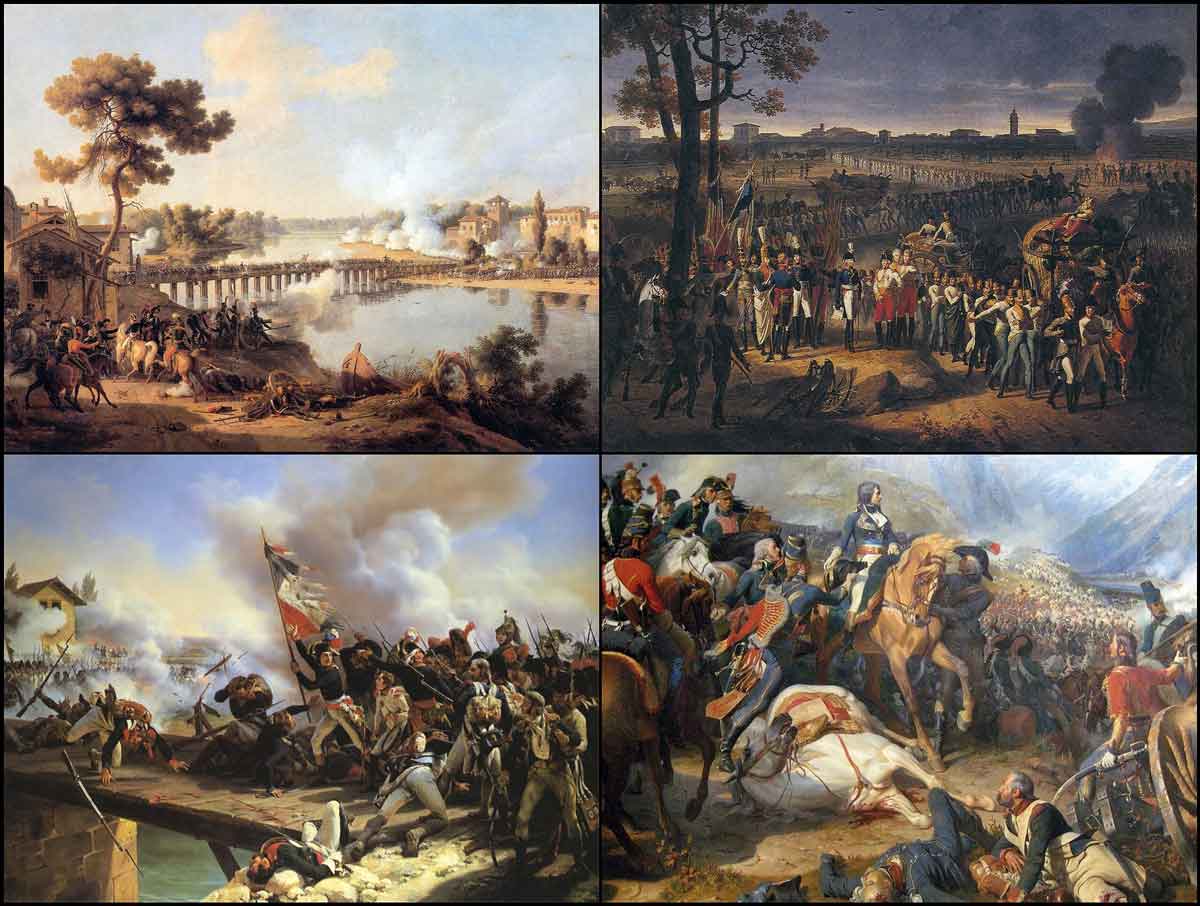
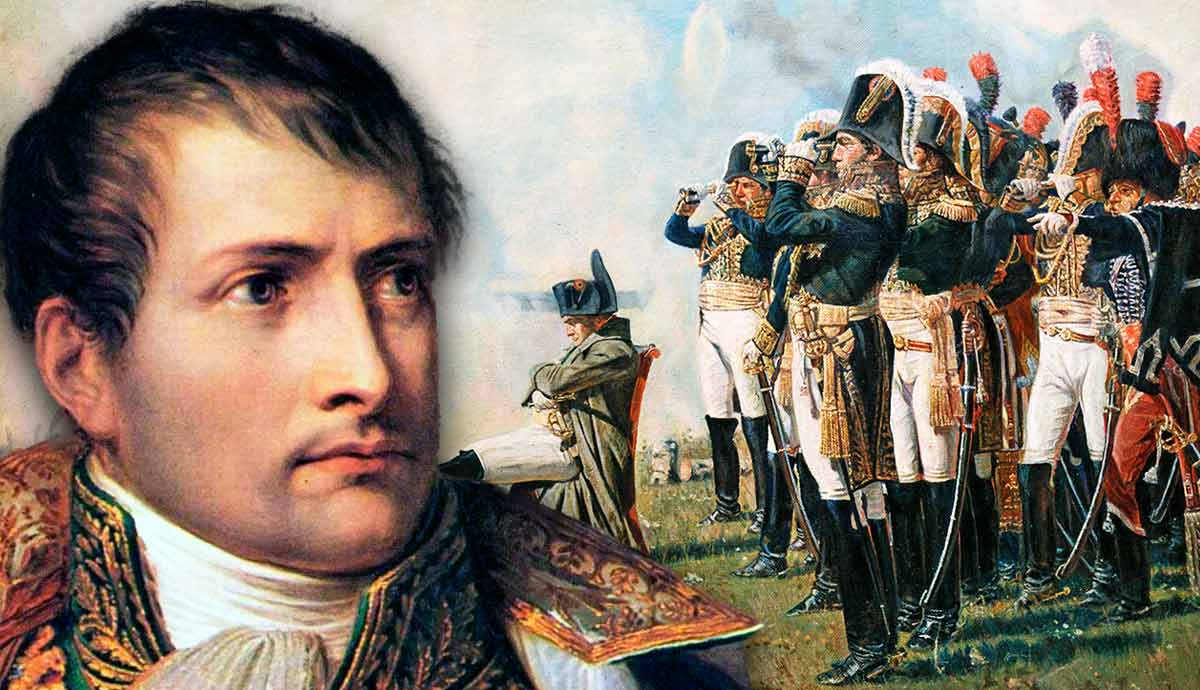
Napoleon played an active role in shaping his public image as an invincible military commander and superior political leader. For example, Napoleon himself helped propagate the image of a successful and popular commander among his troops during the Italian campaigns of 1796-1797 as the “Little Corporal.”
Much of this promotional image portrayed Napoleon as a self-made lawgiver and military genius who harnessed revolutionary energies and rewarded merit. In this narrative, many elements of his physical appearance became emblematic: the gray greatcoat and generally simple dress read as frugality, the controlled stance as disciplined will, his familiar profile as a logo of order and success after the chaos and instability of the French Revolution.
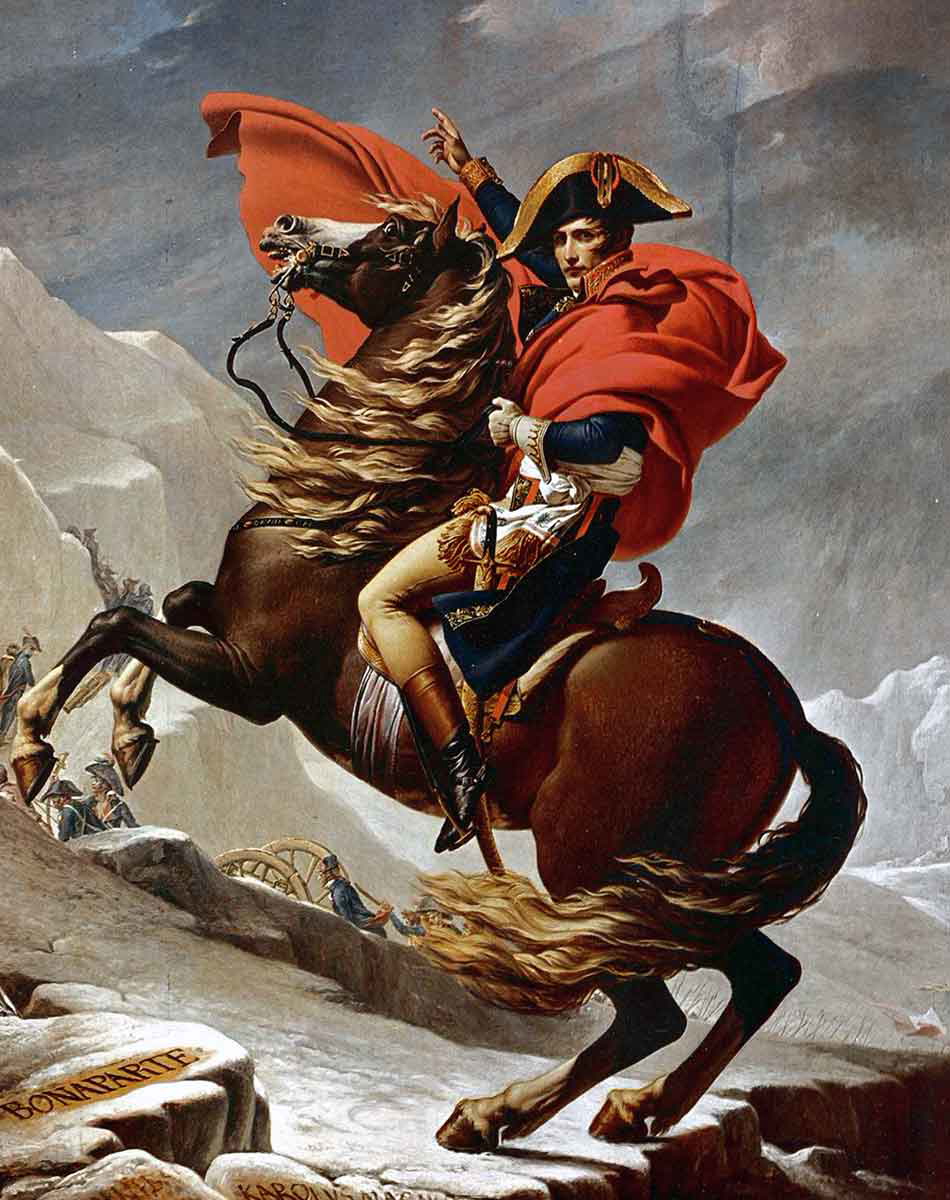
There was certainly truth to this depiction of Napoleon. He did, as historian Andrew Roberts points out, spend little money on clothing and certainly raised many ordinary soldiers to high ranks in the military and French society (2014, 469-470). Many of his initiatives as Emperor of the French (1804-1814, 1815) fused conservative elements of the pre-French Revolution Ancien Régime with the republican spirit of the French Revolution.
However, much of this positive image is also exaggerated. Napoleon was not exactly a man of the people. Indeed, the “Little Corporal” was not averse to gambling with the lives of thousands of his soldiers. Indeed, Napoleon’s attitude towards war and treatment of his soldiers became a source of criticism among his detractors.
Yet, even with the fictions and more frequent exaggerations, Napoleon led a remarkable life.
The Black Legend of Napoleon
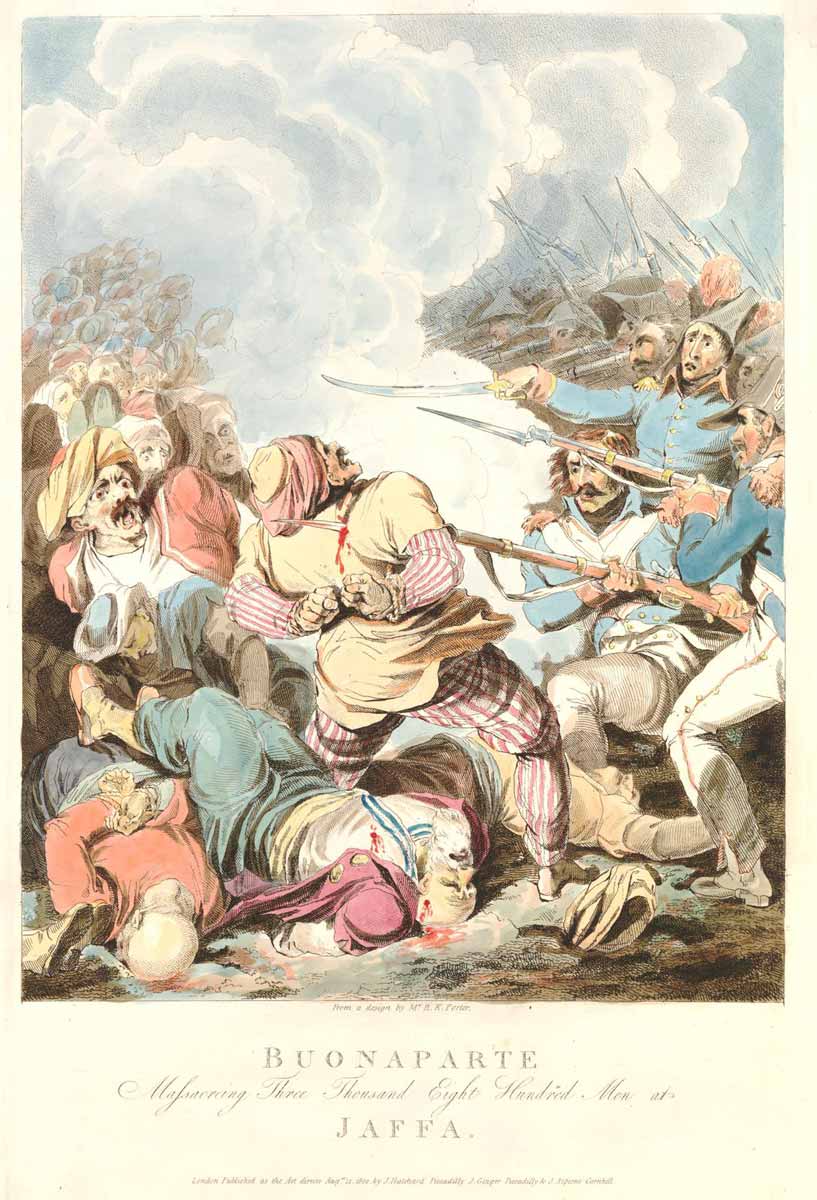
Just as Napoleon and his supporters were actively propagating legends and stories to celebrate the man, his opponents did the same to offer criticism and condemnation.
The so-called “Black Legend” depicted Napoleon as a usurper and ruthless warmonger. Opponents in Britain and on the Continent framed him as a Corsican upstart who threw Europe into chaos thanks to his nepotism, systematic looting of conquered provinces, and seemingly endless will to wage war.
The brutality he showed when confronted with uprisings, particularly in Italy and Egypt, also became focal points of the Black Legend. Perhaps the most enduring example of this brutality was immortalized by Spanish artist Francisco Goya in his works Dos de Mayo and Tres de Mayo, detailing the violent suppression of the uprising against French rule in Madrid in May 1808 (Bell, 2019, 82).
Just like the more positive legend, there is much truth to what Napoleon’s critics have said over the centuries. On the other hand, to read the black legend critically is not to absolve Napoleon; it is to separate indictment from the caricatures, such as those produced by James Gillray. For example, historian Matthew Zarzeczny notes that one of the leading experts on Napoleon, the late Dr. David Chandler, described Napoleon as a “great, bad man” (2013, 214). This mixed view of Napoleon persists to this day.
Historians thus remain divided in their assessments of Napoleon, just as psychologists continue to debate whether the famous Napoleon complex condition truly exists.
Napoleon’s Legacy
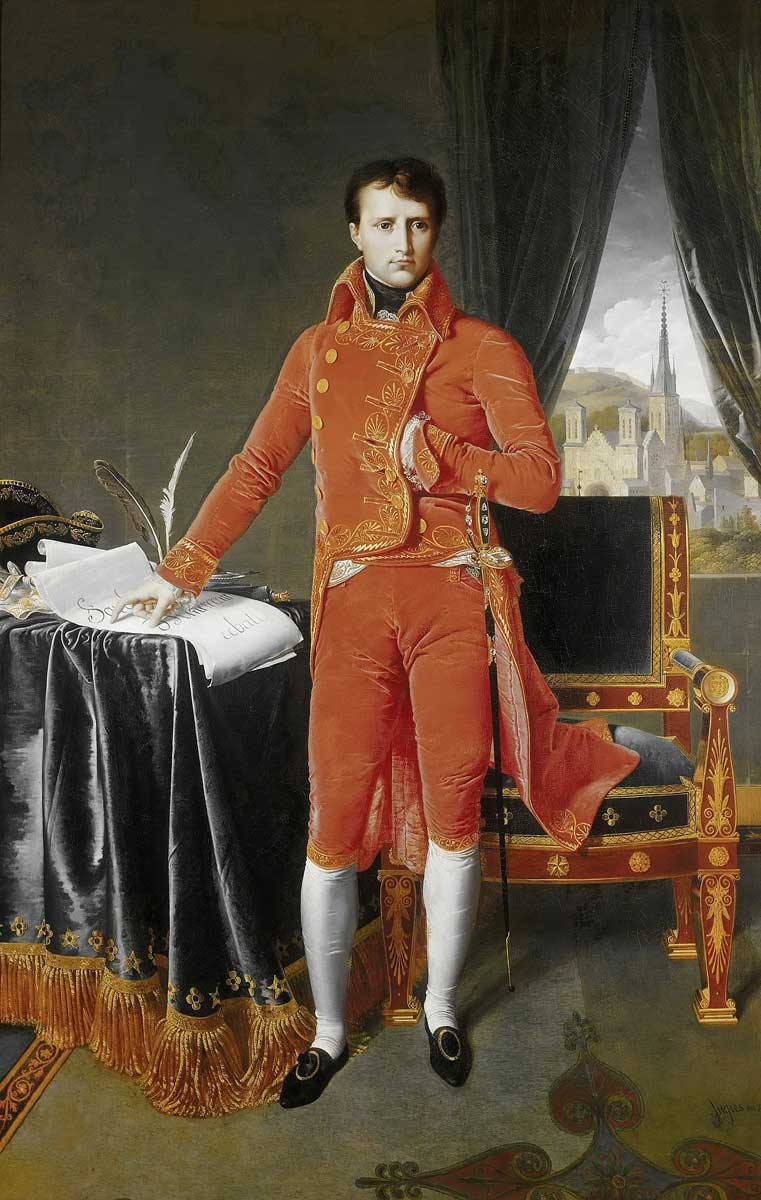
A thorough account of Napoleon’s legacy requires at least one book-length project. However, we can sketch out the broad details of Napoleon’s impact and influence on France, Europe, and the world.
Historian David Bell explains that in the 19th century, Napoleon became a popular hero of European Romanticism, in large part because of many famous episodes in his career, including his victories in Italy in 1796-1797 (2019, 113). His exploits and legal reforms inspired many revolutionaries across Europe and the Americas in the 19th century, including Simón Bolívar.
Napoleon’s supporters throughout the 19th century attempted to gain political power in France by associating with his legendary triumphs. Napoleon’s supporters, known as Bonapartists, carried on his memory and legacy well after he died in exile on the remote South Atlantic island of Saint Helena in 1821.
Bonapartists used many Napoleonic symbols and likenesses of Napoleon on various products, including chocolate tins and snuffboxes, to keep his memory alive and promote their political vision for France.
According to historian Richard J. Evans, Bonapartism stood for national pride, universal manhood suffrage, efficient and centralized bureaucracy, and military glory. It was also closely associated with Republicanism (2016, 12). Bonapartism as a political force in France only collapsed as a result of Napoleon’s nephew, Napoleon III’s defeat in the Franco-Prussian War of 1870-71.
References:
- Bell, D.A. (2019). Napoleon: A Very Short Introduction. Oxford University Press.
- Evans, R.J. (2016). The Pursuit of Power: Europe 1815-1914. Penguin.
- Lyons, M. (1994). Napoleon Bonaparte and the Legacy of the French Revolution. Macmillan Education.
- Roberts, A. (2014). Napoleon the Great. Penguin.
- Zarzeczny, M.D. (2013). Meteors that Enlighten the Earth: Napoleon and the Cult of Great Men. Cambridge Scholars Publishing.