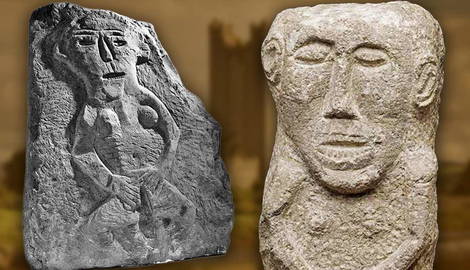

Sheela-na-gigs are stone carvings found in churches across Western Europe, most of which exist in Ireland. They depict women exposing their genitalia, mainly dating to the 11th to 14th centuries when Christianity was the predominant religion in Western Europe. This makes Sheela-na-gigs a bit of a mystery, but the carvings have been recognized as rare examples of positive depictions of women’s sexuality in Medieval art.
Where Can Sheela-na-gigs Be Found?
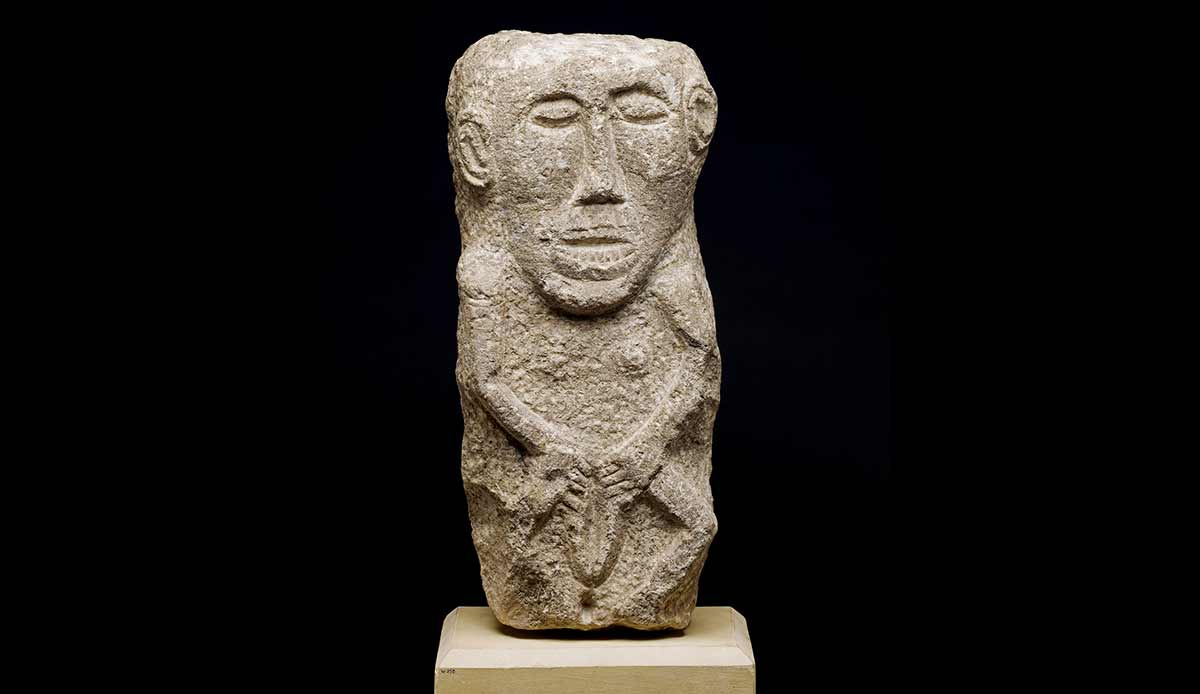
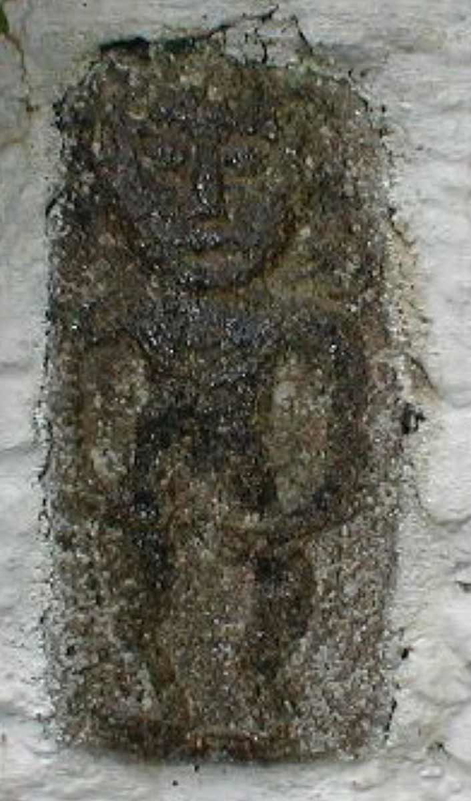
Many Sheela-na-gigs can be found in museums in Ireland, England, and Scotland, but many also exist in their ancient locations—on town walls, built into churches, in piles of stone at ruins, or laid in fields. Due to this, many of the examples of Sheela-na-gigs are slowly disintegrating.
Sheela-na-gigs are shrouded in mystery and even their name is uncertain. The term Sheela-na-gig has Irish origins, but the meaning is unknown. The old hag of the Breasts is offered as a possible translation by Irish archaeologist and historian Eamonn Kelly. Other names have also been given to Sheela-na-gigs over the years, such as Hag of the Castle or Devil Stone. Feminist researcher Barbara Walker suggests that gig in Sheela-na-gig was related to jigs or gigues, which were orgiastic dances in the pre-Christian era. Opinions on the etymology of the name vary by region and family.
Folk Etymology
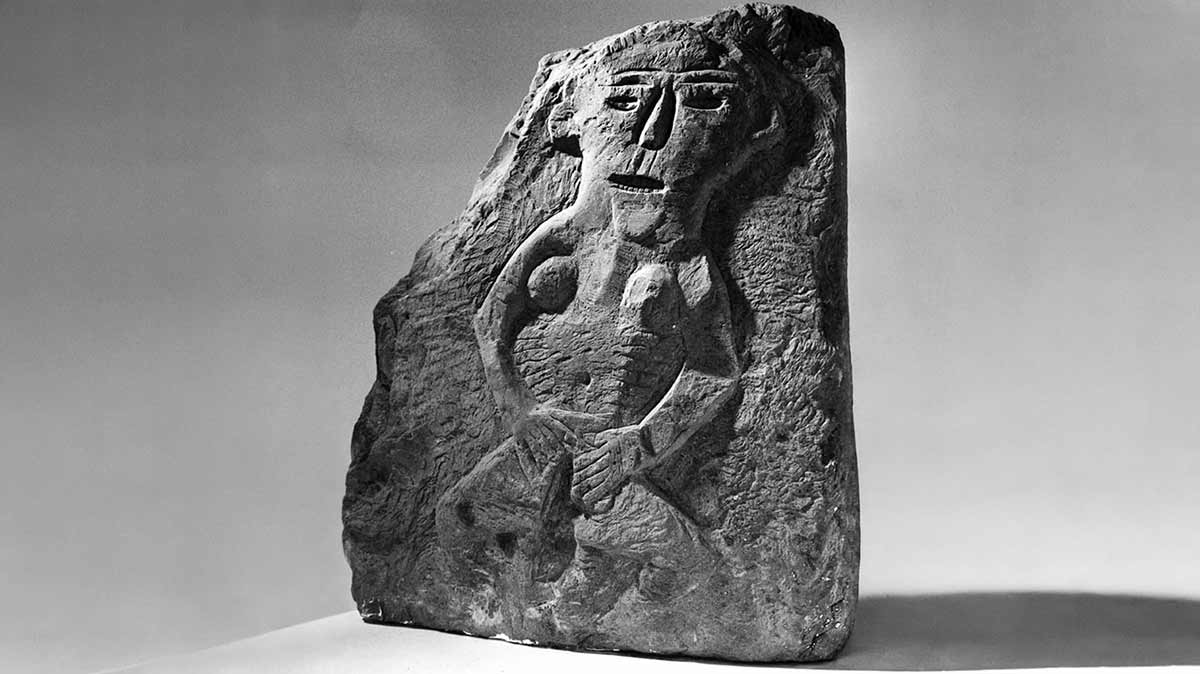
The Sheela-na-gig’s origin story varies just as much as its folk etymology. There is an Irish story of Queen Medb. The Queen goes to battle, only to find she is outnumbered on the battlefield. In response, she raised her skirts to the enemy army and displayed her vulva, as a Sheela-na-gig does, and the enemies were so confused by the gesture that they turned around and went home to their mothers.
There were many stories to go with the Sheela-na-gigs. While some historians believe that Sheela-na-gigs were used to warn churchgoers against the lustful sins of sexual pleasure, others believe that Sheela-na-gigs were the product of a resurgence of an ancient Greek belief that a female exposing her vaginal area to a demon would scare it away, and therefore were a symbol for warding off evil.
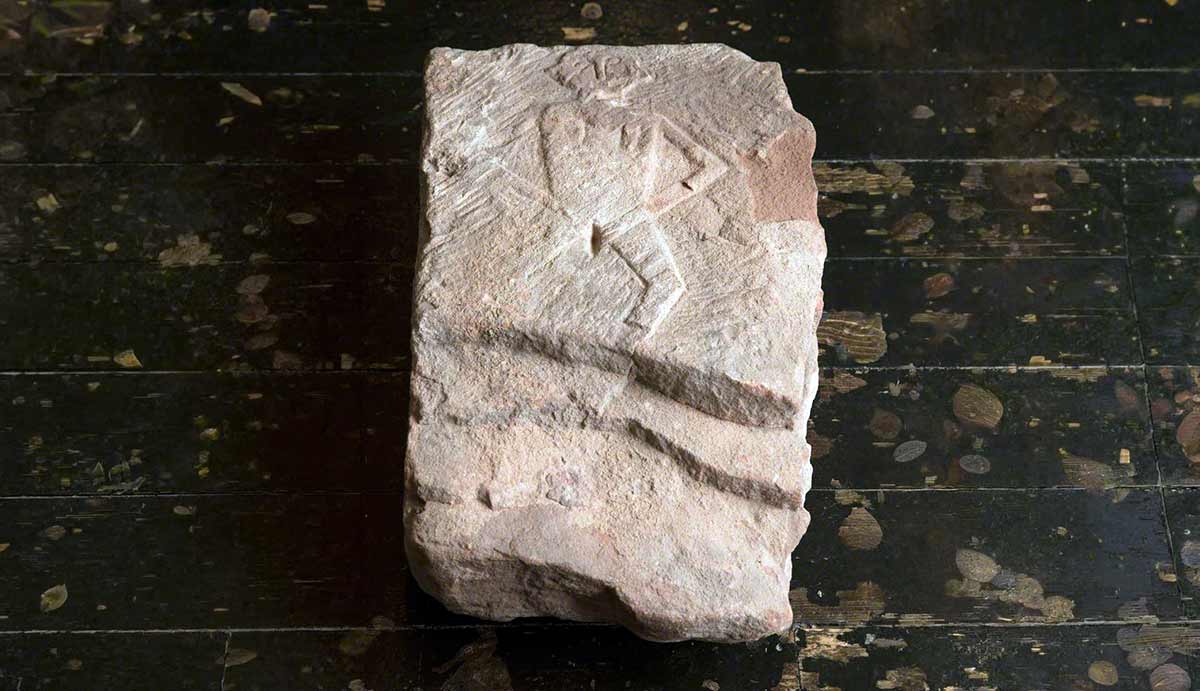
It seems likely that Sheela-na-gigs have pre-Christian, pagan origins that got carried into early Christianity as it swept across the continent. There are historical accounts of Irish farmers guarding the Sheela-na-gigs with their lives when priests threatened to have them removed from the church walls. Many were removed, but the efforts of those farmers who saw value in the past allow us to revel in the mystery of Sheela-na-gigs today.
These carvings also serve as a testament to women’s involvement in culture and art throughout the ages when their voices and sexuality were usually stifled. Today, the effort of saving the Sheela-na-gigs has shifted somewhat to fit modern problems, such as misinformation and unconscious biases based on the historical treatment of women.
ProjectSheela
In 2021, there was an online group project called ProjectSheela, in which Irish feminists reclaimed the Sheela-na-gigs to create solidarity amongst women by placing artistic renditions of the carvings in areas of Dublin that held significance in terms of women’s history. The Sheela-na-gigs that were placed around the city were created with clay, covered in gold luster with glazed vulvas.
An anonymous ceramicist involved with the project stated, “Some scholars thought the Sheela was an image of evil, or the embodiment of sin, but we see the sexuality of the Sheela as positive and empowering.” A notable location for one of their Sheela-na-gigs was the last of the Magdalene Laundries which closed in 1996. Magdalene Laundries were institutions created by the Irish government and the Catholic Church for unmarried mothers.
At these institutions, the mothers and their young children would be horrendously abused and even killed. Mass graves for neglected babies associated with the Magdalene Laundries were only recently discovered ProjectSheela commemorates the pain those women and children went through with their work by using a symbol of female empowerment associated with sexuality.
Sheela-na-gigs and Feminist Art
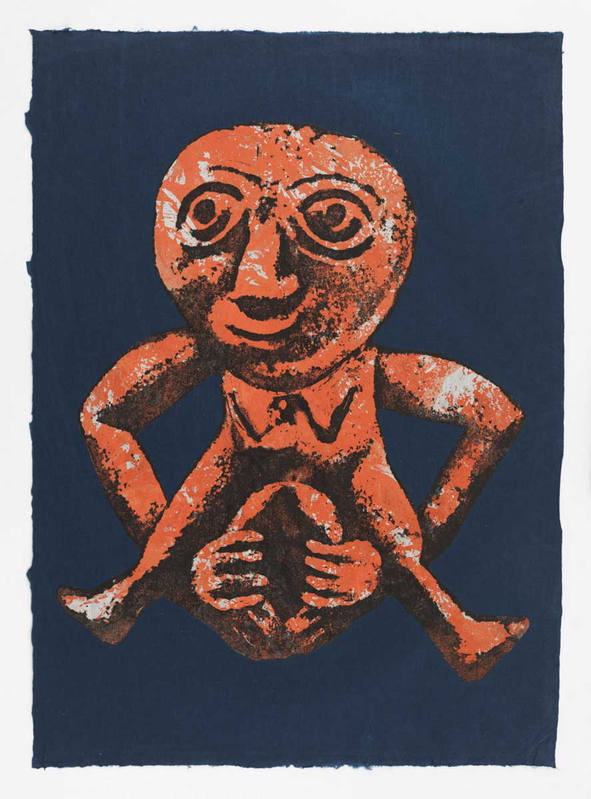
Sheela-na-gigs have become a powerful symbol in art once again, this time helping create awareness for a movement as women voice their opinions against patriarchal structures across the world and take control of their bodies and sexualities in leaps of progress like never before. A 20th-century feminist artist, Nancy Spero, was interested in the comparison between mythological women and realistic women.
Spero created a print of a Sheela-na-gig in her series of goddesses using bold complementary colors that give the Sheela-na-gig an experience and personality of her own. This way the Sheela-na-gig isn’t presented as an object that exists simply for the male gaze to which nearly all women and their bodies are often subjected, especially in art. The Sheela-na-gig, possibly once a symbol of fertility before it became a warning against lust, has now taken on a new meaning in the 20th and 21st centuries as feminist artists reclaim the symbolism of the Sheela-na-gig to combat oppressive ideas about women.
References:
- Bedworth, Candy. The Intriguing Tale of the Shocking Sheela-na-gig and its Art References. DailyArt, 2023.
- Graf, Stefanie. Nancy Spero: 7 Essential Works. TheCollector, 2023.
- Rhoades, Georgia. Decoding the Sheela-na-gig. Feminist Formations, 2010.
- Sheela-na-gig at Balgeeth, Ardcath. Knowth by Boyne Valley Tours, accessed 2023.
- Stevens, Jenny. Big Vagina Energy: The Return of the Sheela-na-gig. The Guardian, 2021.