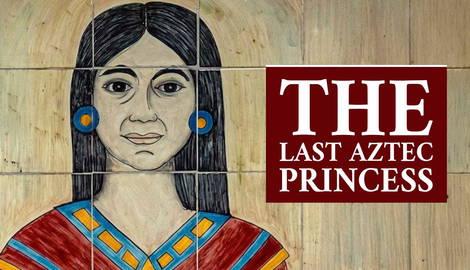
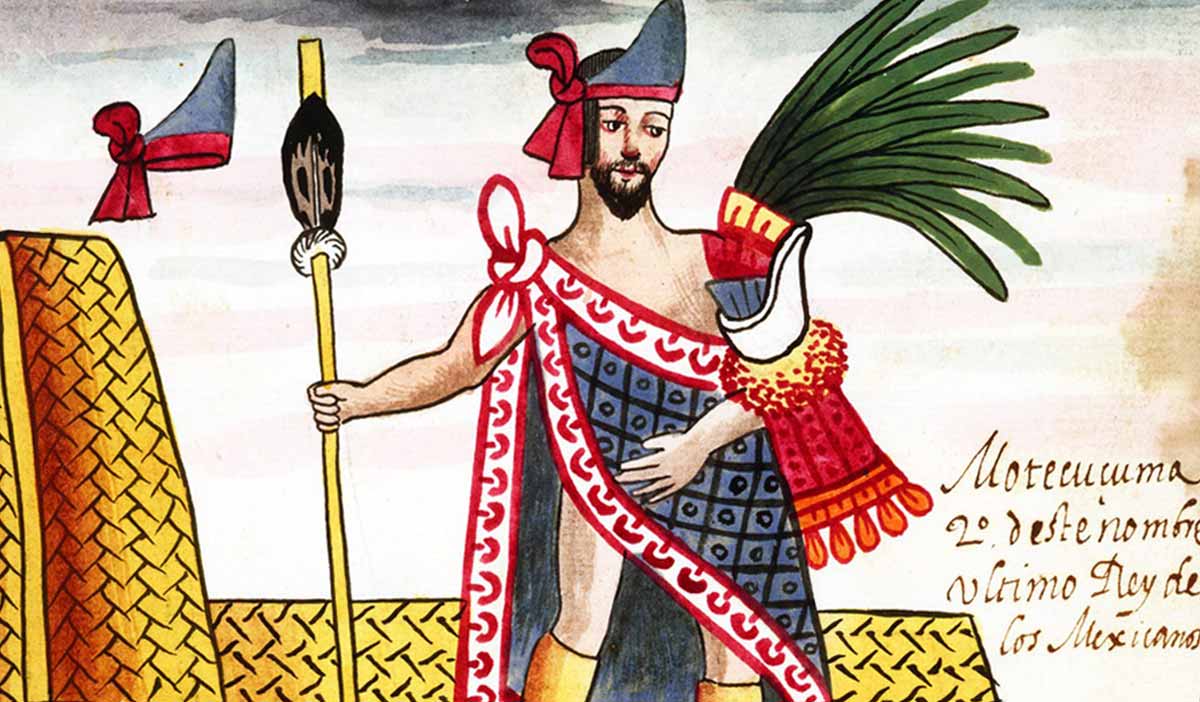
When the Spanish arrived in Tenochtitlan, the Aztec were ruled by Motecuhzoma Xocoyotzin, better and less accurately known as Moctezuma II, the powerful huey tlatoani who had expanded the empire to its greatest extent. Chroniclers marveled at his many wives, lesser wives and concubines, as well as his numerous children, with one claiming he had at least 100. History recorded just a few, however, including two sons who died during the conquest and one legitimate daughter, often called the last Aztec princess: Isabel.
The Favorite Daughter
Little is known for certain about Isabel’s life before the arrival of the Spanish colonizers. Her birth year, which of Moctezuma’s many wives was her mother, or even the correct translation of her Nahuatl name, are unknown. Some contemporary records and documents kept by the Spanish give her birth year as 1510, which would have made her just 9 years old at the time the conquest began in 1519, and when she first married. Others describe her as a maiden, suggesting she was not a child but a girl of marriageable age, while still others indicate she was born before Moctezuma became huey tlatoani, which occurred in 1503, making her a young adult when Hernán Cortés and his contingent of conquistadors arrived.
Contemporary accounts are equally unclear about her lineage, with some suggesting she was the daughter of Moctezuma’s first wife and others indicating she was born of one of his secondary wives. Marriages were often undertaken to cement alliances with neighboring groups, while marrying within family groups to preserve the noble or semi-divine bloodline was also common, ultimately making either wife an equally likely candidate for a child considered his heir. The ruler also had many concubines, though records do seem to agree that Isabel was not the result of any of those unions; some half-siblings who would later come to challenge her status as Moctezuma’s heir were.
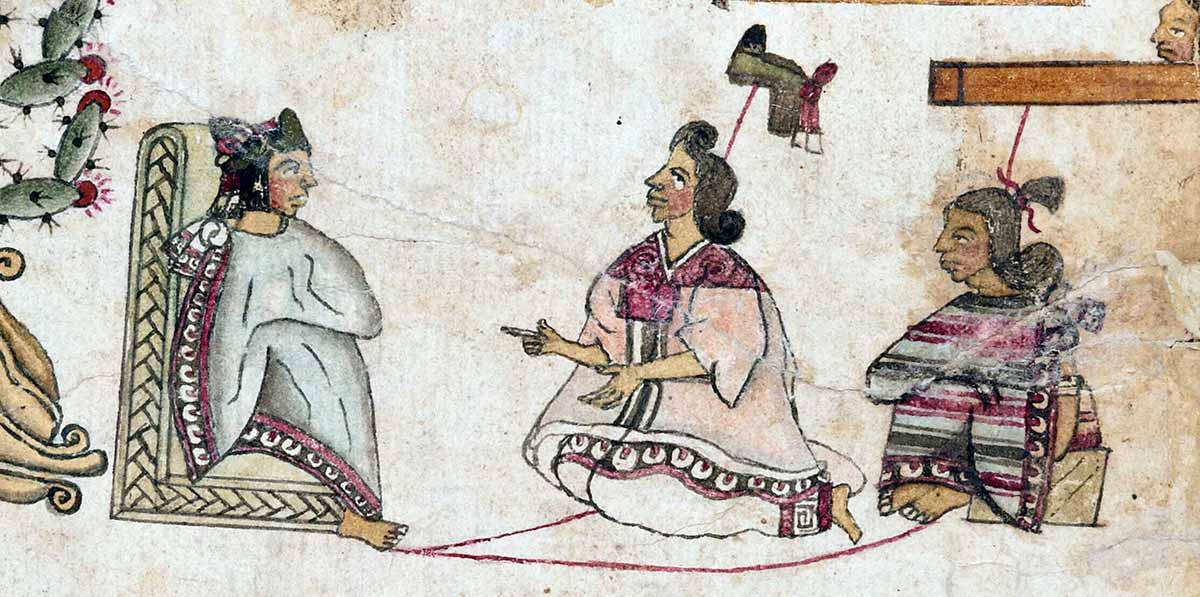
Some recollections of Indigenous servants in the palace that were recorded by the Spanish decades after the conquest indicate that Isabel was Moctezuma’s “favorite” daughter, and at the very least she seems to have been the oldest of his legitimate children. However, no evidence exists of the relationship, preferential or otherwise, that the father and daughter had. Prior to the conquest, Isabel was reportedly married off to the son of Ahuitzotl, the huey tlatoani who preceded Moctezuma, which might indicate she was considered valuable enough to help cement her father’s accession to the throne. When her husband died in 1520, so too did the first of six marriages she would undertake in her lifetime.
The Dowager Princess
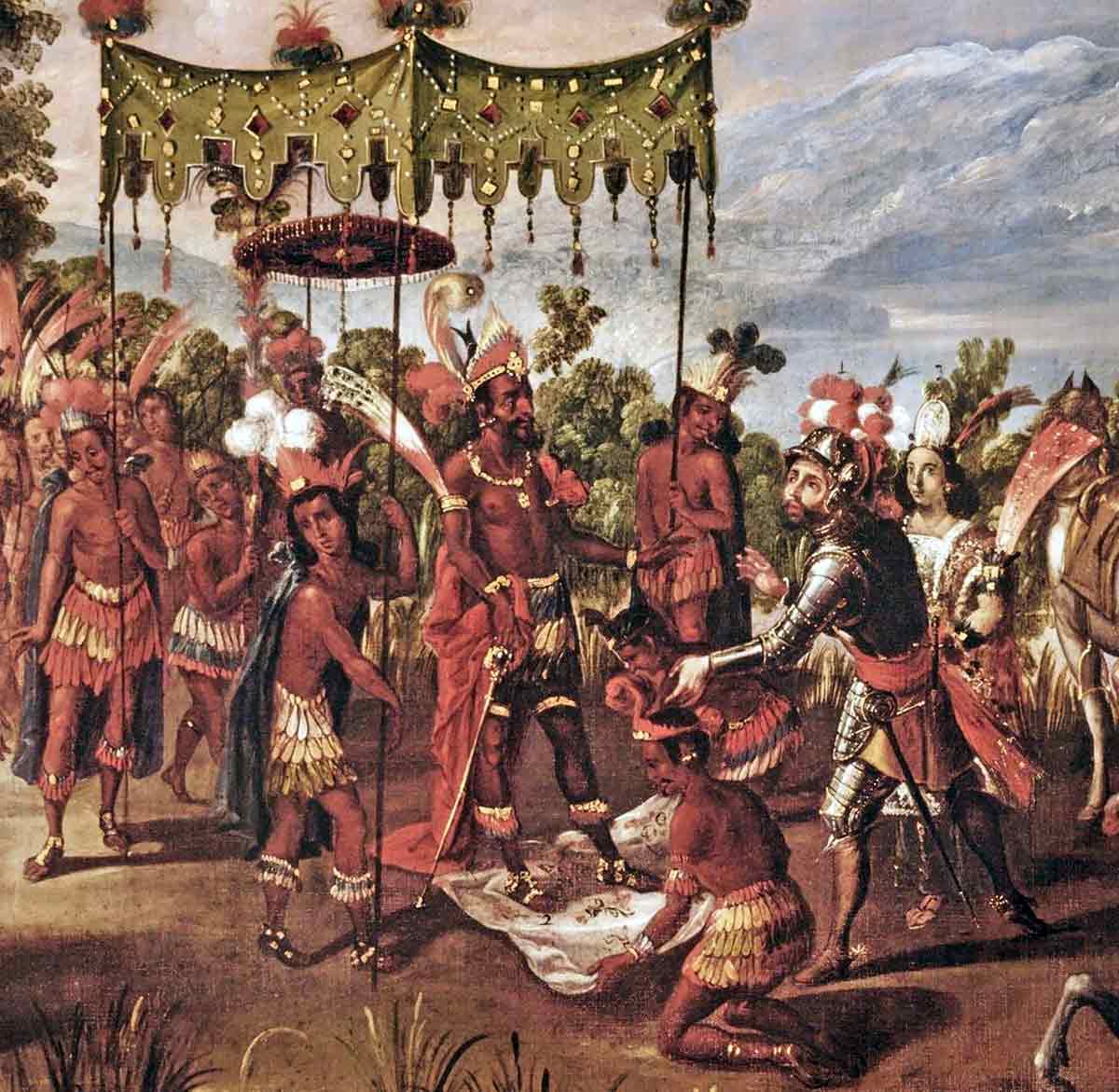
Spanish chronicles report that when Cortés arrived in Tenochtitlan, Moctezuma offered him several of his daughters, including Isabel. This was generally considered an act of good faith, designed to show peaceful intentions, though whether they were offered as wives, concubines or hostages is unclear. Isabel remained in the palace with her father during his captivity. As relations between the powers deteriorated and the Spanish ultimately attempted to flee the city after Moctezuma’s death, on what became known as the Noche Triste, Cortés escaped with Isabel, but she later slipped free and returned to her people. Some Spanish accounts also claim that Moctezuma specifically asked Cortés to protect his daughters as he lay dying, but of course, there is no way to confirm this version of the events.
Though Moctezuma is widely considered the last true Aztec emperor, he was in fact succeeded by two Mexica leaders as the conquest raged. Neither ruled for very long, nor wielded much power in a rapidly crumbling empire, but they became Isabel’s second and third husbands, each marriage ending in death.
First was Cuitláhuac, her uncle, crowned huey tlatoani after Moctezuma’s death. He lived only a few months, felled by smallpox or another European disease that was sweeping through the capital. Isabel was then married to his successor and her cousin, Cuauhtémoc, who continued the increasingly futile battle against the Spanish until Tenochtitlan fell in 1521. Though Isabel and her husband attempted to escape, they were captured and Cuauhtémoc was ultimately executed in 1525. He was Isabel’s last Mexica husband.
Perpetual Widow
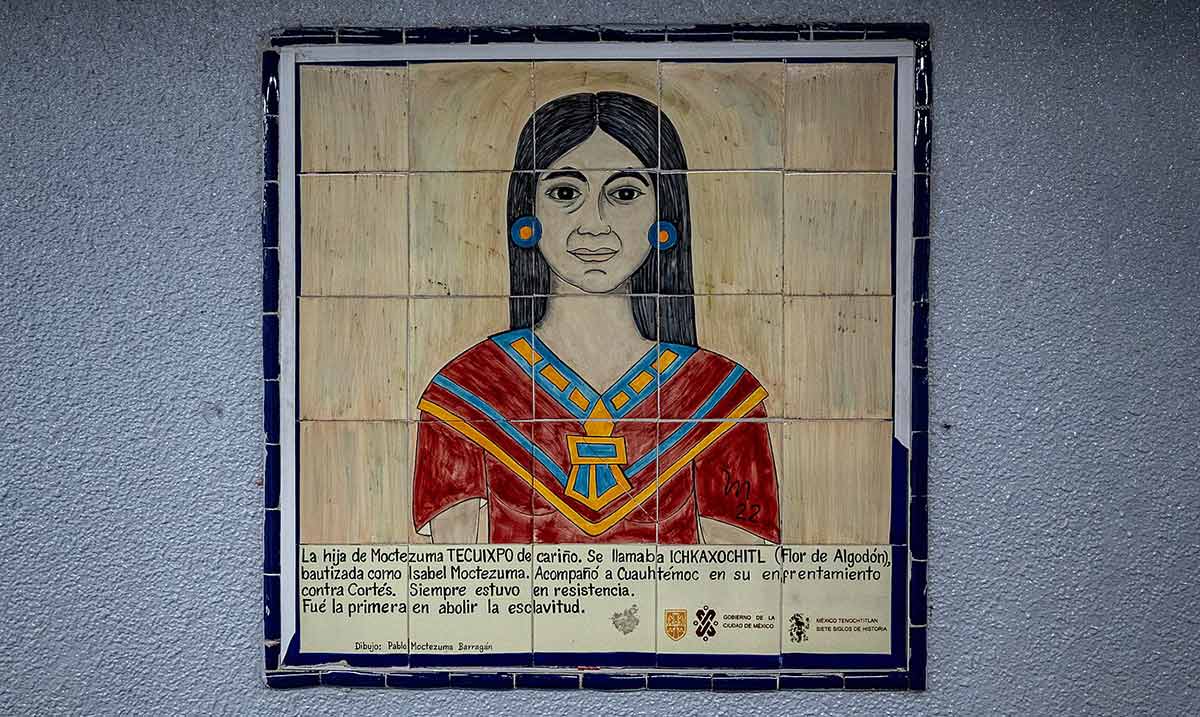
With the fall and ultimate destruction of Tenochtitlan, Isabel was at the mercy of the Spanish who, perhaps surprisingly, maintained some level of respect for the remaining nobility. Though, with most of the men killed in battle or later executed, the nobility were largely women and children who may have been seen as little threat. Scholars also argue that establishing alliances with remaining nobility aided in pacifying, and Christianizing, the conquered peoples, giving the colonial government a veil of legitimacy.
Isabel remained Cortés’s ward, or perhaps captive, for a period, during which she converted to Christianity and adopted her new Spanish name. Whether any of this was voluntary is unknown but she was described later in life as a very pious woman in various Spanish accounts. By 1528, Cortés had arranged yet another marriage for Isabel, this time with a Spaniard. She was also granted a generous “dowry”: an encomienda as part of Spain’s system of almost-slavery for their new Indigenous subjects. Encomiendas were land grants that included a number of Indigenous vassals who provided tribute and labor to their encomenderos in exchange for Christianization and “protection.” Isabel’s encomienda, Tacuba (once Tlacopan), was one of the largest in the region, presumably in tacit recognition of her status as Moctezuma’s legitimate heir. Some scholars theorize her grant was also large to discourage her from seeking any additional property that she would technically be due under Spanish law.
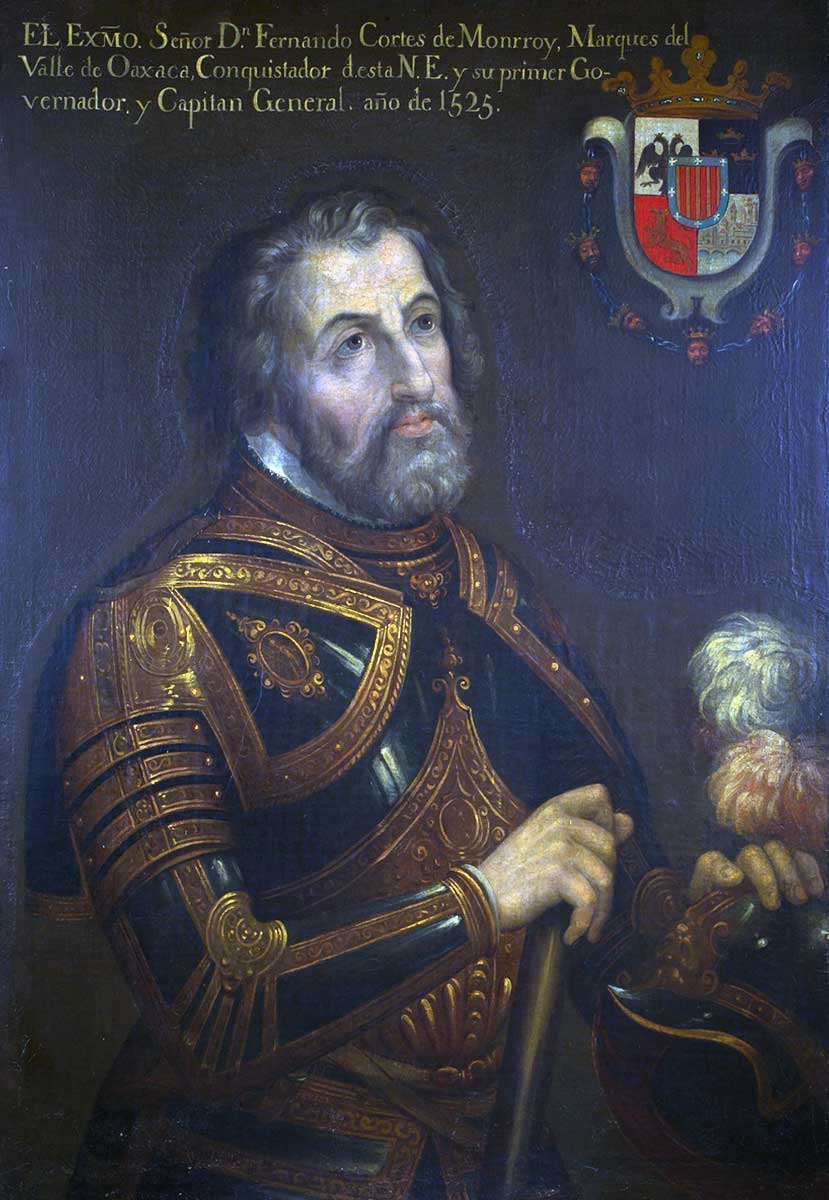
When Isabel’s fourth husband died after less than a year of marriage, Cortés brought her back into his own household and shortly thereafter she became pregnant with his child. She gave birth to his daughter in 1528. Whether their relationship was consensual is unknown, but, perhaps tellingly, Isabel refused to recognize Leonor, who was given to another Spanish family to raise. Isabel and the next Spanish husband Cortés arranged for her finally produced a legitimate heir around 1530. The event was reportedly widely celebrated, but joy was short lived; husband number five died the same year.
Encomendera
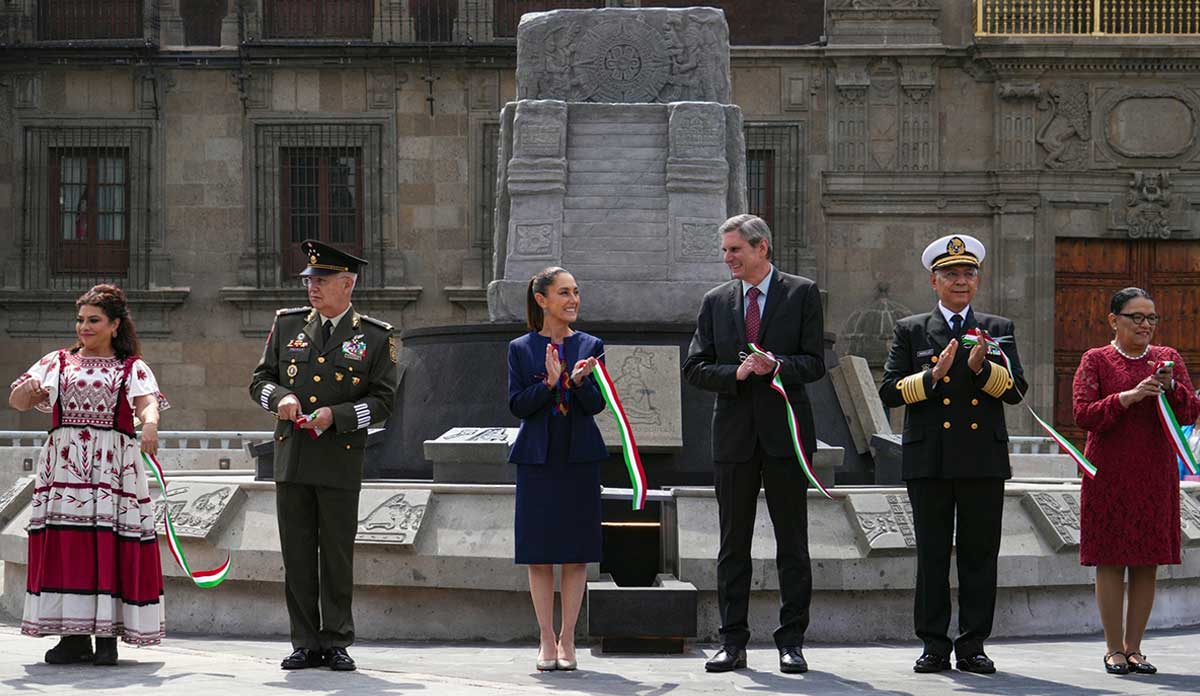
Isabel now found herself a widow yet again, this time with a child. She also found herself constantly defending her encomienda against covetous conquistadors and even her half-siblings who repeatedly brought legal challenges to her ownership, while being unable to represent herself in court because she was both a woman and Indigenous.
However, with her royal lineage and, perhaps most importantly, the significant parcel of territory she had largely managed to retain despite these many challenges, Isabel was an attractive partner for New Spain’s bachelors. She soon married for the final time, presumably to a man of her own choosing. Juan Cano de Saavedra became her sixth and last husband in 1532 and by all accounts, he was not a friend of Cortés, having initially fought in an expedition against him before joining the battle for Tenochtitlan.
The pair went on to have five children and he, with better standing as both a man and a Spaniard, as well as being part of Spain’s lower nobility, fought rigorously to defend her inheritance. Together they also sought to have all the lands once owned by Moctezuma returned to her as his heir but were unsuccessful during her lifetime. After her death in 1550, Spanish courts finally recognized Isabel as Moctezuma’s sole surviving and legitimate heir but refused to restore the lands in question to her children, citing the difficulty of dispossessing their current owners.
In her will, Isabel freed all of the Indigenous vassals on her encomienda and provided them back pay, ensuring they had the means to live after the end of their servitude. Other elements of her will, including her desired division of assets among her children, specifically her daughters, were negated under Spanish law, which favored male heirs.
The Mother of Mestizaje
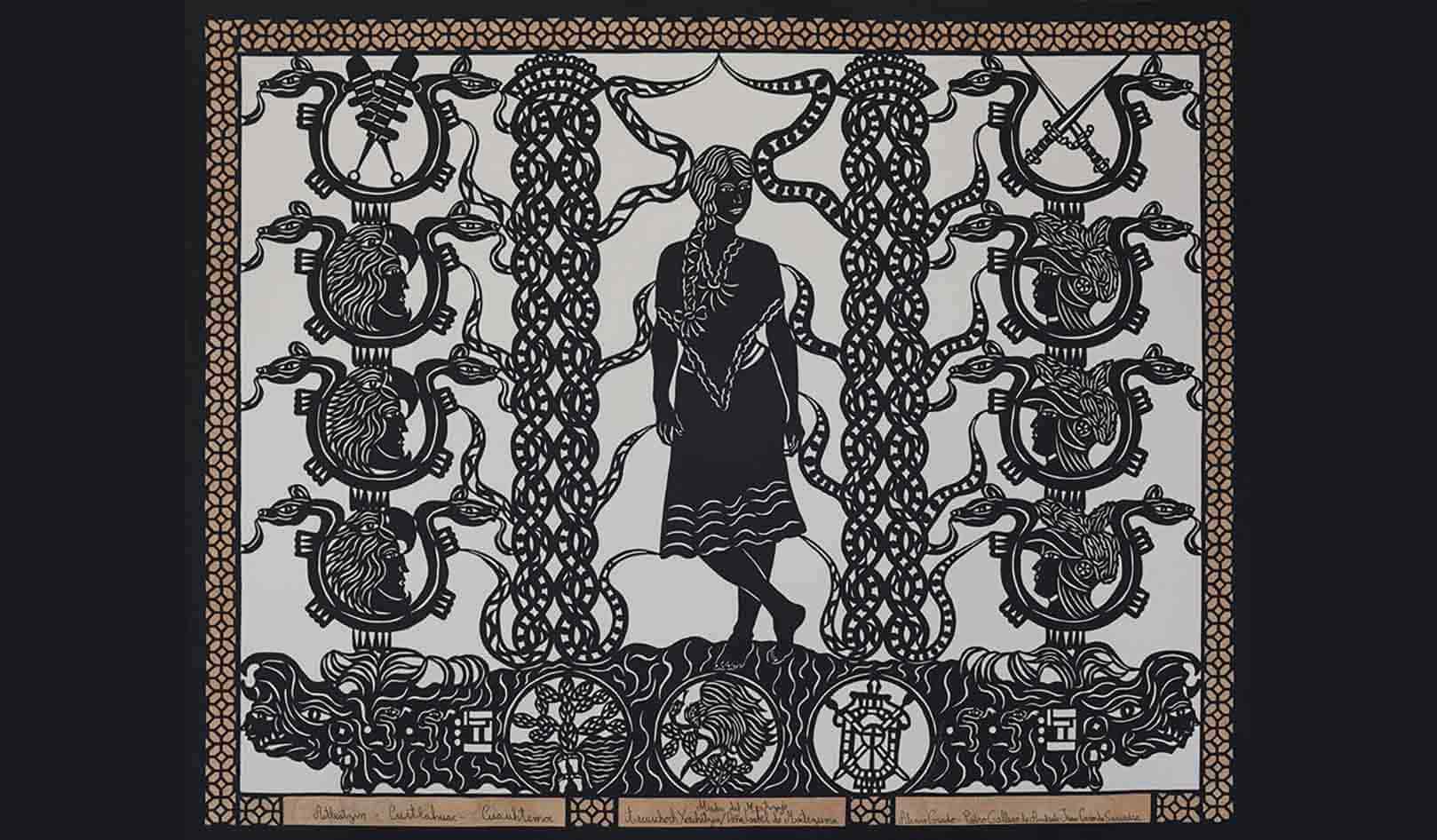
Beyond her many marriages and the ongoing controversy surrounding her encomienda, little is known about Isabel herself beyond general descriptions of her as kind and charitable. Her last husband once described her as “gifted in conversation” and “devoted to Catholicism” to a historian of the time, but any details of how she balanced her life as both an Indigenous and Spanish noblewoman, or how she felt about the unique challenges she faced in such a position have been lost to time.
Isabel’s ability to adapt to her new reality was essential to her self-preservation but has also earned her criticism from those who feel she betrayed her Indigenous heritage by submitting rather than fighting. Speaking of both the controversial La Malinche and Isabel Moctezuma, María Castañeda de la Paz, Spanish historian and researcher at the Universidad Autónoma de México argues: “…what they did was act in accordance with their times, they had children and established matrimonial alliances to secure political positions. But we should never see them as traitors: they simply followed the dictates of their fathers or husbands, as women had done throughout history.”
Like La Malinche, who also bore a child to Cortés, Isabel Moctezuma was a bridge between two worlds, uniting, however unwillingly, Indigenous and Spanish. Her unique position as heir to the huey tlatoani made her conversion to Catholicism and submission to Spanish rule particularly influential. Whether she hoped simply to save herself or to model for her people the only means of self-preservation available in the face of overwhelming Spanish force, we’ll never know.