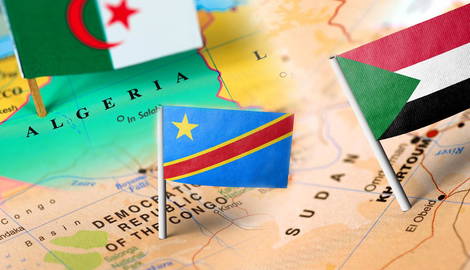
Africa is the second-biggest continent after Asia, in both population and size. It has 54 countries recognized by the United Nations and the African Union, and it can be split into several distinct geographic and political zones.
What are the largest countries in Africa?
How Did African Countries Get Their Borders?
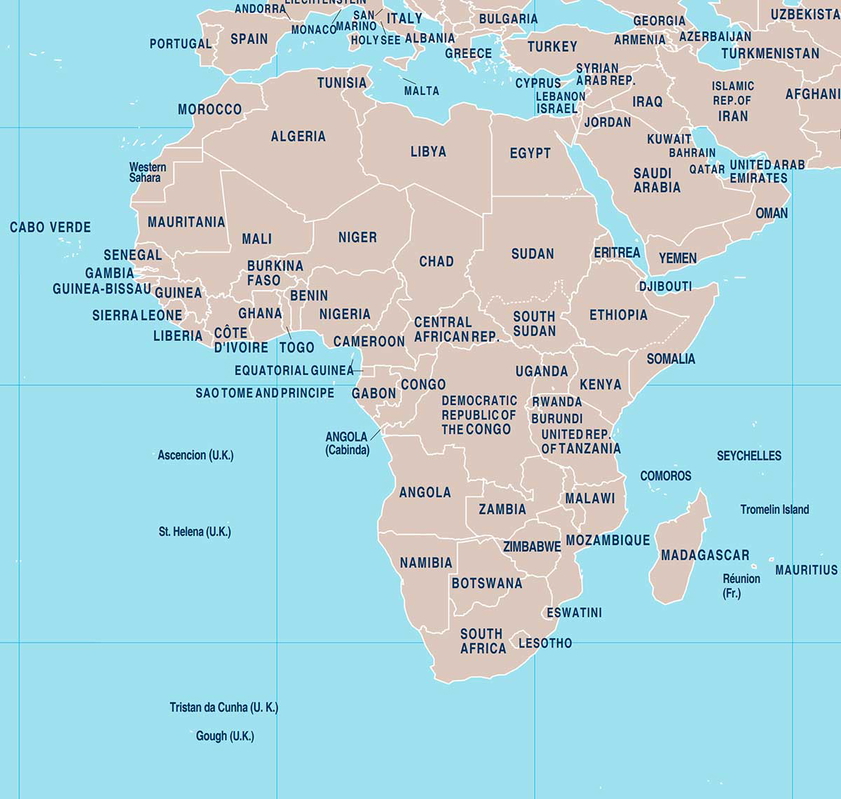
A topic of great contention, virtually all of the national borders that exist today are the result of the Berlin Conference and the Scramble for Africa, which saw European powers divide up the continent according to their own needs and with little regard for the political and social makeup of the people who were actually native to Africa.
As such, present-day borders reflect the will of European powers over a century ago rather than the natural evolution of boundaries that could have taken place along tribal and social lines.
What is Africa’s Largest Country? Algeria
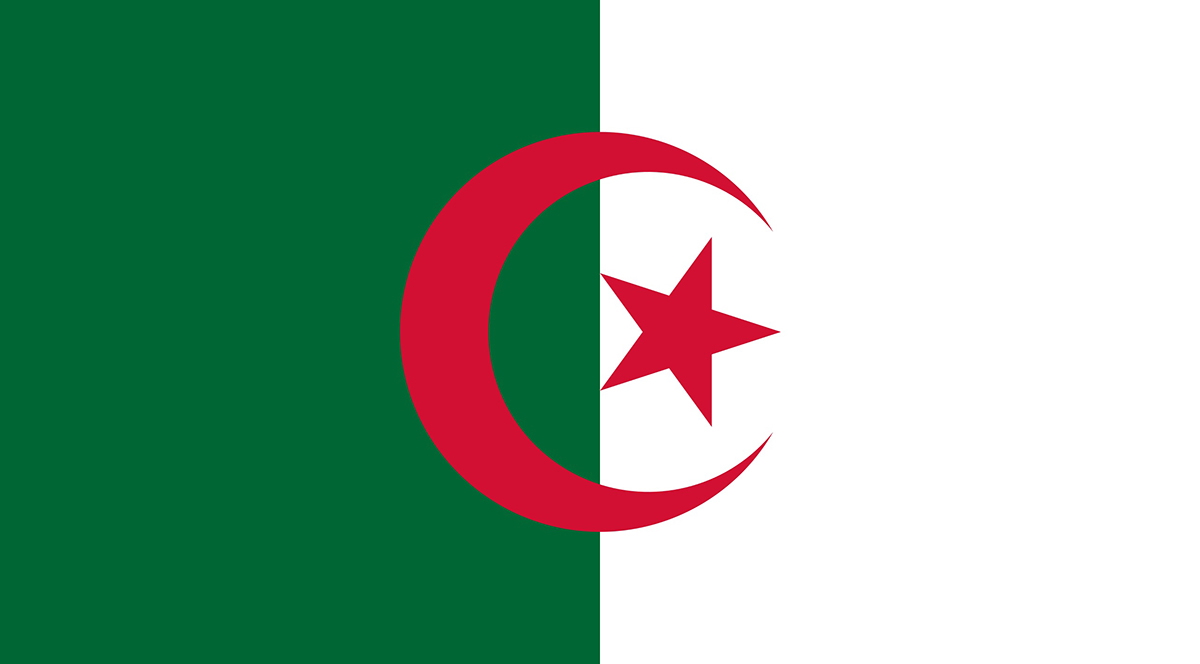
In terms of land area, Algeria is the largest country in Africa and covers 7.9 percent of the continent. Situated in the north of Africa, Algeria covers 2,381,741 square kilometers (919,595 square miles) and is the tenth largest country in the world. It is bigger than Alaska and more than three times the size of Texas.
The vast majority of Algeria’s 47 million people live north, while to the south, the country expands deep into the Sahara Desert. In terms of population, Algeria ranks 10th in Africa. The capital and largest city is Algiers. Steeped in history and full of beautiful architecture, the city is over a thousand years old.
Congo (DRC)
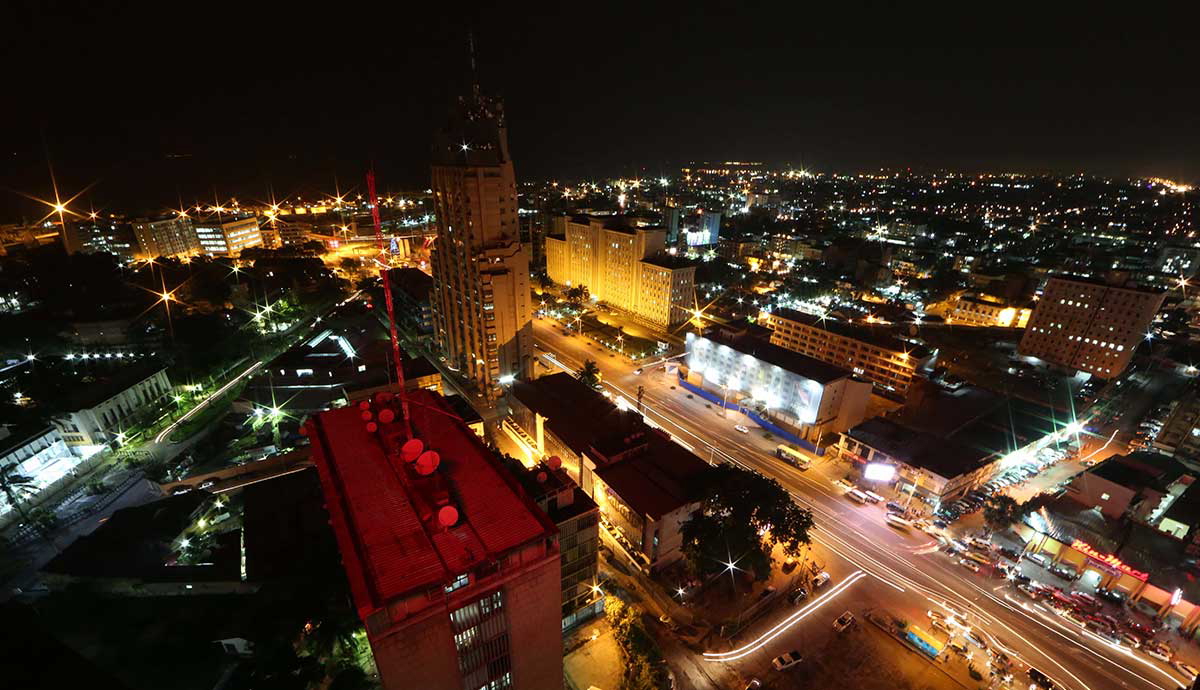
In close second place is the Democratic Republic of the Congo (DRC), which covers 2,344,858 square kilometers (905,355 square miles) and accounts for 7.7 percent of the continent’s land area. The DRC is situated on the equator and is characterized by a hot, humid, and tropical climate. Over half the country’s land is covered in dense tropical rainforest.
The DRC is home to 109 million people and ranks fourth in Africa in terms of population, behind Nigeria, Ethiopia, and Egypt, which are first, second, and third, respectively.
Sudan
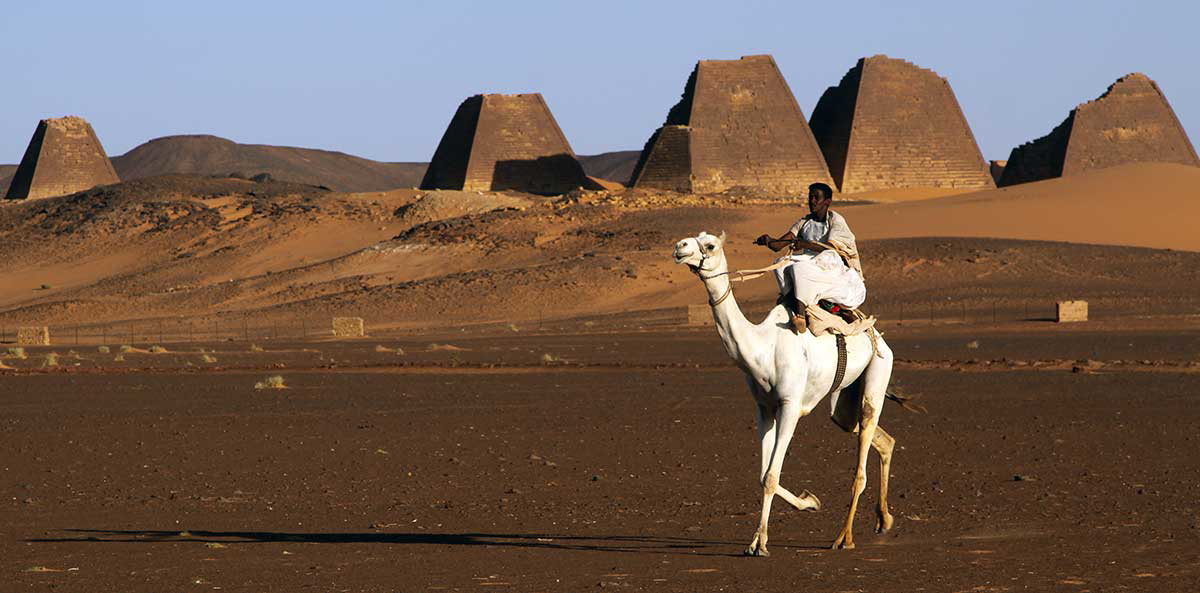
In third place is Sudan, which covers 1,861,484 square kilometers (718,723 square miles) and accounts for 6.2 percent of Africa’s land area. Sudan has a population of 50 million people, making it the eighth most populous country in Africa. Although Sudan became independent on January 1, 1956, the history of the region it encompasses is ancient. It was the site of the Kingdom of Kush, which conquered Egypt over two and a half millennia ago.
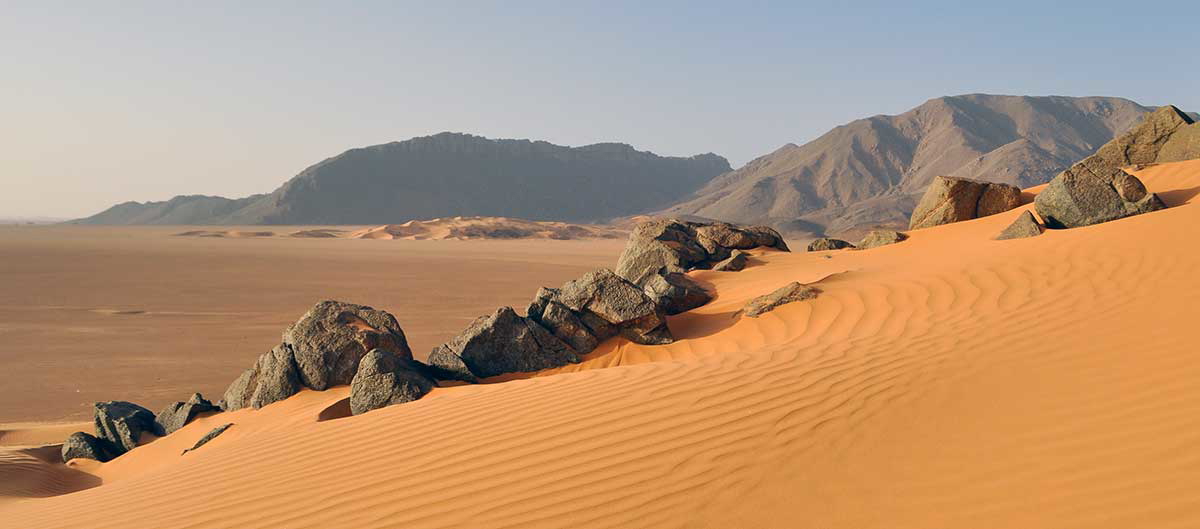
Like all places in the world, Africa is a continent where borders can change. Until 2011, Sudan held the honor of being the largest country in Africa. This changed when South Sudan won its independence after a long and bloody civil war.
With border disputes across the continents, it’s difficult to determine how or when the statistics will change. Suffice it to say, Africa is a dynamic and ever-changing continent!