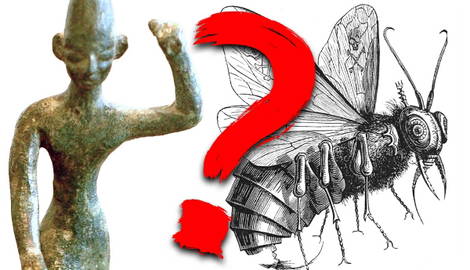

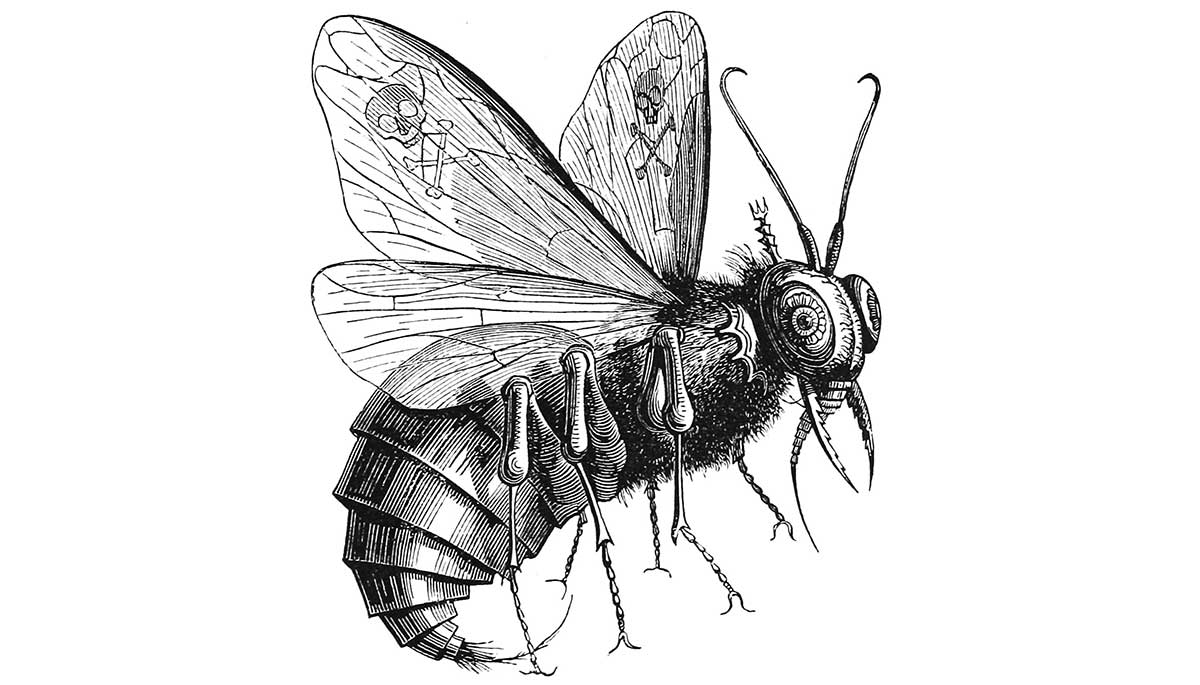
In Christian theology, Beelzebub is a horrifying being. One of the seven princes of Hell, he is known as the “Lord of the Flies” and represents gluttony and envy. He has been represented as a terrifying winged insect, associated with plague and pestilence.
So why would the Philistines worship something so grotesque?
As it turns out, Beelzebub wasn’t the original name. It was an intended misspelling meant as an insult. And the imagery we have today is an evolution of this slur.
The Royal Scandal at Ekron
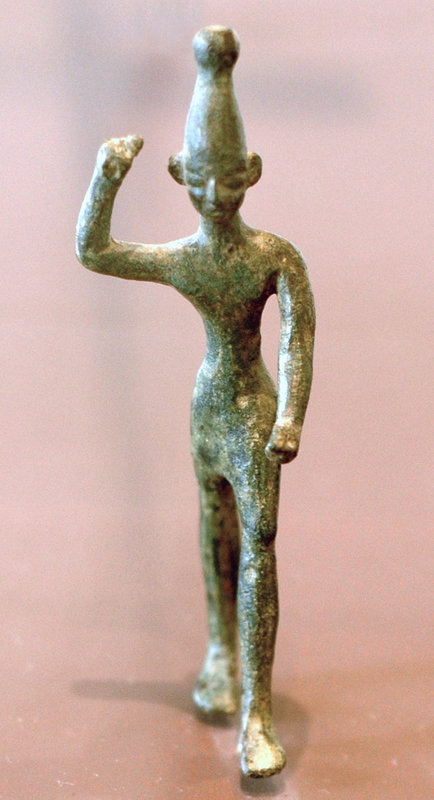
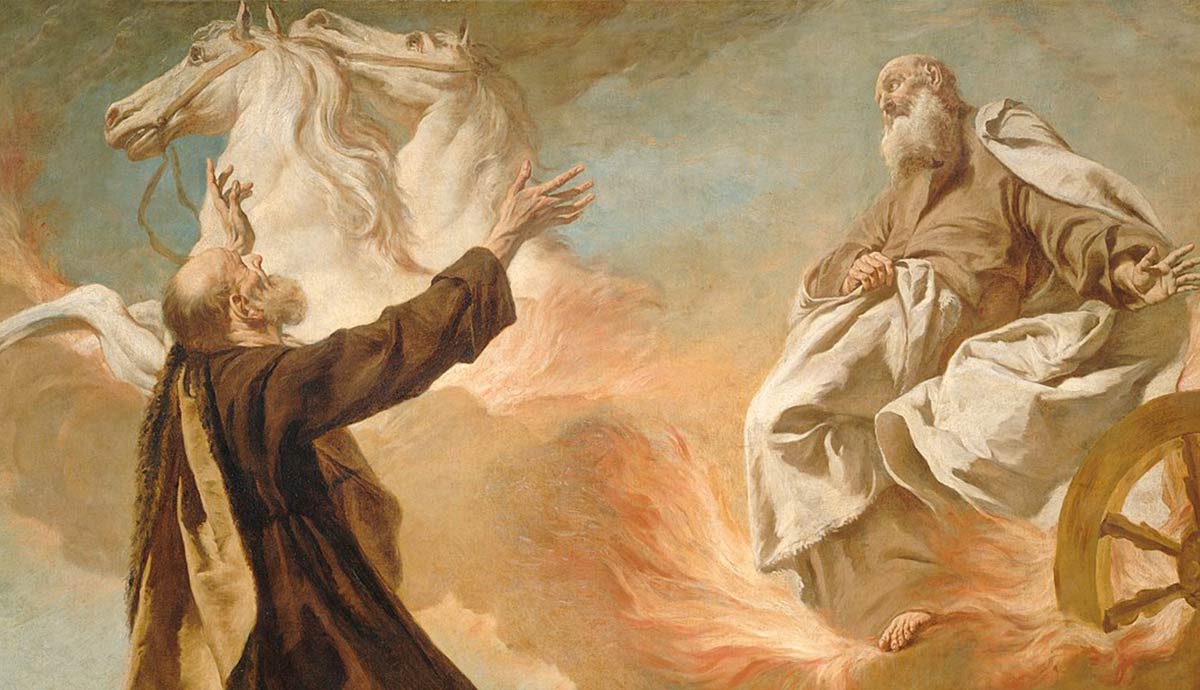
According to the Book of Kings, when King Ahaziah of Israel (mid-9th-century BC) fell from the lattice of his chamber in his palace in Samaria, he was seriously injured, and he sent messengers to the Philistine city of Ekron to consult with the deity “Baal-zebub” whether he would live or die. His messengers were intercepted by Elijah the Tishbite, who turned them back and informed them that their king would die.
Ahaziah sent many men to speak with Elijah, but they all perished by the fire of God, before the captain of the third group pleaded for mercy and was spared. For his disloyalty to the Lord, Ahaziah did indeed perish. This spiritual treason had consequences.
Baal-zebub was a “false god” worshiped by the enemy. Hebrew scribes weren’t about to do him any favors.
How Ancient Hebrew Scribes Used a Pun as a Weapon
In the Book of Kings, the name is inscribed as “Baal-zebub,” but this likely wasn’t the deity’s original name. The general theme was that the original Hebrew texts contained “zebub,” but the Greek texts preserved “zebul.” This wasn’t an accidental spelling mishap.
The most prominent theory is that the Hebrew texts make use of derisive wordplay as an example of a dysphemism. The “l” (ל) becomes a “b” (ב). “Ba’al,” meaning “lord,” remained the same, but “zebul,” meaning “princely or exalted,” became “zebub.” The “exalted lord” became the “lord of the flies.”
But what did it really mean, and what was so insulting about this name change?
There are theories. One is that while in Israel, offerings to God were burnt, in other local religions, such offerings were left out to rot and attracted flies. Another theory is that it simply refers to the ability of excrement to attract flies. In either case, something that attracts flies is not something to be worshiped, let alone revered.
The Evolution from Philistine Oracle to Prince of Hell
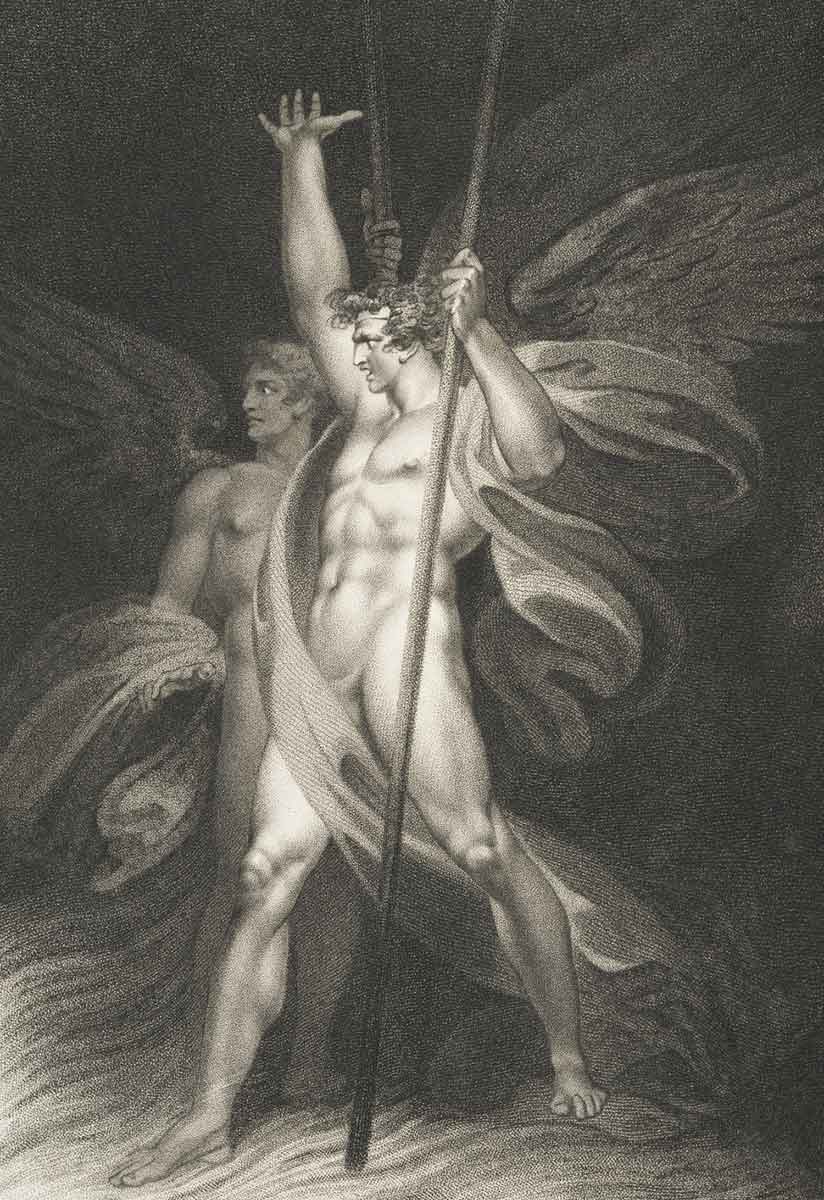
The name change wasn’t the only evolution Baal-zebul suffered over the millennia. In the New Testament, he is referred to as a prince of demons:
And the teachers of the law who came down from Jerusalem said, “He is possessed by Beelzebul! By the prince of demons he is driving out demons.” – Mark 3:22
Prominent in Christian demonology, “Beelzebub” has been described as the right-hand man (or demon in this case) of Satan, and some even equate Beelzebub to Satan himself. He is depicted as having wings and is said to command legions of demons and swarms of insects.
From the Middle Ages and well into the modern period, Beelzebub made various appearances in theological treatises and was associated with many different things, often the seven deadly sins, with different authors associating the being with a different sin.
A political cartoon, The kitchen below or: Beelzebub going to supper by James Gillray, from the magazine London und Paris, Plate No. XIX. XX, June 1797. Source: Bodleian Library / Wikimedia Commons
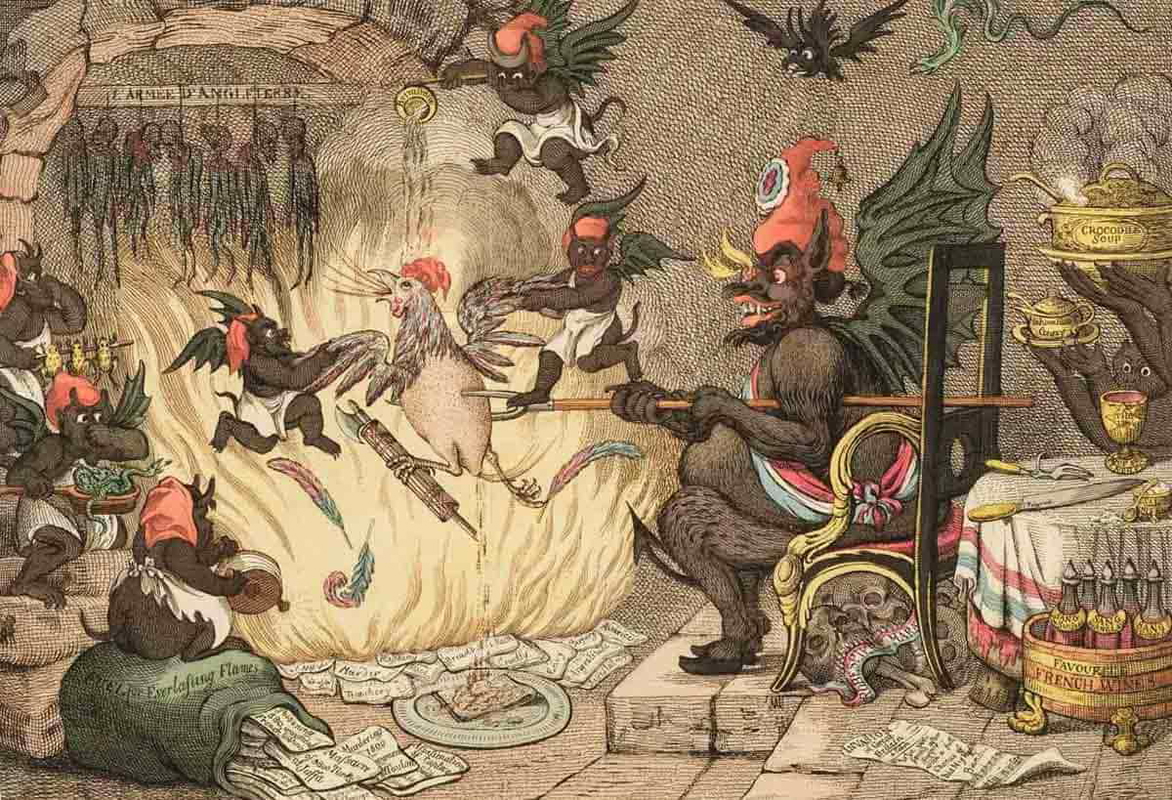
This narrative of the imagination illustrates the West’s concept of the “Lord of the Flies” as something that doesn’t have to be grounded in any historical or academic reality, and Beelzebub continues to present himself and his name in modern culture, usually as a negative force related to Satan and demons.
Name-calling and creative insults based on puns are as relevant today as they were 3000 years ago. Beelzebul, Beelzebub, and the Lord of the Flies is an ancient example of this trend, which continues to be a common characteristic of human society the world over.