Summary
- Lucrezia Borgia was a political pawn for her powerful father, Pope Alexander VI, who arranged multiple strategic marriages for her.
- Her early life was marked by scandal and controversy, including a mysterious child and accusations of incest from her family’s enemies.
- As the Duchess of Ferrara, she transformed her image, becoming a respected patron of the arts and a figure of piety.
- Her complex legacy endures, debating if she was a ruthless villain or an influential woman trapped by her family’s ambition.
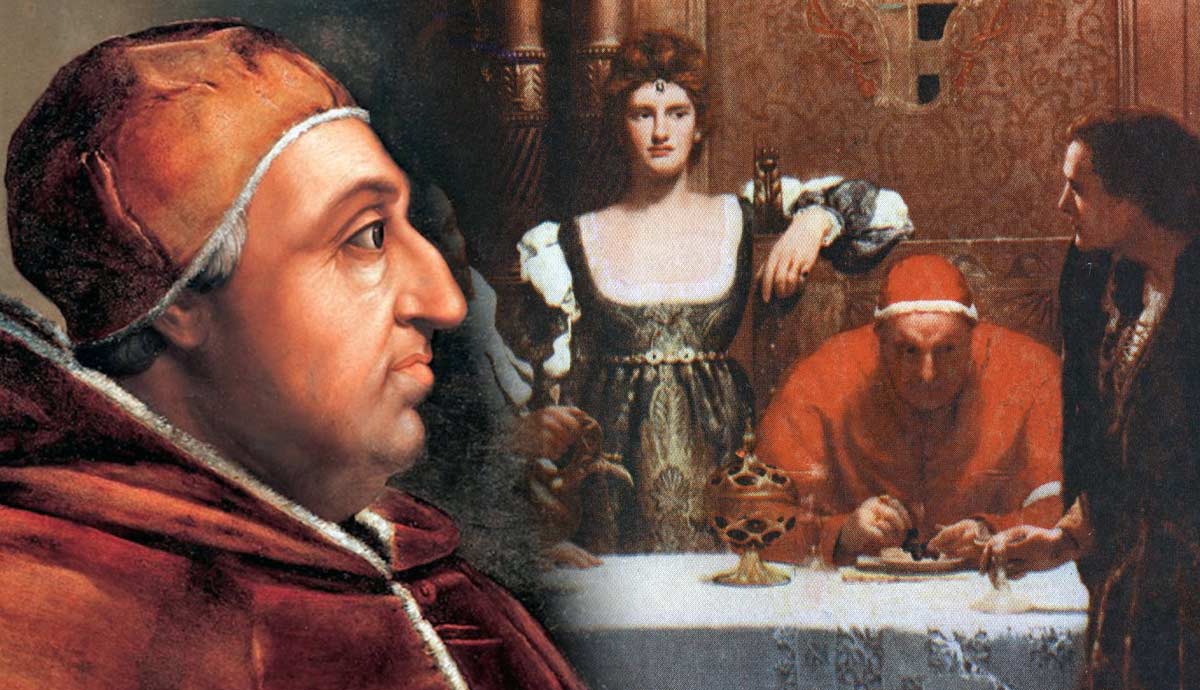
The Borgia family was a subject of great controversy during the Renaissance. At its head, Pope Alexander VI (Rodrigo Borgia) was undeniably a family man. He elevated those related to him to great status and used them to consolidate his power. His family members, however, were ambitious in their own right and became known as being ruthless in pursuit of their goals.
Crucial to this dynamic was Lucrezia Borgia, Rodrigo’s illegitimate daughter, who garnered a notorious reputation for her exploits. Whether she deserved such a reputation is a matter of much debate.
Lucrezia’s Early Life
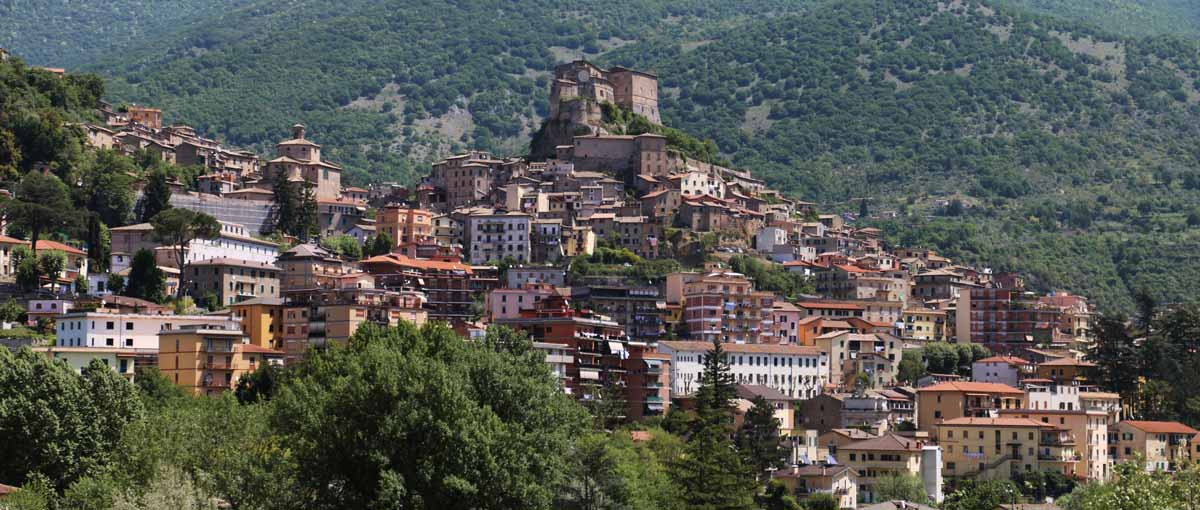
Lucrezia Borgia entered the world on April 18, 1480, in the town of Subiaco in Lazio. Her father was the ambitious Cardinal Rodrigo de Borgia, and her mother was Rodrigo’s mistress, Giovanna “Vannozza” dei Cattanei. She had two older brothers from the same parents and several half-siblings from Rodrigo’s prior dalliances. Lucrezia would also have a younger brother born in the following year.
Lucrezia received an excellent education. She was tutored by intellectuals and mastered Catalan, Spanish, Italian, and French. She also excelled in the arts and humanities. She showed a special aptitude for administration, a skill which would serve her well later in life.
At the age of 10, her prospects for marriage were already being weighed. A contract was drawn up promising her to Don Cherubino Joan de Centelles, the lord of Val D’Ayora, in the Kingdom of Valencia in Spain, but this arrangement was scrapped just two months later in favor of an engagement to Count of Procida, Don Gaspare Aversa.
Lucrezia’s father, however, became more powerful, and after becoming Pope Alexander VI, he sought more influential matches for his daughter. Lucrezia’s engagement was canceled, and she was instead betrothed to Giovanni Sforza, the cousin of Duke Ludovico Sforza of Milan. The two were married on June 12, 1493. Lucrezia was just 13 at the time, while Giovanni was one month short of 27.
Divorce
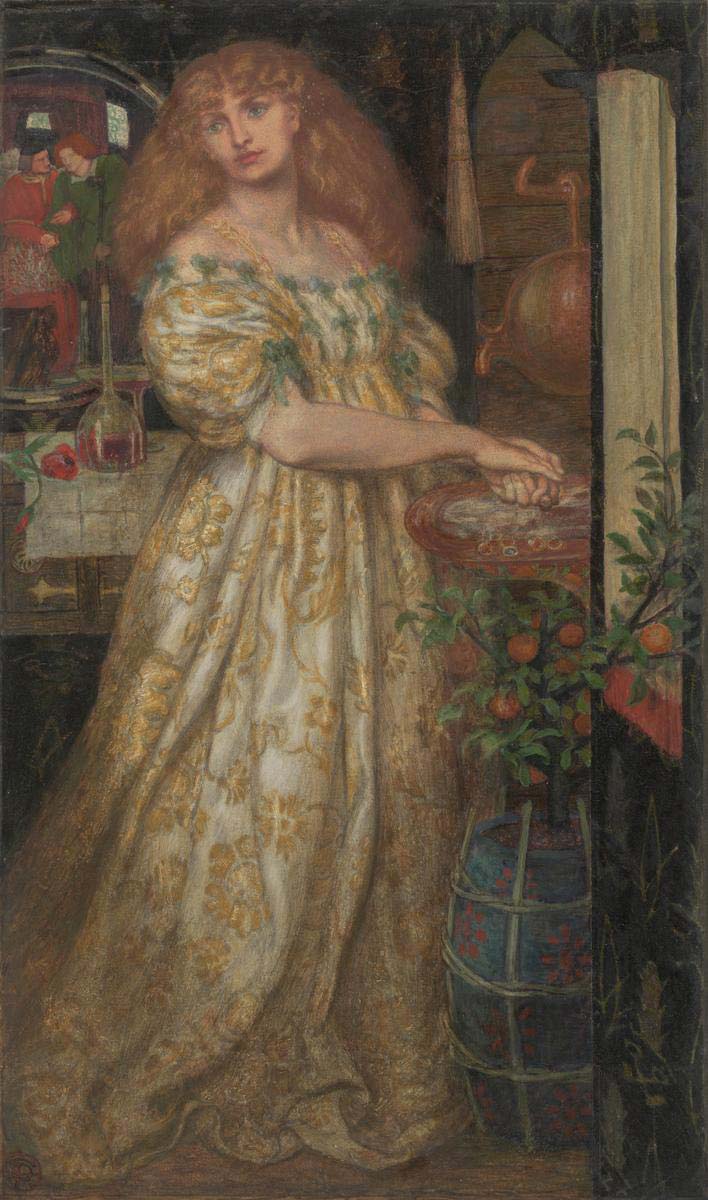
Soon, however, the political dynamics shifted, and the Sforza alliance yielded little benefit to the Borgias. Once again, the pope sought a new match for Lucrezia, but this time, he would have to annul a marriage. The pretense for this was that, as was claimed, the marriage was never consummated.
Whether this was true or not will never be truly known, but when divorce was finally granted on December 27, 1497, it was alleged that Lucrezia was six months pregnant. The mysterious child, Giovanni, commonly known as Infans Romanus (Roman Infant), was born in secret, and when he was publicly acknowledged three years later, rumors began to fly as gossips weighed in with their imaginative allegations.
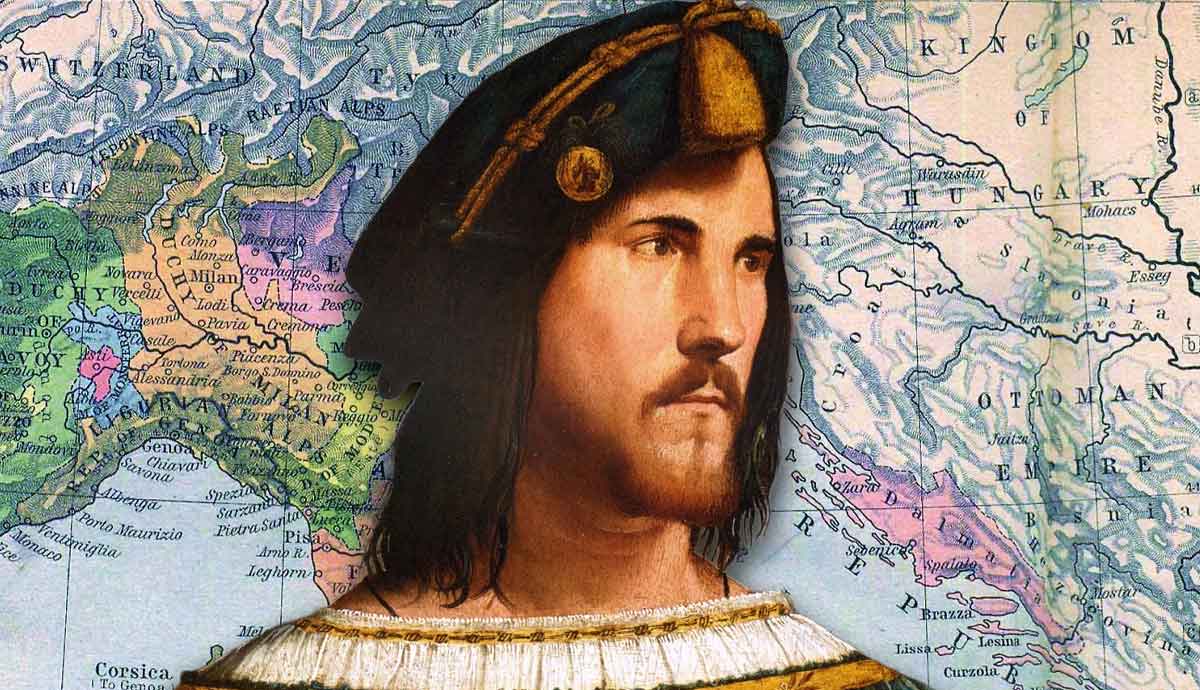
One story even alleged that the child was the result of an incestuous relationship between Lucrezia and her older brother, Cesare. Whatever the case, the child’s paternity was never ascertained. Lucrezia was also said to have had a relationship with Pedro Calderon, the chamberlain in Alexander’s service. Pedro’s body was later found in the Tiber River, along with that of a maid, Pantasilea.
One of the major factors that contributed to the negative image of Lucrezia Borgia was the fact that she was the daughter of a man who was known to have been corrupt and nepotistic. Pope Alexander VI had many enemies, and the entire Borgia family was painted with the brush of low morals. In part, the negative attitudes were also because the Borgias were Spanish, and the fact that the pope was not Italian did not sit well with many in Italy.
Slighted by the divorce, Giovanni Sforza also intimated that Lucrezia’s father had sexual designs on his daughter, an accusation that was not ignored by those wishing to see the downfall of the Borgias.
Marriage to Naples
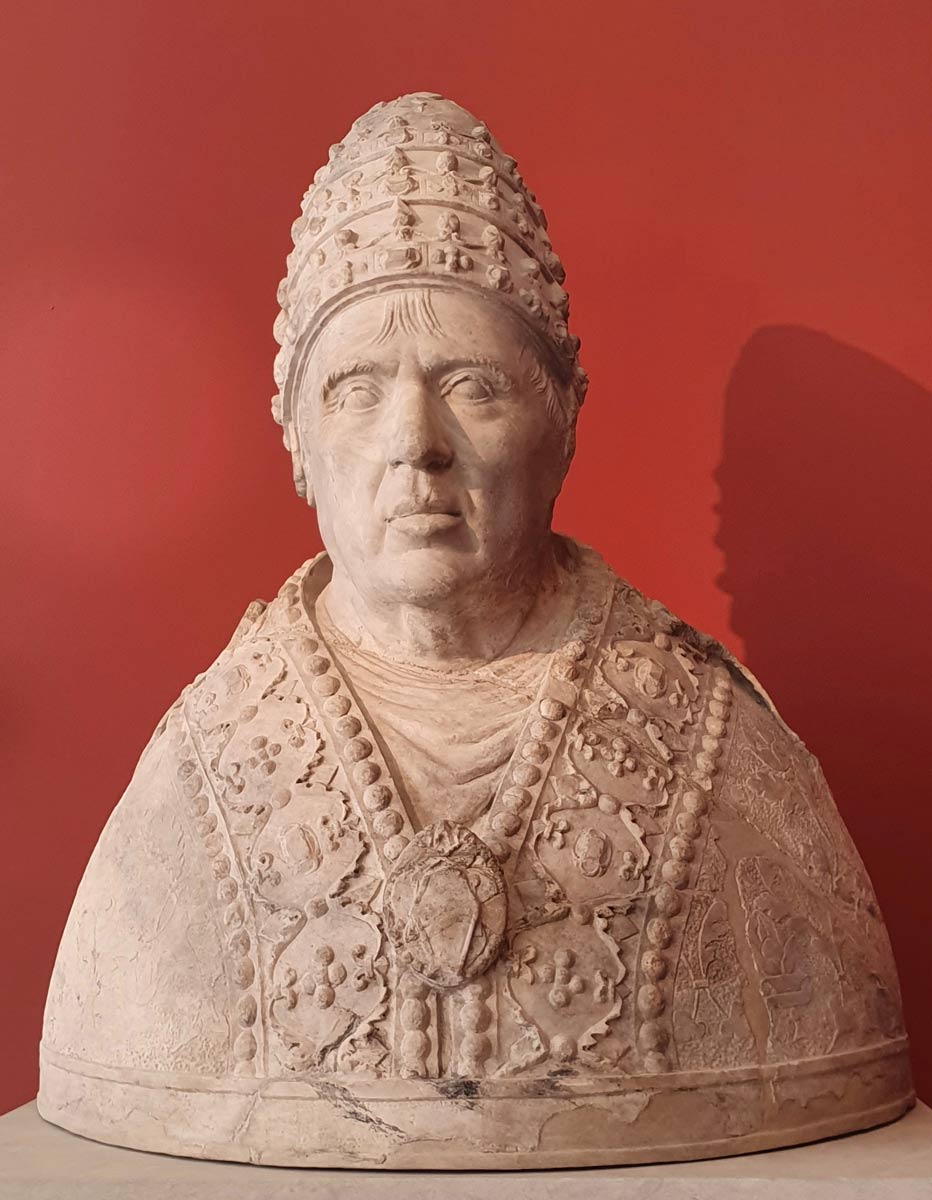
The Sforza’s, shamed by the pope, became enemies of the Borgia family. Meanwhile, Alexander looked for a more powerful alliance. In 1498, Lucrezia was married to the Duke of Bisceglie, 17-year-old Alfonso, the illegitimate son of King Alfonso II of Naples. In 1499, Lucrezia was named Governor of Spoleto, an unusual development in that the position was usually held by cardinals. As the political winds shifted once again, however, and the pope sought better relations with France, the alliance with Naples became a liability. France was an enemy of Naples and had designs for conquest.
In 1499, Alfonso, sensing betrayal, fled Rome but returned at Lucrezia’s request. The following year, Alfonso was murdered, but not before Lucrezia bore a son, whom she named Rodrigo, after her father. Although nothing could be definitively proven, it is widely believed that Cesare was responsible for the murder as he, along with his father, had engineered an alliance with France in January 1499.
With Alfonso removed from the picture, Lucrezia was once again free to marry, and her father sought a more useful alliance. In the meantime, however, she worked in the Vatican, putting her administrative skills to use, dealing with the pope’s mail, and answering in his stead when he was not available.
Marriage to Alfonso d’Este
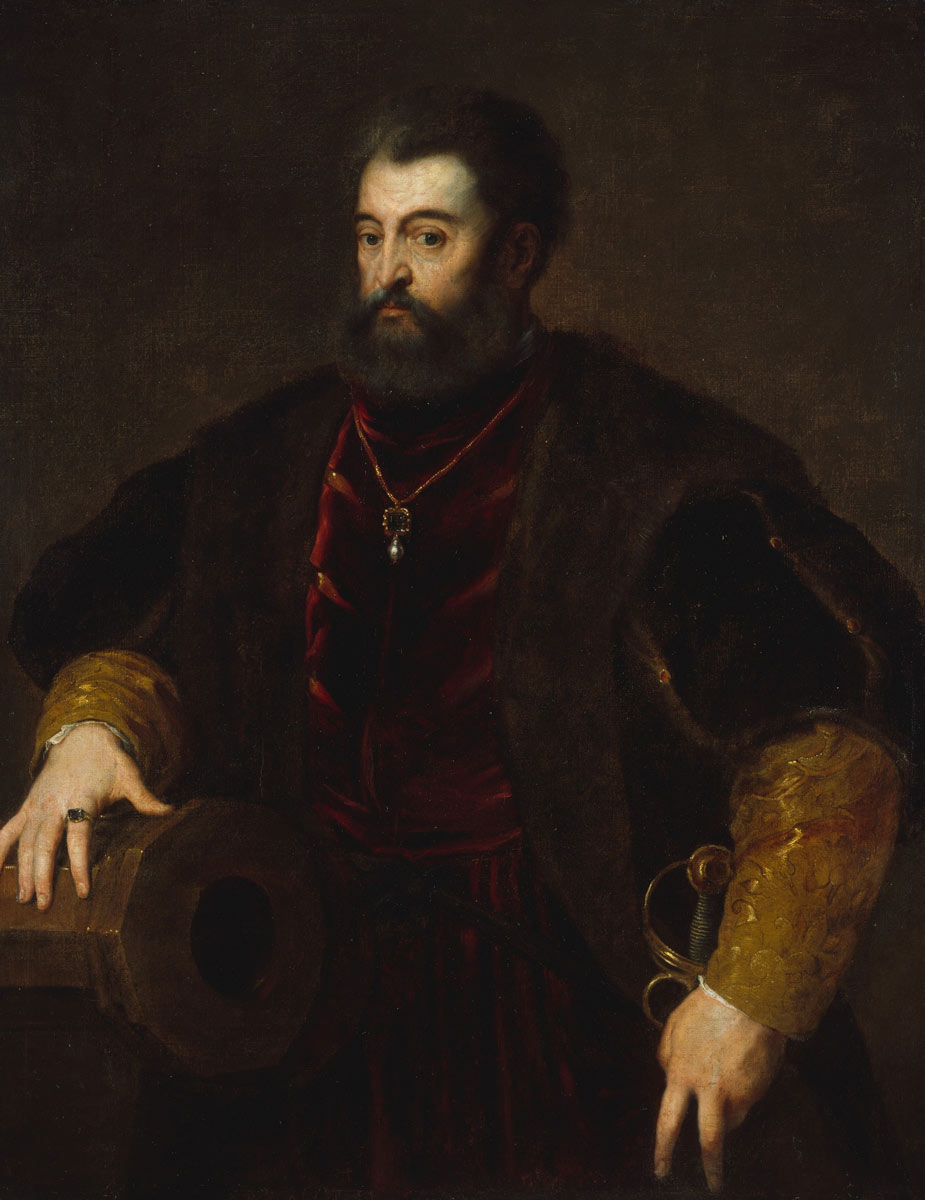
In 1497, Anna Sforza, the wife of Alfonso d’Este, the presumed heir to the Duchy of Ferrara, died in childbirth, thus ending the bond between the Sforza and Este families. In its place, a bond was suggested between the Estes and the Borgias. Understandably, Alfonso’s father, Ercole d’Este, the Duke of Ferrara, was hesitant, given the nature of Lucrezia’s previous marriages and the propaganda that surrounded the woman.
Ercole hired spies to go to the Vatican and they returned information on Lucrezia that was wildly contrary to what was commonly believed. Lucrezia was described as being virtuous and graceful, with modesty and decency. After vigorous negotiations, a deal was agreed upon, and Lucrezia was set to be married for a third time.
Alfonso was wedded to Lucrezia on December 30, 1501, although this wedding was by proxy in the Vatican. They were married in person in Ferrara on February 2 in a glamorous ceremony. Lucrezia was a vision of beauty, with slender features, turquoise-blue eyes, and delicate features. She arrived wearing a purple satin gown, a color associated with highborn nobility.
Changing Fortunes
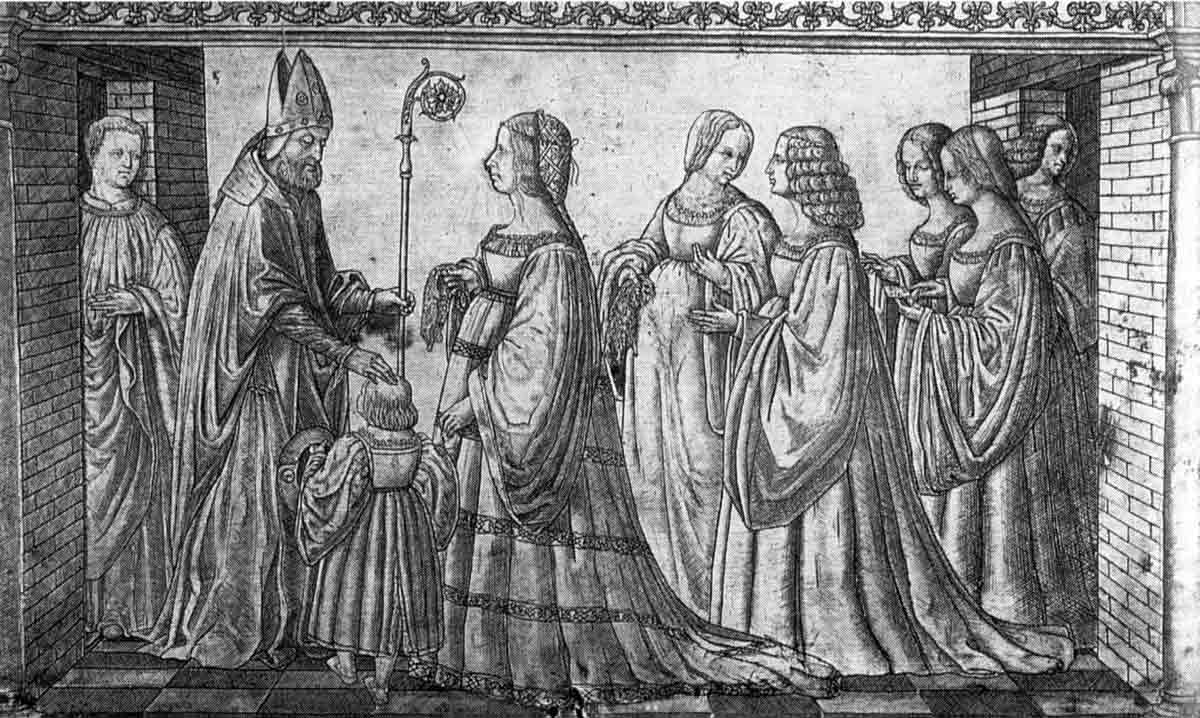
Much of the power of the Borgia family was solidified by Alexander’s position as pope. He had grand designs for his family, but they never came to fruition. He died of malaria in 1503, leaving his children to fend for themselves without the help of the papacy. His successor, Pius III, died after just 26 days in office. He was replaced by Giuliano della Rovere (Pope Julius II), a longtime enemy of the Borgias.
Cesare’s fortunes nosedived and he was eventually killed in 1507. Lucrezia’s marriage to Alfonso, however, lasted, and Lucrezia’s reputation recovered. In 1505, Ercole d’Este died, and Alfonso and Lucrezia became the Duke and Duchess of Ferrara. Lucrezia became a great patron of the arts and was well-equipped to handle her financial affairs.
She was adept at managing business and financial affairs and used some of her wealth to build hospitals and churches, which no doubt earned her great respect. As such, she gained a reputation of piety and charity, a far cry from the scandalous figure presented by her earlier detractors.
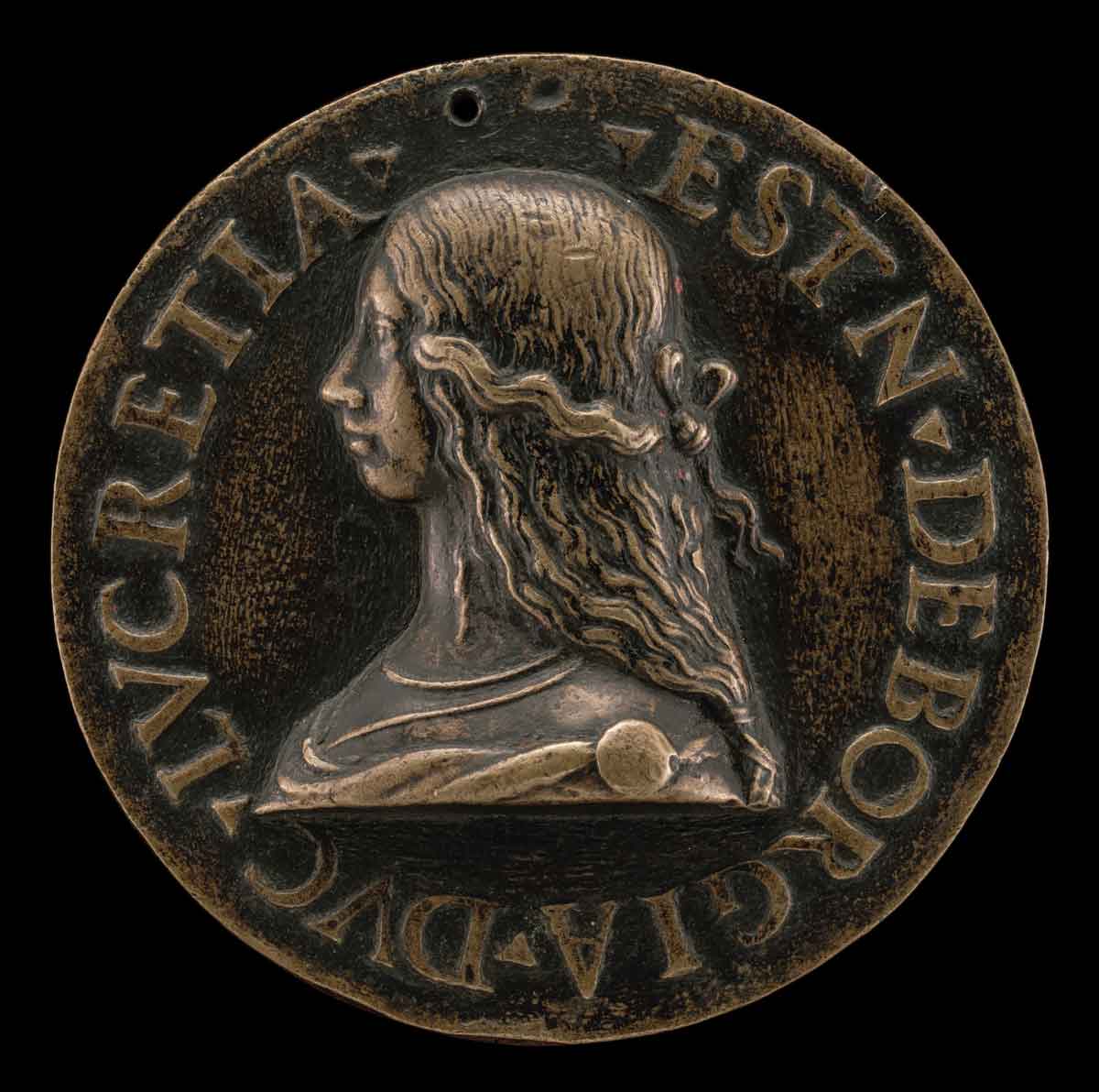
During her marriage to Alfonso, Lucrezia became pregnant eleven times. There were several miscarriages and children who did not survive infancy. Of those who survived childhood, Ercole, born in 1508, succeeded his father and became Duke of Ferrara. Ippolito, born in 1509, became an archbishop and later a cardinal. Leonora, born in 1515, became a nun and a composer. Francesco, born in 1516, became Marquess of Massalombarda.
Later Life and Death
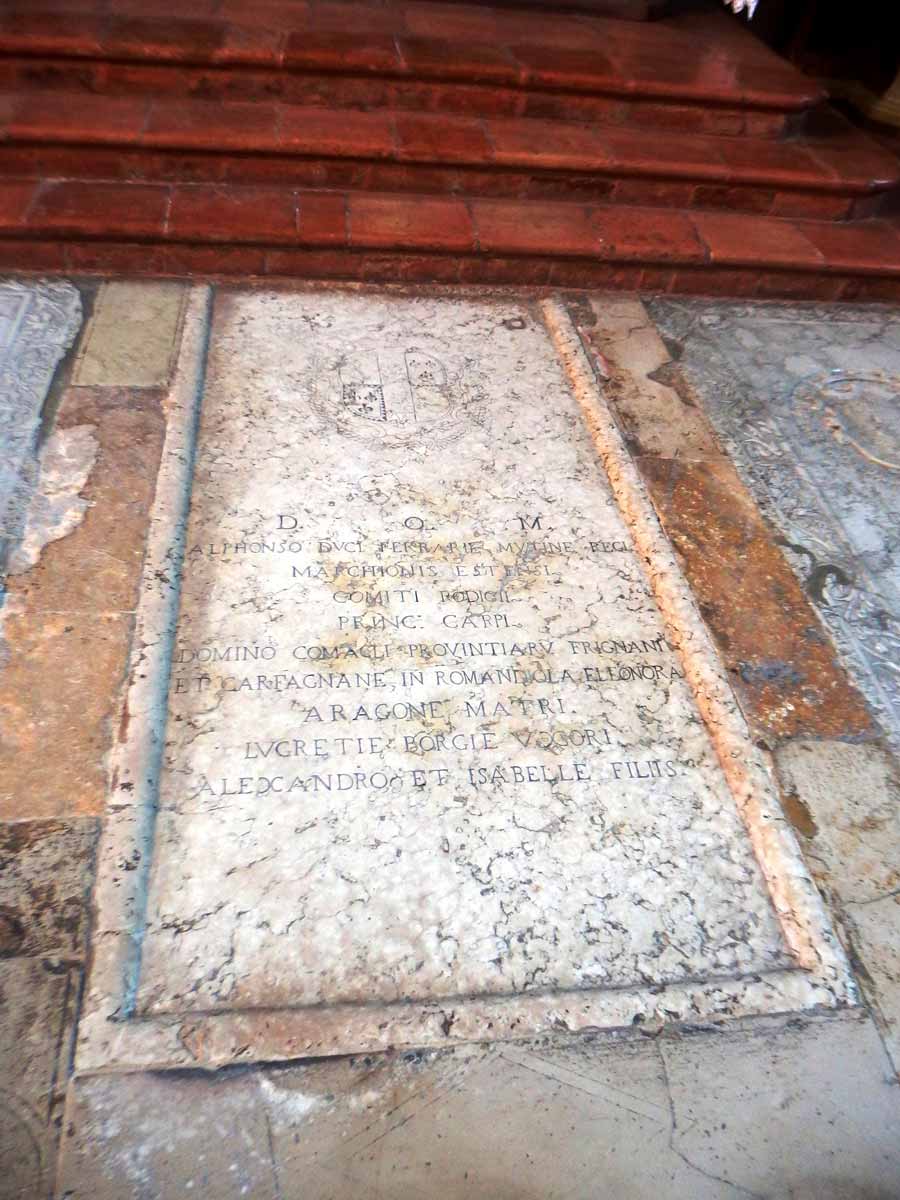
In 1512, Rodrigo, her son by Alfonso of Aragon, died, and Lucrezia became withdrawn and melancholic. She displayed a significant increase in piety and spent more time in convents from that point on.
On June 14, 1519, just ten days after giving birth to a stillborn daughter, Lucrezia died from a fever, possibly due to complications of childbirth. She was only 39 at the time of her passing.
Legacy
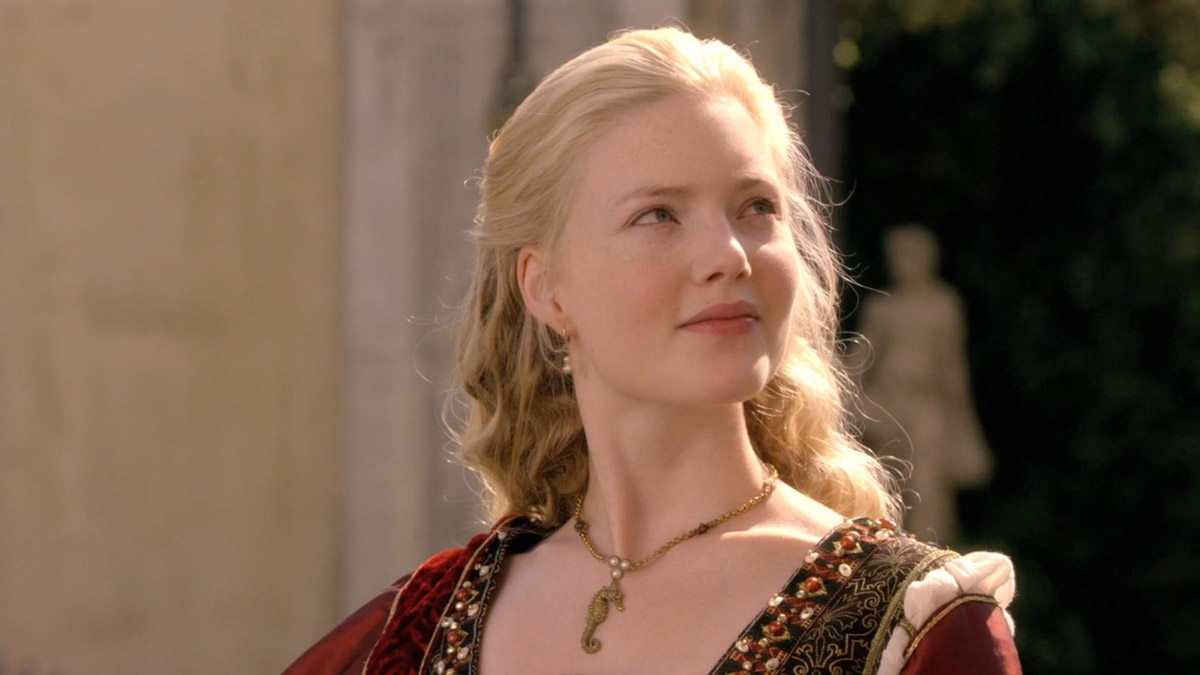
Lucrezia Borgia was thrust into a difficult dynamic during her life, and she has been the subject of much historical discussion and debate. While the Borgias were vilified for their actions (and supposed actions), they were no worse than other powerful families during the time period.
While some histories describe Lucrezia as being devious, debauched, and immoral, she is also seen as a victim of circumstance who was unfairly linked to the crimes of her family. Modern histories tend to exonerate Lucrezia and err on the side of her being an unfortunate pawn in her family’s ambitions. While this latter argument holds water, it also dampens the fact that Lucrezia was influential, and had agency in her own destiny.
Lucrezia Borgia has been the subject of many stage and screen portrayals throughout history. Her first screen portrayal came in 1922 in the German silent historical film Lucrezia Borgia, and she has made appearances in film and television ever since. She has even been referenced in songs such as Lucretia My Reflection by Sisters of Mercy (1988) and Lucretia by Megadeth (1990).Sha has also appeared in the video game Assassin’s Creed: Brotherhood (2010) by Ubisoft where she is depicted as being in an incestuous relationship with her brother, Cesare.
Ultimately, Lucrezia represents a contradictory figure of Italian history, and her representation throughout the centuries is a testament to the different aspects of her character, both real and supposed.