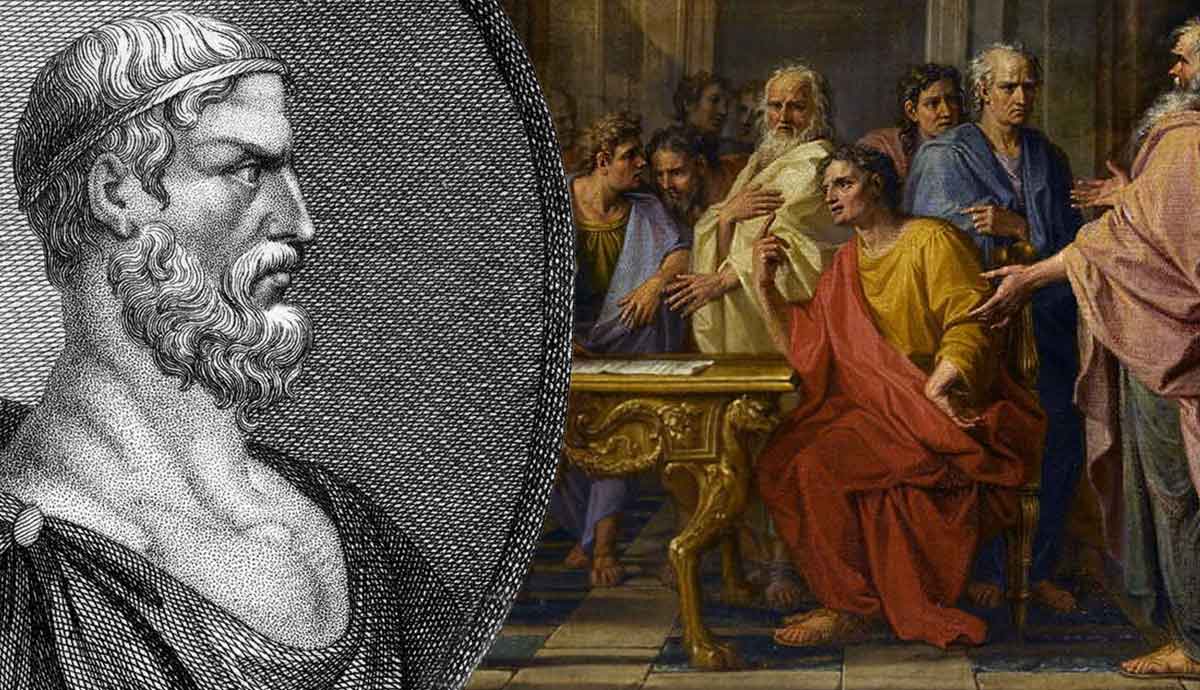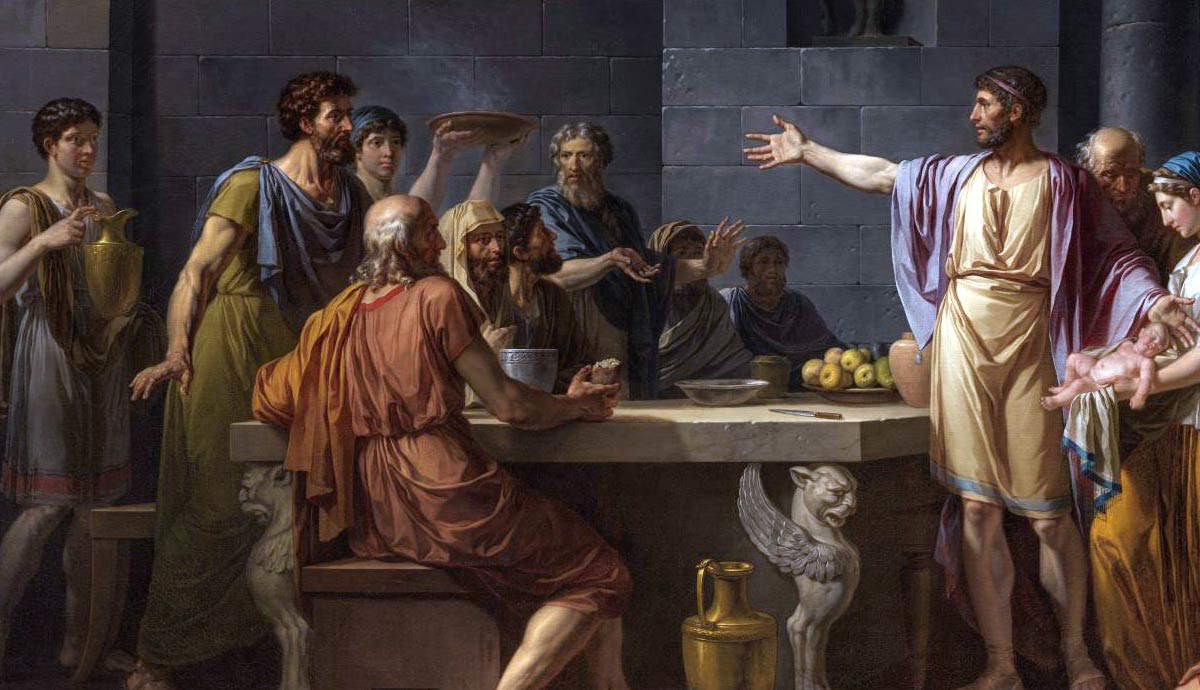

In ancient Greece, miasma was the concept of spiritual pollution, usually caused by the improper spilling of blood. Many Greek myths deal with “blood guilt,” spiritual pollution, and the consequences for those affected. In stories from Greek mythology, those affected by miasma were hounded by the Erinyes (Furies), goddesses who hunted murderers. The trilogy of plays by Aeschylus titled The Oresteia follows Orestes, son of Agamemnon, as he attempts to resolve the blood guilt curse that afflicts his family. Forced to kill his mother for murdering his father, Orestes is afflicted with miasma and driven into exile lest his pollution spread to those around him. As well as a spiritual state, in ancient Athens, miasma was a practice used to maintain social order and justice.
What Is Miasma?
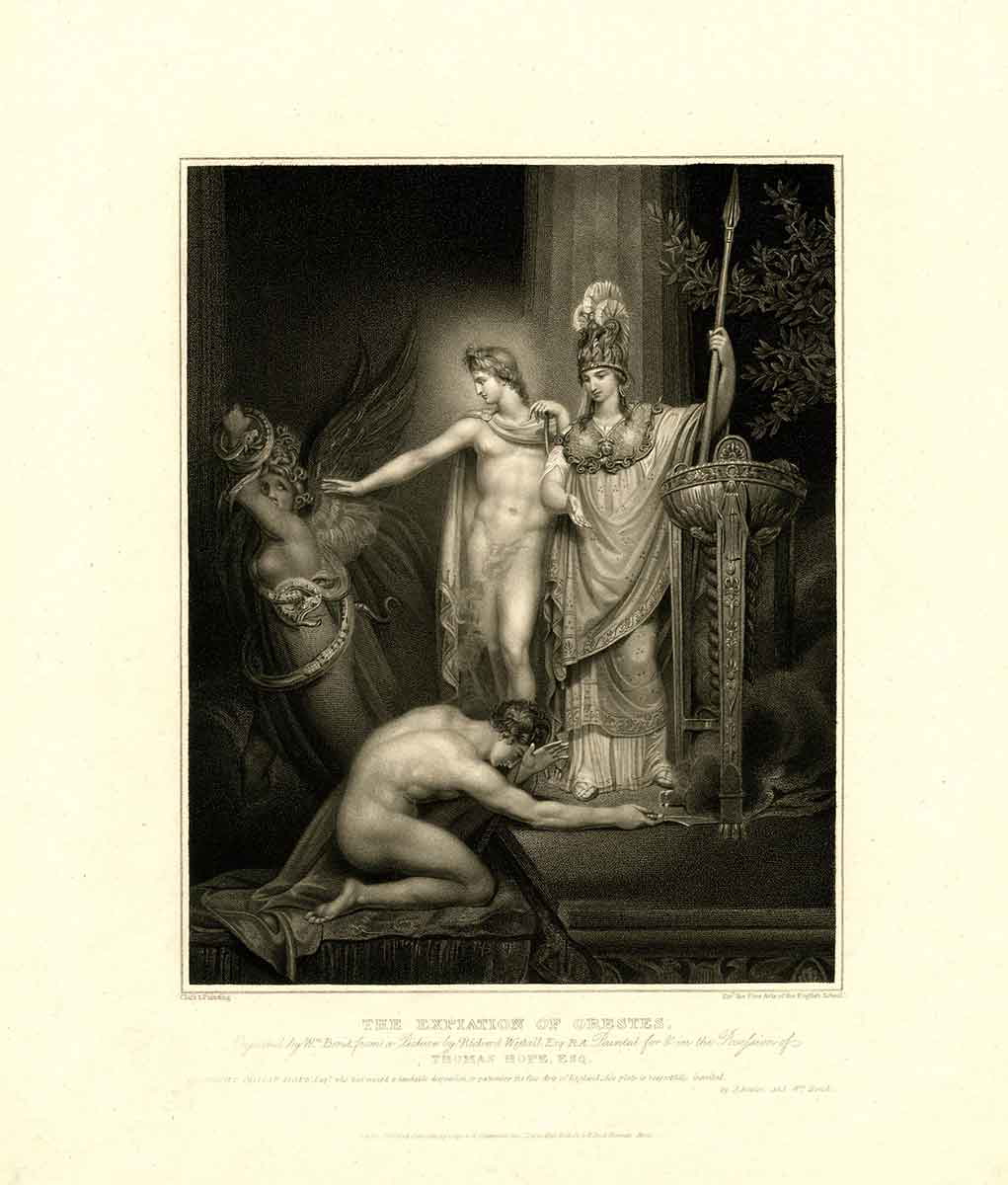
Miasma was a spiritual pollution that afflicted those who had improperly spilled blood. Various types of murder, both premeditated and unpremeditated, accidental killings, and suicide were considered improper. The root of the word miasma comes from the Greek word meaning “to stain,” and those afflicted by miasma were thought to be stained with the blood of the person they killed. They were said to have “blood on their hands.” Like blood, the stain could spread to anyone it touched, regardless of whether they knew of it or not.
Anyone who interacted with someone stained with miasma would also require purification. Miasma was the outrage of the victims and of their families for the dishonor done to them. This outrage called the attention of the Erinyes to hound the murderer. As can be seen in plays like Aeschylus’ Libation Bearers, the Erinyes caused madness and misfortune for those they pursued.
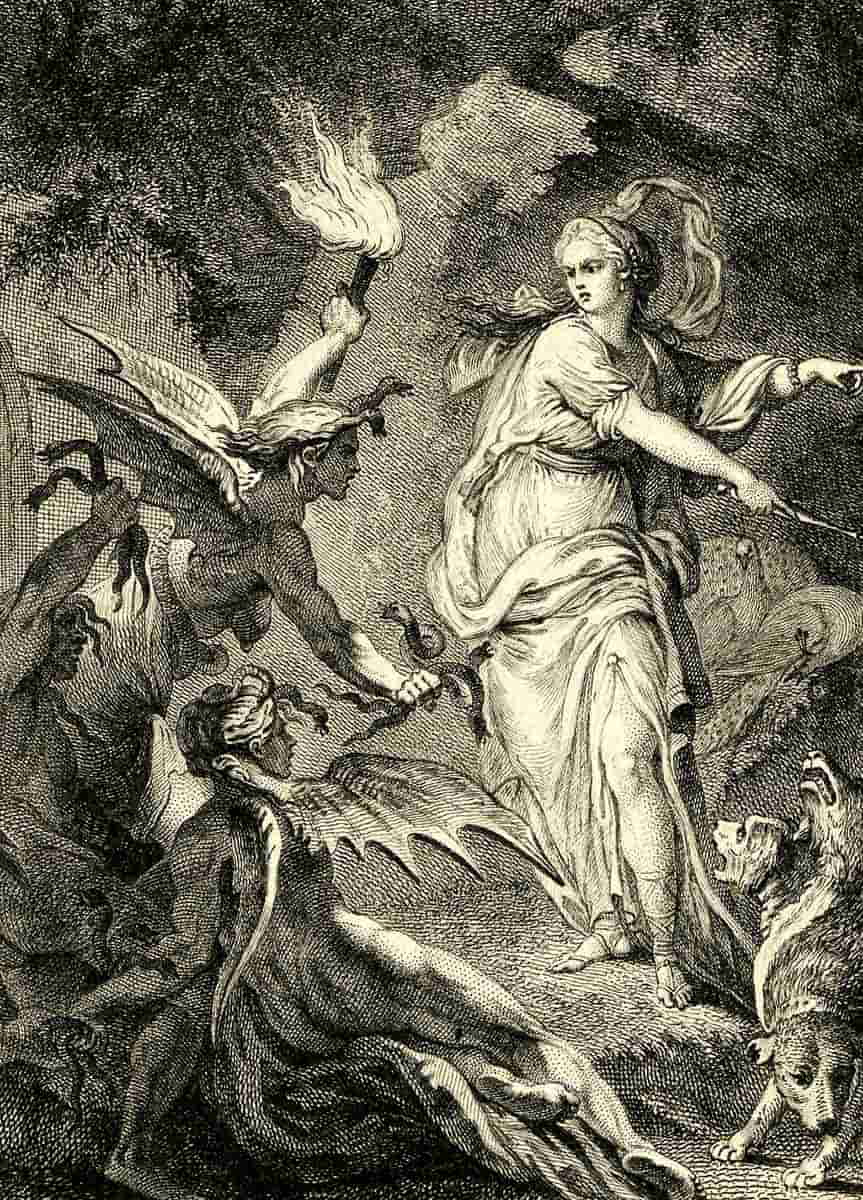
Unlike in the plays, however, where miasma always stemmed entirely from a crime, in the daily life of the Athenians, miasma was a state applied by society. All people participated in shunning the afflicted individual. It was a mechanism by which society as a whole brought attention to a terrible deed that needed to be redressed, whether by the one who committed the crime or by society itself. Anyone accused or convicted of murder was barred from entering sacred spaces for fear that doing so would endanger the entire city. If they did, anyone could kill them and have it deemed “justified,” since they were protecting the health of the city.
In this way, miasma was a means of ensuring justice and social order. It was also a way lawyers could prove, or disprove, the credibility of their accusations. In the Tetralogies attributed to Antiphon, documents describe three hypothetical homicide cases. The defendant asserts that he is not guilty since he had to travel by sea to get to the court proceedings, and his safe passage was proof that he was not afflicted with miasma. If he were guilty, he would have met with misfortune on the way. In circumstances where a murder was “justified,” the acquitted defendant still had to be ritually purified because they had spilled blood, but legally they were innocent.
Miasma Demanded Vengeance
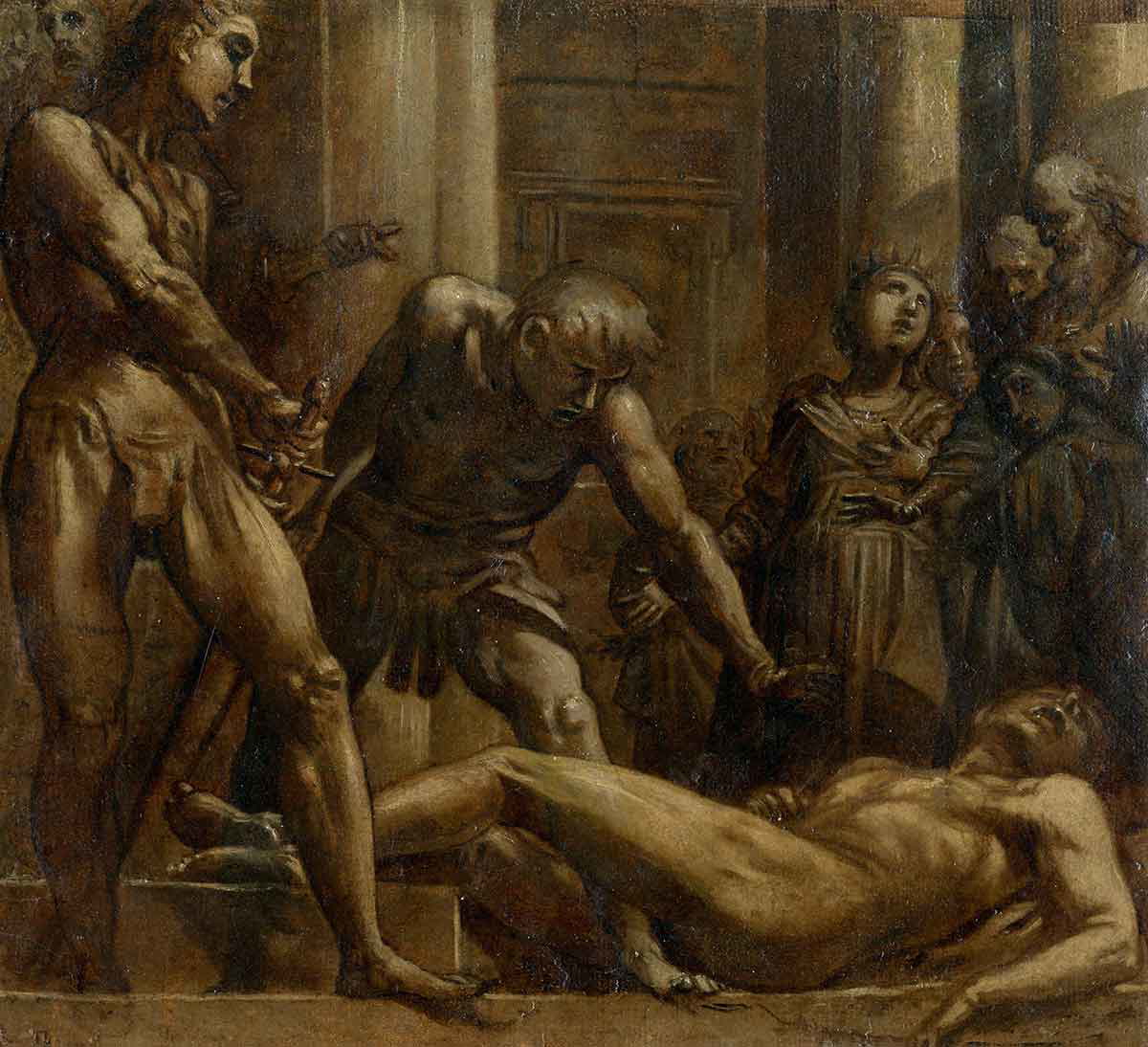
While miasma was the pollution that affected the murderer, the concept of poine, or vengeance, related to the family of the deceased. It was the vengeance that the victims were owed against the perpetrator, and law courts were a means of facilitating that vengeance.
Ancient Greece abided by a strong honor system, so it was up to the family of the killed individual to bring charges against the killer. By having a member of their family killed, the honor of the entire family was defiled since one of their members was deprived of a life that was rightfully theirs. To not bring charges against the killer, or to need someone outside of the family to bring those charges, was seen as another dishonor. It was the family’s duty to avenge their slain kin.
Justified Killings
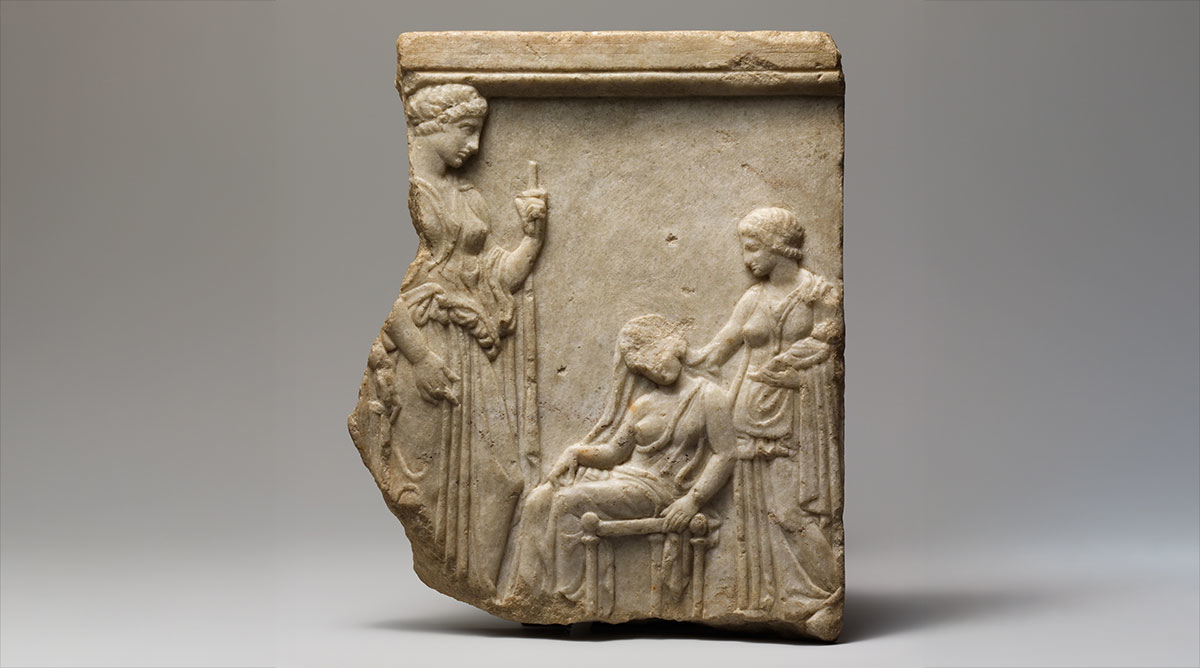
There were a few types of justified killing, some of which are still considered justifiable in modern legal systems. These included killing in self-defense or in defense of a family member or property, or killing a slave who had killed his master. This would be enacted by a member of the slain person’s family, and the guilty slave would need to be killed, else the family member would invite pollution onto themselves.
Physicians whose patients died while undergoing treatment were also pure. This was classified as a special class of accidental homicide. While accidental homicide usually would require purification, physicians having to undergo ritual purification every time a patient died would severely impede their practice.
Greek Murder Courts
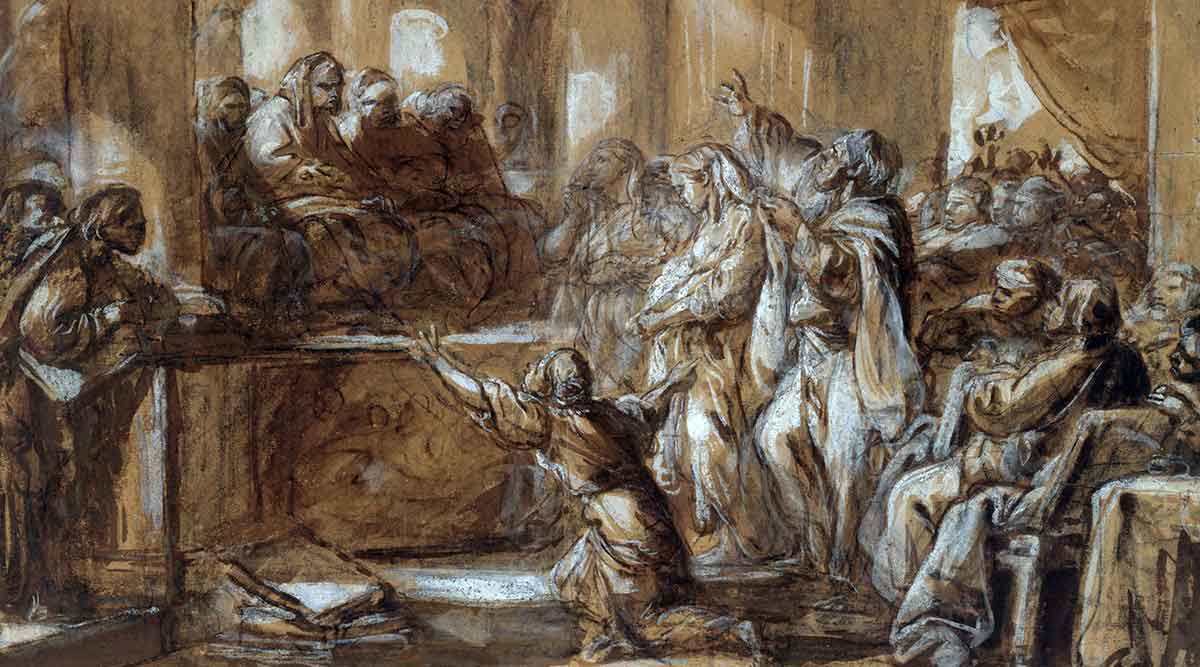
In ancient Athenian law, there were several separate courts that dealt with blood guilt. Premeditated, or first-degree, murder was tried in the Areopagus; unpremeditated, or second-degree, murder was tried in the Palladion; and “justifiable” homicide was tried in the Delphinion.
Furthermore, people accused of unintentional homicide, or manslaughter charges, who had gone into exile and had not been reconciled with the family of the deceased, were tried in the Phreatto. These trials happened on the beach, with the accused sitting in a boat in the sea as they were forbidden from setting foot on Athenian soil lest their pollution infect the city. There was also the Prytaneion Court that dealt with unknown murderers, animals, or objects that caused the death of a person.
The Sword Did It
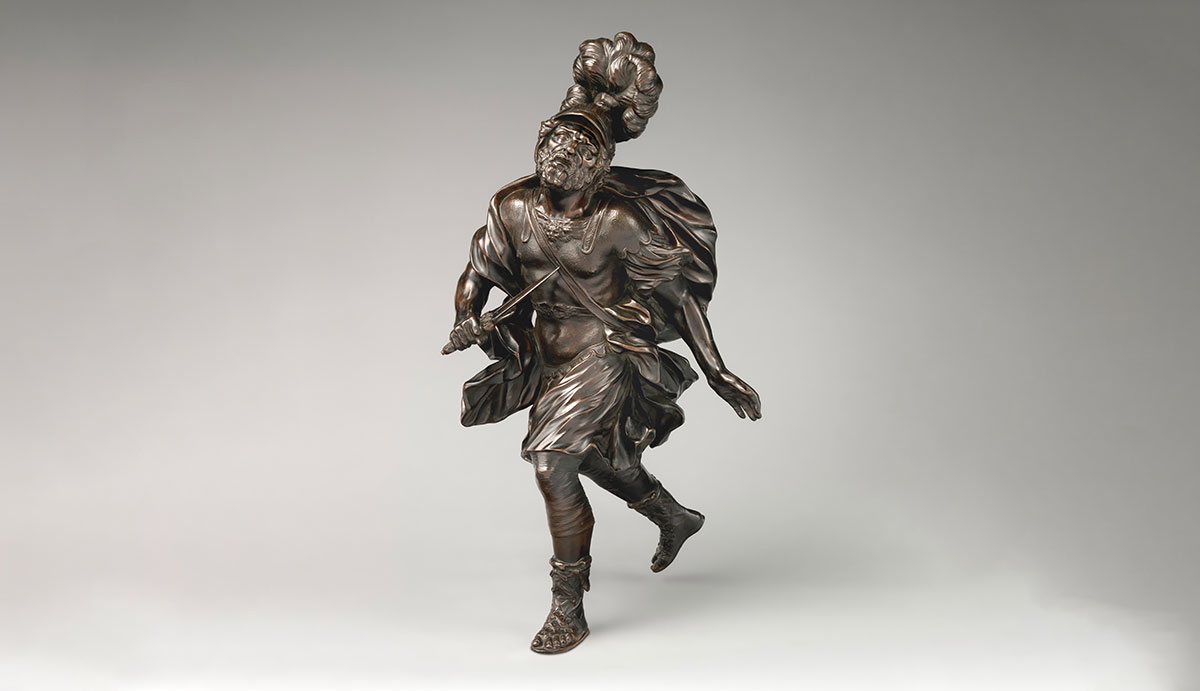
Since the spilling of blood was a crime that afflicted one with miasma, what happened when someone was killed by accident or committed suicide? The answer is that blame was not placed upon the victim, but instead on the object. At the Prytaneion, trials were held against objects or animals that caused someone’s death, thereby becoming polluted. The trial wasn’t necessary to determine a crime, but the court acted as a way for the family to express their outrage at the death of one of their members and for the victim to receive justice.
The object or animal stood trial, then was cast out of the city as a human murderer might be exiled before or after their conviction. In some cases, the object was burned, as with nooses. In the case of suicide by sword, the hand that caused the death was removed from the body and disposed of.
Methods of Purification
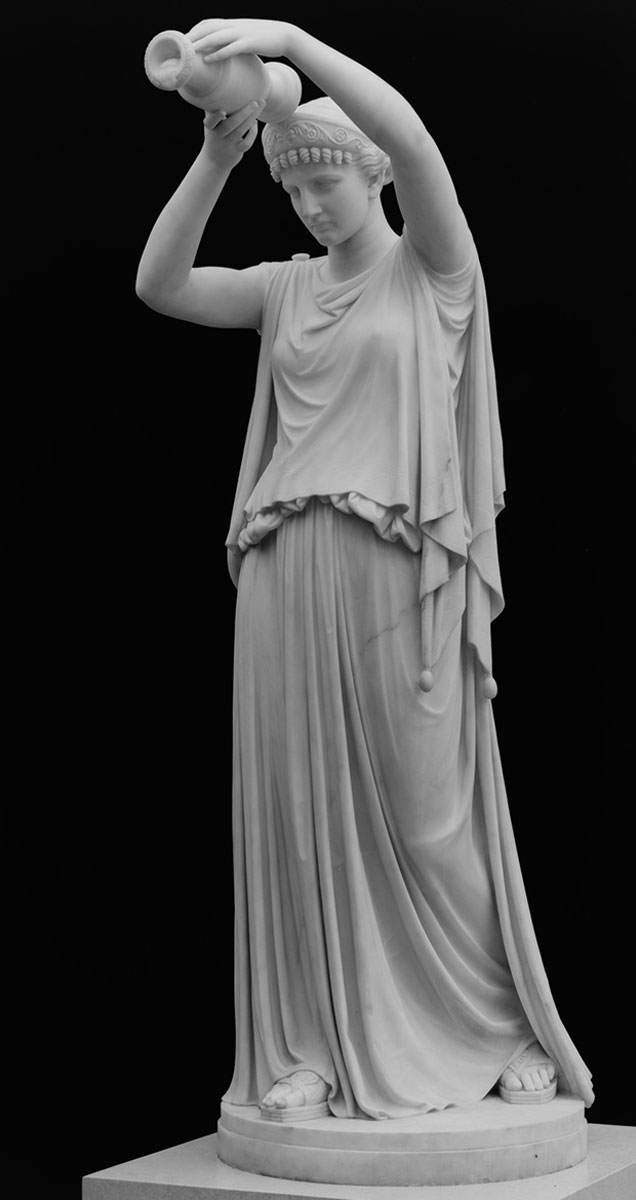
When someone was afflicted with miasma, they needed to be purified else their pollution would spread to the rest of the community. In order to do this, they supplicated themselves at a hearth or at the threshold of a sacred space, remaining silent with their head bowed. A priest or community leader would then wash and anoint them, then lead them out into the street where passersby were also silent and sometimes covered their faces in recognition of the murderer’s unnatural state.
The murderer was sometimes washed with water, but more commonly, their hands were sprinkled with blood from an animal. The logic was that “like” removed “like.” The tainted blood of the murder was removed and replaced by the sacrificial blood of the animal. Purification rituals were then followed by rites of appeasement. These rites were directed at underworld deities or to Zeus, the guardian of social life.
Aeschylus’ Oresteia
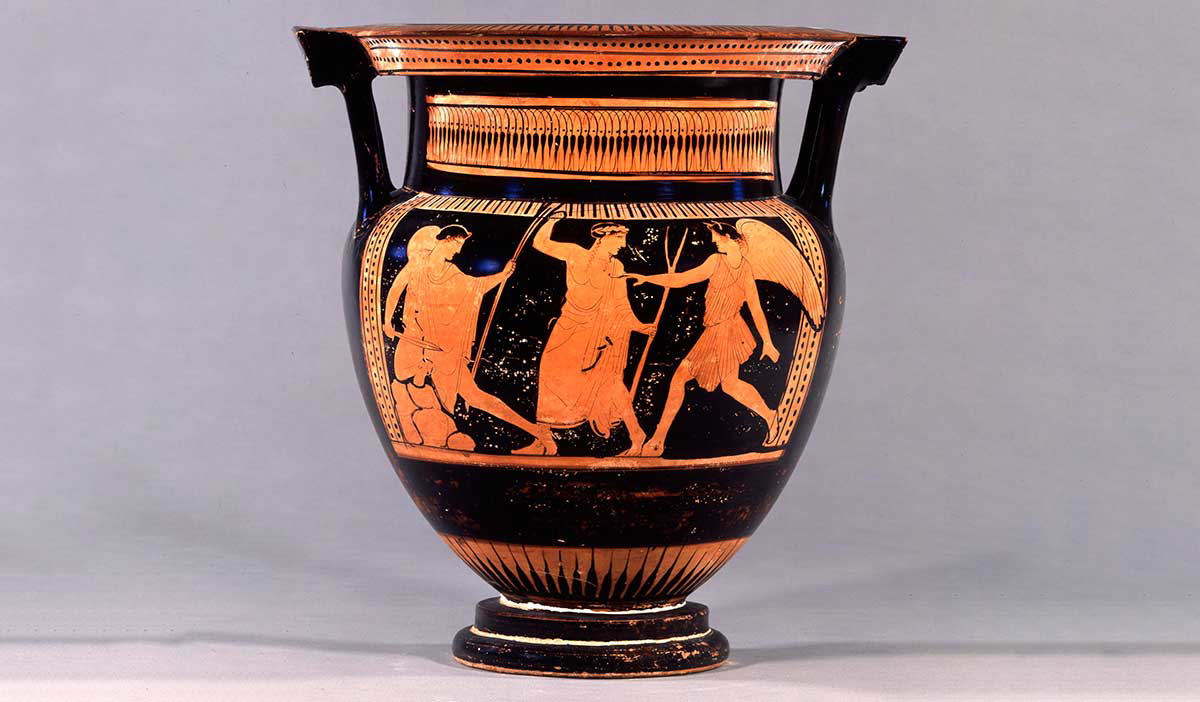
In a trilogy of tragic plays by Aeschylus, the concept of miasma was taken to its natural extreme. How must a son act when his mother has murdered his father? Patricide and matricide were grave sins, but so was to let the killer of one’s father go free without enacting vengeance. This was what Orestes, the son of Mycenaean king Agamemnon, grappled with.
In the first play, Agamemnon, the titular character, returns to Mycenae after the Trojan War, where his wife, Clytemnestra, is waiting. She is angered by the sacrifice of their daughter, Iphigenia, and plots to murder her husband to avenge her. The play closes with Agamemnon’s murder.
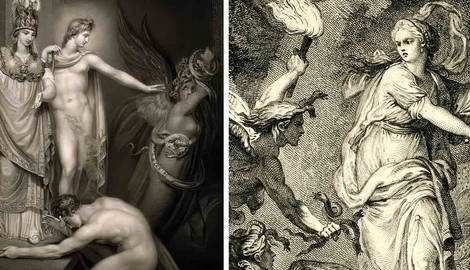
The second play, Libation Bearers, followed Orestes after he learned of what happened to his father. Clytemnestra was haunted by the angry spirit of Agamemnon, so she tried to placate it by sending libation bearers to his tomb. That same day, Orestes returned to Argos, having been commanded by Apollo to avenge his father, lest the Erinyes haunt him as well. Orestes killed his mother as justice for his father, yet having committed matricide, he still became haunted by the Erinyes.
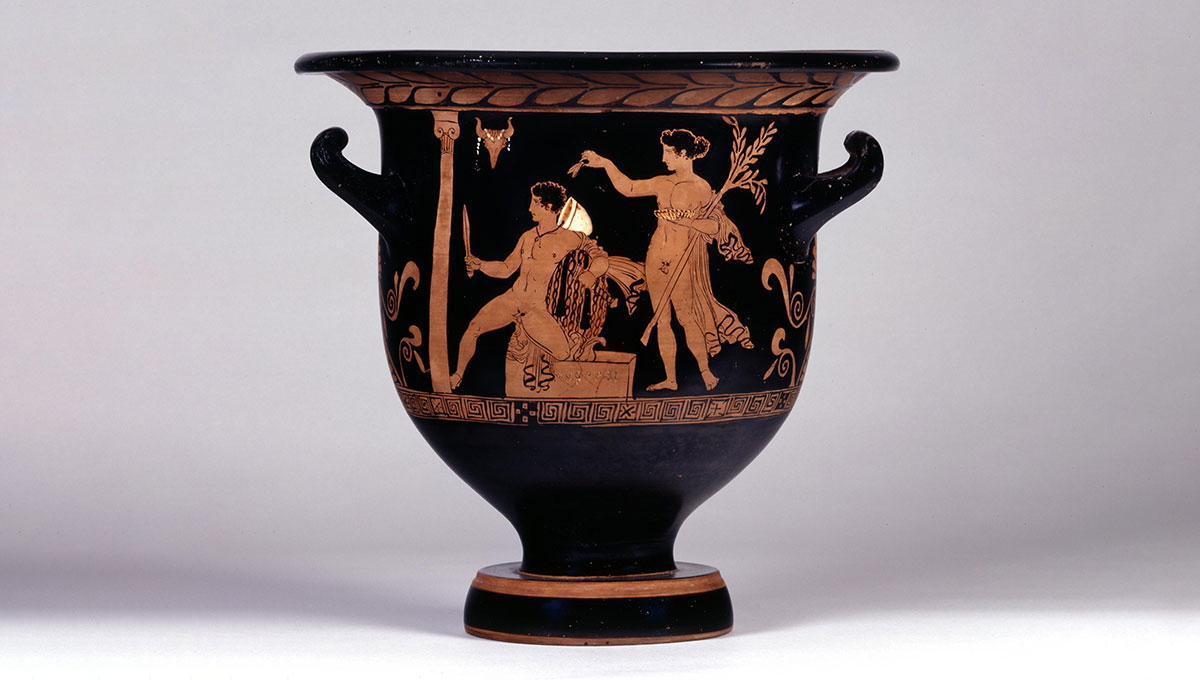
The third play, Eumenides, had Orestes hunted by the Erinyes, who sought vengeance for Clytemnestra. Despite having been ritually purified by Apollo, they still hunted him because he had killed kin. He fled to Athens, where he pleaded with Athena to help him. She set up a trial for him on the Areopagus, judged by twelve Athenians citizens and Athena herself. The Erinyes accused him of murder and proved his culpability by the very fact that they were able to follow him. Apollo argued that the killing of his mother was justice for the murder of his father and, therefore, necessary. By the end of the trial, the jury was evenly split and the decision fell to Athena. She ruled in favor of Orestes, and that from then on, all such disputes were to be settled in court rather than personally as had been done up to that point.
Throughout the plays, we see the corrupting influence of miasma, the rage of and for the victims, and the reason its influence must be purified. Without purification, the cycle of violence would continue and afflict descendants until the entire family had been destroyed.
Selected Bibliography
Hewitt, J. W. (1910) “The Necessity of Ritual Purification after Justifiable Homicide,” Transactions and Proceedings of the American Philological Association, 41, 99–113.
Naiden, F. S. (2015) “The Sword Did It: A Greek Explanation For Suicide,” The Classical Quarterly, 65(1), 85–95.
Panagiotou, S. (1974) “Plato’s Euthyphro and the Attic Code on Homicide,” Hermes, 102(3), 419–437.
Sidwell, K. (1996) “Purification and Pollution in Aeschylus’ Eumenides,” The Classical Quarterly, 46(1), 44–57.
Visser, M. (1984) “Vengeance and Pollution in Classical Athens,” Journal of the History of Ideas, 45(2), 193–206.