
Few aspects of Chinese imperial history hit as hard or as uncomfortably as the level of corruption in the early dynasties. For over two thousand years of dynastic rule gave rise to brilliant administrators and tyrants alike, yet buried within those centuries was a rot so deep that it would forever change how historians looked at power and its abuse in the empires. So, which Chinese empire had the most corruption?
Corrupt Chinese Dynasties
The rise of corruption in ancient China is often linked to the Confucian idea of rule by moral example (renzhi). But renzhi itself was meant to fight corruption through good character instead of set rules. Yet in real life, that moral framework turned into favouritism and became a cover for the pursuit of more wealth to the detriment of the commoners. Experts note that corruption grew exponentially during the Ming and Qing dynasties. Pay for government officials in the Ming dynasty was, for example, terribly low and this, many believe, directly encouraged widespread corruption.
Deep institutional decay also hit massive proportions under the Qing dynasty which is believed to have been worse. Pundits frequently point to the vice as the main trigger for 19th-century uprisings, as well as the main reason behind the rise of many secret societies and certain martial-arts groups that were against the state.
Corruption in the Qing Dynasty
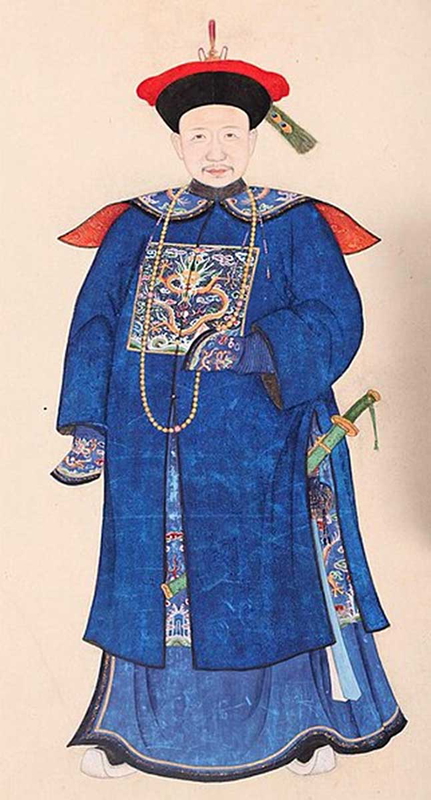
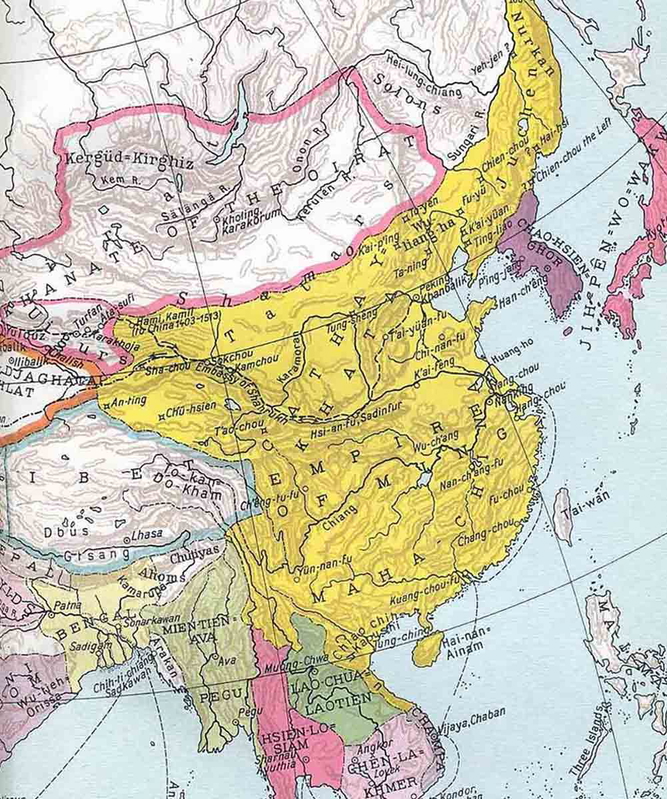
Focusing on the Qing dynasty, it existed as a Manchu-led imperial dynasty from 1636 to 1912 and served as the last imperial dynasty in Chinese history. Qianlong Emperor’s reign (from 1735 to 1796) marked the apex of the dynasty. Qianlong’s final years, however, brought internal revolts, economic disruption, official corruption, and many other governance problems. It was in that environment that the single most infamous corrupt figure in Chinese history rose to power. Heshen, a Manchu from the Niohuru clan, enjoyed special favor with the Qianlong Emperor and served as a high Qing official.
Historical accounts portray him as possibly the most corrupt bureaucrat to ever exist in China. Some historical accounts claim that he amassed roughly 1.1 billion taels of silver, an enormous fortune that some scholars equate to hundreds of billions of dollars adjusted to current inflation rates. This was roughly fifteen years of Qing imperial revenue. Bribery became blatant under him while extortion grew on a massive scale. Associates in the imperial system copied his methods while military commanders deliberately prolonged campaigns just to plunder.
How Heshen Maintained Power
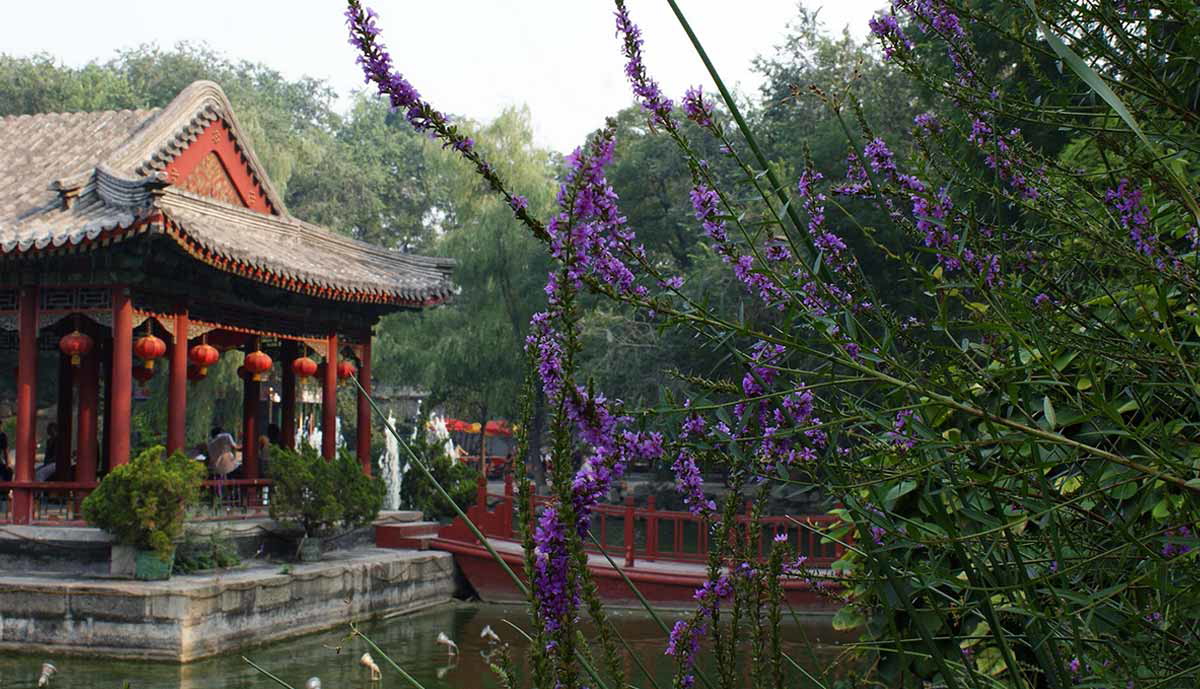
Heshen grabbed multiple key roles in the Chinese government, including Grand Councilor, to accumulate power and routinely diverted public funds for personal use. Illegal extra fees during those years inflicted heavy hardship on ordinary people. Yellow River floods also worsened their misery as corrupt officials pocketed money meant for maintaining dikes and canals. Soaring rice and other grain prices also left huge populations hungry and caused many people to starve to death. During this time, extra income from corruption for officials reportedly reached fourteen to twenty-two times their legitimate salary. Despite the next administration attempting reforms by massively increasing official pay, the problem returned, years later.
Why Was the Qing Dynasty the Most Affected by Corruption?
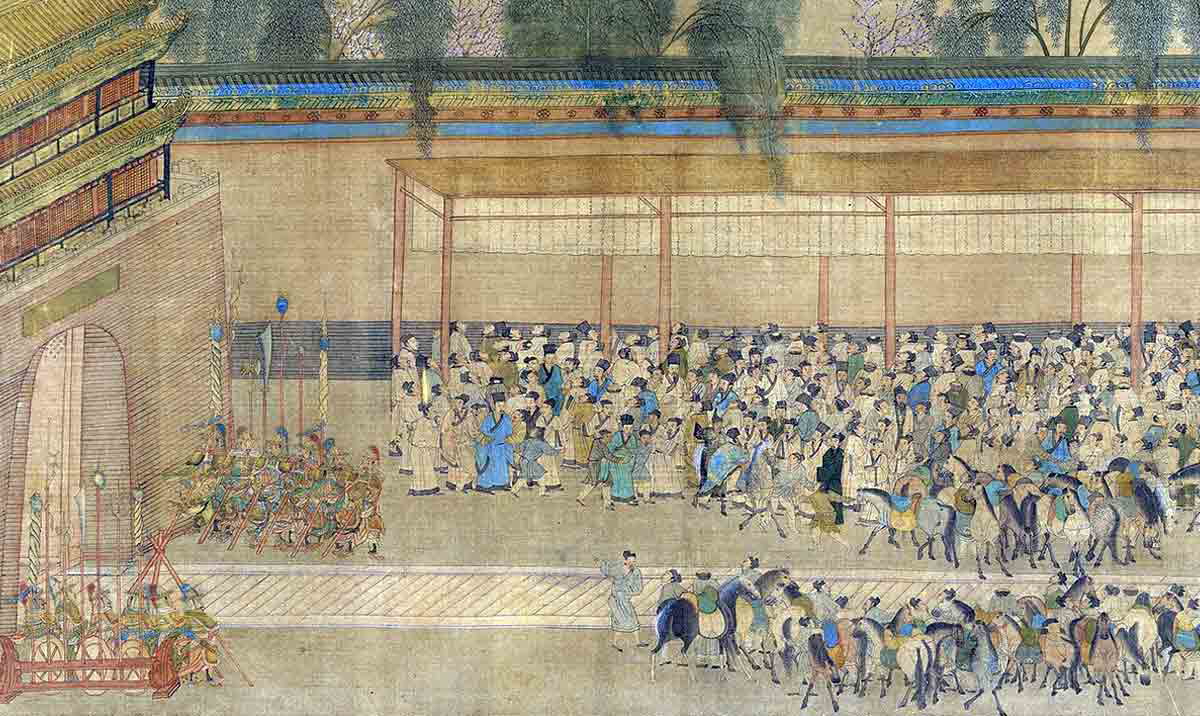
The Qing dynasty’s corruption situation was worsened by ethnic factors. At the time, tensions existed between the ruling Manchu minority and the Han Chinese majority, with the Manchus keeping special privileges and requiring markers of submission, most notably the mandatory queue hairstyle. Harm from personal favoritism under an old emperor also caused serious damage. In his later years, the Qianlong Emperor trusted corrupt officials such as Heshen, who as the highest-ranked minister managed the daily governance of the dynasty.
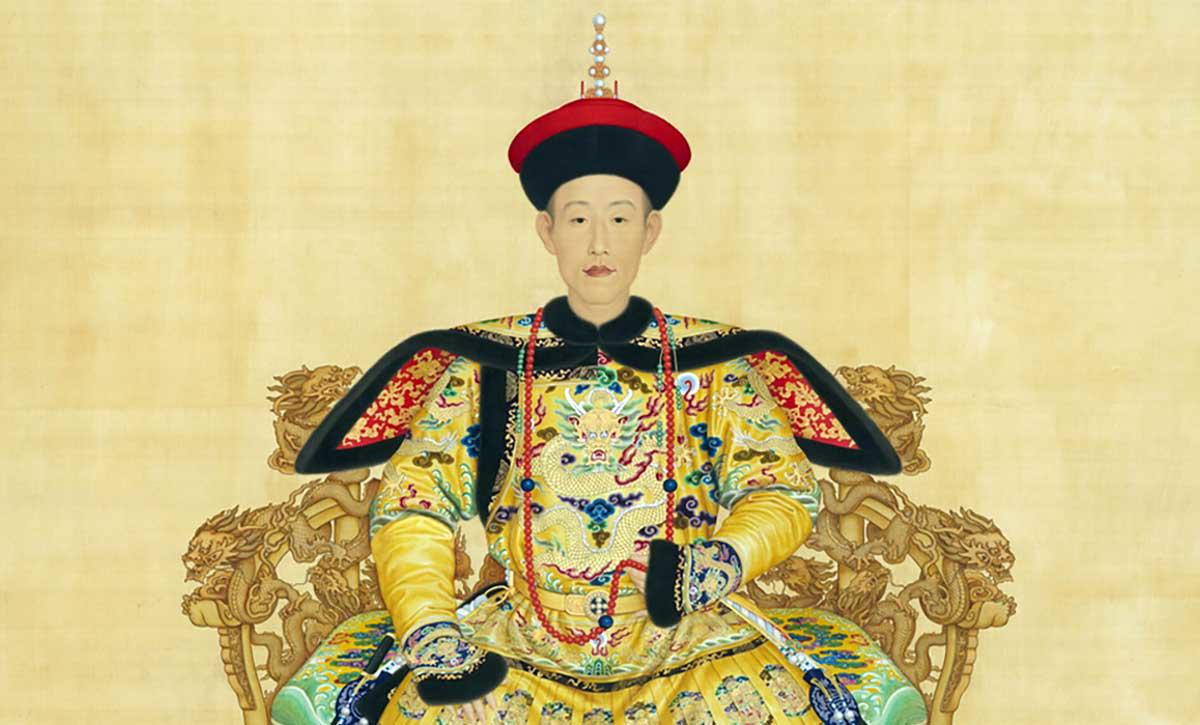
The emperor, at the time, spent time on arts and literature. The neglect exacerbated corruption levels in the dynasty. The Qing dynasty’s office purchase system, called juanna, also worsened corruption by enabling people to pay government officials to get jobs. It allowed people to skip the tough, competitive exam system completely destroying the concept of merit-based selection. Kangxi Emperor, for example, sold titles to help finance his war against the Three Feudatories rebellion. The practice gave government officials a steady flow of money. Many of those who got their positions this way often turned to corruption to make back some of the money that they had spent, and usually much more.