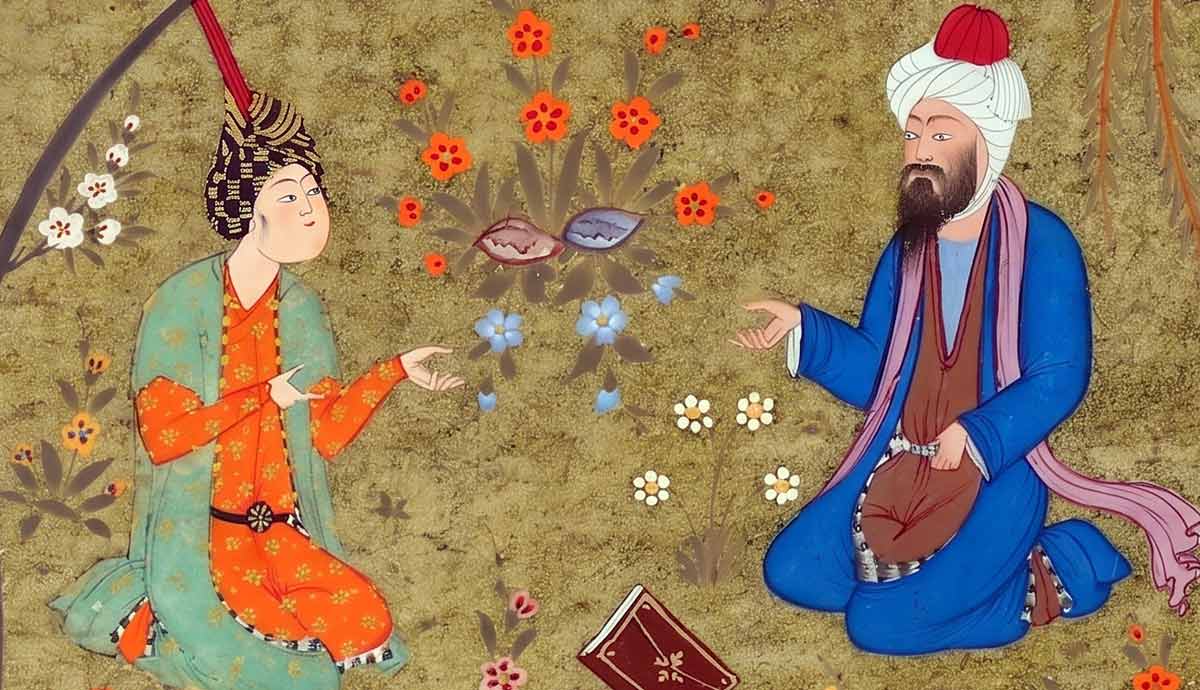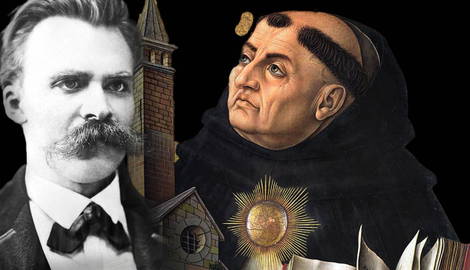
On the Genealogy of Morality is one of the most studied of Nietzsche’s texts. This is probably due to the fact that the text itself consists of three connected long-form essays rather than a collection of aphorisms. This makes the sudden appearance of Mr. Nosy Daredevil and his journey down into the workshop in which ideals are fabricated rather unsettling. What purpose does this strange story serve, and why did Nietzsche include it?
Why “Genealogy” and Not “Evolution” of Morality?
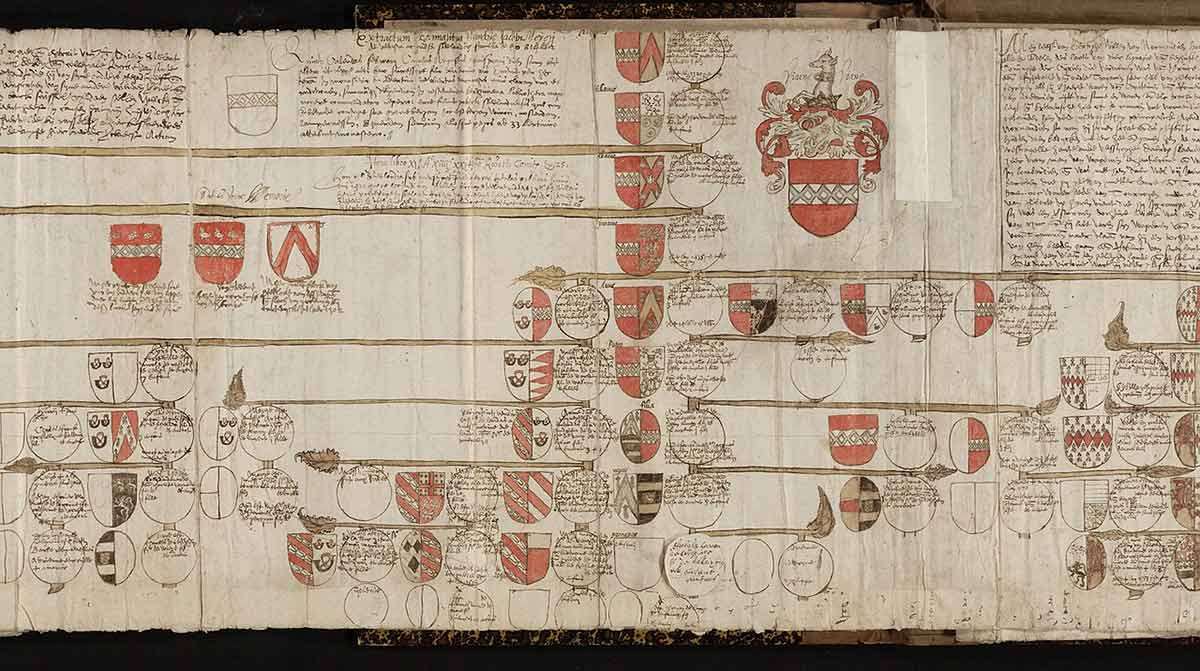
It is interesting that Nietzsche uses the term “genealogy” rather than evolution. The reason for this is that Nietzsche is not really interested in how human beings evolved into animals with a sense of morality. Rather, he wants to show that morality is more like a social institution than a biological phenomenon.
Think of a family tree; here we typically see marriages and births. Marriage is an institution, a kind of legal agreement. People get married for many reasons, and these reasons change over time as social rules change.
Nietzsche is interested in how morality came to be the social institution that it is today. He is not really interested in how a sense of morality might have evolved over time due to sexual selection. What he wants to show is how the social practice of morality developed over time from the first moral rules in primitive societies to the all-consuming idea of morality today.
By preferring “genealogy” over “evolution,” Nietzsche is showing that his concern is with the institution of morality rather than the science of morality.
We need to be very careful here. There is more going on here than might first appear. Nietzsche is not offering a disinterested account of how the institution of morality might have come to be. Rather, he seeks to undermine morality, and in particular Christian morality, by offering alternative accounts of the origins and development of morality to those found in Christianity.
Who Is Mr. Nosy Daredevil?
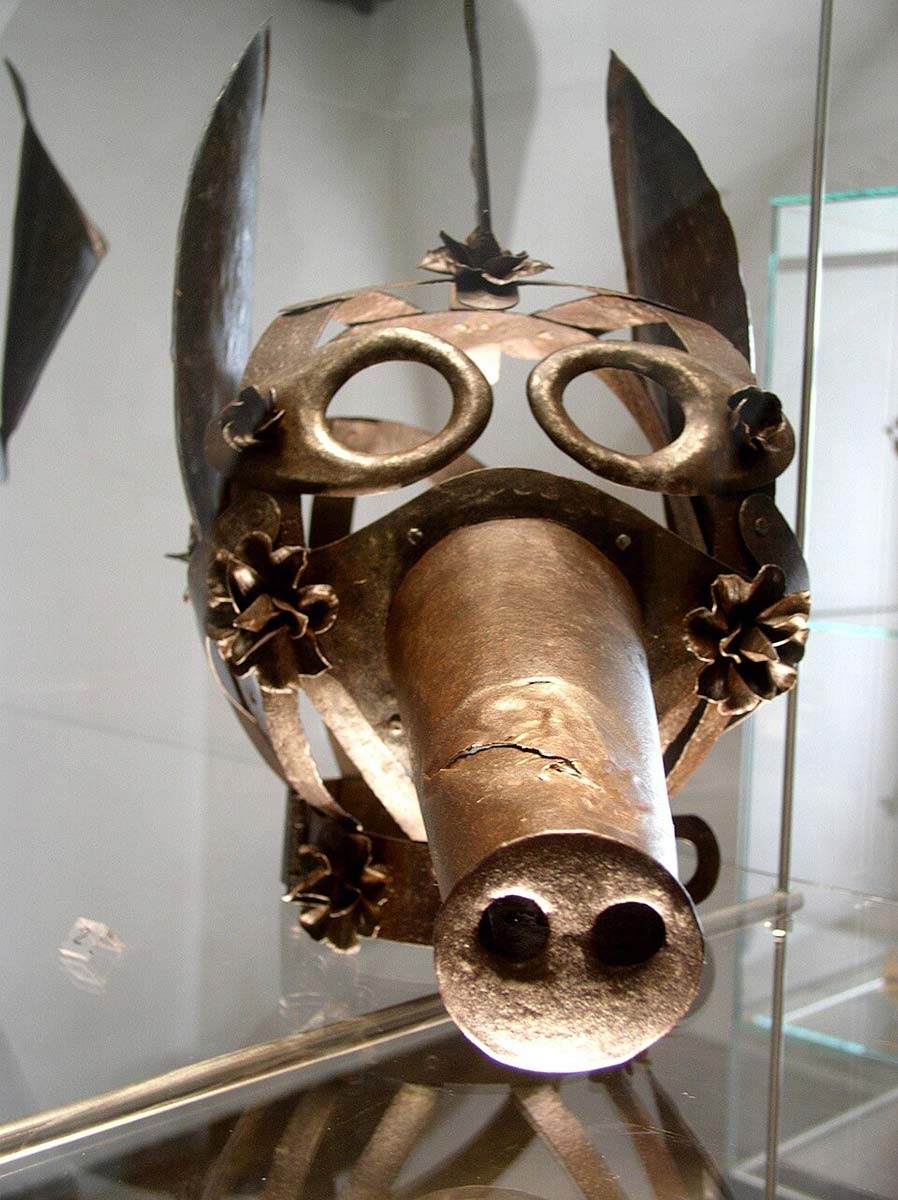
Nietzsche’s On the Genealogy of Morality consists of three essays. As a very simple overview, we can say that the first essay is about the origin of good and evil; the second essay is about guilt and bad conscience; and the third essay is concerned with what Nietzsche calls “the ascetic ideal.” In this article, we are interested in Mr. Nosy Daredevil. He appears in section 14 of the first essay.
In the original German, he is called Herr Vorwitz und Wagehals. This has been translated into Mr. Nosy Daredevil, but other translations have gone with Mr. Inquisitive and Foolhardy or Mr. Rash and Curious. It does not matter much which translation you prefer. We can see that each has the idea of curiosity, inquisitiveness, or nosiness, and there is an element of rashness, foolhardiness, or daredevilry!
So, who is he?
Mr. Nosy Daredevil is actually you, the reader. Or at the very least, he is a reader imagined by Nietzsche who is taken by him on a brief tour of the “dark workshop” where human ideals are fabricated.
Section 14 of the first essay is rather peculiar because it is nothing like sections 13 or 15. Nietzsche tells this strange, myth-like story about a place where ideals and morality are created out of lies and self-deception. Mr. Nosy Daredevil is sent or taken there by Nietzsche to look around and see for himself. Nietzsche encourages Mr. Nosy Daredevil to describe what he sees and experiences. Reading this section is a little like reading A Christmas Carol when Scrooge is taken somewhere by one of the ghosts, although it is unlikely Nietzsche actually intended us to think of Dickens.
Genealogy, First Essay, 13: The Weak Are Good and the Strong Evil
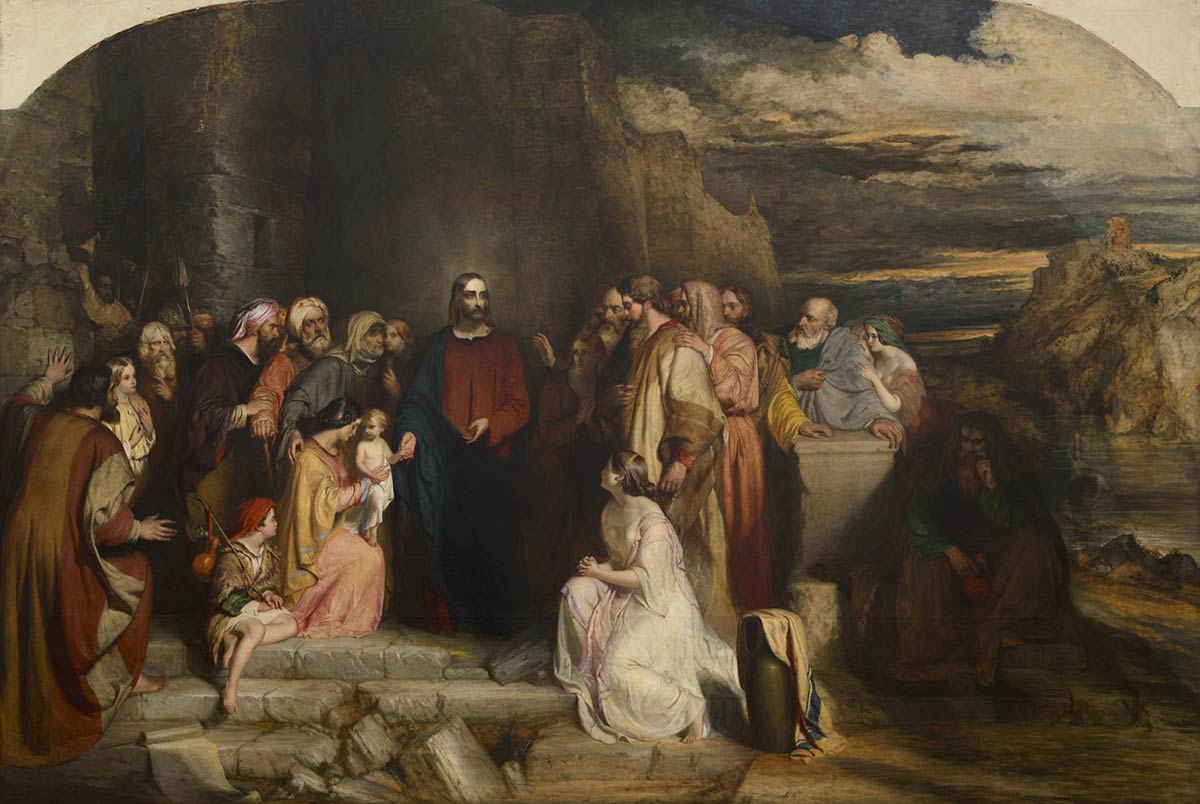
Mr. Nosy Daredevil’s section is very different from the preceding and following sections. The previous section deals with the origin of the idea of “good.”
Nietzsche argues that the weak in society, the downtrodden and the oppressed, cannot be anything other than weak. They make virtues out of things they must do through necessity because they are too weak to act in any other way. Such things include meekness and turning the other cheek, patience and self-denial, hiding away, and asking little from life.
Those that do not have these “qualities,” that is, the strong, are deemed by the weak to be “evil.” Since weakness is the opposite of strength and good is the opposite of evil, the weak consider themselves to be good and the strong to be evil.
We said above that Nietzsche is more interested in undermining Christian morality than seeking out the true origin of the ideas of good and evil. It is clear, reading Nietzsche, that those things considered good by the weak are the same kind of things that in Christian societies form the basis of what most of us consider morality to be all about.
The key point in section 13 of the first essay is that morality, as we know it, has its origins not in altruism but in resentment fueled by animosity towards the strong.
Genealogy, First Essay, 15: Christian Resentment and Revenge
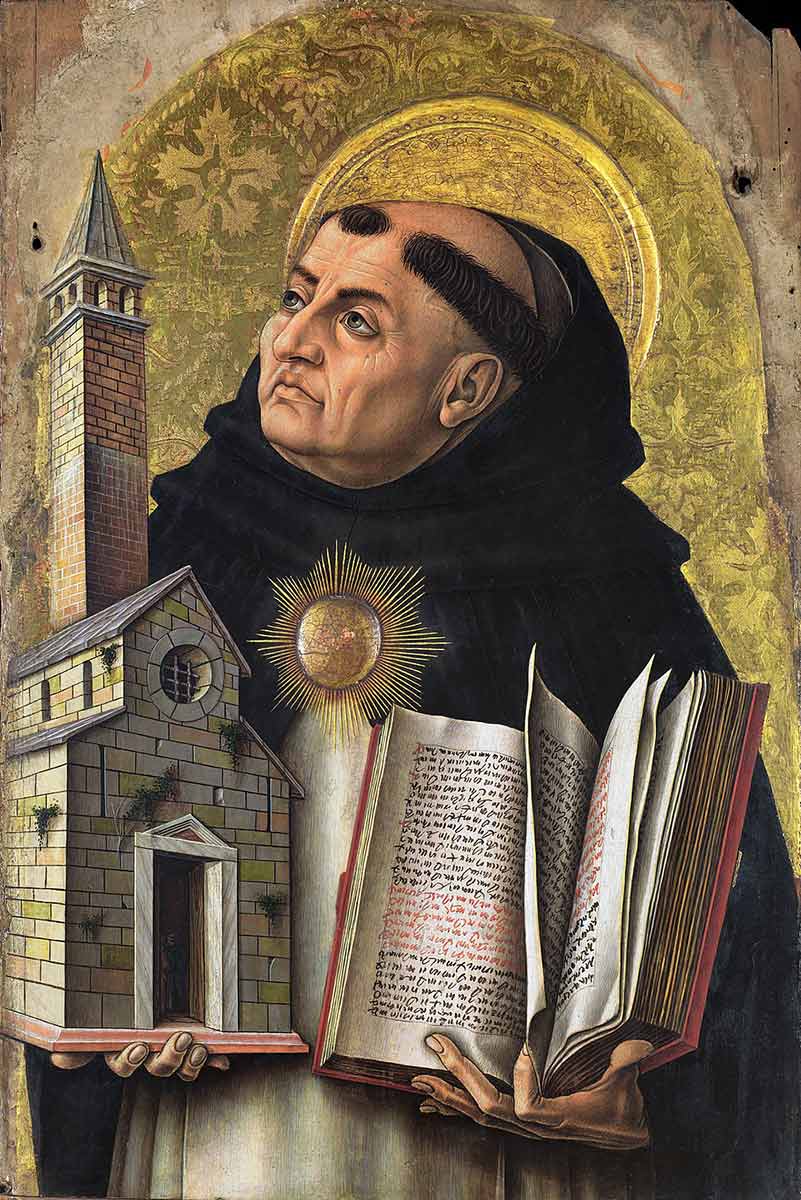
In section 15, the one immediately after Mr. Nosy Daredevil’s section, Nietzsche directly challenges the idea that Christian morality is concerned with love, faith, and hope. To make his point, he references Thomas Aquinas and offers a lengthy quote (in Latin) from Tertullian. Let us first look at Aquinas.
For Nietzsche, Aquinas has let slip the dirty secret of Christian morality. Rather than being motivated by love, Aquinas reveals a desire for revenge. On Nietzsche’s understanding, a reward awaiting the weak, for a life lived in accordance with Christian values, is a front row view of the suffering and torment of the strong. Nietzsche draws attention to the delight in Aquinas’ words in his Summa Theologiae. The Catholic saint is not just saying that evil people will suffer, but that their suffering is something the good will relish and enjoy in the Kingdom of God.
Tertullian was a Christian apologist who lived and worked in the 2nd century. He was the first Christian theologian to write in Latin. Nietzsche reproduces a lengthy passage from Tertullian’s text De Spectaculis. Here we read about Christians enjoying watching those who persecuted them being tortured in the flames of Hell.
Genealogy, First Essay, 14: Mr. Nosy Daredevil
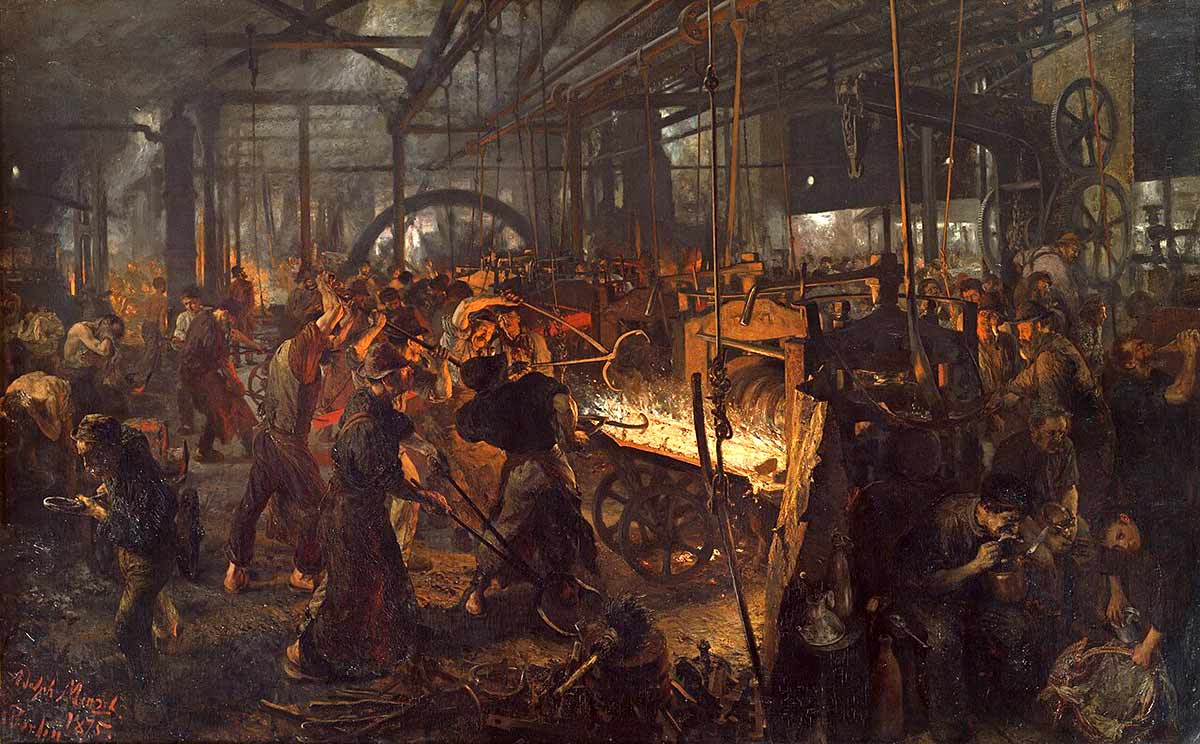
Nietzsche begins section 14 by asking his readers who among them has enough courage to see how “ideals are fabricated.” Someone volunteers, a person to whom Nietzsche gives the nickname Mr. Nosy Daredevil.
The picture painted by Nietzsche is of a dark, stifling workshop populated by a multitude of miserable whispering weaklings. The longer Mr. Nosy Daredevil lingers in this environment, the more desperate he becomes to escape. The stench of the place causes him to hold his nose and cry out “Bad air! Bad air!” But Nietzsche will not let him leave until he has told him everything there is to see.
What, exactly, is down there?
In every nook and corner, there are “rumor-mongers” turning weaknesses into “accomplishments” through lies. Mr. Nosy Daredevil also sees “impotence” being turned into “goodness” and “timidity” into “humility.” This is a dramatic portrayal of something we have already seen in section 13. Indeed, Mr. Nosy Daredevil tells Nietzsche that what he is seeing is “just like you said.”
There is also a new idea. In this mythical workshop, we see, through the eyes of Mr. Nosy Daredevil, the fabrication of obedience and subservience to authority.
Submission to the strong is deceitfully re-imagined as obedience to a higher power. “Not being able to take revenge” is rebranded as “not wanting to take revenge” or “forgiveness.” This is obedience not to the strong but to God. The weak, seen cowering and huddling together in the workshop, consider themselves to be God’s chosen people. To them, their suffering is not imposed but a choice; a choice to serve God.
Soon, Mr. Nosy Daredevil can take no more, and he begs to leave.
Why Did Nietzsche Make Up the Character of Mr. Nosy Daredevil?
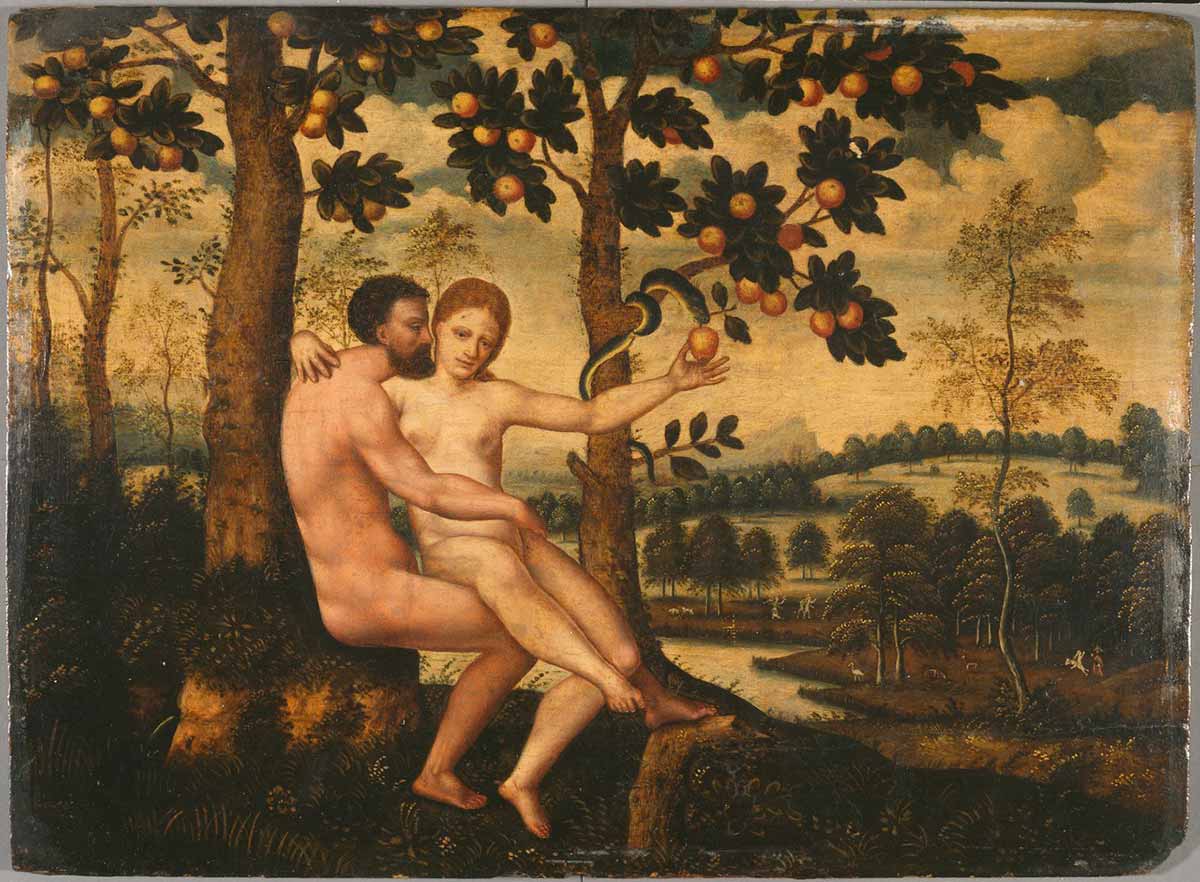
The “ideals” that Mr. Nosy Daredevil sees fabricated in the stifling workshop are the ideals of justice and godliness. Nietzsche’s point is that these are not ideals but vicious lies. This leads into section 15, in which, as we have seen, Nietzsche argues that what we take to be altruistic moral ideas are actually malicious ideas fueled by resentment.
We mentioned earlier that Nietzsche is not attempting to offer anything like a scientific account of how morality and ideals came to be essential to human society. Rather, he is more interested in undermining faith in the Christian moral ideals. This is not done by offering rational arguments against Christian ethics but by suggesting an alternative account.
By offering a different view of ideals such as meekness and humility as aggressive and fueled by resentment, Nietzsche questions ideas that, during his time, were rarely, if ever, questioned. But why did he create the fantastical story of Mr. Nosy Daredevil?
The answer to this question is probably that Nietzsche was deliberately drawing attention to the use of myth to clarify religious ideas. By creating the character of Mr. Nosy Daredevil and a workshop that fabricates ideals, Nietzsche mythologizes his own account of morality. He is saying something like “this is my story of the origins of morality – how does it stack up against the Christian story?”
By doing so, he draws attention to the fact that the idea of morality we take for granted might just be a story. And if this is the case, why should we prefer the Christian story of morality over Nietzsche’s?
The clever thing is that even if we side with Christianity, we have, if for just a moment, entertained the idea that Christian morality is just a story.