The Victorian era in the history of the British Empire was the period during the reign of Queen Victoria, spanning much of the 19th century, roughly from 1837 to 1901. These were the times of great social changes, which was a common motif for English novelists. This was the age of Charles Dickens, the Brontë Sisters, Oscar Wilde, and numerous other writers who are household names today. The following selection offers a (brief) overview of the Victorian novel and titles that are still relevant to modern readers.
Wuthering Heights, Emily Brönte (1847)
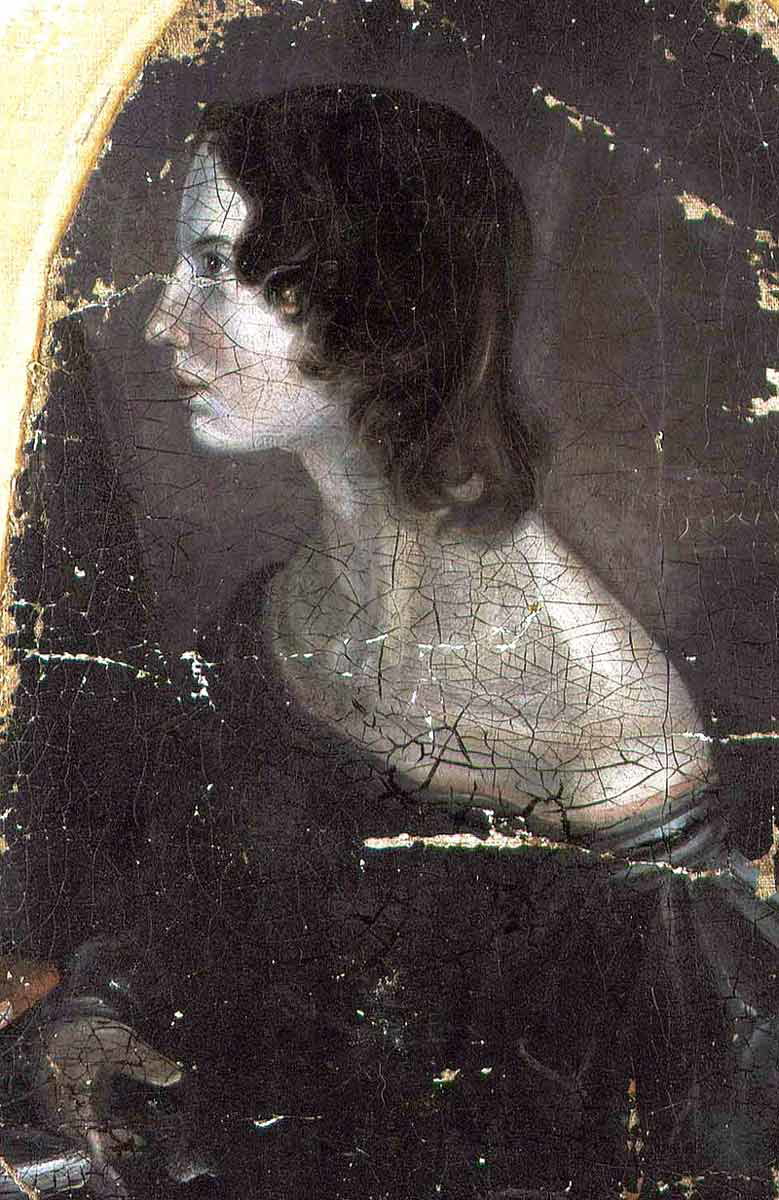
Cathy and Heathcliff are undoubtedly among the most popular literary figures of the Victorian age. They were penned by Emily Brontë, who used the pseudonym “Ellis Bell,” because female authors faced significant prejudice during the period. Wuthering Heights challenged these conservative views of Victorian society on morality, religion, and proper social conduct.
The novel follows an orphaned boy named Heathcliff, who is adopted by Mr. Earnshaw and brought to Wuthering Heights (hence the novel’s title). He falls in love with Catherine, Mr. Earnshaw’s daughter, but she marries Edgar Linton to secure her social standing. Enraged, Heathcliff leaves, amasses wealth, and returns to marry Edgar’s sister Isabella in an act of revenge. Their sickly son, Linton, is forced to marry Catherine’s daughter, Cathy, who gradually falls for her first cousin, Hareton Earnshaw. Heathcliff dies still obsessed with Catherine, while the younger generation brings hope for the future.
At the time of its publication, the novel received mixed reviews, only to become a classic of English literature in the following century. The protagonists have become part of pop culture, with countless references. In the popular sitcom Friends, Phebe and Rachel discuss the novel in literature classes. Jim Steinman, the songwriter of Céline Dion’s hit song “It’s All Coming Back to Me Now,” also found inspiration in the consuming love between Cathy and Heathcliff. The same motif is evident in The Twilight Saga, where Bella and Edward openly compare themselves to the protagonists of Brontë’s novel, caught in a similar love triangle.
Vanity Fair, William Thackeray (1847–1848)
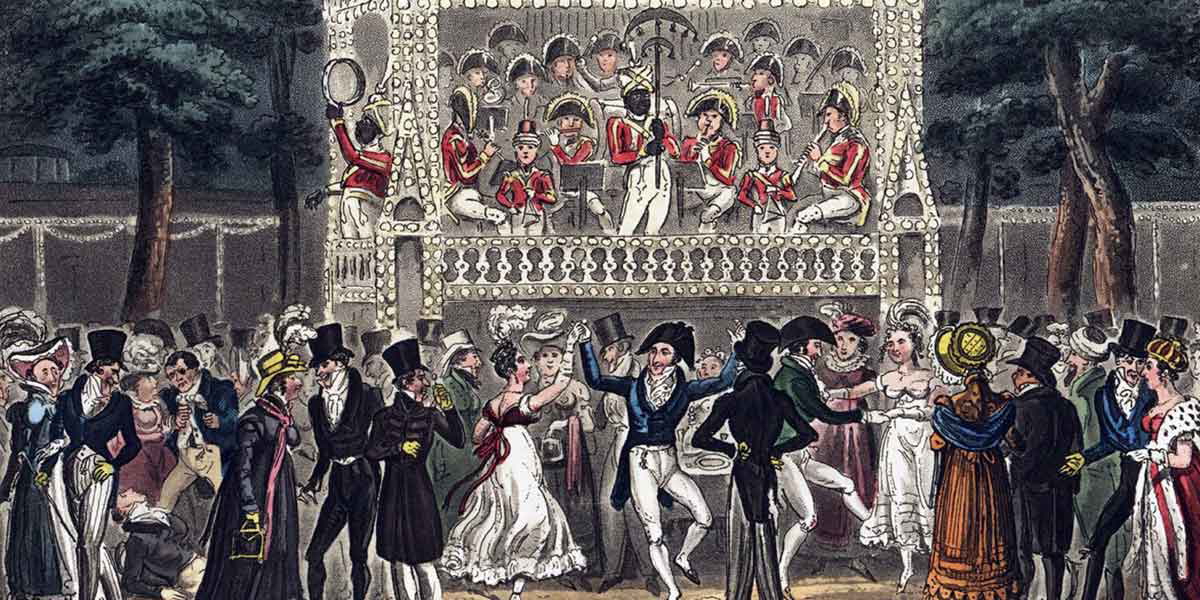
It could be argued that what Leo Tolstoy’s War and Peace is for Russian literature, Thackeray’s Vanity Fair is to the English written word. Although the latter is twice as short, both novels share the setting: the Napoleonic Wars. However, William Makepeace Thackeray did not hide the fact that his monthly serial novel was a satire of 19th-century England.
The storyline follows the ambitious Becky Sharp and the kindhearted Amelia Sedley as they leave Miss Pinkerton’s Academy, a school for girls. They both marry, but financial troubles and the aforementioned war force them into poverty, revealing the vanity of ambition to climb the social ladder.
The subtitle, Pen and Pencil Sketches of English Society, is quite revealing, as is the fact that Thackeray published Vanity Fair in Punch, the leading magazine for humor and satire at the time. The subsequent subtitle of the first complete edition, Novel Without a Hero, can be misleading, as Reese Witherspoon definitely stole the show starring as Becky Sharp in the 2004 film adaptation. In fact, in 1913, Thackeray’s magnum opus influenced the naming of the eponymous American monthly that focuses on pop culture, fashion, and celebrity life.
In a sense, the editors of Vanity Fair did a metaparody, since they write in earnest about the things the English novelist satirized, such as glitzy glamour, ambition, and societal superficiality. Today, the collocation “vanity fair” is part of the English language, denoting “a vain and frivolous lifestyle especially in large cities.”
Jane Eyre, Charlotte Brönte (1847)
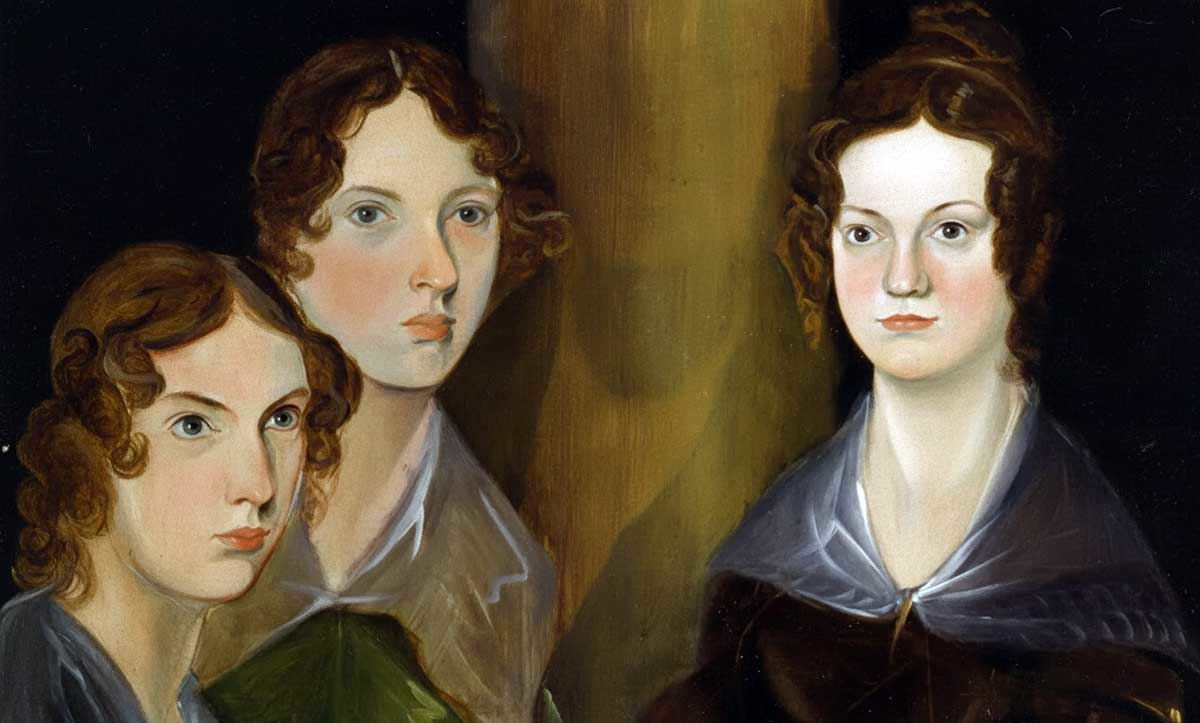
The eldest of the Brontë sisters, Charlotte, also had to use a pen name to get her novel published and acclaimed. Indeed, “Currer Bell” was the author’s name on the first page of Jane Eyre when it was published in London and the following year (1848) in New York.
The novel is a typical example of a Bildungsroman, a literary genre that focuses on the protagonist’s coming of age, their transition from childhood into adulthood. Critics agree that the Bildungsroman reached its most polished form in England during the Victorian age.
Through masterfully executed first-person narration, the reader gets to know Jane Eyre as an orphan who grows up at Gateshead Hall. We then follow through her education at Lowood Institution, her first employment at Thornfield Hall, and after many peripeteias, the ultimate marriage to the novel’s male protagonist, Mr. Rochester.
“Reader, I married him,” Jane’s exclamation in the final chapter, is one of the most famous sentences in the history of literature, because it broke the fourth wall in art. The novel was so enticing that diary entries reveal that even Queen Victoria read it herself (and enjoyed it).
The Picture of Dorian Gray, Oscar Wilde (1890)
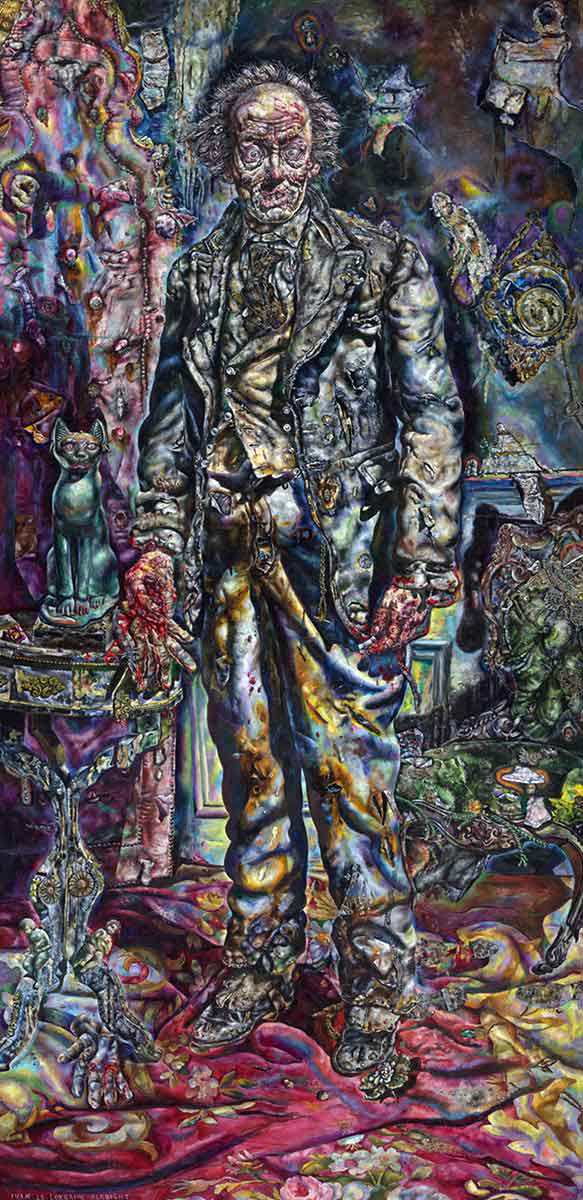
The Picture of Dorian Gray first appeared in a magazine in 1890 as a novella. Essentially, this is what critics call any piece of prose fiction longer than a short story but too short to constitute a novel. The following year, Oscar Wilde revised and expanded his work by six chapters to form a novel. Its overall theme is a mixture of a Gothic novel and Decadentism.
The protagonist, Dorian Gray, is a handsome man who wishes to remain young and beautiful forever, like in the portrait painted by his friend, Basil Hallward. This is where the plot veers into fantasy, as Gray remains young and able, while his portrait ages rapidly, reflecting his decadent lifestyle.
The motif is similar to that of Goethe’s Faust, that is, making a deal with the devil. The trade-off ends up badly for the protagonist, as in similar folklore tales. Contemporary critics found certain elements of the novel scandalous and even used it as incriminating evidence in Wilde’s infamous trial related to his homosexuality.
However, The Picture of Dorian Gray is actually a warning to readers about how vanity can twist one’s moral compass. Critics now agree that this is one of Wilde’s best pieces, together with the comedy The Importance of Being Earnest (1895).
Dracula, Bram Stoker (1897)
Although Bram Stoker’s Dracula was not the first Gothic novel (that title belongs to Walpole’s Castle of Otranto), it is definitely the most popular one. There are so many film adaptations that many people know the plot well. The protagonist, Jonathan Harker, travels to Transylvania and discovers that his host is a blood-sucking vampire, who needs to be slain. Over the years, there have been countless movie spinoffs of Stoker’s core plot, most recently Dracula: A Love Tale (2025) starring Christoph Waltz and Caleb Landry Jones.
The true value of the Irish novelist’s work lies in the fact that he managed to bring folklore stories about vampires to wider audiences. Polidori’s short horror story The Vampyre (1819) and Le Fanu’s Carmilla (1872) are the most notable examples of vampire tales that did not catch on. Stoker gave himself the poetic license to set the story in present-day Romania, although the actual term “vampire” comes from the neighboring Balkan country of Serbia.
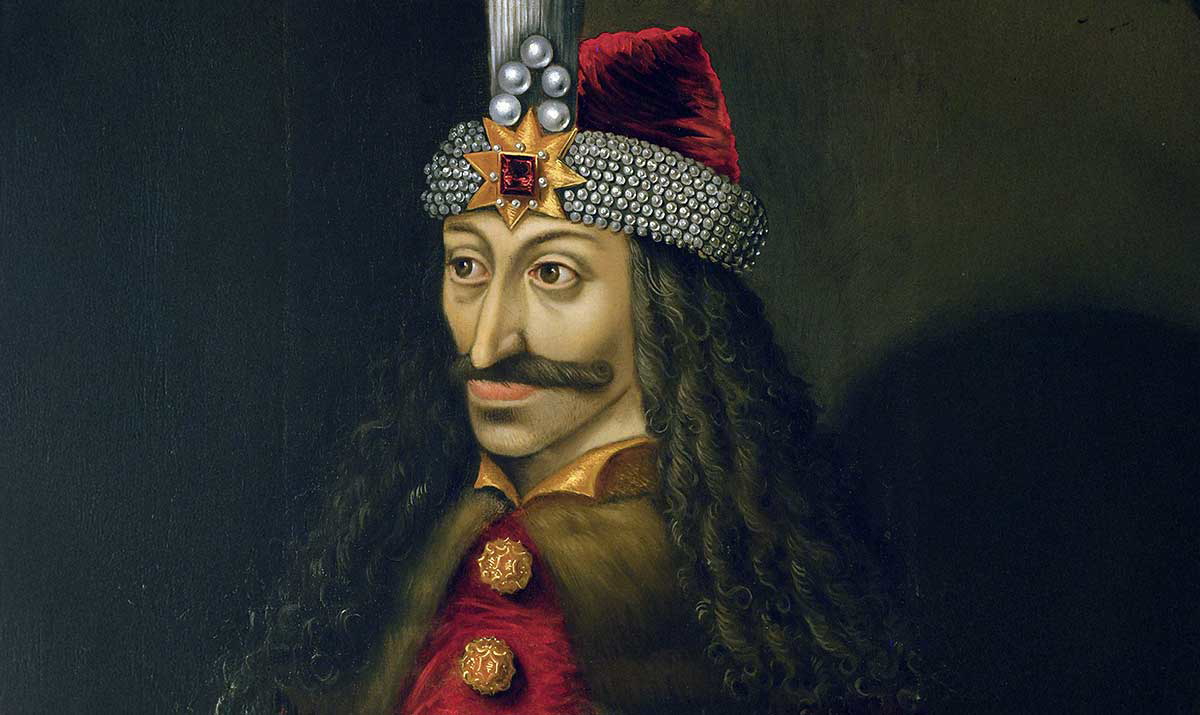
Some argue that his role model for the Transylvanian nobleman Count Dracula was Vlad the Impaler, a 15th-century Prince of Wallachia, who was particularly ruthless in punishing his opponents. His nickname, which he inherited from his father, was “The Dragon” or “Dracul” in Romanian, a term that gave rise to the theory that Bram Stoker used it as inspiration for his infamous literary hero.
Great Expectations, Charles Dickens (1860-1861)
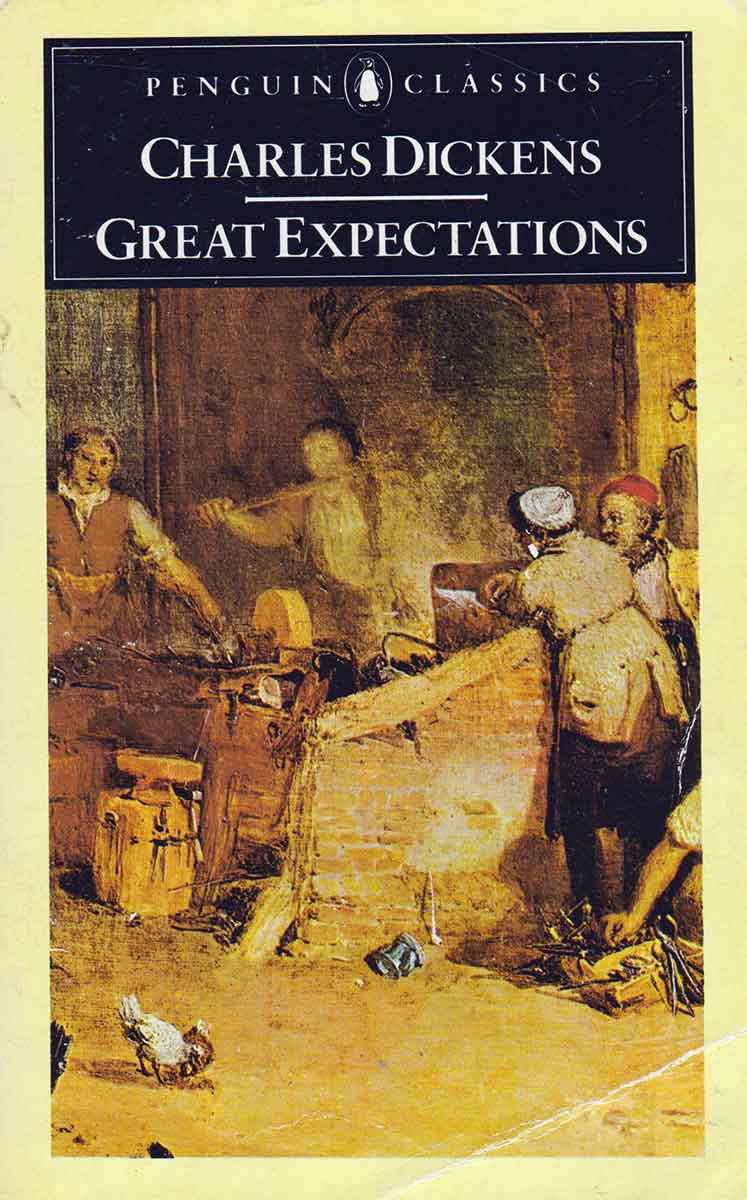
Great Expectations is yet another Victorian Bildungsroman. Charles Dickens, who also wrote A Christmas Carol, completed it in just under a year and published it in a series from 1860 to 1861.
The story follows the orphan Pip and his “great expectations” of life, namely, an elevated social status and wealth. The author shortened the protagonist’s full name (Philip Pirrip) to sound like the small pip of a seed found in fruit like oranges and apples. As the pip develops into a seed, so does the literary Pip mature to realize that human affection is the true goal of life.
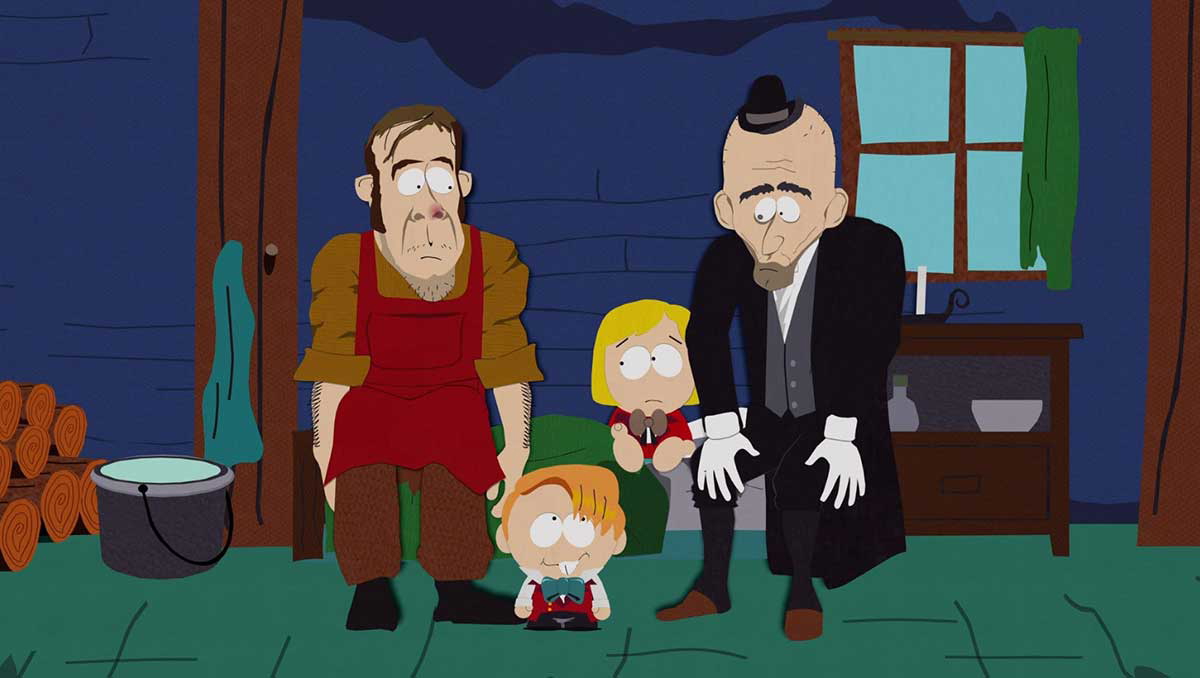
The story of realizing true values in life has been adapted numerous times, both on stage and film. One of the stranger ones is the episode “Pip” in the fourth season of South Park. Matt Stone and Trey Parker, the writers of the American animated sitcom, took it upon themselves to voice Dickens’ characters. The episode is unique because it is one of the few instances where the show did not feature any of the four main protagonists (Eric, Kenny, Kyle, and Stan). This can be interpreted as the authors’ homage to the great English novelist.
Alice’s Adventures in Wonderland, Lewis Carroll (1865)
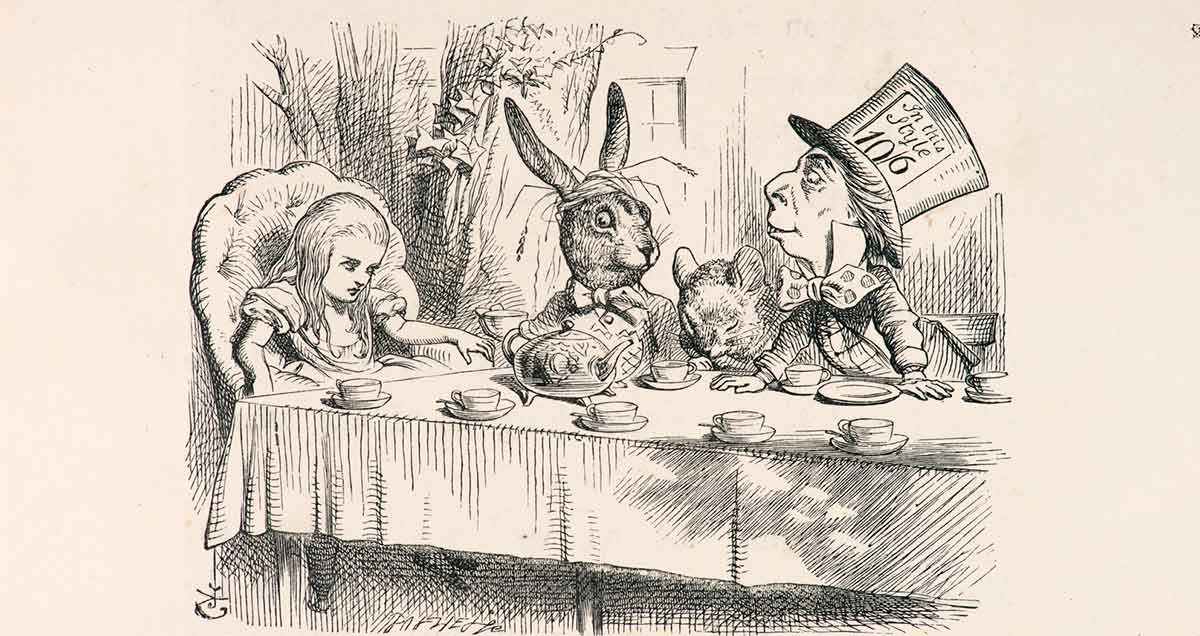
Alice’s Adventures in Wonderland was an instant classic when Lewis Carroll (his real name was Charles Lutwidge Dodgson) penned it in the mid-19th century. Sir John Tenniel, who illustrated the first edition, contributed to the book becoming a cornerstone of children’s literature.
The story of a girl, Alice, who goes down a rabbit hole into a fantasy world, has been remade countless times since. Walt Disney held it in high esteem, which was reflected in the 1951 animated musical movie that incorporated plot segments from Carroll’s sequel Through the Looking-Glass (1871). Tim Burton directed a modern version in 2010, starring Mia Wasikowska, Johnny Depp, and Helena Bonham Carter in the role of the stern Red Queen (Queen of Hearts).
The storyline features memorable characters, such as the Cheshire Cat, the March Hare, and the (Mad) Hatter. The latter character has grounding in real life, as hatmakers in the Victorian era often suffered from mercury poisoning, due to the metal’s use in treating felt. These are the origins of the phrase “mad as a hatter.”
Since its publication, Alice in Wonderland, as it is colloquially referred to, has never been out of print. It has been translated into at least 175 languages, most notably Japanese. It was among the first major Western works for children to appear in translation in Japanese, so nowadays, Alice is somewhat of a pop-culture icon in the Land of the Rising Sun.
The Jungle Book, Rudyard Kipling (1894)
Another children’s classic is The Jungle Book, a collection of short stories published in the novel format near the end of the Victorian era. The author, English Nobel laureate Rudyard Kipling, was born in India but spent most of his childhood in a foster home and a boarding school in England.
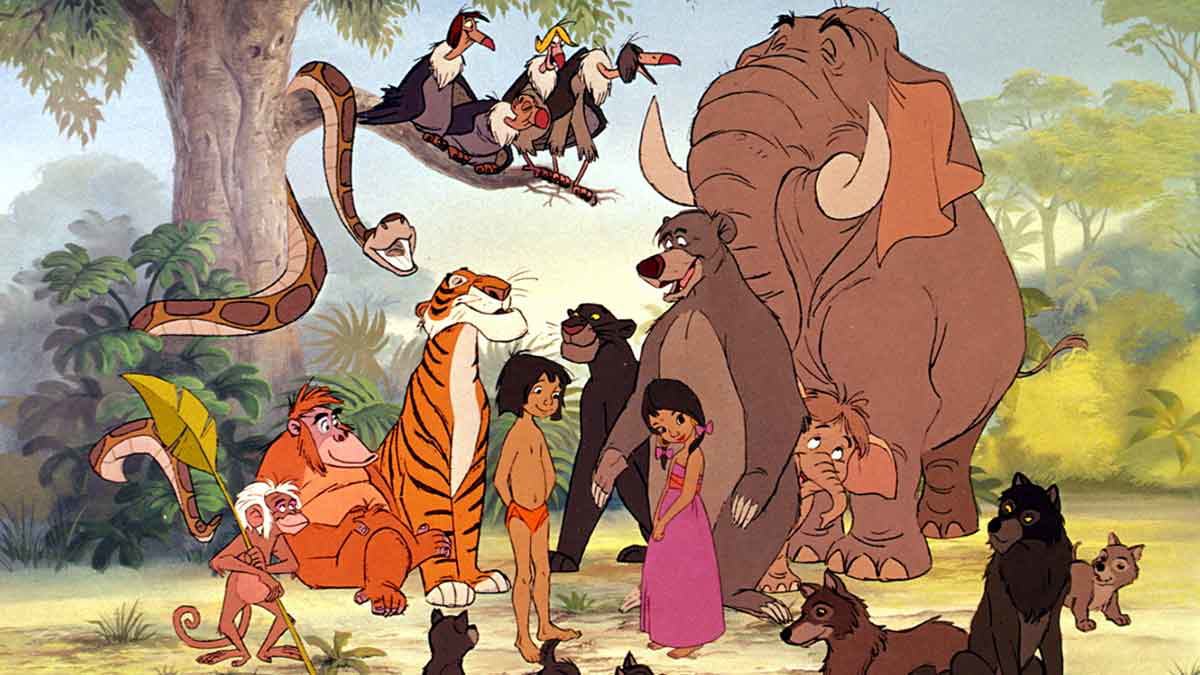
This unhappy period of his life served as inspiration for the main character, Mowgli, an Indian boy who was raised by wolves after his parents lost him in a tiger attack. Today, our image of the feral child has mostly been shaped by Disney’s 1967 animated film of the same name. The catchy jazz tune “The Bare Necessities” was even nominated for the Academy Award the following year.
The group of animal characters includes Baloo (bear), Bagheera (black panther), Kaa (python), and the novel’s villain, a Bengal tiger by the name of Shere Khan. They all adhere to a code of conduct known as the Jungle Law, which critics say is an allegory for the British colonial rule over the Indian subcontinent. Regardless, these fables, together with The Second Jungle Book (1895), still have the power to teach children moral lessons in a form they can relate to.