
We remember the American Revolution through its storied battles, political ideals, and founding figures. But how did some of America’s first artists capture the making of a new nation? And how do their paintings still shape the way we imagine its origin story?
In Glorious Morning: A Revolution Revealed (2026), 217 Films examines the artworks behind the familiar story of the United States’ founding. Written, narrated, and directed by Michael Maglaras and executive produced by Terri Templeton, the film traces how artists represented the people, events, and ideals of a nation taking shape.
Glorious Morning: A Revolution Revealed is now available to stream online for free.
How Portraits Shaped America’s Founding Image
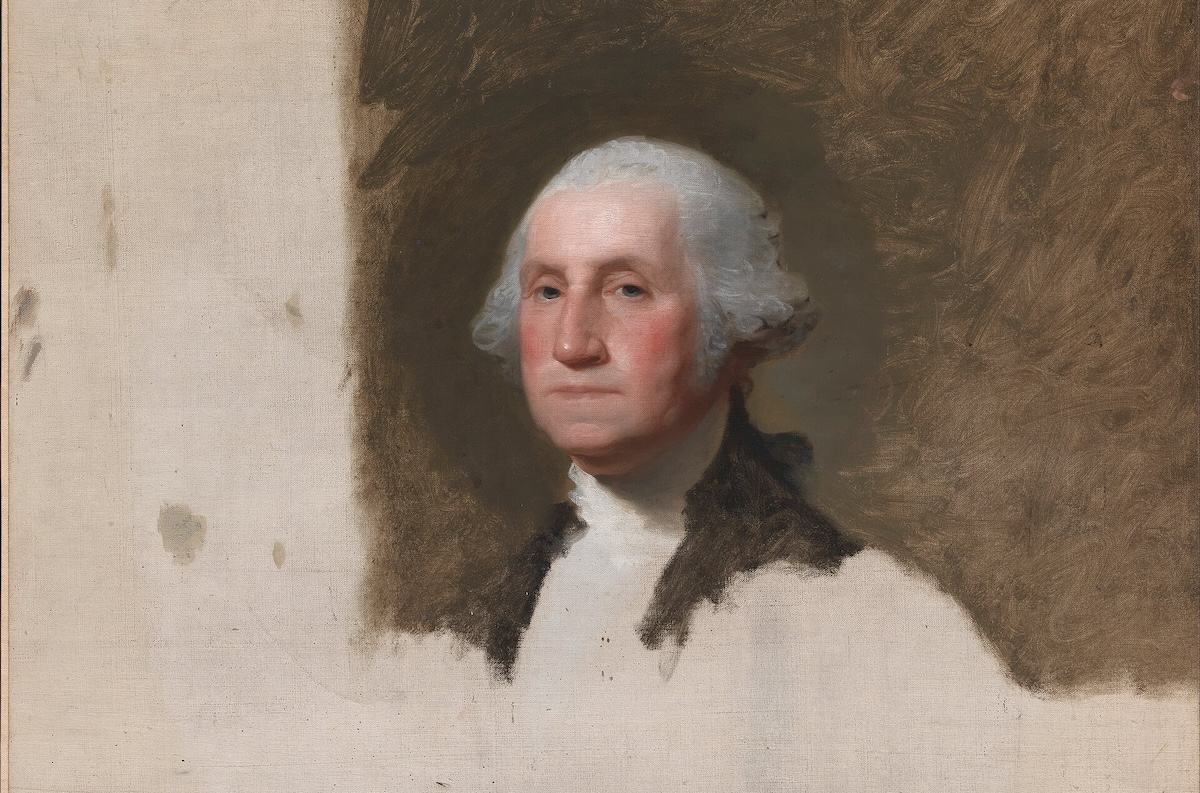
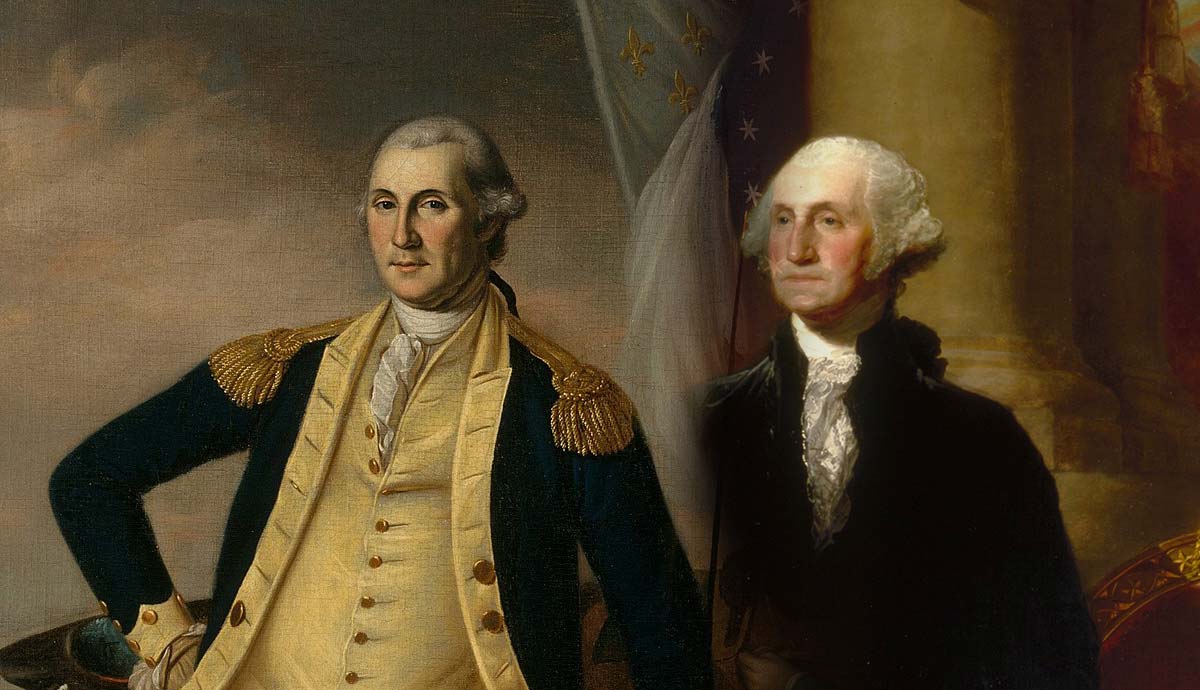
In Glorious Morning: A Revolution Revealed, portraiture records a new national identity taking shape. Before the Revolutionary War began, John Singleton Copley painted prominent colonists, including silversmith-turned-hero Paul Revere. After independence was gained, Charles Willson Peale turned his attention to the leaders and soldiers of the new republic, including George Washington and the men who endured the harsh winter at Valley Forge.
Gilbert Stuart later became the first president’s leading portraitist, painting Washington more than a hundred times. Stuart’s unfinished Athenaeum Portrait (1796) became the basis for numerous copies, including the image on the one-dollar bill. These artists did much more than preserve physical likenesses. Their portraits helped shape how people pictured themselves, individually and collectively, as Americans.
How Artists Captured the Drama of War
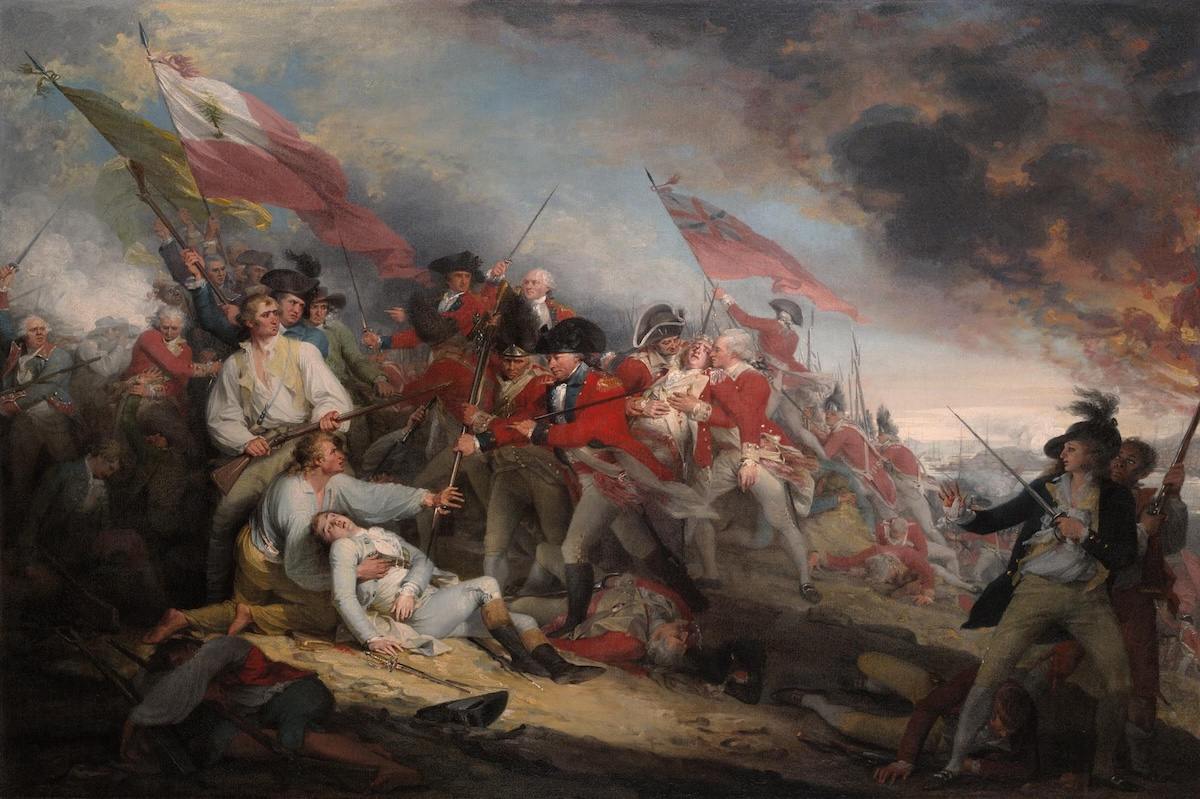
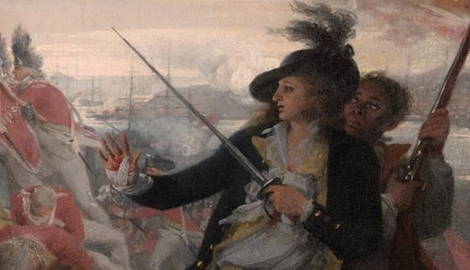
While portraits helped establish the faces of the new nation, artists like John Trumbull used monumental canvases to bring key battles and turning points of the Revolution into focus. The Battle of Bunker’s Hill (1786) depicts one of the conflict’s earliest major battles. Rather than simply recording military events, Trumbull imbues these scenes with emotional drama and elevated scale.
Trumbull’s paintings helped turn recent events into a shared national history. But the artistic traditions behind these dramatic scenes had roots beyond the American Revolution itself. One key influence was Benjamin West, an American-born painter whose work helped shape history painting on both sides of the Atlantic.
Benjamin West and the Tradition of American History Painting
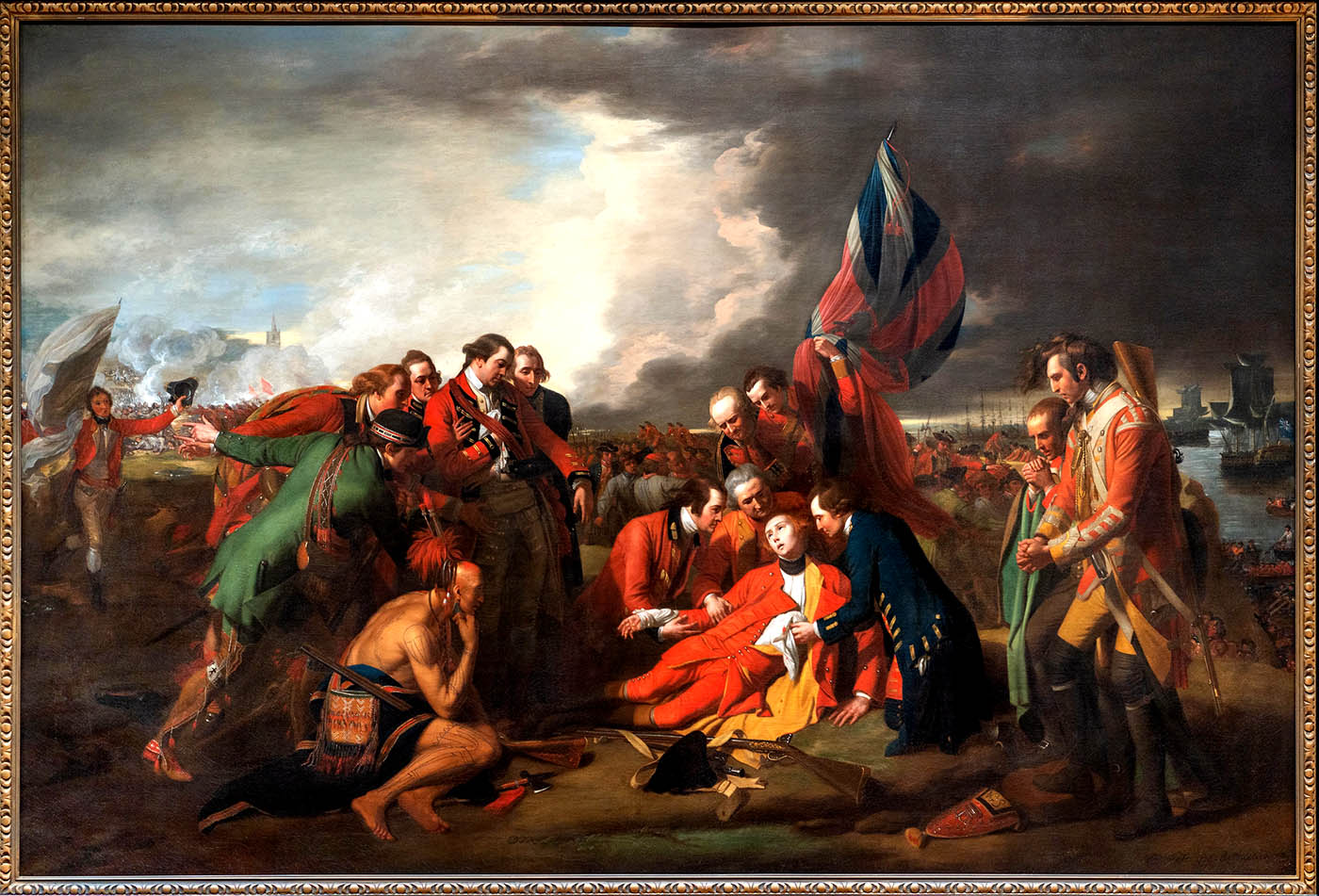
Although Benjamin West left America for London before the Revolution, his work was integral to the development of American art. In Glorious Morning: A Revolution Revealed, West emerges as a vital link between American artists like Copley, Peale, Trumbull, and Stuart.
West particularly helped shape the distinctly American tradition of history painting. The Death of General Wolfe (1770), which depicts the British commander’s death at the Battle of Quebec in 1759, became a landmark work in the genre. By portraying a relatively recent event with the gravity traditionally associated with classical subjects, West helped define how American artists could tell their stories.
From portraits of the nation’s leaders to dramatic scenes of battle and diplomacy, Glorious Morning: A Revolution Revealed shows how artists helped shape the visual legacy of the American Revolution. Watch the film online at two17films.com.