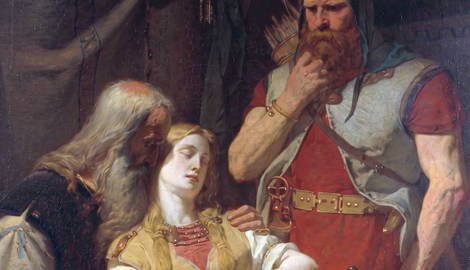

Vikings wear horned helmets, carry spears, and wear metal armor and fur cloaks, but this is not a true portrayal of the ancient warrior people. It was all fabricated by 19th-century Romantic artists who wanted to reimagine the ancient culture in a grandiose way. These artists created beliefs about Norse culture in ways that are dominant in the modern zeitgeist.
The Roots of Viking Romanticism in European Fine Art
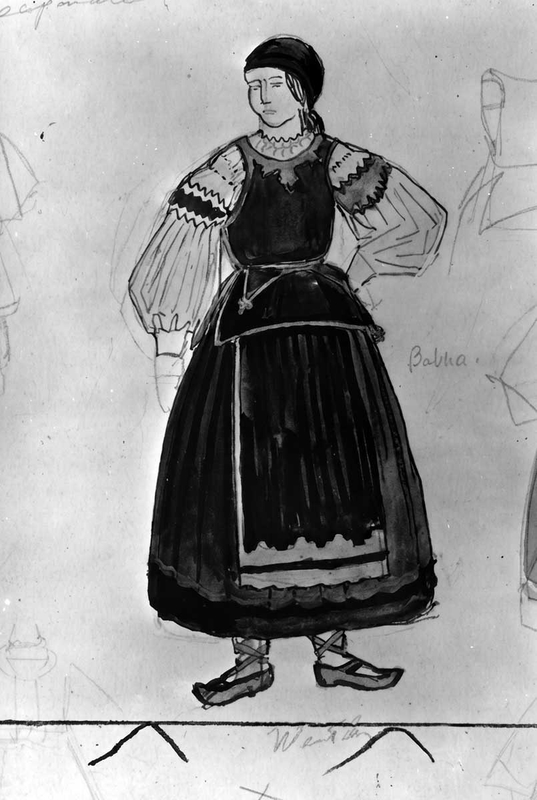
The 19th century was replete with new types of ideas, including many flavors of Romanticism. One type was National Romanticism, which cast a country’s past accomplishments and peoples in the grand limelight. This happened in Western Europe and Scandinavia, where Norse culture found its home.
Archaeological evidence about ancient Norse culture, however, was scarce. It was unlike Greco-Roman culture, where there was a plethora of archaeological evidence as well as other cultural artifacts, like literature. These parts of the European continent pulled away from Greco-Roman culture to find their own national identities in their homegrown folklore and episodic literature. Romantics also turned to painting to capture their national identities, so sweeping epic paintings depicting grandiose history were commissioned in Germany, Sweden, and Norway.
Horned Helmets and Heroic Armor as Victorian Invention
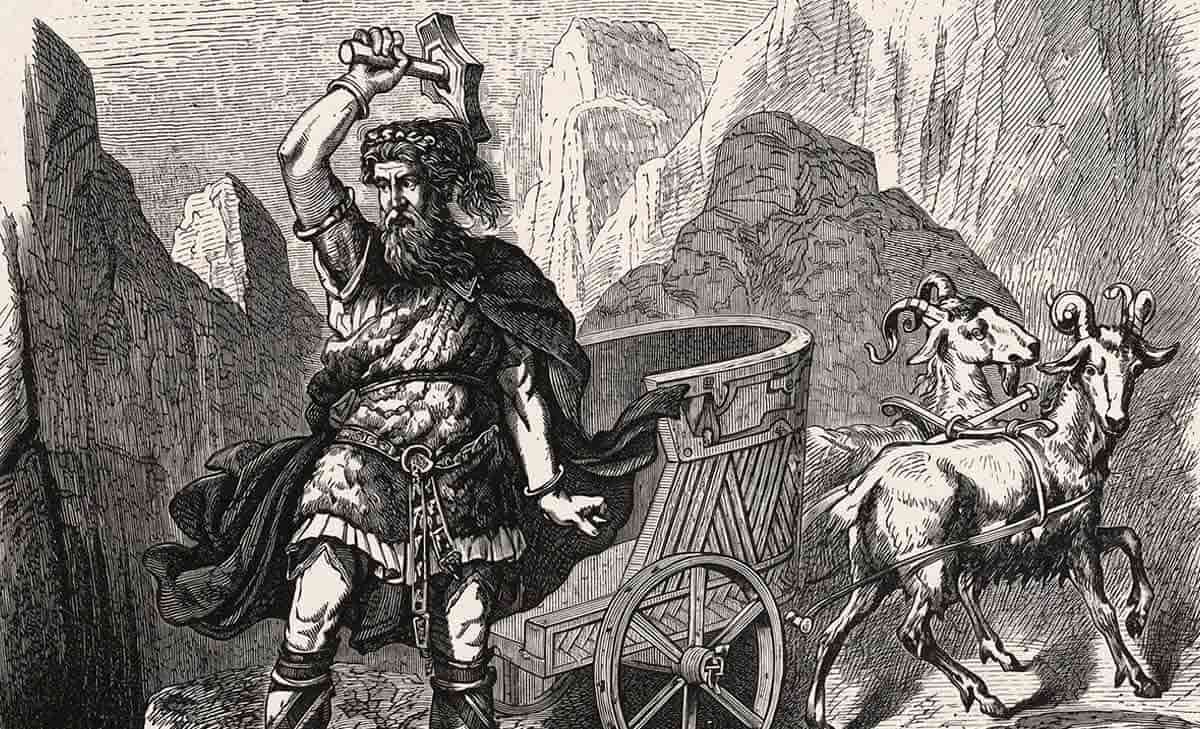
While literature and paintings were prevalent in capturing the ethos of Norse myth and legend, theatrical productions played their own part as well. 19th-century costume designers, however, had little to work with. Designers like Carl Emil Doepler imagined Wagner operas with horned helmets and mythical armor and weapons that have little to no historical veracity. These imaginings were then transferred to paintings that withstood the test of time, giving rise to false Norse culture. When actual Norse archaeological sites were investigated, chainmail and nasal helmets were found, which are sharp contrasts to the ideal Wagnerian heroes.
August Malmström and the Visual Crafting of Norse Legends
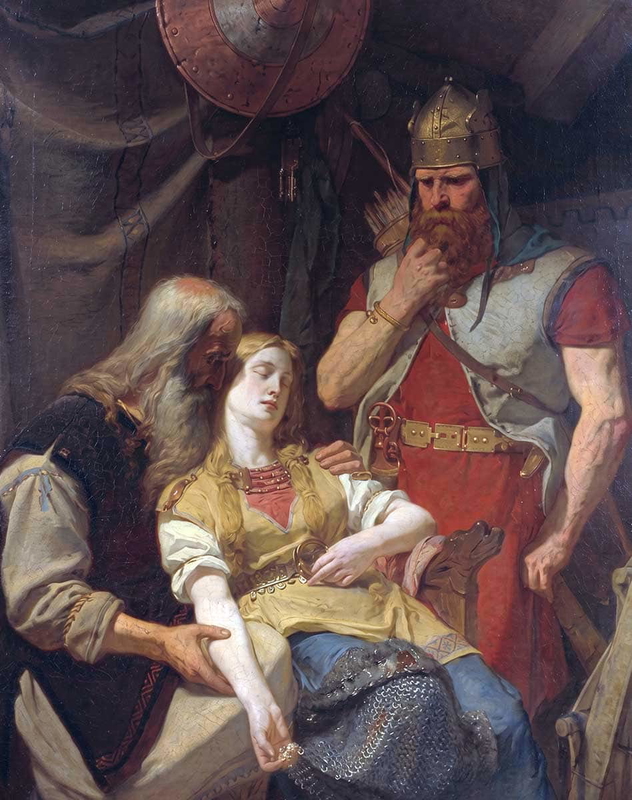
August Malmström made his mark on Norse culture as a pivotal illustrator and painter of Norse mythology. He transformed Norse mythology into his own visualizations of the culture, especially in his famous work Ingeborg Receives the News of Hjalmar’s Death due to its emotional intensity and theatrical staging of his subjects. Because Malmström idealized Viking heroes, his illustrative art was a huge success for National Romantics and was a common feature in books on the shelves of European homes.
How National Romanticism Transformed Medieval Archaeology Into Myth
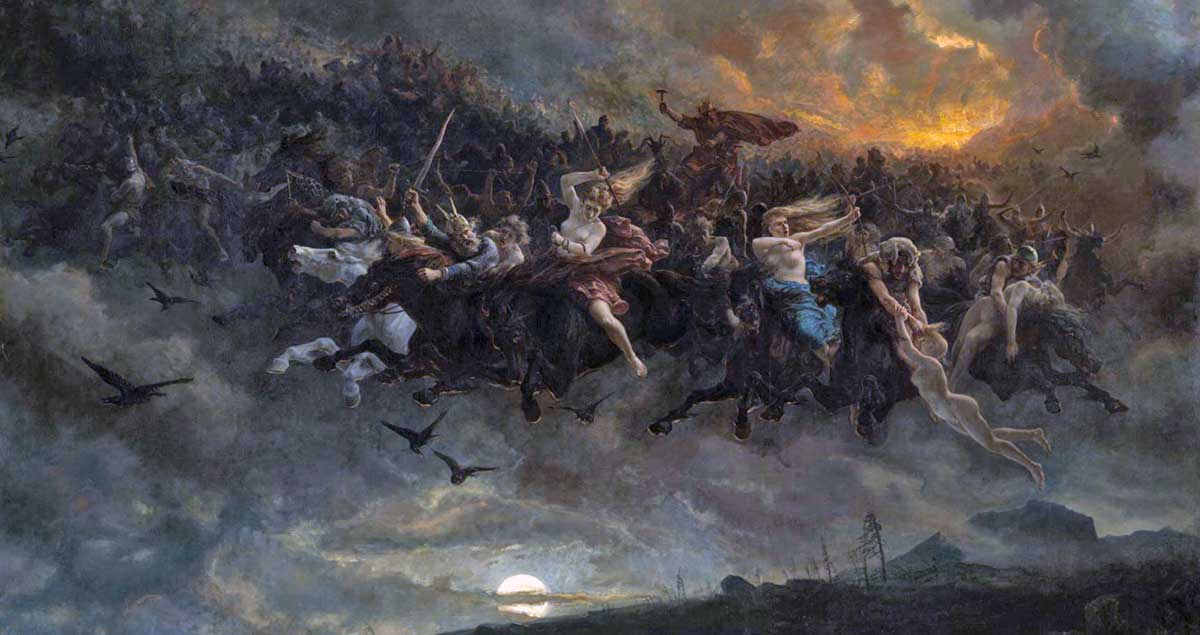
Norse Romanticism heated up when Victorian archaeologists found Viking sites, including burial ships. These were interpreted through the Romantic lens instead of with hard-core facts. Painters had field days depicting these finds, transforming simple items such as clothing, ships, and weapons into exaggerations with embellishments to bring to life the heroic saga poems. No one did this better than Peter Nicolai Arbo with his Romantic painting The Wild Hunt of Odin. It is a master example of merging mythic proportions with fine art.
The Modern Legacy of 19th-Century Viking Imagery
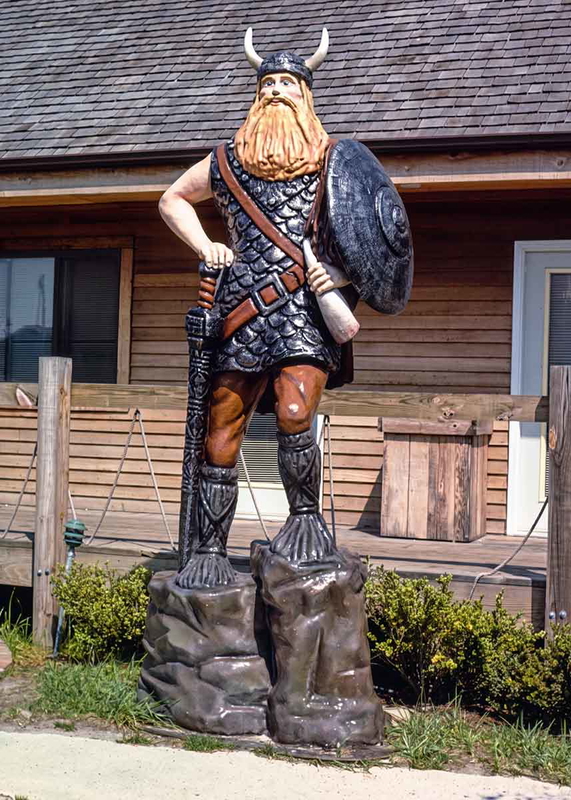
In modern culture, we continue to see the fallout of these Victorian Viking portrayals in movies, comic books, television, and literature that lack historical basis. Historians do their best to separate fact from fiction by depicting true Norse culture with trusted facts and science. It’s hard to win over people, however, when their idea of a fat lady in a winged helmet singing opera is more entertaining than true historical fact. Either way, interest in Norse culture persists, and truer depictions of Norse culture are making their way into the modern zeitgeist along with the Romantic, idealized versions.