
Have you ever looked at a painting and wondered whether it was a photograph? If so, you were most likely looking at a work of art executed through hyperrealism—a term used to describe works of art that capture objects and people in highly precise detail. Although often confused with Photorealism (its predecessor), Hyperrealism seeks more than to mimic photography. In addition to foregrounding the ordinary, hyperrealist artists also employ this technique as a tool for social commentary. Hyperrealism goes a step further than Photorealism in that it subverts reality.
Rejection of the Standard: Before Hyperrealism
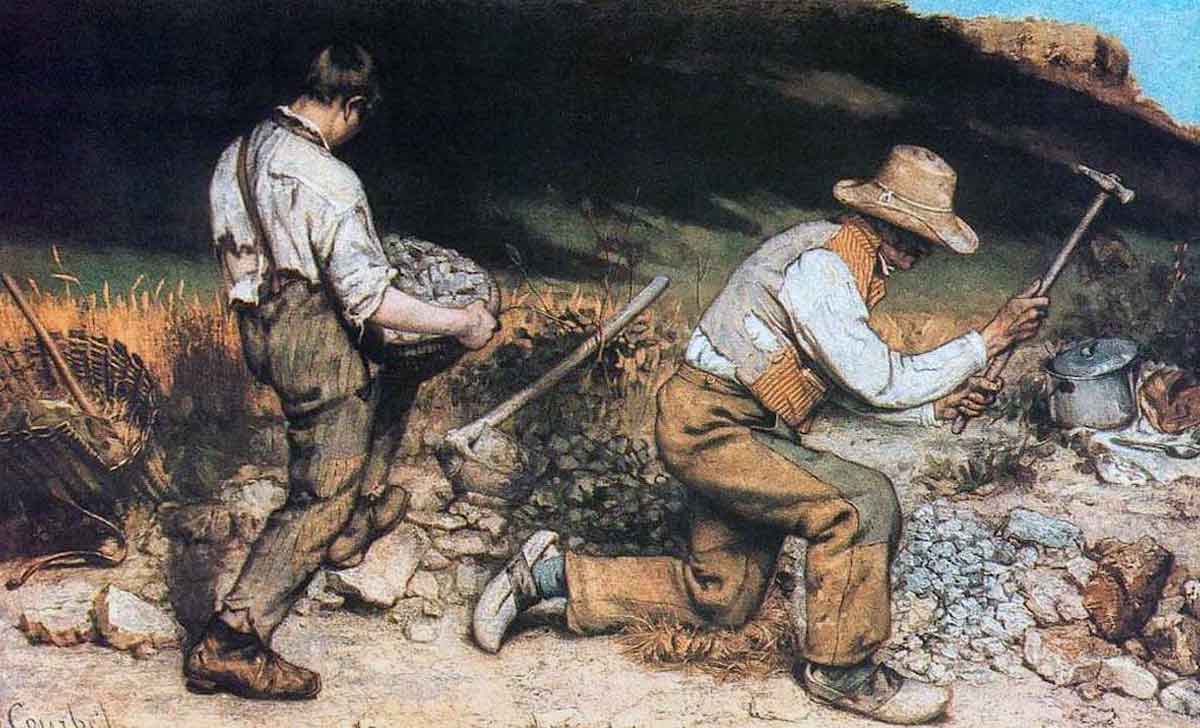
The foundations of Hyperrealism can be found in European paintings of the 19th century. These are referred to as realist paintings, or paintings that use Realism.
French artists such as Gustave Courbet, Jean-Francois Millet, and Honore Daumier represented a new genre that rejected and sought to differentiate itself from the art of the so-called Romantic Period or Romanticism. This style of art was characterized by an intensity and drama used to depict landscapes or other elements of nature, mythological or historical scenes, or the idea of the individual hero. What Courbet, Millet, and Daumier all had in common was their desire not to depict nature at its peak of destruction or beauty, nor an imagined narrativization of an important historical moment, but instead, the world, lives, labor, and experiences of ordinary people.
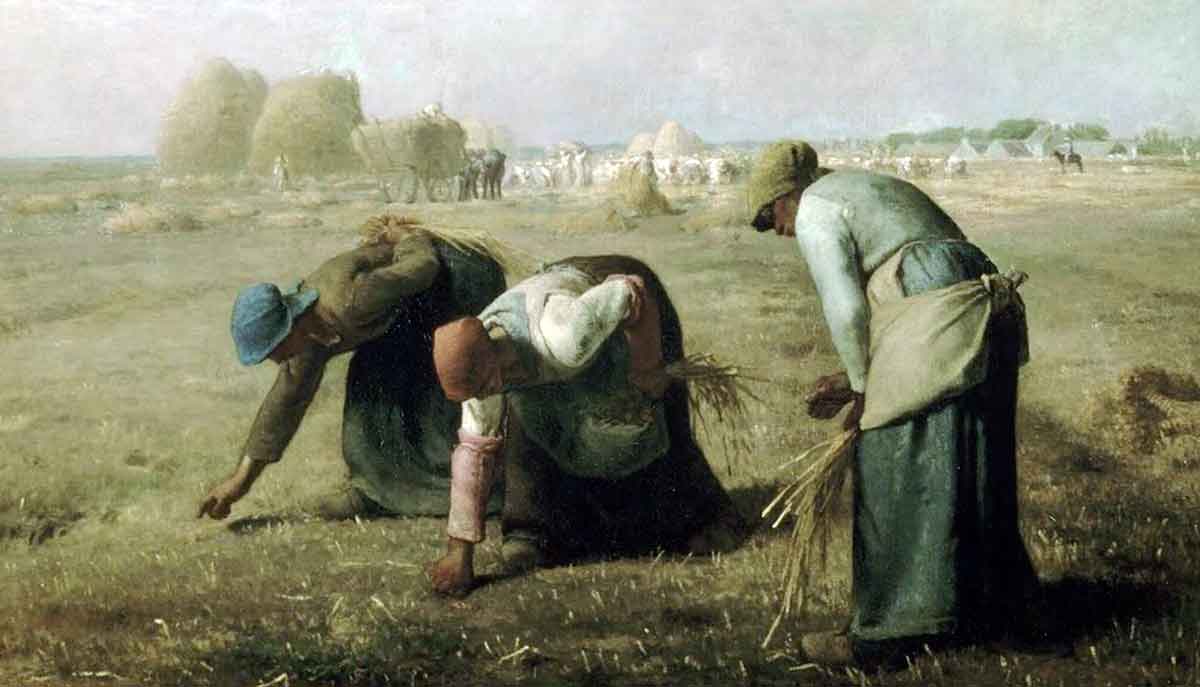
In doing so, these artists captured what things looked like in the now, recreating a scene on canvas, or in sculpture, that was from a real time and space. As opposed to Romanticism, realist artists sought to depict ordinary people and their surrounding environments as true to life as possible, abandoning any added drama or exaggeration. Sometimes the subjects of their works included laborers, field workers, and even those living in poverty.
Through foregrounding these people as their subjects, they touched upon wider social issues such as economic inequalities, injustices, and other struggles faced by the marginalized people of their societies. This element of social commentary will reappear in the works by hyperrealist artists in the late 20th and early 21st centuries. It is important to note that realism didn’t stay localized in France, but circulated around Europe, with various artists using it to explore and showcase the inequalities that were plaguing their own countries.
Imitation of the Photograph
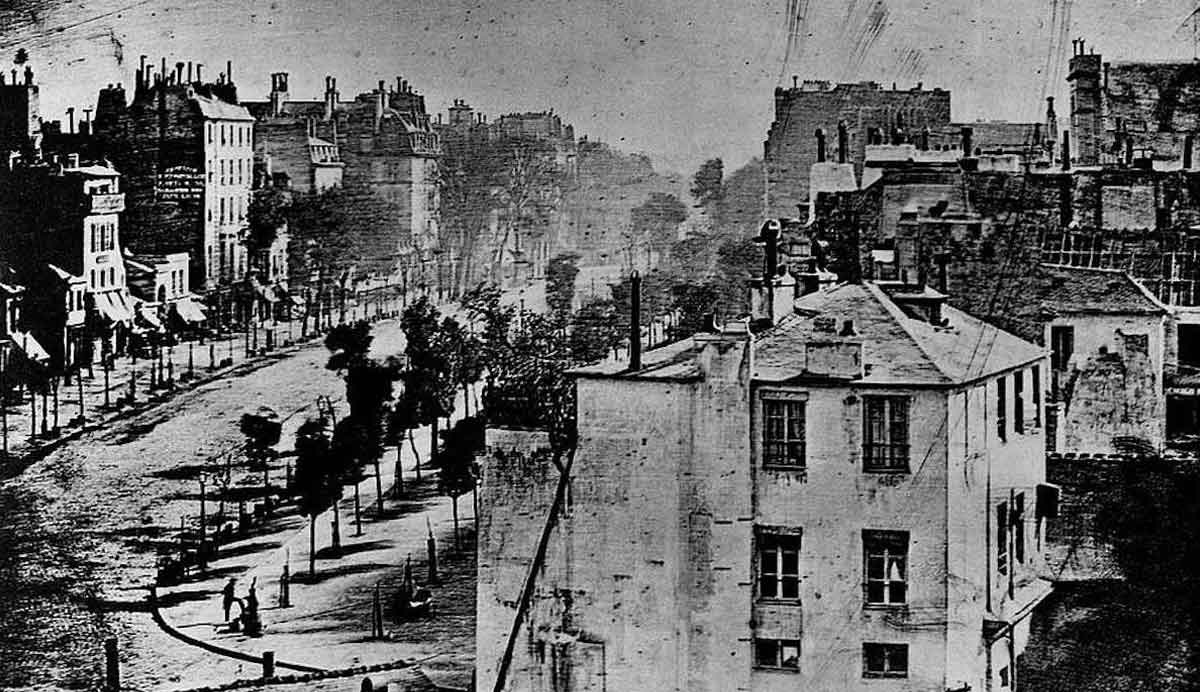
Photography also played a huge role in the advent of realism, as it completely shifted the landscape of art and representation. Through photography’s ability to objectively capture what was in front of the lens, an interesting dilemma was created for artists, as there was no longer a reliance on their hands to recreate reality. This caused some artists to shift towards photography as their sole artistic medium, while others saw it as an excuse to explore other types of art whose intent wasn’t to capture reality, but create a new reality.
For realists, some would use photographs as references for their paintings. Gustave Courbet used photographs of models to create his works. Photography and painting would become more entwined in the 20th century, specifically with the artists of the photorealist movement.
Photorealism, Hyperrealism’s Predecessor
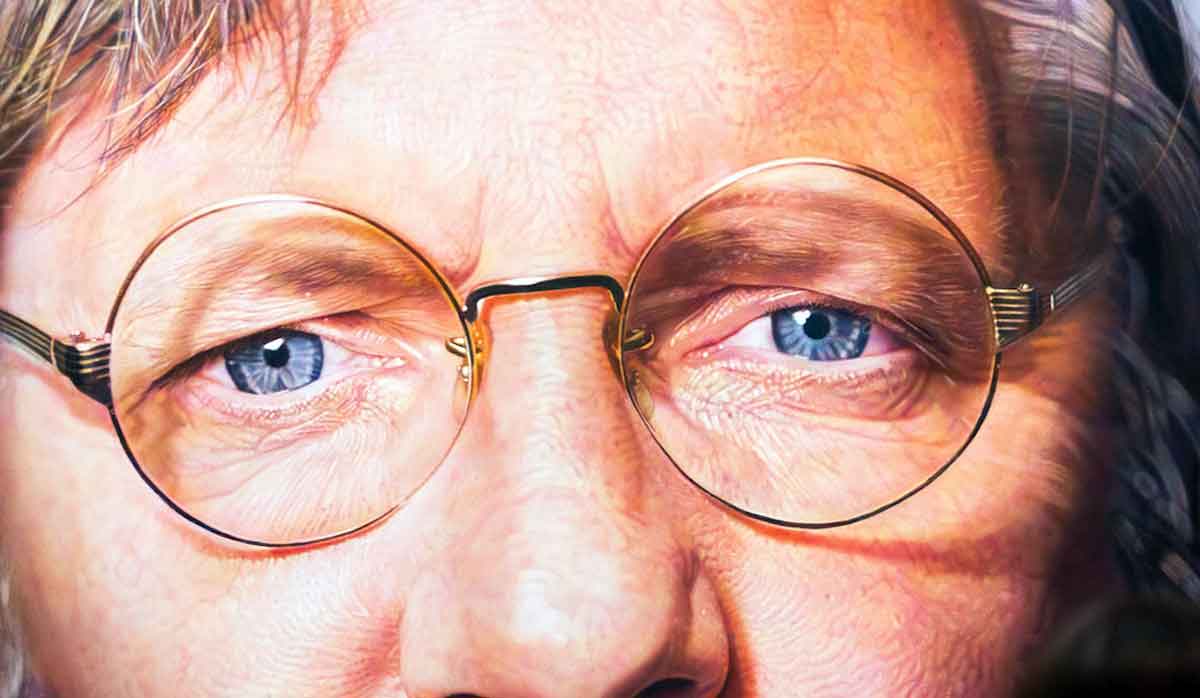
As photography was capable of depicting reality, artists began to explore the new role of art that leaned more towards investigating the human psyche, emotions, and abstraction. This gave way to artists such as Wassily Kandinsky, Pablo Picasso, and art movements like Fauvism, Expressionism, and Cubism. The pendulum swung back in the direction of realism during the 1960s, as some artists working at this time saw artistic production as oversaturated with abstraction. Like the realists of the 19th century, photorealists began making art to digress from the standard or what was popularized at the time.
In doing so, artists turned back towards photography as a source of inspiration and point of reference, creating the genre of Photorealism. Photorealism was not about subjection and personal perspective, but instead sought to replicate exactly how a photograph depicts a subject. In many cases, this entailed using photographs as a direct reference for paintings.
One of the most well-known examples would be the Big Self-Portrait by American painter Chuck Close, completed between 1967 and 1968. The painting began with a photograph over which Close created a grid system, breaking it down into a series of squares. Using an eight-foot canvas, he then re-created the image square by square, capturing every shadow, detail, and blemish of his face. Photorealists were also influenced by other movements that were shaping the art landscape of the 1950s and 1960s.
The Influence of Pop Art
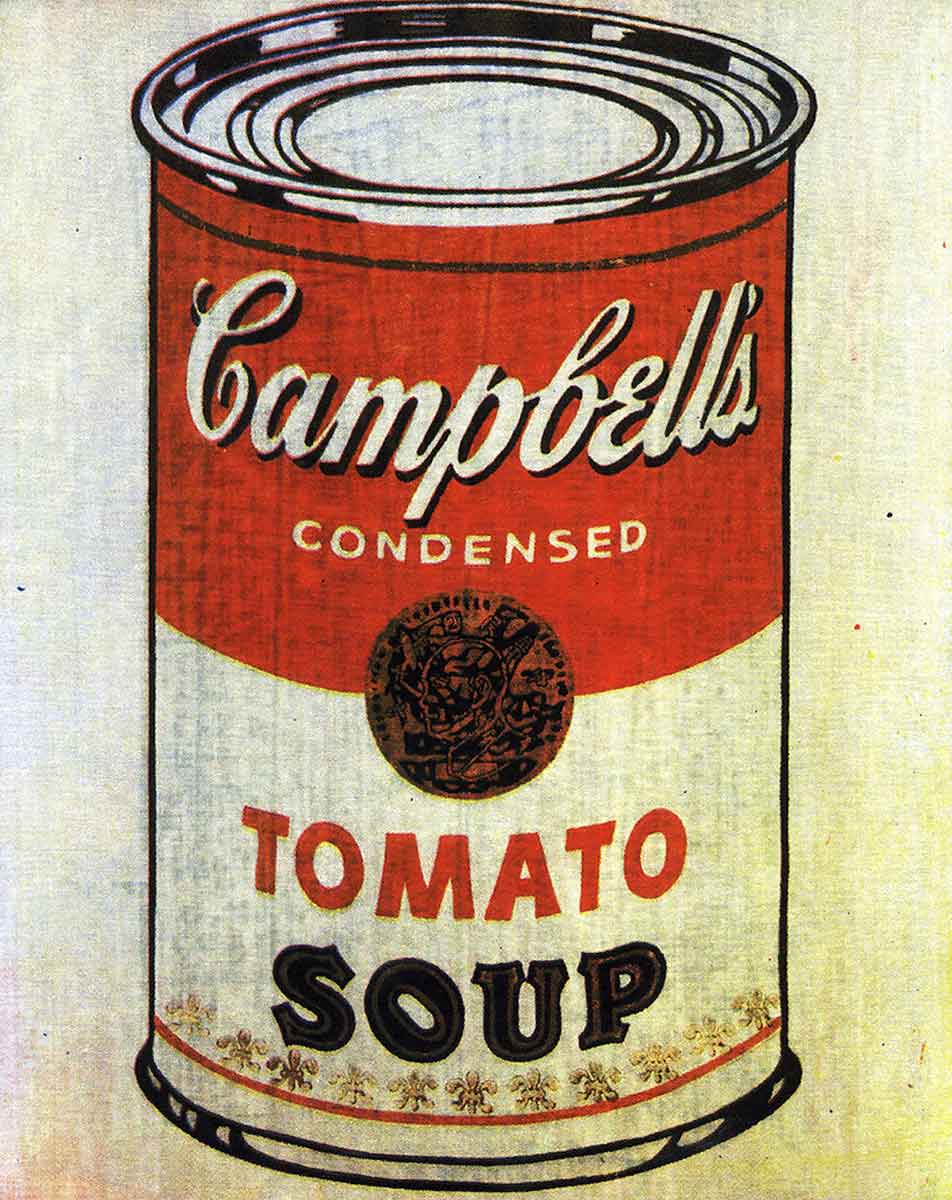
The postwar environment of America saw the new identity of the U.S., among many other places, actively being constructed. This was through new spaces such as fast food restaurants, the flooding of the consumer market with new products and accompanying advertisements, and the promotion of American objects and companies. What did it mean to be American at this time, and what did America look like? These were the themes explored by artists of the Pop Art movement, whose works made commentary about the commercialization of culture permeating the everyday, through things like advertising and mass production.
It is important to note that Pop Art originated in the United Kingdom and eventually circulated and became popularized in the U.S. A staple of Pop Art was the inclusion of seemingly normal objects, available virtually anywhere through mass production, that became the forefront of artwork, or even the art itself. Think of Andy Warhol’s Campbell’s Soup cans, for example.
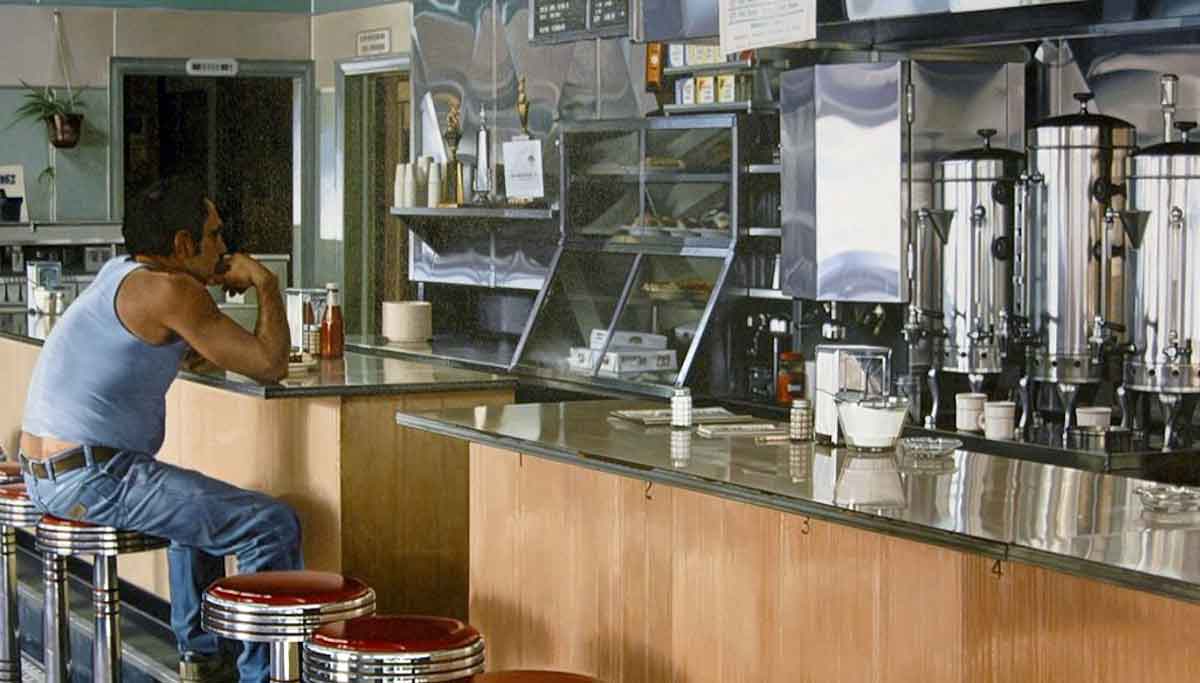
This elevation of the everyday would become incorporated into works by other photorealists such as Ralph Goings. In his paintings, ideas about Americana collapsed into his highly detailed reproduction of diner interiors. A diner is an architectural and cultural staple of U.S. towns across the country, and they have been memorialized in works such as Edward Hopper’s Nighthawks. The diner became popularized during the postwar era as a family-friendly space that could also serve as a hangout spot for young teens.
There is a sense of nostalgia that permeates Goings’ paintings through his foregrounding of a space so seemingly ordinary and is simultaneously omnipresent throughout the U.S. No matter which diner he is depicting, there is a sense of familiarity between the viewer and his work. This is through interior design, Heinz ketchup bottles, doughnuts, and even the mugs for coffee. This ties back to themes explored by Pop Artists that touch on the ways that culture is commercialized, especially in the time of the post-war era.
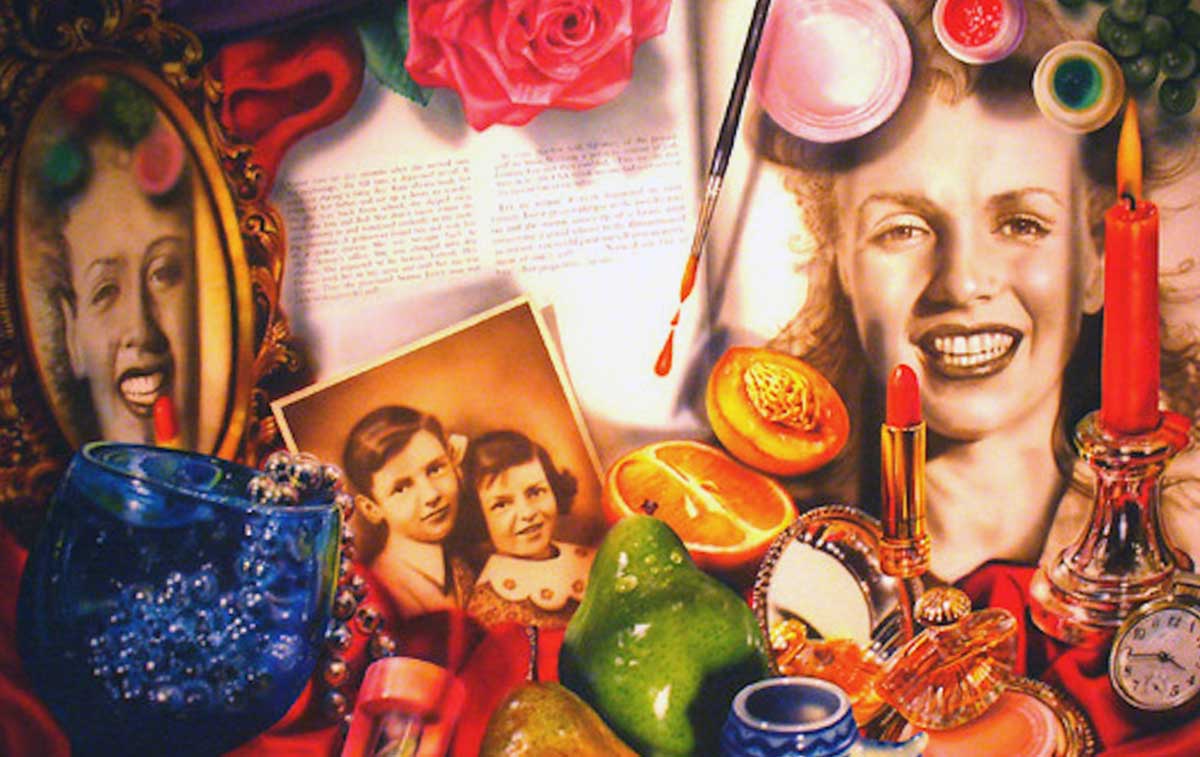
Audrey Flack is another photorealist artist largely recognized for her works from the 1970s. In her Still Life series, she projects seemingly ordinary objects centerfold on her canvases, referencing the centuries-old still life genre in painting, which was thematically centered around references to life and mortality. Flack does this through objects such as cards, family photographs, lipsticks, and other small objects.
Although works by Flack, Goings, and Close put the ordinary front and center in their canvases with incredible technical skill, their paintings were simultaneously criticized for having nothing to offer beneath their surfaces. Some of their biggest critics argued that due to the attention paid to technique, photorealists’ works lacked emotional, spiritual, or psychological depth or meaning.
Hyperreality
L’hyperréalisme, or hyperrealism, was a term first coined by Isy Brachot, a Belgian gallery owner and art collector, for his 1973 exhibition of artists such as Chuck Close, Ralph Goings, and Gerhard Richter, who at the time were considered photorealists. Since then, the term hyperrealism has become its own genre entirely, however, with much influence from the prior art movements previously mentioned.
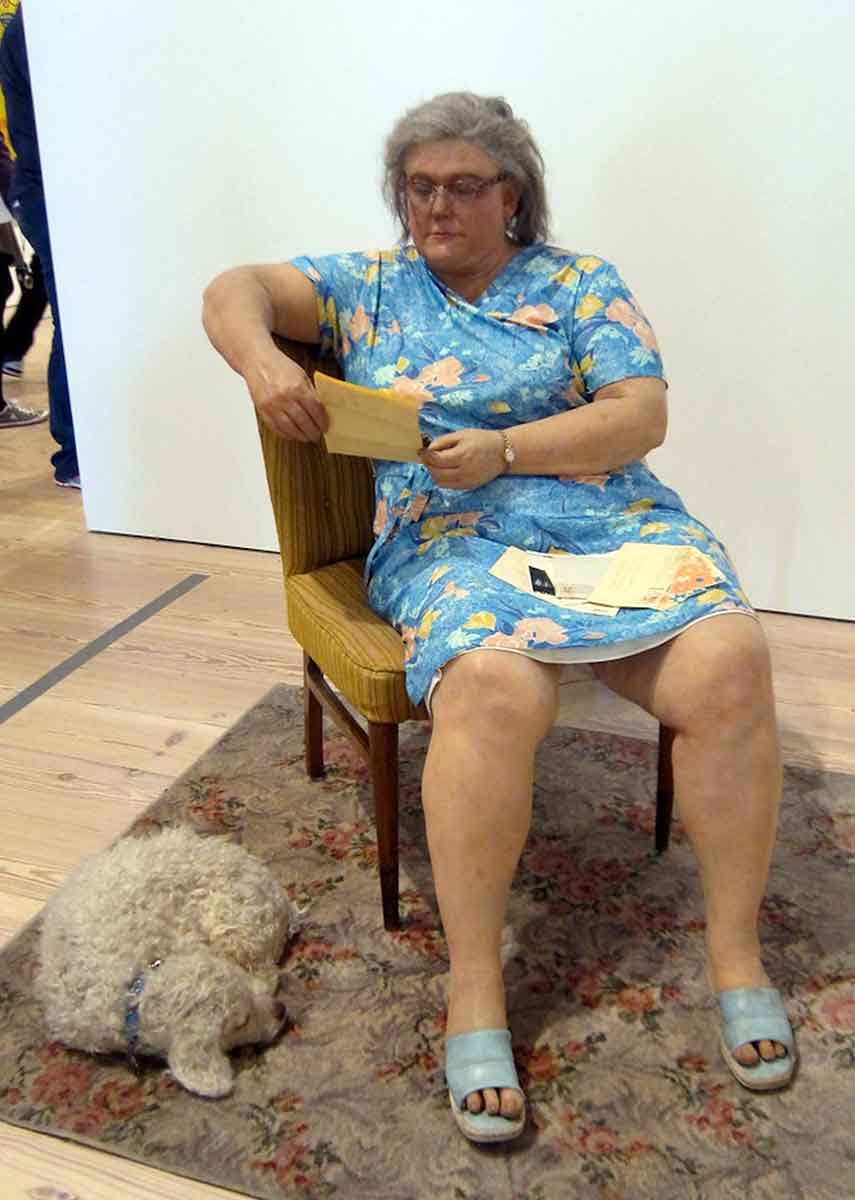
Hyperrealism differentiates from Photorealism in that it indulges in social, emotional, or psychological commentary, or all three. Take, for example, the art of Duane Hanson. In the 1970s, his sculptures became known not just for their elaborate realism, such as the inclusion of varicose veins, bruises, and blemishes on his subjects, but also for how they touched upon themes of consumerism, isolation, and the human experience. In his sculptures of overweight, comically dressed Americans who stare despondently past the viewer, there is a sense of isolation and longing—even though the subjects are often dressed for vacation or carrying consumer products.
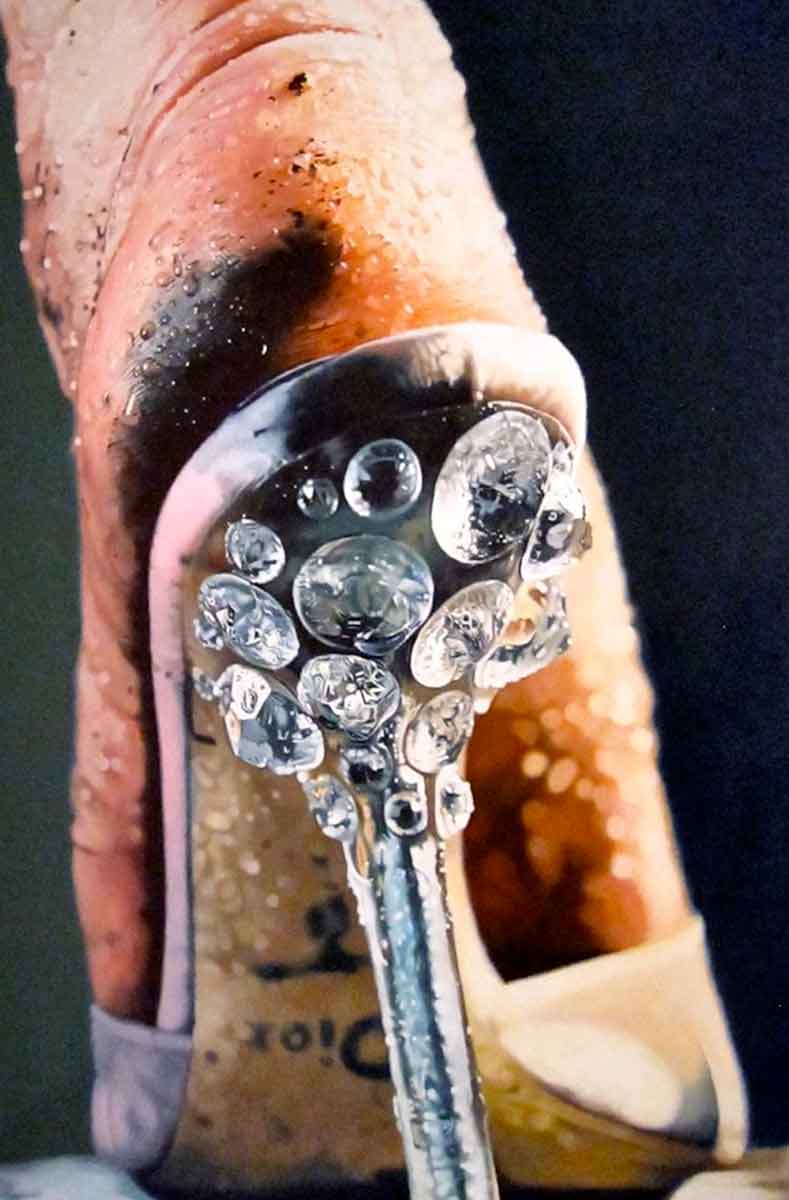
Marilyn Minter provides another example of the ways that Hyperrealism can be critical of our everyday world. In her works that depict women’s feet in high heels decorated with diamonds and other gems, the feet are covered with mud, dirt, and grime. This juxtaposition was a direct response to advertisements targeting women that depict women, or solely their body parts, in a perfectly manicured and idealized way. The splintering realism of Minter’s paintings is also a defining characteristic of Hyperrealism itself.
Hyperrealistic paintings and sculptures don’t intend to simply recreate a photograph, but instead seek to push past the abilities of a photo or even reality itself. Like 19th-century realism, Hyperrealism emerged alongside the invention of the digital camera, which captured a level of detail that surpassed analog photography. With Hyperrealism, digital photos are often used as a reference, but additional details are incorporated that weren’t present originally, creating a new reality that overrides even that of the photograph.
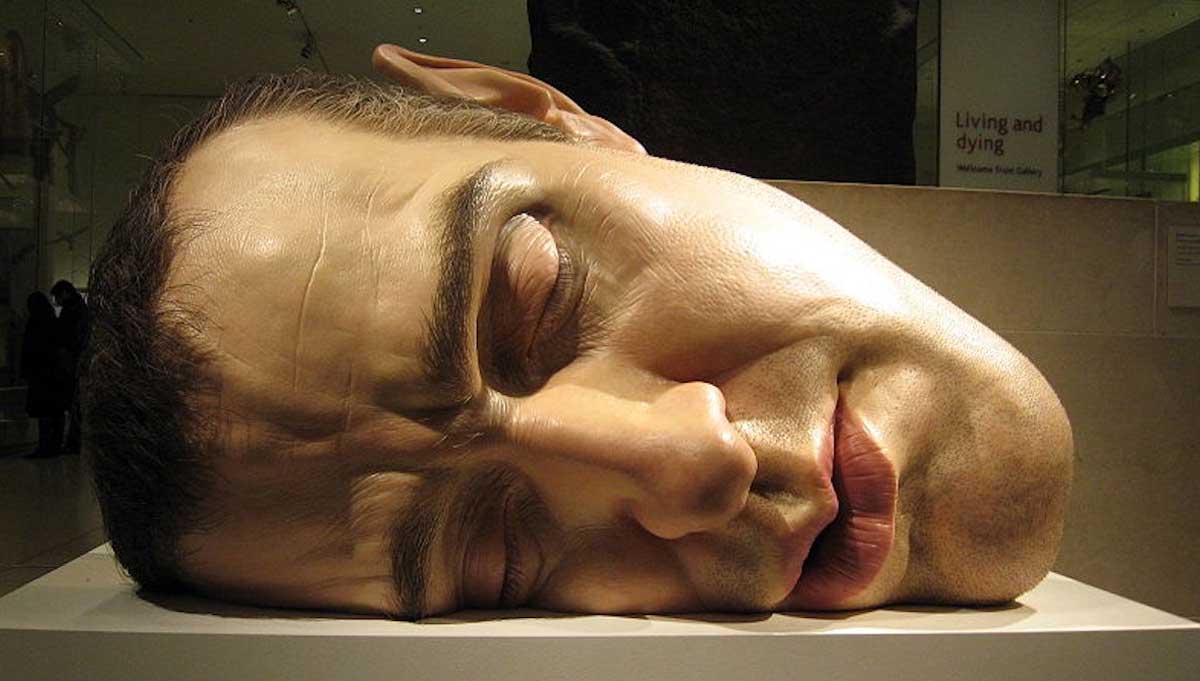
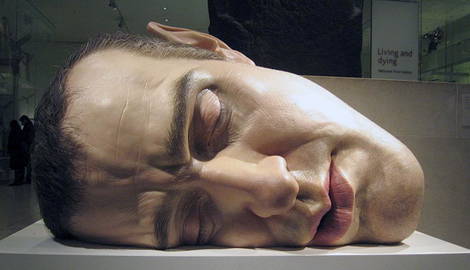
Opposed to creating a sense of nostalgia and comfort like the works of Ralph Goings and Audrey Flack, Hyperrealism almost disrupts and unsettles the viewer through the intensity of detail, which is also reinforced through size. Take, for example, the sculptures of Ron Mueck, who captures the idiosyncrasies of his subjects in painstaking detail, often in intimate moments—a man during sleep, a baby seconds after birth, or a couple in bed. Although seemingly ordinary, the amount of detail, like the individual hairs from stubble, creates an unsettling atmosphere for the viewer. Not to mention the size of his sculptures, which often take up entire rooms, such as his works Boy or Girl. Extremity of detail combined with a demanding physical presence is a defining characteristic of hyperrealist works.
Hyperrealism: A Lens to View the World
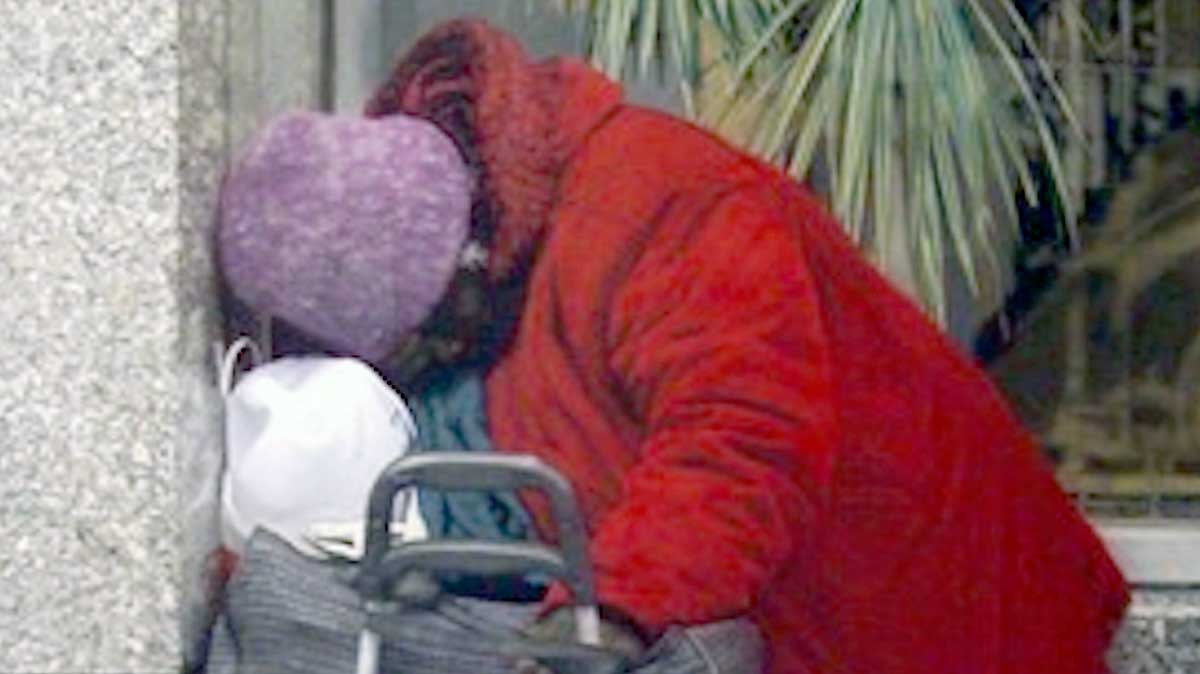
Returning to social commentary, the selection of subjects for hyperrealist artists is often socially or politically charged. The paintings of Denis Peterson often depict people at the margins of society. Peterson’s works recall Realism, Pop Art, and Photorealism by foregrounding everyday people; however, the everyday that he exposes is the underbelly of our modern world. Figures of homeless people are juxtaposed with people eating in restaurants, advertisements for consumer products, or streets full of people who pay his subjects no mind. His works challenge the viewer to look at the people we are often told not to stare at in our society.
Representing the world around us through art and visual culture is not a new phenomenon. Although hyperrealist works of art are visually captivating through their highly technical execution, they also scratch at larger questions and realities that shape our human existence and the intricacies of the modern world. They are both a replication and exaggeration of what is real, perhaps even creating a new reality themselves.