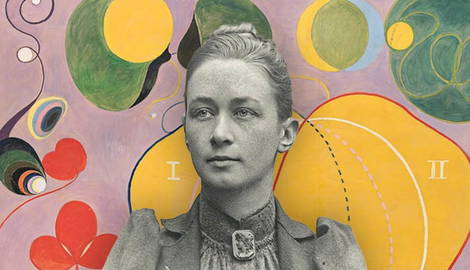

To the general Swedish public, Hilma af Klint was a relatively successful illustrator, creating works for botanical atlases and encyclopedias. However, in the seclusion of her studio, she was a groundbreaking abstract artist who created paintings dictated to her by the spirits. Her art relied heavily on the religious and spiritual philosophies of her time, including Theosophy, Anthroposophy, and other ideas. Read on to learn more about Hilma af Klint’s abstract art and occult ideas.
Hilma af Klint’s Early Encounters With the Occult
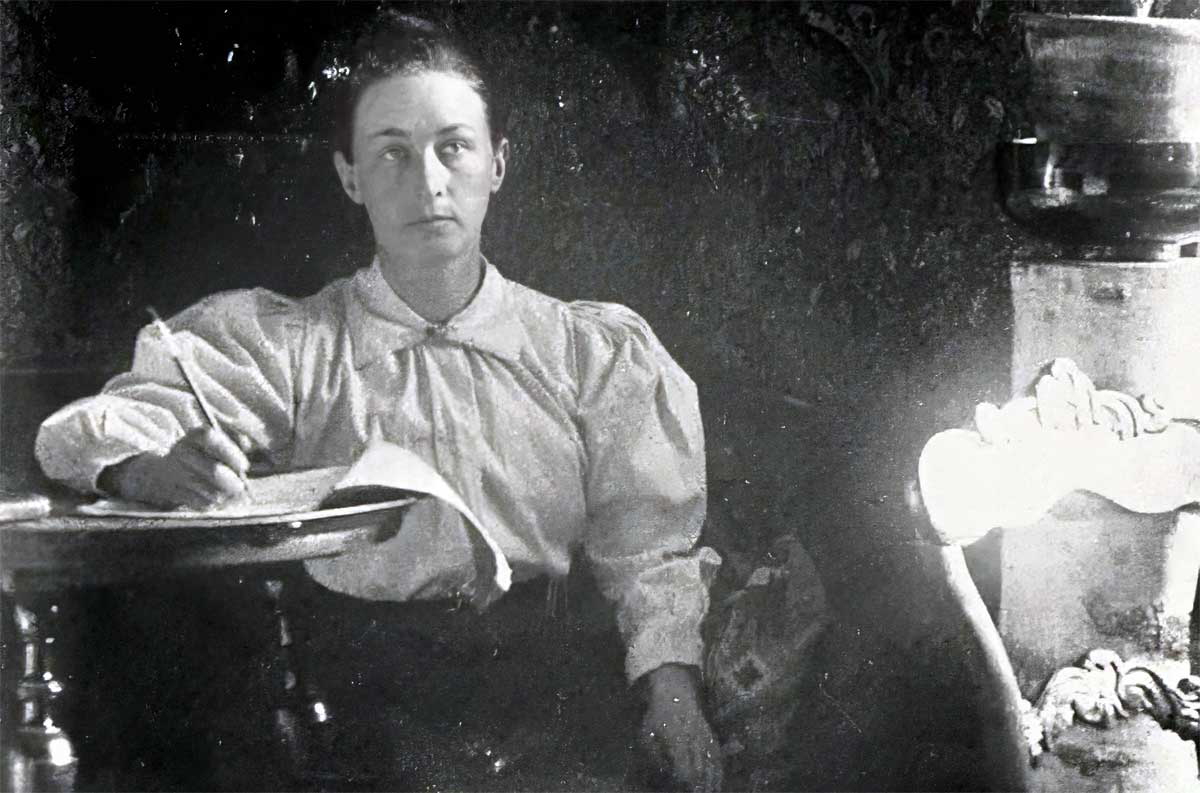
The now-famous pioneer of abstract art Hilma af Klint represented one of the first generations of Swedish women who were allowed to become professional painters. During her lifetime, she was relatively unknown but had a prolific artistic practice focusing on botanical illustration. At the same time, unbeknownst to most of her clients and even to herself, she made a revolution in art by moving to the domain of abstract painting already in the early 1900s. Her work was heavily inspired by her contemporary teachings of spiritualism, Theosophy, and other occult ideas.
Hilma af Klint’s systematic engagement with the occult began in the late 1870s. At the time, spiritualism was already a popular trend in the rest of Western countries, but in Sweden, it only began to develop. Hilma af Klint’s profound interest in spiritualism began with a tragedy. In 1880, her younger sister Hermina, with whom Hilma was particularly close despite the age gap, suddenly died. Devastated and traumatized, Hilma began searching for ways to contact her deceased sister through the realm of the spirits.
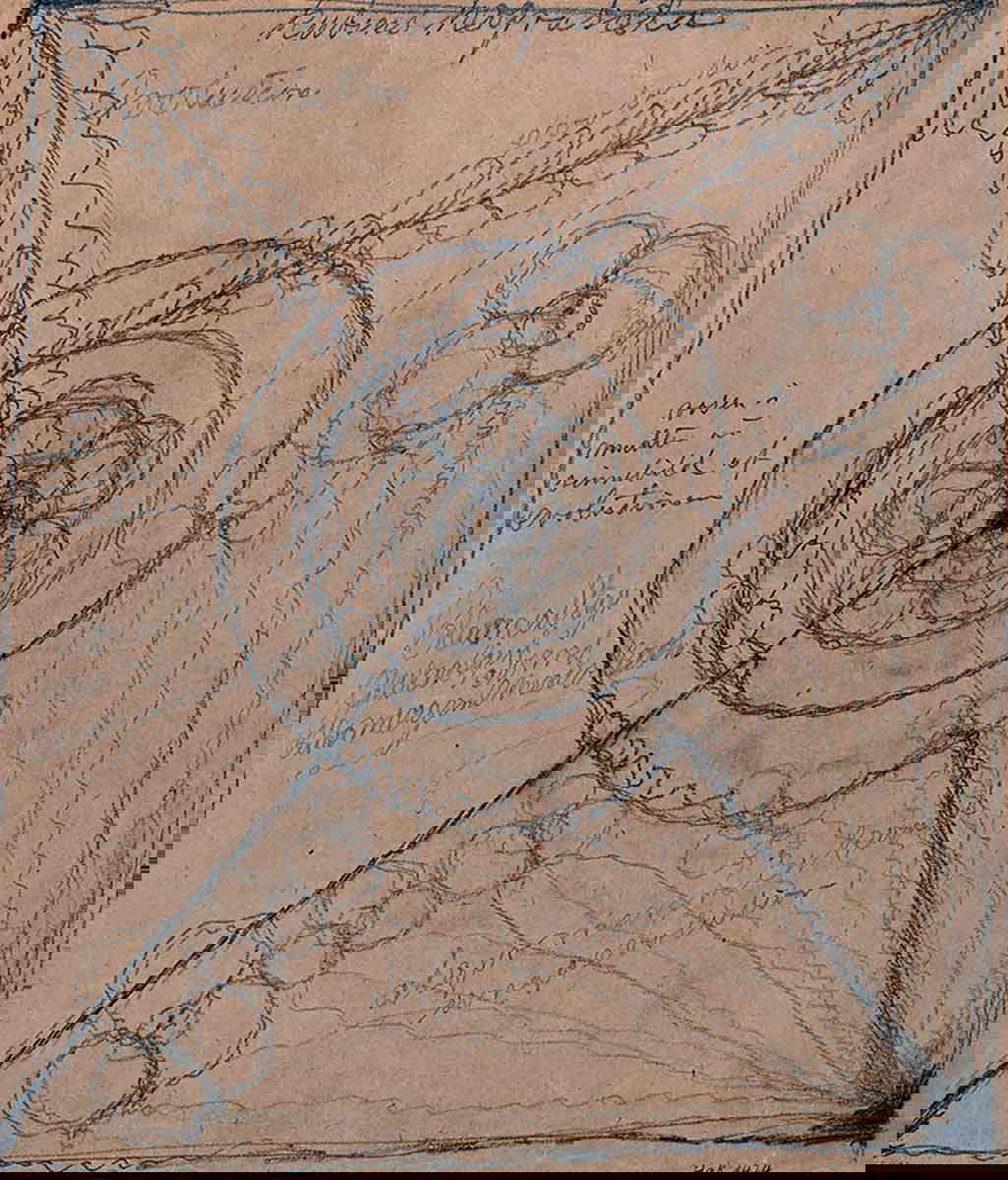
During her entire life, Hilma af Klint identified as a Lutheran. Her deep interest in the occult did not interfere with her conventional faith. For many occultism-related figures of the time, Christianity and spiritualism were closely related to each other. In fact, spiritual philosophies like Theosophy stated that all religions had a shared core wisdom in them and that occult practices could offer a deeper insight into the mysteries of the world. In fact, Hilma af Klint was a member of the Swedish branch of the Theosophical Society. Her personal library had a vast collection of occult literature that she studied thoroughly and often incorporated into her work.
In 1896, af Klint and four of her friends gathered into a Bible study group called De Fem (meaning The Five). All five women were Lutheran and combined their faith with a profound interest in mediumship. During the gatherings, one of them would enter a state of trance and either draw or verbally pass messages from “other worlds” to her friends. During one of such seances, the women allegedly contacted a group of “higher beings” that instructed one of them to become a mediator between them and the human realm. Hilma af Klint was the only one who agreed, and from that moment on, she began her path as an abstract painter.
Paintings for the Temple
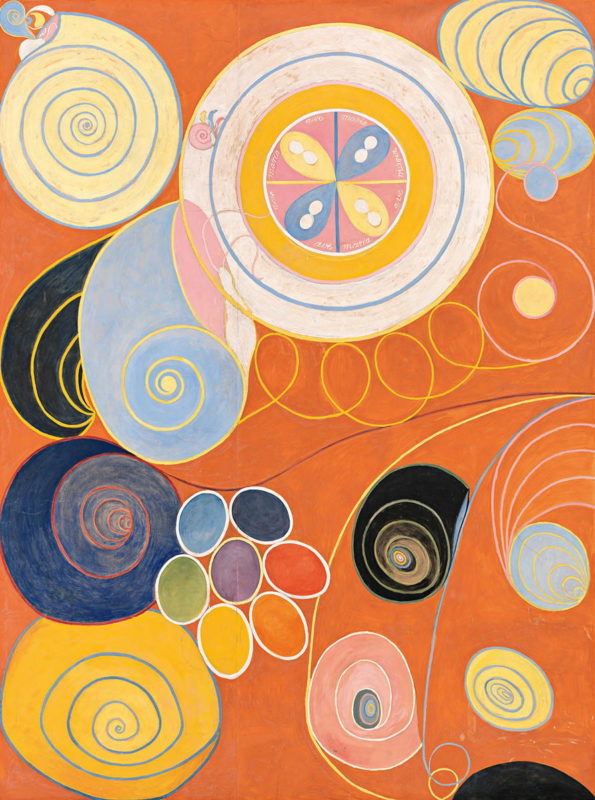
After her alleged initial contact with otherworldly beings in 1904, Hilma af Klint began preparing for her higher mission. The beings told her she was the messenger intended to pass the message from the higher worlds to humanity through images. She was supposed to build a spiral-shaped temple to some higher power and knowledge, although she never understood the complete purpose of it. The series that would later become known as Paintings for the Temple.
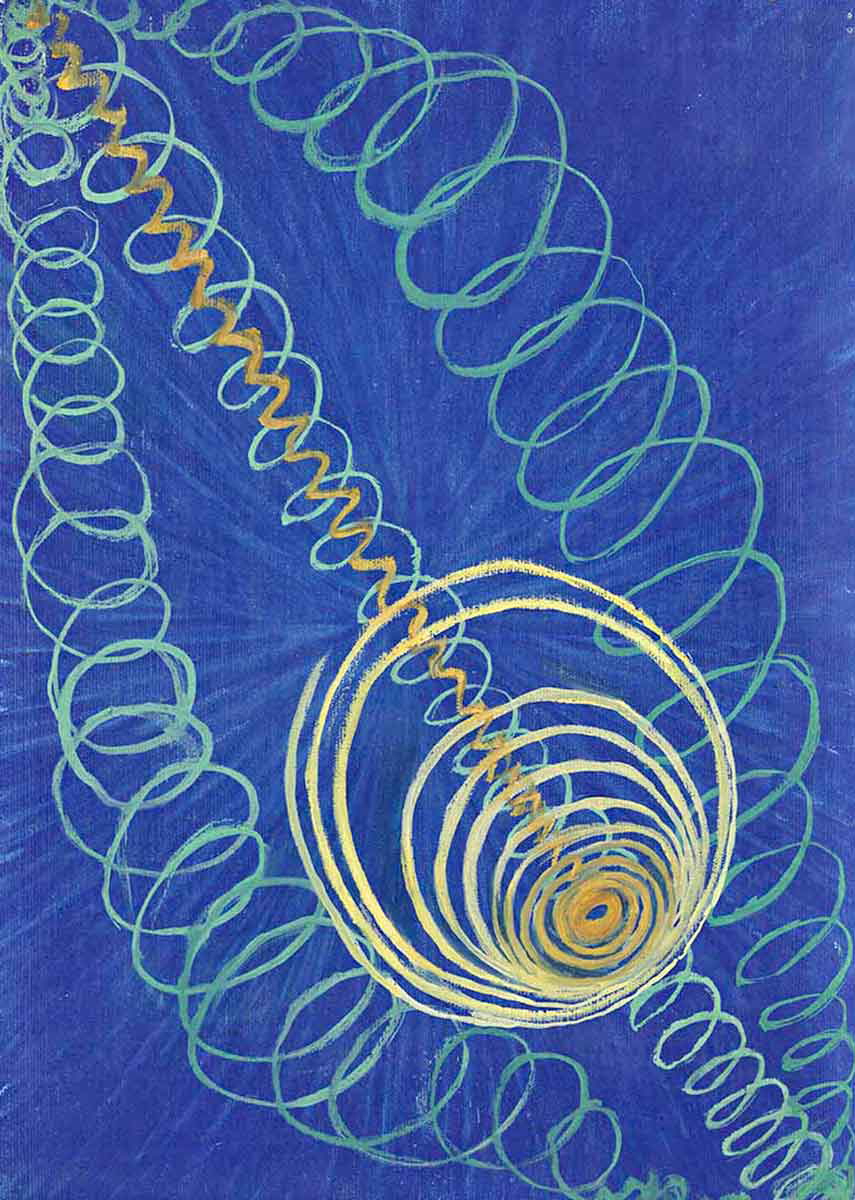
The first stage of the Temple project began in November 1906 and lasted until April 1908. During this period, she produced 111 paintings, all known today as Paintings for the Temple. Some were more than 10 feet tall, and many were divided into subseries. The paintings were mostly automatic and had no preliminary drawings of any sort, produced in the same unconscious way as the previous images by De Fem, but now made only by af Klint and her assistant.
At the time, Hilma af Klint admitted she had no idea what she was painting. She relied entirely on automatic drawing and the guidance of her “spirits” and could not decode her work. Still, their iconography bore the influence of Buddhism and Hinduism, as well as forms conceived during the De Fem seances. She was in dire need of spiritual guidance and sought help from one of the most influential men of her generation.
Hilma af Klint and Rudolf Steiner
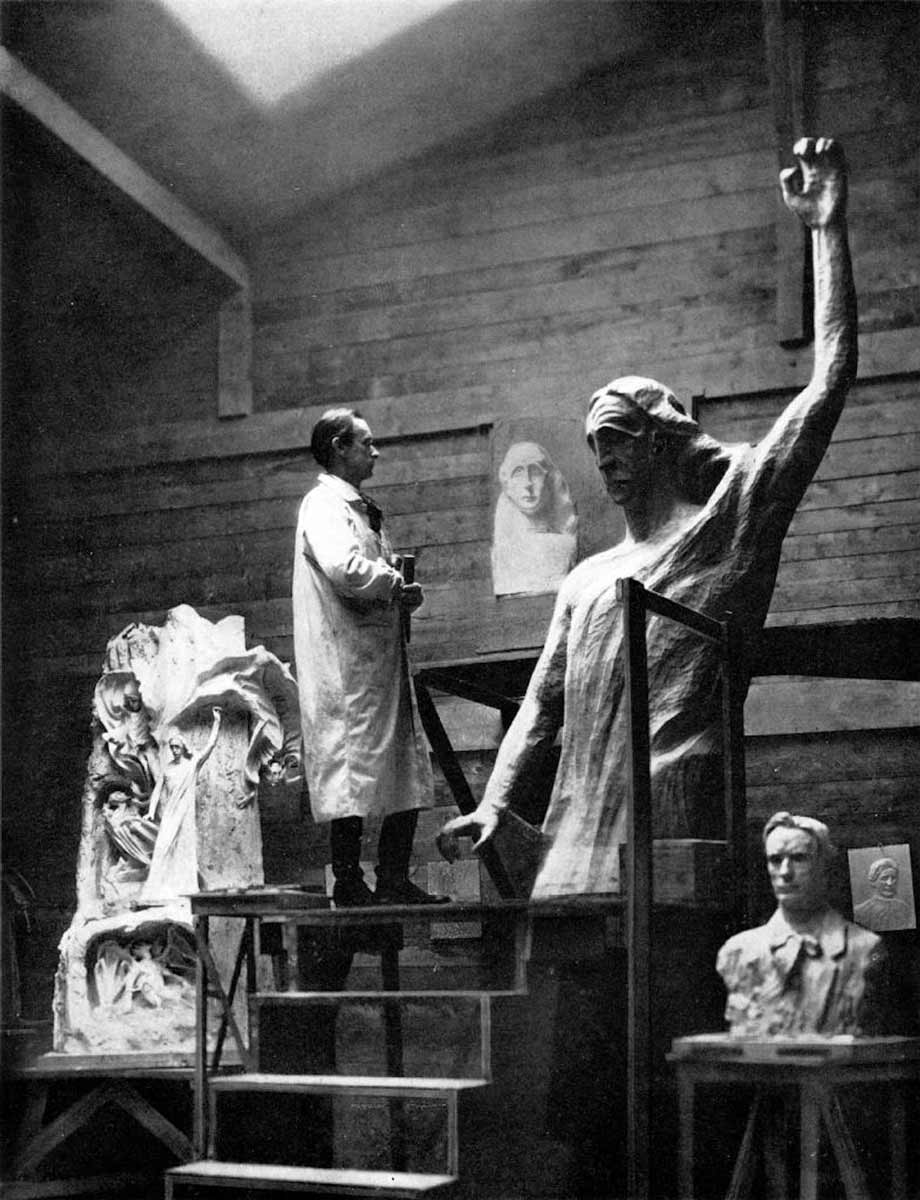
Rudolf Steiner, German philosopher and mystic, was an important influence at that stage of Hilma af Klint’s life. At the time, Steiner was the head of a German branch of the Theosophical Society, a philosophical and quasi-occult movement that aimed to uncover the universal truth behind world religions and bring humanity towards a new stage of spiritual development. Steiner was one of the most active members of society who advocated for bringing together science and spirituality. A well-trained and convincing speaker, he toured Europe with lectures on the spiritual function of art, the interpretation of evolution, the origins of humankind, and other similar topics. Steiner’s teaching was a blend of actual scientific knowledge, an empathetic approach toward nature, and highly questionable occult ideas. Still, he was extremely influential, with his lectures attended and read by Wassily Kandinsky, Piet Mondrian, Joseph Beuys, and other famous artists.
Steiner presented an astonishing number of lectures throughout Europe, including Sweden. Hilma af Klint attended several of them and even kept Steiner’s publications, marked with her own commentaries and musings, in her personal library. Unlike many of his colleagues from the Theosophical movement, Steiner avoided a narrow focus on Eastern religions and based his ideas on Christian concepts. In Rudolf Steiner, Hilma af Klint wanted to find a spiritual teacher to help her decode her work.
During Steiner’s 1908 visit to Stockholm, Hilma af Klint invited him into her studio. Neither af Klint nor Steiner left a detailed record of the meeting, but it most likely did not go the way Hilma af Klint had expected. Steiner was unable to help her and he openly disapproved of her way of creating art. In the vague second-hand accounts of the meeting published by Hilma af Klint researchers, it is sometimes mentioned that Steiner did not believe af Klint’s art could be appreciated in their era.
After the unfortunate visit, which af Klint did not record in her diaries, she entered a period of artistic hiatus. From 1908 to 1912, she stopped painting entirely—or at least left no trace of any work she may have created. Some art historians attribute this sudden break to her disappointment with Steiner or, perhaps, to some upsetting commentary he made about her work. Others, however, highlight another important reason: at the same time, af Klint’s mother went completely blind and required care and assistance.
Forging Her Own Spiritual Path
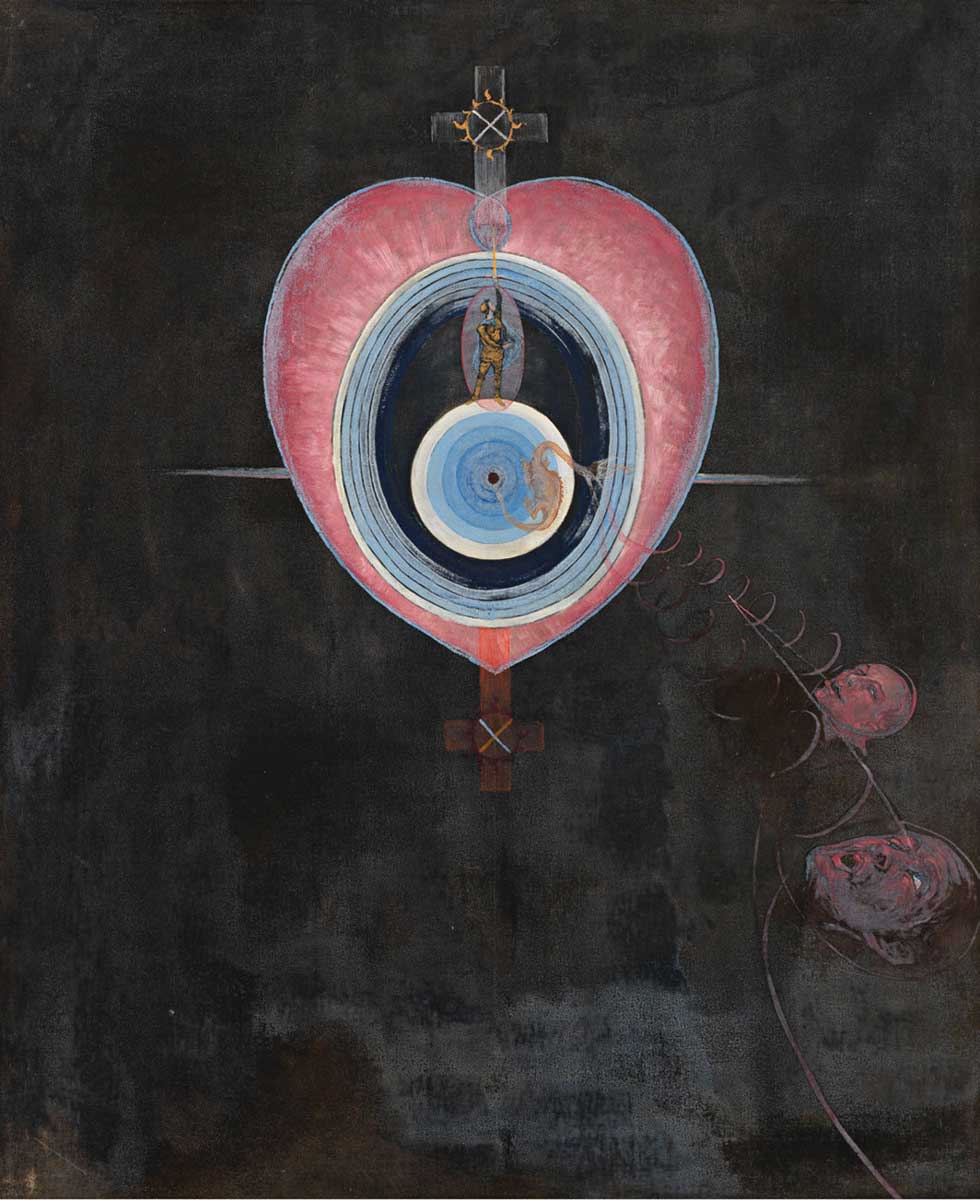
After her radical four-year break, af Klint returned to painting with new enthusiasm and transformed ideas. Her visual language and aesthetic choices took an entirely different form. Instead of the fluid organic abstraction that often featured elements of mandalas, lotuses, and other elements borrowed from the East, she switched her practice towards more strict and somber geometry. At the same time, she made a shift towards Christian iconography, incorporating crucifixes, figures of saints, and other Christian symbols into her work. One of her most famous series of paintings from the period was Parsifal, a collection of square images directly inspired by Richard Wagner’s opera of the same name.
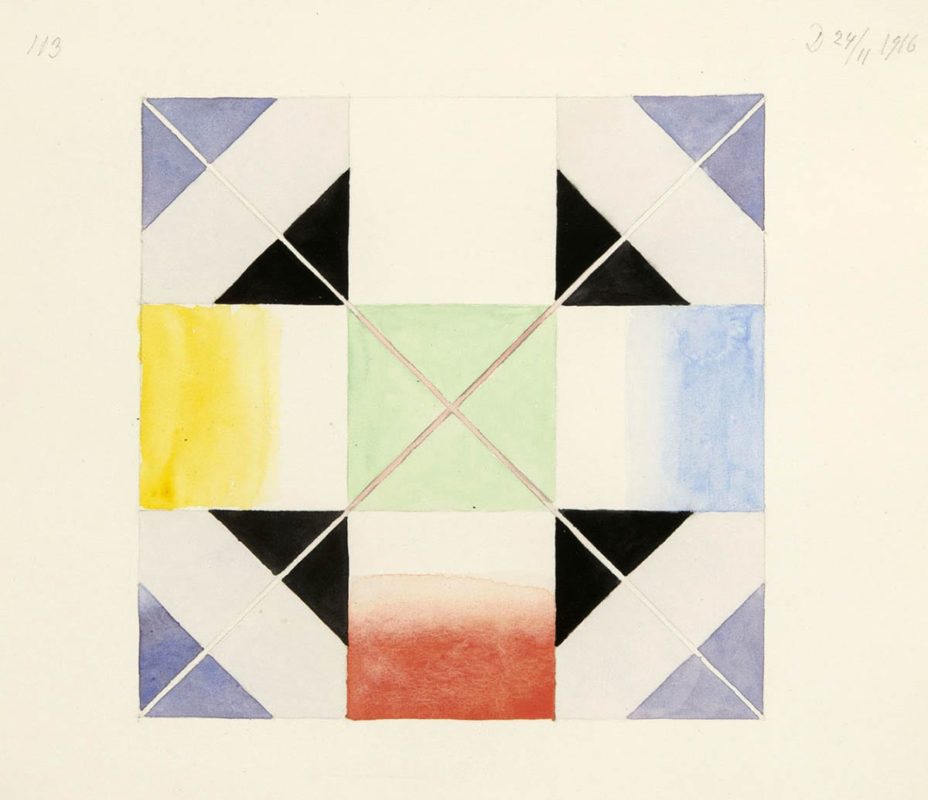
In his writings, Rudolf Steiner often referred to Wagner in general—and Parsifal in particular—as examples of spiritually charged artworks that illustrated and accompanied the transition of a human soul toward higher levels of conscience. Wagner’s Parsifal is a young man who transforms himself into a bearer of higher wisdom through acts of compassion and rejection of earthly temptations. Steiner regarded it as not simply an opera, but as a religious ritual of awakening the spirit.
Hilma af Klint’s goal was not to retell Wagner’s story or Steiner’s interpretation of it. Instead of illustrating the plot, she coded the stages of Parsifal’s spiritual development into diagrams and followed his path in a quasi-scientific way. This artistic period marked a time when Klint’s grasp of control over her practice: instead of relying on “spirits” and automatic drawing, she became fully involved in the process and moved to a more familiar iconography. She also added elements symbolizing Parsifal’s dual-gender, representing his transcendence of human boundaries between the sexes.
Return to Her Roots: Hilma af Klint’s Take on Botany
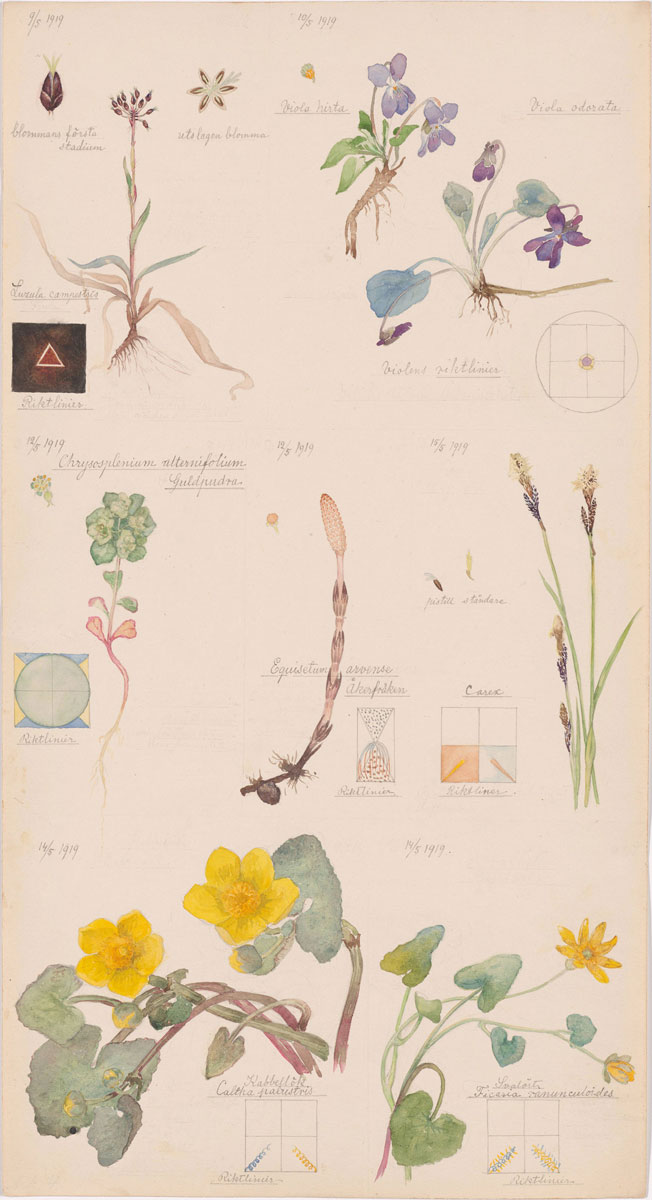
By the 1920s, Hilma af Klint became confident in her own methods and ideas. Contrary to popular belief, she was not isolated from the rest of the world: she eagerly communicated with other spiritualists and even visited the famous Goetheanum—the headquarters of the Anthroposophical Society, founded by Rudolf Steiner after his breakaway from the Theosophists. She even sent Steiner a collection of her works on botany, which still belongs to the collection of the Goetheanum. The Goetheanum was a complex of buildings that acted as the intellectual center of the movement and a gathering place for all Anthroposophists. It also provided space for research and creative practice with its vast libraries and gardens. Hilma af Klint spent weeks and months there, working on her new series of watercolors.
Starting from the late 1910s, she made a full circle and came back to her original artistic domain—botanical illustration. However, after years of spiritual exploration, she focused not only on the appearance of plants and their biological characteristics, but also on their spiritual portraits, or diagrams of energetic fields they produced. This field of spiritualist research was not new and closely corresponded to the ideas of Steiner and other mystics of the time. For Steiner, plants were the sense organs of the entire planet, which he treated as a single complex organism. Different plants, thus, were receptive to different forms of energies and forces.