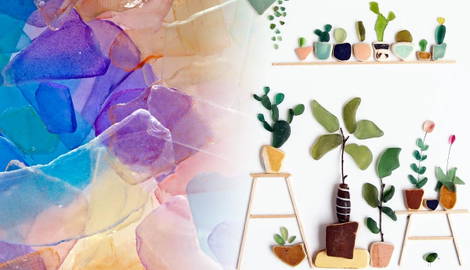

Sea glass, shaped by time and nature, has inspired many artists worldwide. Pieces of polished glass that are washed ashore can be hundreds of years old, building bridges between eras and cultures. Some artists carefully collect it to use in jewelry and decorative works. Let’s look at how beachcombed glass is transformed into art and what the environmental narratives behind it are.
What Is Sea Glass?
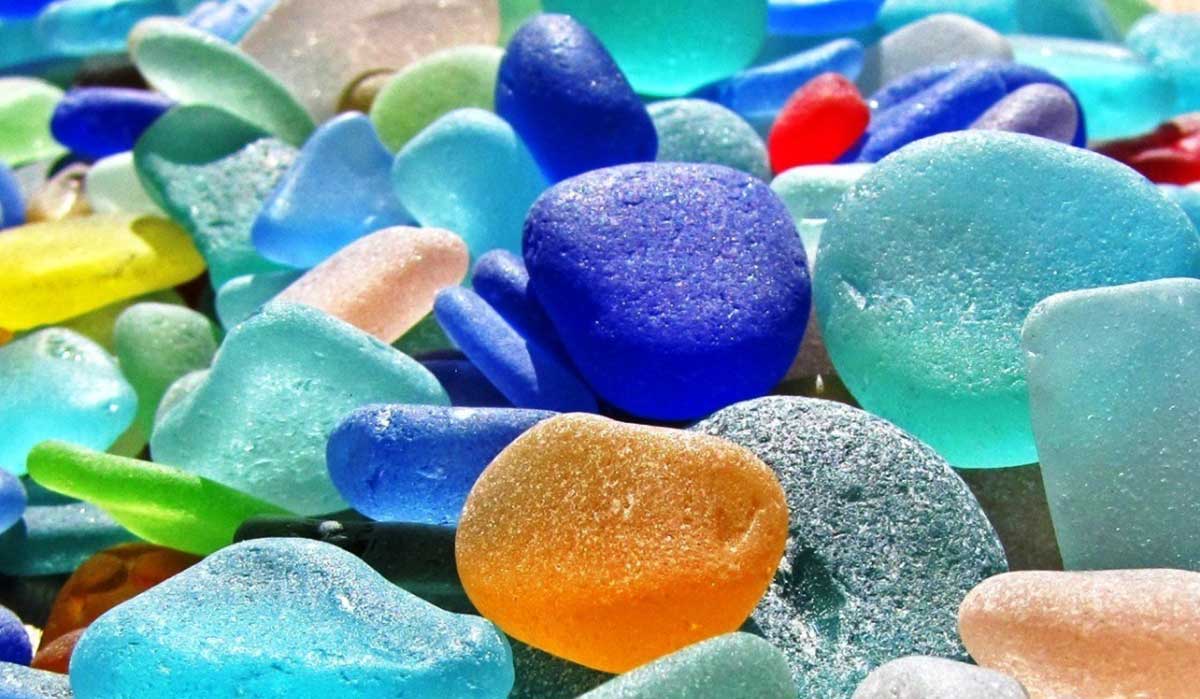
Sea glass, also known as beach glass, is a fascinating material that originally came from human carelessness, as people discarded pieces of glass into large bodies of water, such as lakes or seas. After spending a prolonged period of time underwater, affected by salt, soil, chemical elements, and physical abrasion, glass turns into polished pebble-like pieces. Almost all glass is made from quartz sand, thus it can be rather easily integrated back into its original material. The difference between sea glass and beach glass relies on the water the glass was exposed to. Sea glass is affected by salty sea water, and thus gains a more polished look. Beach glass is a name reserved for glass that has spent years in freshwater. Sea water, salt, and currents apply more tension to the glass pieces.
The main source of sea glass is man-made pollution and trash left on the shore, such as ceramics and bottles. However, it also comes from shipwrecks, floods, and even the remains of household items like washing machines that end up in large bodies of water. Sea and beach glass can travel thousands of miles and turn up in unexpected locations. To transform from sharp shards into polished round pieces, beach glass has to spend at least two decades exposed to salty water and other elements. Some pieces can be hundreds of years old and contain chemical elements and pigments that are no longer used in glassmaking.
Omura Glass Beach
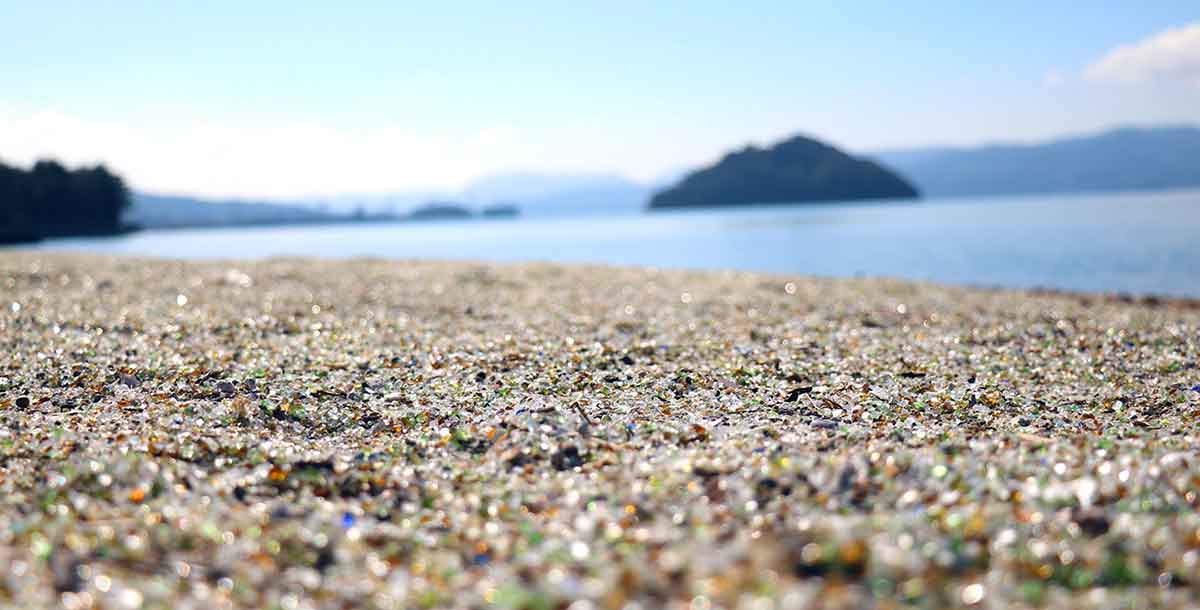
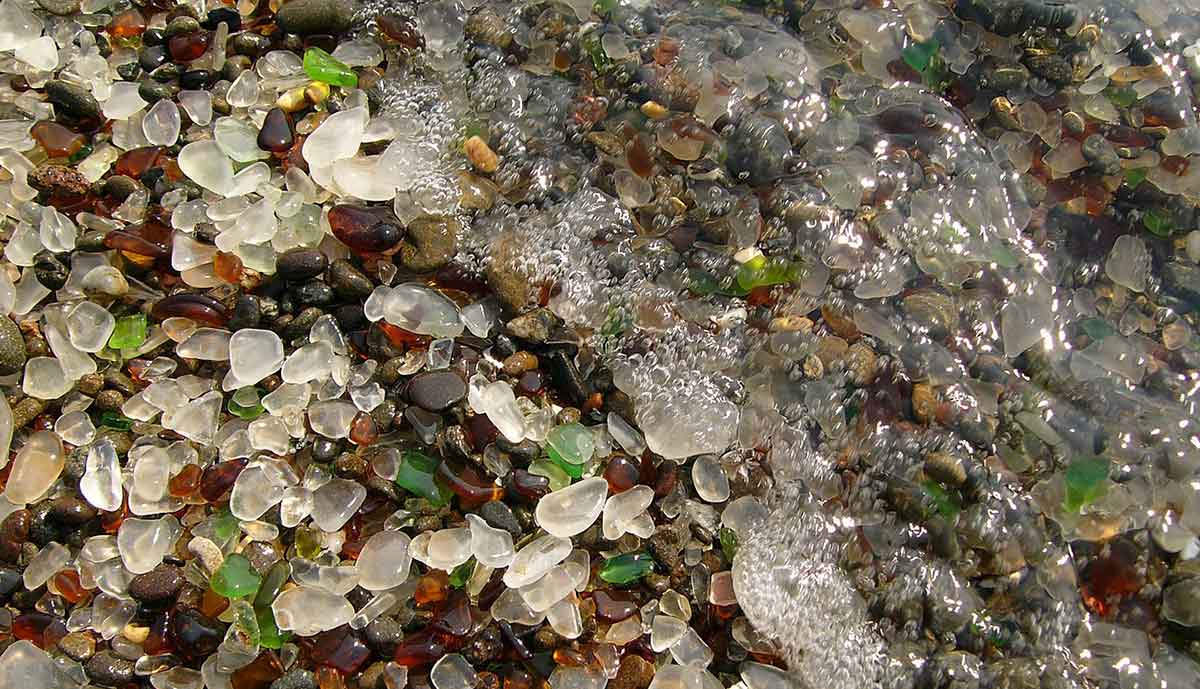
One of the most famous locations in the world associated with sea glass is a beach in Nagasaki Prefecture. The beach in Omura Bay is completely covered with strange, colorful sand that has a strange glow to it. In fact, it is not sand but tons of glass that were dumped on the shore. Previously, the naturally rocky beach was a no-go area for locals, as each summer it became covered with layers of algae that rotted under the sun, giving off a horrible, putrid smell.
To get rid of the stench, the locals removed the rocks and replaced them with tons of broken glass so that the algae would have nothing to cling to. After a few years, the wind and sea water polished the glass shards into textured sea glass. Although swimming is not allowed there to prevent pollution, thousands of tourists visit the beach to admire its beauty.
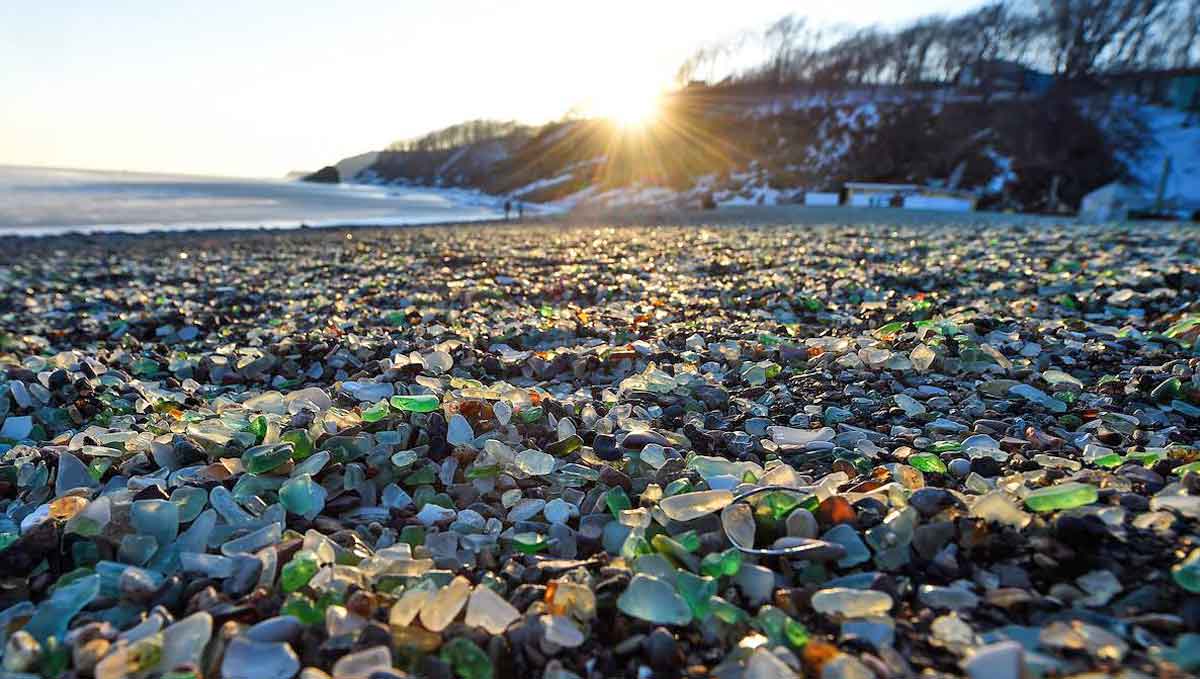
The Japanese beach has no official name and is most frequently referred to as Nagasaki or Omura Glass Beach. Curiously, it is the most famous yet not the only such location in the world. Two other glass beaches are located in California and Ussuri Bay in Russia. However, both Russian and American beaches are made by nature. Both sites used to be dumpster areas for local glass and porcelain factories. Over time, nature took matters into its own hands and transformed the refuse into colorful and shiny sea glass. In some areas of the world it is illegal to collect any natural substances found there, including sea glass.
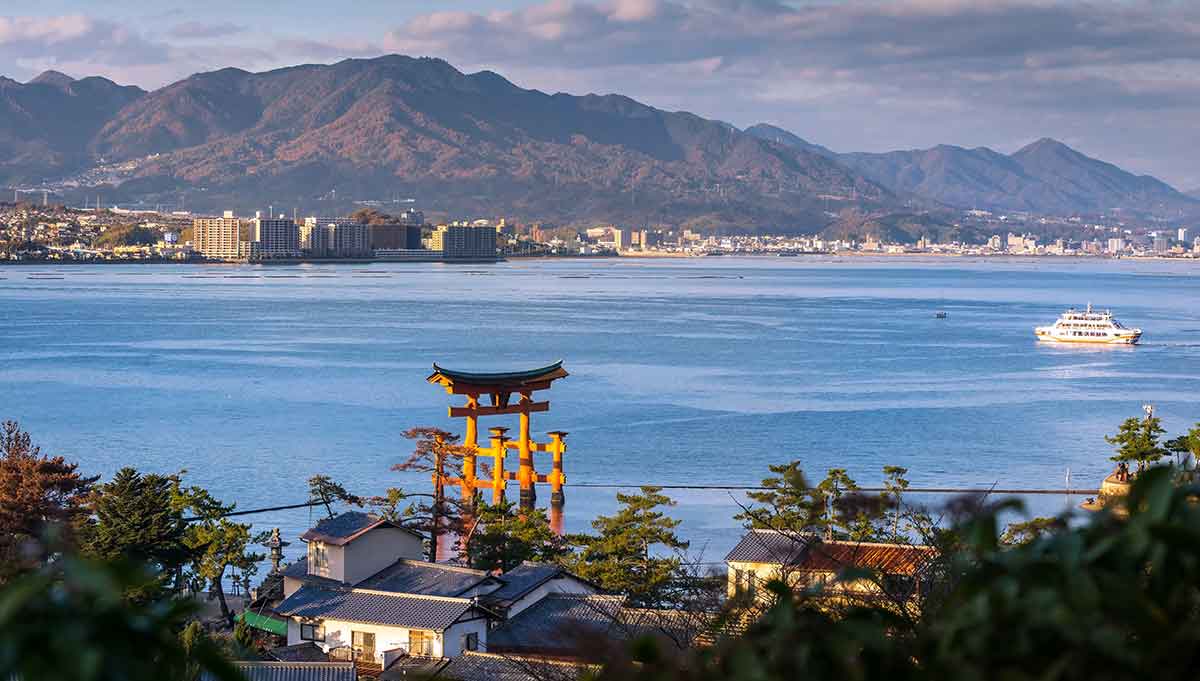
However, there is a darker undertone to the discoveries of glass on Japanese beaches. After the American forces dropped two atomic bombs on Hiroshima and Nagasaki in August 1945, both cities were almost entirely wiped off the map. The explosions had a long-term ecological impact that only now, 80 years after the tragedy, is being evaluated in its entirety. Recently, scientists discovered that the sand on Japanese beaches is polluted with strange glass beads that originated from the debris of destroyed cities. Tiny particles of stone, metal, rubber, and other materials, fused together under high temperatures at the center of the atomic blasts, turned into glass-like substances that filled Japanese beaches.
Artificial Sea Glass Industry
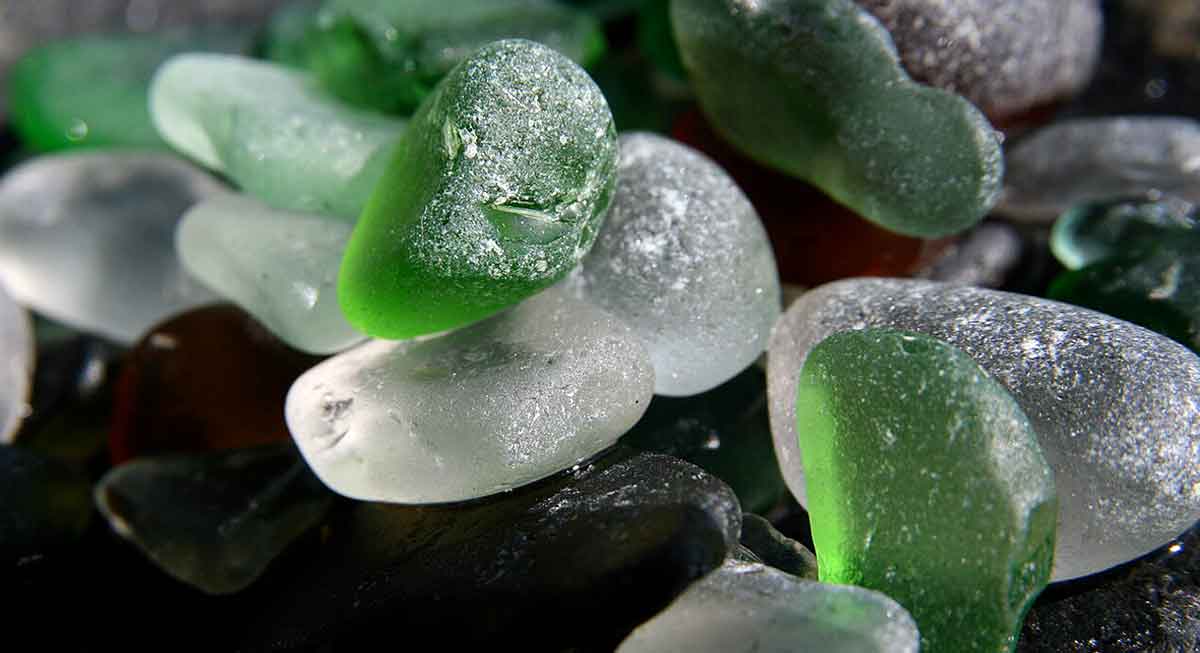
The demand for sea glass in art and crafts has given rise to an entire industry that aims to replicate and speed up the natural process for maximum profit. Today, factories use sand-blasting machines, rock tumblers, and acids to imitate the texture and look of sea glass in hours instead of years. However, it nonetheless looks different from natural glass, as it is too perfect to be organically made. Artificial sea glass is subjected to equal pressure from all sides over a short period of time, and thus has an even textured finish.
Natural fragments spend years in salty water, colliding with each other, and as a result, they have an uneven, asymmetrical look. Moreover, the manufacturers of artificial sea glass often use intense, bright colors that are rarely used for the production of everyday-use glass. The tones of natural beach glass are usually limited to the palette of greens, blues, browns, and semi-transparent whites.
Most importantly, such mass-produced objects lack the temporal aspect of sea glass formation. Instead of bridging eras, cultures, and generations, they offer a sterile, pre-packaged alternative that is devoid of the charm and energy that made it appealing in the first place. Moreover, the organic creation of sea glass is a sustainable, nature-led practice compared to large-scale industrial processes that rely on chemicals and machinery. Thus, even if manufacturers use recycled glass, the collateral damage and waste from large-scale production are nonetheless present.
Artists and Sea Glass
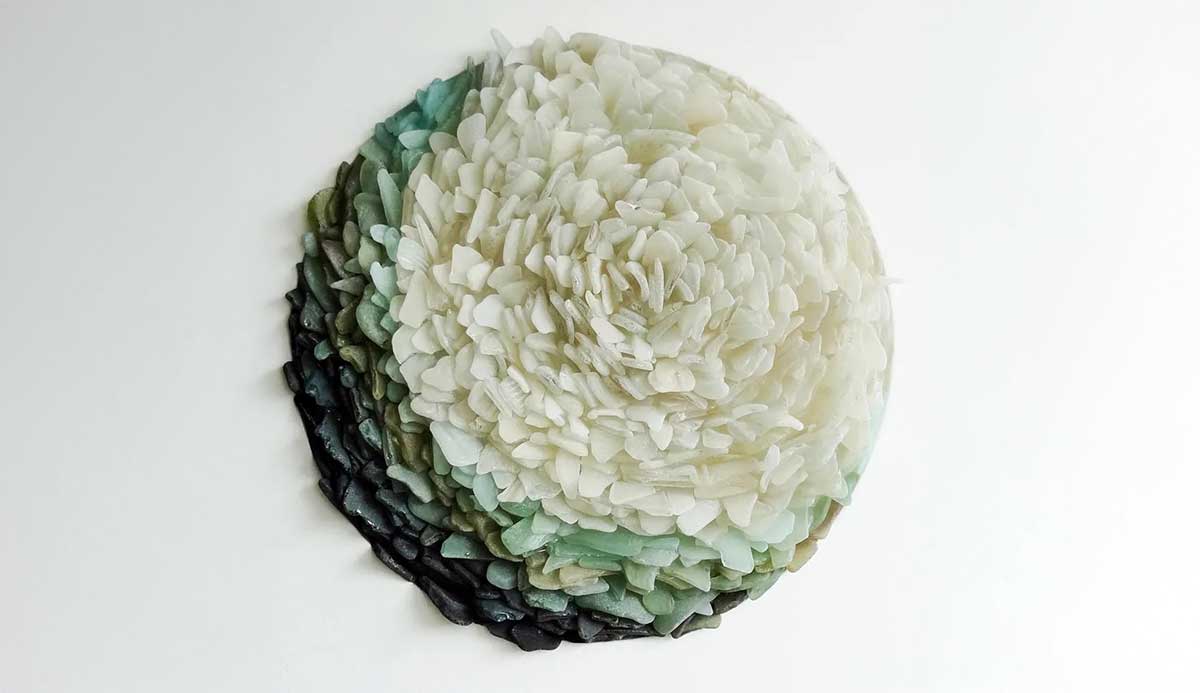
Sea glass is a popular material for arts and crafts, treasured by artisans and hobbyists. Some artists incorporate sea glass into jewelry, selling it to tourists in seaside areas. In most cases, sea glass art is regarded as a decorative art form that has not earned recognition or appreciation among established art world actors. However, this type of art is popular among travelers and locals in the areas where the material is abundant. Still, some artists who work with sea glass have managed to gain significant recognition.
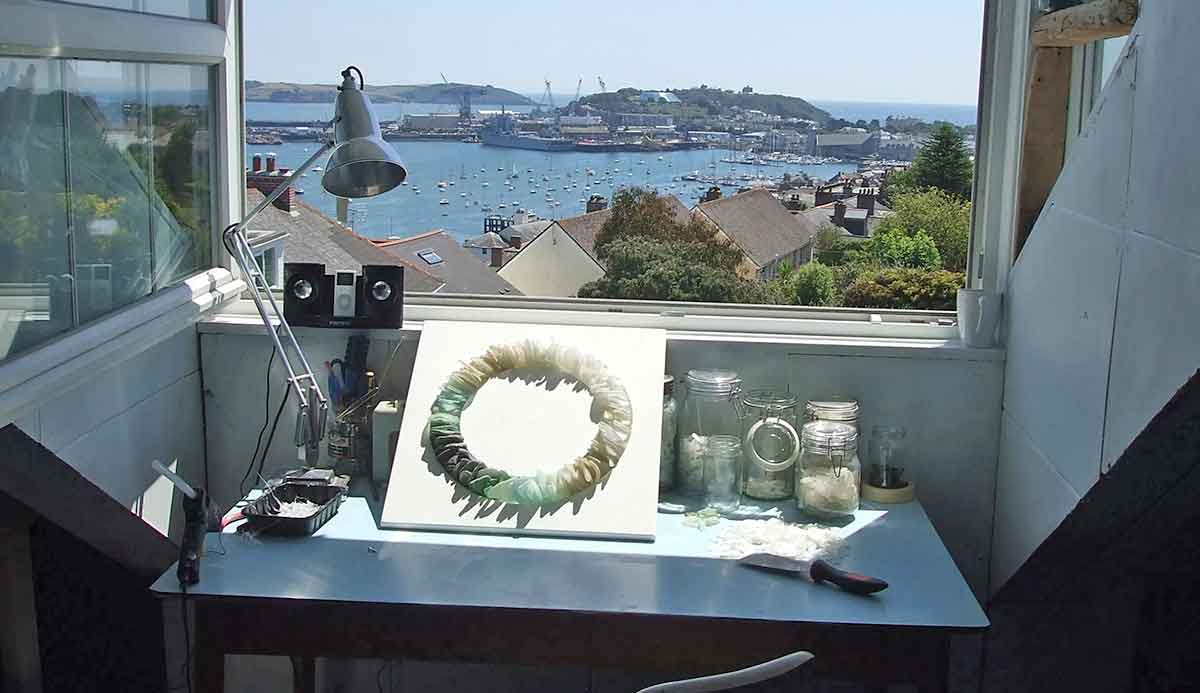
In the 2010s, British artist Jonathan Fuller gained fame for his circular, abstract compositions made from colorful sea glass that he collected in his native Cornwall. Fuller stated that one of the most exciting aspects of his works was the inability to predict the outcome of each day of his glass-hunting process. On some days, he was able to find handfuls of glass barely moving away from his starting point, and on others, he had to walk for miles with no apparent result. The look of his finished pieces also depended on the materials he sourced, making it impossible for him to foresee the result.

Another British artist, Rachel Bellman, gathers sea glass to create minimalist mosaic-like compositions of natural scenes, flowers, or humans. The scenes are dictated by the material at hand and can incorporate anywhere from a dozen to several hundred sea glass pieces. For many artists, the use of sea glass sends an environmentalist message on preserving nature and working hand in hand with it, instead of trying to tailor its processes to human needs. Although sea glass is technically still waste, dumped by humans accidentally or intentionally, nature has been able to transform it into something useful and beautiful. The act of collecting and reusing sea glass both helps clean the environment, reversing the damage done by humans, and raises awareness about pollution.
Sea Glass Under Risk
Environmental scientists warn that the phenomenon of sea glass is now at risk of being lost forever, replaced by a far more dangerous and less eco-friendly material. With the adoption of single-use plastic as a cheaper alternative to glass, it soon took over the packaging market. As a result, land and water almost immediately became polluted with discarded plastic waste. Unlike glass, which can be integrated almost seamlessly into natural environments unless it contains toxic chemicals, single-use plastic can take up to 500 years to decompose.
Even after that amount of time, it does not fully disintegrate, instead turning into smaller and smaller fragments of microplastic that pollute the environment and are consumed by animals and humans through food, water, and air. Despite the dire consequences for the ecology, plastic is much cheaper to produce and handle; thus, corporations are not willing to switch back to more environmentally friendly glass alternatives. The remains of discarded plastic packaging gradually fill beaches worldwide, replacing sea glass that is becoming increasingly scarce.