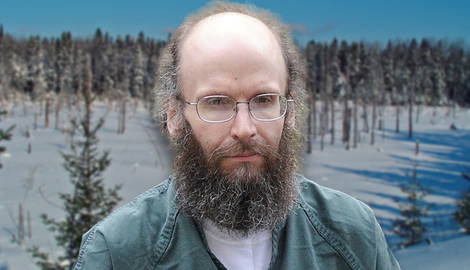
Maine is home to many unknowns. Ninety percent of the state remains forested, and it ranks 42nd among the 50 states in terms of population. Though the vast trees hold many untapped natural secrets, they can also hold man-made ones. In 2013, a man considered to be “the last of the hermits” shocked Maine and the nation when he confessed to living alone in the woods for almost 30 years. Christopher Thomas Knight’s story is almost unbelievable at times and has captivated the public since his discovery.
A Typical Childhood
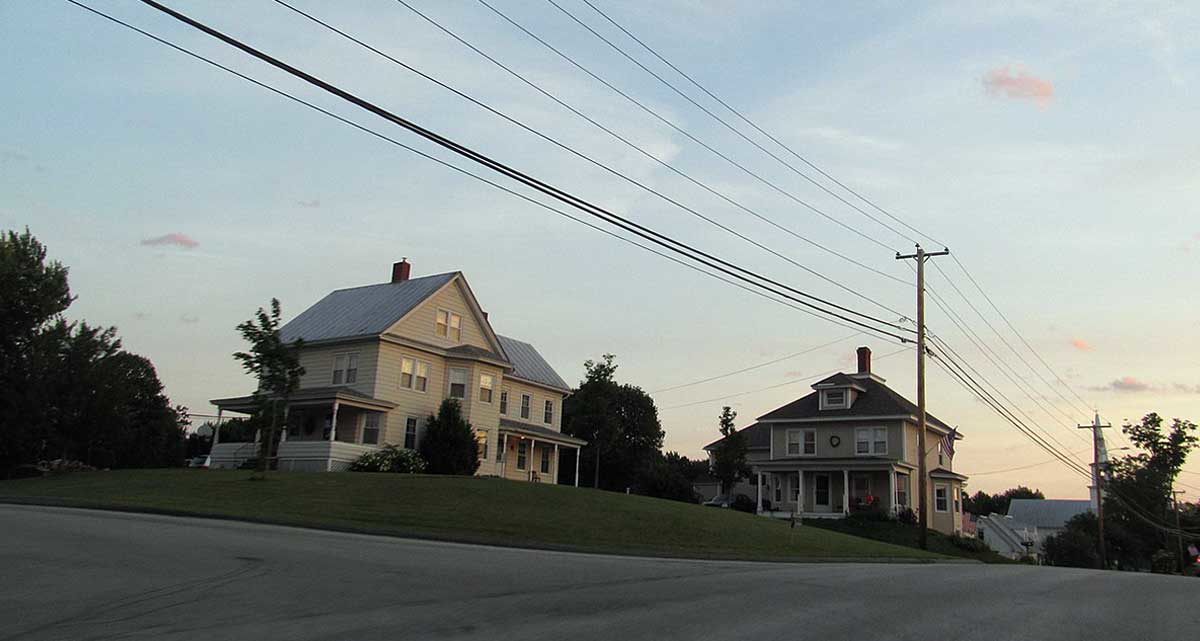
Christopher Thomas Knight’s childhood gave no indication of the extreme isolation to come. Knight was born in 1965 and was raised in the central Maine community of Albion with four older brothers and a younger sister. His family home, where his mother still lives at the time of writing, is a modest place of 50 acres. Albion is home to just over 3,000 of Maine’s 1.3 million people. In later interviews, Knight contended that his childhood was unremarkable and that he had “good parents.”
Though they were Mainers, the Knight family never spent much time camping. Knight remembered moose hunting with his father and occasionally sleeping in the back of a pickup on those trips but never recalled tent camping with his family. Knight attended Lawrence High School in nearby Fairfield, where he achieved excellent grades. His scholarly aptitude was so impressive that he graduated early. However, instead of pursuing more academic work, he decided to learn a trade. Two of his brothers had attended a nine-month electronics course at Sylvania Technical School in Massachusetts, and Knight decided to do the same. Directly after completing the program, he remained in Massachusetts, installing and repairing home and vehicle alarm systems. Little did he know, this knowledge would be instrumental to his future survival.
Into the Woods
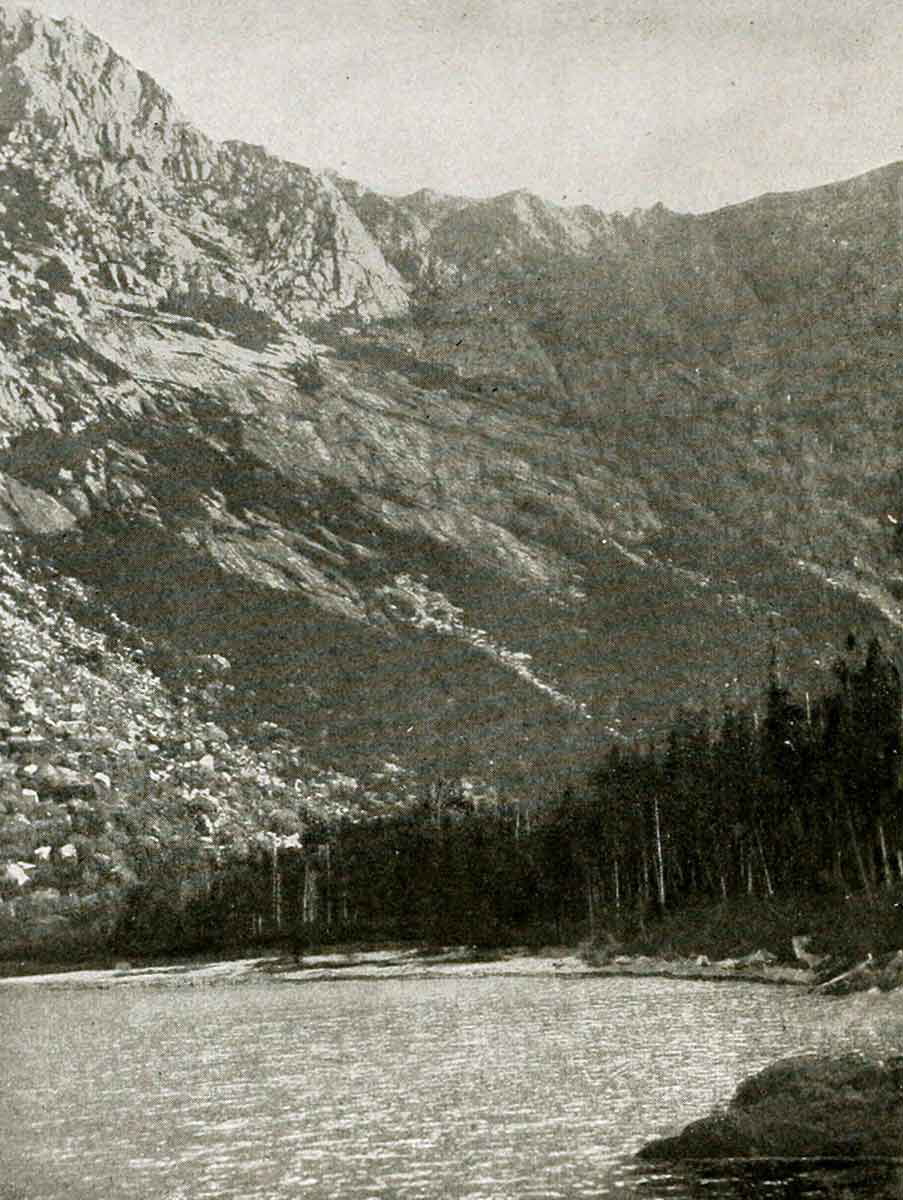
In 1986, Knight brought a new car, cosigned by his brother Joel. One day, without provocation, he got in the car and headed north to Maine. He drove through his hometown of Albion for “one last look around” before continuing to drive north. He ended up driving until he ran out of gas, leaving the car on a rural trail near Moosehead Lake in Greenville, Maine.
Knight had no plan and few supplies. Throughout the summer, he hiked throughout the state, heading back in a southerly direction. He camped in one spot for a week or so before moving on. He foraged for food and even ate roadkill. Eventually, he resorted to stealing from home gardens.
After about two years of roaming, Knight found a spot that would become his home for over two decades. The small clearing was located in the woods near North Pond in Belgrade, Maine. The site was well-hidden, even though it was located just minutes by foot from dozens of cabins in the lake region. Years later, in interviews, Knight insisted that there was no triggering event to his disappearance but that he felt a “tug” calling him to the woods, where he was more comfortable alone as opposed to around other people.
The Life of a Hermit

Knight assembled a tent made of nylon protected by tarpaulins. The location was private property, but the owner never knew he was there. In addition to his main campsite, Knight established a bathroom area, a wash area for himself and his laundry, and an “upper cache” where he stored extra supplies in case he was discovered and needed to make a quick escape. He never had to utilize his egress plan. The remote location around his tent was protected by dense trees and huge boulders. These massive rocks helped protect Knight’s living space from the elements. Nevertheless, in his newfound hermitage, Knight would have no choice but to contend with the rugged Maine climate.

Winters in Maine are some of the most challenging in the United States, with an average of 60-110 inches of snow annually. Blizzards and ice storms are common, with temperatures and high winds frequently exacerbating detrimental weather. Summertime temperatures average about 70 degrees Fahrenheit throughout the state, but winters average 15-25 degrees Fahrenheit, and periods of subzero temperatures are not uncommon.
Despite the frosty climate, Knight never lit a fire. He was worried that smoke might attract visitors. Instead, he attempted to bulk up his body with extra fat before winter set in each year. He used a propane stove, which he stole from a nearby camp, to melt snow for water and cook food, which he also stole. He went to bed early during the winter, rising around 3 a.m. so that he was awake and moving during the coldest parts of the night. He filled his time reading, completing crossword puzzles, and even rigged up an antenna to listen to classic rock and television shows such as Everybody Loves Raymond on the radio.
The Legend Grows
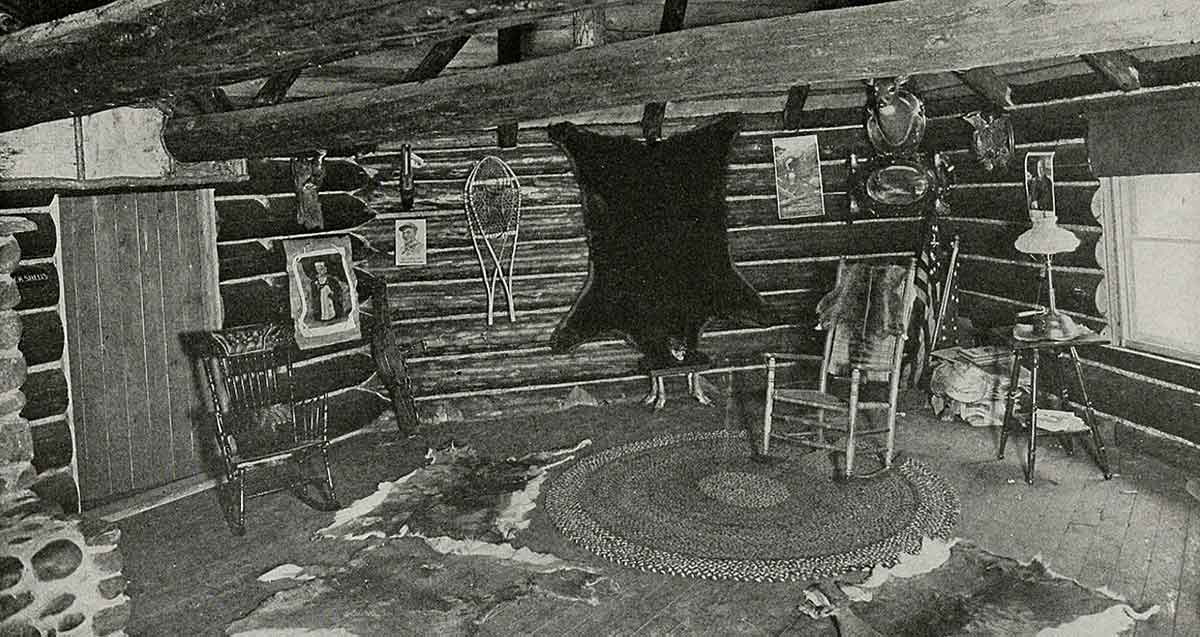
Knight relied on thievery to survive. He broke into area camps over 1,000 times during his residency on North Pond. He stole food, clothing, leisure items, and propane. He was occasionally caught on surveillance cameras, but no one was ever able to identify him or determine where he went. Many of the camps in the region were occupied part-time or only at certain times of the year. A legend grew of a mysterious hermit in the area. Some homeowners went so far as to leave notes on their doors asking the hermit not to break in so that they could leave him what he needed, but Knight never responded. The mythical thief soon became known as the North Pond Hermit. The mythology surrounding his existence was vast and, some believed, impossible. How could someone possibly survive in the woods through Maine winters?
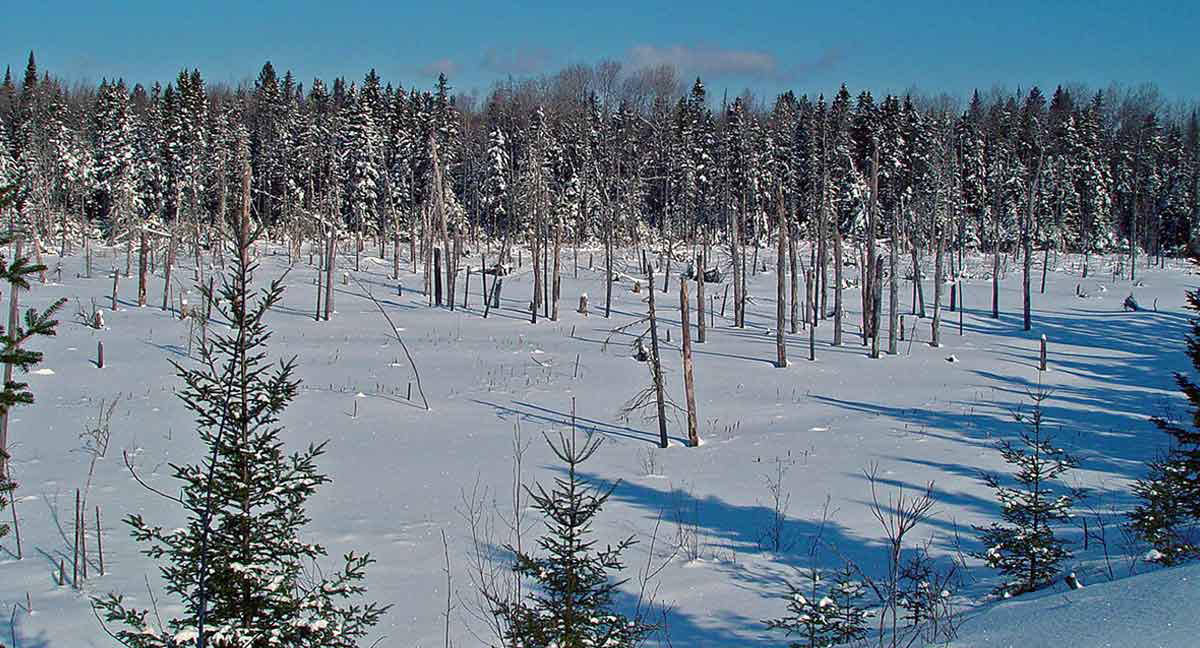
Game Warden Terry Hughes became interested in the case and decided to set a trap for Knight. Working with State Police trooper Diane Perkins-Vance, Hughes used motion detectors and cameras to stake out the Pine Tree Camp. After seeing Knight on film, Hughes, who lived a mile away from the camp, headed out to bag his target. At 1:30 in the morning on April 4, 2013, Knight was arrested without resistance.
Caught

Knight was asked how long he had been existing in the woods. In response, he asked the police officers when the Chernobyl disaster had happened because it was that year that he had entered the wilderness. Though he tracked time on a daily basis, Knight did not track months or years. Knight had been in seclusion for 27 years. He reported that he had never been ill during his time alone, largely due to a lack of contact with other humans. He saw only one other person during his time as a hermit and not as his camp. He encountered a hiker while out and about and said nothing to him but “hi” before moving along.

Knight accepted a plea agreement as part of a restorative justice effort. In exchange for pleading guilty to 13 counts of burglary and theft, he received a five-year prison sentence, with all but seven months suspended and three years of probation. He was also ordered to pay restitution to the Maine State Police, largely to pay for a road that was built into the woods to locate and apprehend him. A later appeal to the state Supreme Court voided the necessity of paying the $1,500 restitution. After he completed his seven-month sentence, Knight participated in a 17-month court program called the Co-Occurring Disorders Court Program. This voluntary program is available to eligible offenders whose crimes have been driven by substance abuse disorder or mental health disorders.

Knight was released and lived with his mother for a while. Eventually, he got a place of his own and now lives in an undisclosed Maine town where he works in an auto shop. Though he is out of the wilderness, Knight continues to endeavor to maintain his privacy, and his family remains tight-lipped about their son and brother. He may wish to live a quiet life, but the public continues to be fascinated by the life of the North Pond Hermit. Social media pages were created in his honor, podcasts and documentaries have told his story, and at least one novel was written about his life in nature. Still, Knight has refused to speak to reporters and, with the exception of one author, has refused requests for contact.
His legend has painted him in many contradicting hues: as a folk hero, a thief who inspired anger and fear, and a man to be admired for his survival. While he may no longer be a man of the woods, Knight appears to be attempting to retain a hermitage within the intricacies of modern society.