The Elgin Marbles are some of the most highly contested pieces of art in history. These stunning sculptures were originally part of the Parthenon temple, dedicated to Athena on the Athenian Acropolis in the 5th century BCE. However, in the 19th century, the British collector Lord Elgin removed many of them and took them to the United Kingdom. This subsection of the Parthenon Marbles is known as the Elgin Marbles. Since their removal, there has been an ongoing debate over where these marbles should be kept and displayed. Read on to learn more about the history of the Elgin Marbles and their stunning imagery.
What Are the Elgin (Parthenon) Marbles?
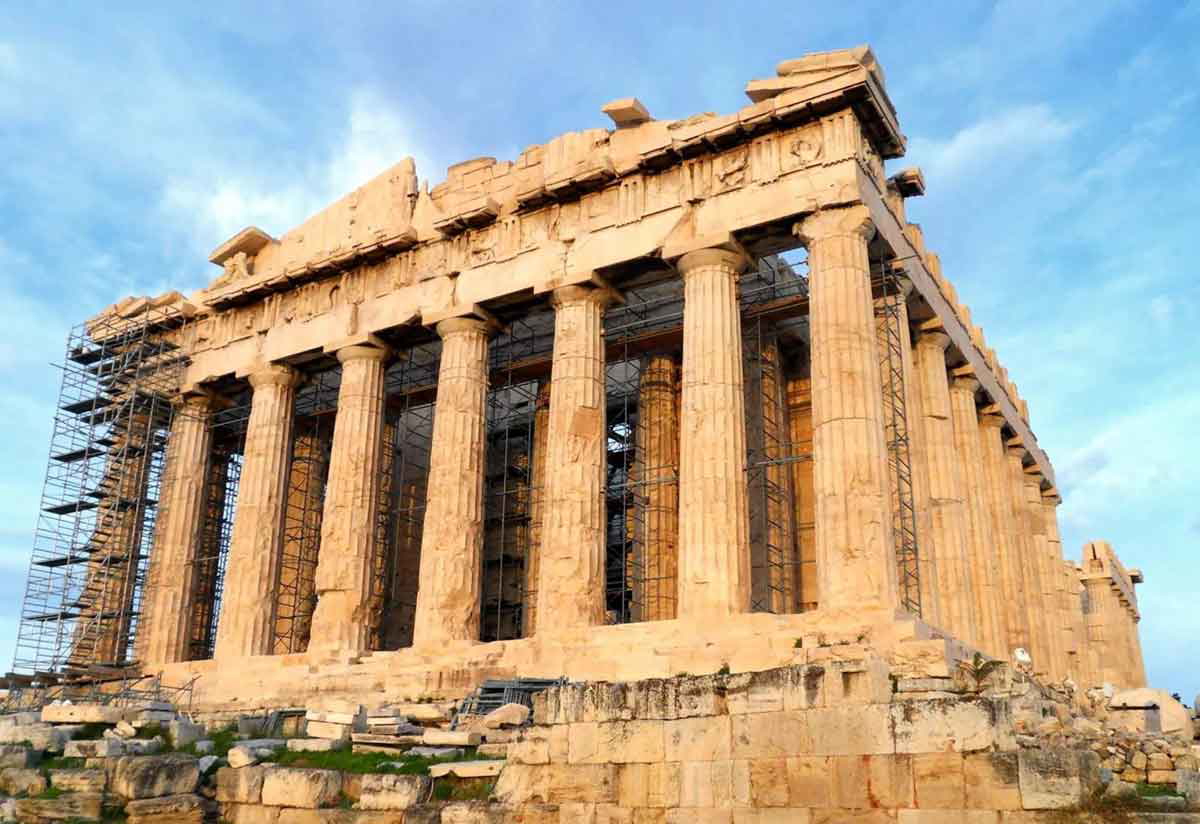
Located atop the Acropolis of Athens, the Parthenon is a classical Greek temple built in honor of the goddess Athena. Designed in the 5th century BCE by the sculptor Phidias and architects Iktinos and Callicrates under the direction of the politician Pericles, the Parthenon is both a formidable and artful example of the capabilities of the ancient Greeks. The temple was ornamented with a series of sculptures showing scenes of Greek mythology.
These Parthenon Marbles became known as the Elgin Marbles in the 19th century when the British collector Lord Elgin removed many of the sculptures from the Acropolis and brought them to the United Kingdom. As early as their initial removal in 1803, this act was criticized as vandalism and theft. In response, the marbles were purchased by the British government in 1816, which transferred them to the British Museum, where they are still on display to this day.
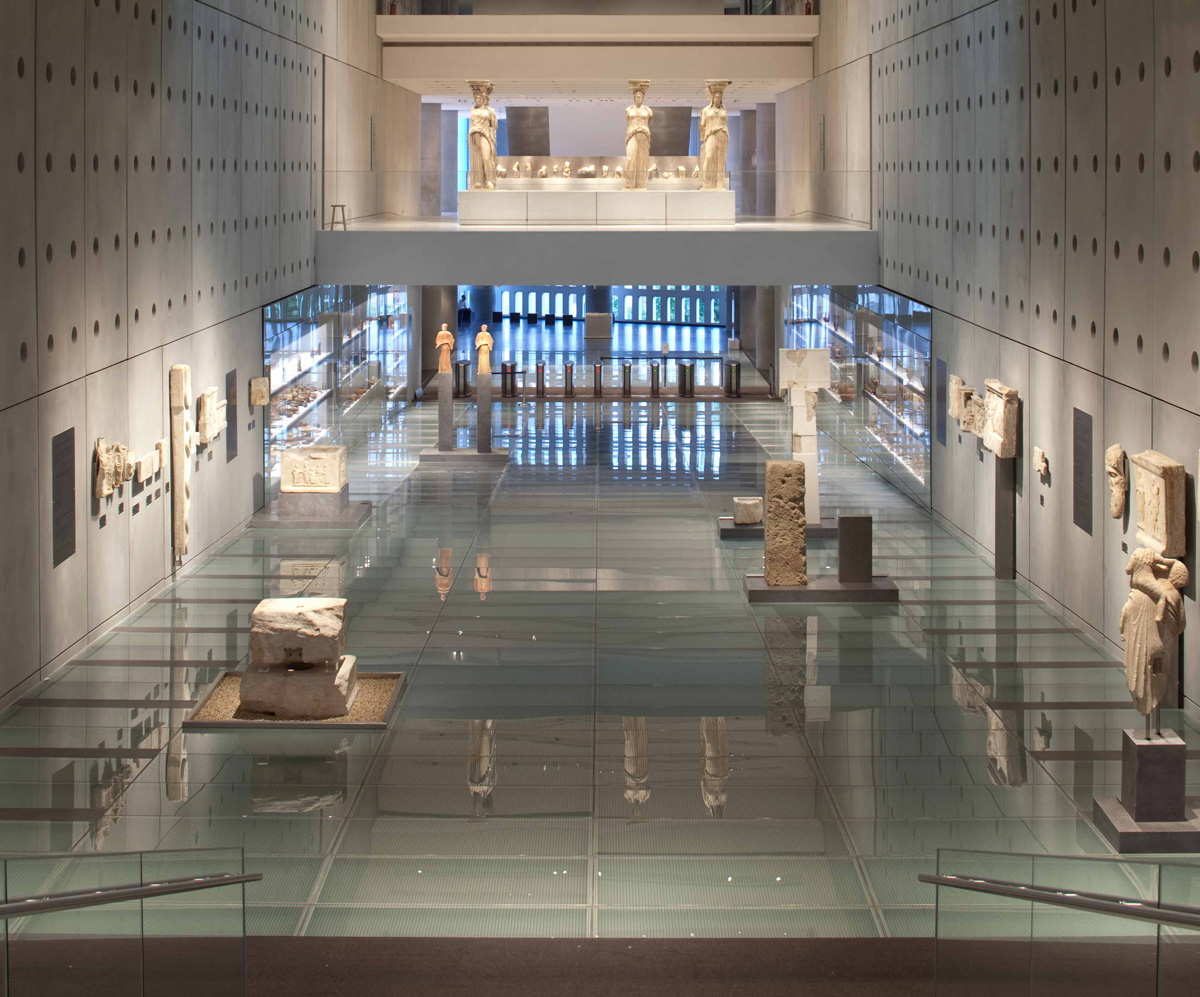
The Greek government argues that the marbles were removed illegally and unethically, and that they should be returned to Greece and housed in the Acropolis Museum in Athens. The UK government views the marbles as an asset to the national wealth and will only consider sending the sculptures back on loan. The debate is ongoing.
Where Were the Marbles Located?
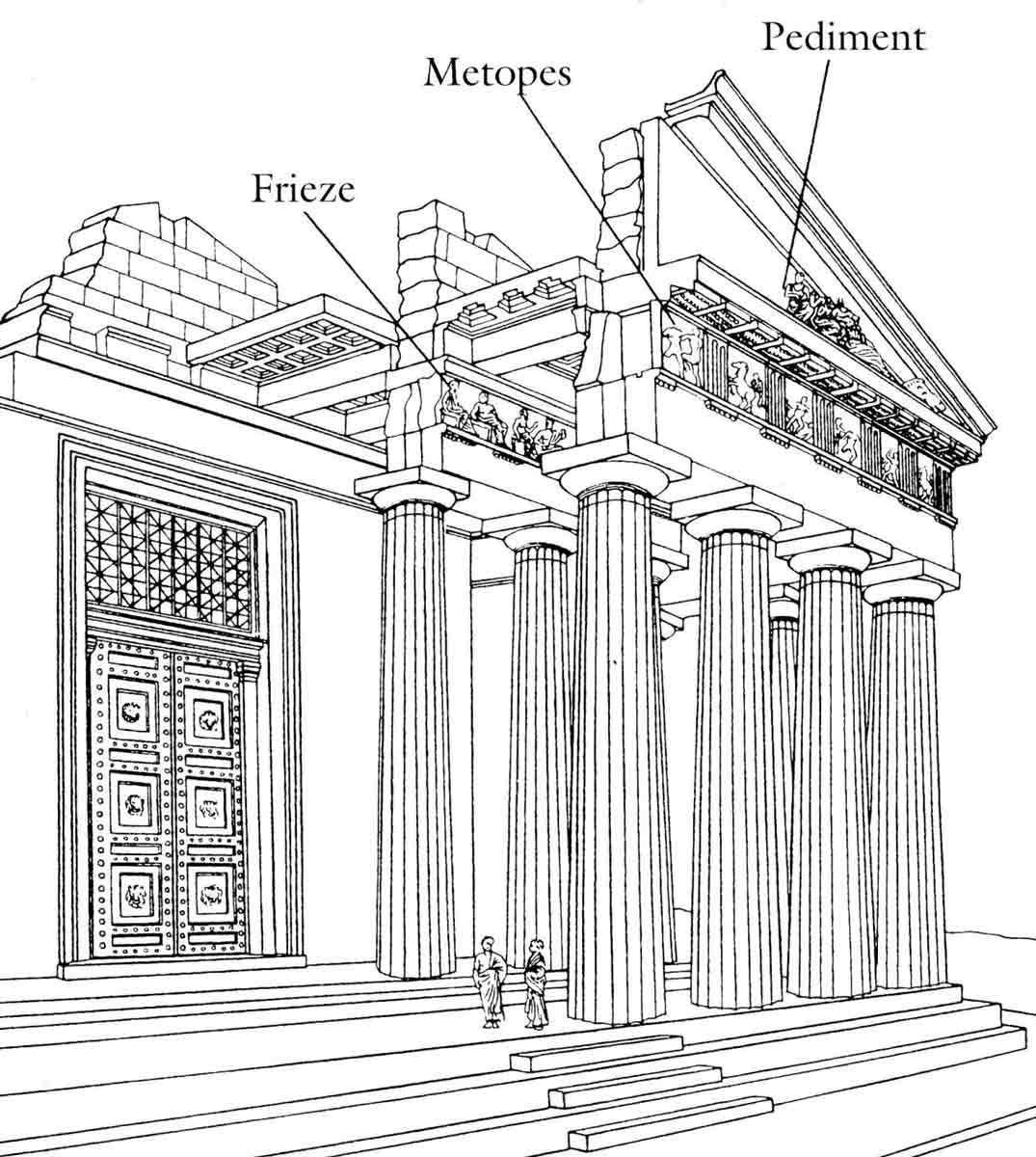
The artworks removed by Elgin were on the frieze, metopes, and pediment of the Parthenon. The Parthenon frieze was a continuous strip of marble with carvings that ran around the top of the temple’s exterior walls. It depicted a long procession of gods and Athenian citizens in honor of the goddess Athena. The metopes were located on the outer side of the temple’s exterior, each one portraying a mythological or historical battle scene. Finally, the pediment was located toward the top of the roof and contained some of the largest, most intricate marble statues.
1. The Parthenon Frieze
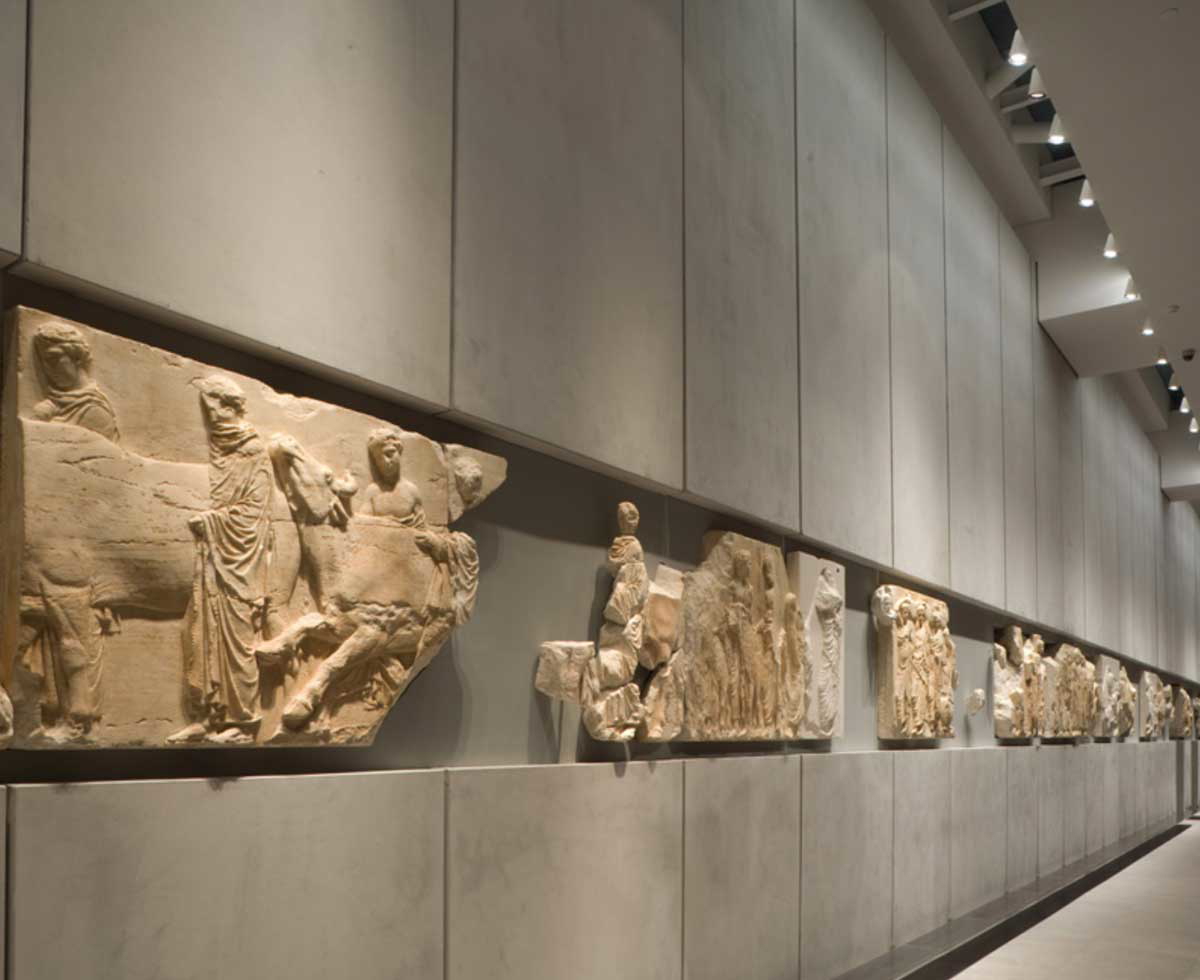
Out of all the Elgin Marbles, the Parthenon frieze is one of the most contentious. The Parthenon frieze was originally a 525-feet-long strip of marble that ran around the exterior of the temple’s cella, or inner area. The carvings along the frieze depict an incredible procession of chariots, horsemen, gods, and Athenian citizens in the worship of the goddess Athena. Though the frieze is a long, continuous artwork, it was separated because of Lord Elgin’s removal. While some pieces of the frieze remain in Athens, there are many holes in the once-unbroken sculpture, with the missing pieces in the British Museum or lost to time.
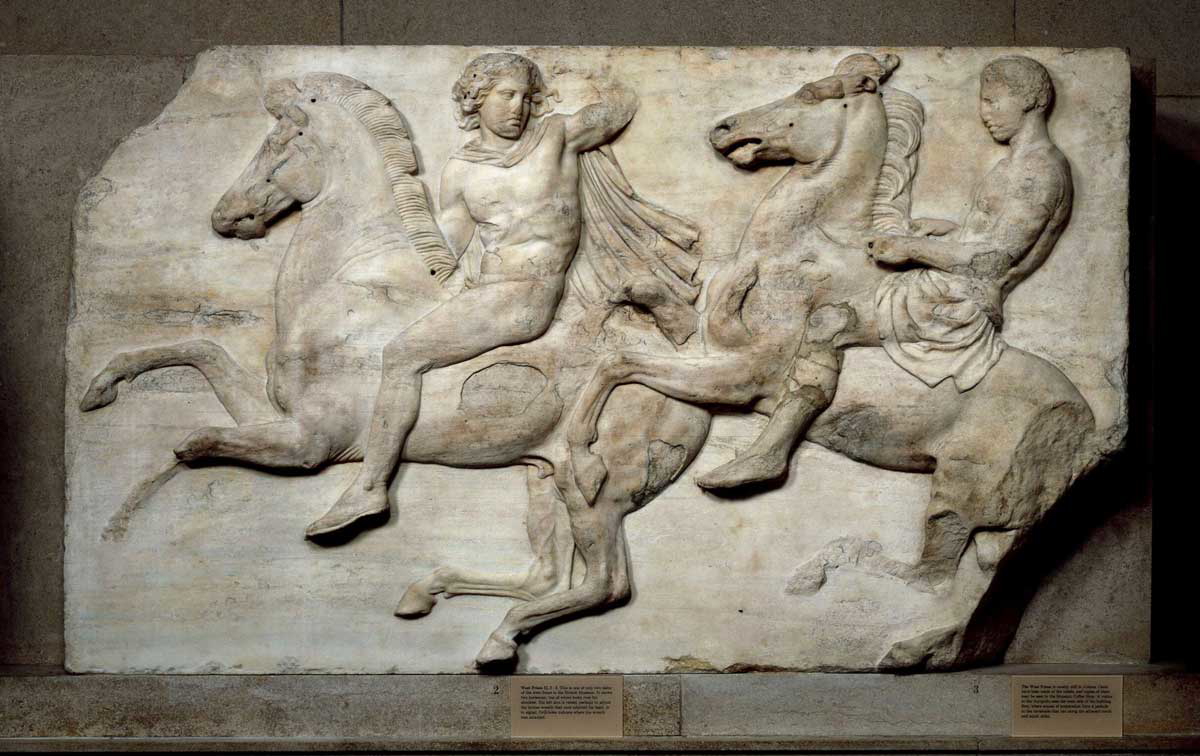
The Mounted Horsemen are from the west frieze of the Parthenon and are a good example of the intricate procession depicted along this lengthy artwork. The Mounted Horsemen were originally designed by Phidias, an ancient Greek sculptor who also created the Statue of Zeus at Olympia, which was among the Seven Wonders of the Ancient World. Created between 438 and 432 BCE, this particular section is on display in the British Museum.
2. Reclining Dionysus
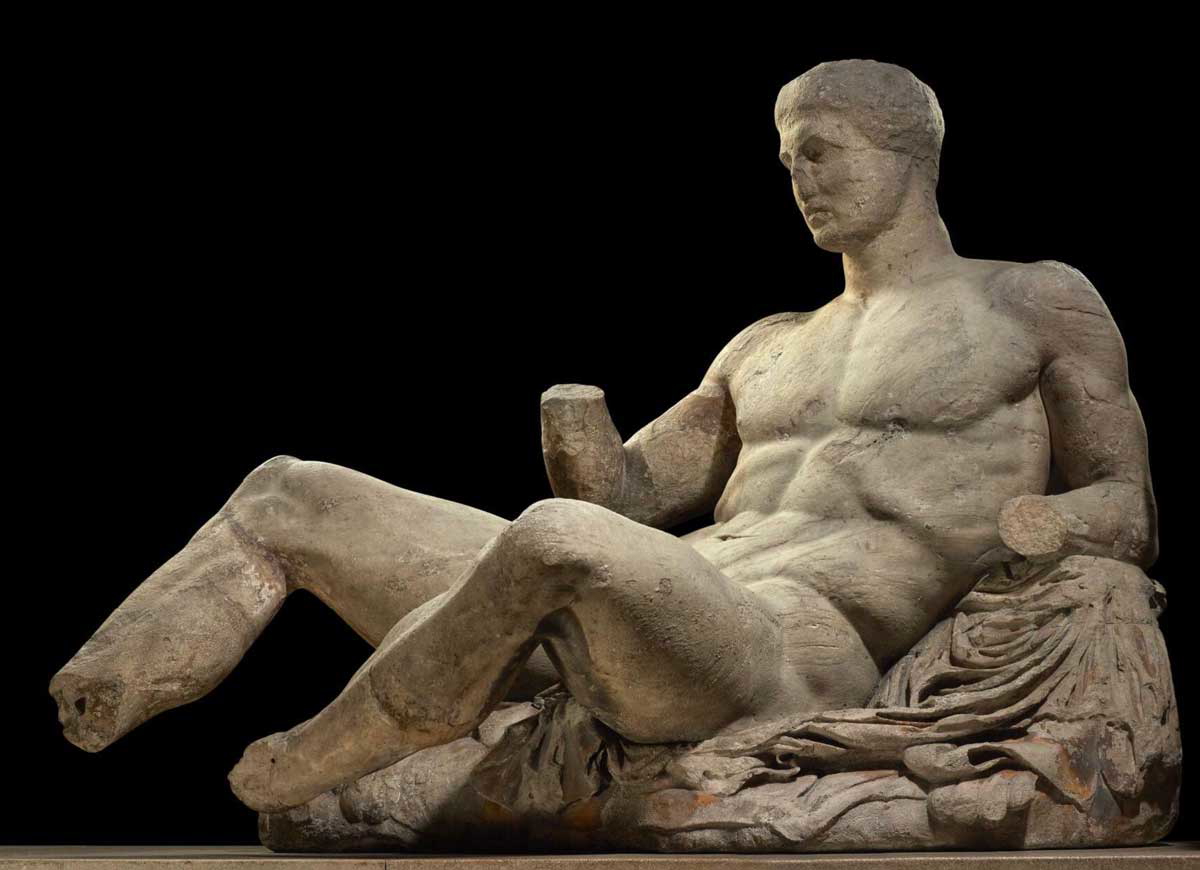
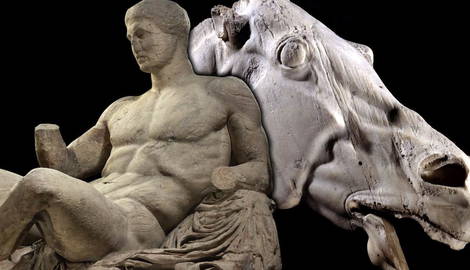
Dionysus by Phidias (438-432 BC) is perhaps the most famous of the Elgin Marbles, considered a masterpiece of ancient Greek art and sculpture. This sculpture was at the very top section of the Parthenon’s eastern pediment near the roof. Dionysus was the Greek god of wine, fertility, ritual madness, and religious ecstasy, which is exemplified through his reclining pose in this work. Originally, this sculpture included a glass of wine in his hand, which has been lost. Other details of the work, like the musculature and animal pelt beneath him, remain remarkably intact. This Dionysus figure was part of a scene depicting the birth of the goddess Athena.
3. Marble Statue of a Horse’s Head
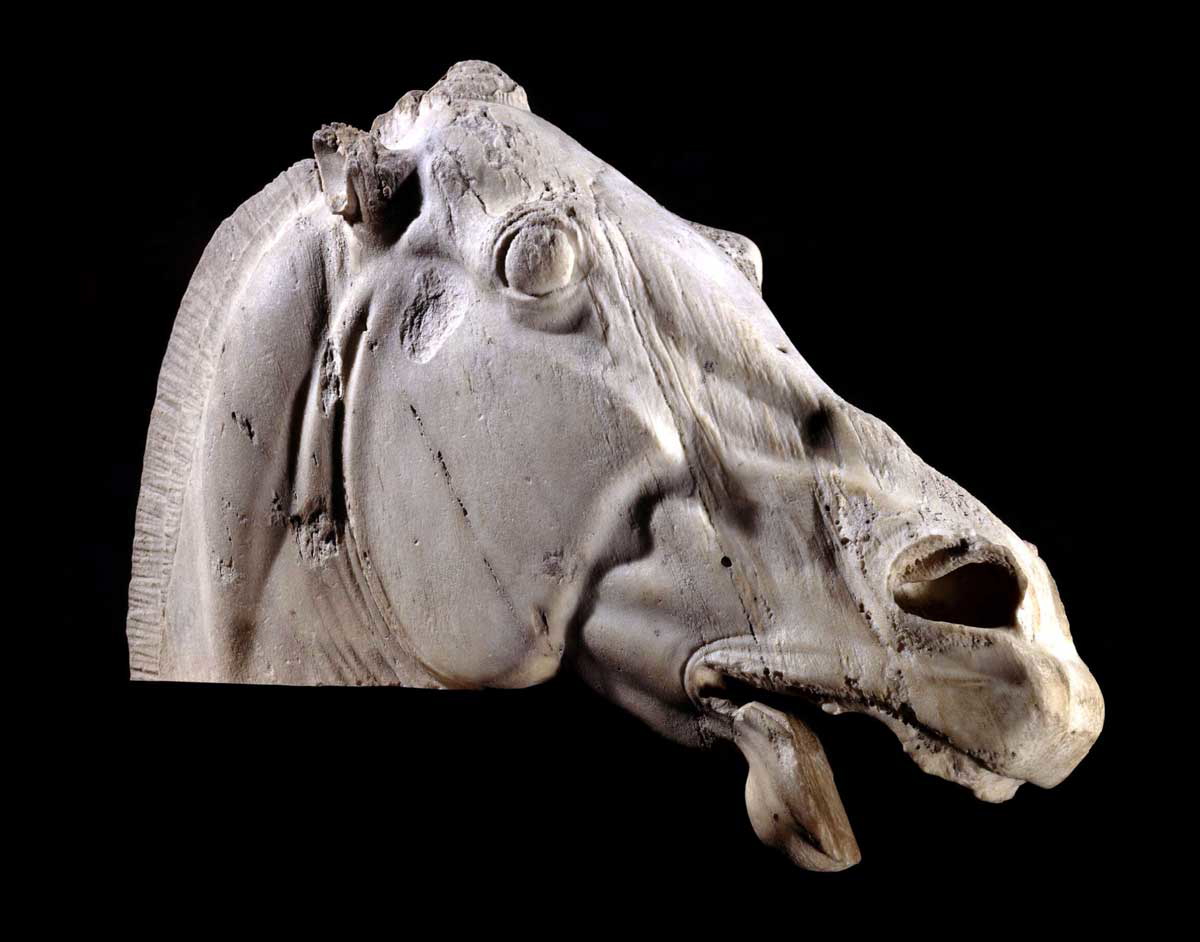
Another notable sculpture from the east pediment is this carved horse’s head. Horses were important figures in ancient Greece, revered and admired in times of both war and peace, and the Parthenon marbles contain numerous depictions of horses. This particular horse is part of the birth of Athena scene and is thought to be one of the horses drawing the chariot of the moon goddess Selene. The details on this sculpture, including the horse’s bulging eyes and open mouth, are remarkably realistic.
4. The Birth of Athena
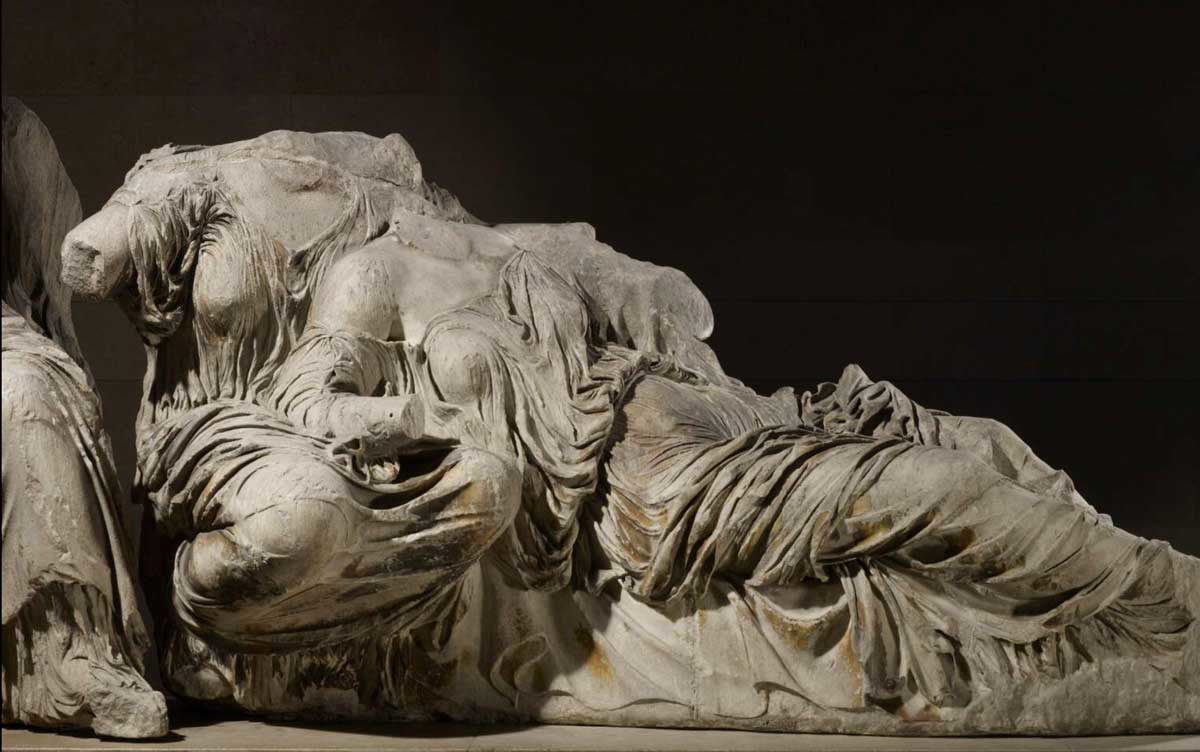
The sculpture known as Two Female Figures also comes from the east pediment of the Parthenon. Another part of the birth of Athena scene, this piece of the Elgin Marbles collection is thought to depict Aphrodite, the goddess of love and beauty, and her mother Dione. These two feminine figures stand out among the marbles due to their dynamic poses and the incredible attention to detail in the sculpting of their robes.
Aphrodite is reclining in her mother’s lap with her shoulder exposed, and though their heads have been lost, Dione is thought to have been looking down at her daughter with pride and affection. While historians are fairly sure these figures are Aphrodite and Dione, there is always room for alternate interpretations given the absence of some key features. One proposition is that these two figures are Thalassa, the Greek personification of the sea, reclining in the lap of Gaia, the Earth.
5. Battle Between Centaurs and Lapiths
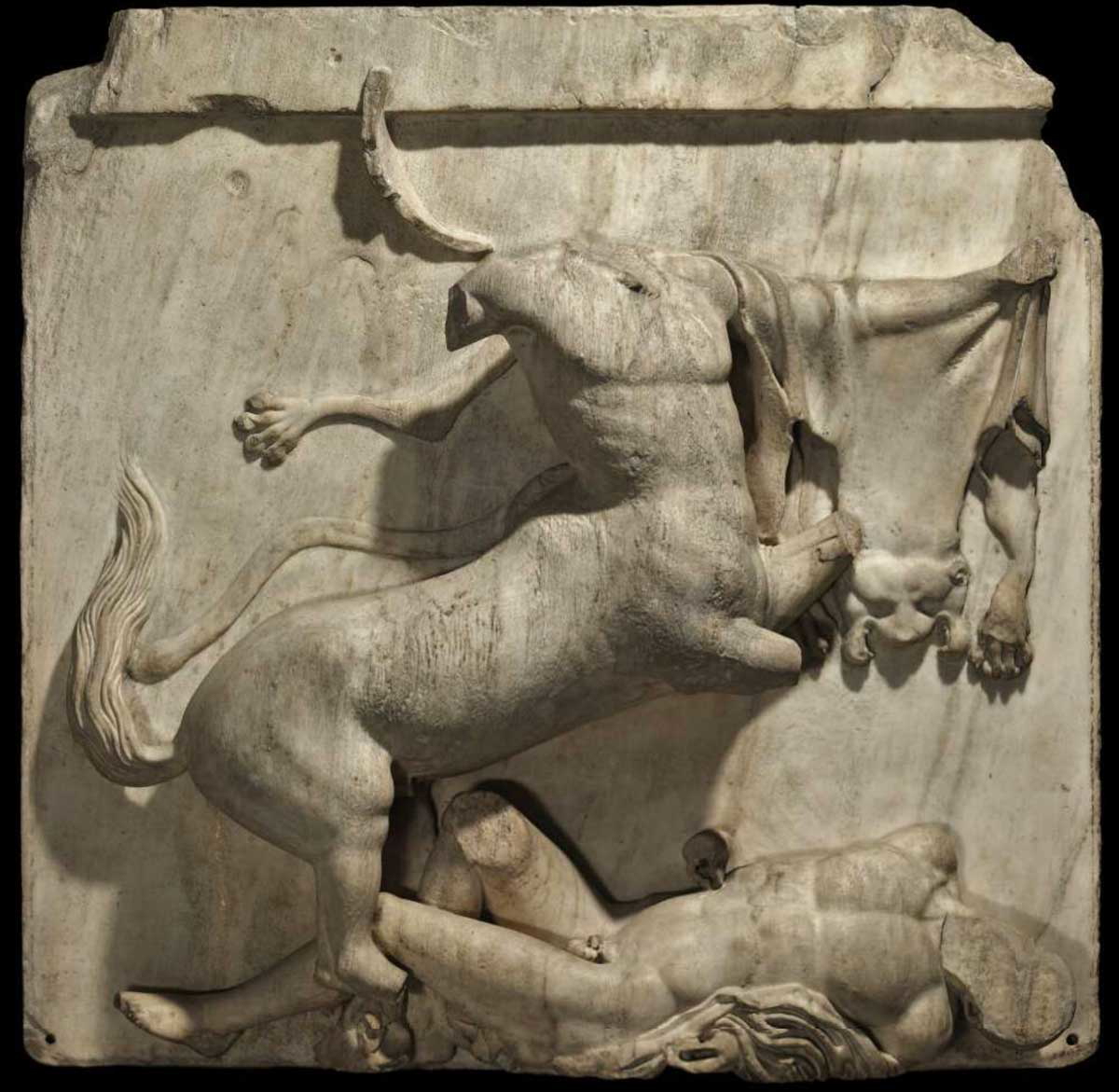
The Parthenon metopes depicted a series of important battles in Greek mythology. One such scene was the battle between the centaurs and the Lapiths, legendary people who lived in Thessaly. Many of the metopes showed scenes related to this mythological struggle, with each metope on the south side of the Parthenon either portraying a centaur fighting a Lapith man or a centaur seizing a Lapith woman. For the ancient Greeks, these scenes represented many themes: the triumph of good over evil, the battle between man and monster, and the war between the Greeks and the Persians in the early 5th century BCE.
Though the Lapiths ultimately won their war according to Greek legend, the metope depictions of battle are quite violent. In the Headless Centaur metope, a centaur’s triumph over a Lapith is shown. The centaur has an incredibly detailed feline skin draped over his arm in a representation of his victory. The Lapith is shown lying down over his chlamys (short cloak), in a position possibly meant to elicit sympathy or shock. The gruesome scene in this metope served as a reminder to ancient Greeks of the dangers of barbarism.
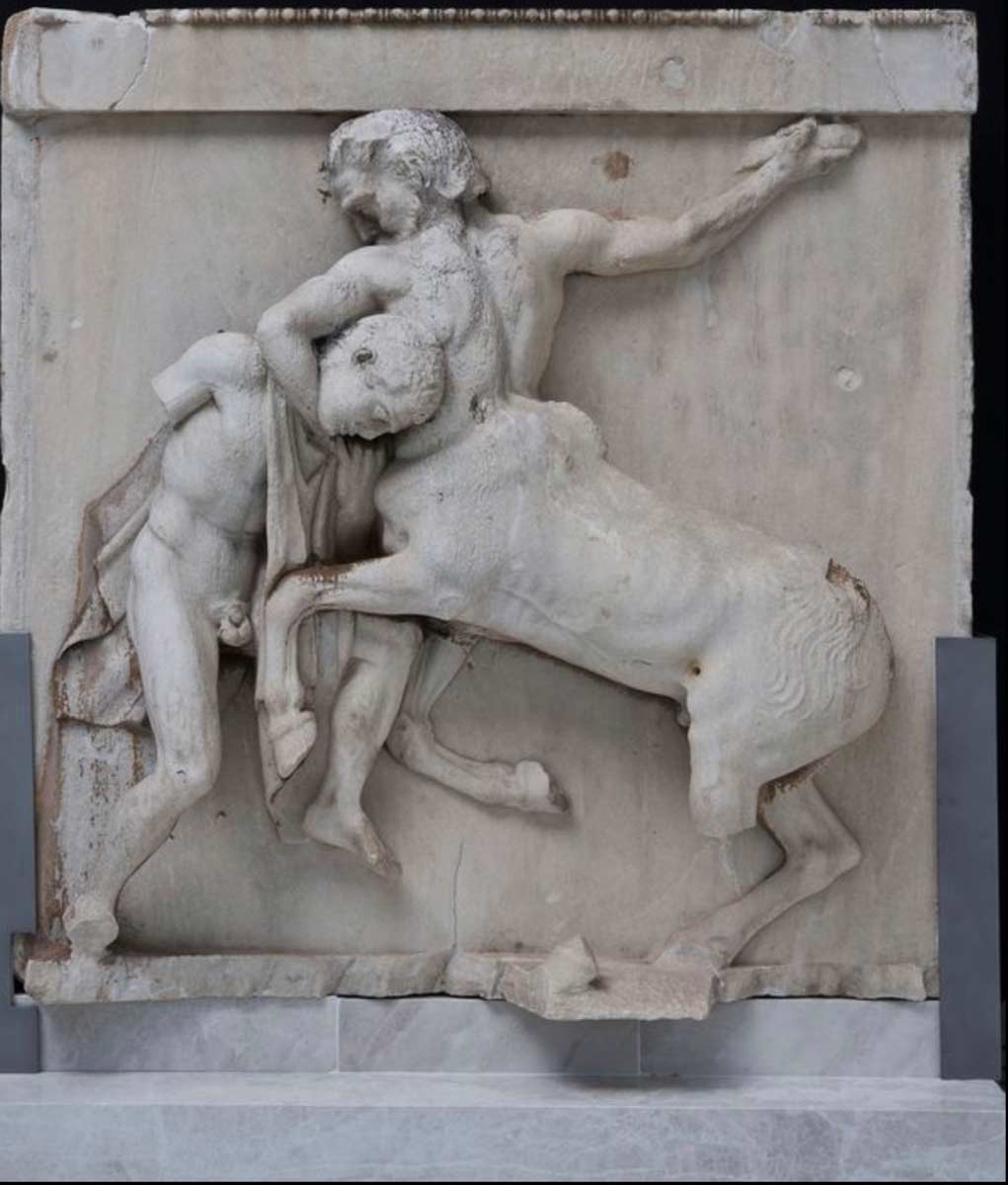
A Centaur Grips the Neck of a Lapith is another metope from the south side of the Parthenon showing a battle between a centaur and a Lapith. Unlike the Headless Centaur, this metope remains in the Acropolis Museum and is not a part of the Elgin marble collection housed in the British Museum. This metope is also different from the Headless Centaur because the battle shown is a little more ambiguous in terms of outcome. Though the Lapith is put in a headlock by the centaur, he is also plunging his spear into the centaur’s belly. The question of who won the fight in this carving is open to interpretation and leaves more room for the viewer to be hopeful.