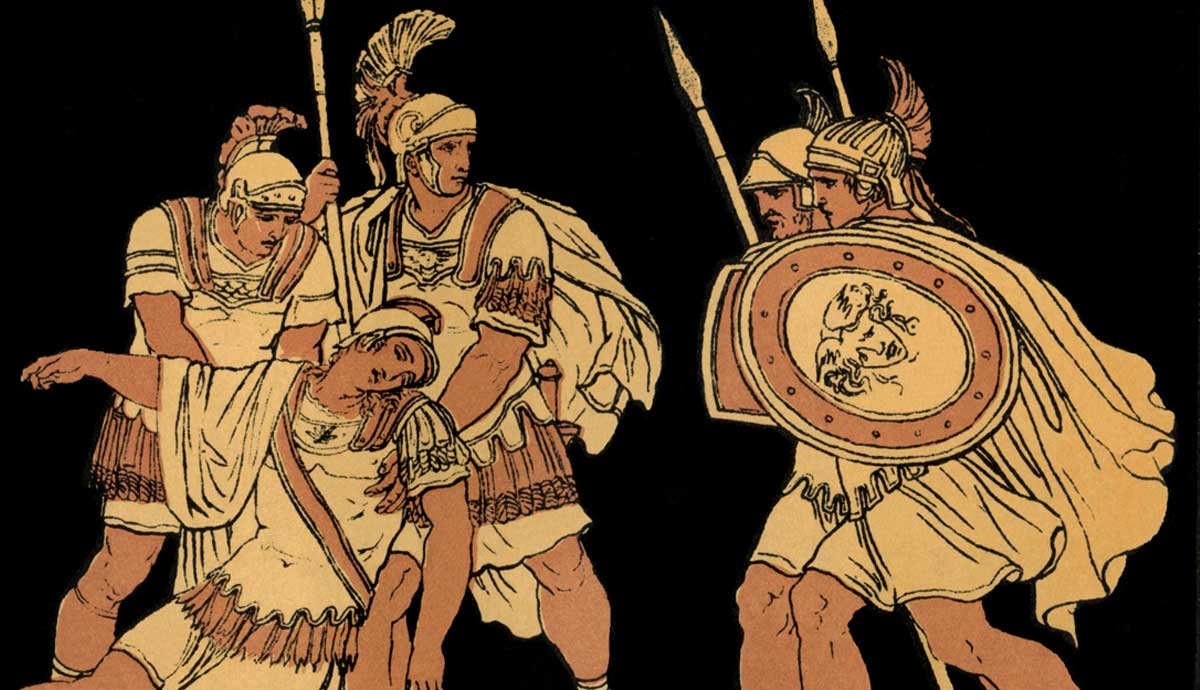
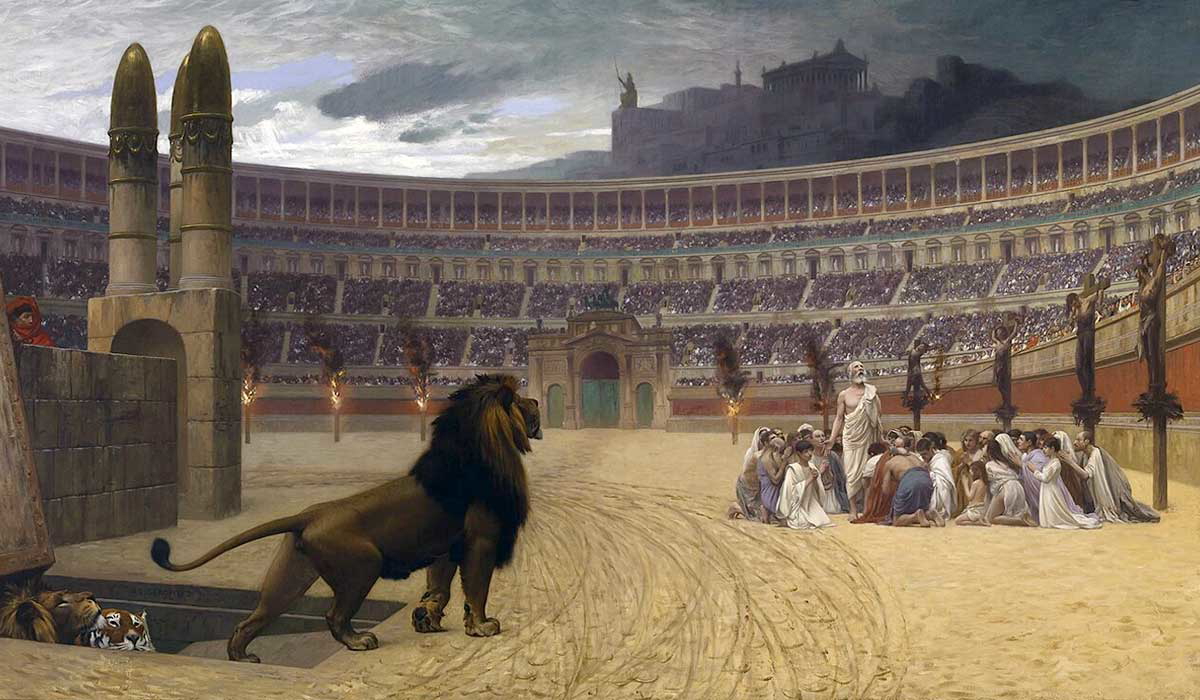
Early Christians in the Roman Empire showed a high level of devotion to their God that made their persecution backfire. On many occasions, the martyrs sang while awaiting execution in arenas. While Roman authorities at the time intended for public executions to serve as a warning to anyone who refused to honor traditional gods, the strategy did not work.
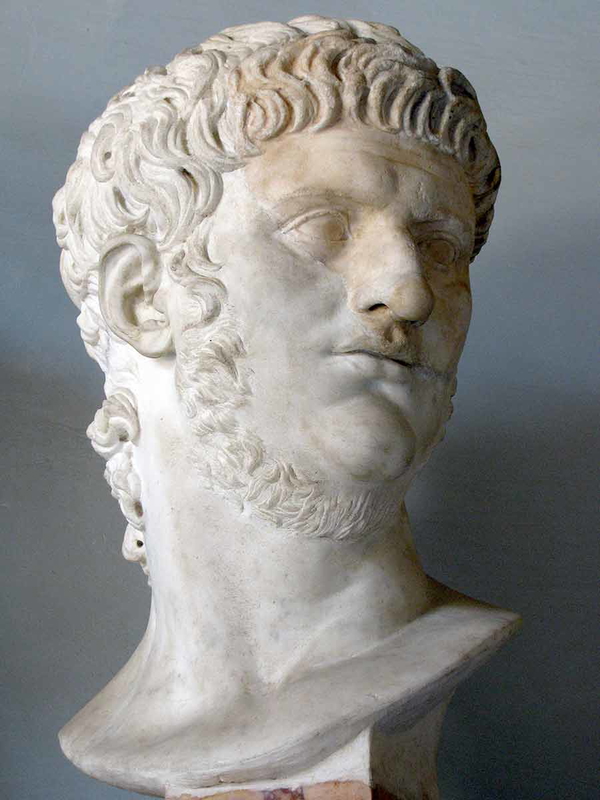
Roman Emperor Nero started the trend in 64 CE after a great fire destroyed much of Rome. At the time, he needed people to blame for the disaster and chose the Christians as they were a small group of secretive people that lived on the fringes of society. The plan to scare the public away from the new faith failed as instead of fear, the lurid sights of their devotion to their faith even in the face of death, created curiosity among Roman citizens.
Christians Gained the Support and Admiration of the Masses
While public executions of Christians were meant to humiliate victims, their displays of courage when facing persecution were rare in a society built on power and self-interest. As a result, many Romans began to wonder what kind of god could give a person such strength. Tertullian, a famous writer from that era, notably wrote that the blood of martyrs acted as the seed of the church. Every time the state killed a believer, more people signed up to join the movement.
While most people in the empire easily added the Roman Emperor to their list of gods in order to avoid trouble, the Christians refused to burn incense to the image of the ruler. Over time, the church became more organized and created a welfare system that the Roman government simply did not provide. When the Plague of Cyprian that emerged in 251 CE killed thousands of people, pagan priests and wealthy citizens fled to their country estates to avoid the sickness. Christians by contrast stayed in the cities to nurse the sick and bury the dead regardless of whether the victims were believers or not. This level of kindness earned them deep respect among the poor and middle classes. The actions also helped to earn the trust of the people.
There Were Challenges in the Implementation of Laws
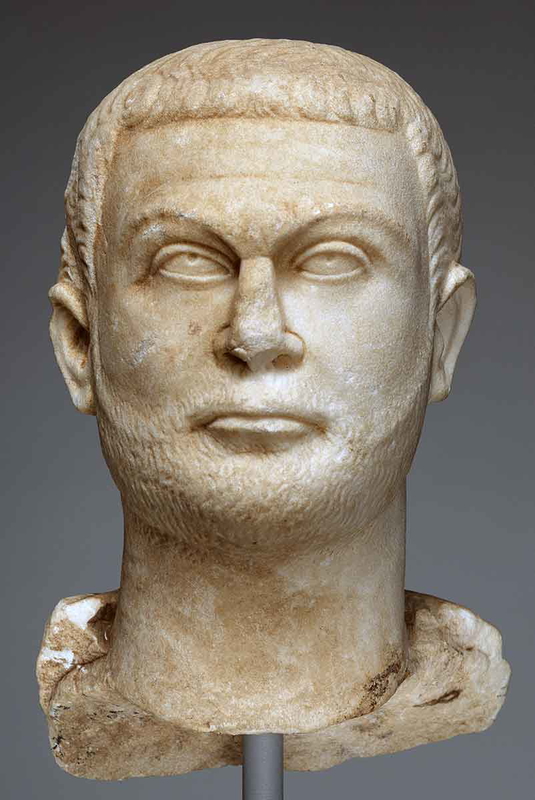
One of the most intense efforts to destroy the faith began in 303 CE under Emperor Diocletian. He ordered the burning of Christian scriptures and the destruction of all churches across the empire. He also removed Christians from the army and the civil service. However, the vast size of the empire meant that local governors could not enforce these rules everywhere with the same intensity. As such, members of the church survived in pockets across the region. In some areas, officials only burned a few books to please the emperor.
Moreover, some Roman elites had already joined the religion and many high-ranking officials had family members who were secretly Christians. In reality, believers had moved from the slums into the palaces. Therefore, attempts to kill them off started to look like a civil war against Rome’s own families. Notably, the violence lasted for eight years but failed to produce the results Diocletian wanted. Upon his death, he left behind a divided and exhausted population instead of a unified pagan empire. Galerius, who succeeded him, was also a fierce persecutor. However, he eventually realized that the campaign was a waste of resources and issued an edict of tolerance on his deathbed in 311 CE. He even asked the Christians to pray for his health.
Leaders Eventually Supported Christians
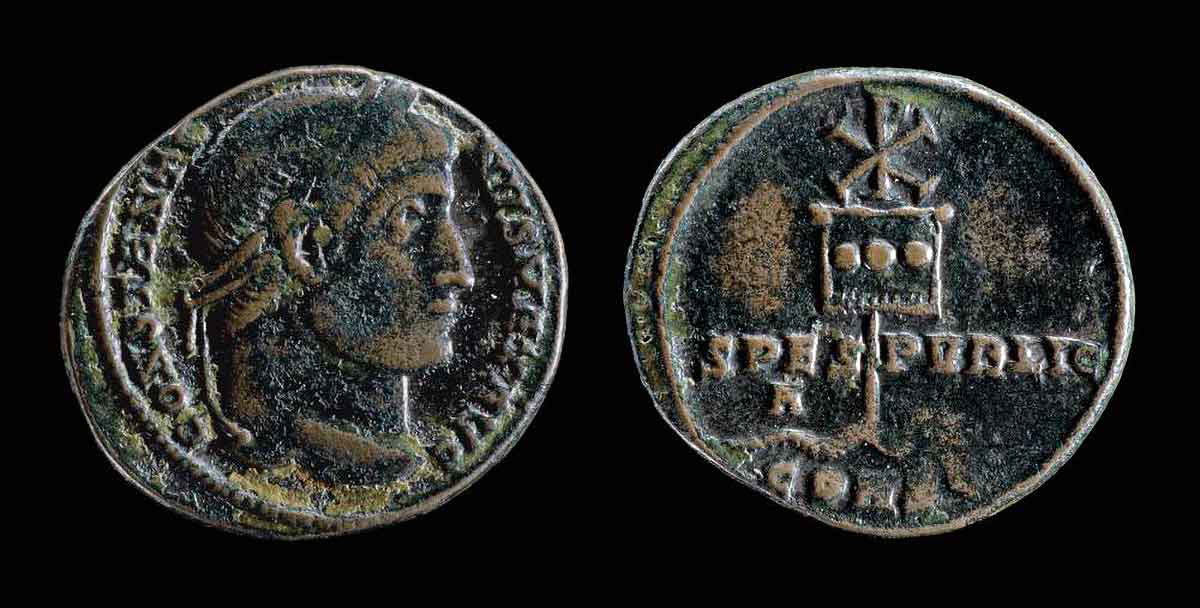
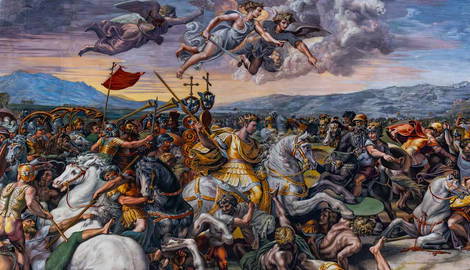
The final collapse of the persecution decrees against Christians came in the form of a military leader and future Roman emperor named Constantine. At the time, he was a general who fought for control of the empire. He claimed to have seen a vision of a cross in the sky before a major battle in 312 CE. The victory at the Battle of the Milvian Bridge convinced him that the Christian God was a powerful ally.
Soon afterwards, new laws were drawn up to stop the persecution of Christians and return all the property that the state had stolen from the church. Constantine and his co-emperor, Licinius, signed the Edict of Milan in 313 CE to make this official. Soon, Constantine began to commission the construction of massive basilicas. He also gave bishops the power to act as judges.
It is estimated that about 10 percent of the empire was Christian by the time the persecution ended.