HomePhilosophy
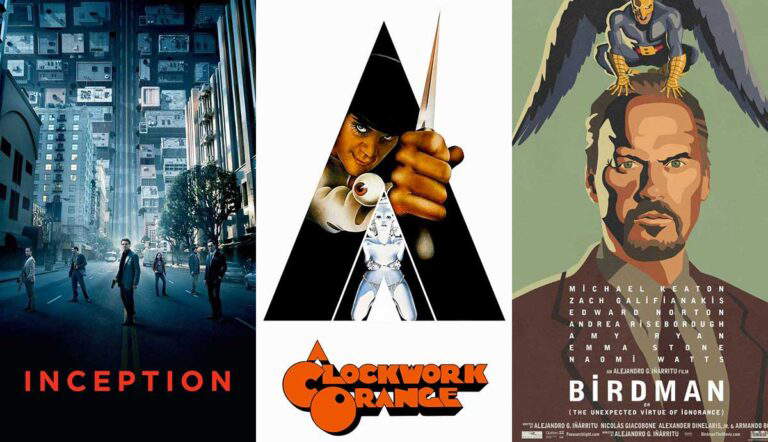
The art of cinema excels in evoking deep reflections and conversations. Here are some of the best examples of philosophy in film.

Political myths provide the common-sense motivation and justification for political calls to action.
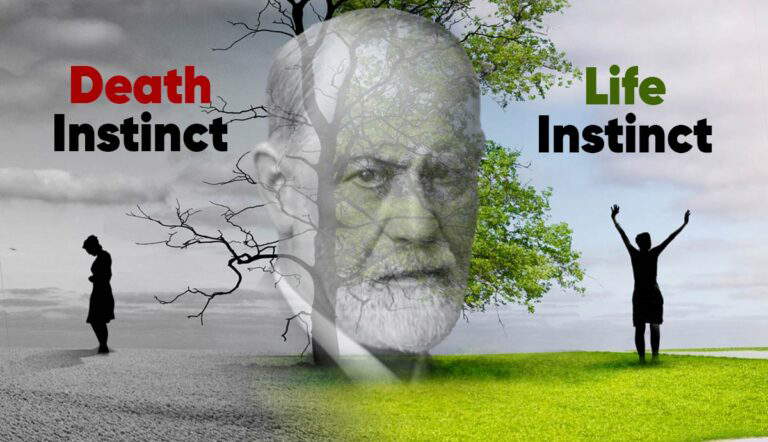
Freud theorizes two structurally opposite instincts—the life and death instincts—to provide a basis for human behavior, including behavior that is apparently self-destructive.

How can things change if nothing comes from nothing? Discover how Aristotle solved a 2,000-year-old paradox that still shapes our world.
Devastated by the failure of his marriage and working through some personal demons, Camus wrote "A Happy Death," his darkest novel.
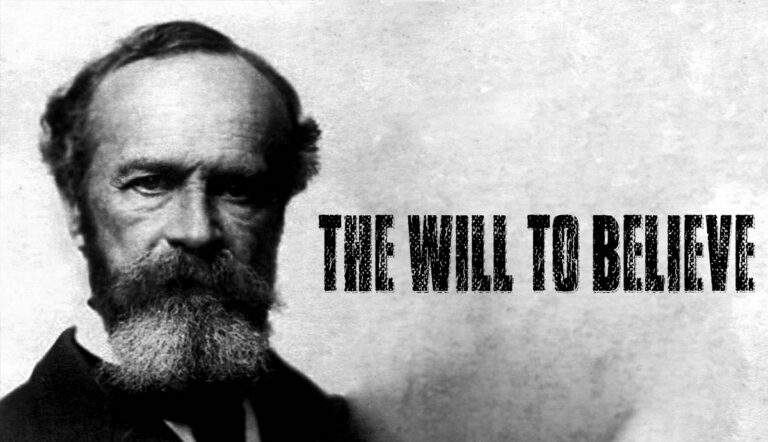
Explore one of William James’ most renowned works—his essay “The Will to Believe.”

Camus’s life was marked by a conflict between solitude and solidarity that informed his philosophy.
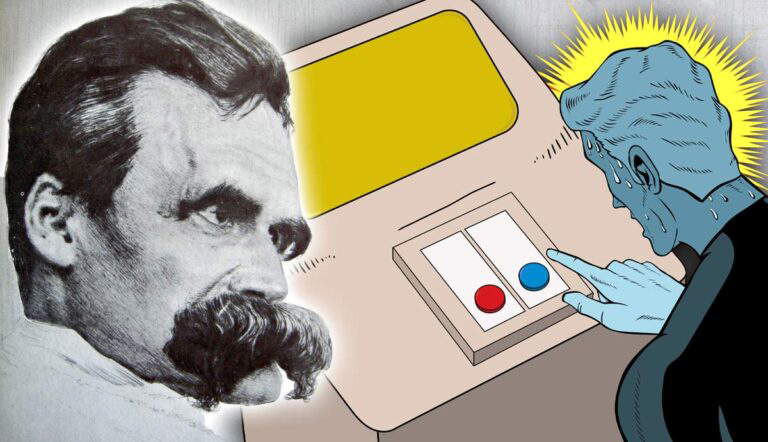
Nietzsche’s Will to Power transcends left-right divides, urging relentless self-overcoming instead of blind loyalty to rigid ideologies.