The northern Italian city of Turin lived through every possible era of Western history and was profoundly marked by it. It was a developed Roman colony, a medieval science center, the first capital of unified Italy, and the center of anti-fascist resistance. Unlike other major Italian cities, it has a significantly lower number of tourists yet still has much to offer to those interested in history. Read on to learn more about Turin’s historical landmarks and must-see places.
1. Porta Palatina Gate: Turin’s Ancient History
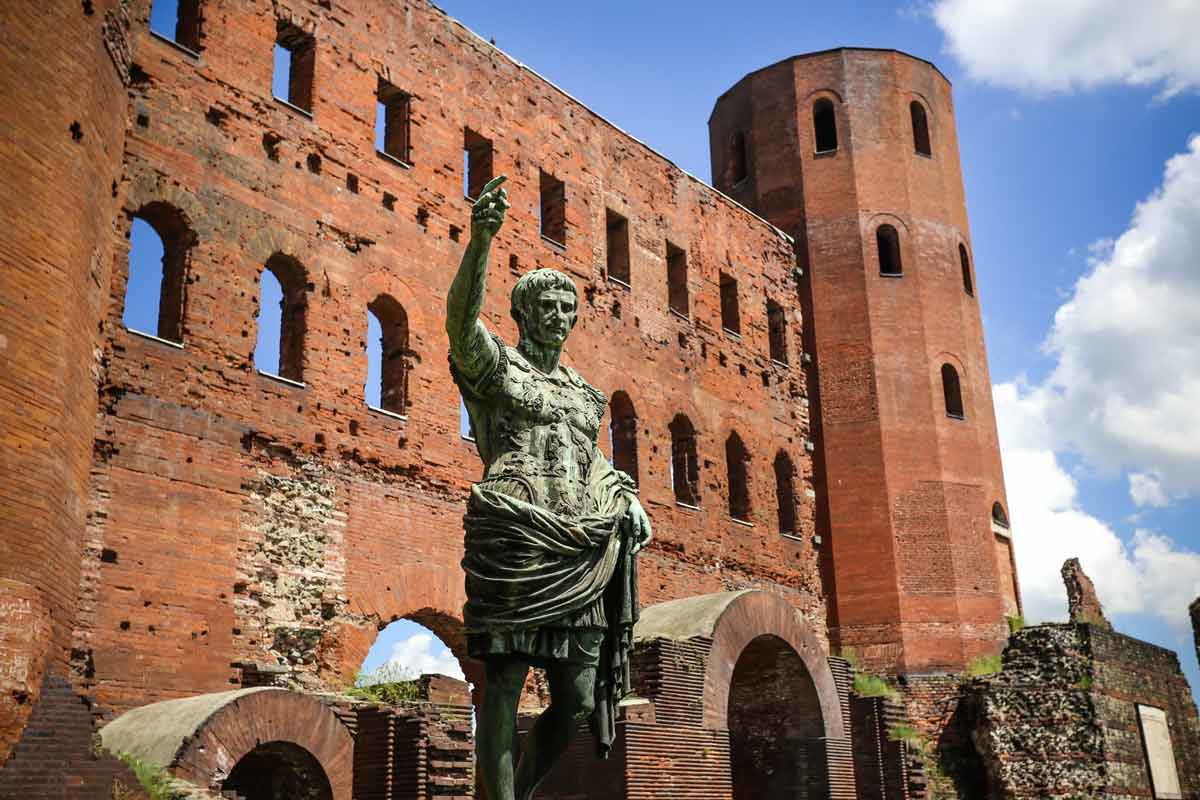
Turin’s ancient history dates back to the 1st century BCE when Romans founded it under the name Augusta Taurinorum. Over the centuries, the city accumulated evidence of many eras and cultures passing by, yet its origins are still present. Right next to the busy city center, you will find remains of the city walls and gate, known as Porta Palatina. The red brick structure and the original stone paving were preserved remarkably well despite a series of unfortunate restorations in the modern era.
Today, the area around Porta Palatina functions as a recreational space for locals and tourists. Some fans of modern art might feel like they are looking at something vaguely familiar. The Roman gate, as well as many elements of the city’s architecture, remind some of the paintings by Giorgio de Chirico—and for a good reason. The artist only visited the city briefly in 1911, yet he insisted that the place made a formative impact on his aesthetic vision.
2. The Royal Palace of Turin
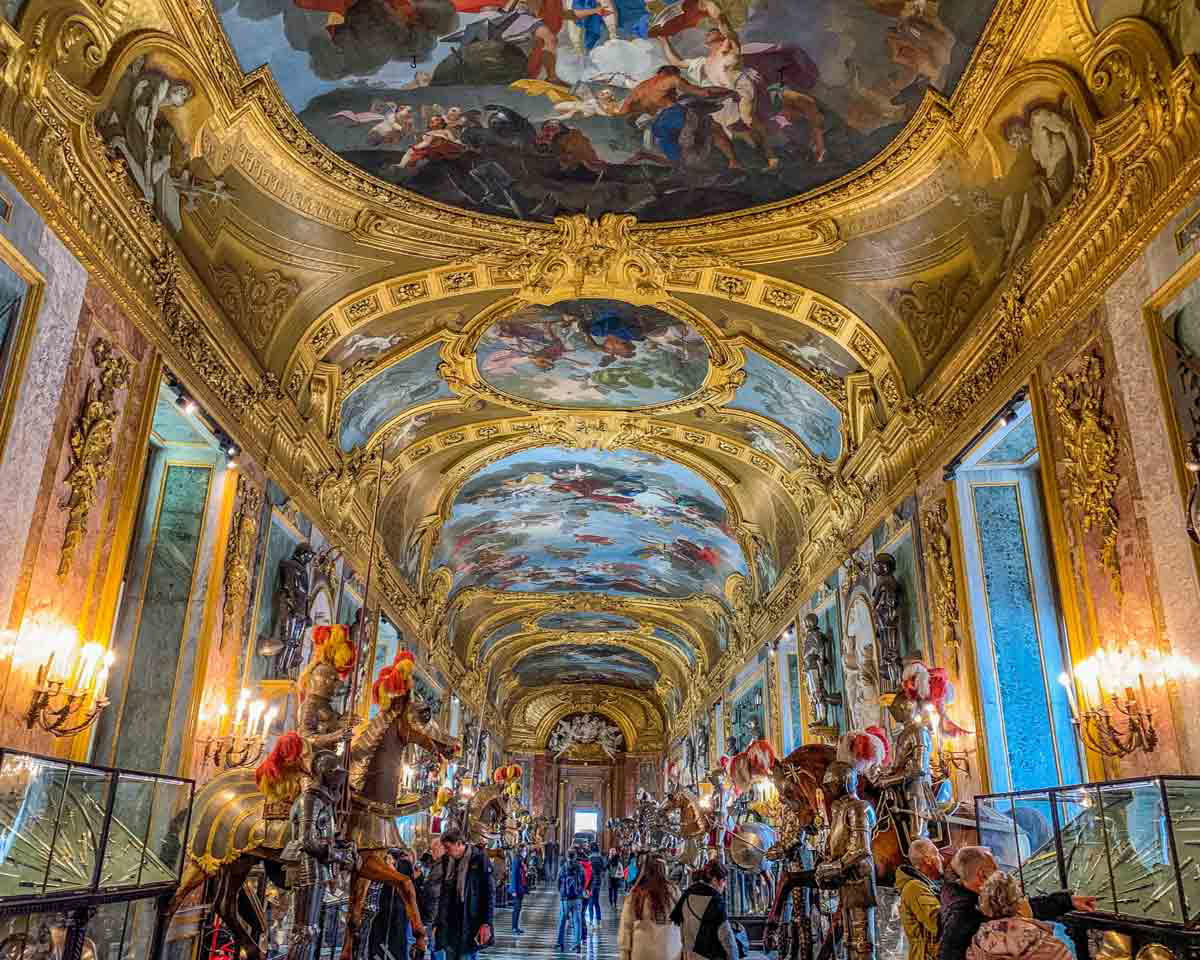
Turin is the capital of the Royal Savoy dynasty, whose power in various eras spread to Nice, Sicily, and parts of present-day Switzerland. The House of Savoy originated in the 11th century and still remains active, although it has greatly tarnished its reputation due to its collaboration with the fascists during World War II and a series of public scandals that occurred in the 2000s.
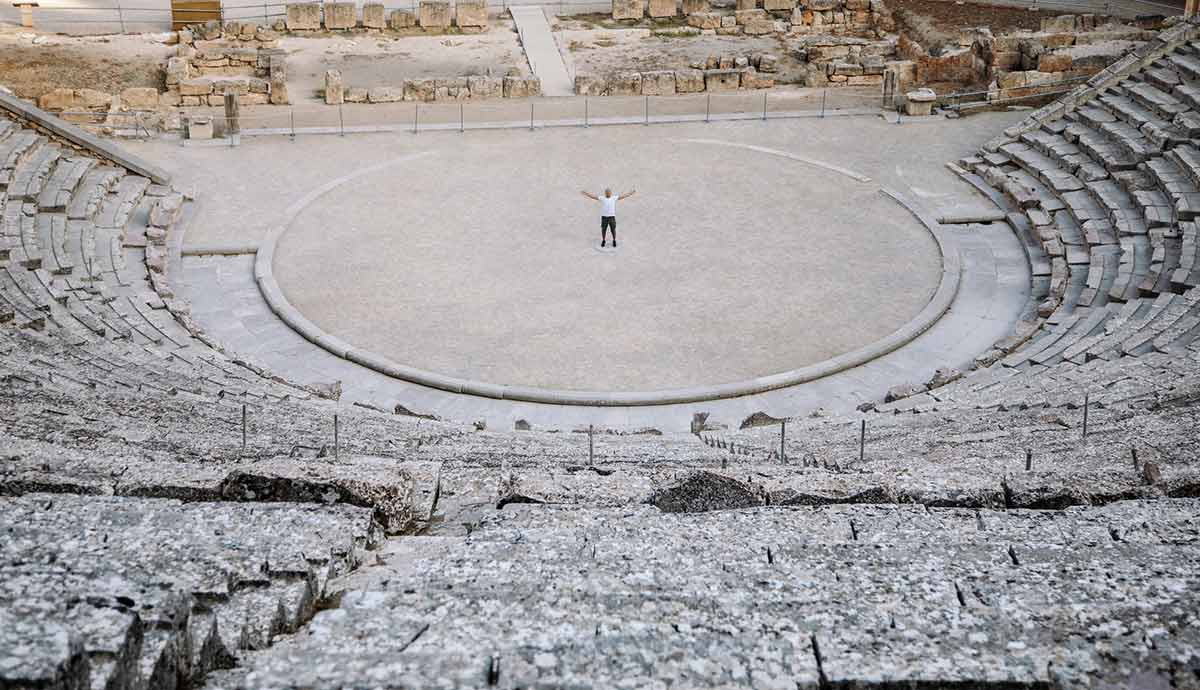
The many palaces that the Savoys built over the centuries of their reign are now protected by the state as World Heritage Sites. Apart from an impressive collection of art, armor, and historical artifacts, the museum complex takes care of an ancient Roman theater located right outside of one of its exits. Built around the 13th century BCE, it was accidentally rediscovered only in 1899 during the Royal Palace’s reconstruction. After a series of conservation works, the theater is now used for occasional concerts and performances.
3. Friedrich Nietzsche’s House
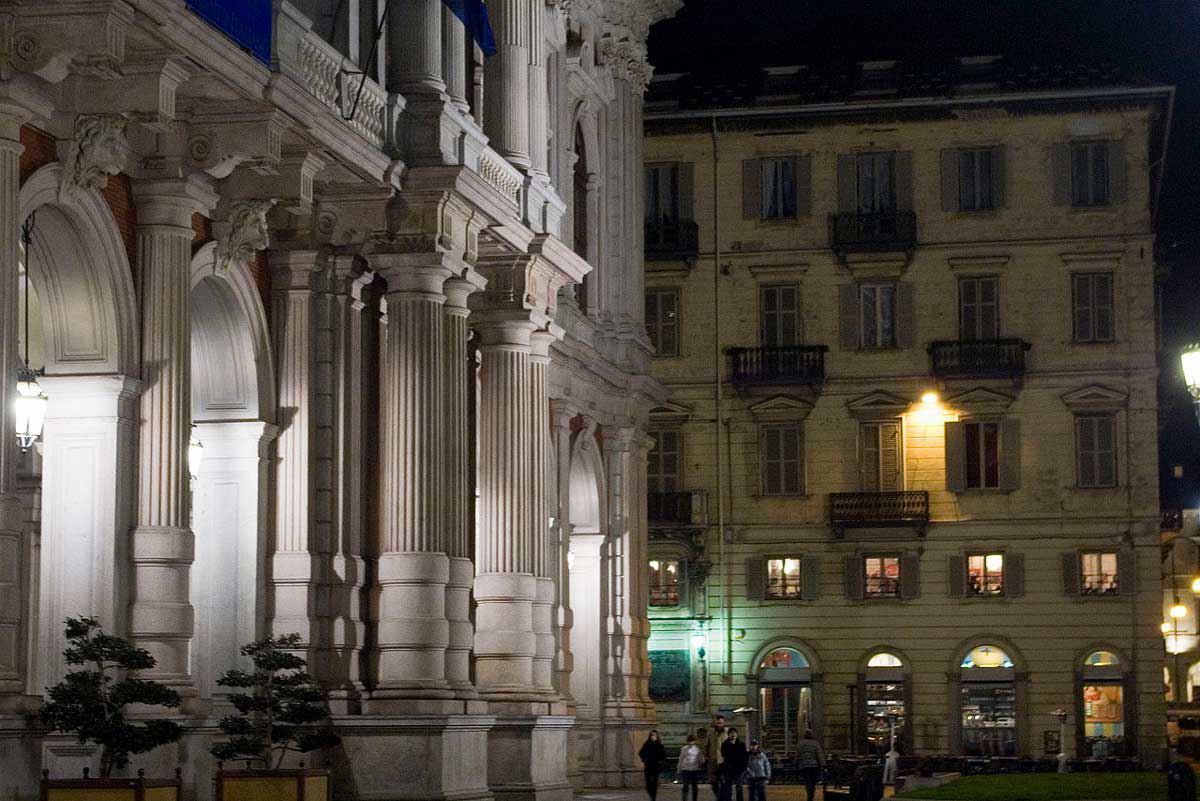
Just like de Chirico, Friedrich Nietzsche did not stay in Turin for long, yet the city made a profound impact on him and his work. In the Autumn of 1888, he moved into a room on Via Carlo Alberto and soon started writing his last and one of the most influential works, an analytic autobiography Ecce Homo. In his letters to friends, Nietzsche seemed rather cheerful, praising the city’s architecture, the local way of life, and overall mood. He wrote that Turin was not the city one could easily abandon.
However, by January 1899, the brief period of brightness was over. Walking through the city center, Nietzsche saw a coachman ruthlessly whipping his horse for refusing to move. The violent scene caused such a disturbing impression on Nietzsche’s mind that it caused a mental breakdown. According to witnesses, Nietzsche started crying and ran to hug the horse, covering it with his body. After the incident, his mental condition deteriorated, and soon, he was hospitalized and transferred to Germany, where he died a year and a half later. Today, the philosopher’s admirers can find a memorial plaque on Via Carlo Alberto 6.
4. Mole Antonelliana
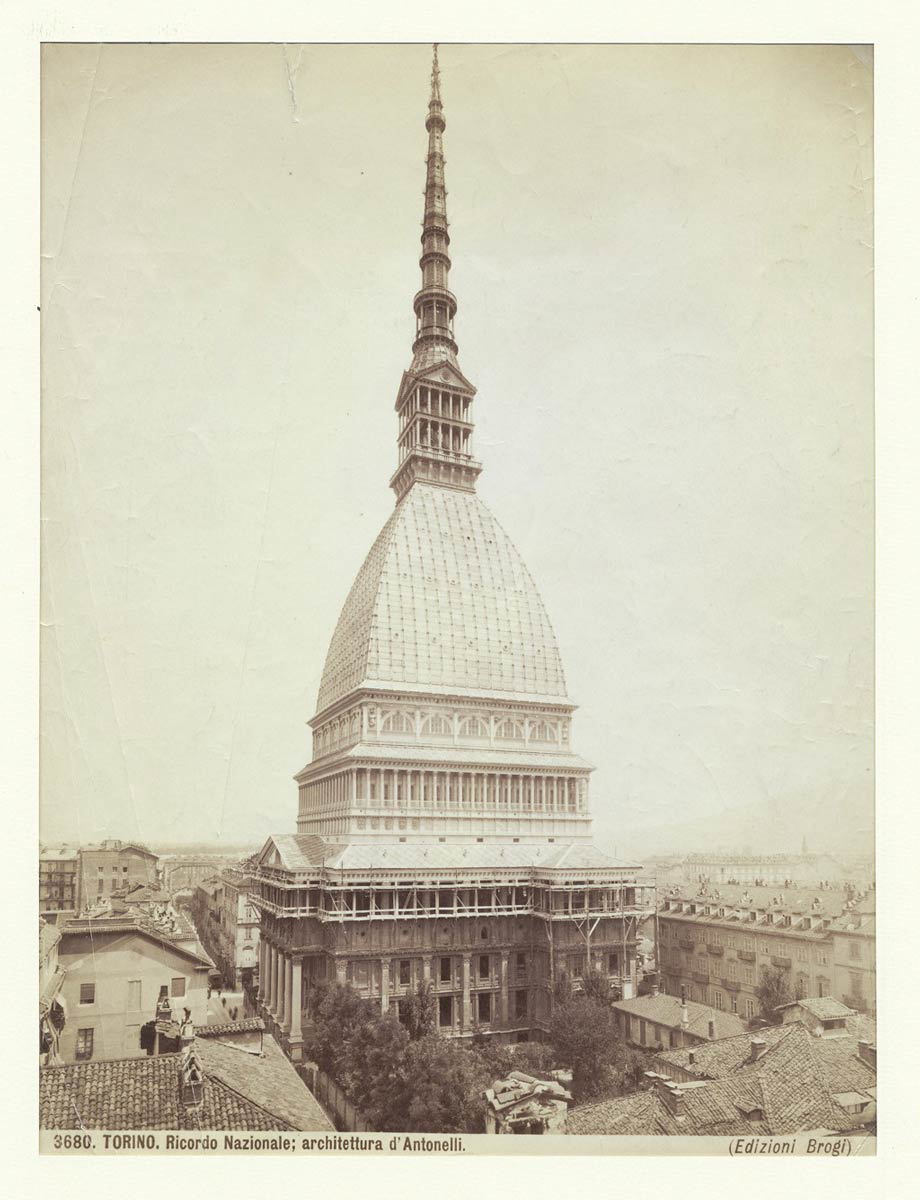
One of the main symbols of Turin, the monumental structure of Mole Antonelliana was originally planned to be the main city synagogue. The Jewish community conceived the idea soon after the reunification of Italy when Turin was functioning as the new state’s capital. However, during the construction, the architect Alessandro Antonelli made a series of adjustments that greatly increased the costs up to the point when the commissioners could not cover them anymore. The city took over the ambitious project, finally opening the 550-foot-tall building in 1889.
Over the years, the building’s dome and spire became Italian landmarks. Today, Mole Antonelliana is home to the National Museum of Cinema, the tallest museum in the world, and a spectacular observation point of the entire city.
5. Chapel of the Holy Shroud
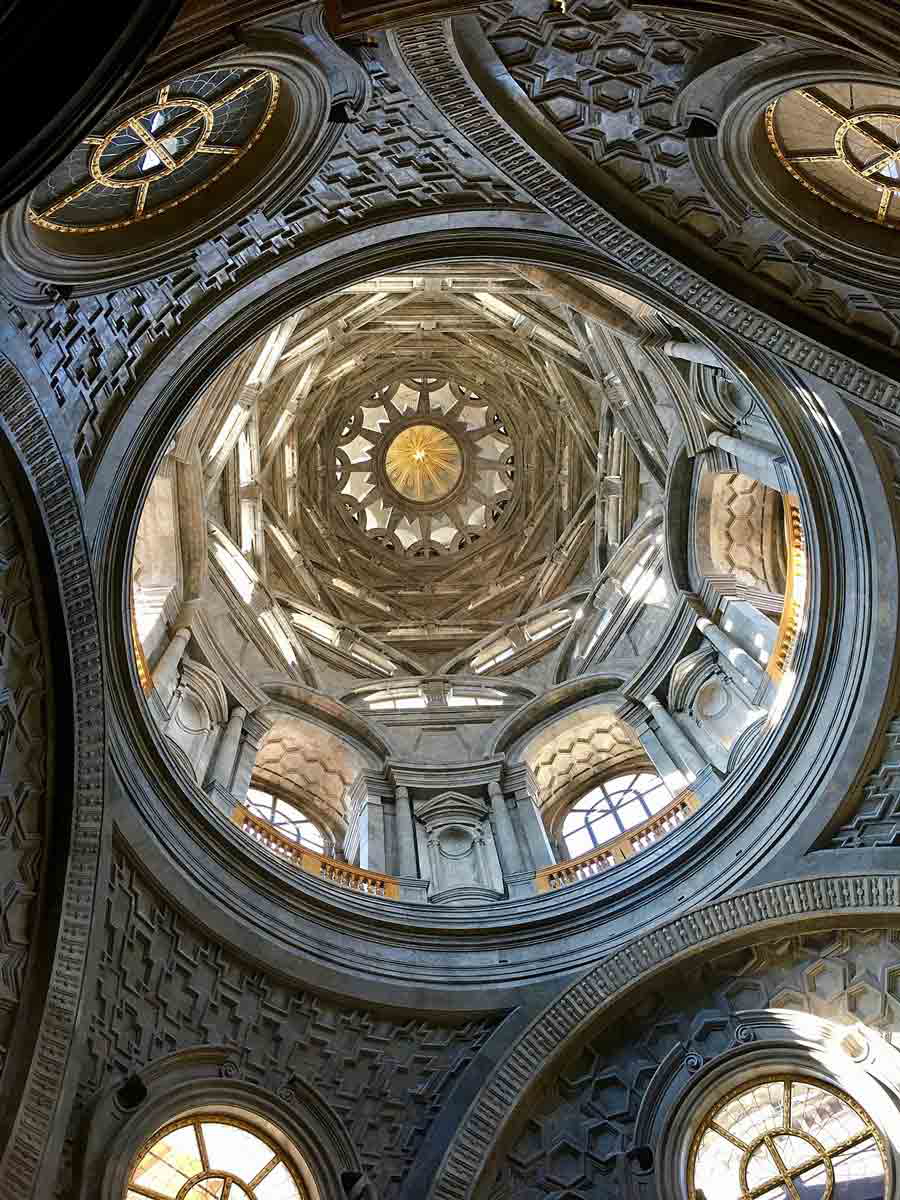
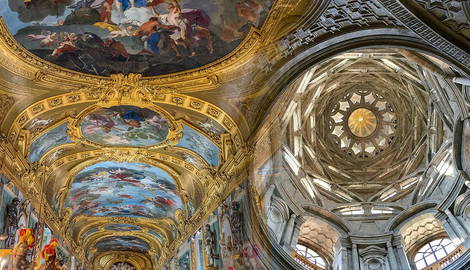
Turin is home to one of the most controversial Christian artifacts in history, The Shroud of Turin, which was allegedly used to cover Christ’s dead body and has a bloodied print of his silhouette on it. After decades of analysis that was often obstructed by some religious authorities, researchers concluded that the shroud originated in the 14th century and had no signs of blood on it. Believers nonetheless insist on the shroud’s authenticity and venerate it. No matter which side of the issue you support, visiting the controversial artifact is a must. Due to its fragility, the Shroud is only demonstrated publicly on special occasions. According to the Vatican, the closest day will occur in 2025. Even without the Shroud, the Chapel housing it is a unique place, with a magnificent marble dome and intricate sculptures.
6. Fiat Lingotto Factory
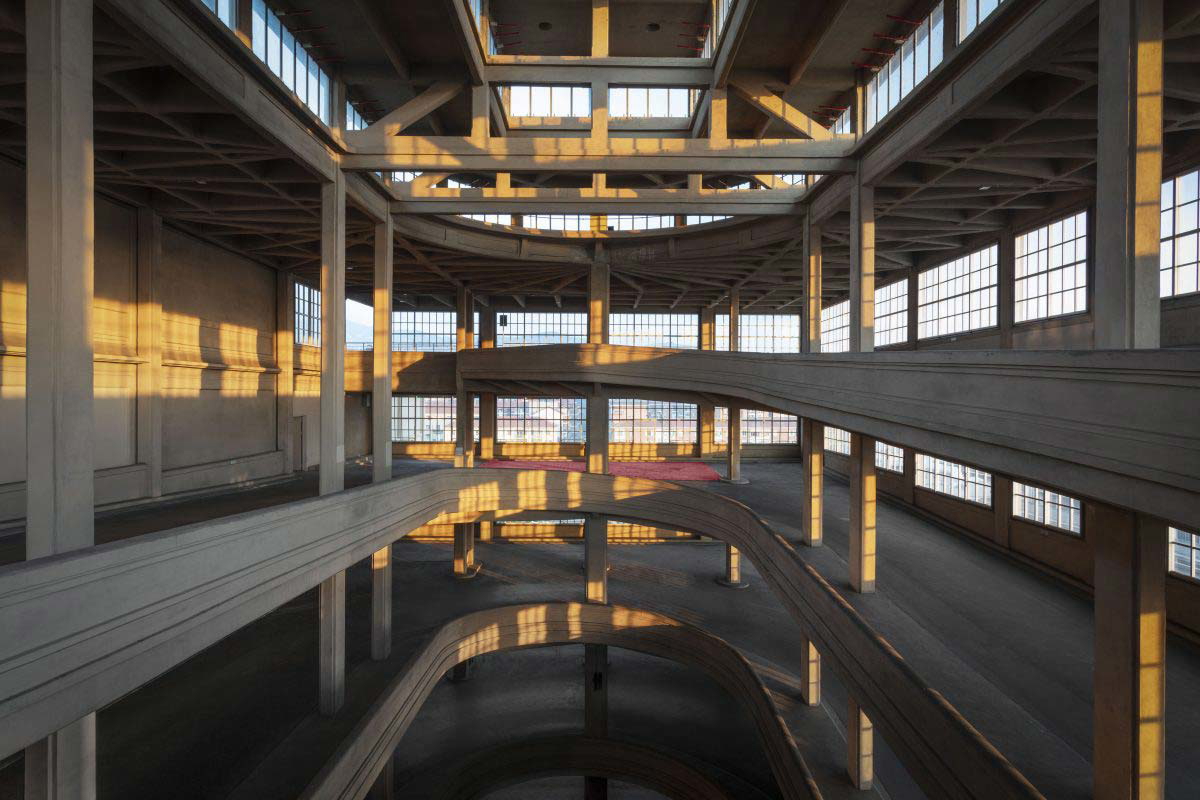
In 1923, Fiat, an automobile manufacturer, opened a revolutionary building complex called Lingotto, which featured an ambitious and innovative factory project. Inside a spiral-structured building, the workers received raw materials on the bottom floor, and five floors higher, they presented an assembled automobile ready for use. The last step of the production chain was the test track located right on the building’s roof. Today, Lingotto no longer produces cars. In 1982, the factory moved to a larger facility, and the complex was turned into a public facility with offices, shops, concert venues, and a hotel. However, the most interesting parts, like the assembly line spiral and the rooftop test track, are now occupied by a modern and contemporary art gallery, Pinacoteca Agnelli, and are open to visitors.
7. Museum of the Risorgimento
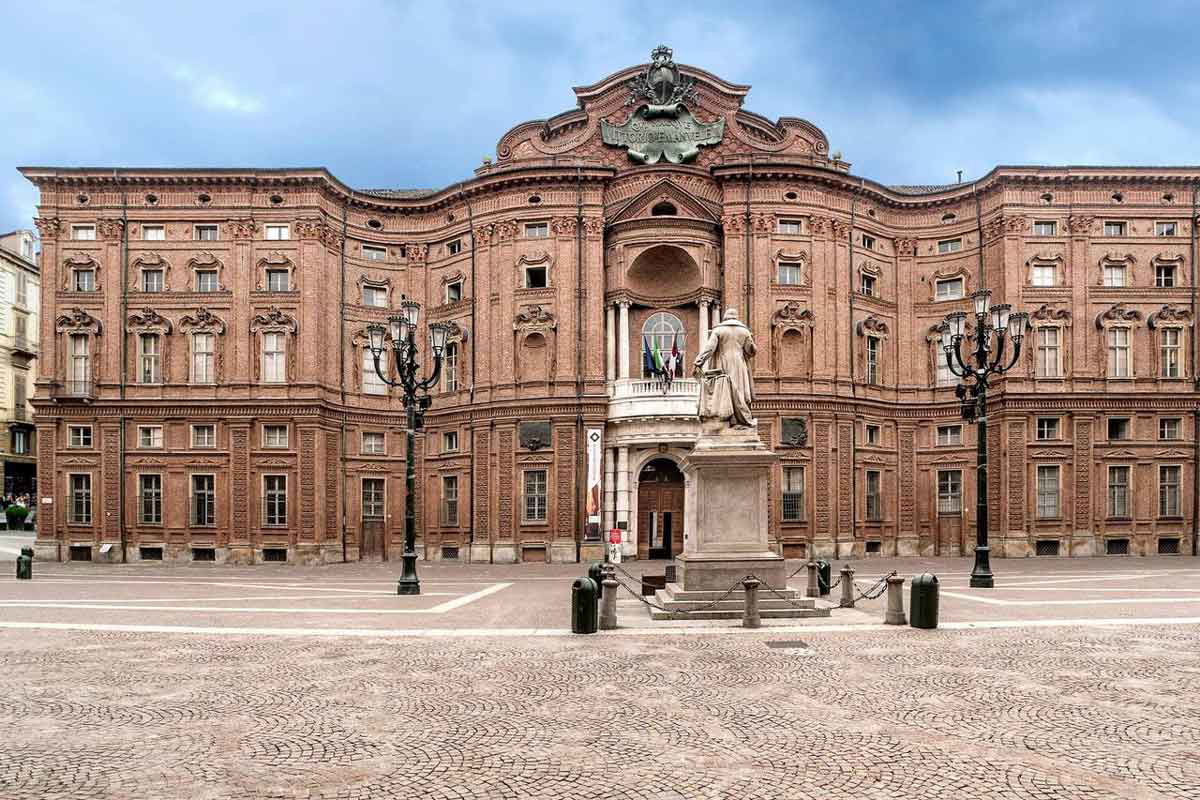
The term Risorgimento, or Resurgence, refers to the social and political movement that was fighting for the unification of Italy in the 19th century. After years of conflict, both polemical and military, the proponents of Risorgimento succeeded, uniting a loose group of kingdoms and republics into a single Italian state. The Risorgimento Museum in Turin is the oldest and biggest museum dedicated to the event in Italy. Today, it is located in Palazzo Carignano, one of the Savoy royal palaces and the birthplace of King Vittorio Emmanuele II, the first monarch to rule unified Italy. The museum focuses not only on the political and military side of the event but also on the quest to construct a shared Italian identity after unification.
8. Le Nuove Prison Museum
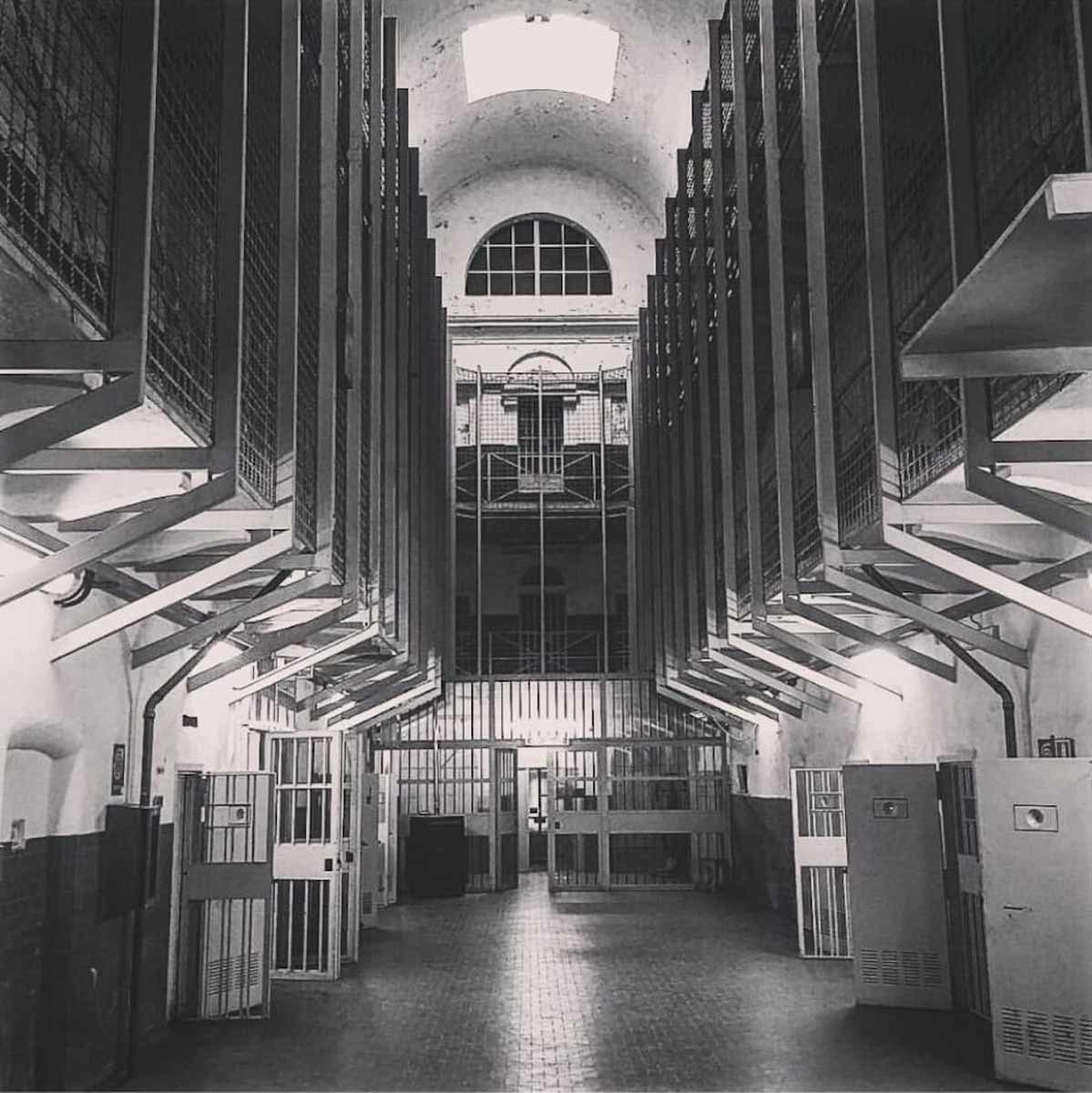
Le Nuove prison was constructed in the 19th century but gained notoriety during the years of the fascist regime. Turin was a well-known center of the anti-fascist resistance. Thus, the authorities paid extreme attention to suspicious citizens and had no mercy on the suspects. Inside Le Nuove, anti-fascists, intellectuals, members of the Jewish community, and other undesirable citizens were tortured and killed. Museum visitors can see prison cells and torture chambers, learn the survivors’ stories, and visit the built-in chapel that still functions.
Another location for those interested in the history of Turin Resistance is the multimedia museum that includes a real air raid shelter and documented memories of the Resistance fighters.
9. Turin Underground Tunnels
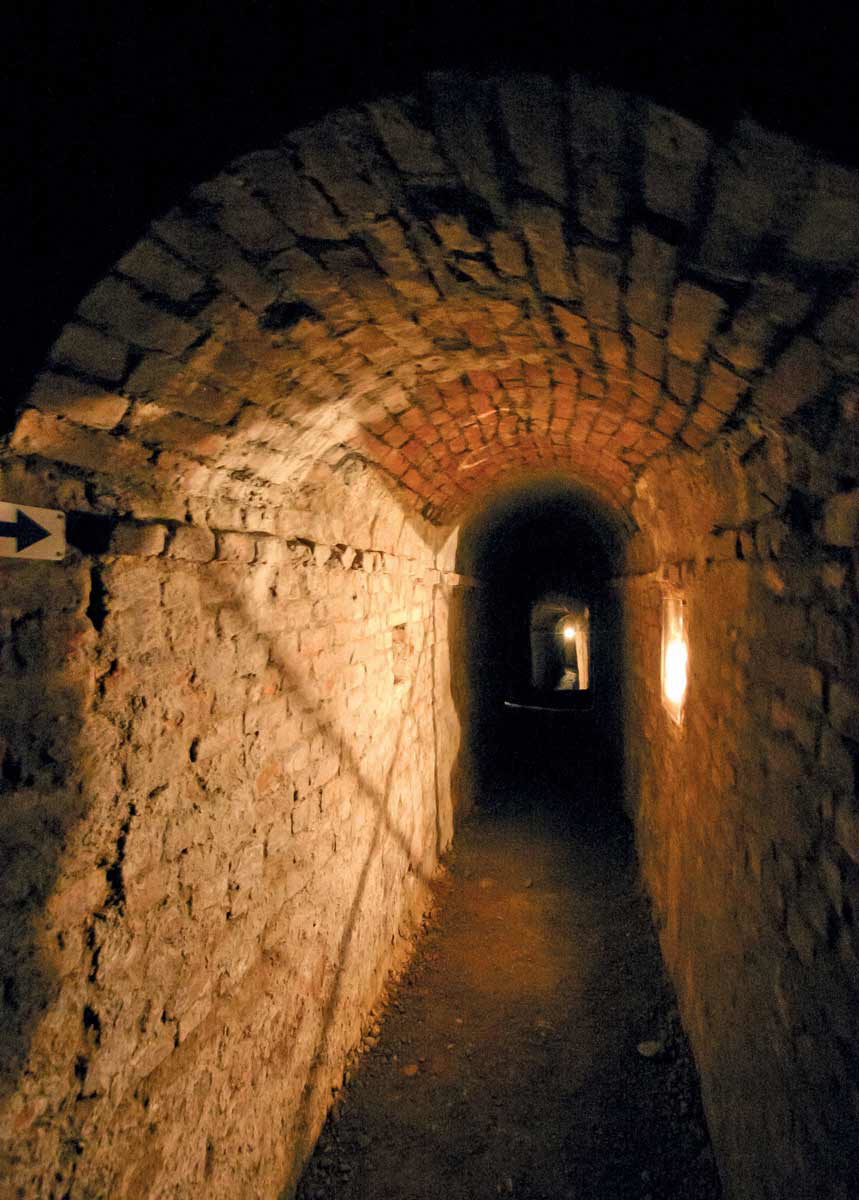
There is much more to Turin than meets the eye. Below the city, a network of tunnels runs parallel to its bustling life, similarly reflecting many periods and events from the city’s history. The tunnels hide ancient fortifications and alchemist’s laboratories, air raid shelters, and paths used by partisans. One of the most famous locations is the ancient Roman ice deposit. In this spacious cellar, generations of locals stored blocks of ice brought from the Alps and used them for cooking and preserving food in Italian heat. Today, the famous Porta Palazzo food market stands over the former ice cellars, attracting both locals and tourists.
10. Borgo Medievale: A Piece of Medieval Turin
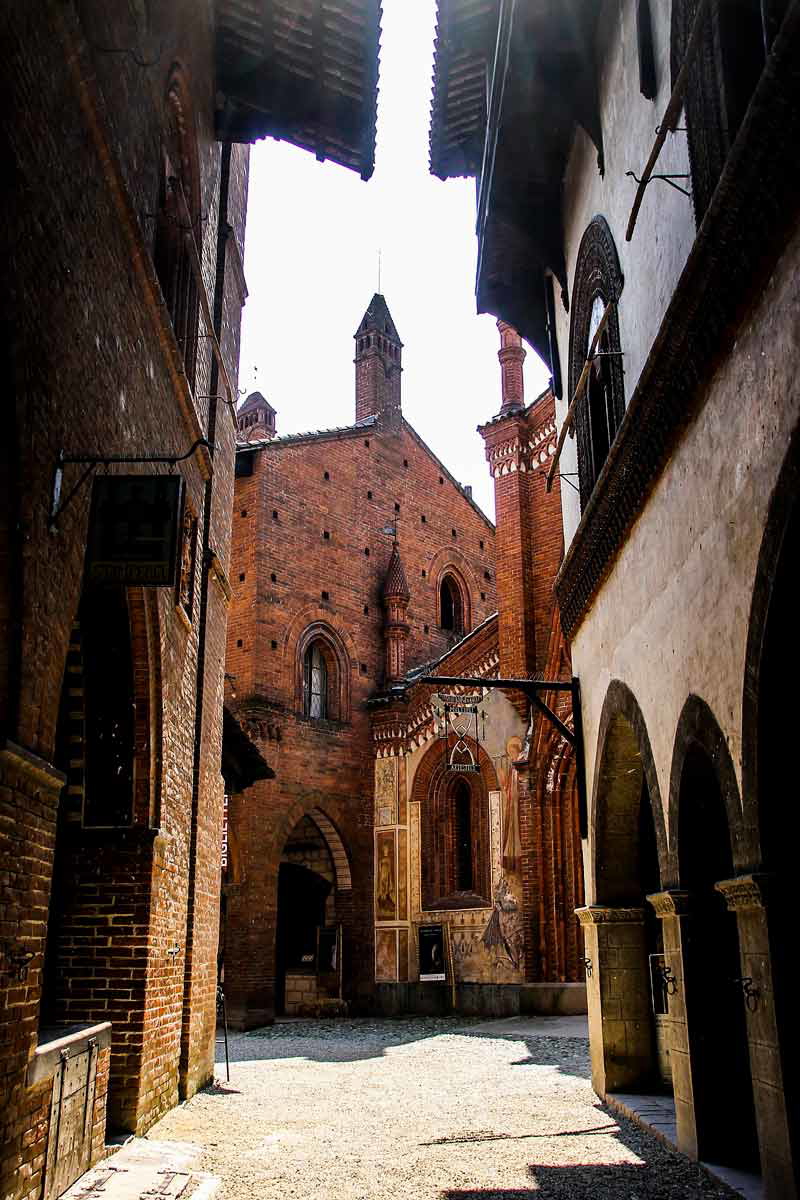
Although not much is left from the Medieval era in Turin, there is one place where its history suddenly came to life. In the late 19th century, a group of artists and architects reconstructed part of a 15th-century neighborhood, copied not only from Turin buildings but from other Italian villages and castles that are plentiful in the area around Turin. Built specifically for the 1884 Italian industry exhibition, it had functioning workshops of blacksmiths, papermakers, and apothecaries working in a Medieval tradition. Unlike many other structures built for the exhibition, Borgo Medievale was meant to last and is currently undergoing a large-scale restoration. Another place directly connected to Turin’s medieval history is the University of Turin, which was founded at the beginning of the 15th century. It still functions and runs several museums related to science, medicine, and industry.