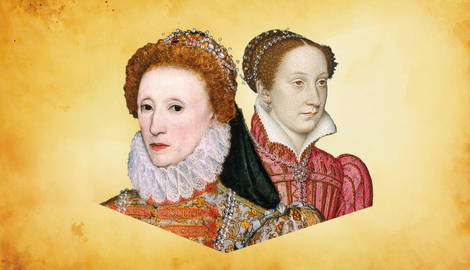
In 1587, Queen Elizabeth I of England reluctantly signed an unusual death warrant. Indeed, the document authorized the execution of the queen’s fellow monarch and cousin (once removed), Mary, Queen of Scots. Mary’s execution was the climax of a decades-long political conflict between the two queens. After fleeing Scotland in 1568, Mary sought refuge in England, where she became the focal point of several Catholic plots aiming to overthrow Queen Elizabeth and replace her with a Catholic monarch. Let’s look into the rivalry between Queen Elizabeth and Mary, Queen of Scots, in a divided 16th-century England.
Setting the Stage: Queen Elizabeth & 16th-Century England
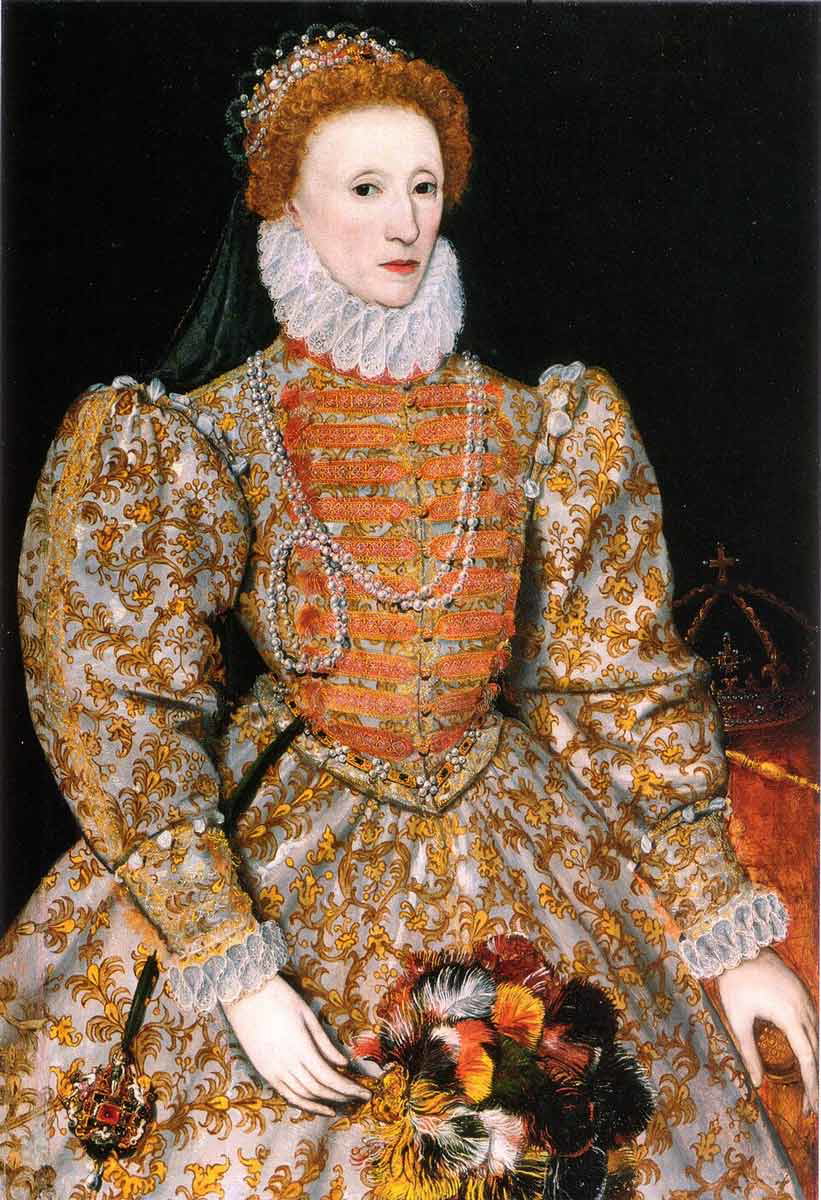
When Elizabeth I ascended to the throne in 1558, her coronation was met with widespread jubilation. Her predecessor, Mary I, Elizabeth’s half sister, had become largely unpopular during her last years of reign, when her fierce persecution of Protestants had earned her the nickname “Bloody Mary.”
The daughter of Henry VIII and Catherine of Aragon, Mary sought to restore Roman Catholicism in England after her father, faced with the pope’s refusal to grant him a divorce, had broken ties with the Church of Rome, an act that marked the beginning of the English Reformation. To pursue her re-Catholicization program, Mary wed Philip II of Spain, a decision that proved unwise, as many distrusted the Spanish monarch. In the last three years of her reign, the ruthless persecution of Protestants—about 300 were burned at the stake—had created a tense atmosphere in the kingdom.
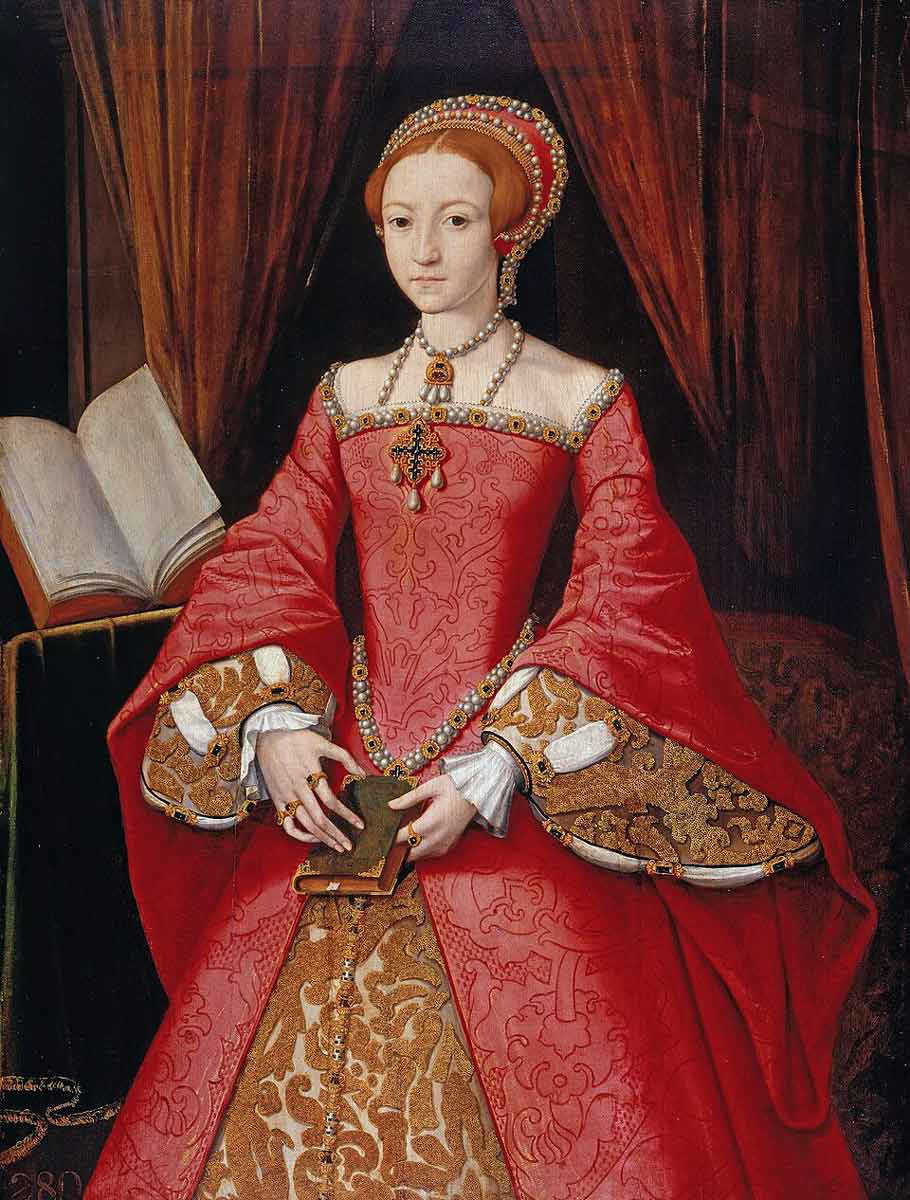
During her half sister’s reign, Elizabeth’s life was often in danger. In 1154, when a Protestant rebellion tried and failed to overthrow Mary, she was imprisoned in the Tower of London. Only her poise and circumspection prevented her from meeting the same fate as her mother, Anne Boleyn.
Upon her ascension to the throne, Elizabeth I pursued an opposite religious policy, restoring Protestantism in England. In 1559, the Act of Supremacy reasserted Henry VIII’s refusal to accept the idea of papal supremacy, confirming the monarch as the head of the English Church. Meanwhile, the Act of Uniformity ensured doctrinal conformity, establishing an official liturgy and requiring priests and state officials to swear an oath to the queen’s supremacy. Additionally, all those who did not attend Sunday services at their church would receive a fine.
Queen Elizabeth’s religious settlement, however, did not put an end to the division lacerating the kingdom. While militant Protestants called for more drastic reforms, English Catholics also threatened the queen’s authority.
Who Was Mary, Queen of Scots?
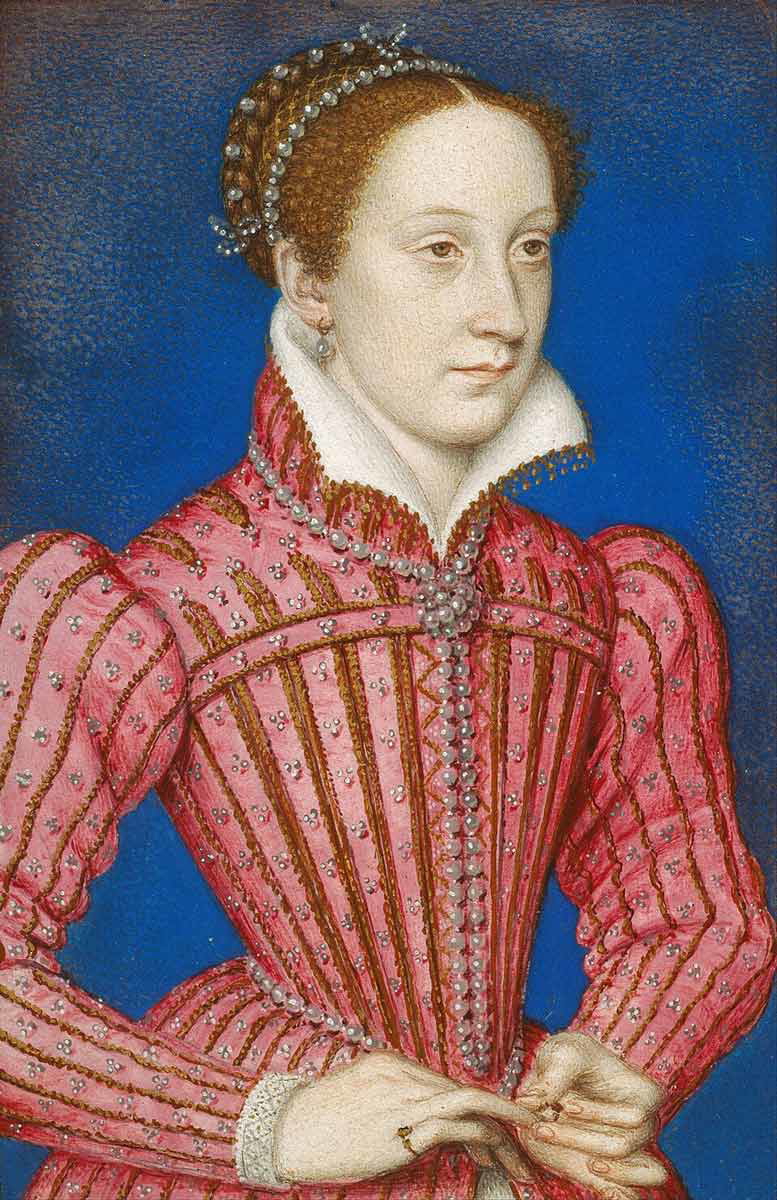
In the late 1560s, the Catholic opposition to Elizabeth I’s rule turned increasingly threatening. By then, the focus of the Catholic plans to overthrow Elizabeth was Mary, Queen of Scots. The only child of James V of Scotland and Mary of Guise, a French noblewoman, Mary inherited the Scottish throne when she was only six days old in 1542.
Her grandmother, Margaret Tudor, was one of Henry VIII’s sisters, making Mary next in line for the English throne when it became clear Queen Elizabeth did not intend to marry. In the 1560s, many English Catholics saw her as the lawful English queen, looking upon Elizabeth as the illegitimate daughter of Anne Boleyn. Mary’s claim to the English crown was also backed by her father-in-law, the king of France.
After spending her childhood years at the French court, Mary returned to Scotland in 1560. The previous year, the premature death of her husband, the French king Francis II, had left her a widow at the age of 18. The young queen was largely unfamiliar with the political landscape in Scotland, a country she had left at a very young age. To make matters worse, Mary followed the Roman Catholic faith, while Scotland had adopted Protestantism as the state religion.
An Unwelcome Guest
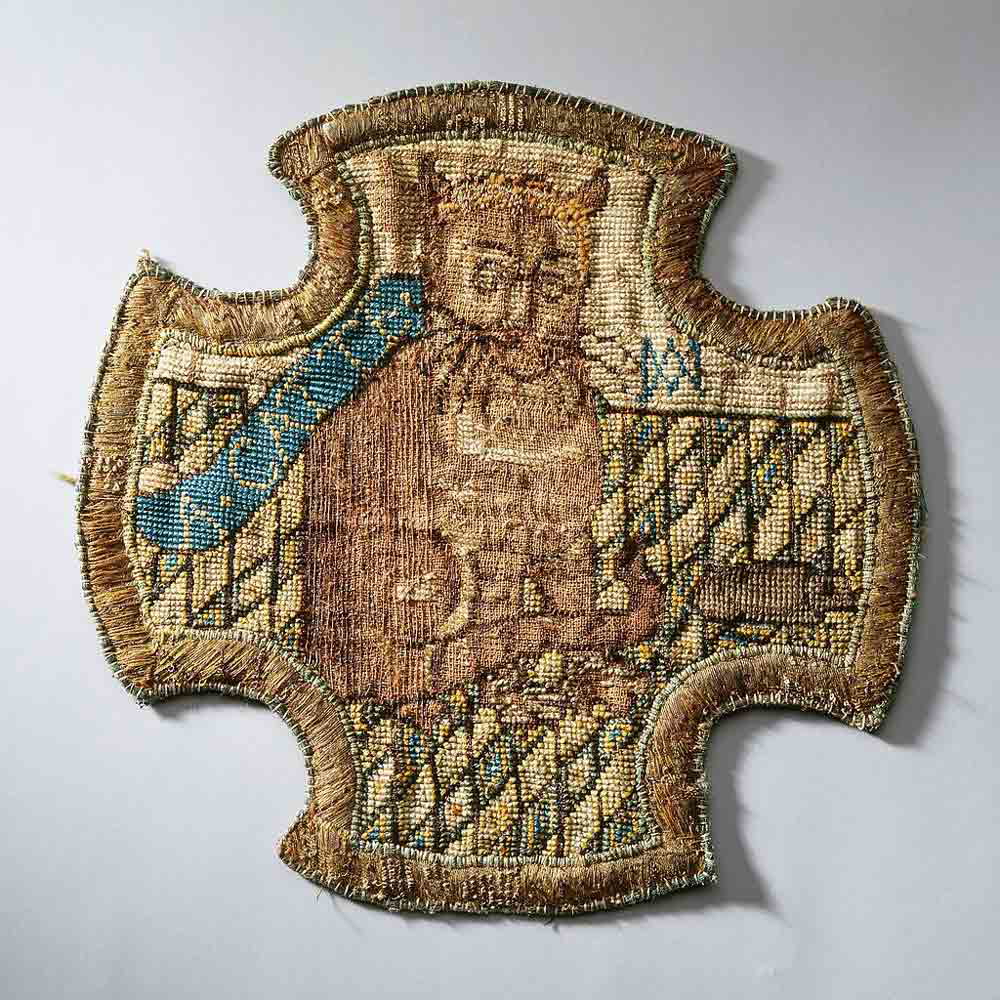
While Mary initially seemed to be able to navigate the complex political landscape of Scotland, a series of unwise decisions ultimately led to her downfall. Mary’s troubles began in 1565, when she married Henry Stewart (Stuart), earl of Darnley. Since the beginning, the marriage was tumultuous. In 1566, Darnley even had Mary’s secretary, David Rizzio, murdered before her eyes. The following year, Darnley died in suspicious circumstances.
Three months after her husband’s death, Mary, Queen of Scots, married James Hepburn, 4th Earl of Bothwell, the chief suspect in Darnley’s murder. The decision angered the Scottish nobles, who rebelled against Mary. In June 1567, she was forced to abdicate in favor of James, her one-year-old son. The following year, after her supporters suffered a defeat at the Battle of Langside, Mary was put under armed guard. She then decided to reach out to her cousin, Queen Elizabeth, asking for refuge and assistance in regaining her crown.
In her first letters to Elizabeth, Mary expressed “the confidence I have in you, not only for the safety of my life, but also to aid and assist me in my just quarrel.” However, the deposed Scottish queen became increasingly aware she was far from a welcome guest in England. Indeed, Elizabeth, who never met her cousin face-to-face, saw Mary’s presence at her court as a threat to her rule. For the next 18 years of her life, Mary lived as a captive in England, closely watched by Elizabeth’s men.
Challenging Queen Elizabeth’s Authority: Plots & Rebellions
Queen Elizabeth’s suspicions about Mary were not unfounded. In 1569, the Earls of Westmoreland and Northumberland led the so-called Northern Rising (or Rising of the Northern Earls). During the short-lived uprising, the Catholic rebels marched south, destroying every symbol of Protestantism they encountered.
Although the uprising was forcefully suppressed, the armed rebellion posed a clear challenge to Elizabeth’s authority and legitimacy. To make matters worse, in 1570, Pope Pius V excommunicated the English queen, declaring her an usurper. The following year, Elizabeth’s spy network uncovered an internal plot with foreign backing.
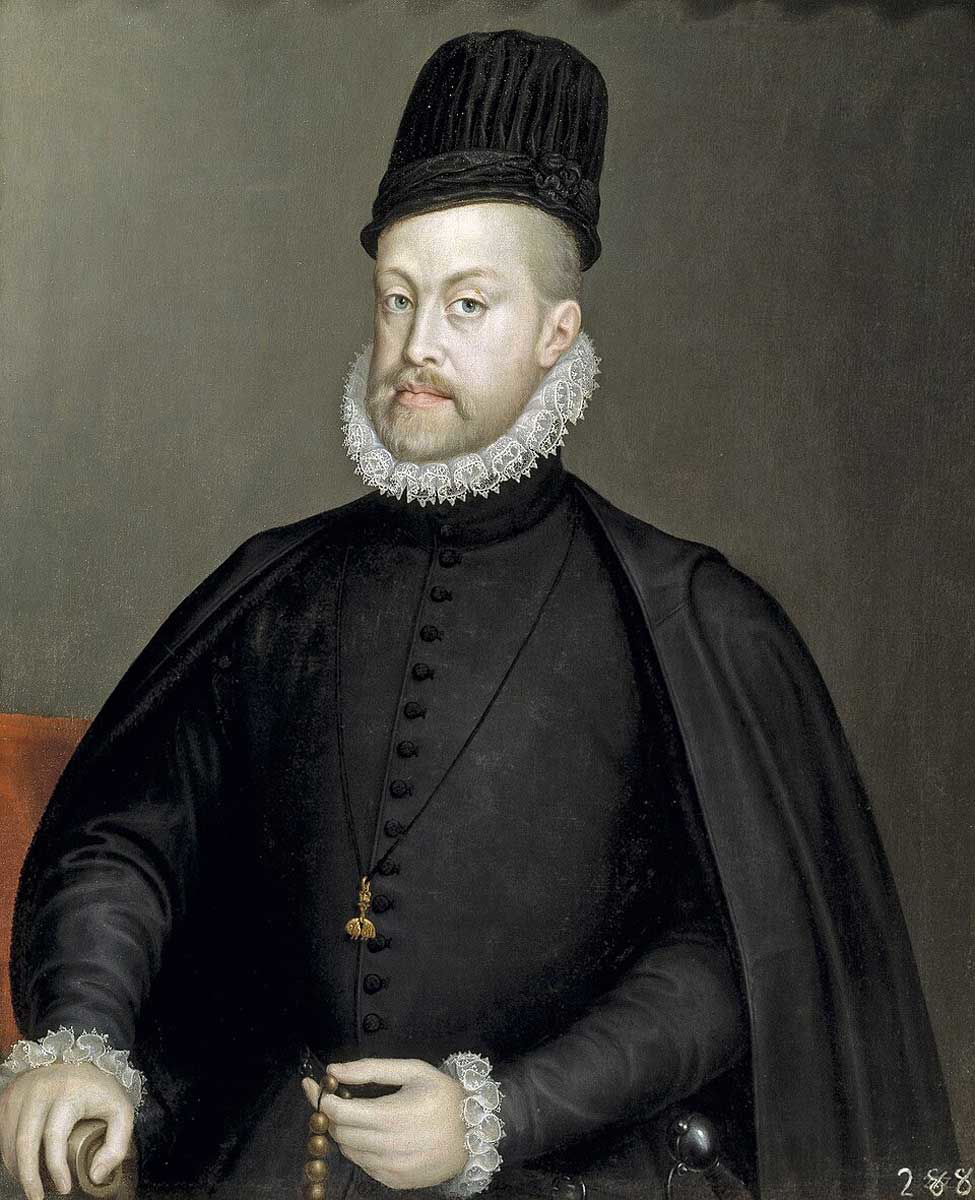
Known as the Ridolfi Plot, from its mastermind, the Florentine businessman Roberto Ridolfi, the conspiracy involved a Spanish invasion of England and the removal of Queen Elizabeth from the throne. To ensure the success of his co-conspirators’ plan, Ridolfi had even reached out to Philip II of Spain, Pope Pius V, and the Duke of Alba, the Spanish governor of the Netherlands. As Mary was the focal point of both attempts to remove Elizabeth from power, it became clear that her presence in England posed a serious problem.
Meanwhile, news of the increasing tensions between Protestants and Catholics on the Continent heightened the already tense atmosphere of political intrigue and religious violence in England. In 1572, suspicions against the Catholics rose as news of the St. Bartholomew’s Day massacre of French Protestants (Huguenots) reached the English shores.
In 1579, the Protestant provinces of the Low Countries, determined to strengthen their resistance against Spanish rule, formed the Union of Utrecht. In 1585, under increasing pressure to become involved in the struggle in the Netherlands, Elizabeth sent an expeditionary force to aid the Protestants in their war against Spain.
The Babington Plot
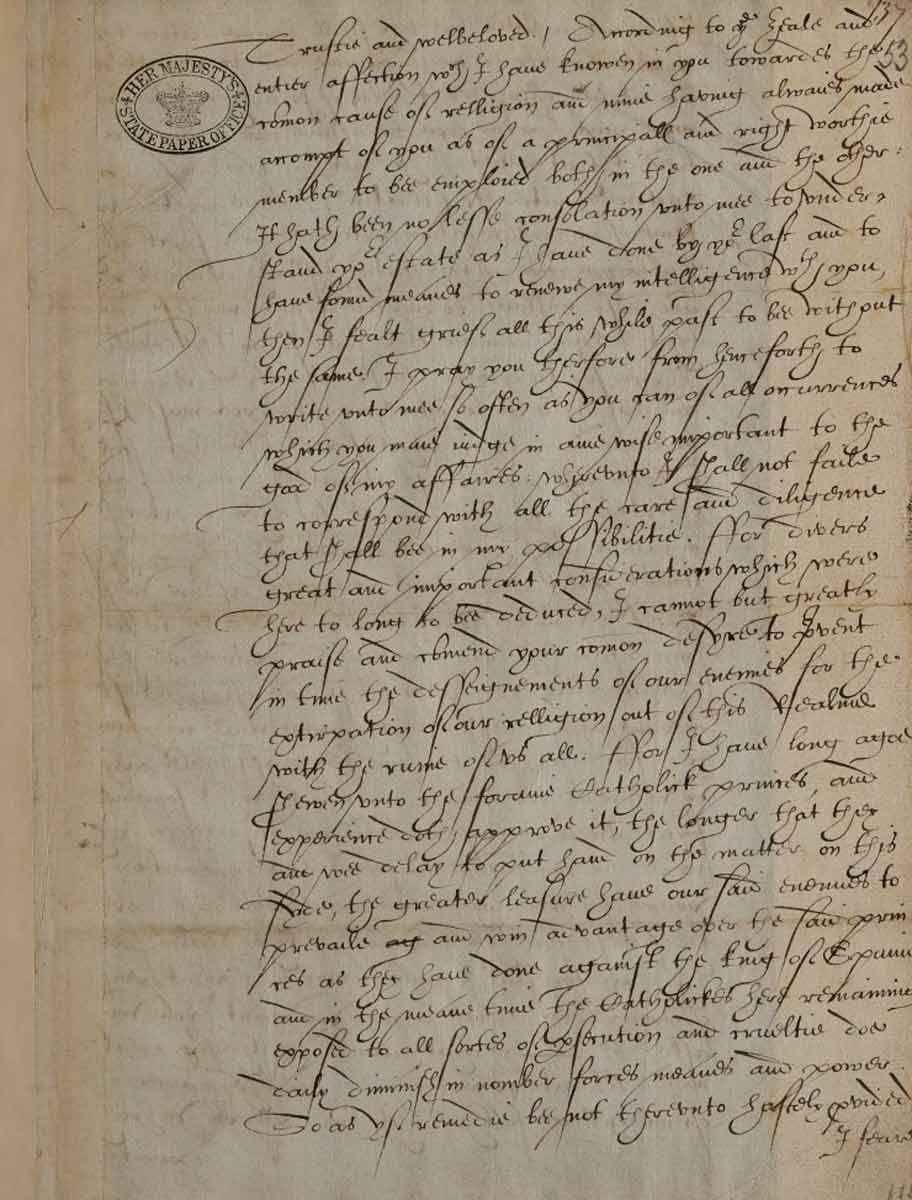
As the threats against Elizabeth’s life continued, the members of the Privy Council pledged to prosecute not only the direct conspirators, but also the candidate to the throne they supported. Known as the Bond of Association, this move was clearly aimed against Mary, Queen of Scots, who found herself—willing or otherwise—involved in most conspiracies against Elizabeth.
While closely guarded by the queen’s most loyal supporters, Mary sent thousands of letters to government officials, ambassadors, monarchs, and Catholic conspirators. Employing a combination of ciphers and codes to elude detection, the missives had one thing in common: securing her freedom and finding backing for her claim to the throne.
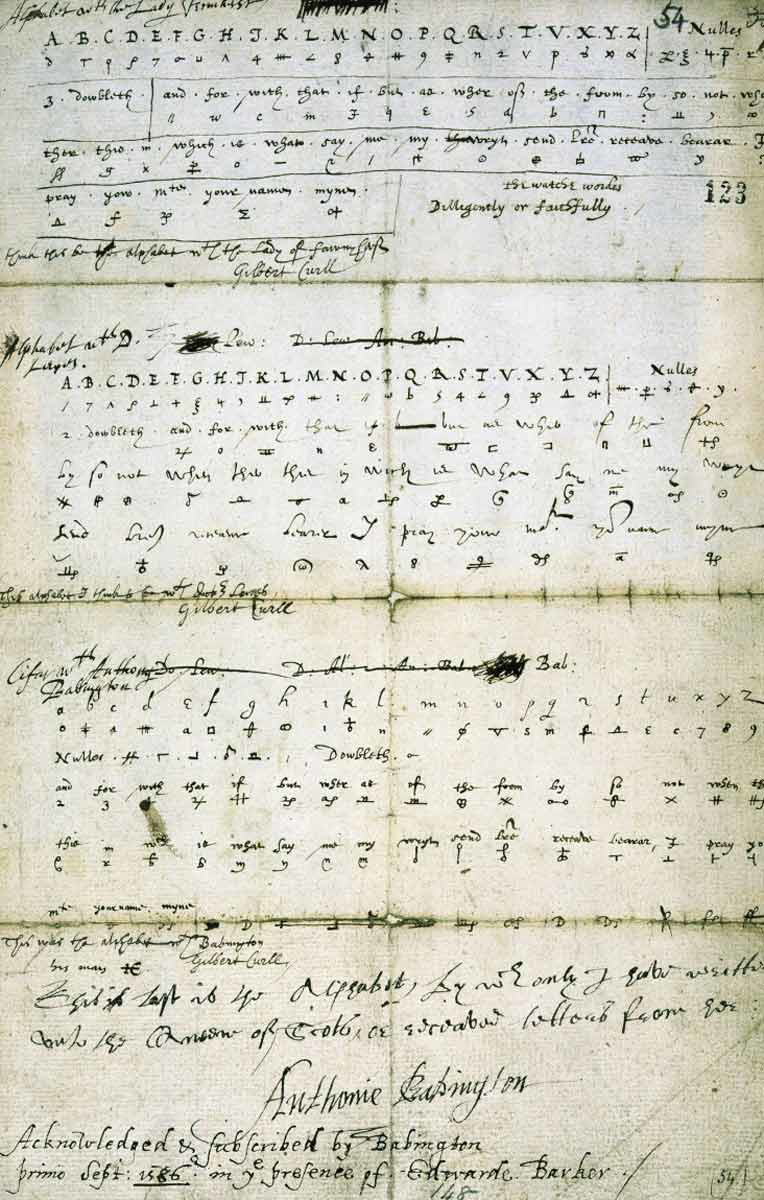
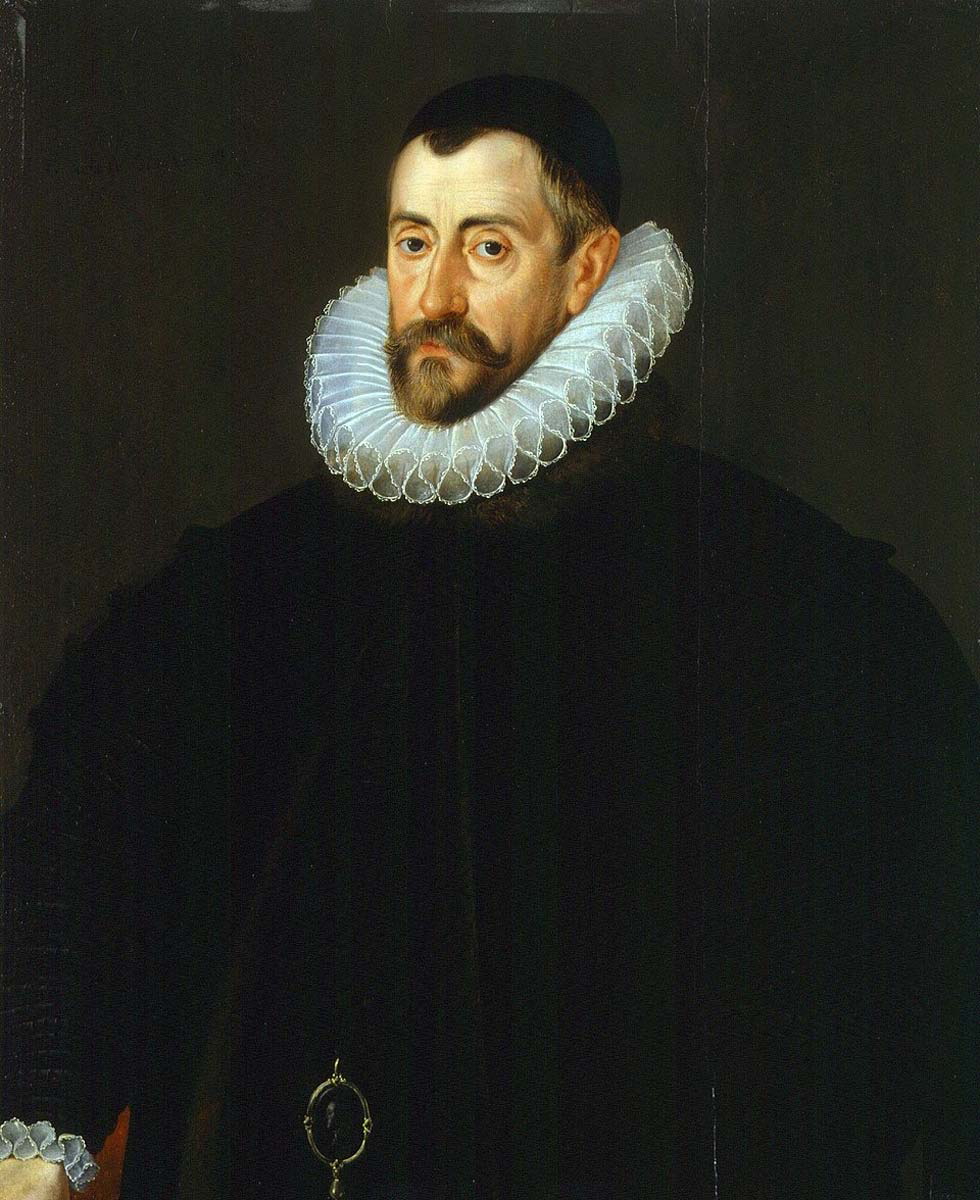
In 1583, after Sir Francis Walsingham, Elizabeth’s legendary spymaster, uncovered Mary’s involvement in yet another Catholic plot, Mary, confined at Tutbury Castle in Staffordshire, was put under the watchful eye of Sir Amias Paulet. Fearing her life might be in danger, the Scottish queen became embroiled in the Babington Plot. The conspirators aimed to murder Elizabeth and seize power with the military assistance of Philip II, who would invade England with his forces. Philip II’s plans to conquer the island nation came to naught in 1588, when the English defeated his Invincible Armada.
As she began corresponding with Anthony Babington, however, her letters were intercepted by Sir Francis Walsingham, who had learned of the conspiracy from one of his double agents. As Walsingham’s network opened and deciphered the letters between Mary and Babington, cryptographer Thomas Phelippes eventually decoded a letter that would seal Mary’s fate. Known as the “Gallows Letter,” from Phelippes’ drawing of a gallows on its address leaf, the July 17, 1586 missive included a sentence revealing Mary’s agreement to Elizabeth’s murder: “Sett the six gentlemen to woork.”
Mary, Queen of Scots’ Execution
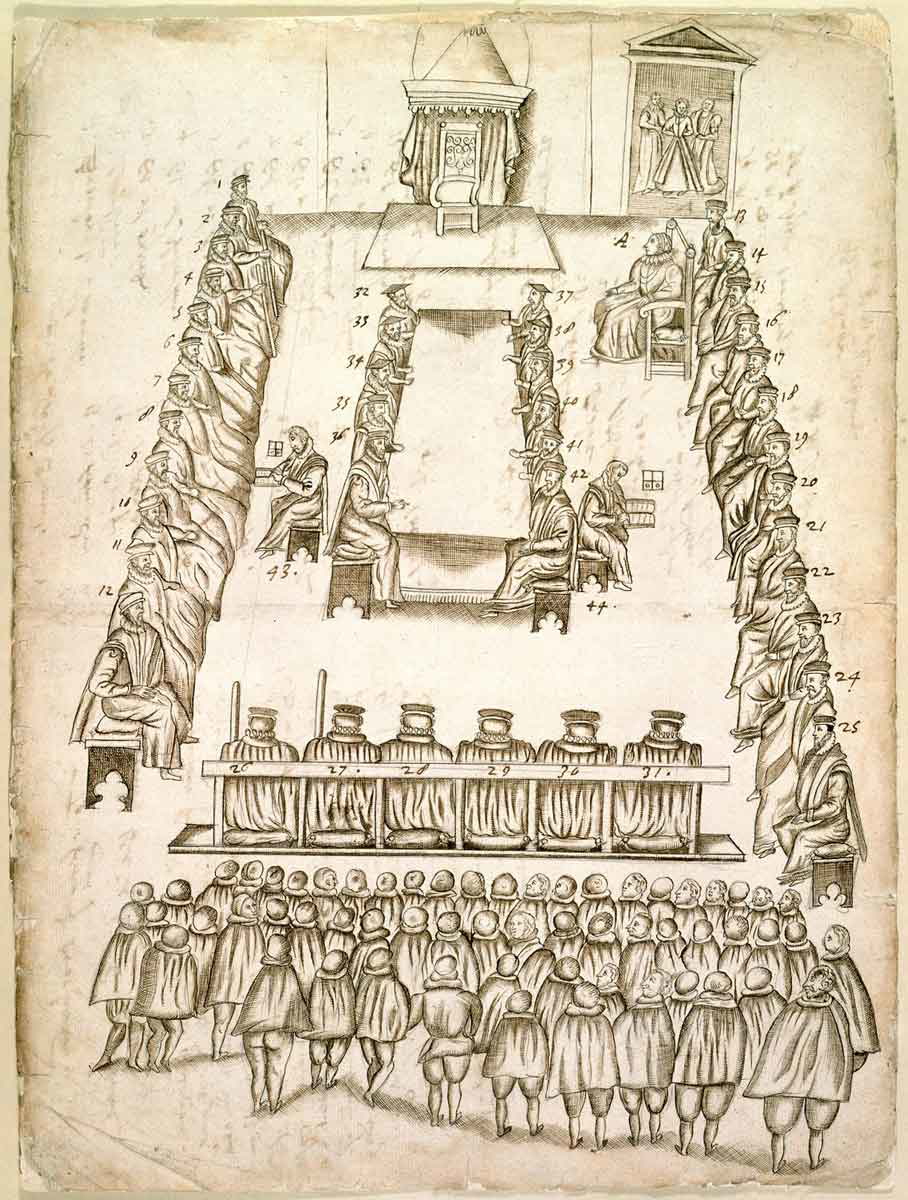
Arrested by Sir Francis Walsingham on August 4, Babington revealed the names of the other conspirators, probably under torture. After attempting to flee the country, he was condemned to death for high treason. Meanwhile, Mary’s secretaries confessed to writing the “Gallows Letter” at her command. Mary’s complicity in the plot was thus proven beyond all reasonable doubt.
Queen Elizabeth was initially reluctant to sign Mary’s death warrant. After all, Mary was a sovereign queen of a foreign country, and Elizabeth feared that her execution might provoke the anger of Scotland and France. In the end, it was William Cecil, Lord Burghley, Elizabeth’s chief minister, who issued the signed warrant without the queen’s knowledge.
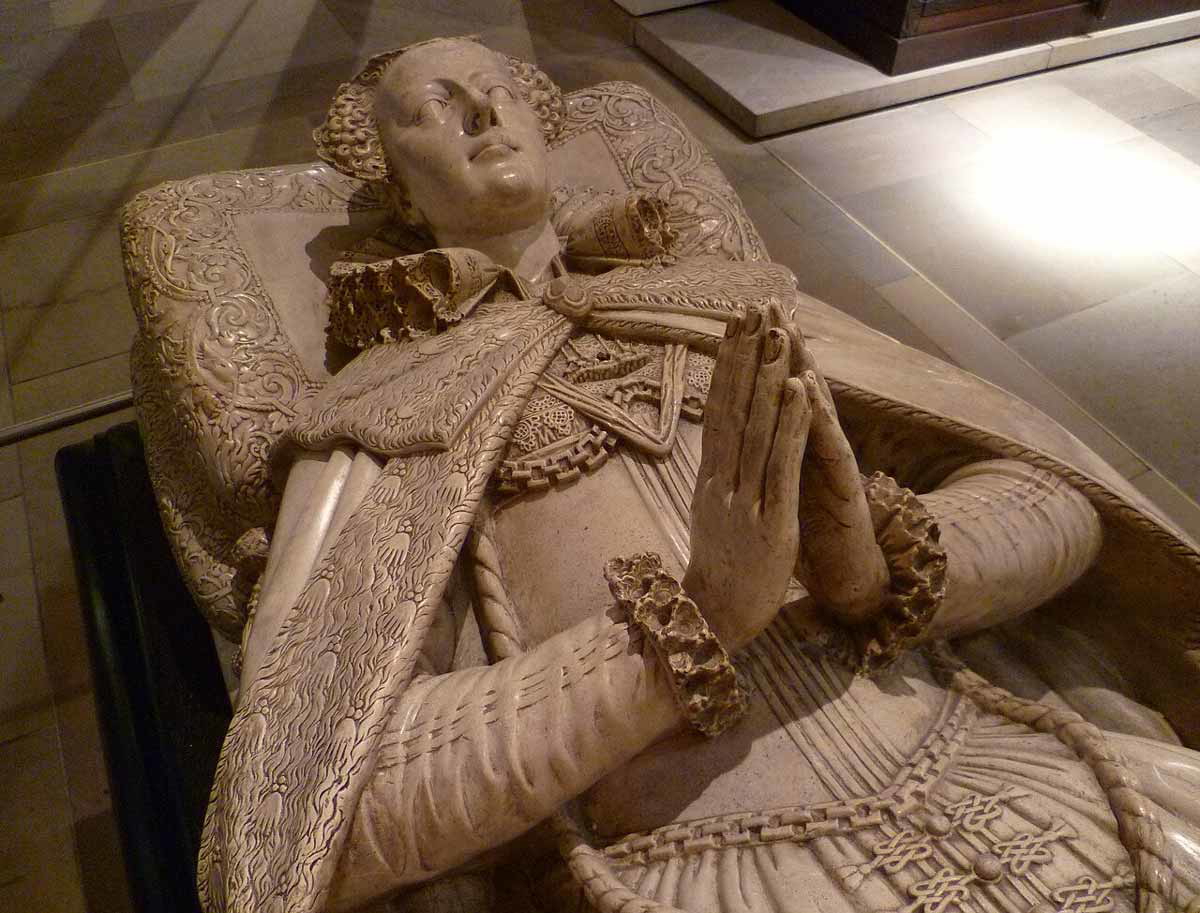
Mary, Queen of Scots, was executed on February 8, 1587, at Fotheringhay Castle near Peterborough. When Elizabeth died without an heir in 1603, she was succeeded by Mary’s son, James VI of Scotland, who became the first Stuart monarch as James I of England. Like Banquo in Shakespeare’s Macbeth, destined not to be king himself but father of kings, Mary did, in a sense, achieve her aspiration in the end through her son.