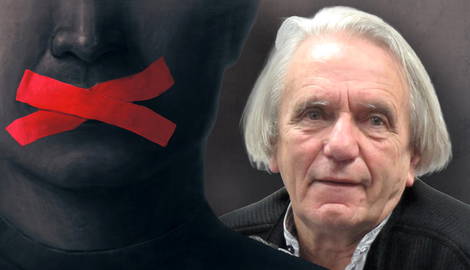
Does everyone get a say when it comes to political discourse? Do we even realize when certain groups are left out of important social discussions? For the philosopher Jacques Rancière, politics is not simply a question of ideas and ideologies, but rather an issue that reaches the very nature of our perception. This is a question of social perception: who do we recognize as political subjects, and do we take on board what they have to say about the issues that affect them?
A Philosopher of Politics and Art
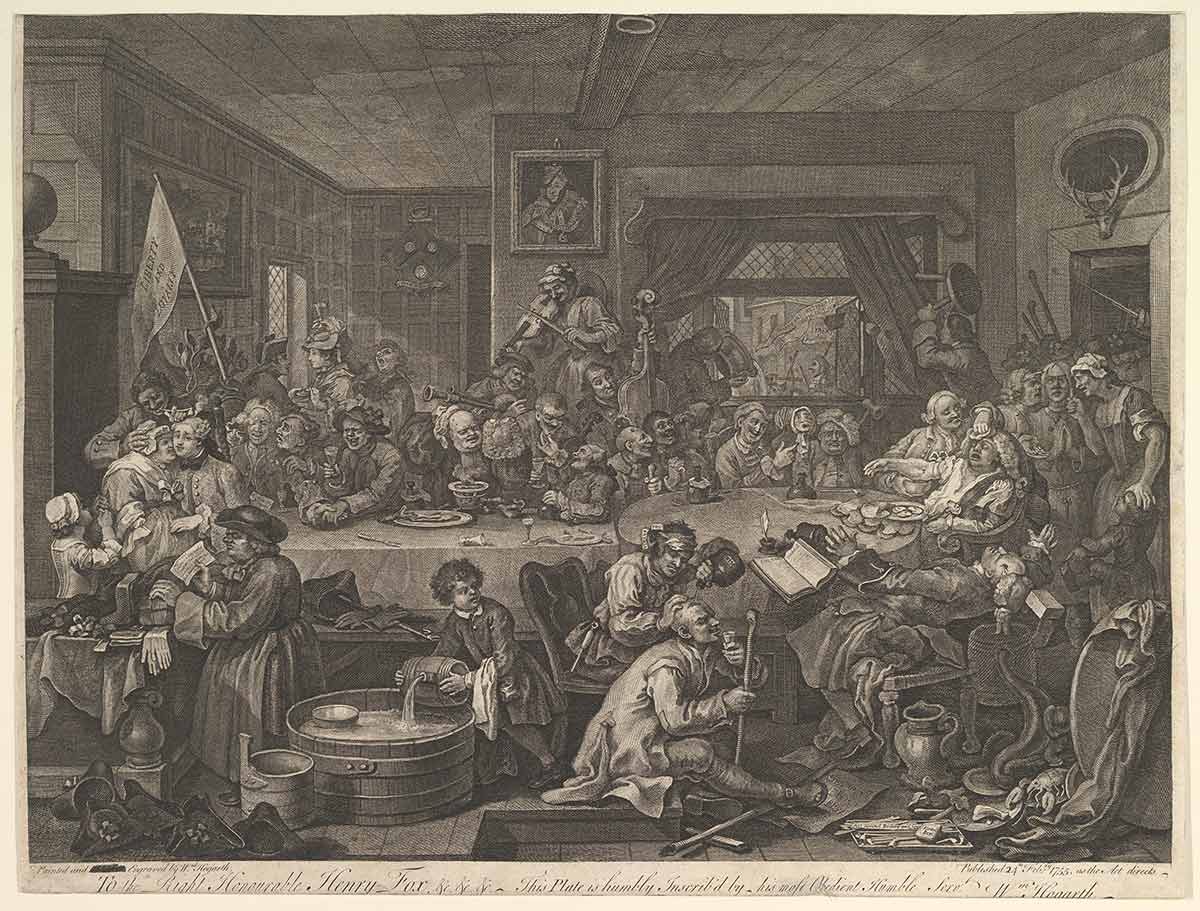
Rancière is a thinker who emerged from the political and theoretical volatility of mid-20th century France. As a philosopher, Rancière’s background lies in his work with Louis Althusser and his revisiting of Marx’s writings. However, the political upheaval of May 1968 led Rancière to distance himself from Althusser and academic political philosophy, which seemed too far removed from people in the streets.
Since then, Rancière has developed two main strands of thinking that are largely intertwined: one concerns a radical notion of democracy, while the other engages with art in ways that highlight its political nature.
For Rancière, both democracy and art demonstrate a radical equality among people, which promises a better future. Democracy is understood here as presuming an equality among all people and communities prior to any political activity.
This equality is constrained by larger social structures that establish certain hierarchies, but it remains present. In the presence of such equality, Rancière highlights the contingent nature of social hierarchies and the way they are constructed by people rather than being institutions or traditions that remain untouchable or permanent.
While developing these concerns for equality and democracy, Rancière has touched upon art and aesthetics as fields deeply entwined with them. Throughout history, art has played an important role in communities and in how we talk to one another, as well as in showing us different ways we could live. Art demonstrates a capacity to experiment with how we experience the world, which, for Rancière, brings it into contact with the same concerns for community as in politics.
Politics According to Rancière
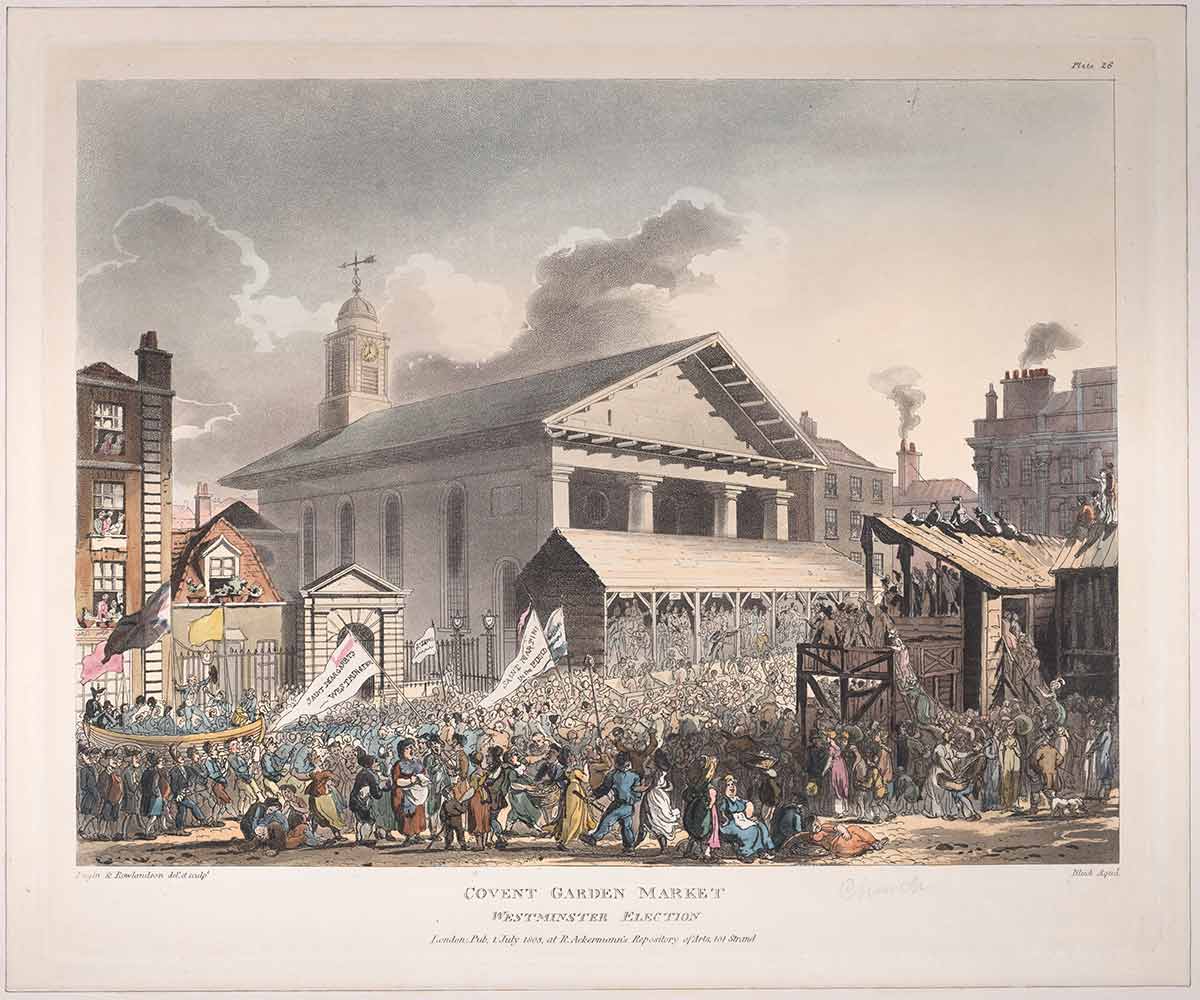
One element of Rancière’s work is his reassessment of everyday terms such as “politics” and “democracy” to challenge our presumptions about how we talk about social issues. For example, we tend to hold presumptions about the nature of politics, even about its very nature. We may tend to think of politics as the institutions and practices by which we organize society, or we may understand it as more of a purely ideological discourse.
By returning to ancient philosophers such as Plato and Aristotle, Rancière develops a particular understanding of the nature of politics. For Rancière, political activity is fundamentally a practice that brings about equality within a community. What politics deals with is this radical democracy that is already implicit among people.
By engaging in politics, we are disagreeing with a given social order and demonstrating the fact that all social structures are, ultimately, constructed and contingent. As such, politics is the act of asserting oneself as an equal in the face of social hierarchies, challenging the hierarchical structures of a given social situation.
Connected to this notion of politics is a particular understanding of what Rancière calls the “police.” Again, Rancière develops this concept beyond our usual presumptions about the police as a law-enforcement body. For Rancière, the police encompass not just law enforcement but also any institutions that play a role in the broader organization of society.
These are not just legal systems but also the various social institutions that organize and govern communities, exercise power over others, and distribute people according to particular social roles. Rancière’s “police” are any systems that establish hierarchies to impose upon the radical democracy already implicit between people.
What Is the Distribution of the Sensible?
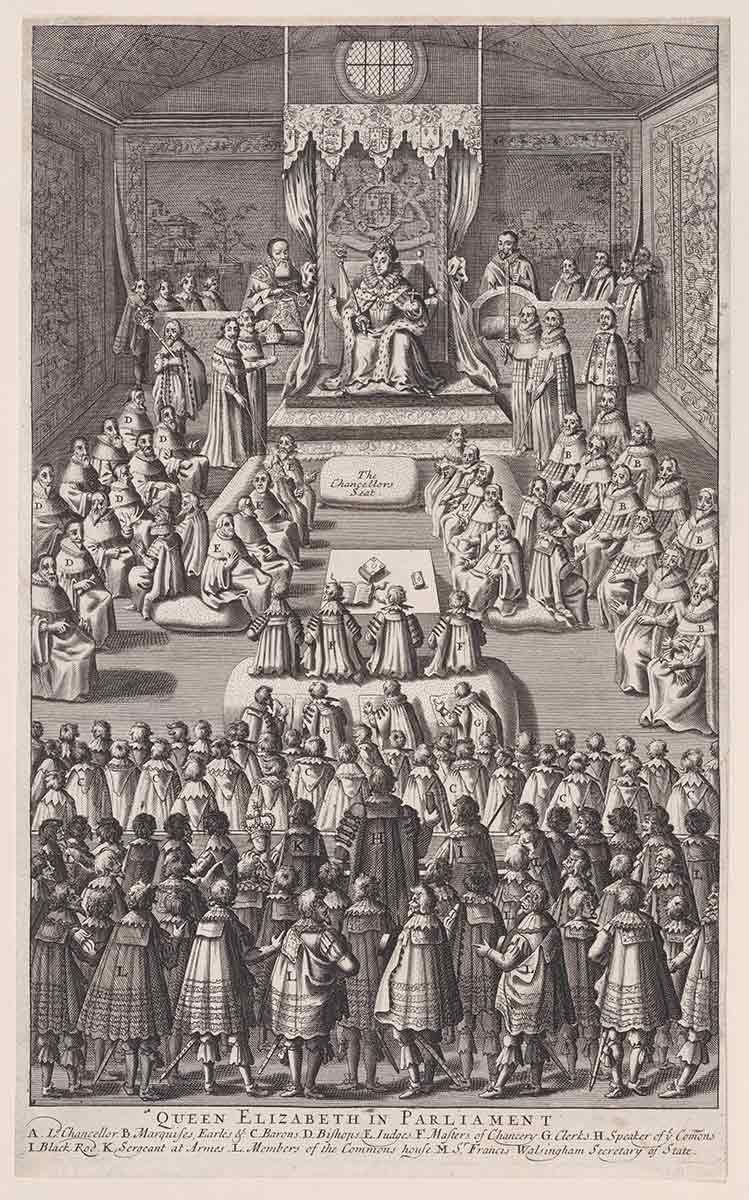
Politics is more a question of how people communicate with one another and how we recognize one another as members of a collective. Rancière reframes politics in terms of our perceptual experience of the world, demonstrating that the political domain shapes how we encounter our environments.
Central to his thinking here is a concept he refers to as the “distribution of the sensible”, referring to how such social institutions shape our sensory experience of the world. Fundamentally, this determines who can partake in shared communal resources – be they material resources, political representation, or even just the space to make one’s voice heard. As such, politics is concerned with what can be seen in our world and what can be said about it.
Rancière emphasizes how our social institutions shape who we recognize as having a say in political matters and whether we take their speech to have any meaningful content. In his account, politics shapes us at the level of such basic human sensory encounters as this. As such, social institutions “distribute” people throughout society and shape how they are perceived and interact with others.
This is why Rancière refers to this distribution as a system of “self-evident facts” that shape our sensory experience of those around us in the communities in which we live. Social institutions impact how we recognize one another and may even lead us to overlook this radical equality that exists between us.
We can understand the distribution of the sensible as an attempt to highlight how social institutions and political systems shape our perception of the world, and to make them appear as fundamental elements of the world that cannot be challenged.
The Link Between Politics and Aesthetics
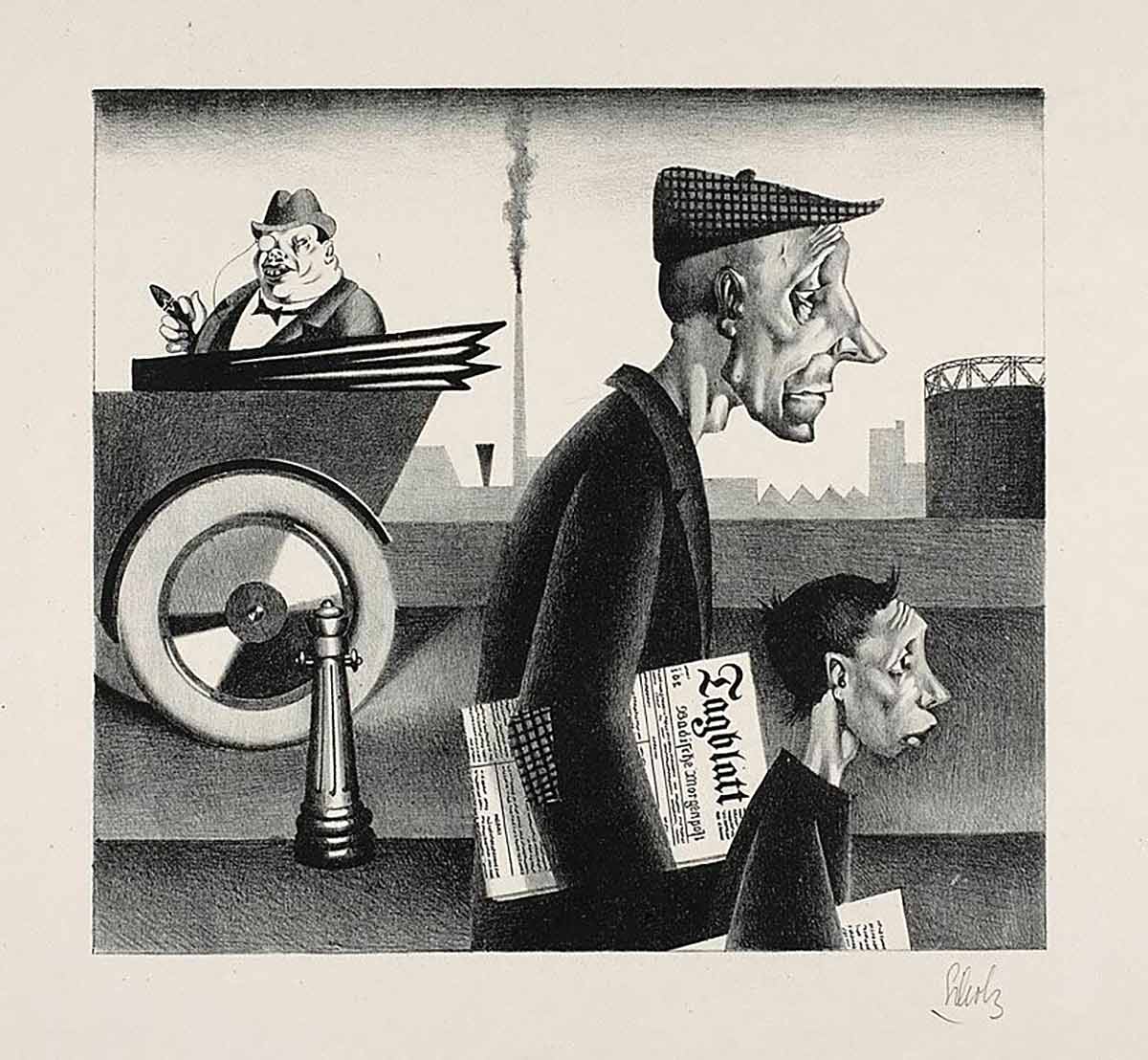
Since politics shapes our perception of the world, it maintains an intimate relation with the field of aesthetics. Beyond confining aesthetics to the study of art alone, Rancière returns to a more expanded understanding of the field as concerned with the very nature of human perception itself. This is how the distribution of the sensible links politics to aesthetics: political organization fundamentally permeates our sensory experience of the world.
Where the institutions of “police” may determine how we recognize one another and experience ourselves as a community, art offers the potential for new ways of seeing the people around us. While much art is explicitly political, this does not mean that all art lacks a political dimension. It is precisely because art can shape our subjective experience of the world that it maintains an inherently political capacity to help recognize a shared equality.
However, art can also experiment with how we perceive the world, and, as such, implicitly contributes to political discourse by opening new ways of experiencing our environments. This is evidenced by the ways in which new voices can be championed across different art forms, showing how different groups of people may approach artistic themes from new, potentially somewhat unique angles.
Art and Aesthetics in the Modern World
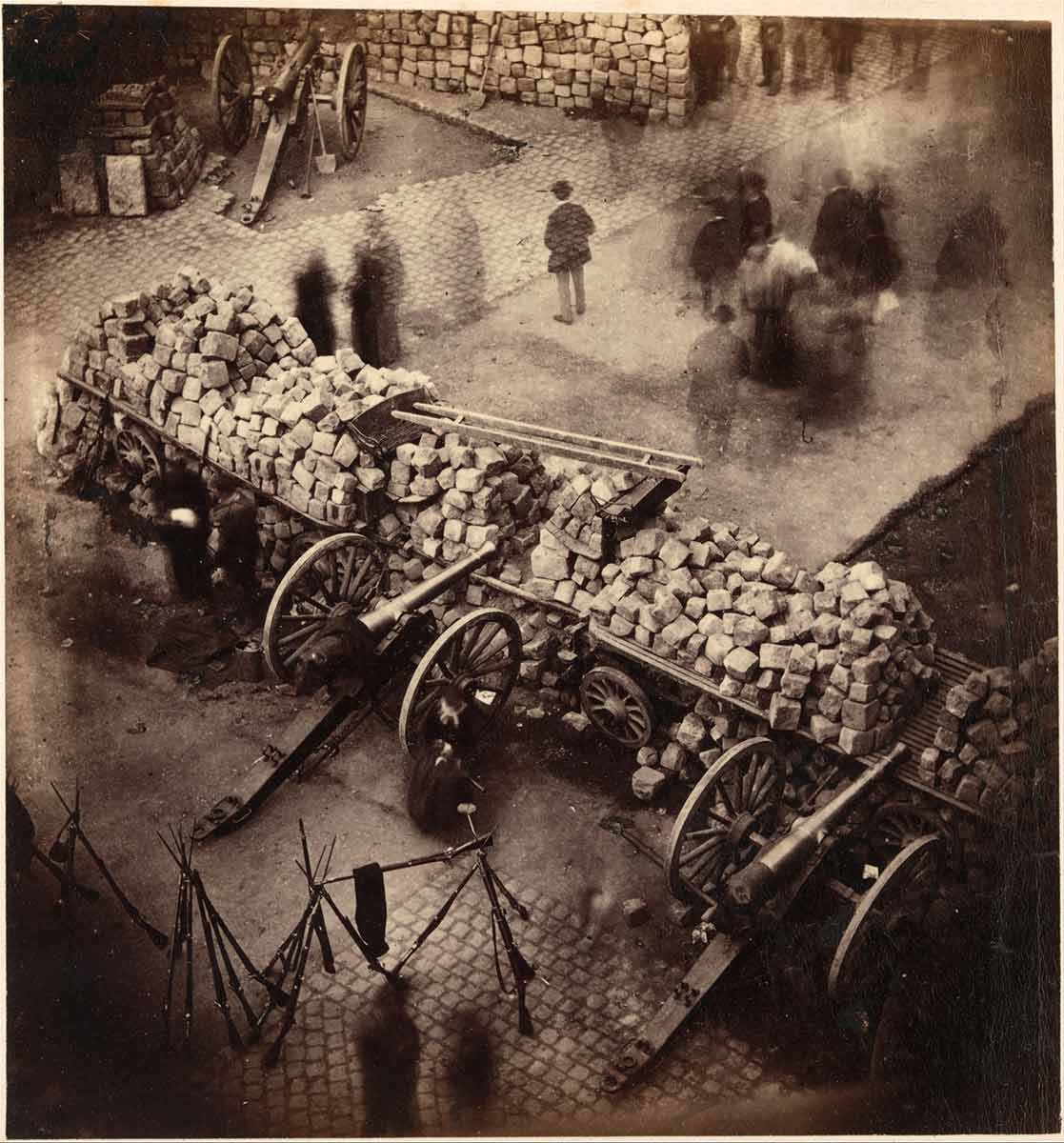
Rancière outlines a particular history of art, divided into different “regimes” or eras, that reflects how our ways of perceiving the world change over time.
In the earliest writings on art stemming from Ancient Greece, Rancière argues that we find the “ethical” regime in which art is tied up to questions of how we live alongside one another and as communities. Art from this era takes on a particular educational capacity, aiming to evoke moral responses and to develop ethical lessons in the spectator. Such art is immersed within communities and plays a role in them, as plays do in Ancient Greek festivals.
Emerging out of this era is what can be called the “representative” or “poetic” regime of art. In this period, art is concerned with how it imitates the world and represents a world beyond artworks. Art is understood as a distinctive system of classifications that determines which methods of creation are considered “art.” This is where notions of mimesis, or how the world represents itself, come to the forefront of our opinions about what we consider to be art.
Our contemporary experience of art is what Rancière calls the “aesthetic regime.” In this situation, art is removed from everyday life and held in art galleries. This removes art from its communal dimension but also offers a promise of equality among spectators. By developing their own interpretation of an artwork, the spectator demonstrates the “free play of the senses” inherent in all of us. This offers a glimpse of a truly egalitarian experience of the world precisely because it is a universal capacity shared by us all and shows how we can all engage critically and creatively.
Politics and the Media
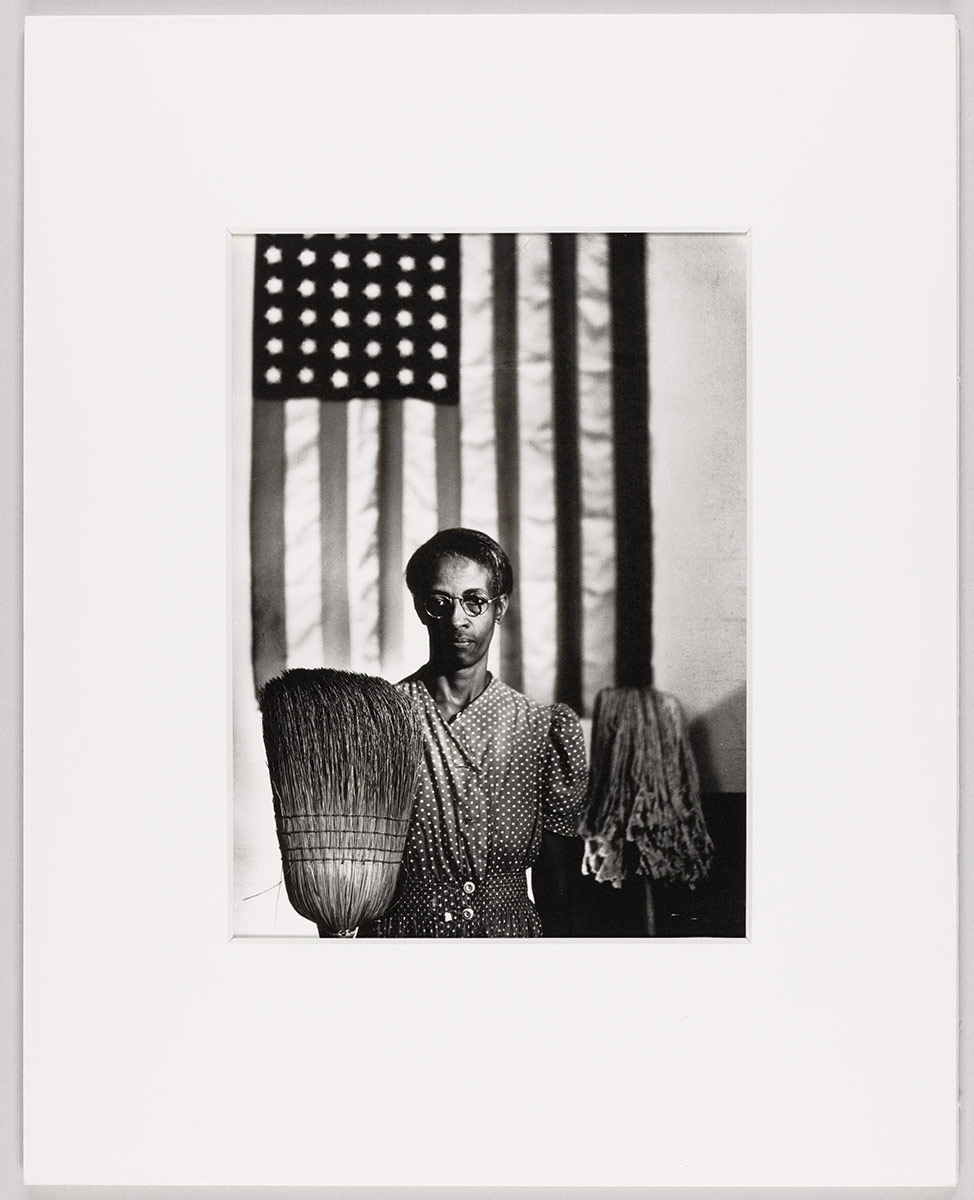
All of this seems somewhat abstract, but Rancière’s thinking is evidenced more than ever in our media-saturated societies. Contemporary news media and digital media, for example, demonstrate how our political systems can shape how we perceive the world and those around us. The tendency for implicit biases to emerge within news media, such as news reports that “other” a group by failing to recognize them as people with their own complications, exemplifies the concerns raised by Rancière’s thinking.
When we see such examples of othering in media, we can see a reflection of how our perception of society is shaped by institutions. The media can determine who provides comments or is given time to speak on a particular topic, which may affect them, reflecting the way in which society is organized in particular ways.
While he maintains strict divisions between news media and art, Rancière also shows how art shapes our everyday experience. Such media may continue to show new considerations on how we relate to one another within communities and how we organize society.
Without reducing art to politics (or vice versa), Rancière shows how the two operate on the same level of sensory experience. As such, his writing can help us understand how media shapes our experience of the world and remind us that we are active spectators, able to critically interpret what we consume and draw on the implicit promise of equality inherent in art.