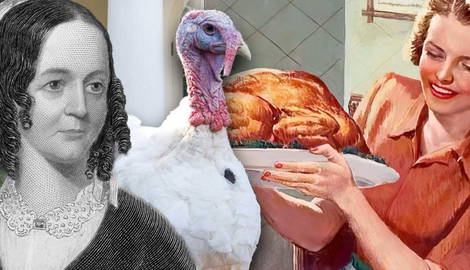

Thanksgiving is typically associated with a family-sized feast of hearty foods including cranberry sauce, pumpkin pie, bread stuffing, and mashed potatoes, all complementing the central focus: the roast turkey. In fact, figures suggest around 45 to 46 million turkeys are consumed during Thanksgiving every year. But how did turkey become such a central part of the Thanksgiving tradition?
The 1621 Plymouth Feast That Never Featured Turkey
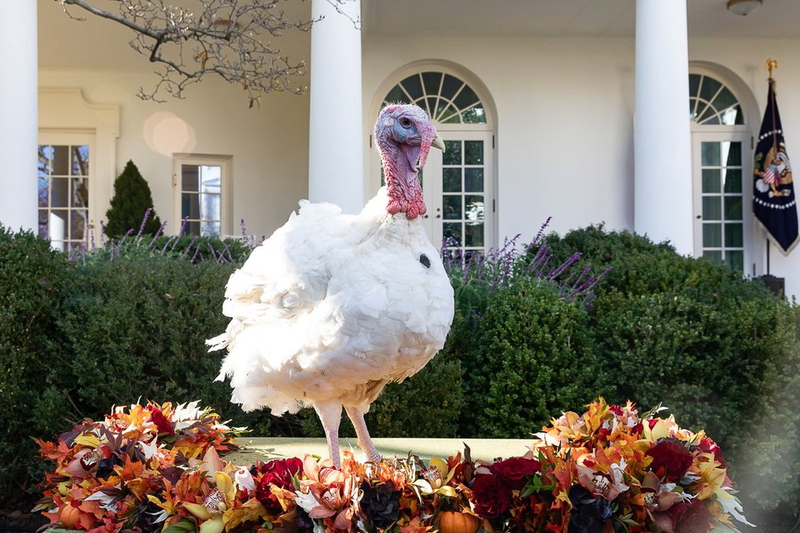
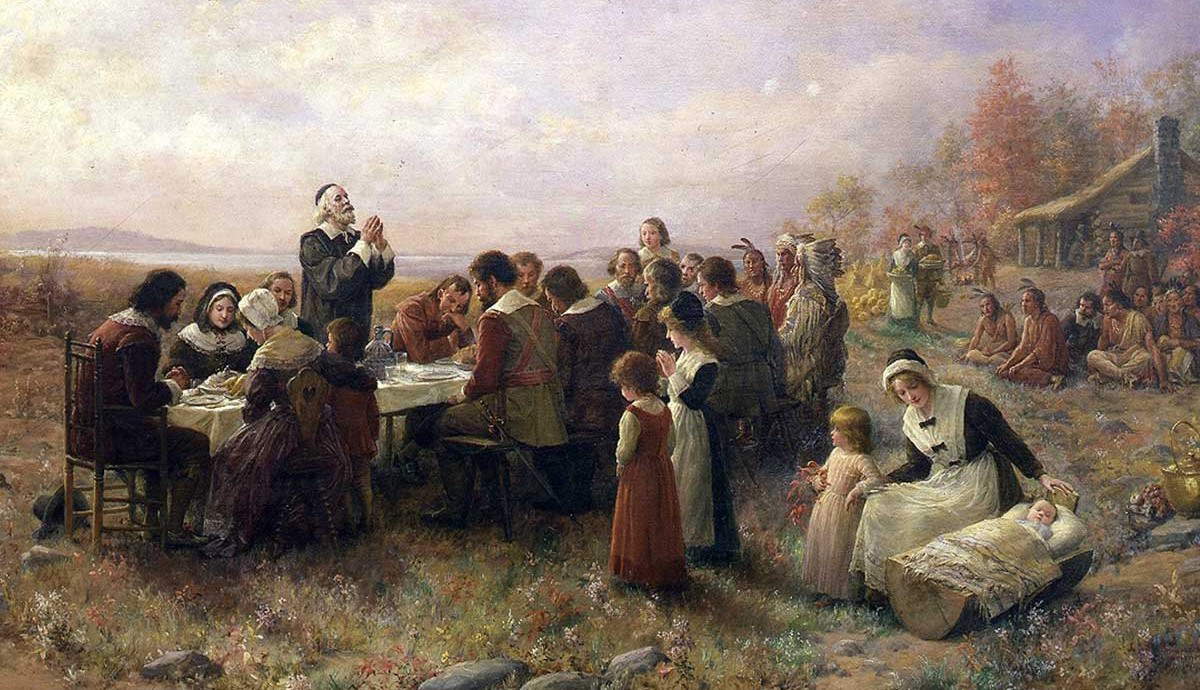
Historians now believe turkey wasn’t actually consumed during what was often cited as the first Thanksgiving meal between the Pilgrim settlers and the Wampanoag tribe in 1621. Instead, it has been suggested they ate deer, along with other wild fowl, such as goose or duck. In fact, it wasn’t until the 19th century that turkey became central to the Thanksgiving feast that sits atop tables across the United States (and Canada!). We track the origins of this traditional dish, which is deeply entwined with the history of the nation itself.
The Practical Economics of the Nineteenth-Century Farm
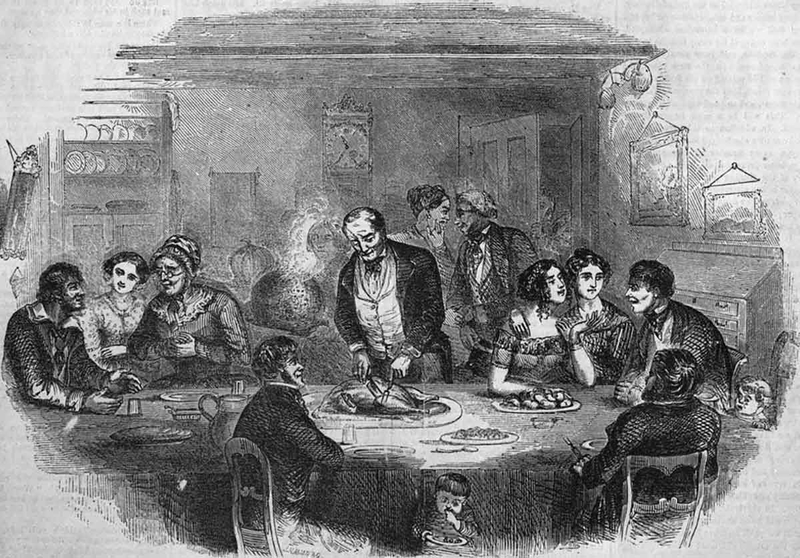
At the turn of the 19th century, turkey was fast becoming a popular dish for families, particularly within North America, where the bird was indigenous. There were several reasons why turkey became so popular during this time. To start, wild turkeys were plentiful across North America, making them easy prey for farming families. Domesticated turkeys were also raised on farms and generally kept solely for meat, as unlike cows and chickens, they could not produce desirable secondary products, namely milk and eggs. Farmed turkeys could also grow to generous sizes, making them a popular choice for large family gatherings, as they could easily feed an entire family.
Sarah Josepha Hale and the Campaign for Thanksgiving
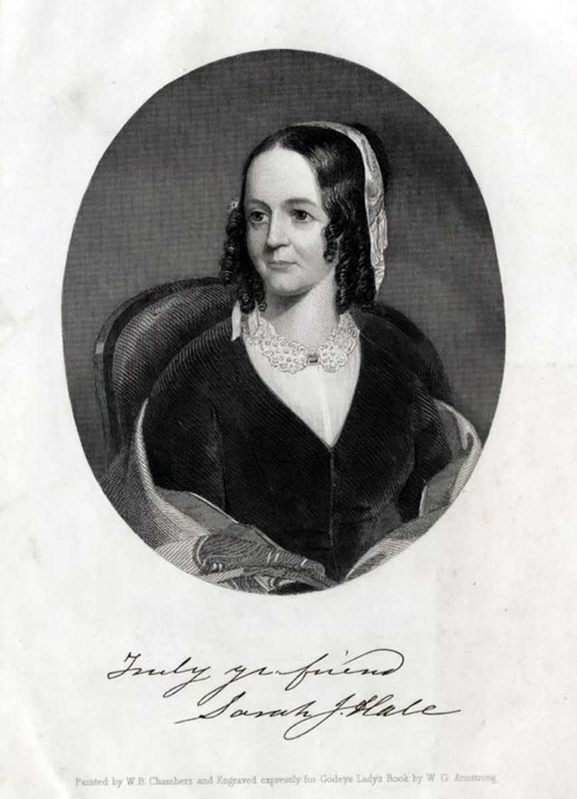
Many of the Thanksgiving traditions we know today owe a debt to the American writer and lobbyist Sarah Josepha Hale, who spent years campaigning for Thanksgiving to become a national day of celebration, arguing that it would unify a country on the brink of war. It was thanks to her hard work that President Abraham Lincoln eventually proclaimed the public holiday in 1863, to take place on the last Thursday of each November. Hale’s dedication earned her the moniker “Mother of Thanksgiving.”
Hale even wrote about the traditional Thanksgiving meal in her 1827 novel Northwood, describing a New England Thanksgiving meal with a large roasted turkey placed at the head of the table, creating a blueprint of the ideal family gathering that would persist in the minds of Americans for centuries. Hale assumed the early settlers would have shared turkey with the Wampanoag tribe, and although her theory has been largely dismissed, the turkey has remained the stalwart centerpiece of the Thanksgiving meal.
How Westward Migration Spread the New England Tradition
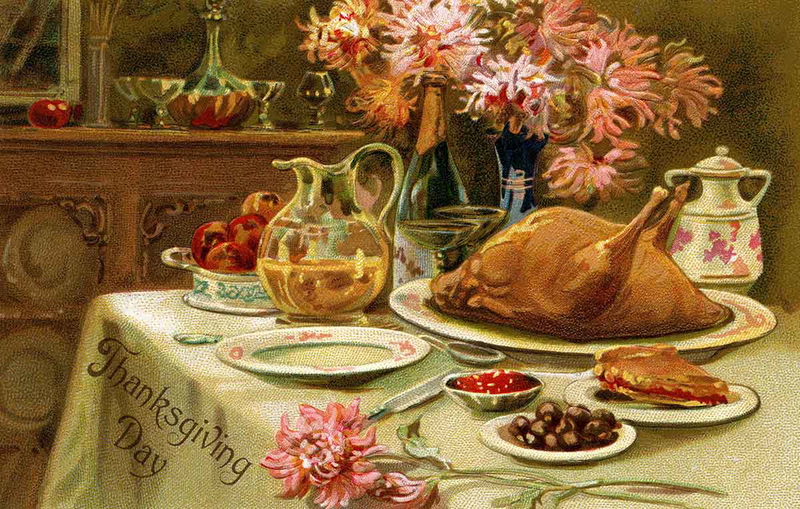
Ashley Young, a historian with the Smithsonian National Museum of American History, argued in a recent interview that one of the core reasons turkey became so embedded within the cultural consciousness was because of migration from New England, where the bird was plentiful and popular. As settlers gradually spread across the American West, she explained, they brought with them their traditional foods and harvest festivals. Turkey farming became widespread across all areas of the US, and the bird’s popularity grew with it.
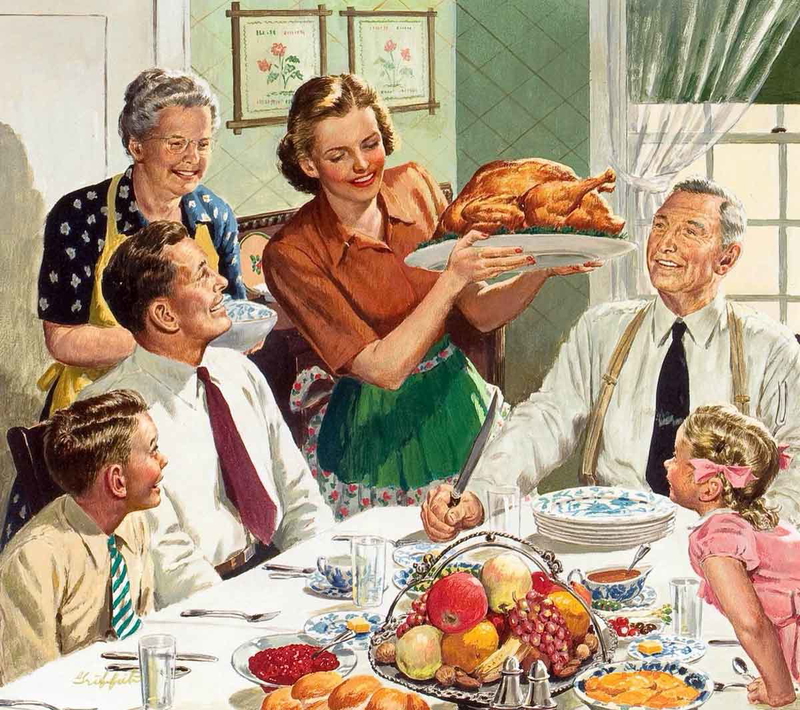
Following Abraham Lincoln’s decree, Thanksgiving was accepted as a traditional celebration across much of the United States during the mid-19th century. The humble turkey became a key part of uniting the populace for this annual celebration, setting Americans apart from other nations, many of whom already had entrenched culinary traditions going back many centuries, or even millennia. Over time, the tradition of gathering to eat turkey became embedded within the national mythology.
The Evolving Thanksgiving Feast
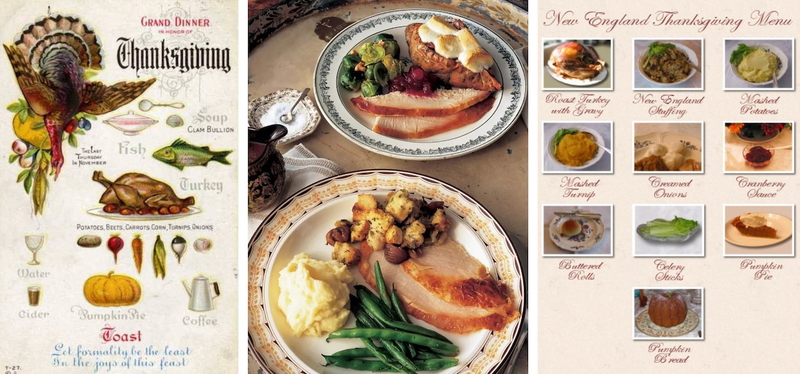
The typical American Thanksgiving feast has changed over the years. While turkey remains a central part of the feast, Thanksgiving dinner varies regionally and among Americans from various backgrounds. Above are three different examples of Thanksgiving feasts. On the left is a postcard from c. 1910 depicting typical Thanksgiving feast offerings, including turkey, fish, and pumpkin pie. In the middle is a classic Thanksgiving plate by Martha Stewart, an American businesswoman, homemaker, and television personality from New Jersey. On the right is a New England Thanksgiving menu served in Falmouth, Maine, in 2005. All of these menus contain turkey, but they have their own flair as well.
From Horace Vose’s Gifts to the Presidential Turkey Pardon
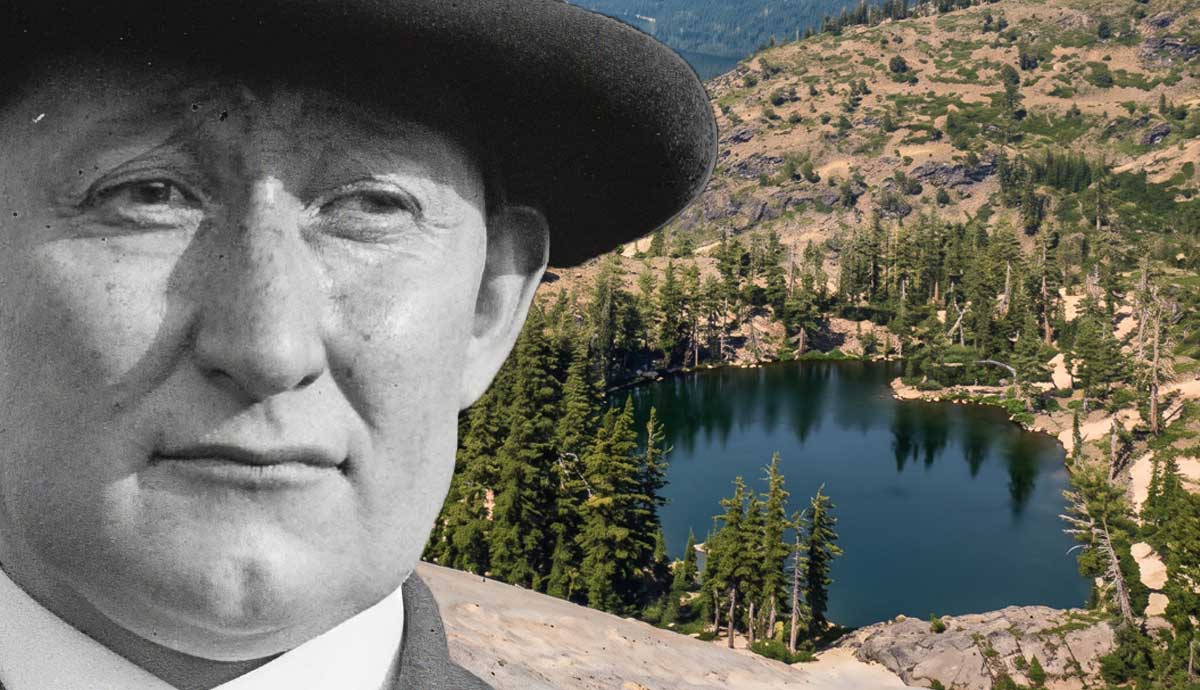
The tradition of gifting turkeys to the American president began during the 1870s, when poultry dealer Horace Vose generously shared his largest birds with the presidential family on Thanksgiving and other festive days. Following his precedent, several dealers continued the practice over the years, and such gifts became a ceremonial act of national importance.
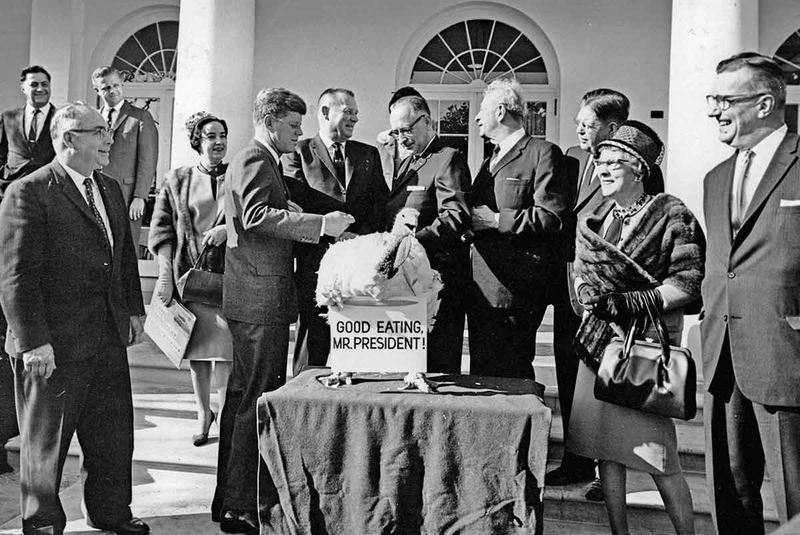
Another curious turkey tradition also emerged more recently: the Presidential pardoning of the Thanksgiving turkey. In 1963, President John F. Kennedy was gifted a turkey bearing a sign around its neck reading “Good eating, Mr. President.” In response, Kennedy returned the turkey to the farm, famously quipping, “Let’s let this one go.” Since then, each president has bestowed a pardon on one or two carefully chosen turkeys every year, who instead go to petting zoos or farms.
Traditional Foods for Canadian Thanksgiving
Many Americans don’t realize that Canada also celebrates Thanksgiving, observed on the second Monday of October every year. Canadians eat many foods similar to Americans for Thanksgiving, though their meal is often slightly more subdued, featuring turkey, mashed potatoes, cranberry sauce, and spiced pumpkin pie.
Like in the United States, the Canadian Thanksgiving feast also varies by region. In Newfoundland, many eat “Jiggs Dinner” on Thanksgiving, consisting of split pea pudding and boiled meat. In coastal areas, Thanksgiving meals in Canada often have ham and seafood as part of the dinner. Even though Canadian Thanksgiving has separate origins from the American holiday, many still strongly associate the celebration with turkey.