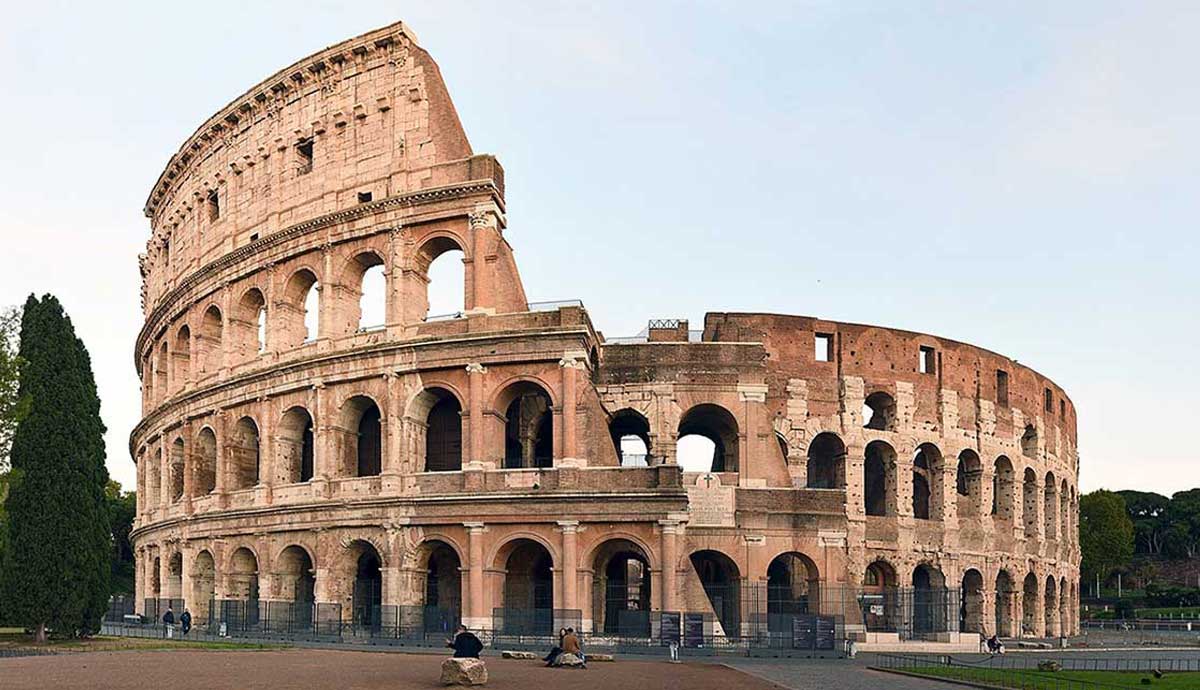
Long before today’s WWE stars stepped through the fireworks at WrestleMania and flexed for huge crowds at places like Madison Square Garden, another group of entertainers was already getting people excited and staging big dramatic fights centuries ago. Called gladiators, they emerged in ancient Rome as early as 264 BC. While early matches simply took place in market squares, gladiators eventually went on to fight in grand arenas like the Colosseum. Interestingly, the bloody shows in the Roman arena weren’t really all that different from the showmanship displayed in the WWE ring today.
Like WWE Stars, They Were Popular
Roman gladiator shows gave emperors and rich patrons a chance to display their wealth to the public, celebrate military victories, welcome distinguished guests, or simply distract people from political issues and economic hardships. But it was the fighters themselves who became the true stars of the spectacle. Fans in Rome got so fixated on gladiators that they wrote their names on walls all over the city. Gladiator-themed merchandise sold extremely well as a result.
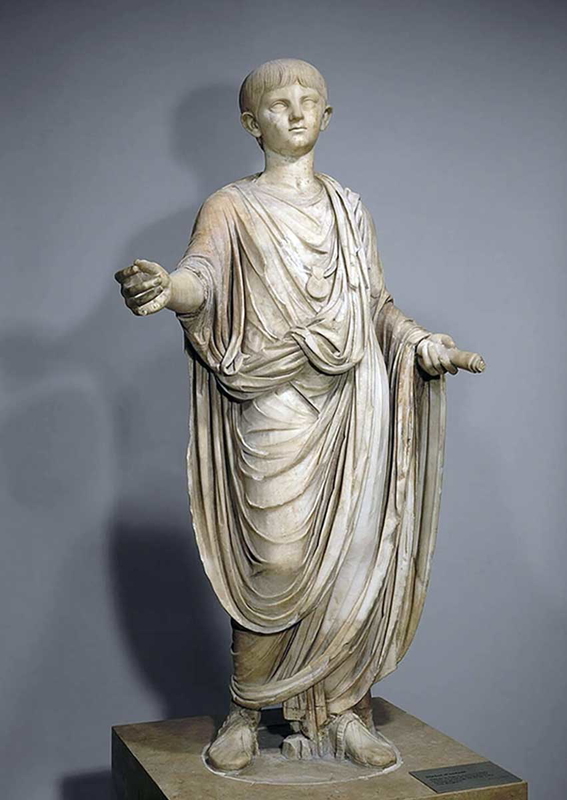
Spiculus, a popular gladiator in the 1st century AD, for example, became a favorite of the Emperor Nero. Nero gave Spiculus land and even palaces. Gladiators were also seen as attractive figures and were basically the heartthrobs of their era. Some people even thought that the blood of a gladiator had properties that cured severe seizures.
Still on the fanfare, old records show that a gladiator named Hermes (a stage name borrowed from Greek mythology) received massive praise from the Roman poet Martial, who wrote an entire poem about his great skills. Every single line of the poem began with the name Hermes. Martial described him as a very slick fighter with amazing technique. This shows that modern celebrity culture has deep historical origins.
They Had Managers
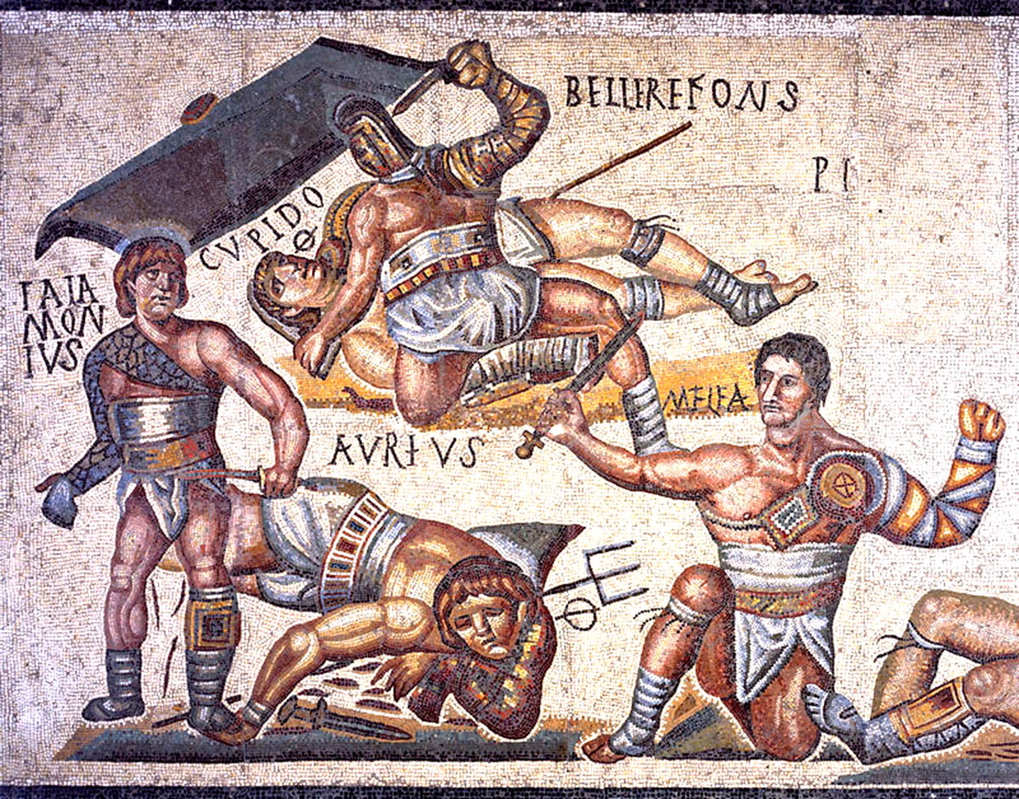
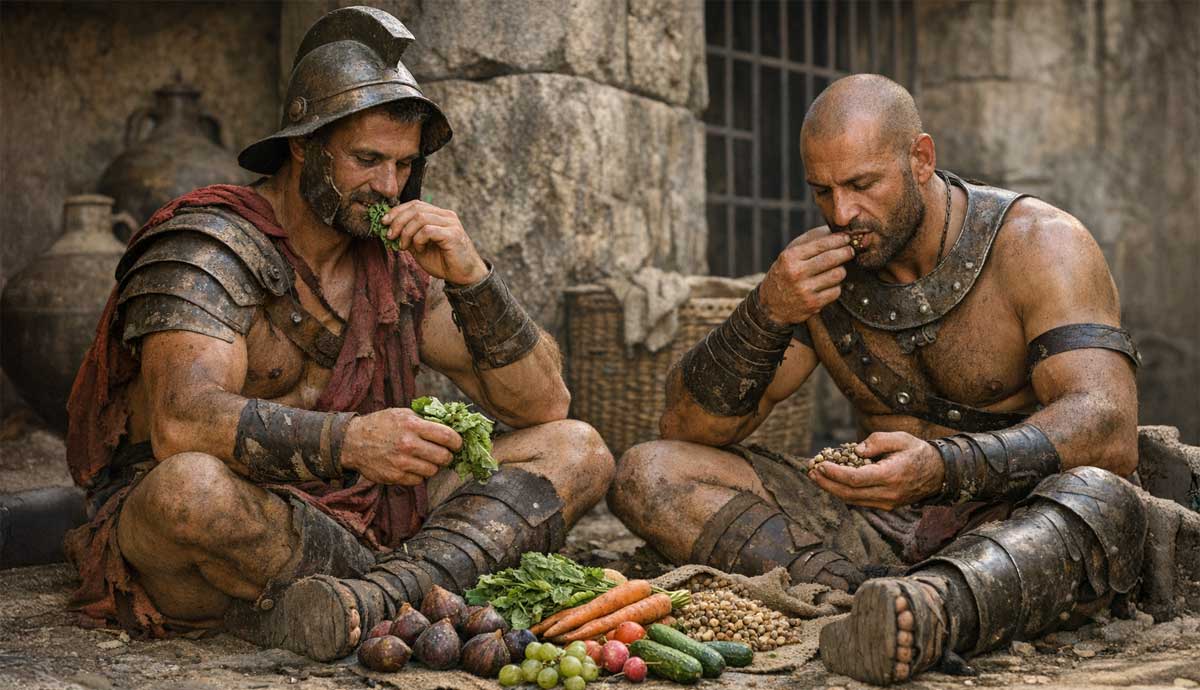
Initially, gladiators were mainly criminals and prisoners of war, but over time, gladiatorial fighting turned into a real job instead of just a punishment, and they needed constant support. Like WWE wrestlers today, this was provided by managers known as lanistae. The managers would train, feed, and provide medical care for their gladiators, teach them combat techniques, and shape them into fighters that crowds wanted to pay to see.
Due to the evolution of the sport, it didn’t make sense to let popular fighters go into the arena to die as gladiators were expensive to train. As such, strict rules were enacted and referees were used to stop fights. Beaten fighters could surrender and the event sponsor or the crowd would often choose to spare his life. The strategy allowed popular fighters to have longer careers and generate more revenue for the schools.
Their Fights Were More Show Than Killing
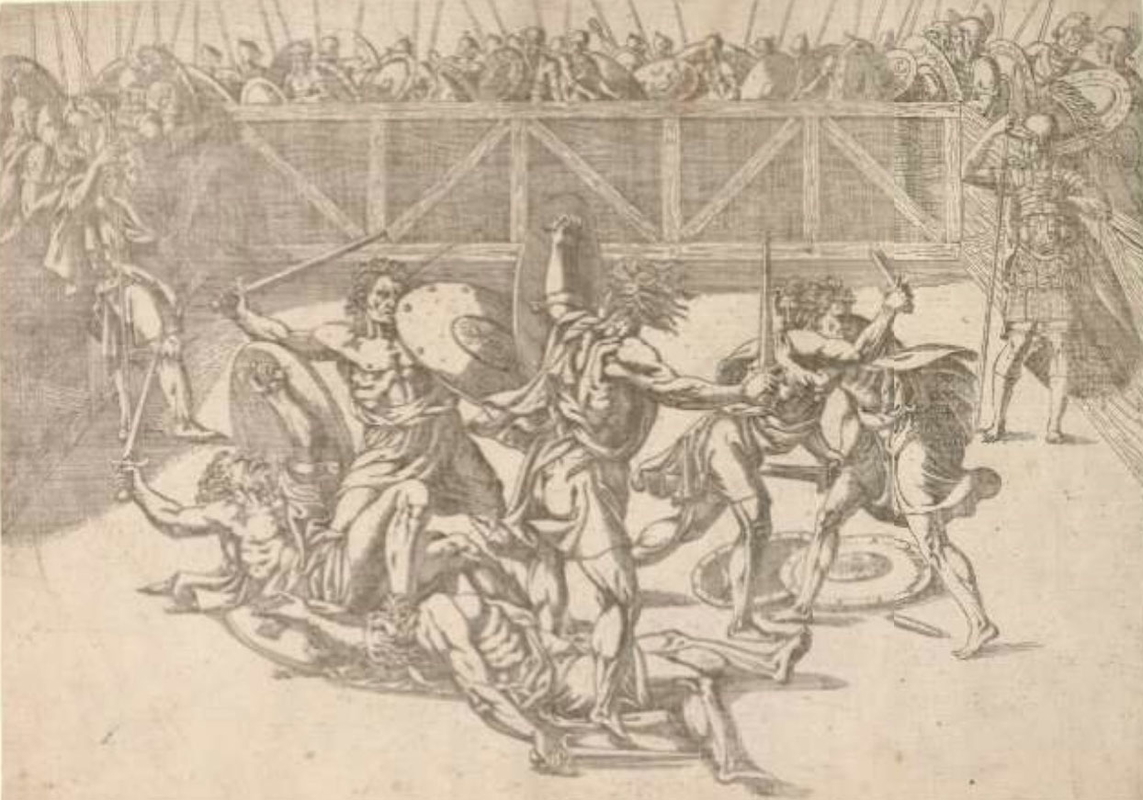
Most gladiator fighters only battled 2 to 3 times a year, and only about 10 to 20 percent of them died in matches, even though people think they always fought to the death. According to archaeological findings, gladiator fighting turned into more of a martial art around the start of the 1st century. To excite the crowds in the arena, the fighters would show off their impressive fighting skills. Modern pro wrestling like WWE has borrowed some elements from gladiator matches, such as the huge dramatic entrances.
They Were Early Influencers
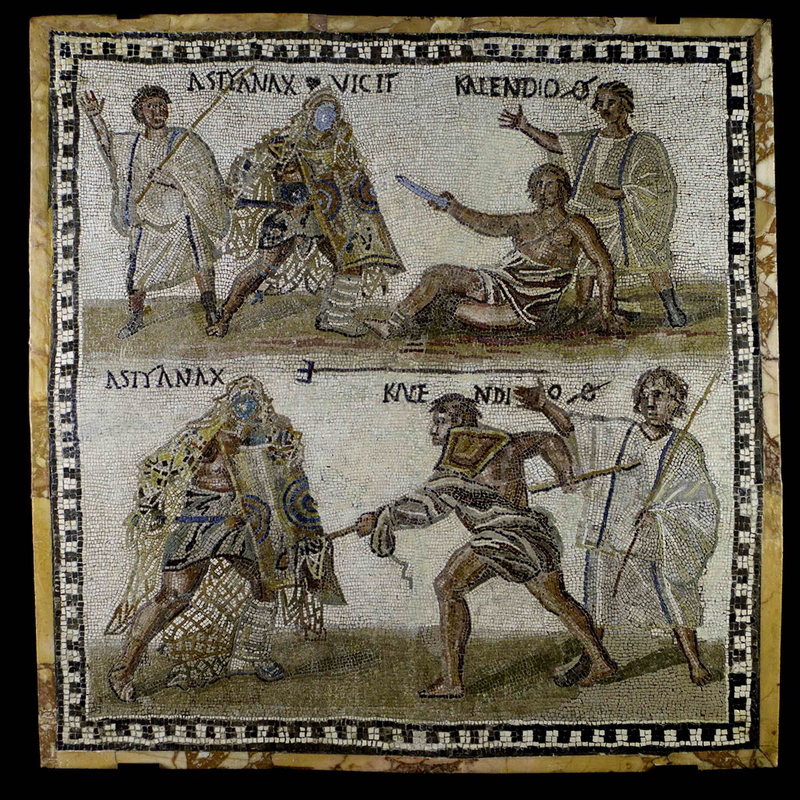
Even though gladiators were viewed as outcasts or slaves by the law and were strictly banned from voting or running for public office, they were famous across the empire. Drawn in by the urge to fight and the promise of fame, many free men also signed up with gladiator schools on purpose, hoping to win glory and prizes. These freelance fighters were often from poor backgrounds or ex-soldiers who were good at fighting. Others were high-class patricians, knights, and even senators who wanted to show off their fighting skills.
They Had Stage Names and Unique Fighting Styles
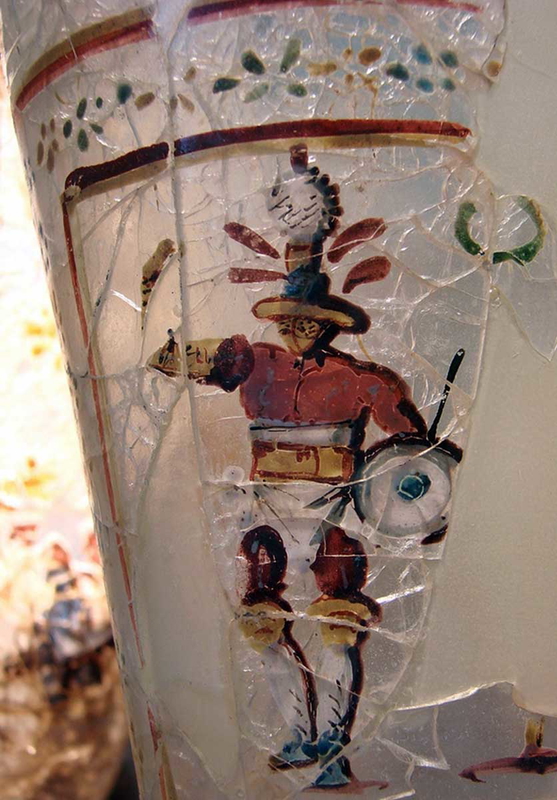
In the Roman Imperial times, there were many kinds of fighters. Each had a different name and used certain weapons and fighting techniques. Most were heavily armed and wore helmets. These were the hoplomachus, murmillo, provocator, thrax, and secutor. Plus, there was the eques, who only fought other eques since the fight started on horseback. The retiarius were lightly armed with a net and trident and wore no helmets. The WWE also features fighters with unique names and fighting techniques.