Roland Barthes was a specialist in the signs at play in language, media, and everyday life. When he turned his attention to photography, he developed a profoundly subjective and nuanced philosophical approach to this medium. His approach allows us to engage with photos beyond their purely formal elements and introduces the subjective nature of our encounter with the medium in our ways of thinking about such images.
The Search for the Essence of Photography
Renowned for his approaches to literary texts and the nature of language, Roland Barthes had to change his approach when considering photography as a medium. While he drew analogous connections between language and photographs, he found that the medium itself evades a purely objective or scientific approach, as found in his earlier works. This approach is not concerned with the history of photography but rather attempts to engage with the photo as it exists in our everyday experience. His project is an attempt to figure out what photography is “in-itself,” that is, which specific essential feature defines the photograph and makes it distinct from all the other images in our visual culture.
He embraces a more phenomenological approach to photography, grounded in his experience as a spectator and as someone with a relationship to specific photographs. He emphasizes the position of looking at photographs rather than the photographer’s intentions and reasons for capturing such an image. As such, he makes a distinction between the Spectator, that is, the bodily experience of looking at the photo, and the Spectrum, which is the object captured in the image.
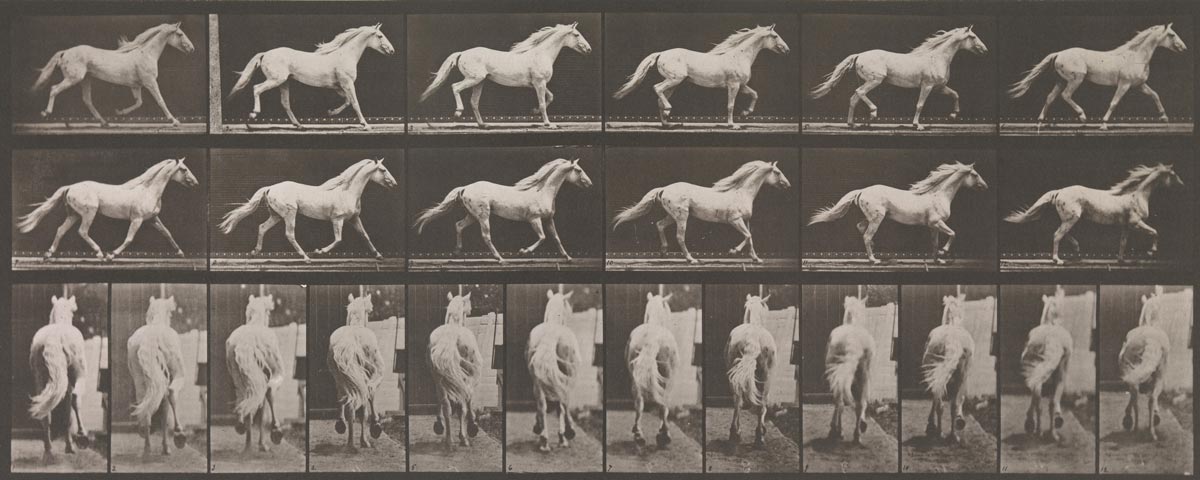
A distance in time opens up between the Spectator and the Spectrum, where the person or object captured in the photograph will always be further back in time or lost compared to the photograph itself. Even when a person is captured in a photograph, the photo itself renders that person into an object to be looked at. The photo is never a metaphor. It always captures something as it really existed. This is what Barthes refers to as the noeme of the photograph: the image refers simply to the real-world object that it has captured in time.
Decoding the Studium and the Cultural Image
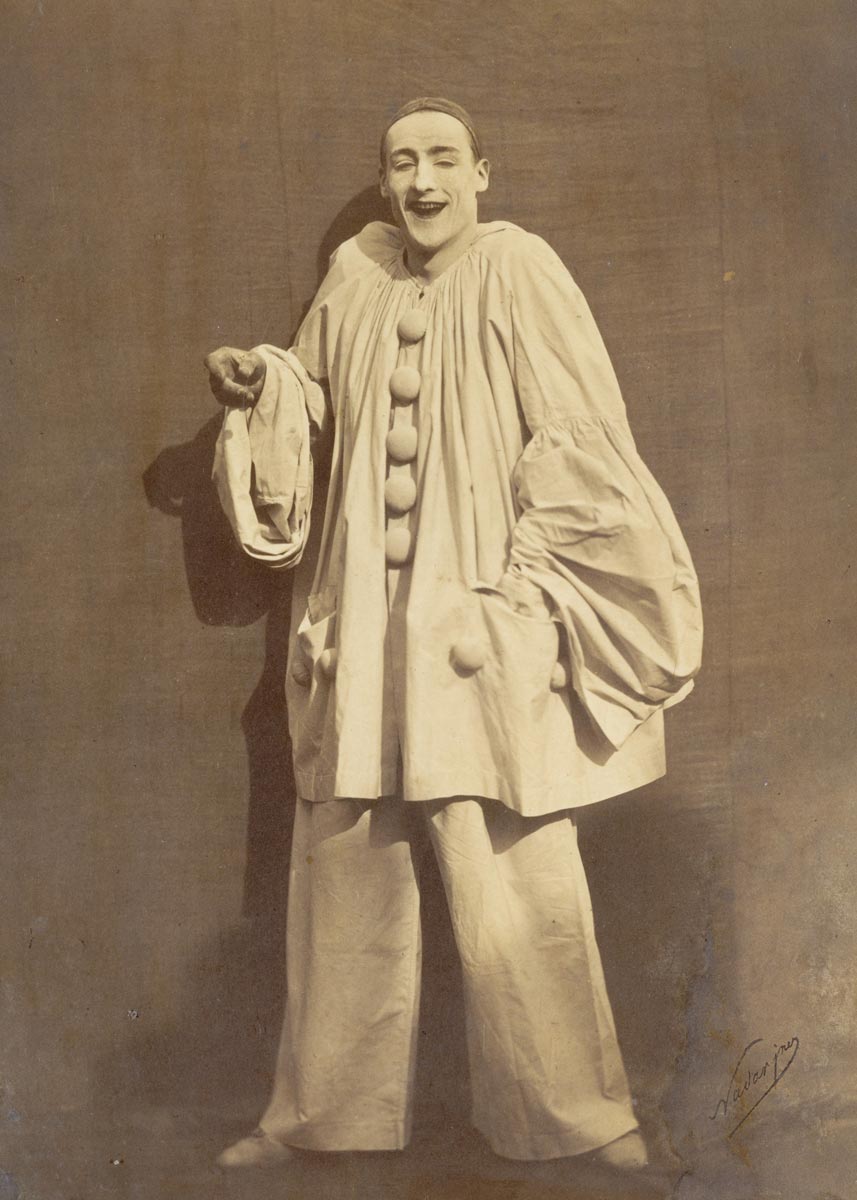
Barthes’s account of the photo encompasses both the more objective elements of the image and our subjective experience of it. The first element of the image that he makes note of is the studium, which is the more objective and social side of the image. The studium is the set of cultural signifiers and references through which we understand and interpret a photograph.
This is the field through which we experience a sort of cultural training that allows us to demonstrate a general interest in a photograph, even if it doesn’t quite capture our attention. As such, it allows us to recognize a range of cultural, historical, or political meanings within the image itself.
The photograph arouses a certain passive interest in us, even if we are not actively distracted by it. We may not be gripped by the image in front of us, but we can still recognize and “read” what visual content is being presented to us. In fact, we might actively like the photo in front of us, but it may not resonate with us on a profound level as some other images do. The image can be understood, but it does not affect us in any strong way.
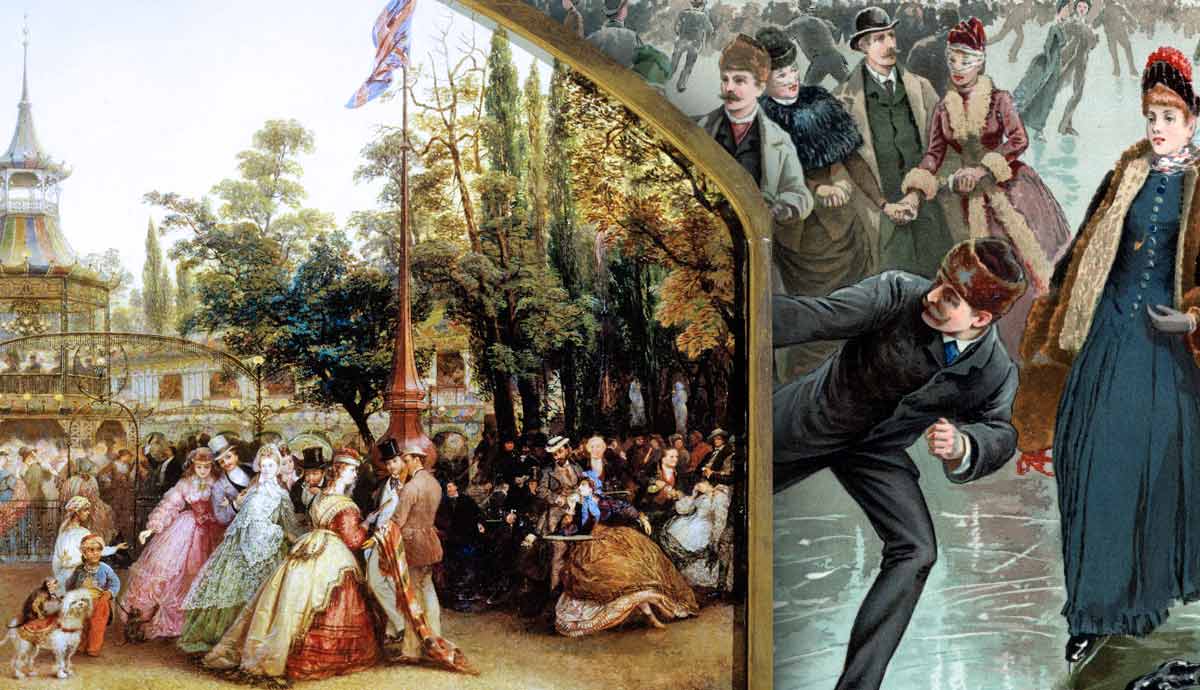
The photographs that function in the domain of the studium tend to attempt to convey specific cultural significations. For example, images of political figures operate within the studium: famous politicians or those depicted in uniforms convey specific cultural meanings.
Photographs in newspapers and on websites are supposed to quickly and concisely convey specific content to us dependent upon the studium. This is why Barthes refers to the studium as always being “coded,” in that we have to have a cultural context and understanding to be able to read the image itself.
The Punctum and the Subjective Sting
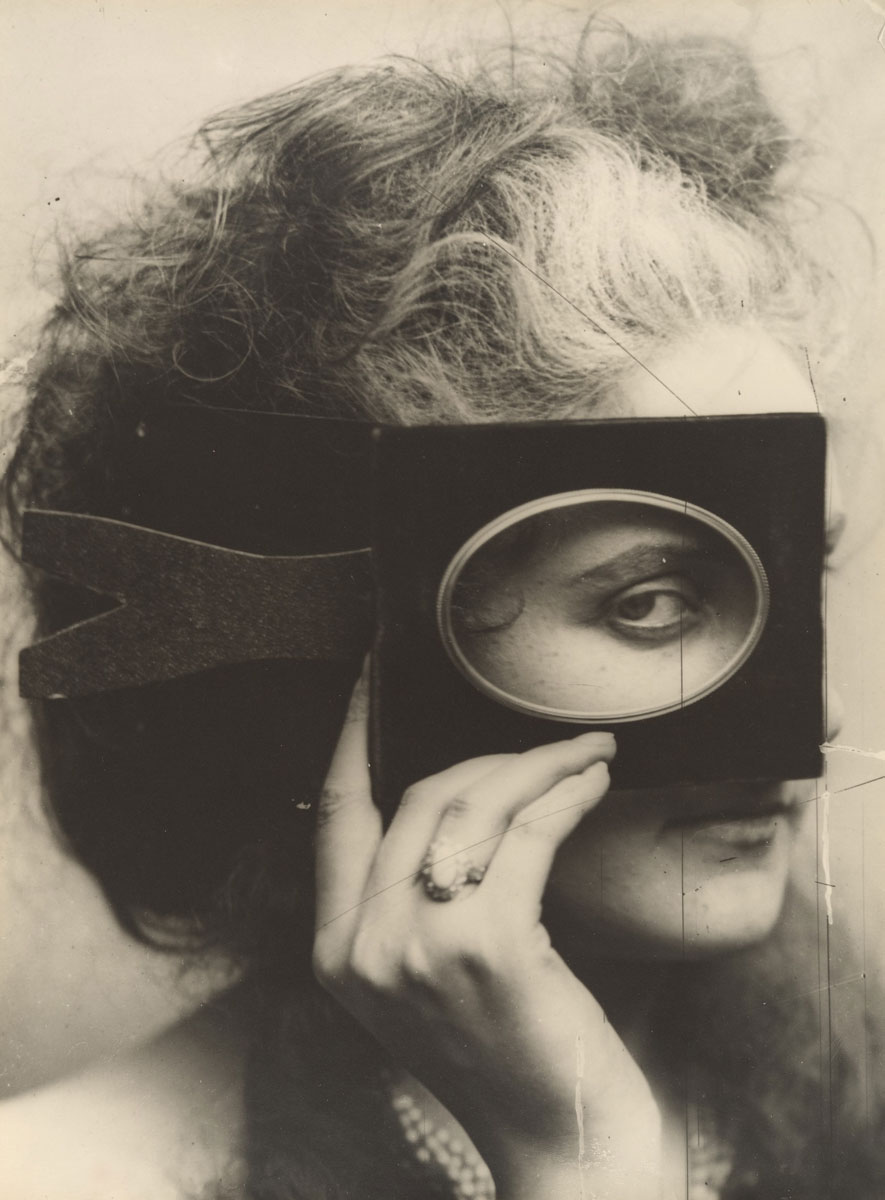
The studium is contrasted to the more subjective experience of the punctum. The punctum is a detail that “pricks” us, a minor element within a photograph that affects us and enables us to develop a relationship with the image. The punctum may be a minor detail that is of no interest to anyone else, and so noting what has caught our attention in a photograph makes us reveal something about ourselves. Barthes himself gives examples of shoes or bad teeth.
As such, we cannot actively search for a punctum within an image. Instead, we have to let it linger in our minds and memories and then, possibly, a punctum may make itself known to us. Barthes emphasizes that this is not a conscious process. Rather, we have an uncontrollable emotional response or resonance with some detail within the image itself, which we may not even consciously process at first. The punctum of an image finds the spectator and affects them without any effort on the spectator’s side of the experience.
With this distance between the object captured in the image and the lingering presence of the photograph, time itself functions as a form of punctum, eliciting an emotional response. Having captured something in the world, the photograph acts as a “living image of a dead thing.” There is a quality to the image which depicts that “this-has-been,” something real has been in the world, and as time passes, the photograph proves to be the only evidence of this moment.
This awareness can be extended to portraits of people: we know that time has passed, and the person captured in front of us may no longer be alive. Knowledge of their death affects us in a way that causes this emotional response to occur.
The Winter Garden Photograph and the Truth of the Image
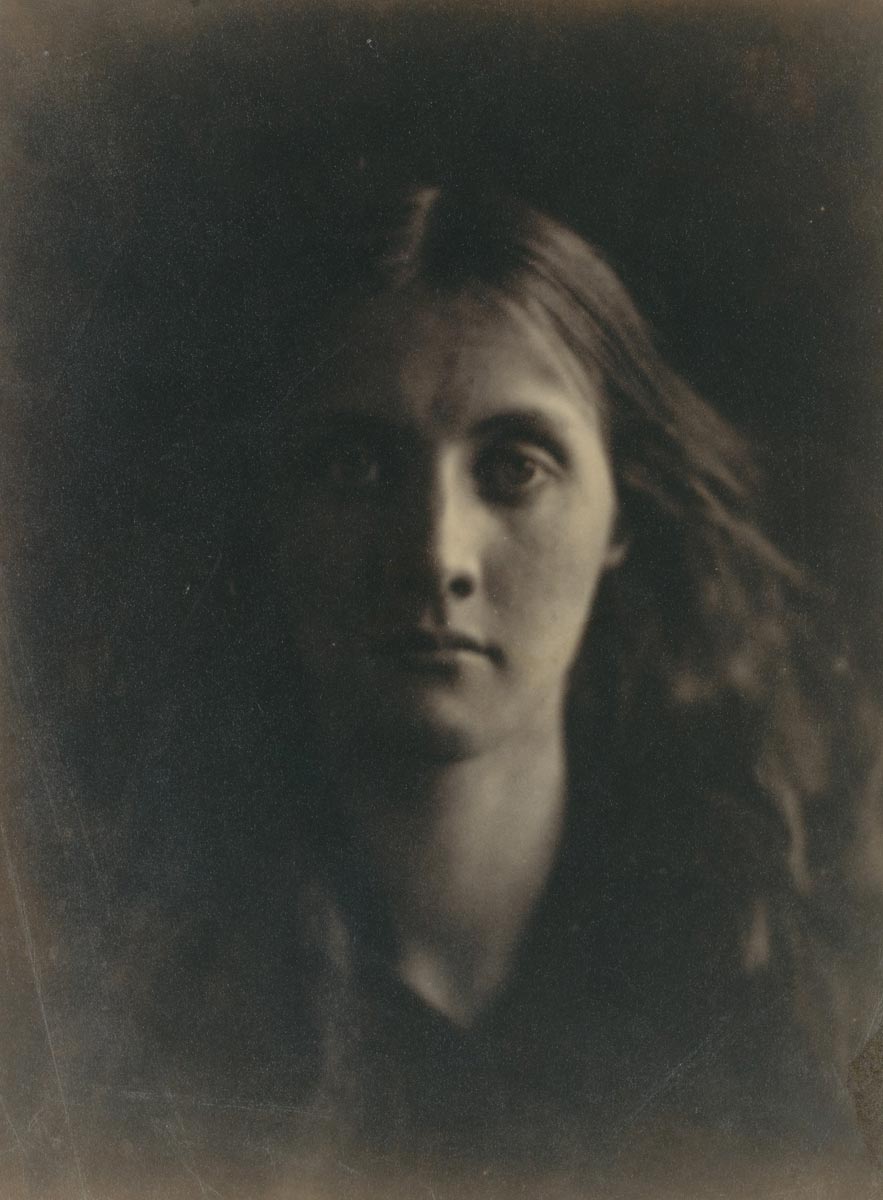
Barthes’ approach to images demonstrates an inevitably personal element, evident in our own relationships with photographs. As such, his investigation is driven by an autobiographical impulse: the death of his mother. Sifting through photos of his lost mother, Barthes attempts to find one in which he can definitively “recognize” her, to find whether there is an image that definitively captures some essential feature of his mother through which he finds her.
He eventually comes across a particular photograph, namely The Winter Garden Photograph. Despite never having known his mother when she was this young, Barthes recognizes something in the photograph that definitively allows him to identify her. The photo depicts his mother as a child, standing with her brother in a Winter Garden. For a book illustrated with assorted photographic examples, this is the one image which Barthes discusses but does not reproduce for the reader, precisely because it would not have the same effect upon us. It would lack the fundamentally subjective punctum and cannot serve as a “visible object” in scientific study.
In this sense, the photograph captures a particular truth about the world, or the particular “air” of a person that defines them. It demonstrates the capacity for the image to capture a specific truth or essential characteristic of a person beyond simply depicting them through a particular resemblance. This air is the energy that animates people in their lives. Someone’s air remains a difficult notion to pin down concretely precisely because it captures that animating element of the individual, their “soul” of some sort.
How to Use Barthes’ Approach
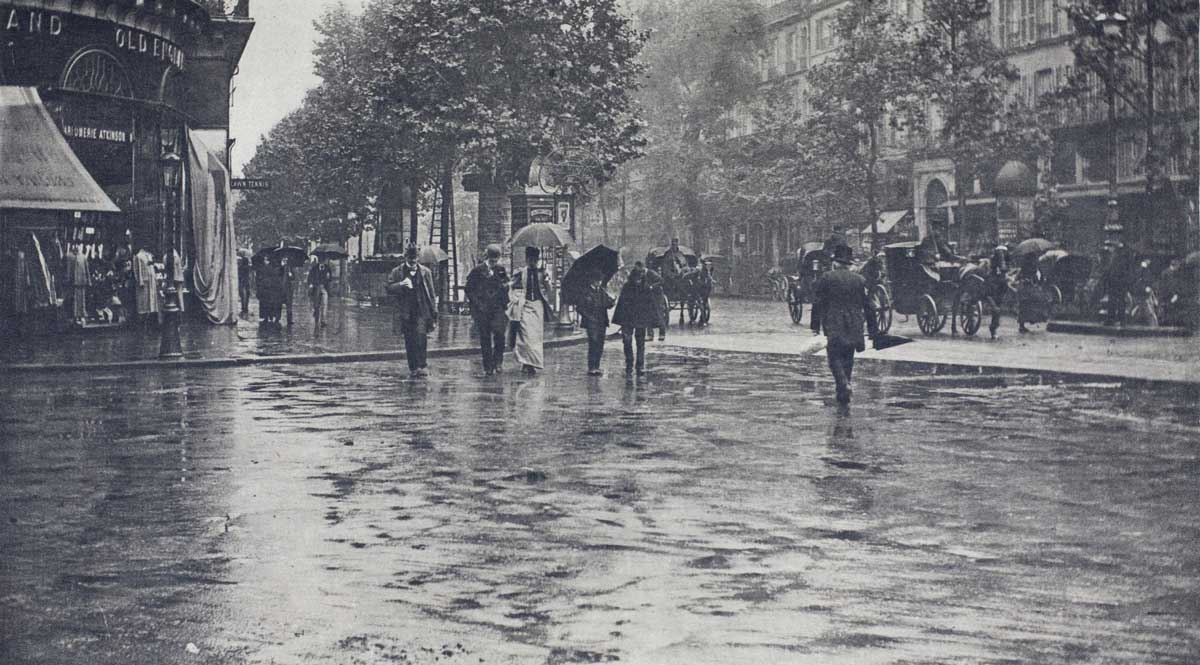
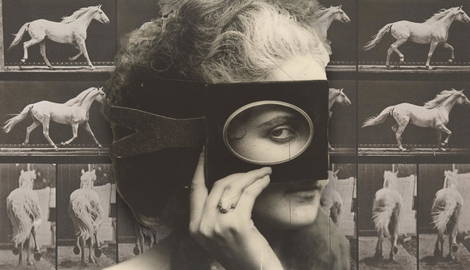
Despite being able to capture the air of a person, photographs still fundamentally lack depth. Rather than a camera obscura, which shows us the world and expands our perceptions, Barthes considers photos as “camera lucida.” This device allowed people to simultaneously view the worldly object and its representation, much as a photograph depicts an object that has existed and its current absence.
This is why Barthes argues that the photo demonstrates a certain hallucinatory quality. Beyond the formal elements of images, the photograph elicits emotional engagement, which we must consider when examining the medium. Discovering the “air” of his mother in the Winter Garden photograph entailed that he “entered crazily into the spectacle,” and the intensity of this experience is what defines the medium.
Barthes helps us understand how our encounters with images reveal aspects of ourselves and how this is a necessary element of the medium. We can look at images beyond the concerns of the studium (that is, the cultural codes by which we understand an image) and understand the more subjective element of the punctum, that one detail which develops our relationship with a photograph. As he emphasizes, we cannot simply pick up on the punctum initially, but when an image captures you, then the possibility of a punctum can foster your engagement with particular photographs.
The question of what that punctum may be reveals both your interest in the photo and your relationship to the world. This becomes even more useful in the context of contemporary social media. Since Barthes wrote his text in the early 80s, photographs have become ever-present in our lives, and our relationships with such images have become even more complex. However, he offers us an approach for considering these relations.