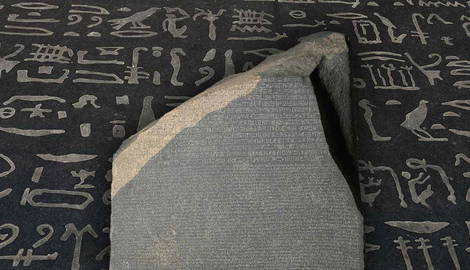
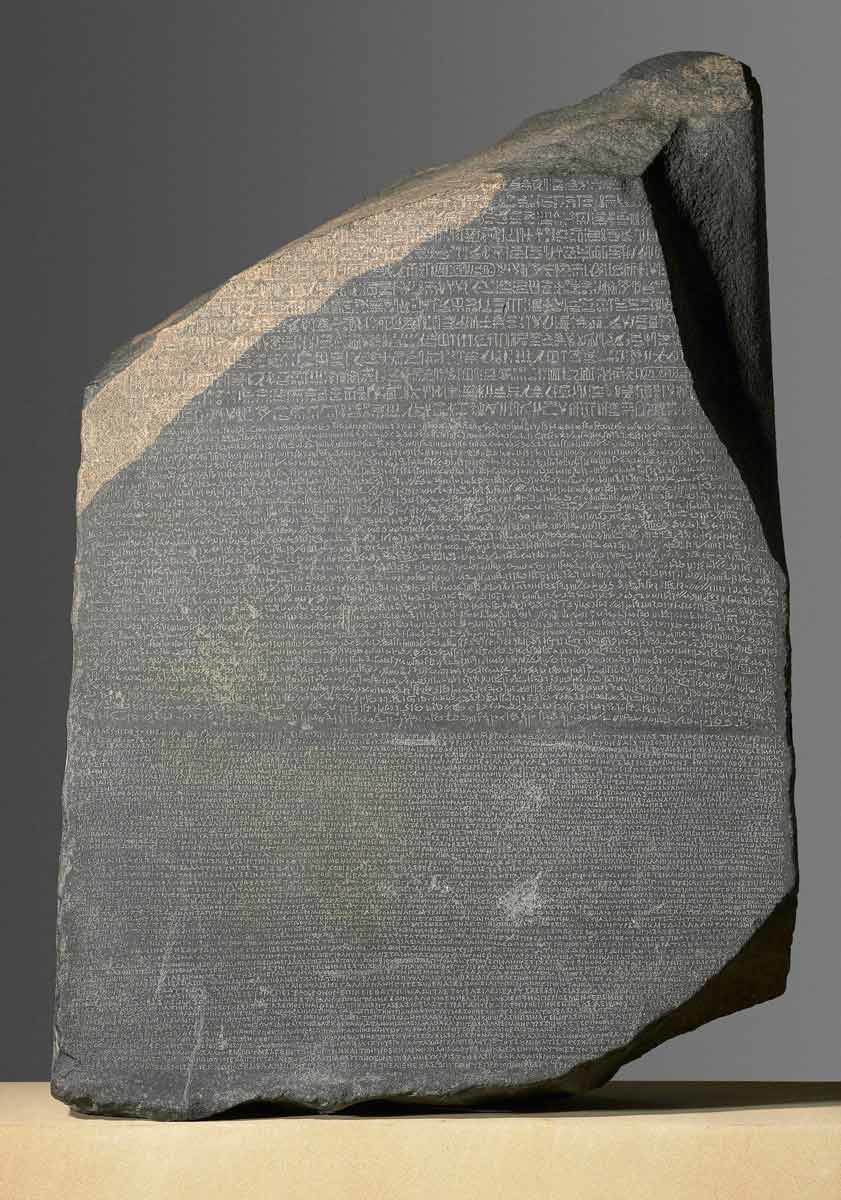
The Rosetta Stone is part of a larger ancient Egyptian stele. It measures around 44 inches tall, just under 30 inches wide, and around 11 inches thick. It weighs roughly 1,680 pounds and is made of granodiorite—a speckled, coal-colored, igneous rock. It was later repurposed as building material and lodged in one of Fort Julien’s walls in Rosetta (modern Rashid) in the Nile Delta. During Napoleon’s campaign in Egypt (1798 to 1801), French soldiers were fortifying this citadel when Captain Pierre François Bouchard found the stone by chance on July 15th, 1799. A moment of serendipity that would change history!
Inscriptions on the Rosetta Stone
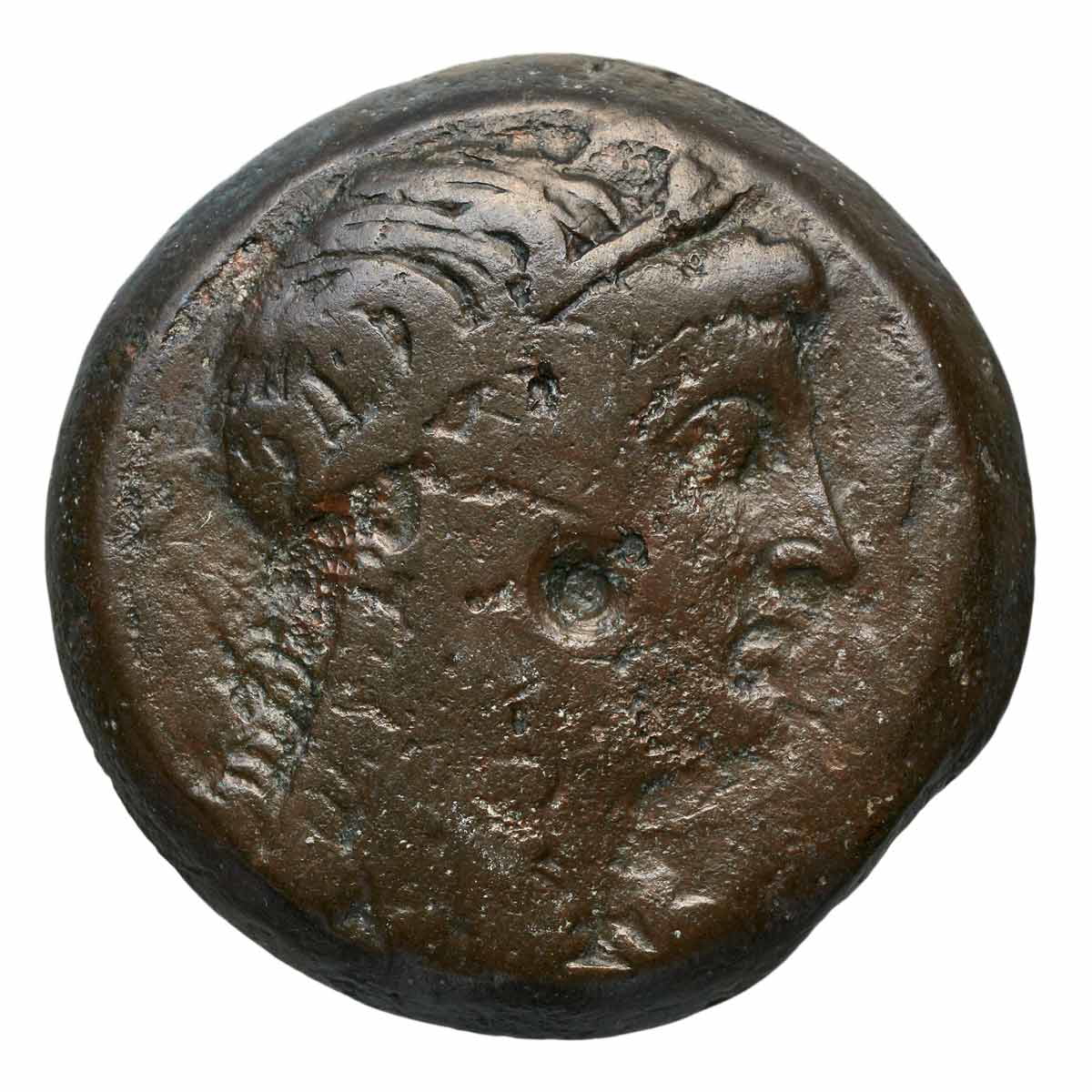
The Rosetta Stone itself contains only the lower part of a formal government decree. It is a proclamation by the priests of Memphis in 196 BCE. It commemorates and affirms the 9th year since Pharaoh Ptolemy V Epiphanes’s official coming of age and crowning. It would have been placed in an Egyptian temple in the region. This was common practice in ancient times.
The decree lists his contributions to the temples and priesthood, and mandates that his birthday be celebrated annually with processions and festivals. It also formally declares his divine status—a hallmark of Egyptian rulership.
The inscription held the stone’s true magic. It features three different ancient scripts: 54 lines of ancient Greek, 32 lines of Demotic Egyptian script, and 14 lines of Egyptian hieroglyphic script.
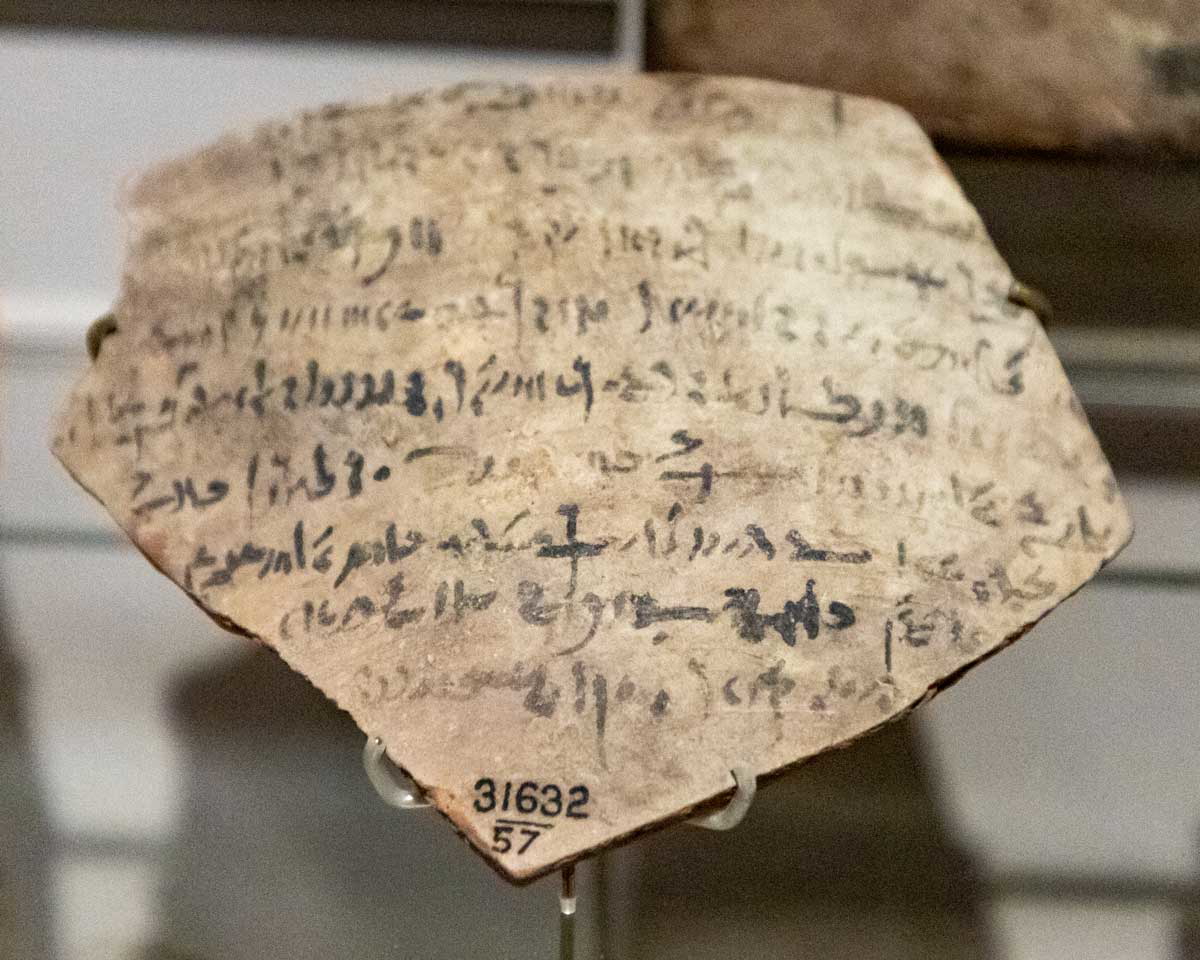
Ancient Greek was the language of the ruling Ptolemaic Dynasty and was widely understood by scholars when the Rosetta Stone was found. Demotic cursive script evolved from the more complicated Hieratic cursive script, which in turn had evolved from Egyptian hieroglyphs for everyday writing and administrative purposes. It was not fully understood or translated at the time of the Rosetta Stone discovery, and its relationship to hieroglyphs was by no means appreciated yet.
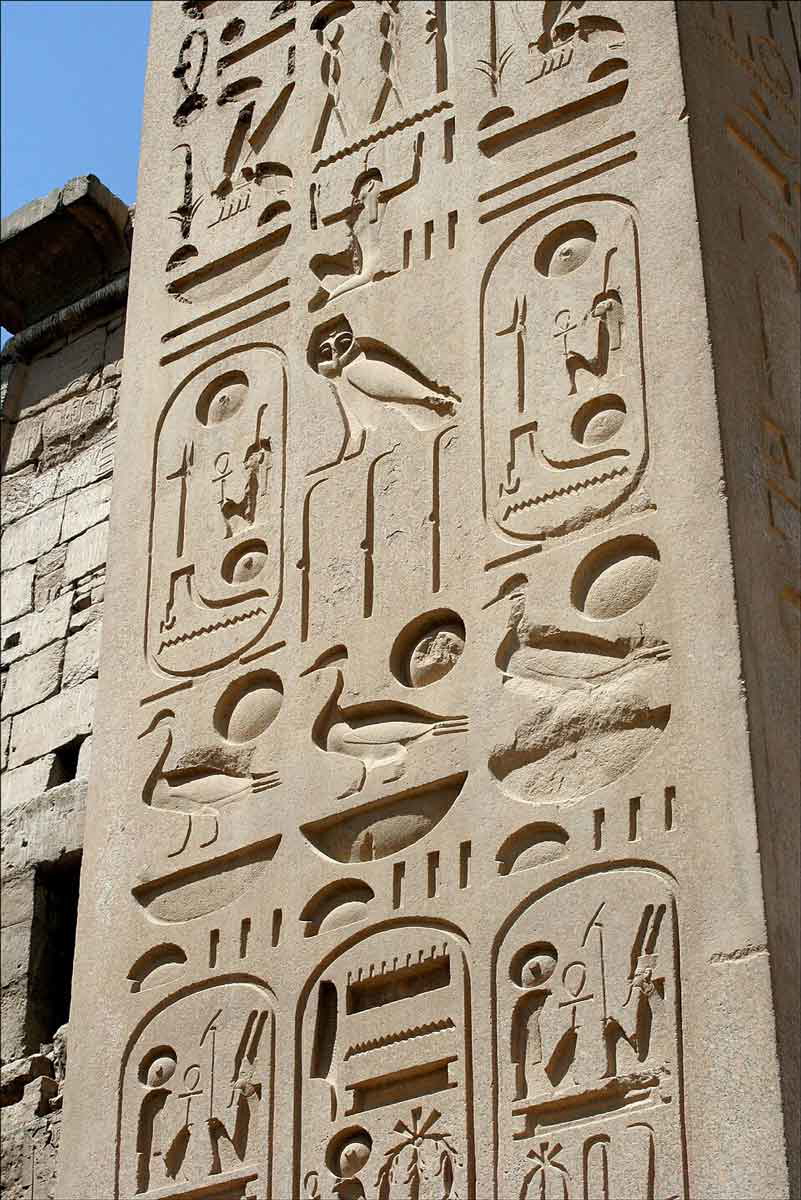
Egypt’s sacred, formal, and symbolic hieroglyphs date back to around 3200 BCE. Early scholars had long (incorrectly) believed these images held secret meanings or magical powers, not language. It had remained totally unreadable for centuries.
As soon as scholars realized the Rosetta Stone held three versions of the same text, they saw the enormous potential of the stone for decoding the ancient Egyptian scripts. If they could match phrases and names across them using the known ancient Greek as an anchor, they could finally decode the unknown writing.
Lithographic prints and casts of the stone inscriptions were sent across Europe. This enabled scholars to study the inscriptions remotely, fast-tracking efforts to decode the texts. Even before the term existed, this was the real beginning of modern Egyptology.
Thomas Young: British Scientist and Linguist
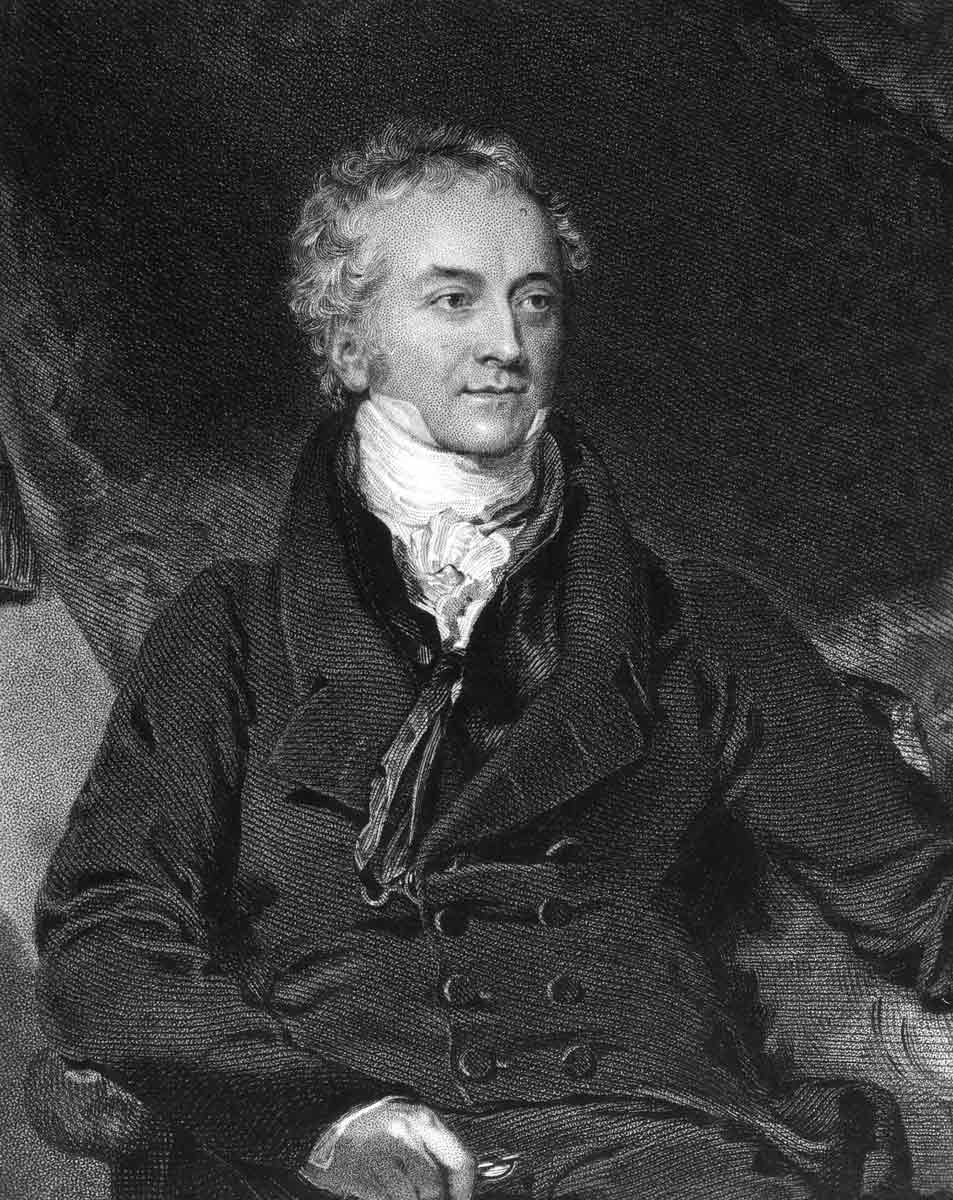
A truly brilliant Renaissance thinker, Thomas Young, was a British physician, physicist, and linguist. He famously conducted the double-slit experiment in 1801, proving that light behaves as a wave, not just as a stream of particles. This shook the foundations of physics! He was also known for introducing Young’s modulus in 1807. It quantifies a material’s elasticity under stress and has become foundational in materials science.
Young’s Hieroglyph Decipherment Contributions
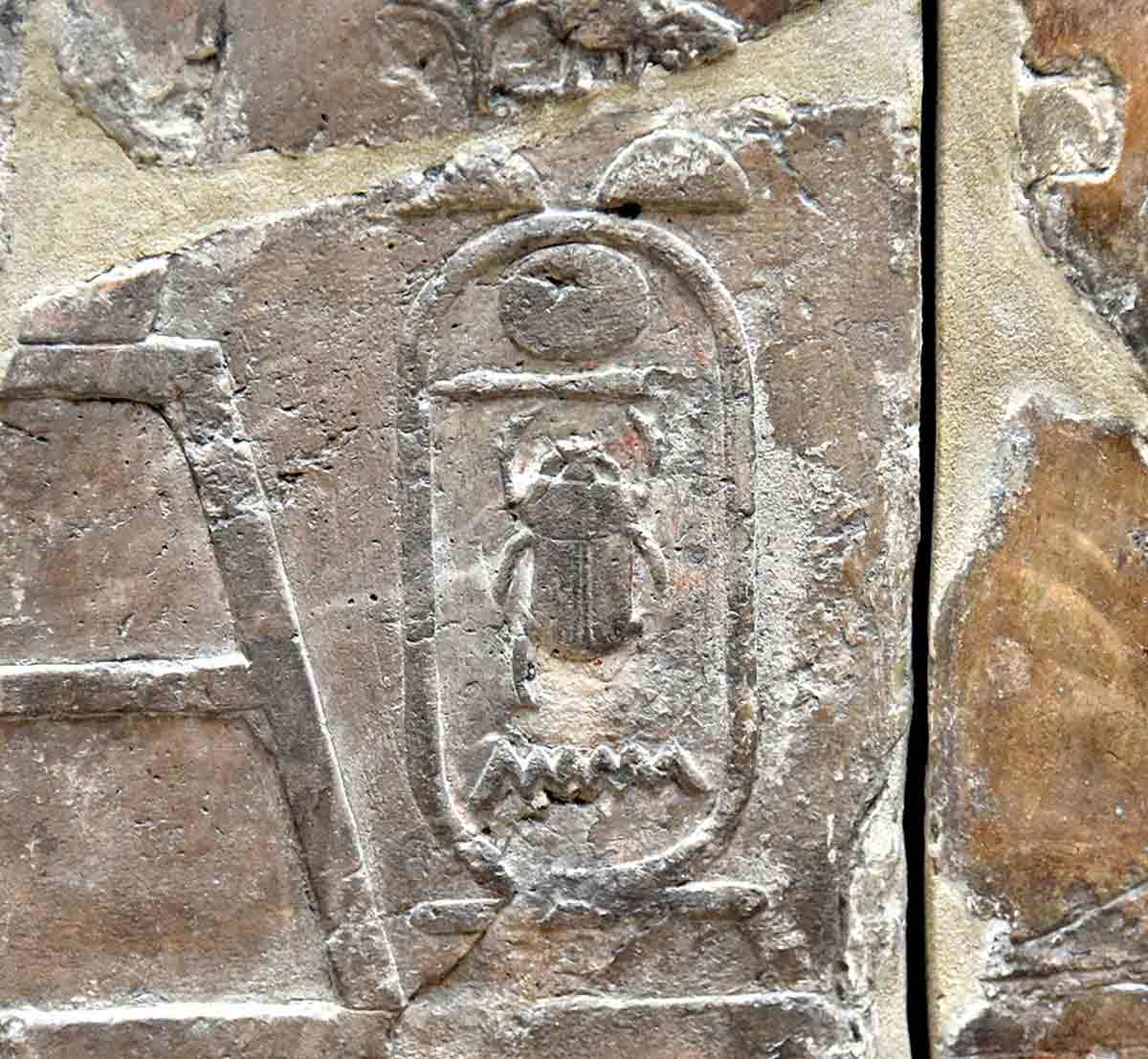
Young began studying the Rosetta Stone in 1814, after taking a keen interest in ancient Egypt’s history. He pored over copies of the stone, identifying cartouches in the hieroglyphs. He matched the name “Ptolemy” in the Greek text, giving him a working hypothesis that the symbols inside the cartouche must represent the sounds of that name. Then he isolated individual hieroglyphs and assigned phonetic values to them. He proposed sounds for 13 hieroglyphs.
Turning to Demotic script, he began comparing the shapes and sequences of its signs to those of hieroglyphs. He noticed that many Demotic characters were simplified versions of hieroglyphs. He looked at how signs were grouped and used in context, observing that specific ones appeared repeatedly where specific Greek words showed up. This helped him infer their meanings.
He compiled a list of over 200 Demotic signs and symbols. He also studied grammatical structures to explain more about how the language worked. He largely concluded his work on decoding the Rosetta Stone inscriptions in 1819. He published his findings, including a tentative alphabet, anonymously in the Encyclopaedia Britannica that year. He also suggested that Demotic was a simplified form of hieroglyphs.
Genius Jean-Francois Champollion
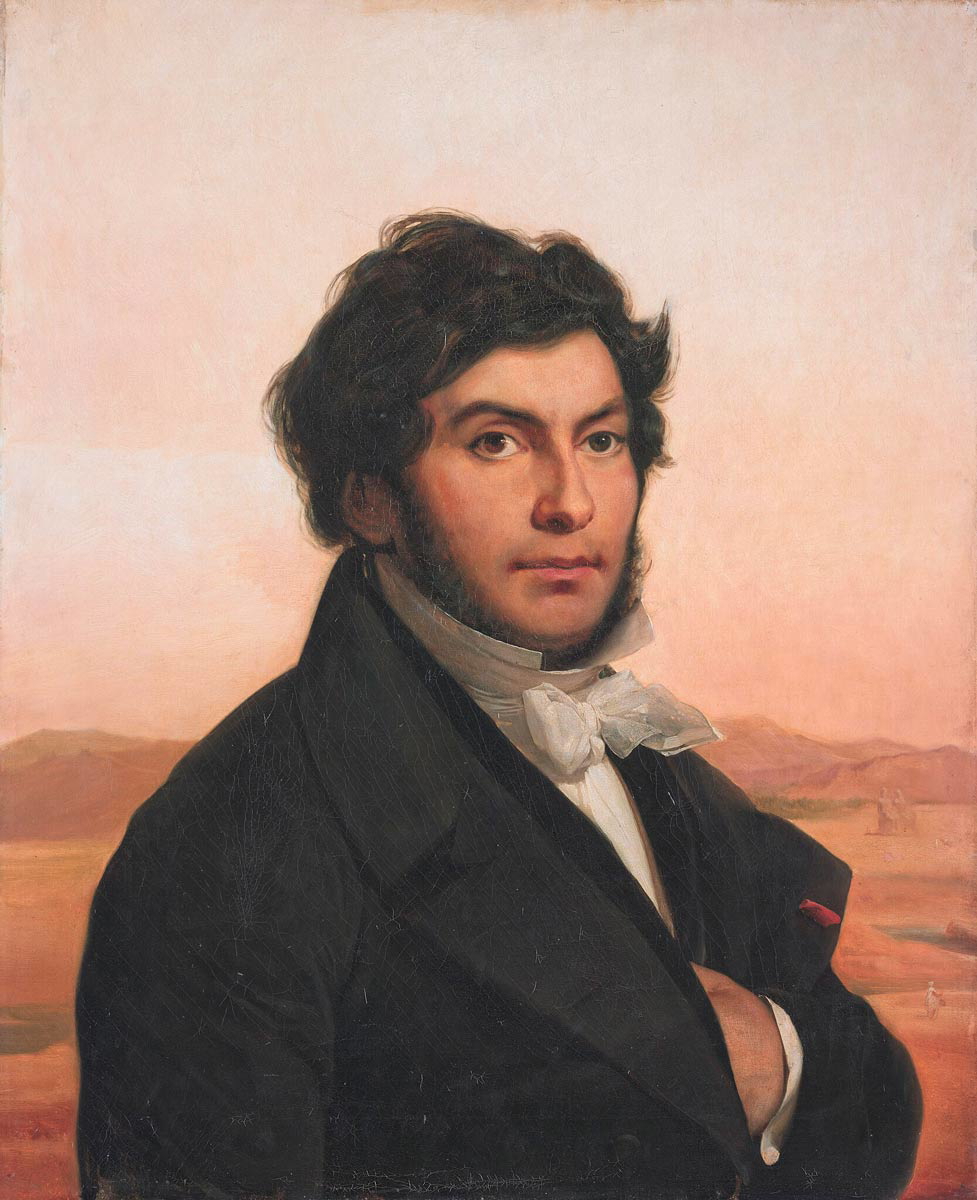
A child prodigy, by age five, Jean-François Champollion had taught himself to grasp the phonetic system of written language. He had already mastered Latin, Greek, Arabic, Hebrew, Syriac, and Chaldean as a teenager. He was also fluent in Coptic (a descendant language of ancient Egyptian). He was appointed professor of history and politics at the Royal College of Grenoble, France, in 1809, at age 19.
As a French philologist, historian, orientalist, and linguist, he started building upon Young’s Rosetta Stone hieroglyph decipherment work in 1820.
He compared the Greek and hieroglyphic texts line by line. He focused on proper names that appeared in both texts, like “Ptolemy” and “Cleopatra,” enclosed in cartouches. As he identified the cartouches’ Greek equivalents, he began assigning phonetic values to individual hieroglyphic signs. He was able to isolate recurring symbols and test hypotheses about their sound values using this comparative method. He counted over 1,419 hieroglyphic signs on the stone, far more than the 486 Greek words.
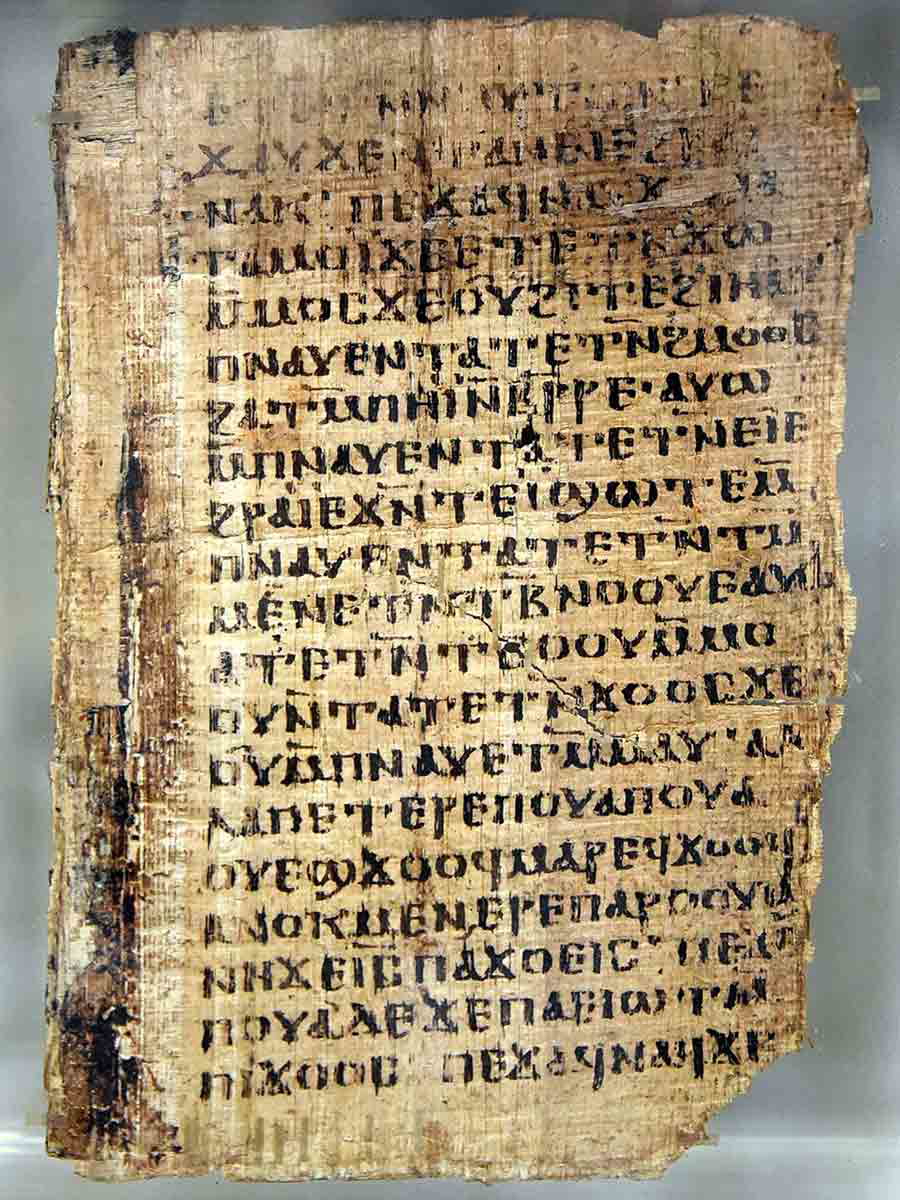
By matching the Rosetta Stone hieroglyphs to Coptic vocabulary, Champollion could infer their phonetic values. For example, when analyzing the name Ptolemy, he saw that the hieroglyphs for “P” and “T” corresponded to Coptic sounds. He extended this methodology to other cartouches and began building a phonetic inventory. Thus, he concluded that the script was a hybrid system of phonetic, ideographic, and determinative elements, and not purely symbolic.
He constructed a hieroglyphic alphabet using the phonetic values he had identified. He successfully extracted symbols for a, ai, e, k, l, m, o, p, r, s, and t. He also went on to develop a grammar system, identifying uniliteral signs (one sound), biliteral and triliteral signs (two or three sounds). He classified determinatives, the non-phonetic signs that clarified meaning, for example, a symbol for “place” added after a city name.
Champollion’s Breakthrough
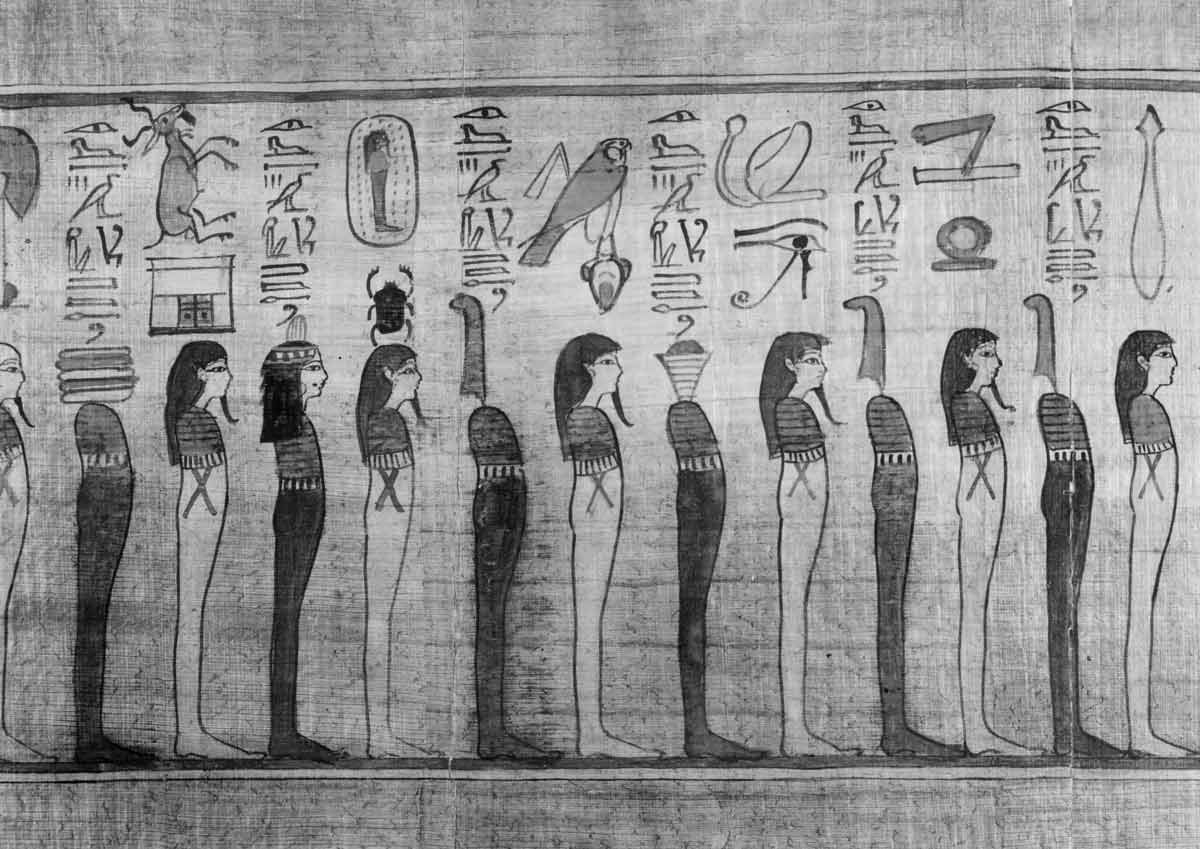
Champollion’s most groundbreaking insight was that hieroglyphs could also represent native Egyptian words. This contradicted Young’s earlier assumption that phonetic hieroglyphs were limited to non-Egyptian names. He successfully read pre-Ptolemaic cartouches like Ramesses, Thutmose, and Sheshonq by applying his phonetic system for Egyptian names with no Greek equivalents.
Champollion successfully decoded Egyptian hieroglyphs in 1822. Legend has it that on September 14th, he burst into his brother’s office in Paris shouting “Je tiens l’affaire!”—“I’ve got it!”—before fainting from pure elation!
He published his findings that year in the Lettre à M. Dacier and expanded them in 1824 in his Précis du système hiéroglyphique. These works were the foundation for Egyptian grammar and syntax and allowed scholars to read full sentences and understand context.
British and French Decipherment Rivalry and Recognition
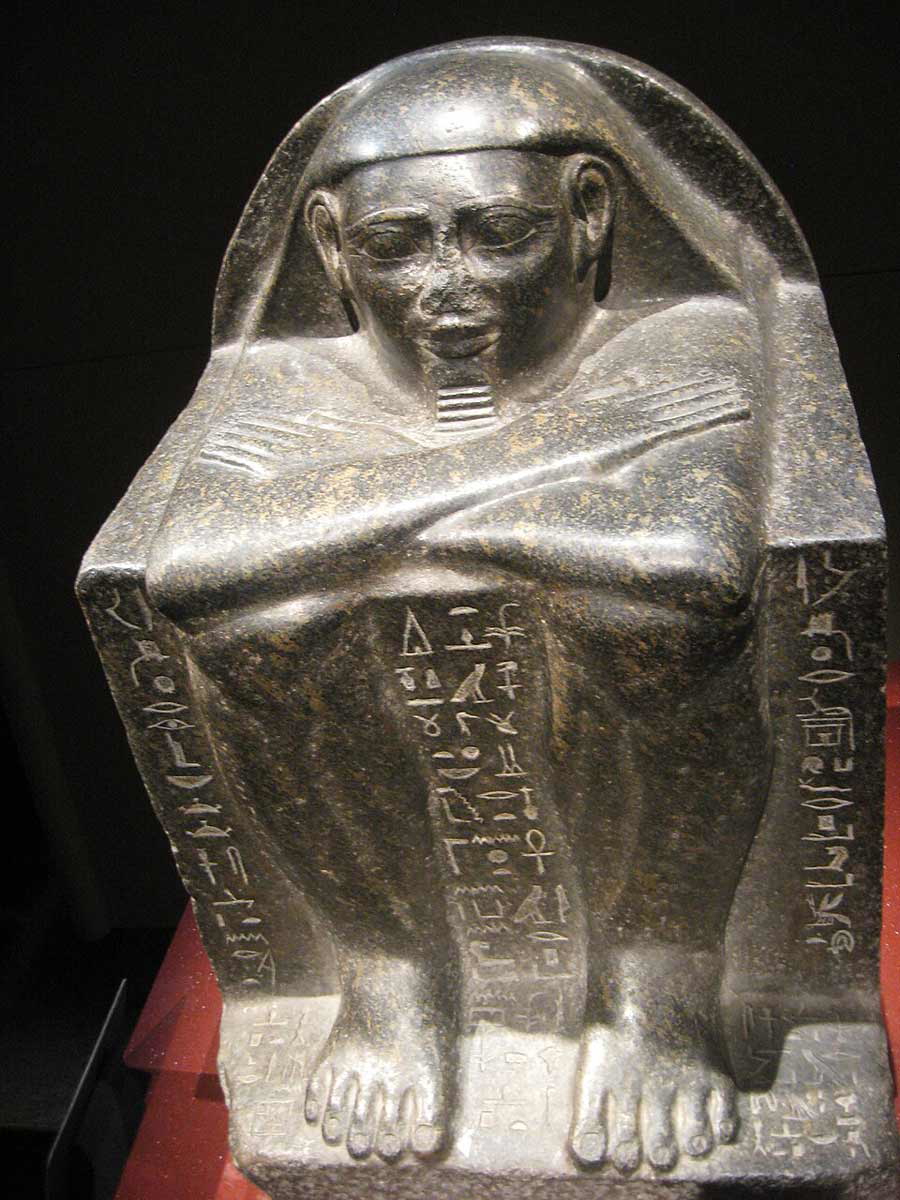
Nationalistic tensions between French and British scientists created hype around the race to decipher the Rosetta Stone hieroglyphs. Young felt Champollion did not credit him enough, but Champollion’s fame far outweighed Young’s early work.
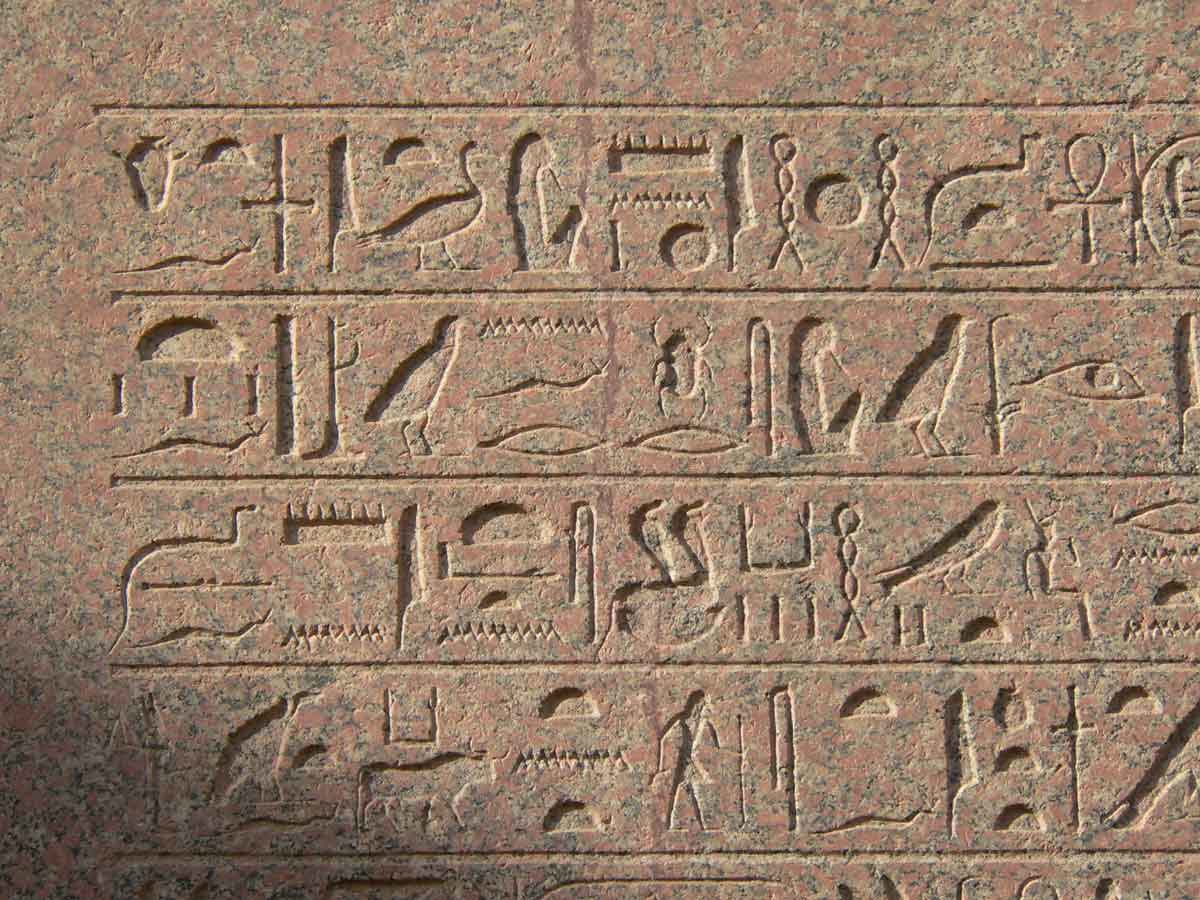
Champollion is hailed by some as the father of Egyptology because his hieroglyph decipherment enabled the reading of thousands of temple, tomb, and scroll inscriptions. This revealed ancient Egyptian religious beliefs, daily life, historical events, and a treasure trove of information about this advanced ancient civilization.
The breakthrough started European Egyptomania—the intense fascination and enthusiasm for ancient Egyptian culture that swept through Europe after the decipherment. Droves of scholars and adventurers flocked to Egypt on archaeological expeditions to uncover and collect artifacts firsthand. Museums across Europe rapidly expanded their Egyptian collections with hieroglyph-covered statues, mummies, papyri, and other objects.
Egyptology Expands Into a Scholarly Discipline
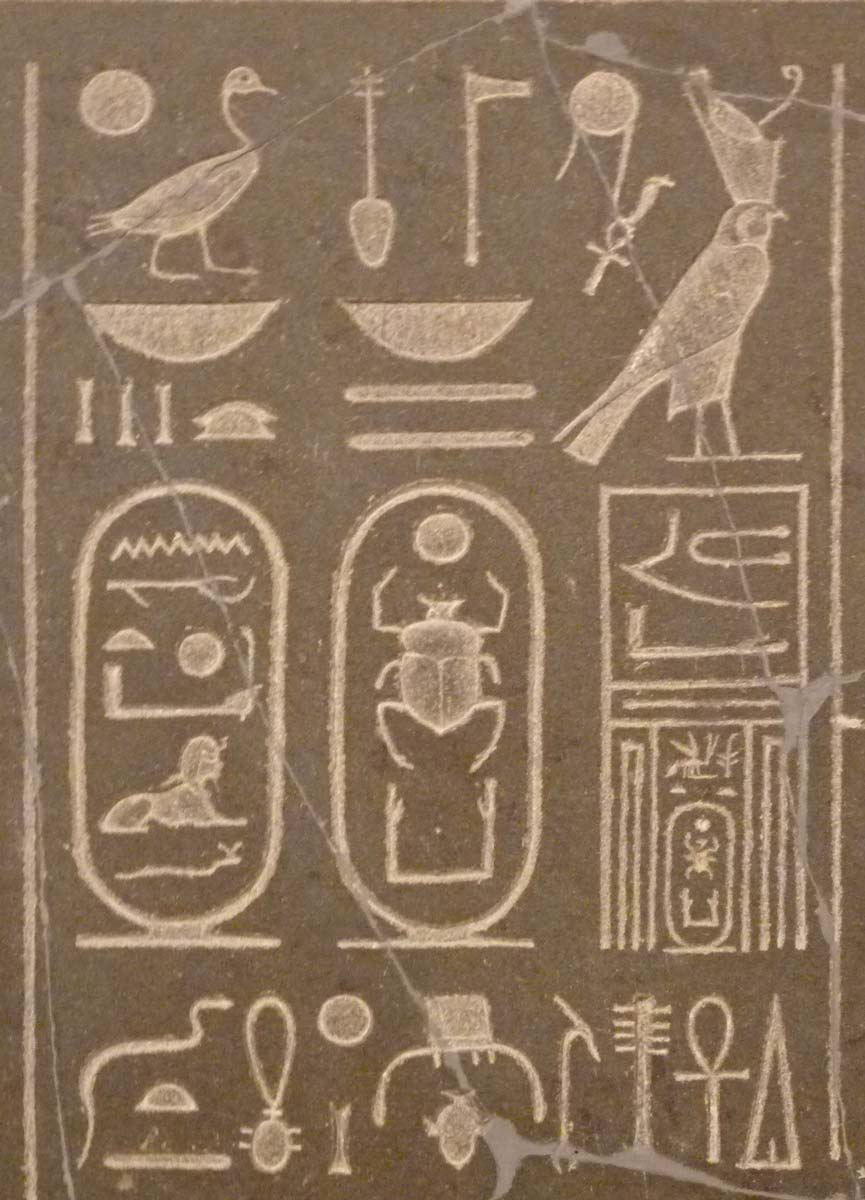
Following Champollion’s breakthrough, Egyptology rapidly evolved from speculative archaeology into a formal and specific academic field.
By the mid-19th century, French researcher Emmanuel de Rougé produced grammars and annotated translations that clarified early dynastic history. This included royal titularies, successions, and temple administration. He also shed light on religious literature by decoding funerary texts, rituals, and theological concepts surrounding the afterlife.
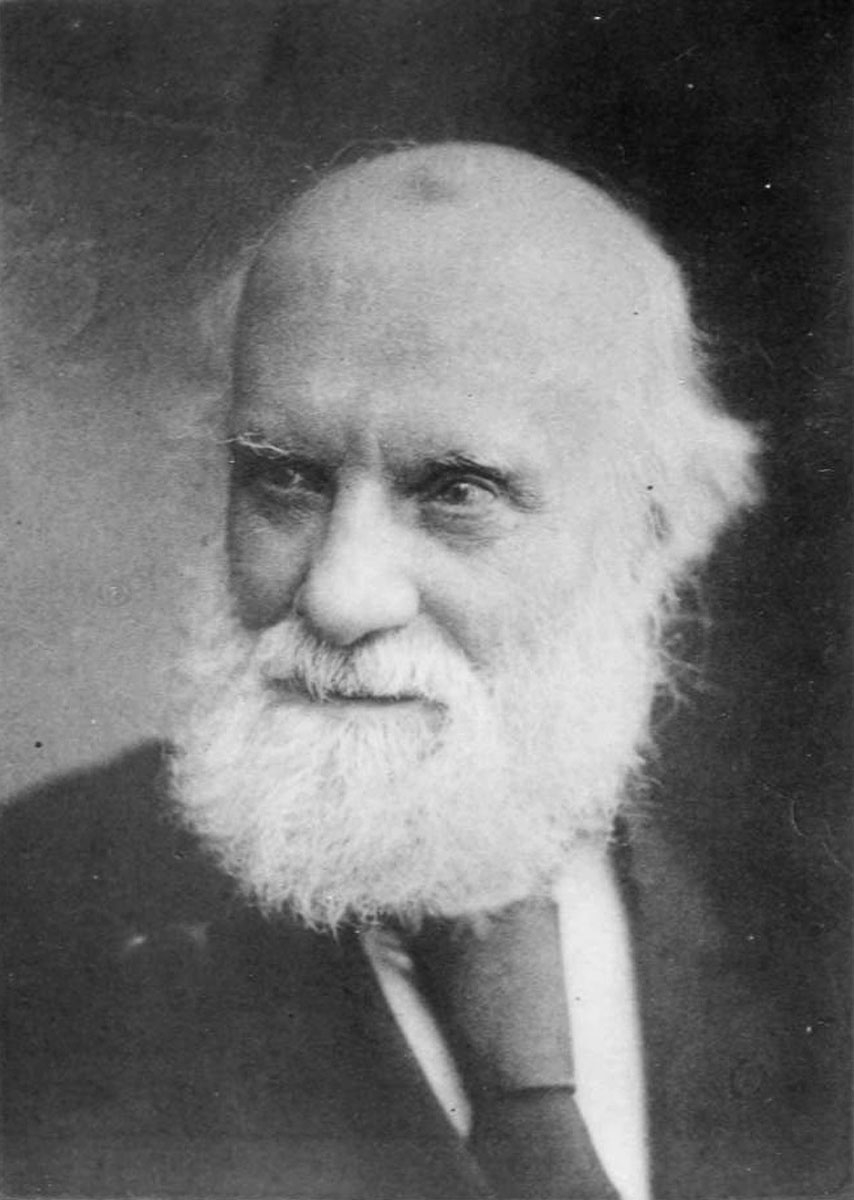
In England, British Egyptologist Samuel Birch systematically cataloged thousands of artifacts and recorded inscriptions in the Egyptian collections of the British Museum between 1836 to 1885. He was Keeper of Oriental Antiquities at the British Museum during that period. He created an invaluable foundational reference archive for scholars.
British Egyptologist Sir William Matthew Flinders Petrie introduced controlled, scientifically recorded excavations in 1880. He used stratigraphic analysis to study soil layers and artifact placement. He also developed a cultural chronology to date objects based on their style and archaeological context. This helped establish archaeology as a rigorous scientific discipline within Egyptology and earned Petrie the title of father of Egyptian archaeology.
Institutions like the Egypt Exploration Fund (founded in 1882) supported Petrie and other archaeologists’ fieldwork and publication. Formal academic training in Egyptology began at the University College London in the early 1900s. Academic programs in the subject had spread to other institutions in Europe and the US by the 1920s and 1930s.
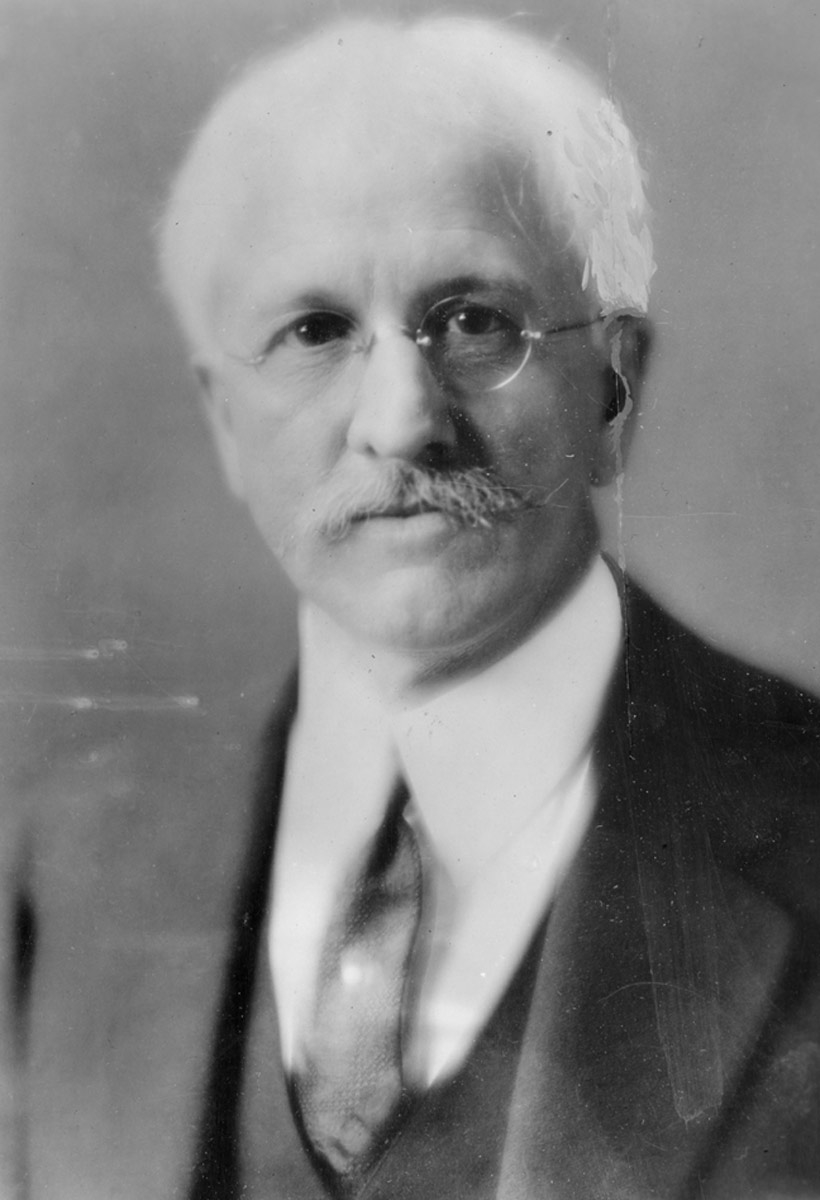
In 1894, James Henry Breasted became the first American to earn a PhD in Egyptology. He led expeditions to Egypt and Nubia between 1905 and 1907. He published Ancient Records of Egypt in 1906. It is a monumental five-volume translation of hieroglyphic inscriptions that became the basis for modern historical analysis of pharaonic texts.
In 1919, Breasted founded the Oriental Institute, with a dedicated Egyptology division, at the University of Chicago. He began his Epigraphic Survey in 1924 to produce accurate copies of temple inscriptions to preserve deteriorating texts for future generations.
Today, Egyptology is a multidisciplinary field. Universities across Europe and North America offer specialized degrees.
Enduring Impact of the Rosetta Stone
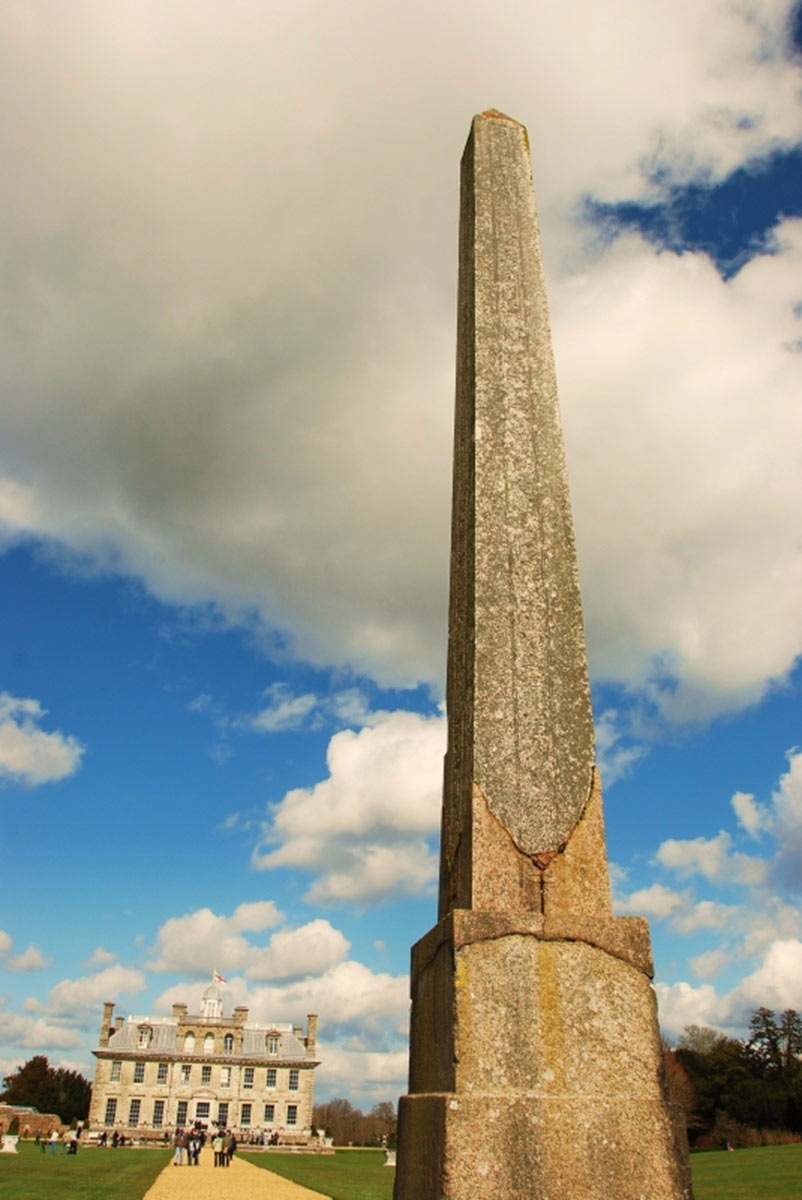
No additional parts of the Rosetta Stone have ever been found. But three other fragmentary copies of the same decree—known as the Decree of Memphis since the Rosetta Stone decipherment—have since been located. These include: the Nubayrah Stele found near Damanhur in 1891; the Philae Obelisk, discovered in 1815 at the Temple of Isis in Philae; and a less complete stela from Elephantine Island likely found in the late 19th century. These helped scholars reconstruct missing portions of the Rosetta Stone and confirm its content.
The name “Rosetta Stone” is used as a universal metaphor for solving complex systems. It established the approach of comparing parallel texts, which has become the blueprint for comparative linguistics. The Rosetta Stone remains the most visited object in the British Museum. Its continued display in London has drawn repeated appeals from Egypt for its return.