Even before the 1917 Russian Revolution, Imperial Russia’s stability began to crack. Increasing discontent with massive Russian losses in the Great War, very real political anti-tsarist groups, and growing anger over the Tsar’s “divine right” to rule many sought changes.
The slow cracks widened in February 1917 in Russia’s capital, Petrograd (St. Petersburg), when peasants, factory workers, and white-collar workers protested over bad economic conditions, especially food. Under Tsar Nicholas’s order, the Army attempted to quash the protests.
On February 23, 1917, International Women’s Day, women protestors marked the start of the Revolution. The next day saw more, some 150,000 workers went on strike.
They clashed with the police and Imperial Army, via the Tsar’s direct order. Clashes continued over two days. The strikes spread with demands for bread and ended the war. Protestors armed themselves with weapons obtained from police stations. On February 26, to the Tsar’s shock, some soldiers shot their officers before joining the protests. On the same day, the Russian Duma (Parliament), declared a Provisional Government. They aimed to replace the autocratic Tsar with a governing Constituent Assembly.
The Romanov Dynasty
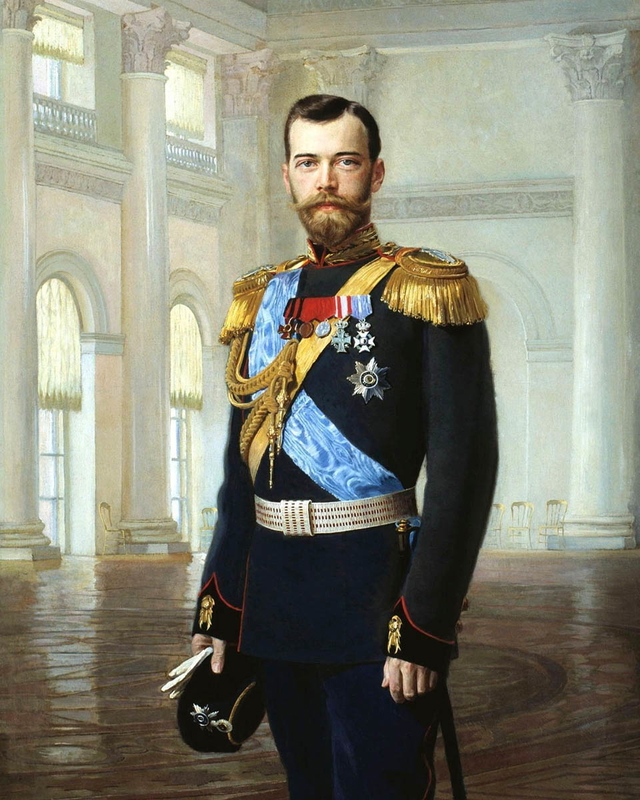
Unlike the French royals, Tsar Nicholas II kept his head. As the strikes and protests broke out, Nicholas viewed them rightly as a threat to the Empire. With his army defecting and the dismissal of the Duma, who formed their own government, pressure to abdicate increased. On February 27, 1917, Tsar Nicholas II abdicated in favor of his brother.
His brother declined, thus ending three centuries of the Romanov Dynasty. Now, two groups soon sought to control Russia. Soon, Petrograd’s protestors formed the Petrograd Soviet, which competed with the Provisional Government. Both desired change but in vastly different ways.
The Provisional Government
On March 2, 1917, Prince Georgy Lvov became its head. Being moderates, they introduced reforms like universal suffrage. But constant infighting, ineffective policies, a humiliating defeat by Germany, and ongoing food shortages strained popular support.
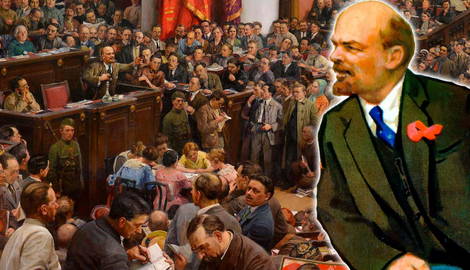
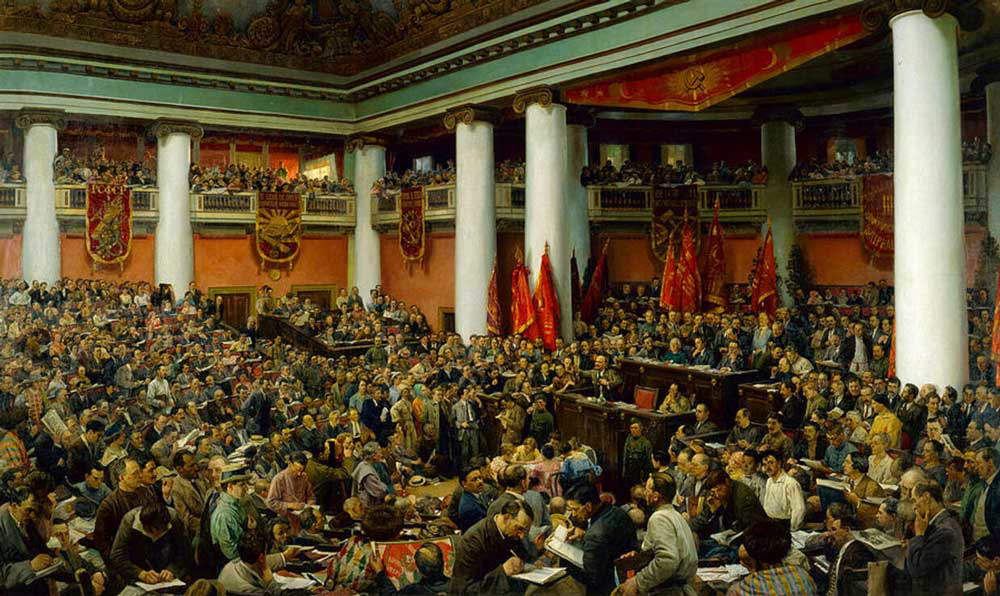
Their opposite, mainly the Petrograd Soviet, enjoyed that popular support. Led by the revolutionaries collectively, the Soviets were the other power. Made up of workers, soldiers, and sailors, they soon controlled the army, Petrograd’s factories, and, notably, the railroads. The Soviets’ first order within days was Order No. 1-the army answered them first, over the Provisional Government. The return of the exiled but prominent Communist Vladimir Lenin would be a Soviet advantage. Lenin’s slogan of “peace, land and bread” echoed among the discounted people of all classes, broadening the Soviet’s appeal.
A Turning Point: The July Days
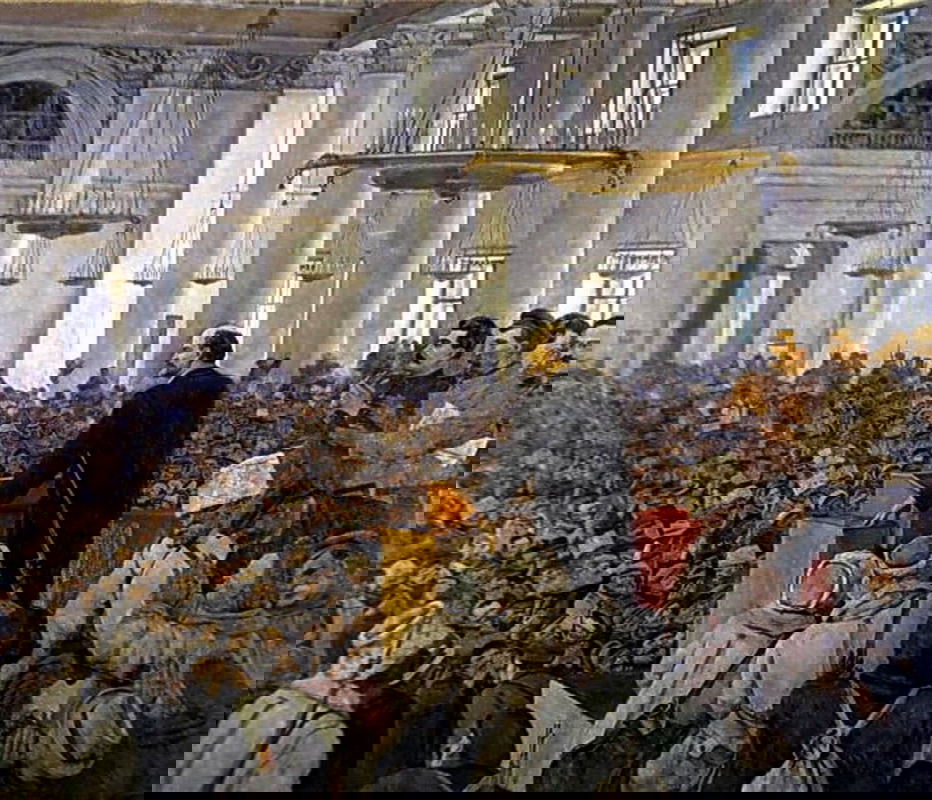
July 1917 marked a pivot between the Petrograd Soviet and the Provisional Government. Different factors marked that change. First, a big offensive failed, with Germany taking more territory. Next, on July 16th, mass demonstrations broke out over food or rationing. On July 17th, troops opened fire, killing many. The Government arrested many Bolshevik leaders over two days.
Critically, on July 19th, the Government released evidence linking Lenin and the Bolsheviks with Imperial Germany. Lenin fled to Finland. But this only amounted to a temporary setback. Discontent grew worse, given the failed offensive and the Government’s policies. With this latest crisis, the Provisional Government reorganized with socialist Alexander Kerensky as Prime Minister. It would prove to be inept, alienating civilians and military alike.
When the October Revolution Broke Out
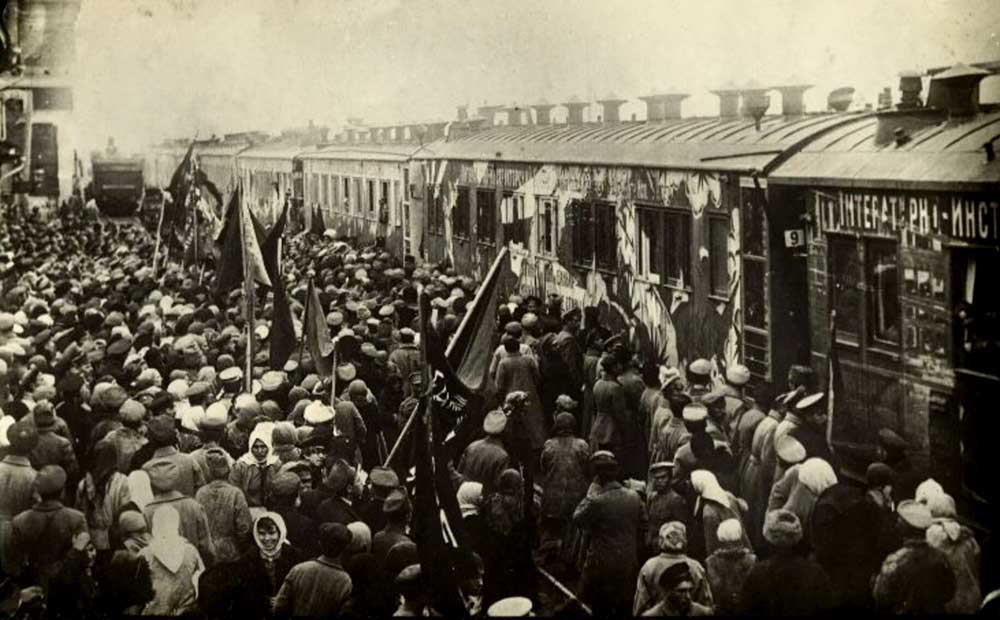
As September 1917 flowed into October, the dynamic in Russia changed. More strikes paralyzed Petrograd in early September; Bolshevik prisoners were released. During a September 25th conference, Lenin’s Bolsheviks walked out. The same day, the Bolsheviks became the Petrograd Soviet’s biggest party. They worked harder to undermine Kerensky, gaining influence with soldiers and civilians.
October 10, 1917, found the Petrograd Soviet voting for war. Next, Lenin returned from Finland six days later. On the morning of October 24, they struck. Their Red Guard, civilians, and soldiers seized critical points (telegraph office, rail stations). Next, the Red Guards advanced around the Winter Palace.
The Bolsheviks stormed the Winter Palace that night, ending the Provisional Government and arresting all ministers. They announced Russia’s new government as “The Second Congress of the Soviets.” Their first acts included ending Russia’s involvement in the Great War and distributing all land to the peasants.
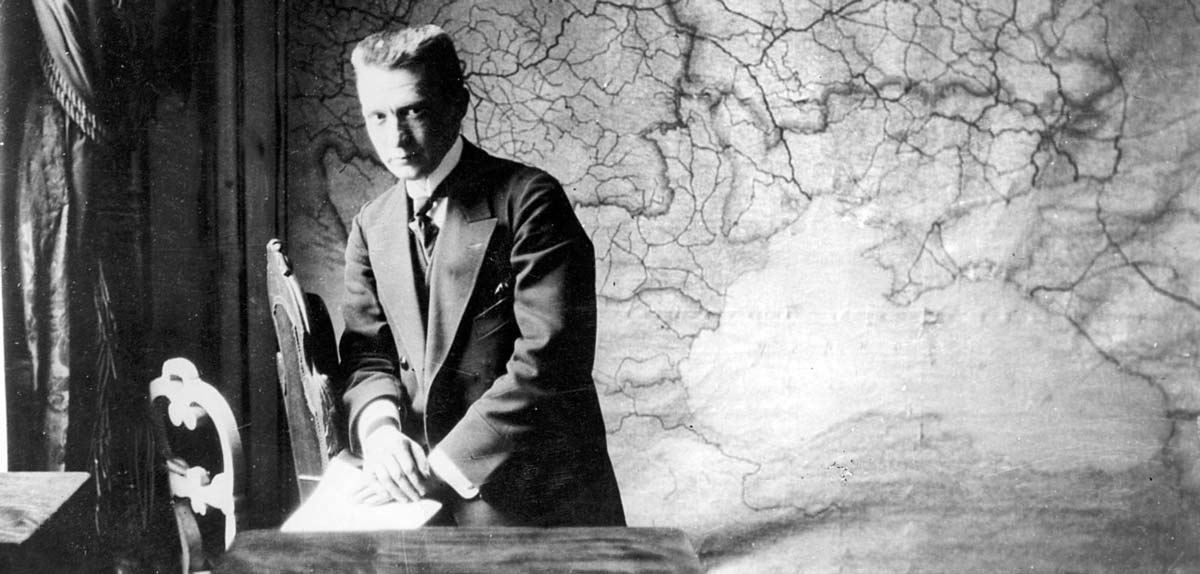
Starting October 26, Prime Minister Kerensky attempted to rally troops to recapture Petrograd. These failed and marked the Provisional Government’s end. Now more firmly in power, the Bolsheviks followed through on their first promise – ending the war. In November 1917, they signed the Treaty of Brest-Litovsk with Imperial Germany. Russia’s participation in the Great War was over. Now, the Russian Civil War loomed, with open conflict breaking out in the summer of 1918.