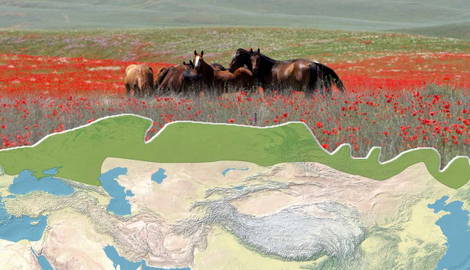
From Ukraine’s Black Sea coast to Mongolia’s mountains, the Eurasian steppe stretches like a rolling green sea, blanketing a huge chunk of two continents. It was here that the Scythians lived between the 9th and 2nd centuries BC. They were master horsemen and warriors, appearing in Assyrian records as far back as the 7th century BC, reaching their height around 500 BC. Gradually absorbed by the Sarmatians, they left behind treasures scattered across jaw-dropping expanses. Burial mounds, golden treasures, and a legacy of horsemanship that hasn’t been erased in the slightest.
Life on the Steppe
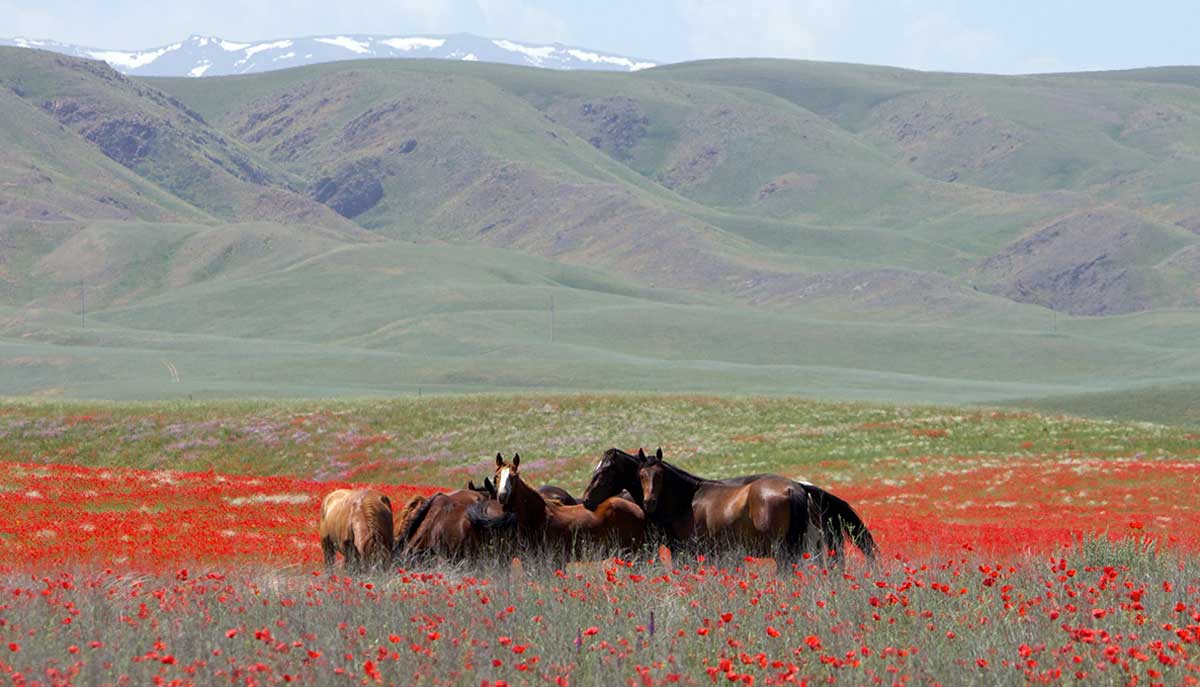
Traveling across these plains nowadays, it is easy to see how the Scythians built their lives around mobility. Winters can be brutal here, while summers scorch the ground and dry up life-nurturing seasonal lakes. The horizon, which seems to run on forever, enticed families to move with their herds, carrying belongings in carts and living in felt tents that could be packed up in just a few hours. Yet the same landscape that looks empty and relatively desolate from a car window today is what gifted them their much-beloved freedom. Sure, invaders could march into their territory, but the Scythians could also vanish into the steppe and reappear miles away.
Masters of Horse and Bow
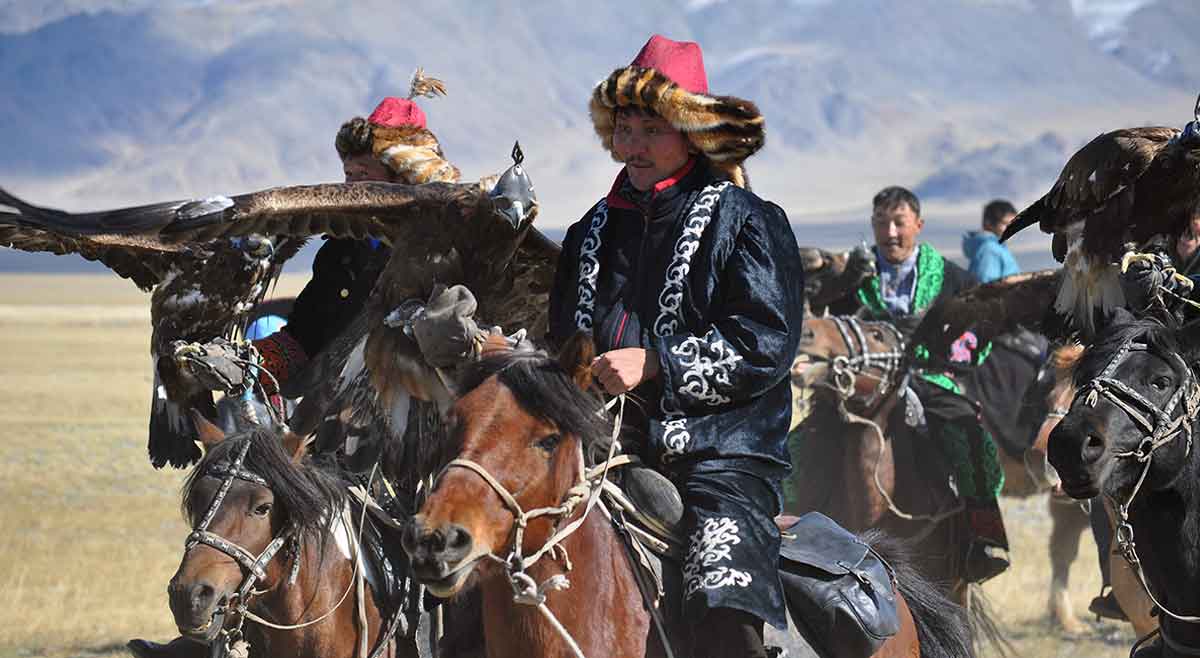
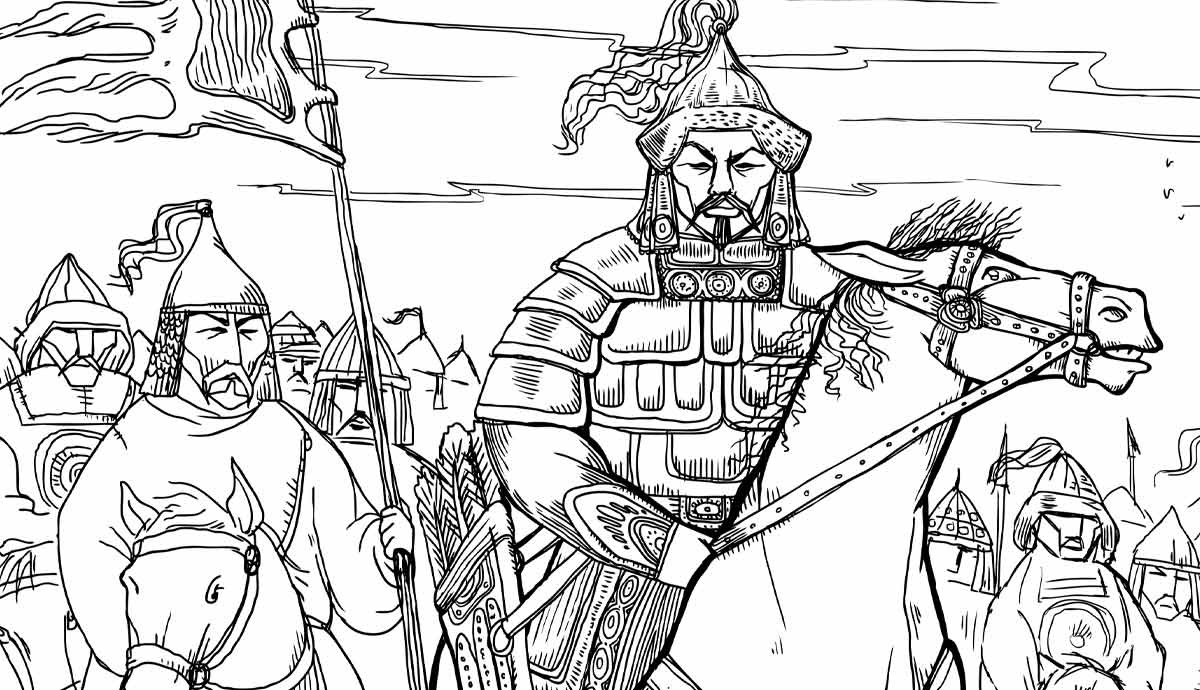
Historians say Scythian children learned to ride horses just as soon as they could walk. They grew up in the saddle, and horses quickly became more than just a mode of transport. They were a measure of wealth, and a symbol of power and virility, and since they were often sacrificed to join their departed riders, they were also companions in death. They rode with short, sturdy bows and could fire off arrows while their horses were at full gallop—a trick that terrified anyone who faced them. And, in case you were wondering, it wasn’t only men in the saddle. Archaeologists have found women buried with weapons and horse gear, proof they rode and fought too. Many think this is where the Greek stories of the Amazons first came from.
Modern Mongolia is one of the best places to experience the skills that are still alive. Time your trip to coincide with the UNESCO-listed Naadam Festival in July, and you’ll see archery contests, wrestling, and long-distance horse races that stretch for miles across the steppe. Kazakhstan’s kokpar tournaments, an energetic horseback team sport, are yet another living thread hailing back to Scythian times.
Daily Life

Between formidable battles, life on the steppe was mostly about getting the basics right. Clothes had to be functional, not just aesthetically pleasing. Scythian trousers and pointed felt hats were made for long days in the saddle, boots were toughened up for riding, and belts doubled as decoration, often covered with little plaques of bronze or gold. Food was simple too; dried meat, cheese, and kumiss, a tangy drink made from fermented mare’s milk that’s still popular in Central Asia. Even now, meals here lean heavily on meat and dairy. Vegetables are around, especially cabbage, carrots, and potatoes, but it is the meat and butter stews and dairy drinks that really keep people going.
Visit Kazakhstan today and you’ll find yurts, descendants of Scythian felt tents, still dotting the countryside in summer. Stay in one near Almaty or Karaganda, and you’ll quickly see how portable homes made life on the move possible.
Burial Mounds Across the Plains
Being nomads, the Scythians never built proper cities, but their burial mounds dominate the steppe in much the same way towns did elsewhere. Known as kurgans, these grassy hills rise from the landscape, and many are visible from the road. Inside, archaeologists have uncovered a wealth of artifacts: warriors buried with weapons, jewelry, gold trinkets, and even entire teams of horses.
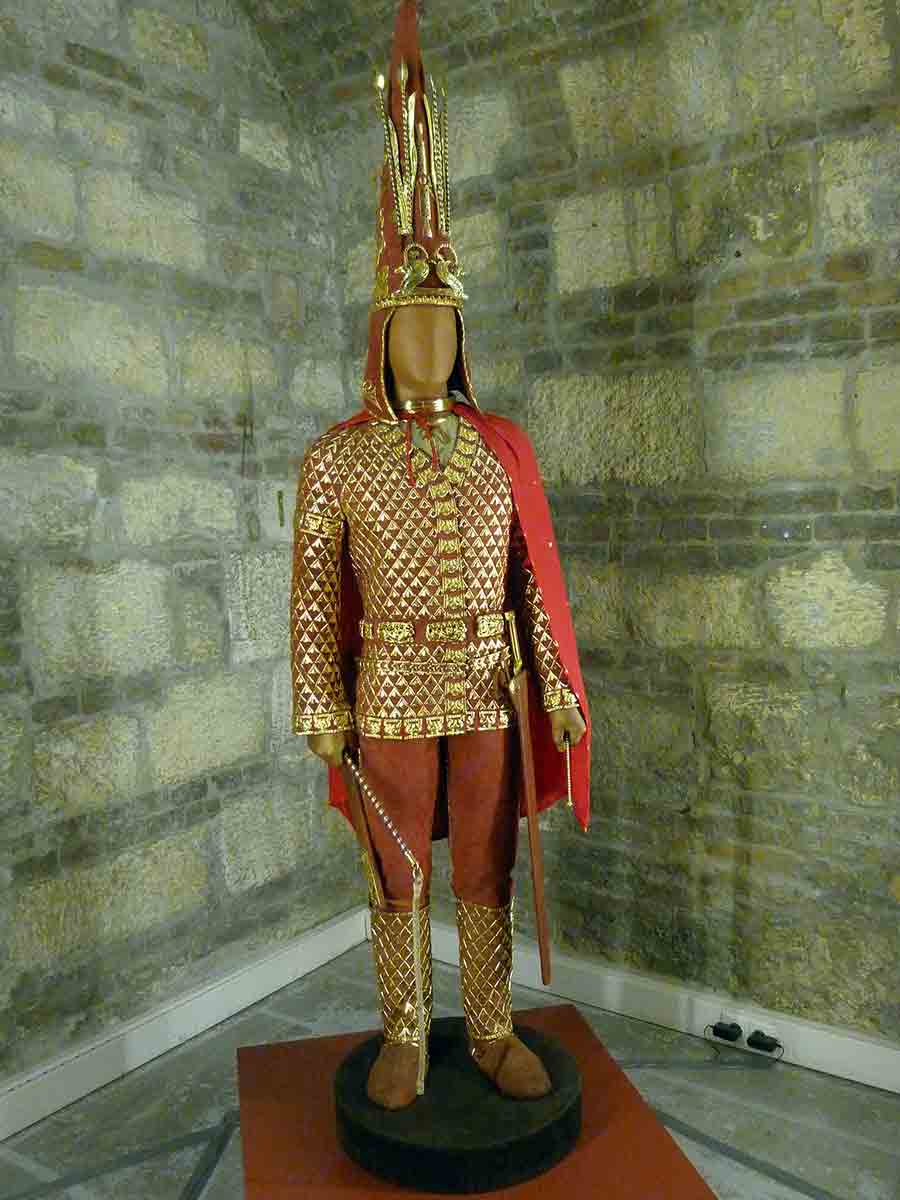
Some of the best-known discoveries are scattered across huge distances. In Siberia’s Altai Mountains, archaeologists uncovered the 2,400-year-old frozen tomb of the Pazyryk “Ice Maiden,” her skin still marked with tattoos of deer and mythical animals. Nearly 1,000 miles to the southwest, in Kazakhstan, the Issyk kurgan gave up the Golden Man, a 5th-century BC warrior dressed in thousands of tiny gold plaques. The Tutankhamen of Central Asia, as he is known, is on display in Astana’s National Museum.
Art in Gold
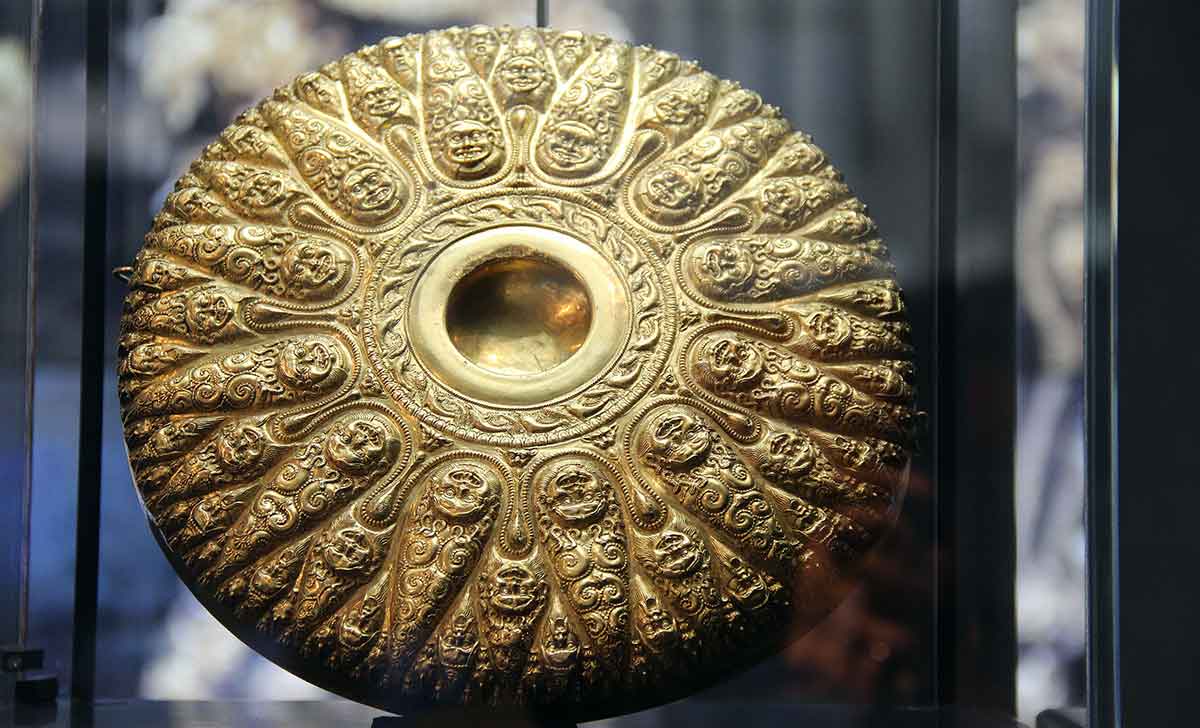
Start delving into the history of the Scythians and you’ll soon discover that their art is instantly recognizable. Golden plaques and jewelry show animals in motion; stags leaping, panthers striking, eagles swooping. Some plaques are so finely detailed that you can see individual hairs or feathers etched into the gold, all crafted without modern tools.
Encounters With Greeks and Persians
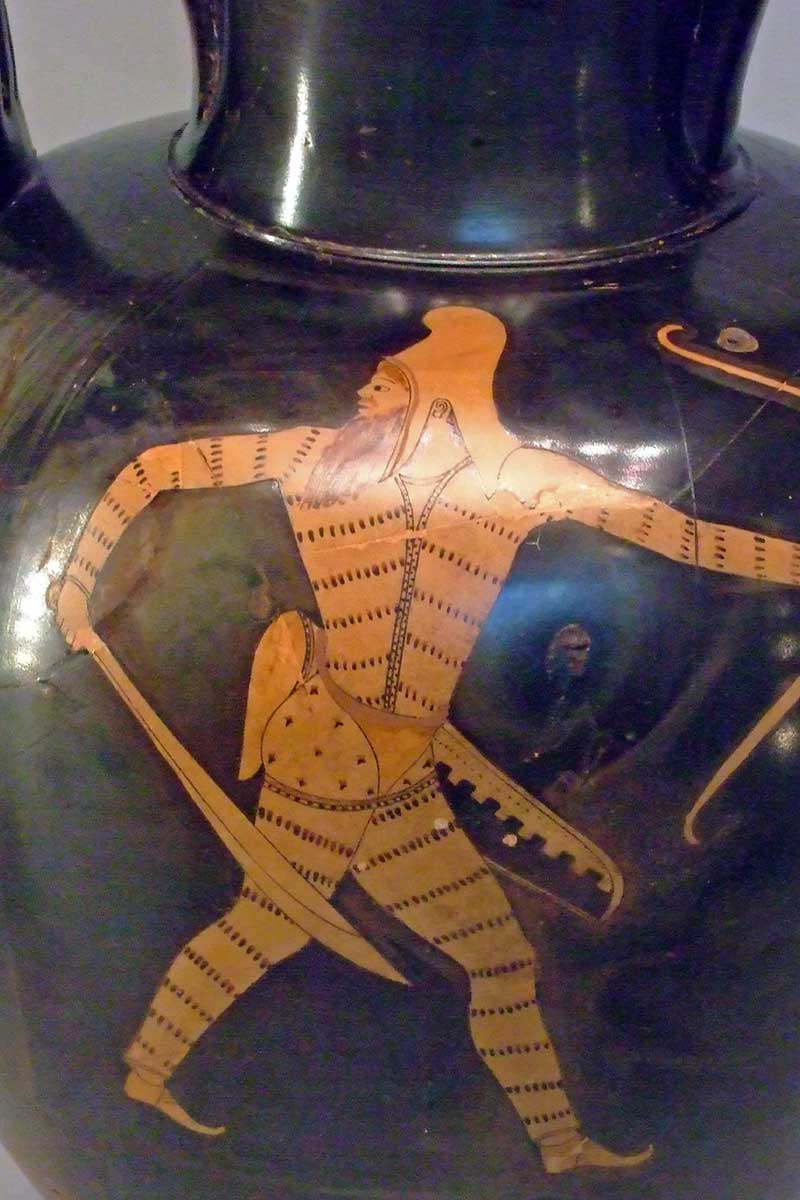
While they may have moved across vast expanses of steppe, the Scythians never lived in isolation. They traded and battled neighbors, often captivating their imagination in return. Greek pottery shows them in pointed hats, their bows always close at hand. Persian kings tried to defeat them but struggled with their hit-and-run tactics. Scythian raids even reached Egypt in the 7th century BC.
To trace this cultural meeting point, you’d have to visit Black Sea museums in Odesa or Crimea (though a visit here is more complex to reach today), where artifacts show how the Eastern steppe and Western Mediterranean worlds collided. The Greek playwright Aristophanes once even included a Scythian archer character in his comedies, proof that Athenians saw them as both exotic and admirable adversaries.
Traveling the Scythian Steppe Today
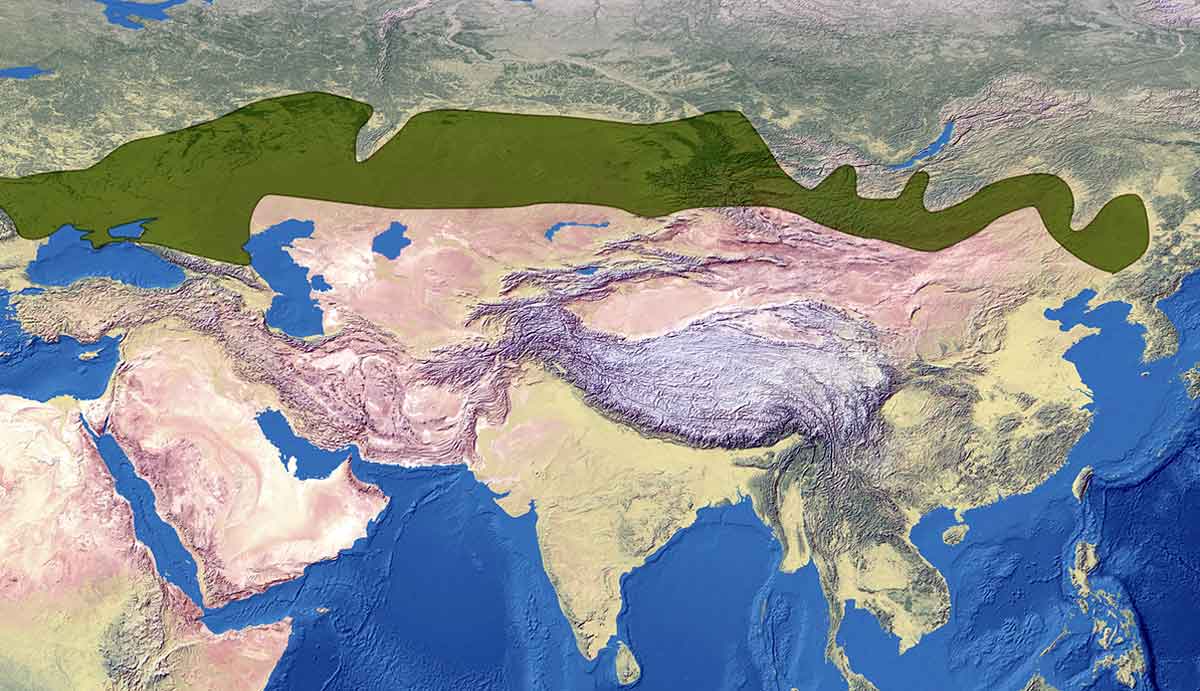
Tracing the Scythian world means covering a lot of ground, and where you begin depends on what you want to experience. In Ukraine, Kyiv’s Museum of Historical Treasures holds some of the most spectacular finds, and kurgans rise from the countryside within reach of the city.
Russia also holds an extraordinary collection, especially at the Hermitage in St. Petersburg. The halls display golden plaques, weapons, and jewelry from across the steppe.
Kazakhstan is perhaps the most practical starting point today. You can fly into Almaty to visit the Issyk kurgan, where the Golden Man was unearthed, or head to Astana for the National Museum’s dazzling exhibits of armor and textiles. Mongolia is another spectacularly rewarding choice, especially if you fancy an extraordinary overland journey. Flights into Ulaanbaatar connect you to all those summer festivals mentioned earlier.
Wherever you go, the distances are long and the horizons seemingly endless. Renting a 4WD in Kazakhstan or Mongolia lets you set your own pace, though joining a local overland tour makes reaching the more remote kurgan fields easier. What you are guaranteed is that you’ll find a land still shaped by horses, grasslands, and wide skies, just as it was in the days of the Scythians.