Perhaps one of the most misunderstood species, Neanderthals were initially described as brutish and unintelligent cave dwellers; a stereotype that persists today. Decades of research have challenged this initial perception and allowed scientists to better understand our evolutionary cousins. From the famous flower burial to the revolutionary hybrid hominin, here are ten of the most significant Neanderthal discoveries from the last two centuries.
1. The Skull That Changed Human Evolution
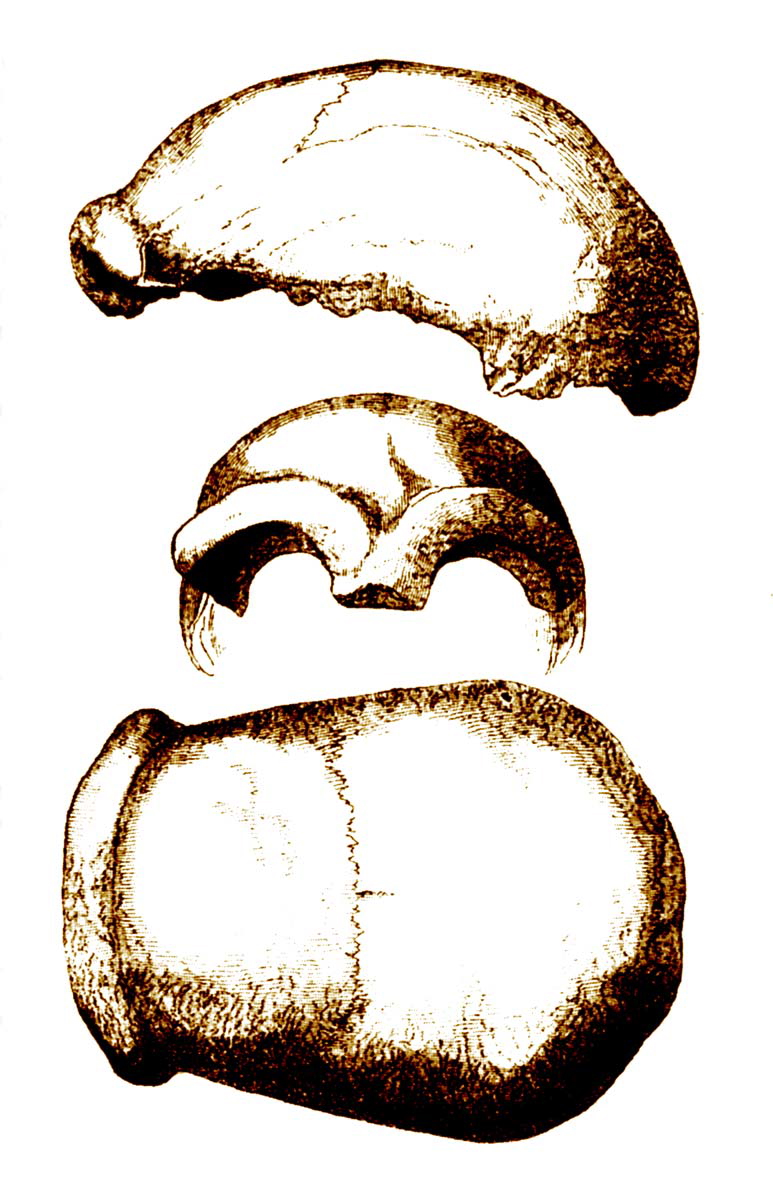
Discovered in 1856, “Neanderthal 1” was the first fossil described as belonging to a distinct species called “Neanderthals.” Workers encountered the fossilized bones during limestone quarrying operations in a small cave in the German Neander Valley called Kleine Feldhofer Grotte. In total, 16 bones were retrieved from the cave, thought to belong to a cave bear, including a skullcap and fragments of the legs, arms, ribs, and pelvis.
The skullcap displayed characteristics that were unique compared to a modern human, with a prominent brow ridge and sloping forehead. Initially, the discovery was met with skepticism from the scientific community. Scholars largely dismissed the relevance of Neanderthal 1 to human evolution, instead proposing that the fossil belonged to a living or recently extinct human group. In 1864, Irish geologist William King proposed that the fossil belonged to a distinct, ape-like human species, which he named Homo neanderthalensis. Scientists later recognized the similarities in two complete skeletons found in Spy Cave in Belgium, lending credibility to the new species.
By provoking the idea that we have not always been the only members of the genus Homo, Neanderthal 1 changed everything. The 40,000-year-old specimen was influential in the birth of human paleontology, sparking an ongoing debate on what role the Neanderthals had in human evolution.
2. How the Old Man of La Chapelle Challenged Neanderthal Stereotypes
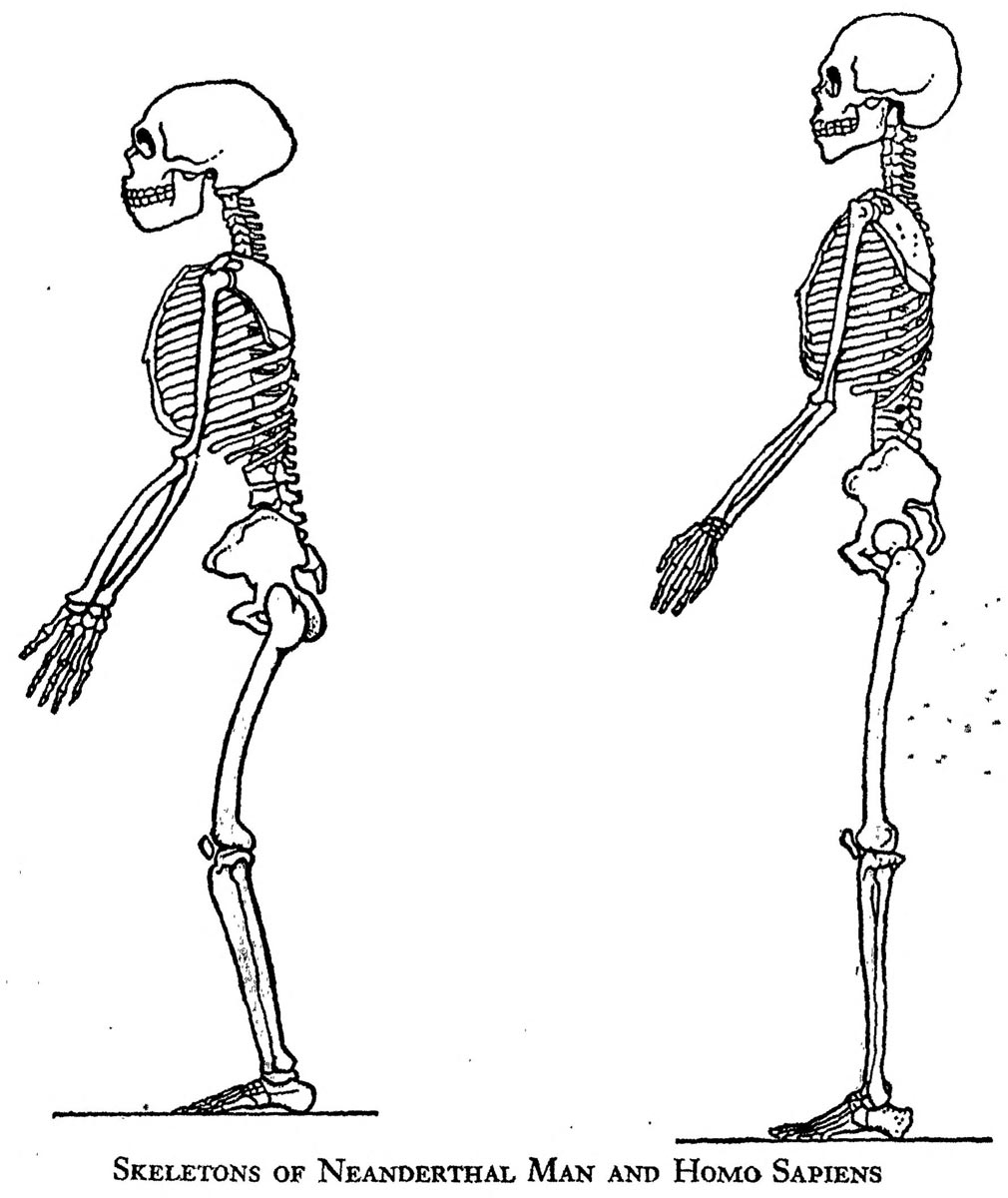
Found in 1908, buried in a small cave near La Chapelle-aux-Saints in France, the “Old Man of La Chapelle” was the first nearly complete Neanderthal skeleton. Along with his own preconceptions of early humans, the discovery led paleoanthropologist Marcellin Boule to publish a study describing the skeleton as a slouched, ape-like man unable to walk upright.
Boule’s inaccurate reconstruction led to the common stereotype associated with Neanderthals, and it was not until the 1950s that further discoveries allowed archaeologists to reanalyze the skeleton. Researchers found that the Neanderthal anatomy was closer to our own than previously thought, and noted that the Old Man suffered from osteoarthritis, among other conditions.
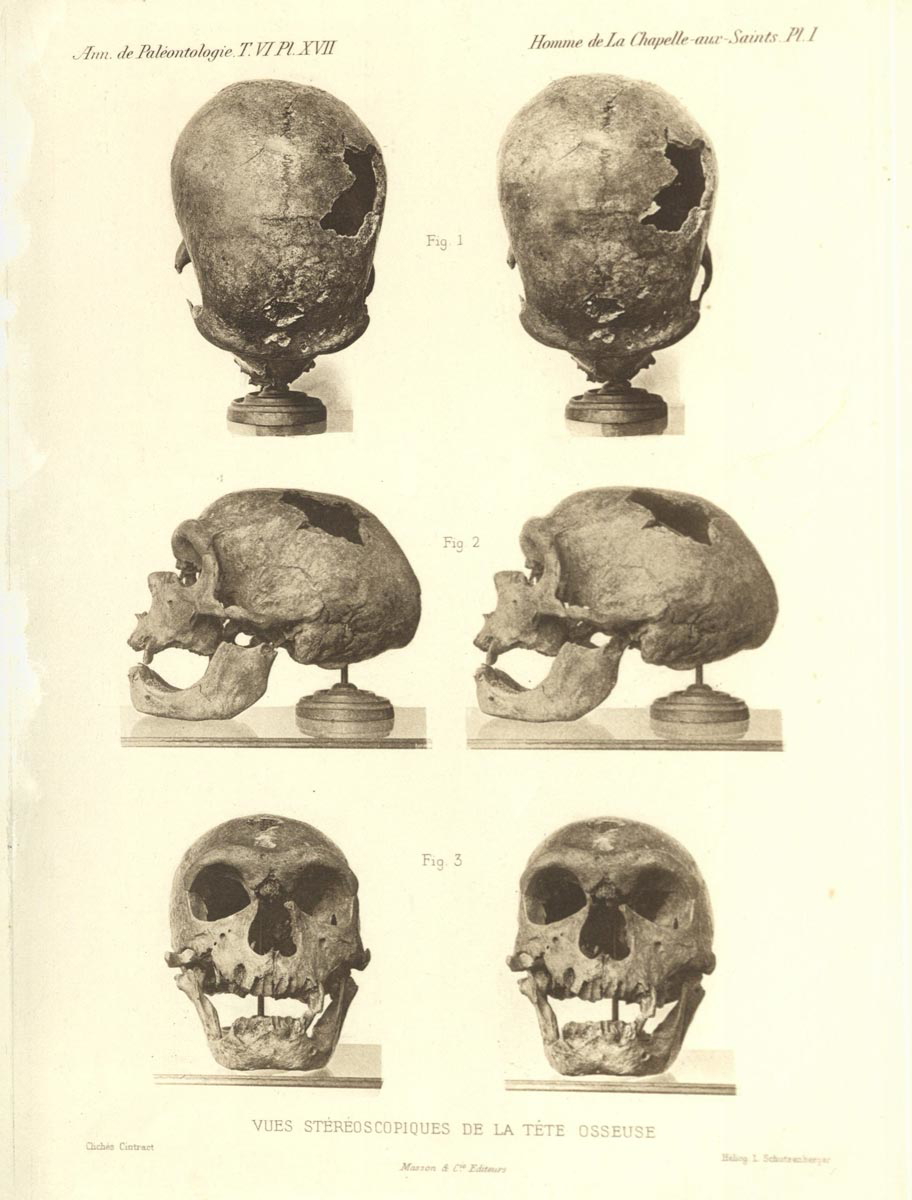
Before suffering a blow to the head, the Old Man survived to his 40s, enduring degenerative joint disease, a broken rib, and several lost teeth. Many academics consider the findings at La Chapelle when discussing altruism in Neanderthals. Some argue that, at least in the last few years of his life, the man’s pathologies would have impacted his independence, requiring a level of care from his social group to survive.
3. The Controversial Flower Burial of Shanidar Cave
An iconic site in Paleolithic archaeology, Shanidar Cave in the Zagros Mountains of Iraq has unearthed a number of remarkable finds. Archaeologist Ralph Solecki uncovered ten Neanderthal skeletons during his excavations in the cave between 1951 and 1960. Among these was the famous “flower burial” of a male Neanderthal, “Shanidar 4,” who was found surrounded by pollen clumps. Contrary to the stereotype of brutish, violent cavemen, Shanidar 4 sheds new light on how we see Neanderthals, instead conveying a caring species that grieved their deceased. One theory, based on pollen analysis, suggested the flowers were selected due to their healing properties.
The flower burial interpretation brought about a lively debate, not just about Neanderthal mortuary behavior, but what this might suggest about our own species. While Solecki interpreted his find as representing an intentional burial with flowers surrounding the deceased Neanderthal, other academics were less convinced. Some claim that the pollen could be explained by nesting bees or burrowing animals; others argue that workers trampled in pollen to the excavation site. Archaeologists like Graeme Barker warn against considering Neanderthal mortuary practices with a modern mindset and instead consider the practicalities. Covering the deceased with vegetation, for instance, would have disguised the odor from scavengers.
Whether or not flowers were symbolically placed around Shanidar 4, the evidence from Shanidar Cave appears to signify some form of meaning. The skeletons were buried, seemingly intentionally, years apart and in similar positions. Shanidar Z, a more recent discovery, was positioned with her hand beneath her head, resting on a rock as if it were a pillow.
4. Uncovering a Glue Factory in Gibraltar
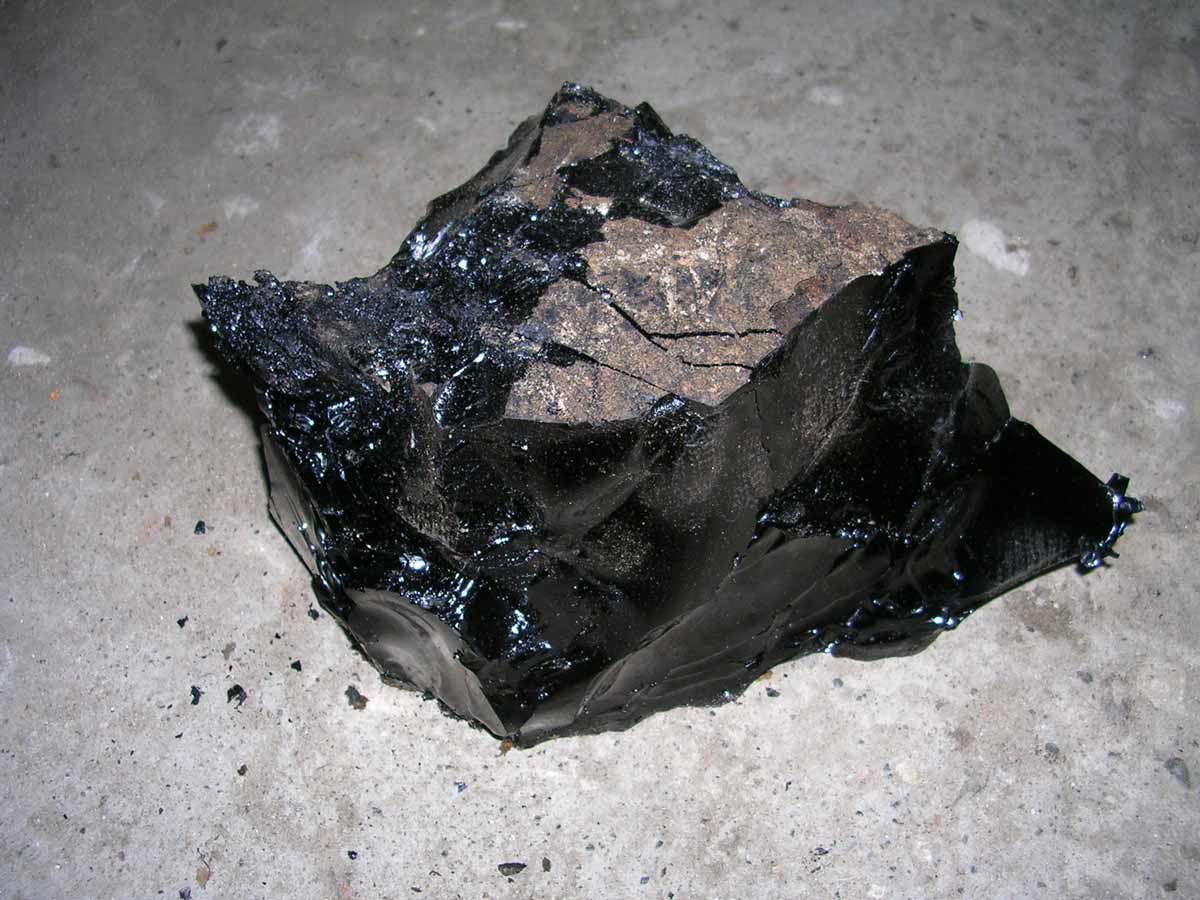
Around 65,000 years ago in Vanguard Cave in Gibraltar, Neanderthals stood at a carefully constructed hearth to manufacture a sticky birch tar. Archaeologists were already aware that Neanderthals were making adhesives using substances like bitumen and ocher to connect and create grips for their tools. However, the discovery of an ancient hearth revealed that they were using controlled fire to produce tar. This find provides insight into the intelligence and collaboration levels Neanderthals could achieve, as evidenced by their ability to experiment and organize activities for obtaining tar and creating their desired tools.
Researchers found residue of charcoal and rockrose plants at the site, which they believe Neanderthals were using to obtain resin. The research team also found guano at the site, a fertilizer made of bat and bird feces, that they believe was mixed with sand to create a low-oxygen environment to heat the plants. While further evidence is needed to prove that Neanderthals used specialized hearths for tar production, this discovery will help researchers identify similar structures in the future.
5. Cannibalism and Medicine in El Sidrón Cave
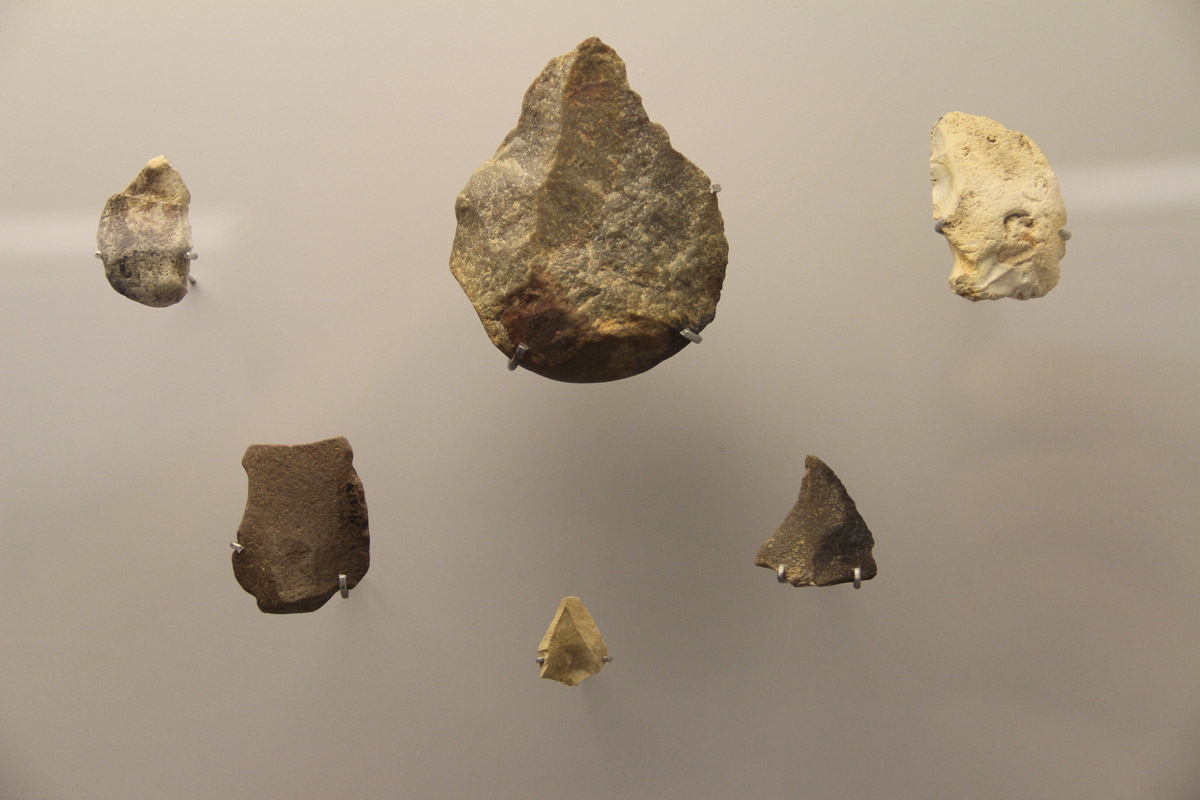
The remains of thirteen closely related Neanderthals discovered in El Sidrón Cave revealed evidence of cannibalism, inbreeding, and medicinal plant use. Analysis found that the individuals belonged to a singular social group that was killed around the same time and buried after the ground collapsed beneath them. The bones of the Neanderthals gave unambiguous proof of human-induced modification, including signs of cut marks, bone breaking, and skinning. Several of the bones were cracked open, suggesting nutritional exploitation of the brain or marrow. As dental analysis indicated high levels of developmental stress among the group, it appears that the individuals and their attackers faced nutritional challenges; a likely motive.
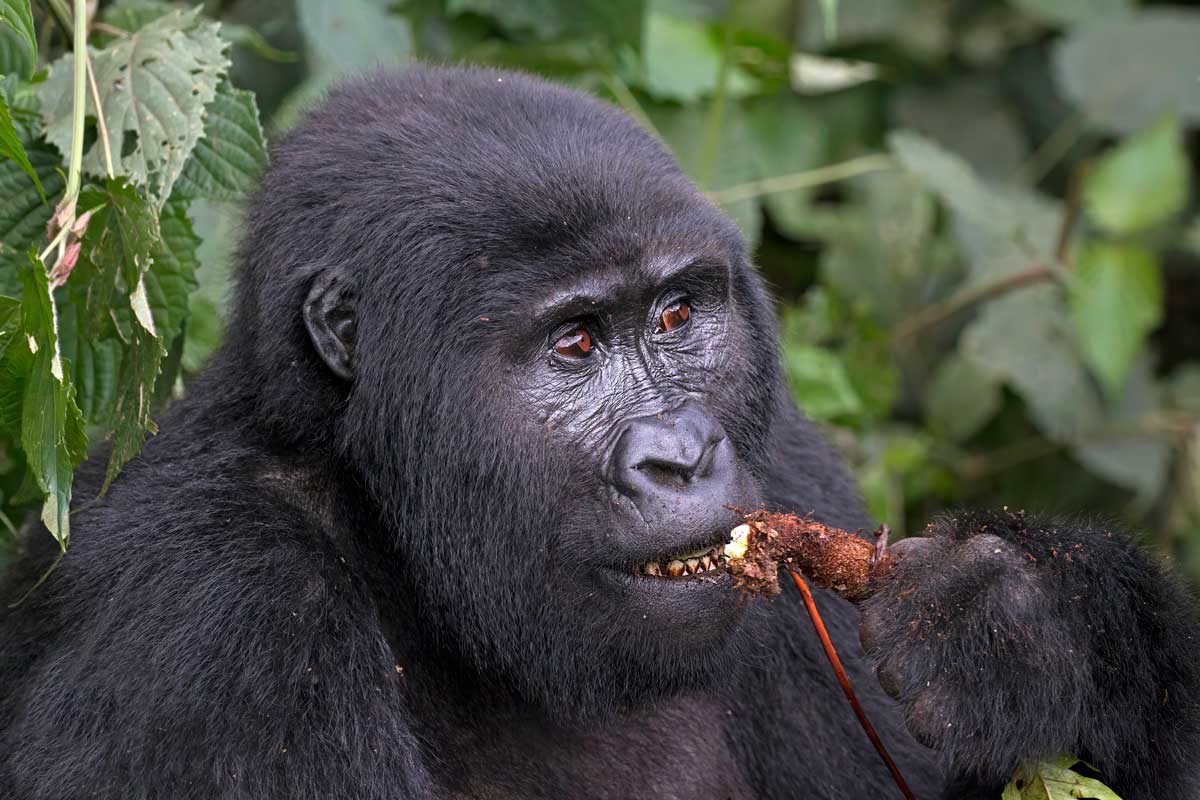
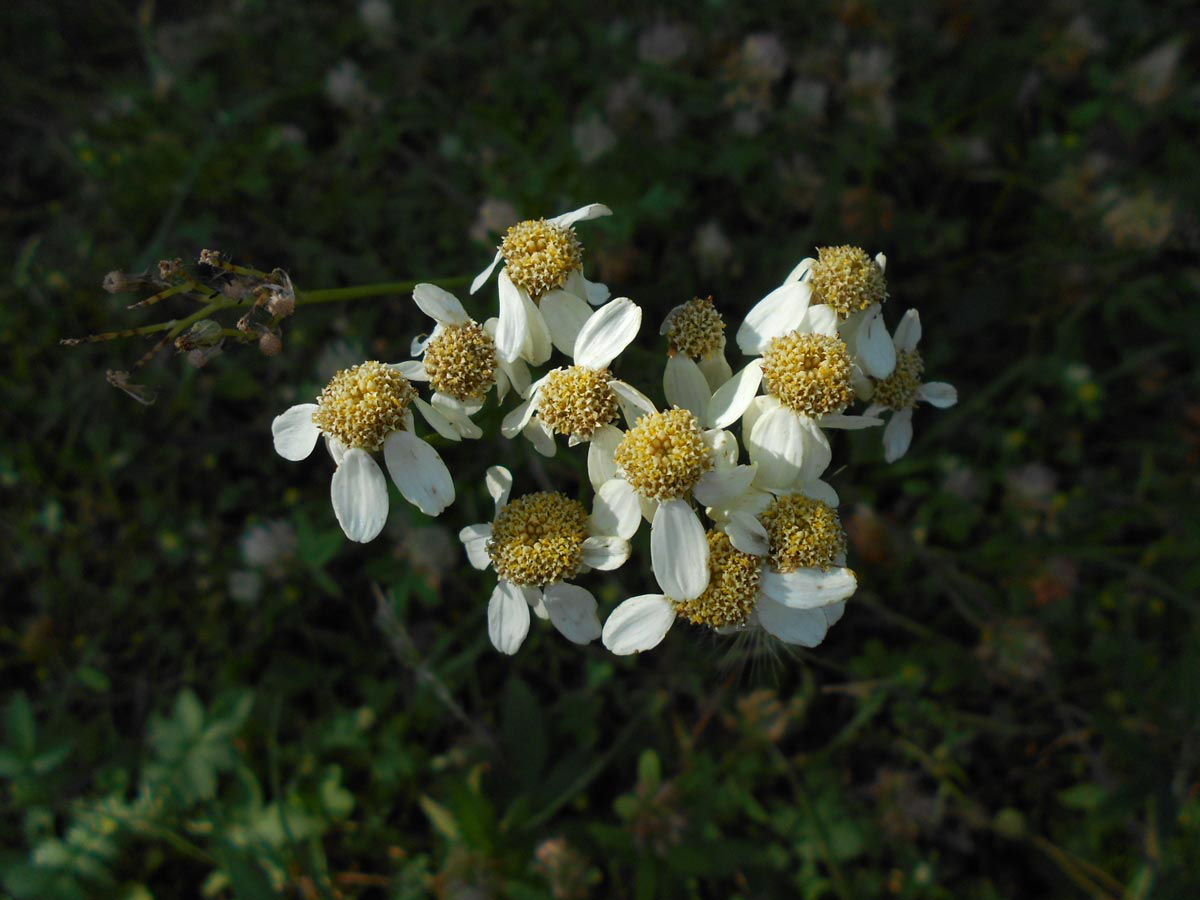
Analysis of dental calculus from El Sidrón showed that the inhabitants were consuming a range of cooked plants. Intriguingly, two of the plants, yarrow and chamomile, are known to have medicinal properties, with little nutritional value and a bitter taste. As several modern primate species engage in self-medication, researchers are confident in their assumption that our evolutionary cousins would possess some of this knowledge too.
Through sequencing mitochondrial DNA, researchers showed that the three adult male Neanderthals at the site were maternally linked, while the three adult females had different maternal lineages. This discovery indicates a patrilocal social structure in which the female Neanderthals moved between groups. Since Neanderthals lived in small, isolated social groups, inbreeding is not uncommon in the archaeological record and is among the reasons researchers believe they became extinct. The skeletal remains from El Sidrón exhibited a high number of congenital anomalies, including vertebral clefts and retained deciduous canines (baby teeth).
6. Early Neanderthal Art in Europe
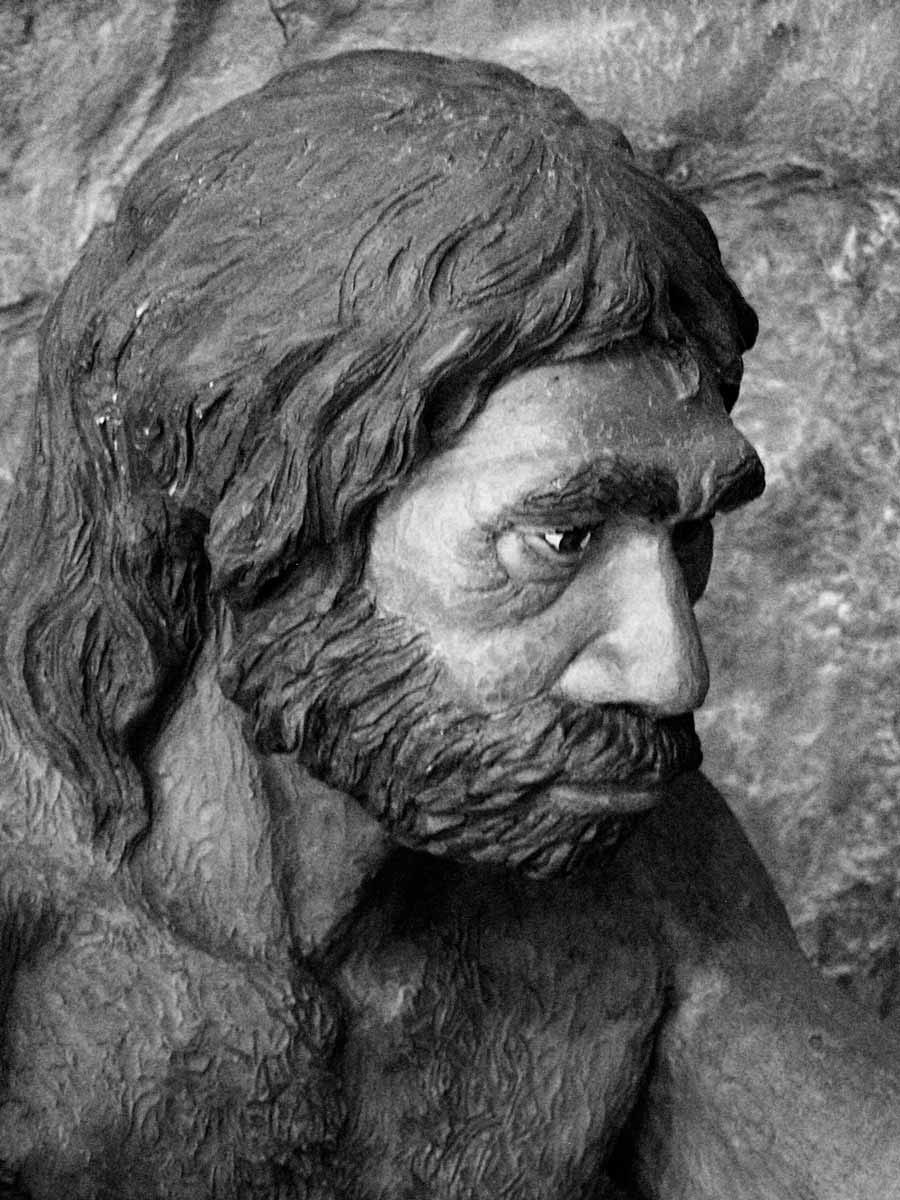
Engraved on a cave wall at La Roche-Cotard in France are panels of abstract art dated from at least 57,000 years ago; before modern humans arrived in the region. A series of abstract dots, lines, and stripes was made using a technique called “finger fluting,” where the digits are traced along the soft cave walls to leave a mark. Based on the organization and arrangement of the engravings, researchers determined they were deliberate creations, making the discovery one of the earliest examples of Neanderthal art.
Few symbolic discoveries have been linked to the Neanderthals, and the interpretation of such evidence is often met with debate. Engraved bones, perforated shells, and ornamental eagle talons, to name a few, have been linked to the species. However, not everyone is convinced of their meaning.
Another famous discovery from the cave, the “Mask of La Roche-Cotard,” is similarly divisive. The figurine, possibly created by Neanderthals, resembles a human-like face made of flint, with bone going through two holes thought to look like eyes. Researchers have argued that the artifact had functionality, acting as a toy or a weight, despite having a small mass. Many believe that the 75,000-year-old mask demonstrates artistic expression of Neanderthals, which would make it one of the earliest examples of figurative art.
7. The Calcified Skeleton of the Altamura Man
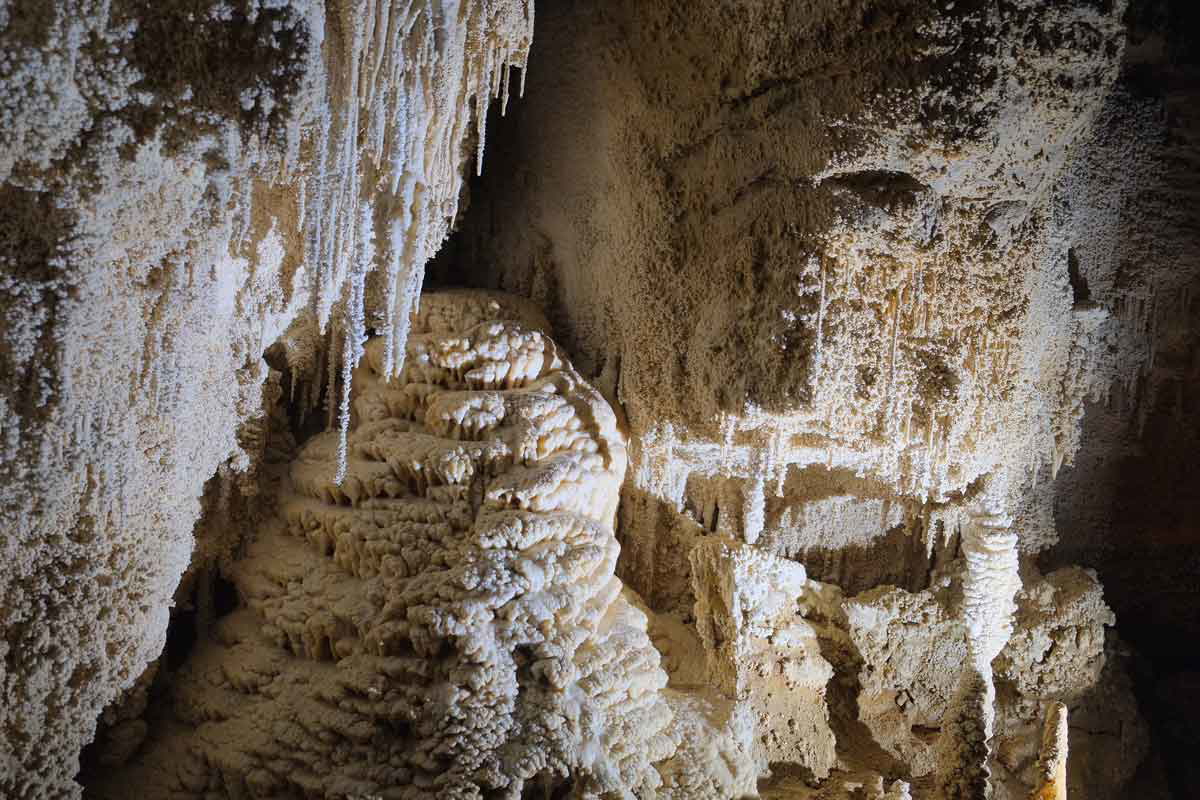
In 1993, deep in the Lamalunga Cave near the Italian town of Altamura, researchers came across an unusual skull fused into rock. Encased in a layer of calcium deposits, the remarkable “Altamura Man” is one of the best preserved archaic human fossils discovered to date. Scientists believe that the man had fallen into a sinkhole in the limestone karst, where he died from starvation or dehydration after becoming stuck. As rainwater deposited minerals, his skeleton slowly became calcified in what is known as “cave popcorn.”
Previously, scientists were unsure if the skeleton belonged to a Neanderthal or a modern human, until the first bone and speleothem samples were collected over a decade later. Researchers determined that the skeleton was between 130,000 and 172,000 years old, making it one of the oldest Neanderthal fossils. By obtaining samples at the site, they found that the young adult had missing teeth and exposed roots, unusual for Neanderthals, who typically had excellent dental hygiene. Using advanced technologies, scientists hope that future studies will allow an in-depth analysis of a complete Neanderthal skeleton.
8. The Mysterious Stalagmite Rings of Bruniquel Cave
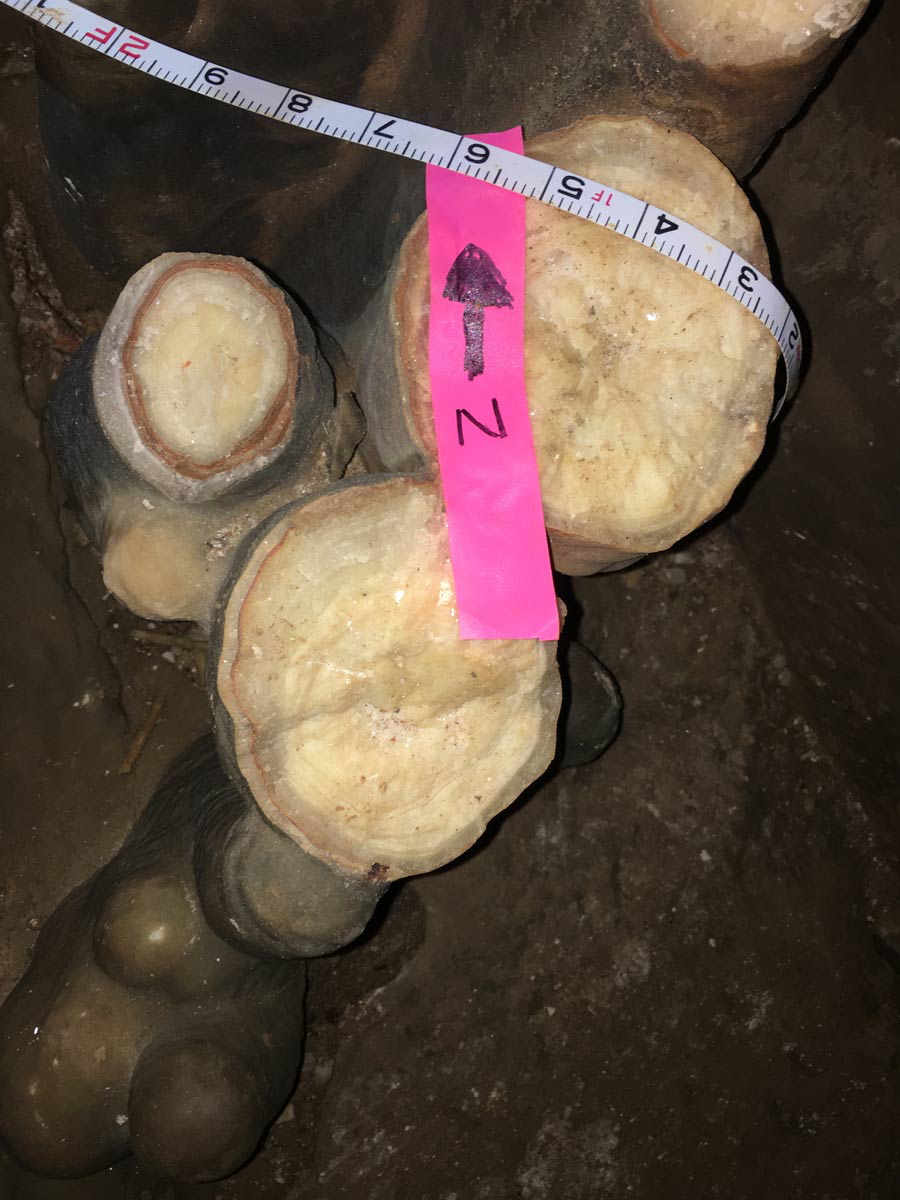
Over 176,000 years ago, Neanderthals ventured deep into a cave in the southwest of France and assembled rings of stalagmites, using fire to illuminate their path. Now, archaeologists are trying to understand these mysterious constructions, having found varying-sized circles and piles of broken and whole stalagmites protruding from the floor of Bruinquel Cave. They found reddening and blackening on some of the stalagmites, as well as pieces of charred bone, proving that the inhabitants had frequently used fire.
Published in 2016, this unique discovery demonstrated that Neanderthals possessed a higher level of social organization than previously thought, as they needed to allocate roles and manufacture the circular patterns, illuminate the cave, and survive in deep karst environments. Scientists are unsure as to why the creators made these formations, how many were involved, and why they intentionally lit the structures rather than the ground.
One explanation is that the creators built the rings to function as a shelter; however, this is unusual considering they are located within a sheltered cave, and there is no evidence of long-term occupation. It could be that Bruniquel Cave served as a site for ritual behavior, or the rings possessed symbolic value to members of the social group. Regardless of purpose, the discovery offered scientists a significant insight into the complex and sophisticated capabilities of Neanderthals.
9. Meet the Neanderthal-Denisovan Hybrid Named Denny

Found in 2021 in Denisova Cave in Siberia, a fragment of a long bone revealed a child born 90,000 years ago to a Neanderthal mother and a Denisovan father. Denisovans were close relatives of Neanderthals and lived across regions of Asia until their disappearance around 30,000 years ago, having mixed with both Neanderthals and anatomically modern humans. The 13-year-old hybrid, nicknamed “Denny,” highlighted the complex interactions between ancient hominins and confirmed the suspicions of researchers that the two groups had interbred.
While Neanderthals inhabited regions of Europe to parts of Asia, Denisovans appear to have lived predominantly in East and South Asia. We know relatively little about how much these archaic humans overlapped, but it is apparent that they met and mated to some degree. Considering the small number of Denisovan specimens found to date, the discovery of a first-generation hybrid implies that interbreeding between these groups was a frequent occurrence when they did encounter each other. Through her genome, scientists also found that the father of Denny had traces of Neanderthal ancestry. As the only direct offspring of two distinct human species, the discovery was revolutionary in the field and enhanced our understanding of human life nearly 100,000 years ago.
10. Thorin: One of the Last Neanderthals
Published in 2024, nine years after the initial discovery, analysis of a Neanderthal found in Grotte Mandrin rockshelter in France revealed a new lineage that archaeologists were previously unaware of. Nicknamed “Thorin” after a character in J.R.R. Tolkien’s “The Hobbit,” the individual belonged to a small population of Neanderthals in Mediterranean France. Known as one of the last of his species, evidence suggests that Thorin died as recently as 42,000 years ago, around the time that the species is thought to have gone extinct.
By analyzing a fragment of a molar root, researchers were able to generate a whole-genome sequence. They found that, despite neighboring other members of the species, the Neanderthals of the Rhône Valley had not exchanged genes with other known populations for 50,000 years. While our own species was interbreeding with Neanderthals in Europe, the specimen showed no indication of recent mating with early modern humans.
Not only did the discovery help researchers to identify an isolated lineage, but it also raised questions about the factors leading to the extinction of the species. Inbreeding within the isolated group put them in a vulnerable position as reduced genetic diversity weakened their ability to adapt to the changing environment and introduced diseases. Thorin, the isolated Neanderthal, shed light on one of the reasons for our own survival: human connection.