The United States is responsible for producing some of the most celebrated literary icons in the world. Many towns across the country still retain their strong literary heritage to this day. This list is recommended for bookworms who want to explore the heritage of literary icons and visit childhood homes-turned-museums of authors, statues of them erected in town, or even entire towns that were fictionalized for the settings of famous works. Here are some of the best small towns all bookworms should visit at some point.
1. Hannibal, Missouri
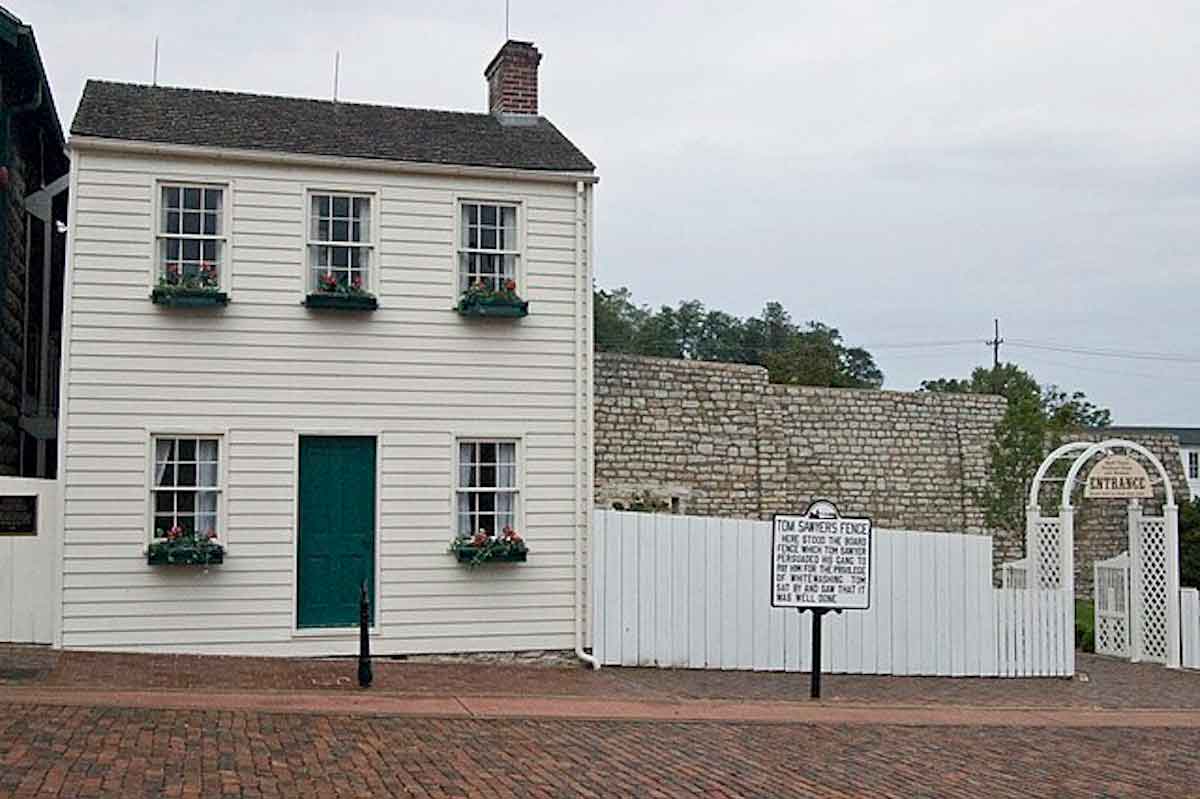
Located along the banks of the Mississippi River, which inspired The Adventures of Tom Sawyer and The Adventures of Huckleberry Finn, Hannibal is the hometown of Samuel Clemens, otherwise known as Mark Twain. The town is home to the Mark Twain Boyhood Home and Museum, which includes eight historic buildings, most notably the home where Twain grew up from 1843 to 1853. Go on a self-guided tour of the author’s home and view his personal belongings, handwritten pages of original manuscripts, and displays that explore how he created the characters of Tom Sawyer and Huckleberry Finn.
Other landmarks in town pay further homage to the author, such as the Mark Twain Memorial Lighthouse, which sits atop Cardiff Hill, a location featured in his works that was frequented by Tom Sawyer and Huckleberry Finn. The lighthouse was erected in 1935 as a memorial to Twain on his 100th birthday.
2. Key West, Florida
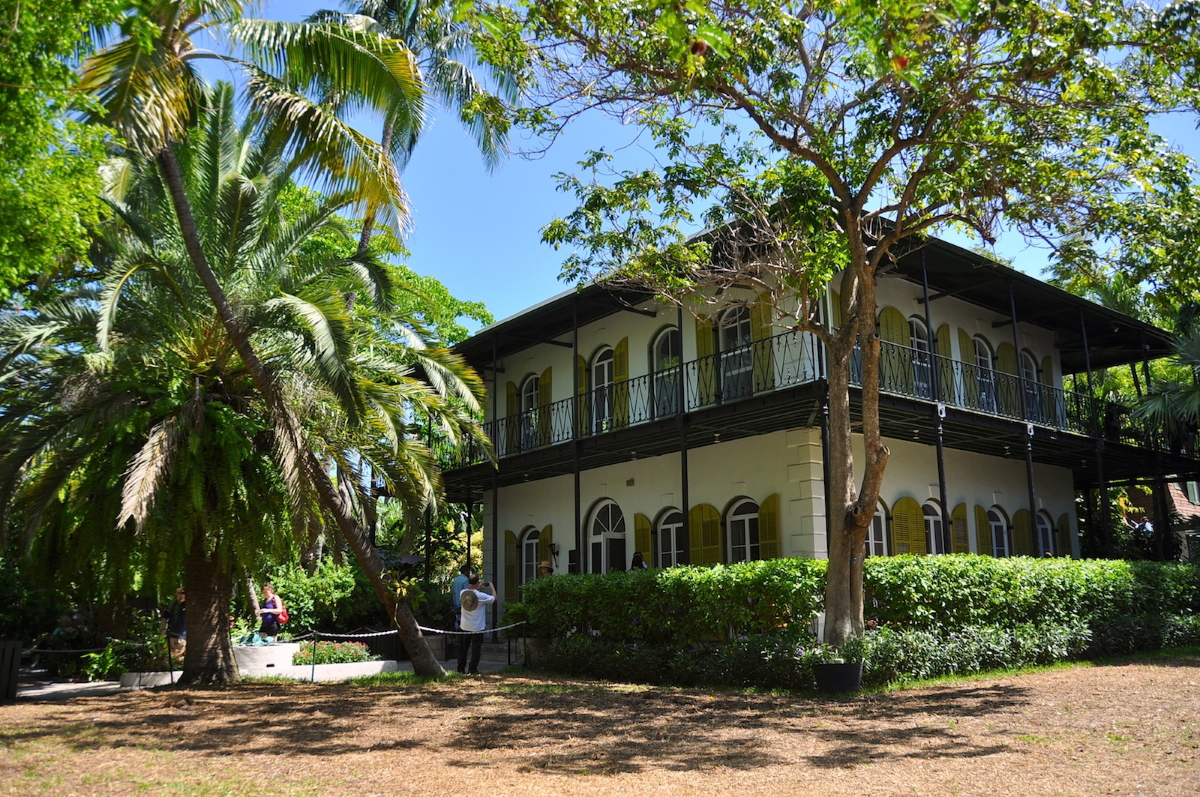
Key West’s claim to fame is being home to seven Pulitzer Prize winners, more per capita than any other city. After becoming captivated by the island, Ernest Hemingway moved to a Spanish-style villa, which today operates as the Hemingway Home and Museum. It is here that Hemingway penned many of his best works, including To Have and Have Not, set in Depression-era Key West. This is his only novel set in the United States.
Key West was also home to Tennessee Williams, who lived on the island for over 30 years. It is believed that he completed the final draft of A Streetcar Named Desire in the La Concha Hotel in 1947. The Tennessee Williams Museum houses an extensive collection of photographs, first edition plays and novels, and a typewriter used by Williams.
3. Monroeville, Alabama
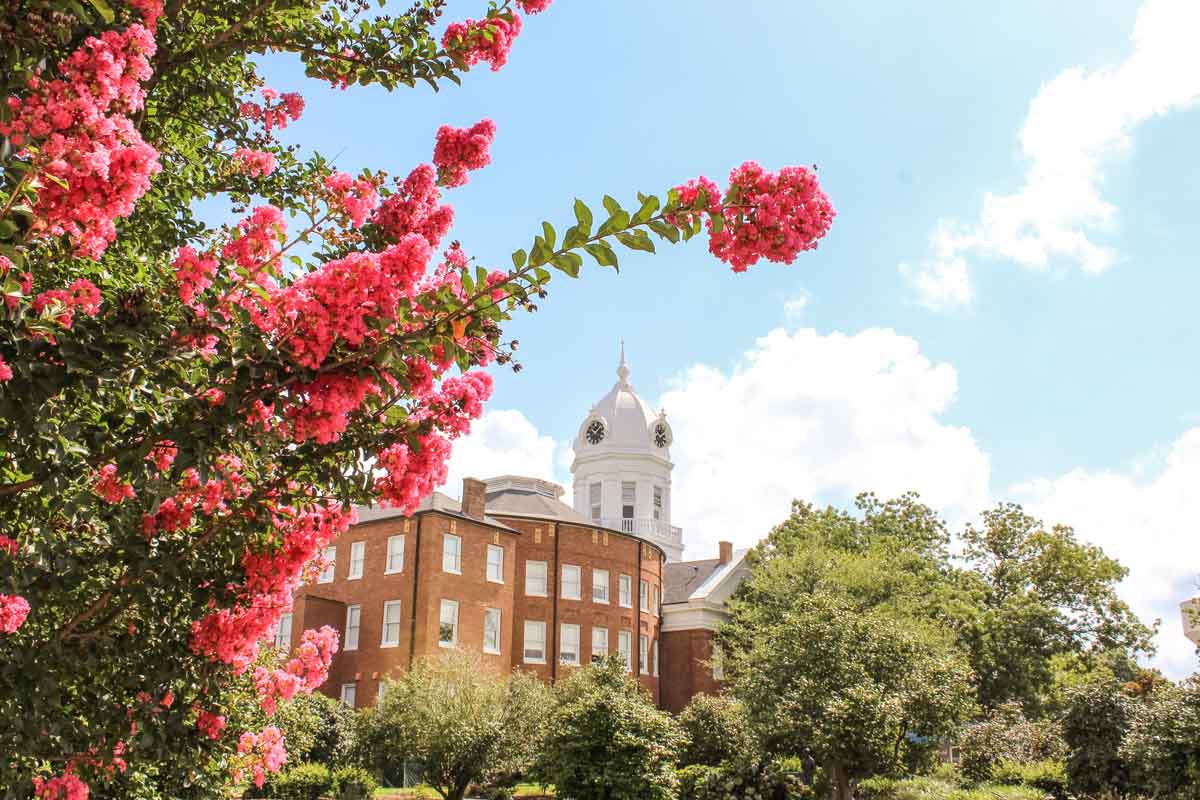
Monroeville gained the status as the “Literary Capital of America” because of two American writers who called the town home: Harper Lee and Truman Capote. The town of Monroeville was fictionalized as the town of Maycomb, which serves as the setting for Lee’s novels To Kill a Mockingbird and Go Set a Watchman. Several landmarks from the novels can be visited around town, such as the Atticus Finch Monument, which honors the character as an ideal model for non-discriminatory justice.
Other attractions include the Monroe County Museum, housed in the Old Courthouse and featuring exhibits on Harper Lee and Truman Capote. Visitors can stop at the Faulk House marker for Truman Capote’s childhood home, where he lived between 1927 and c. 1933. The house was next door to Harper Lee’s. The Old Courthouse Museum also hosts the live on-stage production of To Kill a Mockingbird each spring as a further celebration of the town’s literary heritage.
4. Amherst, Massachusetts
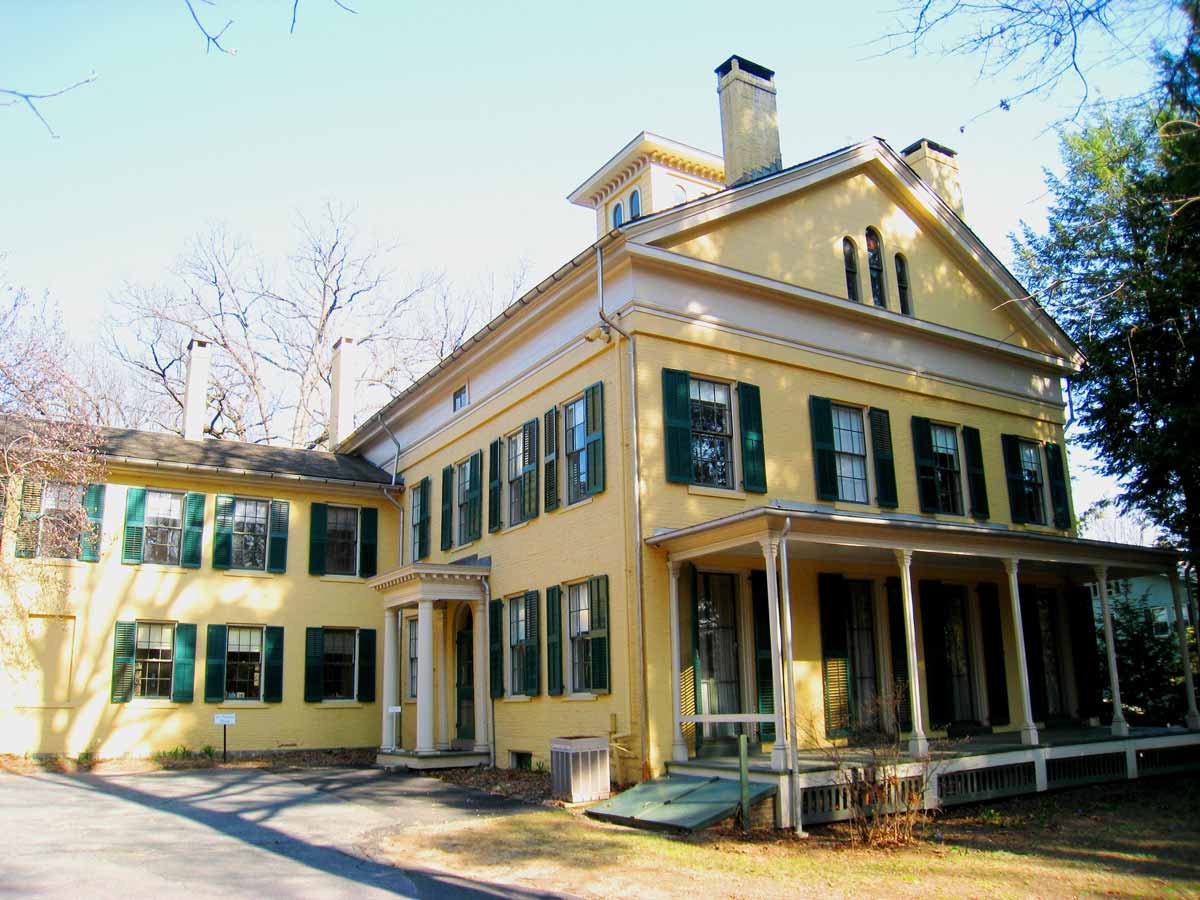
Amherst is a premier historic literary hub, best known as the home of poet Emily Dickinson, who wrote close to 1,800 poems during her mostly reclusive life in Amherst. Emily Dickinson’s family homestead, where she was born, did most of her writing, and where she died, has been turned into the Emily Dickinson Museum, which houses the largest and most varied collection of objects associated with Emily Dickinson and her family.
But Emily Dickinson is not the only writer associated with Amherst. In fact, she often overshadows many other famous authors who resided in Amherst at some point in their careers. Take a self-guided walking tour along Amherst’s historic streets, which pass the former homes of authors who once lived in Amherst. The route is dotted with signs marking the twelve residences of writers such as Robert Frost, Mabel Loomis Todd, and Robert Francis.
5. Concord, Massachusetts
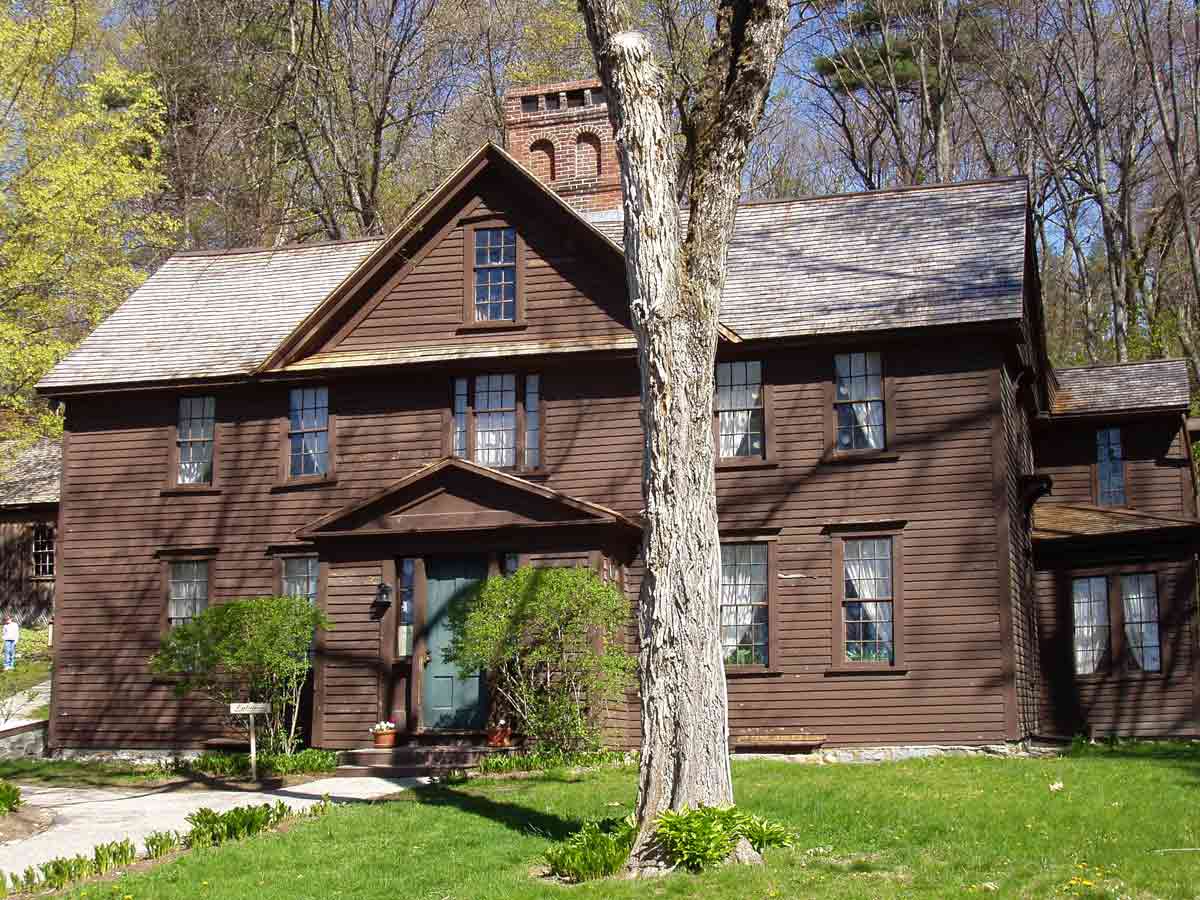
Concord was the epicenter of the mid-19th-century Transcendentalist movement. Furthermore, the town was home to many acclaimed New England authors, including Louisa May Alcott, Henry David Thoreau, Nathaniel Hawthorne, and Ralph Waldo Emerson. The historic homes of these American literary pioneers have been preserved and can be visited while exploring the town.
The Orchard House is by far one of the most famous homes open to visitors. This is where Louisa May Alcott wrote Little Women, inspired by her childhood growing up with her sisters. The house is open for tours, taking visitors from room to room to view original furniture and personal belongings. The Ralph Waldo Emerson House is preserved by his family and remains decorated much the same way it was throughout Emerson’s lifetime.
6. Oxford, Mississippi
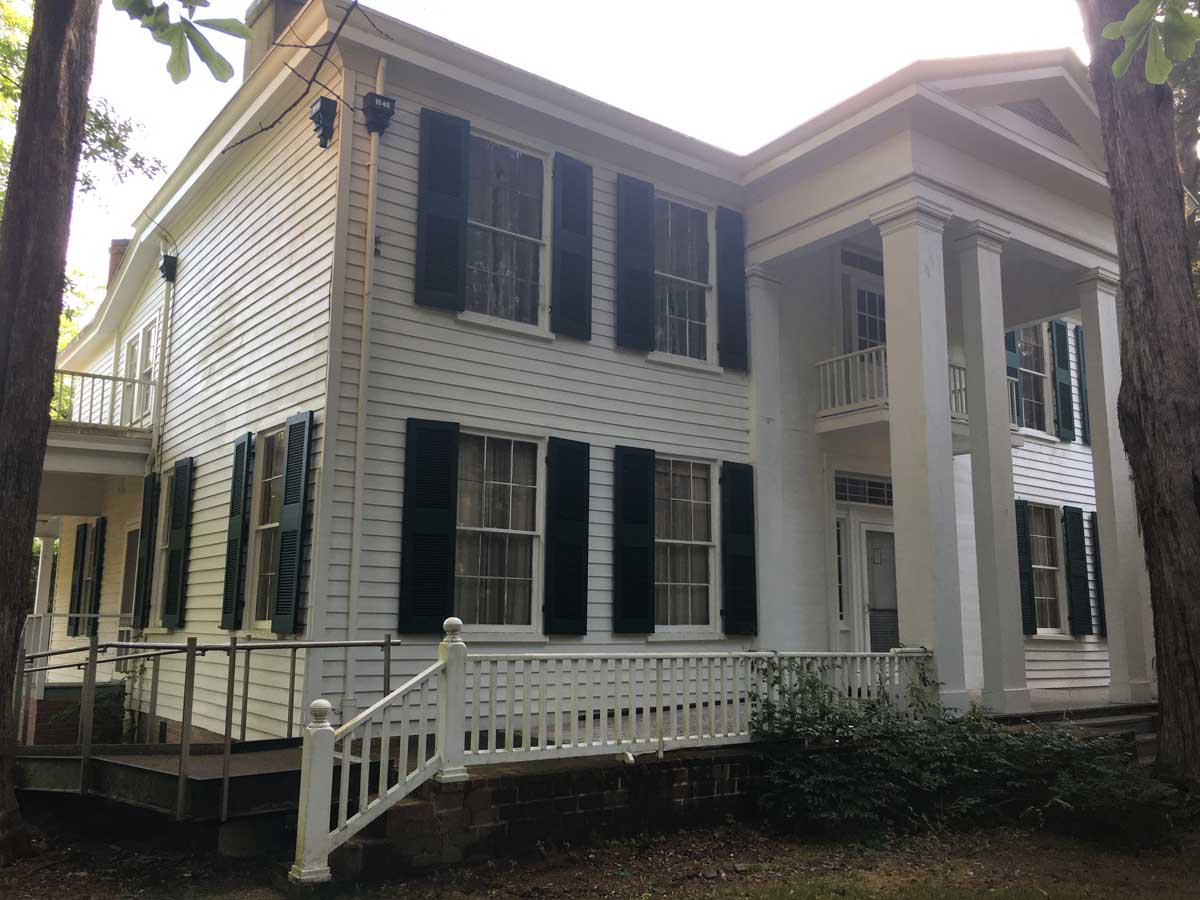
The streets of Oxford are lined with historic antebellum homes, one of which was owned by Nobel Prize-winning author William Faulkner, who lived there for over 30 years. Faulkner based his fictional Yoknapatawpha County on the town and the surrounding Lafayette County, which was the setting for novels such as As I Lay Dying and The Sound and the Fury.
Rowan Oak was built in the 1840s, although Faulkner acquired it in the 1930s, when it was in poor condition and needed repairs, which he did himself. The author lived there until his death in 1962, and his funeral was held in the house’s parlor. The house is now owned and maintained by the University of Mississippi. It is open year-round to the public and provides insight into his life and works.
7. Oak Park, Illinois
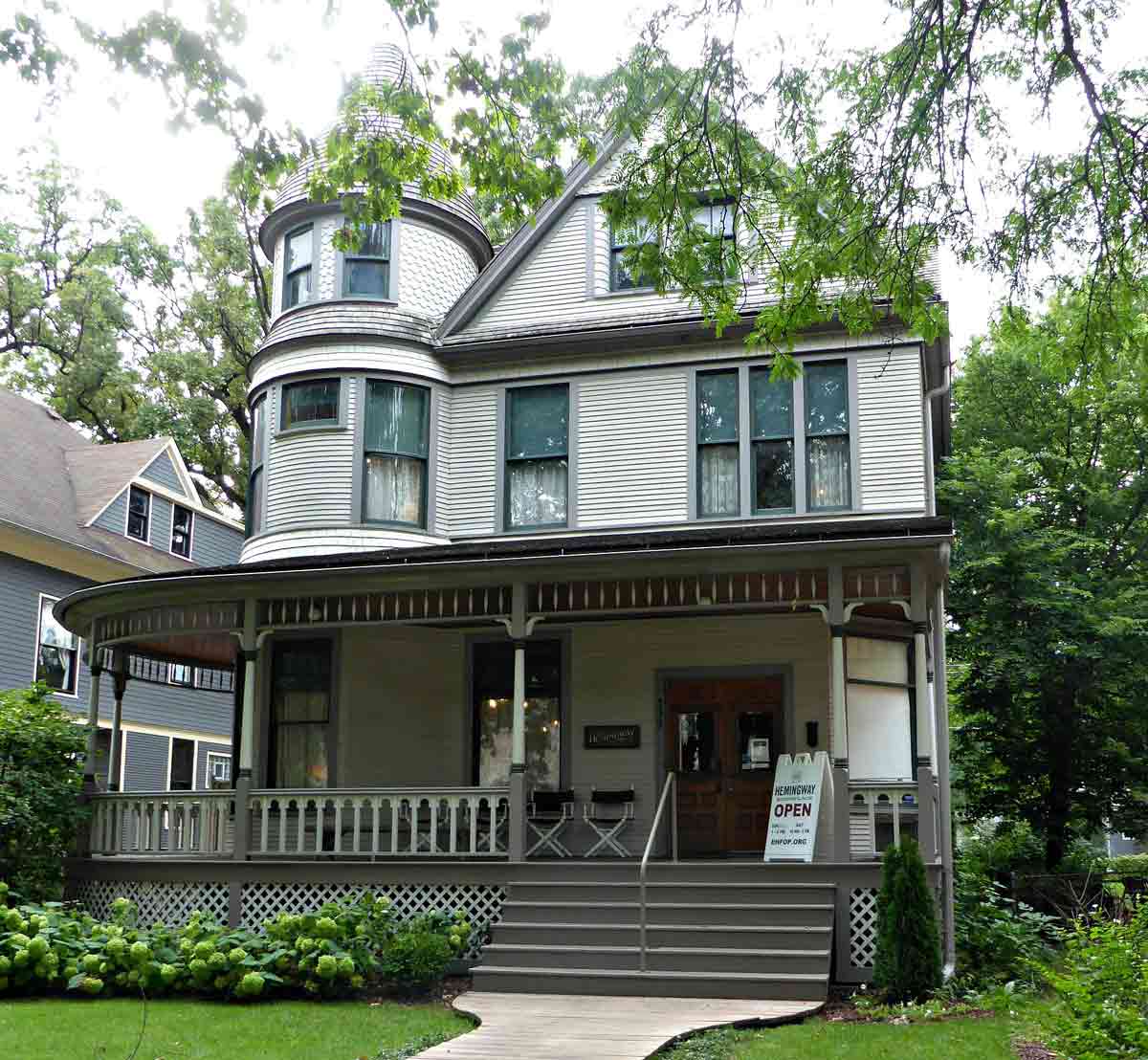
Hemingway may have fallen in love with Key West, but he was born in Oak Park, Illinois, and spent the first eighteen years of his life there. Oak Park has multiple landmarks around town dedicated to Hemingway. The Ernest Hemingway Birthplace Museum is housed inside the Victorian-era home where he was born in 1899 and spent the first six years of his life.
Other Hemingway sights include the Ernest Hemingway Childhood Home. Although this is a private residence and not accessible to the public, it still stands today and is where Hemingway lived during his high school years. He first began writing and developing his craft in this home. Hemingway’s mother took him to opera houses and museums in Chicago, which helped him appreciate the arts, whereas his father took him to the woods and prairies west of Oak Park to appreciate the outdoors. These experiences prepared him for a life as a writer.
8. Bangor, Maine
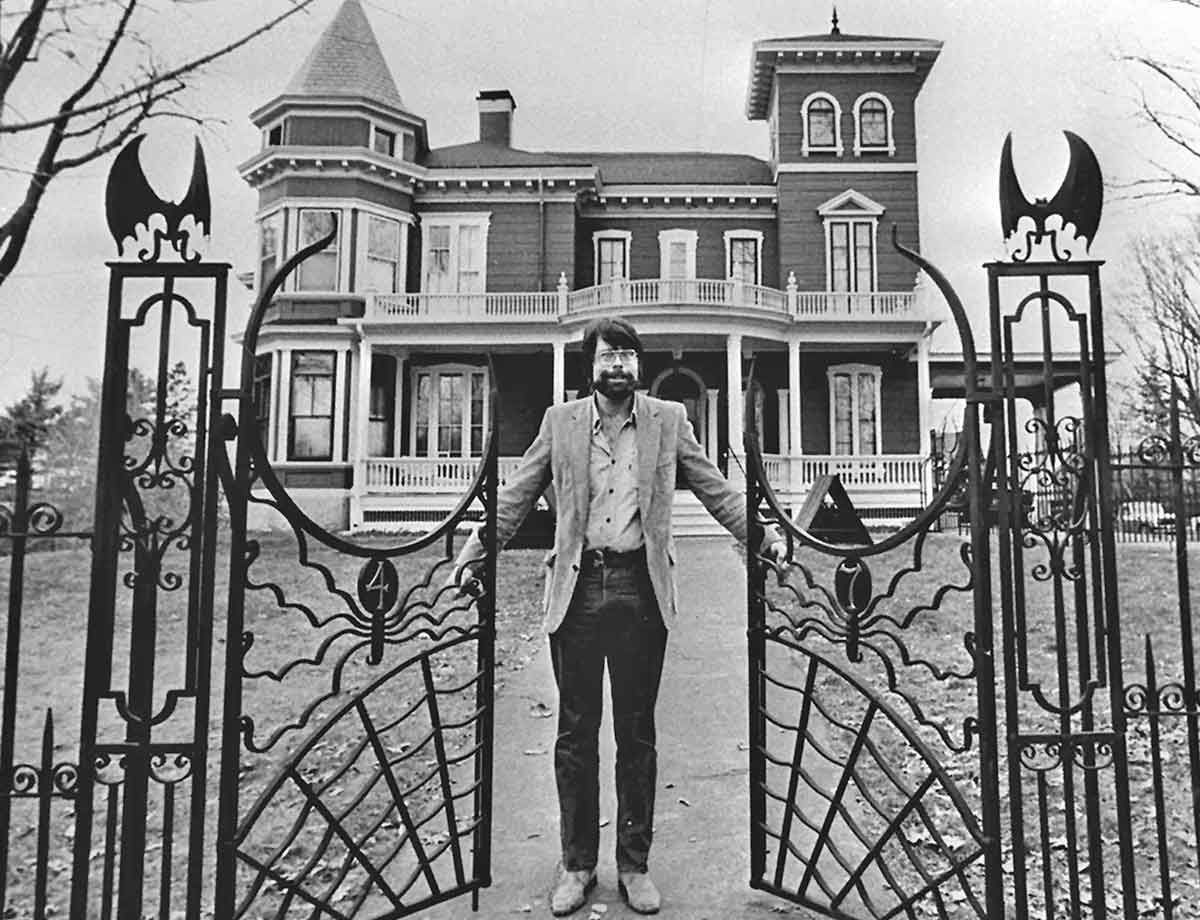
The streets of Bangor have been in the imaginations of readers for years. However, they will know it better as the town of Derry, the setting for some of Stephen King’s famous novels, such as It and Insomnia. The Stephen King Tour operates out of Bangor and drives passengers around town on a three-hour tour that stops at between twenty and thirty literary and movie locations, as well as Stephen King’s Former House.
Stephen King’s Former House is a Victorian mansion with iron gates designed to look like spider webs. King no longer lives there, and the house has been turned into a writers’ retreat and an archive of his work. Other sights around town include the sewer drain at the corner of Jackson and Union Streets, which inspired the novel It, and the Paul Bunyan statue, which appeared in the most recent film adaptation of the book.
9. Waukegan, Illinois
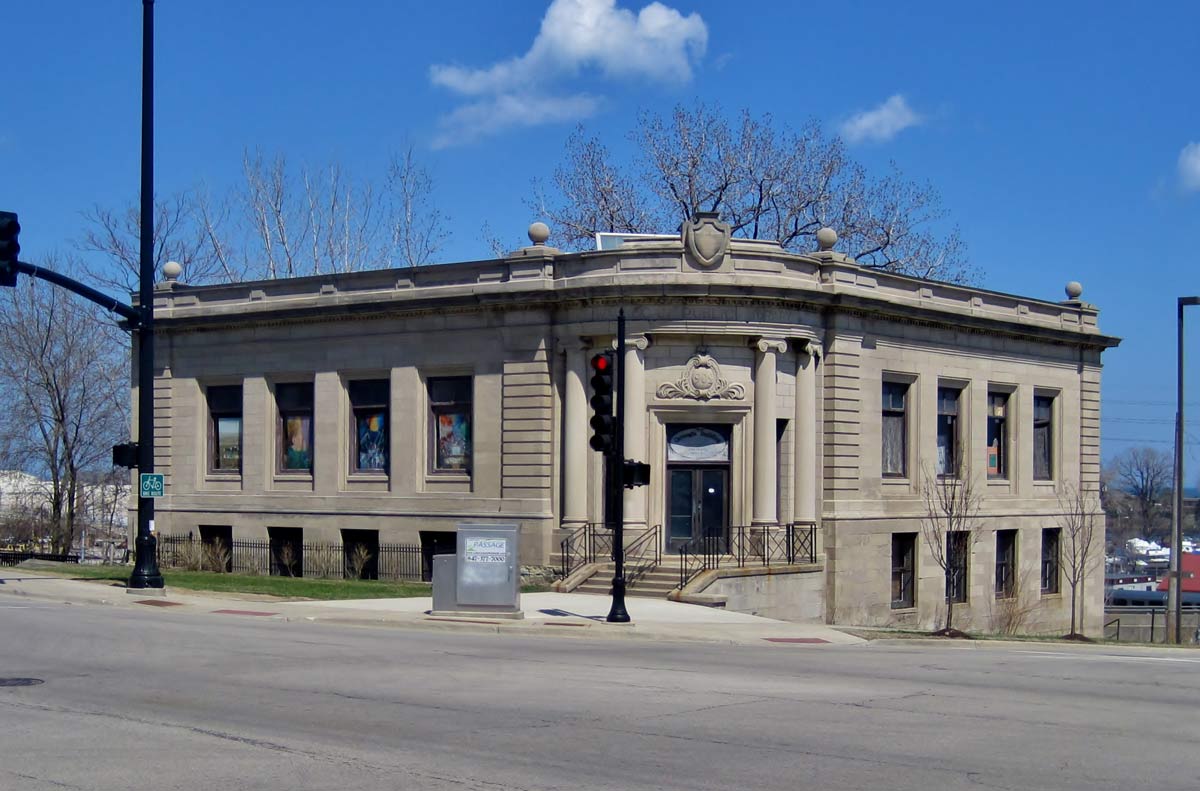
This town’s legacy is primarily dedicated to science-fiction and fantasy writer Ray Bradbury, who was born there and spent his formative childhood years. The city was fictionalized for the setting in many of his key works, including Something Wicked This Way Comes. Ray Bradbury Park, formerly Powell Park, was designated a Literary Landmark in 2019. As a child, Bradbury often played in the park and walked through it to get downtown since it is close to the Ray Bradbury Boyhood Home. Although his boyhood home is now a private residence and not accessible to the public, it can still be viewed from the street.
The Fantastic Traveler statue depicts a middle-aged Ray Bradbury riding a retro-style rocket ship with a book in his hand outside of the Waukegan Public Library. The statue stands twelve feet tall and is composed of stainless steel. The Waukegan History Museum is housed inside the former Carnegie Library and features a permanent display of Ray Bradbury’s personal book collection. The exhibit is in a restored room where Bradbury spent much of his time as a child reading and developing a love and passion for stories.
10. Milledgeville, Georgia
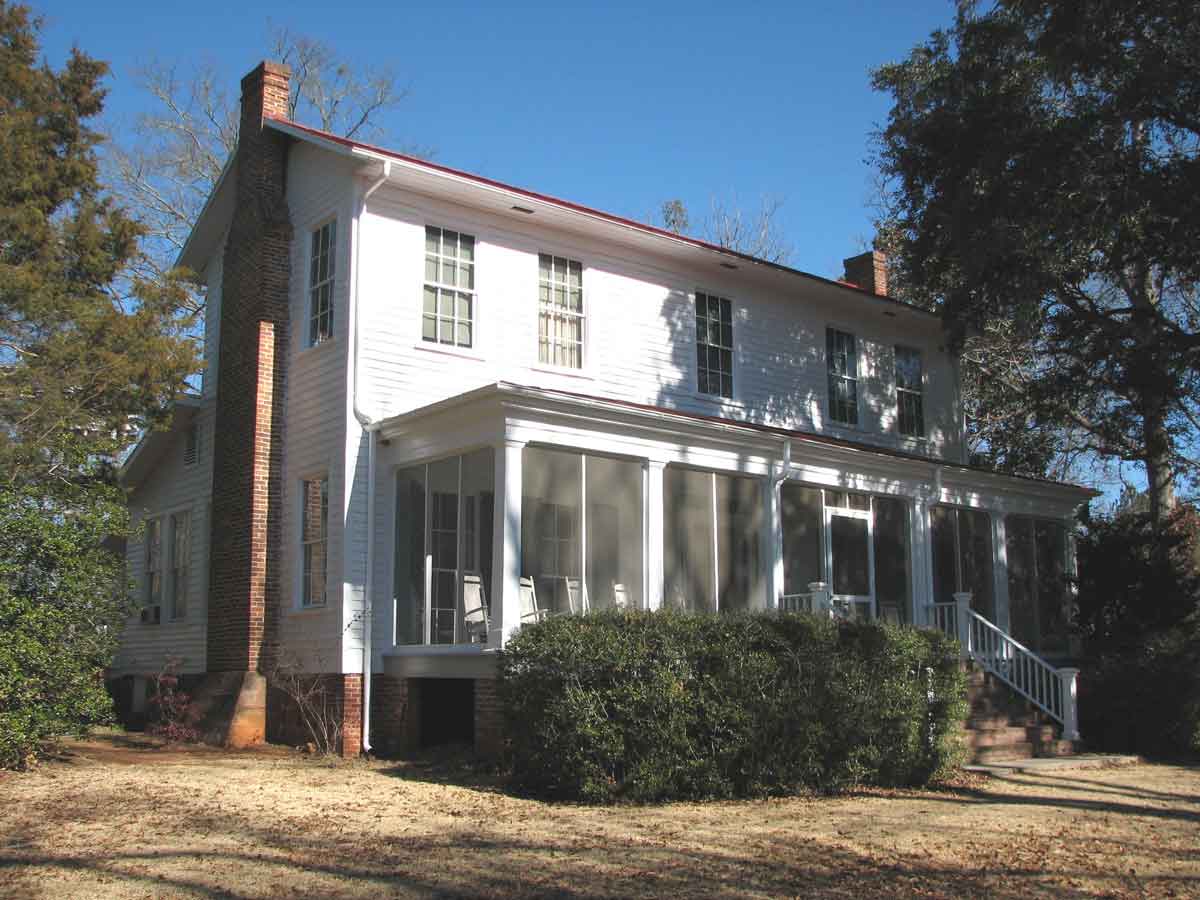
For many years, Milledgeville was the home of Southern Gothic writer Flannery O’Connor. She lived at Andalusia Farm between 1951 and 1964, where she wrote many of her highly acclaimed works, such as Wise Blood and A Good Man is Hard to Find. The farm was listed on the National Register of Historic Places in 1980 and is open to the public for guided tours, not just of O’Connor’s time there, but also the entire lineage of the property when it operated as a dairy and beef cattle farm.
Her resting site can be visited at Memory Hill Cemetery. Self-guided tours are available at the cemetery, which begins at a gazebo and visits 47 points of interest, including O’Connor’s grave, where she is buried alongside her family. Alternatively, you can visit the Georgia College and State University, which O’Connor attended and maintains an archive of manuscripts, photographs, and letters.