For centuries, smallpox tormented human civilization with blindness, disfigurement, and death. As humans carried the virus with them around the planet, smallpox toppled empires and decimated populations. Knowledge about how to provide resistance against the disease led to the development of the world’s first vaccine. It became the goal of governments and global institutions to share this miraculous discovery with every last person on Earth. The eradication of smallpox, the scourge of mankind, would become the greatest biological achievement in human history.
Origins and Symptoms of Smallpox
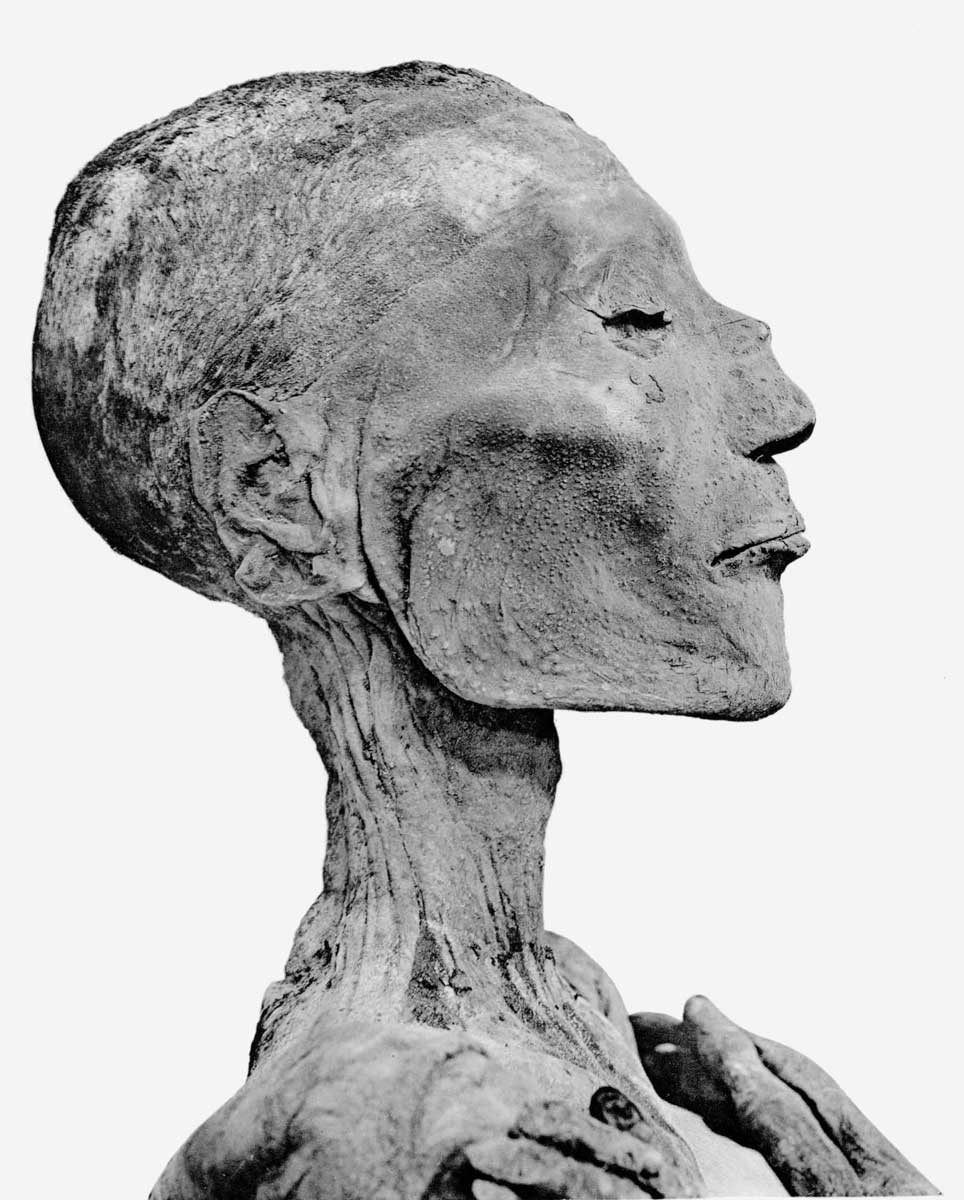
The emergence of the smallpox virus predates recorded human history. It is believed to have originated among the first agricultural settlements in northeast Africa around 10,000 BC. The mummified Egyptian pharaoh Ramses V, who lived during the mid-12th century BC, is the first human we know of to show physical evidence of smallpox. Ancient Asian cultures also recorded instances of the disease. It is presumed that cases of smallpox described in 1000 BC China and in Sanskrit texts in India were a result of Egyptian merchants carrying the disease from Africa (Riedel, 2005).
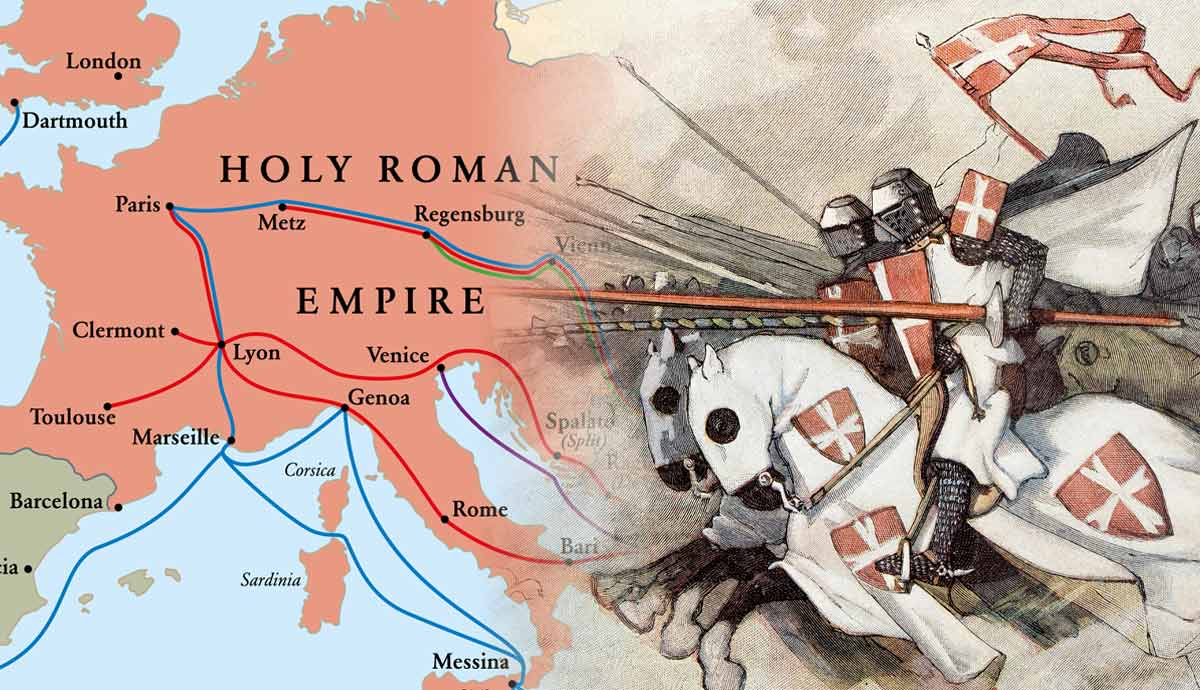
Smallpox was introduced into Europe sometime between the 5th and 7th centuries. Its spread was facilitated by the Crusades, the Arab expansion, and the discovery of the West Indies. Spanish and Portuguese conquistadors first brought the disease to the Americas. North American settlers were also instrumental in carrying the disease to the New World. Colonialism, war, and the slave trade all contributed to smallpox’s expansion in the Americas. Once global, smallpox epidemics became a frequent part of life.
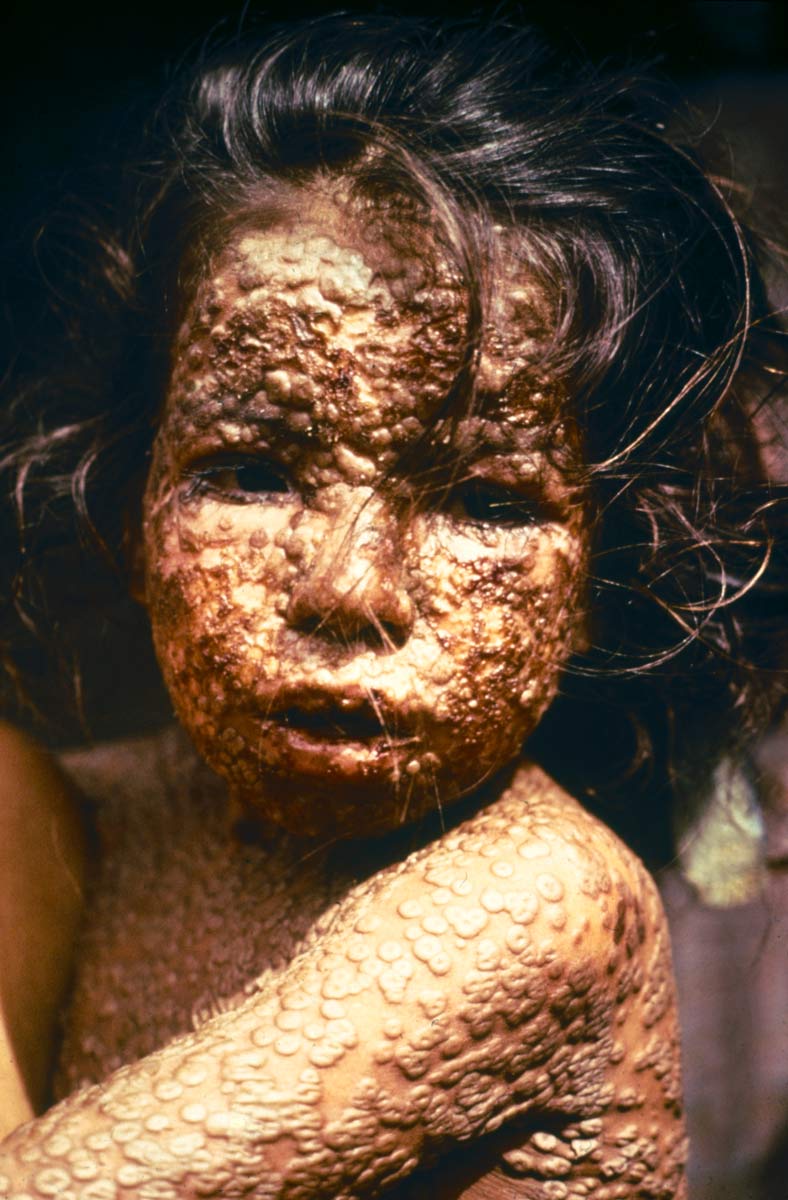
Those who became infected faced days of symptoms like fever, vomiting, and mouth sores. Following the initial symptoms, a rash formed on the person’s face and inside their eyes. The rash would eventually spread to cover the entire body. Fluid-filled lesions would then form and permanently scar the skin. This malformation earned smallpox its nickname, the speckled monster. The mortality rate was also severe, killing 1 in 3 people infected. Blindness was a frequent outcome for those who did not succumb to the disease.
Smallpox impacted mankind like no other disease in history. It was loathed by all and showed mercy for none.
A Plague to Princes and Peasants
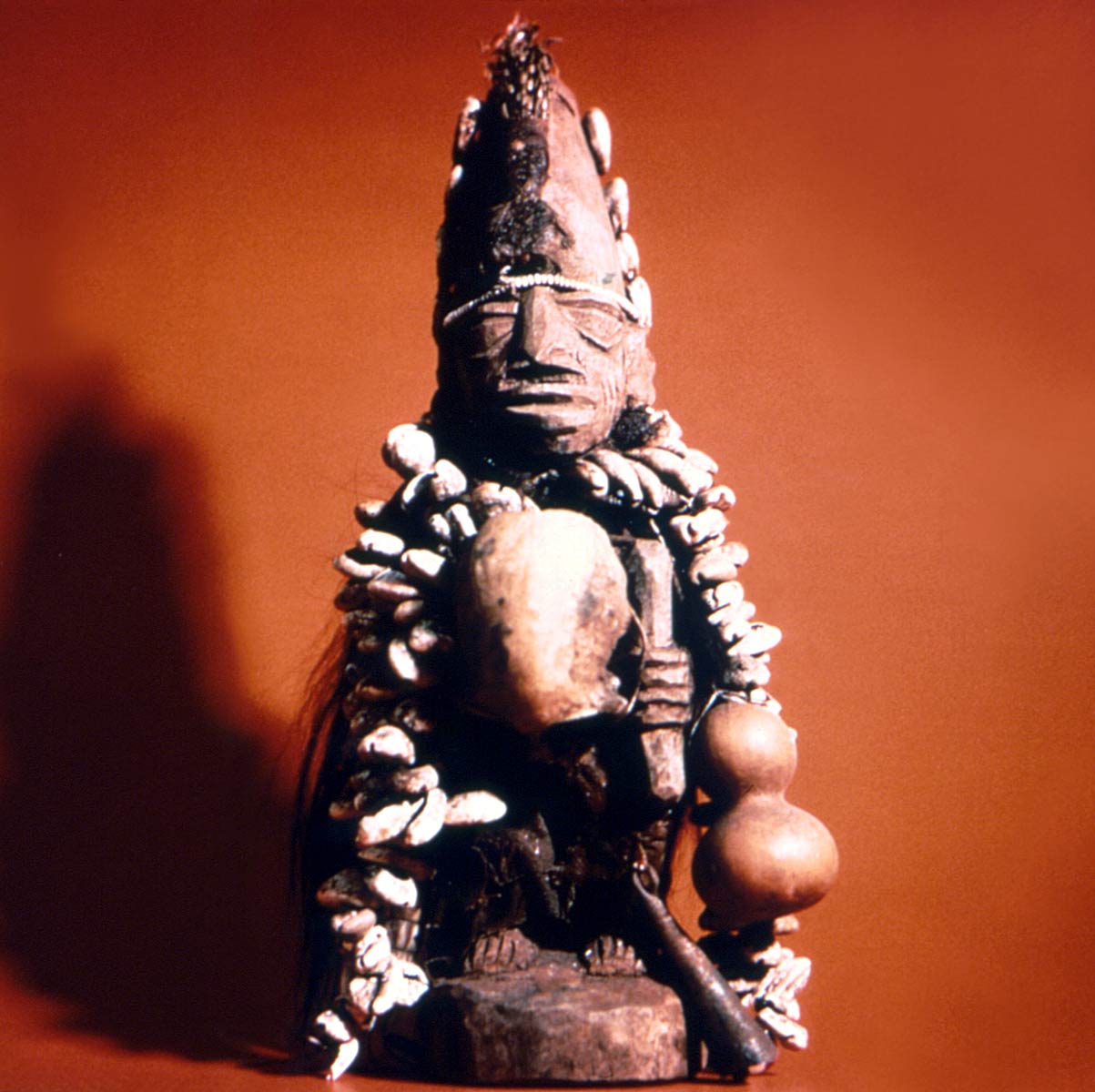
Time and again, smallpox demonstrated to the world that it was so powerful it could collapse empires. The smallpox plague of the Roman Antonine era, in AD 165, coincided with the early decline of the Roman Empire. It also accounted for nearly 7 million deaths.
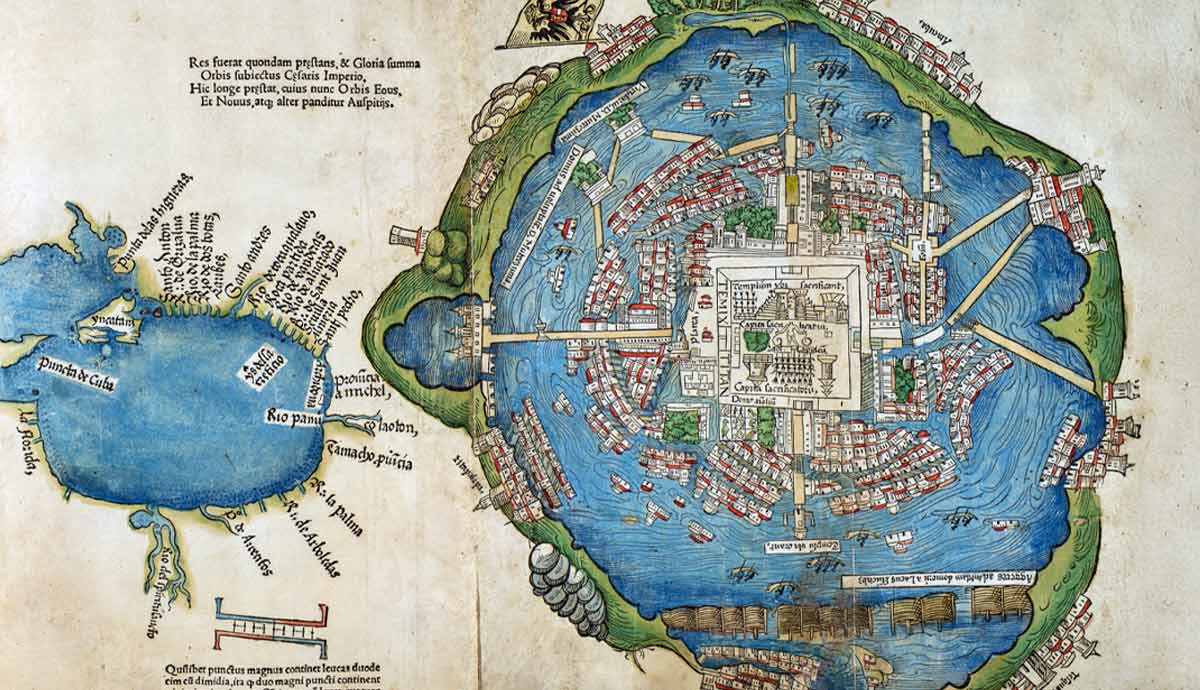
The bringing of smallpox to the Americas by Spanish and Portuguese conquistadors brought about the fall of the Aztec and Inca empires. The spread reduced 25 million inhabitants of Mexico in 1518 to just 1.6 million by 1620. In late-18th century Europe, smallpox killed 400,000 people each year. A third of those who survived went blind as a result of the inner eye rash. During epidemics, the percentage of the population that contracted smallpox was reported to be as high as 91%. In 1848, Lord Macaulay described smallpox as “the most terrible of all the ministers of death” (Barquet & Domingo, 1997).
Societal rulers had just as much to fear as their citizens. In Europe, a few of those killed include Marcus Aurelius of Rome in AD 180, Emperor Ferdinand IV of Austria in 1654, Queen Mary II of England in 1694, King Louis I of Spain in 1724, and King Louis XV of France in 1774.
Other significant figures from around the globe who succumbed to smallpox include the Aztec emperor Ciutlahuac in 1520, Emperor Gokomyo of Japan in 1654, Emperor Fu-lin of China in 1661, and Tsar Peter II of Russia in 1730. The disease showed no partiality between the rich and the poor. The only way for the powerful to protect themselves and their societies was to ensure that eradicating smallpox was a top priority.
There was an understanding early on that surviving the disease led to immunity. This was evident as early as 430 BC, when those who survived infection worked as nurses for the afflicted. The discovery of active immunity led to a process called variolation, also referred to as inoculation.
Variolation consisted of transferring small amounts of material from smallpox sores to healthy individuals. This process resulted in healthy individuals contracting milder forms of the illness and ultimately developing immunity. Variolation was incredibly effective at reducing mortality rates, though the process did still risk triggering an epidemic. The practice is suggested to have been used in Asia and parts of Africa as early as 200 BC. The procedure of variolation differed depending on the region. In India, living material from smallpox abscesses was transferred to the skin of healthy children. Insufflation, practiced in China, involved dried smallpox scabs being ground up and blown into a person’s nostrils (World Health Organization, 2025).
The Early Fight Against Smallpox
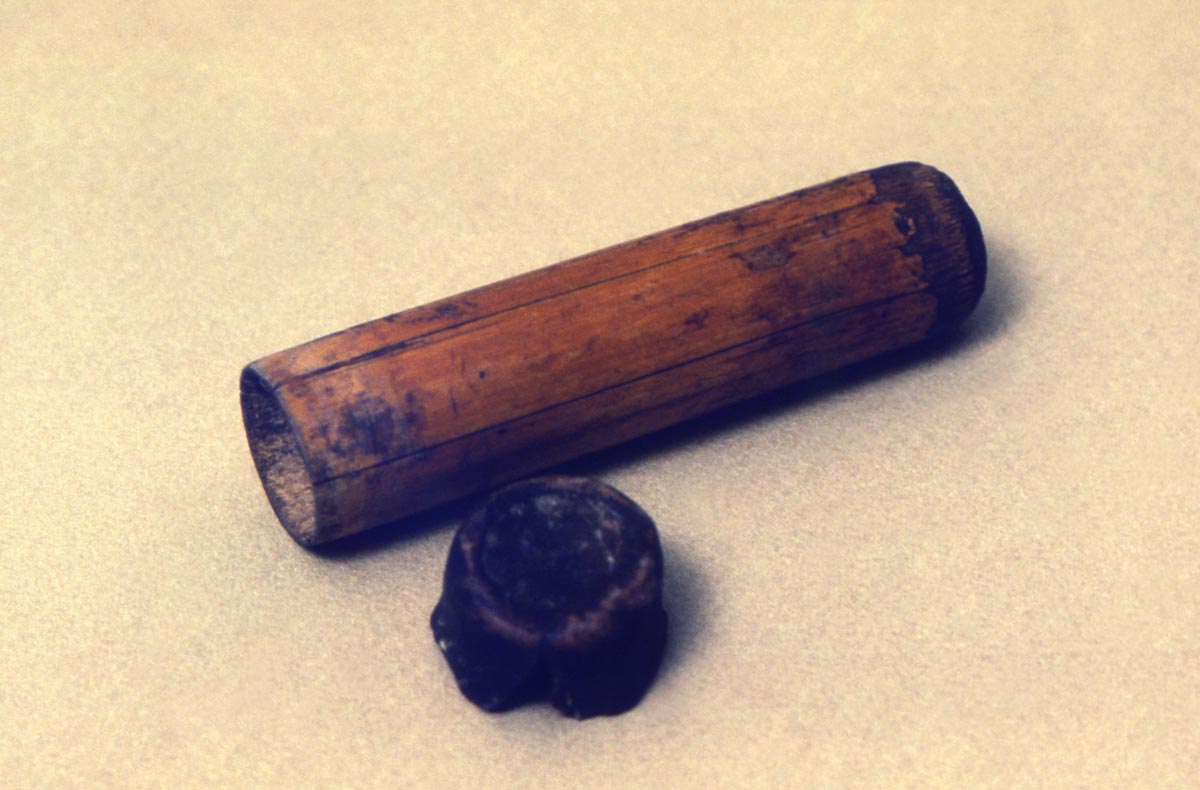
As the disease spread, so too did the art of variolation. Eventually, these techniques made their way to the Ottoman Empire. After witnessing variolation in Istanbul, multiple letters were written to the Royal Society of London detailing the process. These were disregarded by the conservative European physicians. Since the Middle Ages, European care for smallpox victims had consisted of herbal remedies, cold treatment, and special cloths. One doctor treated his patients by allowing no fire in the room, leaving the windows open, and administering twelve bottles of beer every 24 hours (Riedel, 2005).
The Western Embrace of Variolation
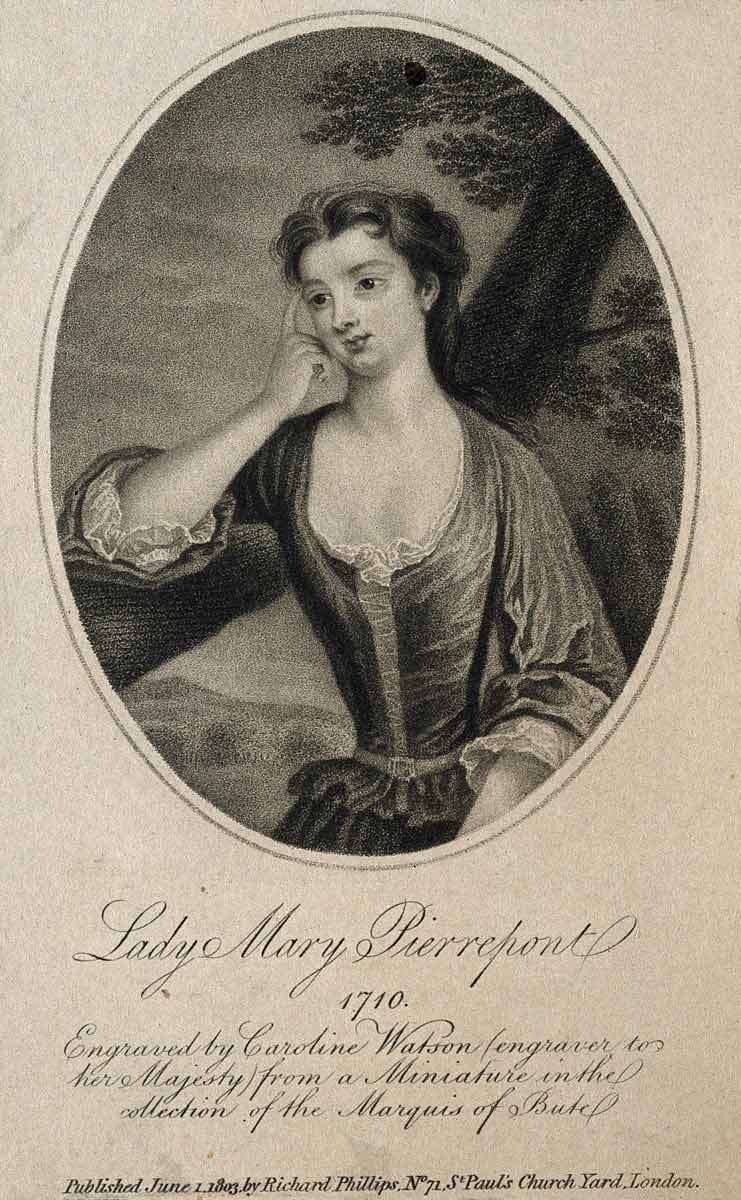
Variolation was finally embraced in Europe thanks to Lady Mary Wortley Montague. In 1717, she moved to Istanbul with her husband, an English ambassador. Lady Montague suffered facial disfigurement from her own smallpox experience and lost her brother to the disease shortly after. In Istanbul, she witnessed variolation and subsequently had the procedure performed on her son.
Determined to save as many as possible from the ravages of smallpox, Lady Montague returned to England in 1721. Upon returning, her daughter’s inoculation was witnessed by physicians of the royal court. News of the successful treatment spread to members of the royal family. Charles Maitland, the physician who inoculated Lady Montague’s daughter, was granted royal license to conduct variolation trials on prisoners and orphaned children. In 1722, Maitland successfully treated the two daughters of the Prince of Wales.
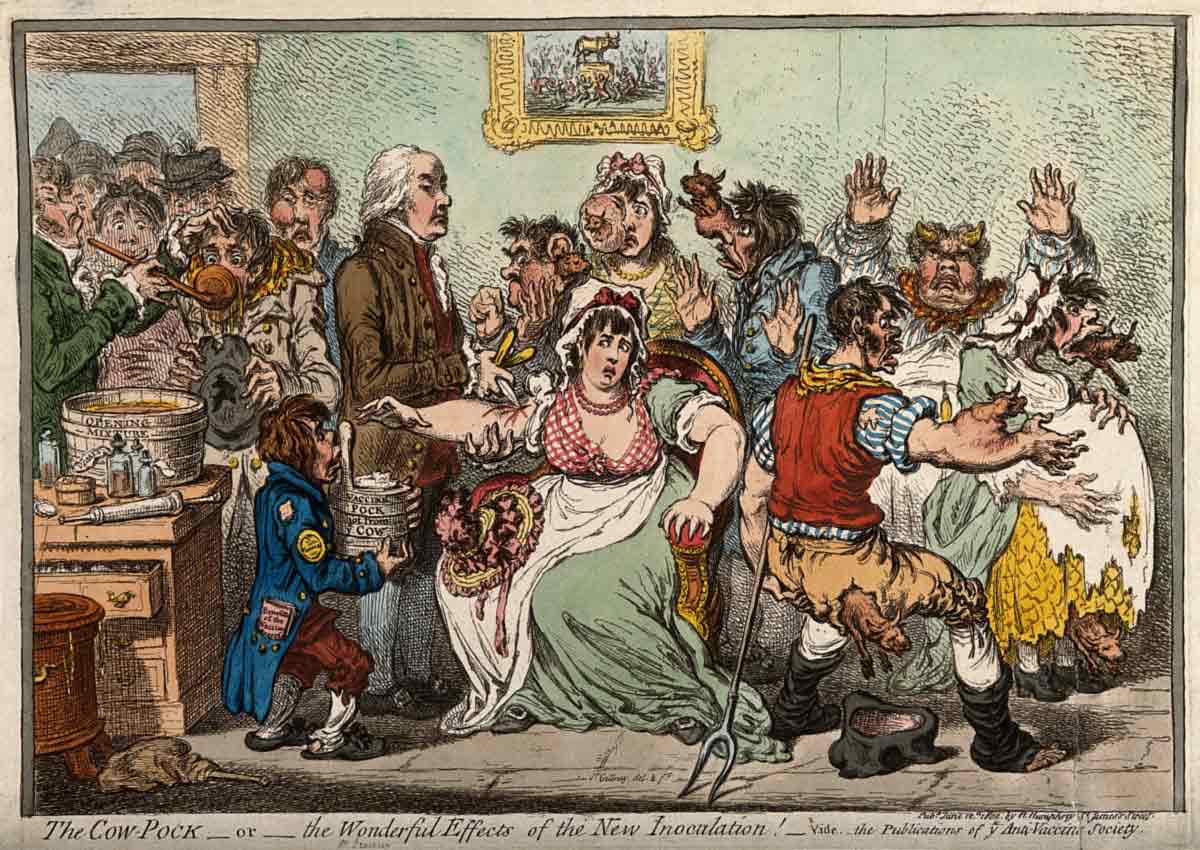
In America, variolation was first advocated for by Rev. Cotton Mather. In 1716, a slave by the name of Onesimus recounted to Mather how variolation was performed in Africa (World Health Organization, 2025). Mather publicized the technique and argued for it in response to a 1721 smallpox outbreak in Massachusetts. He convinced only Dr. Zabdiel Boylston, and together the two men started a variolation program. To prove its effectiveness, Mather and Boylston used statistics to compare the survival rates of variolated individuals versus those naturally infected. This comparative analysis was possibly the first of its kind, showing without a doubt that variolation saved lives. Their data contributed to the rapid embrace of variolation in Europe, though it took several decades for the process to become popular in America.
Even by 1766, American forces under George Washington lost battles due to smallpox epidemics breaking out among soldiers. By 1777, Washington saw to it that all soldiers were variolated before military operations began (Riedel, 2005).
The World’s First Vaccine
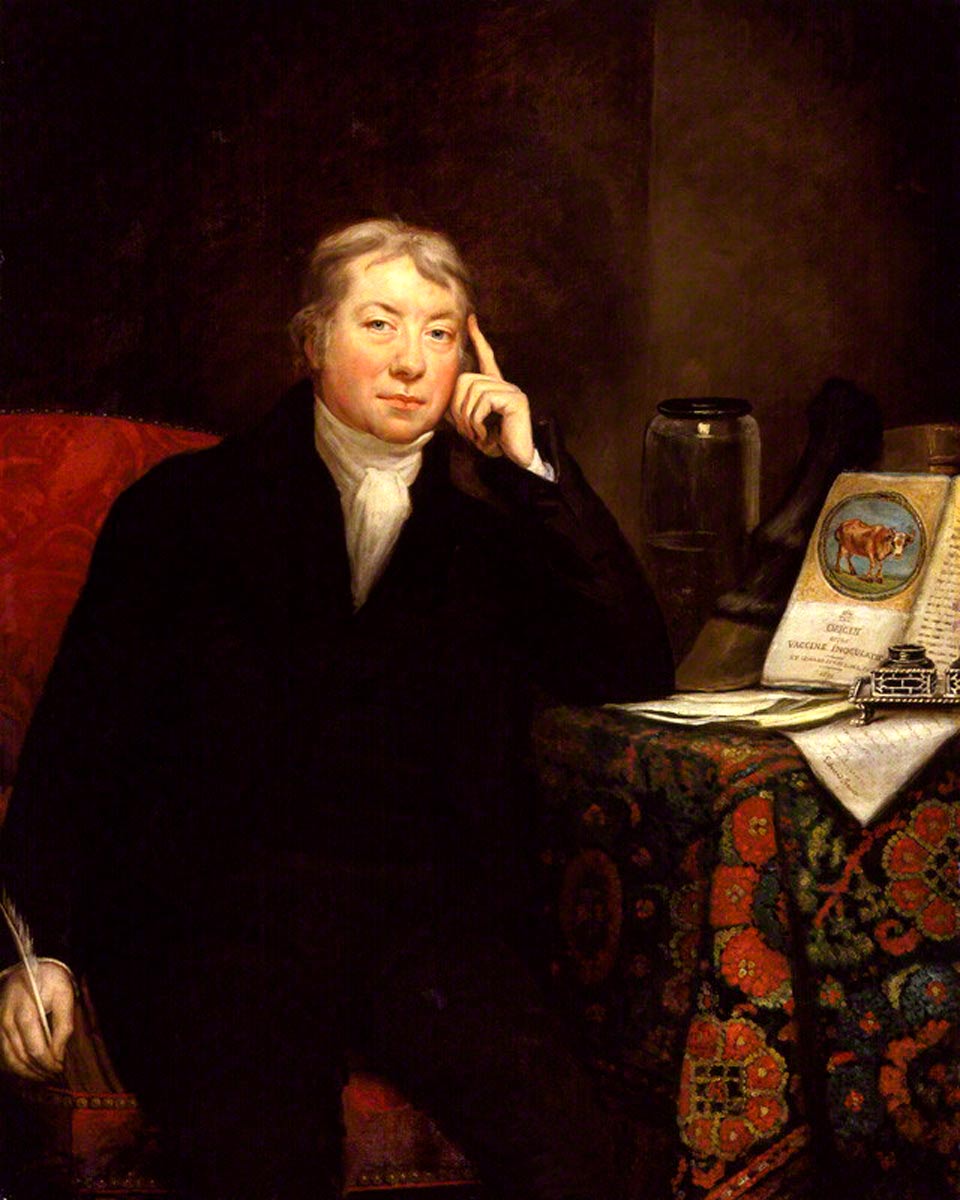
In 1757, thousands of children a year were being inoculated with smallpox in England. One of them was an eight-year-old boy named Edward Jenner. Jenner showed a proclivity for science and nature in his early years, becoming apprenticed to a country surgeon at the age of 13. It was a common belief that dairymaids were protected from smallpox, and during his apprenticeship Jenner heard one of them say, “I shall never have smallpox, for I have had cowpox” (Riedel, 2005).
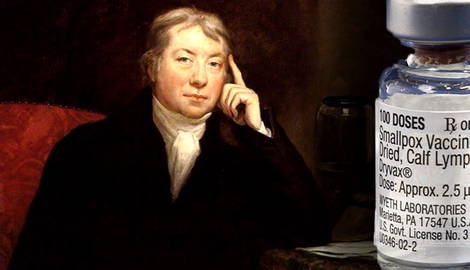
Jenner made great strides in the scientific world. His biological studies saw him elected to the Royal Society, and he was a skilled medical practitioner. A true student of the natural world, Jenner took the first step toward eradicating smallpox in 1796. Pondering the dairymaids’ immunity, Jenner concluded that cowpox could be transmitted person to person so as to deliberately protect against smallpox.
On May 14, 1796, Jenner inoculated eight-year-old James Phipps with cowpox from a dairymaid. In July of that same year, Jenner inoculated James Phipps again, this time with matter from a smallpox lesion. Phipps remained healthy, and no disease occurred (Riedel, 2005).
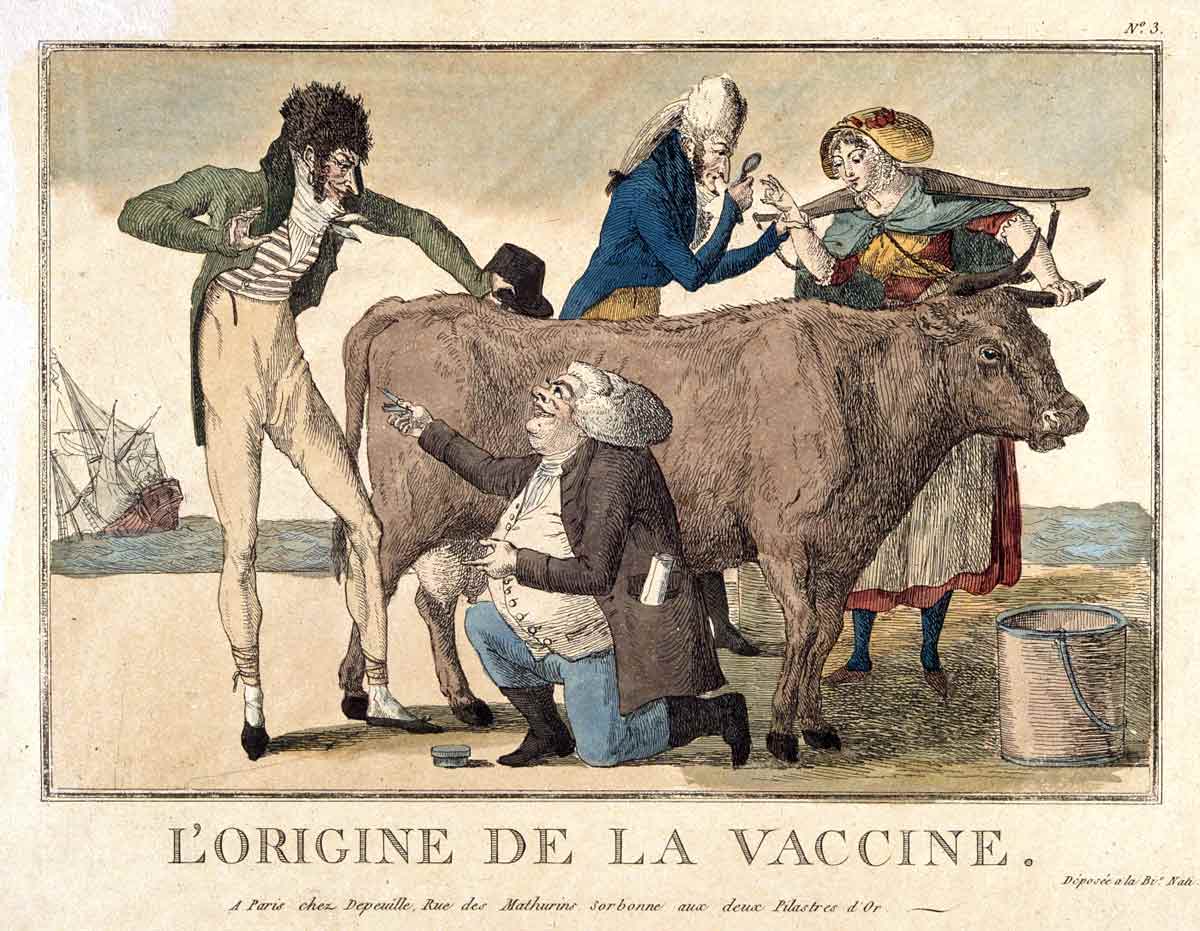
Jenner concluded the experiment a success and the protection from smallpox complete. It is worth noting that prior to James Phipps, several farmers intentionally infected their families with cowpox to protect against smallpox. Jenner was simply the first to conduct the procedure in accordance with the scientific method. His findings were initially rejected by the Royal Society, so Jenner decided to gather more cases and evidence. In 1798, he published a booklet presenting his hypothesis that infection with cowpox protected against smallpox. The Latin word for cowpox is vaccinia, so Jenner opted to name this new procedure vaccination.
Global Efforts to Eradicate Smallpox
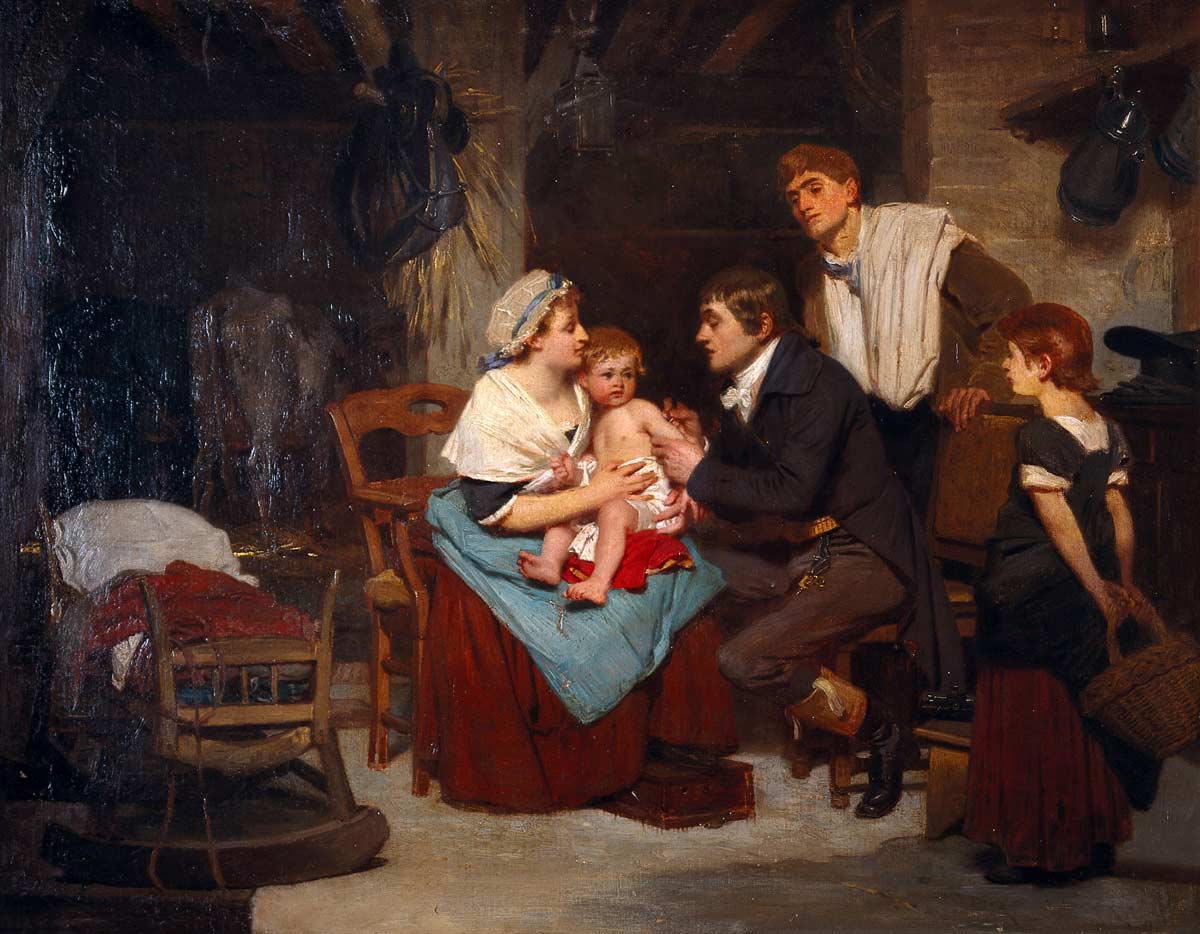
While there was some initial resistance to vaccination, people generally welcomed the procedure. In 1800, the first vaccination in America was performed by Benjamin Waterhouse. By 1801, President Thomas Jefferson enthusiastically supported Waterhouse’s efforts to introduce the vaccine to the United States. The economic motivation to vaccinate against smallpox was significant. Powers in Europe funded expeditions that brought vaccines to their colonies in the Americas and Asia. A physician to King Charles IV of Spain declared smallpox to be the “principal cause of depopulation in the Americas” (Barquet & Domingo, 1997). This would mean less commerce and farming in the colonies, resulting in less taxes paid to Spain.
The potential to end smallpox forever was not lost on those spearheading the vaccination movement. Jenner said in 1802, “… it now becomes too manifest to admit of controversy, that the annihilation of the small pox, the most dreadful scourge of the human species, must be the final result of his practice” (Barquet & Domingo, 1997).
European leaders felt so indebted to Jenner that Napoleon (Emperor of France), the Emperor of Austria, and the King of Spain all freed English prisoners only after Jenner intervened to request their release.
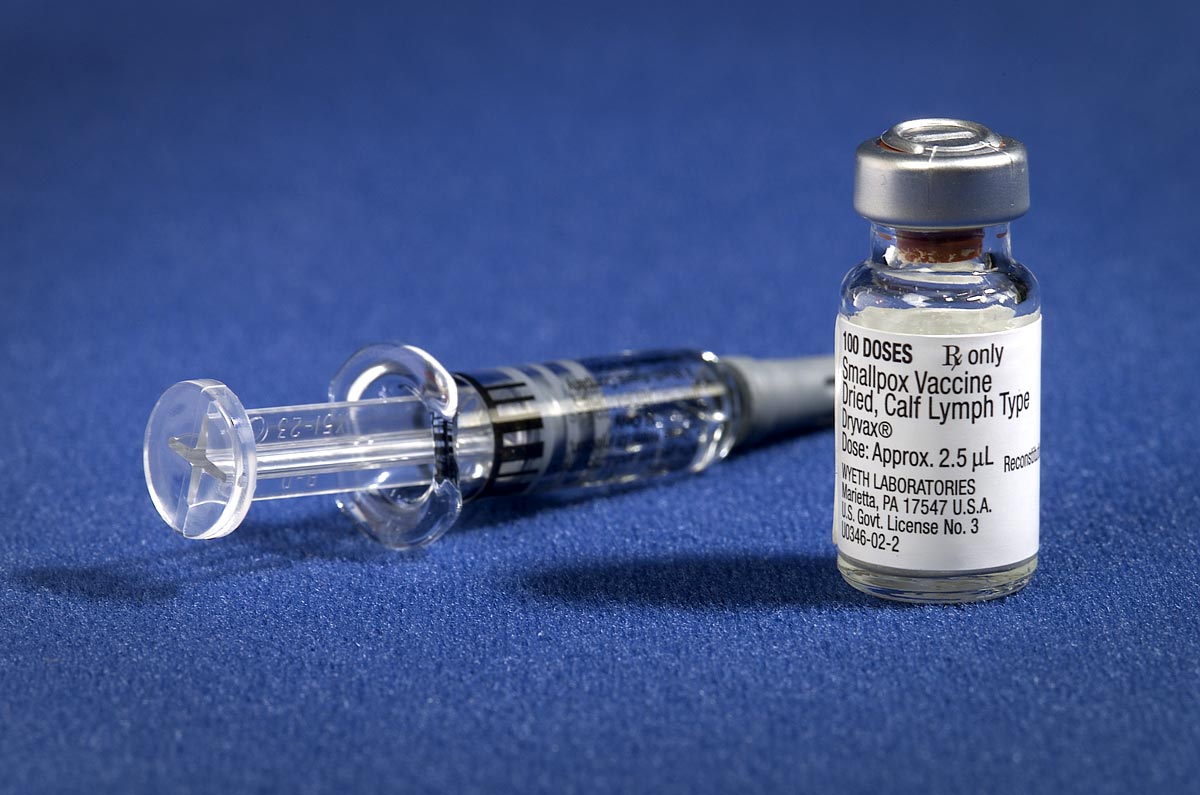
By the 1840s and 50s, smallpox vaccination was mandatory in certain parts of the world, including Britain and parts of the United States. This led to the smallpox vaccination certificates being required for travel, something that continued into the 1970s. By the 1950s, freeze-dried vaccines were being produced that could be stored without refrigeration. This was significant as it allowed for a wider distribution of vaccines to countries and regions with nascent health systems.
The transfer of knowledge regarding vaccine technology in the 1970s also allowed for countries in high-risk areas to produce their own freeze-dried vaccines that could be supplied throughout a given region (World Health Organization, 2025).
Smallpox Is Dead!
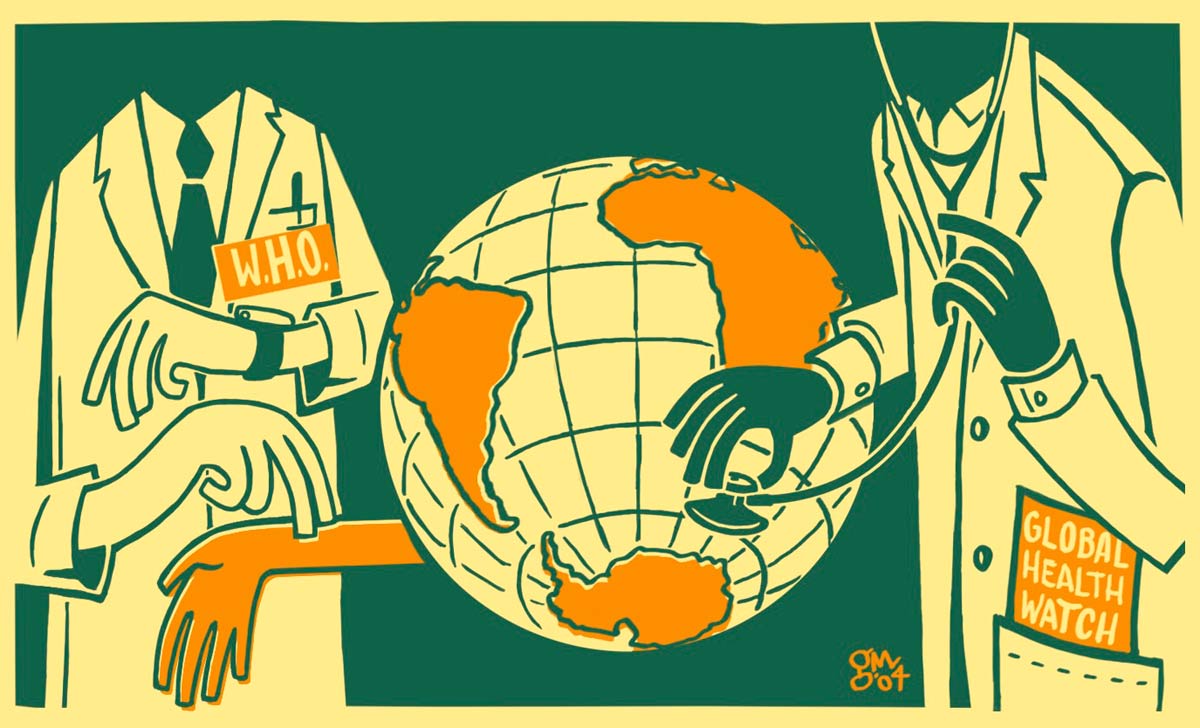
The World Health Assembly (WHA) formally called for the global eradication of smallpox without risk of reintroduction in 1958. One year later, the World Health Organization (WHO) launched the Smallpox Eradication Programme, and in 1967, efforts were redoubled with the Intensified Smallpox Eradication Programme. Vaccines were given freely to the WHO by Britain, Canada, Cuba, France, the USSR, and the US. These collaborative efforts from global superpowers helped to eliminate smallpox from South America in 1971, Asia in 1975, and Africa in 1977. In 1980, the World Health Organization declared smallpox officially eradicated (World Health Organization, 2025).
This victory is perhaps the greatest collective achievement in human history. Smallpox, the scourge of mankind, tortured men, women, and children for 20 centuries. Only through the perseverance of dedicated individuals, international unification, and unprecedented cooperation were we as a species able to defeat this viral nemesis.
And yet, the threat of smallpox remains. Strains of the virus are presently stored in two high-security facilities. The Centers for Disease Control and Prevention in Atlanta, Georgia, and the State Research Center of Virology and Biotechnology (VECTOR) in Koltsovo, Russia. These strains were set to be destroyed; however, their destruction was delayed multiple times in the interest of further research. An indefinite suspension is currently in place, saving the smallpox virus from permanent extinction. The WHO maintains a stockpile of smallpox vaccines as emergency reserves should the disease ever rear its ugly head.
Sources
- Barquet, N., & Domingo, P. (1997). Smallpox: The Triumph over the Most Terrible of the Ministers of Death.Annals of Internal Medicine, 127(8), 635–642. Researchgate.net. Retrieved from https://www.researchgate.net/profile/Pere-Domingo-2/publication/13887407_Smallpox_The_Triumph_over_the_Most_Terrible_of_the_Ministers_of_Death/links/02e7e514c7b5913bf3000000/Smallpox-The-Triumph-over-the-Most-Terrible-of-the-Ministers-of-Death.pdf
- Riedel, S. (2005). Edward Jenner and the history of smallpox and vaccination. Baylor University Medical Center Proceedings, 18(1), 21–25. https://doi.org/10.1080/08998280.2005.11928028
- World Health Organization. (2025). History of smallpox vaccination. Retrieved from www.who.int website: https://www.who.int/news-room/spotlight/history-of-vaccination/history-of-smallpox-vaccination