In 399 BC, Socrates was sentenced to death for asking questions. He was accused of impiety and corrupting the youth, charges that essentially served as a legal mask for silencing his influence. His ideas were a bother to Athens at the most vulnerable moment. Today, we would call this getting canceled. His trial shows us something quite uncomfortable: even societies that are truly democratic can suppress voices that pose a real challenge to them. Let’s look into this idea with the history of cancel culture in mind.
What Were the Official Charges Against Socrates?
Let us start with the basics. Charges brought by Meletus, a prosecutor, against Socrates appeared quite simple. But they held a very profound significance.
In fact, Socrates was charged with asebeia or impiety. This implied failing to honor the gods of the city. He was also charged with corrupting the youth. These charges weren’t made on a whim. Athens had struggled through an era of grave political instability and inner turmoil. Consider a community that had no choice but to rebuild. It naturally found itself quite sharp to anything perceived as offensive. Socrates himself, with his persistent questioning, really seemed like a threat.
His student Alcibiades had actually betrayed Athens. One more associate, Critias, was indeed a part of a rather ghastly regime. Even when Socrates wasn’t directly to blame, his relationships fostered a lot of suspicion. Therefore, the charges reflected an immense array of fears.
Impiety really meant truly testing everybody’s accepted values. Corrupting the youth really meant influencing the next generation. When combined, they inferred something extremely serious indeed: Socrates was subverting the fundamental foundations of the community. He was not really on trial for something he had done. Socrates was really on trial for what he represented.
In our day, we can possibly discern this pattern. When people are truly shaken by something, they turn their attention to voices that keep asking so many questions.
Why Athens Viewed Socratic Dialogue as a Social Contagion
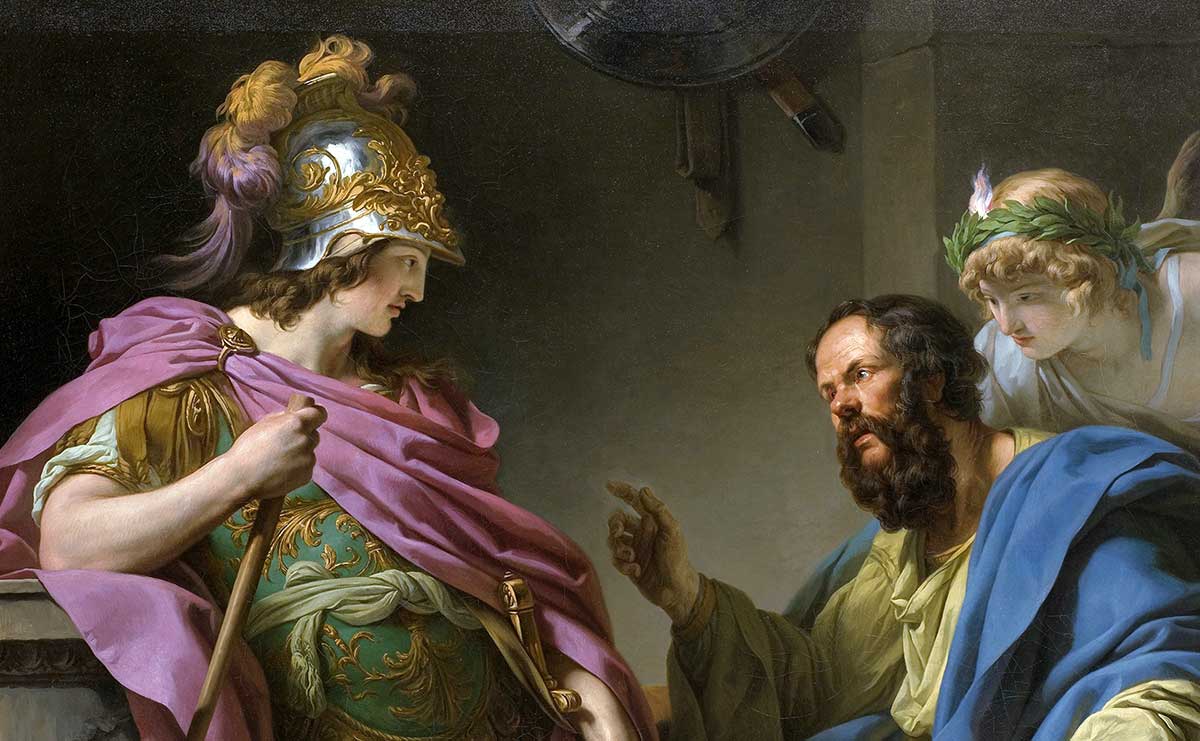
Socrates described himself as a gadfly, a little insect that would annoy a really big animal into action. He saw Athens like a slow, mighty horse, comfortable but unexamined. His job was to wake it up by raising questions. But not everyone appreciated his approach. His method, which is called the Socratic method these days, involved asking uncomplicated yet ceaseless questions. What is justice? What is virtue? What is truth?
Lots of individuals began their discussion feeling quite sure of themselves. But with each question, they soon saw that they didn’t really know their own views. And this felt extremely uncomfortable.
Picture yourself being questioned right out in public and realizing your answers weren’t going to stand up. It could make you feel embarrassed or even threatened. Now imagine this occurring time after time, all over the city. Every day brings another interrogation. Socrates didn’t “attack” the people directly. However, his method revealed their doubts and uncertainties. And those feelings spread fast.
To some Athenians, this view led them to believe there was almost an intellectual plague. If too many people start questioning everything, then what remains of commonly held values? What becomes of authority itself?
In our days, something similar occurs when certain ideas get tagged as problematic. This doesn’t necessarily mean they’re wrong themselves, but it mostly means that they’ll upset the natural order of society. Socrates wasn’t intentionally creating total mayhem. But his questions left people thoroughly uncomfortable. And in societies even more delicate than today’s, such discomfort is usually seen as an actual danger.
The Mechanics of Ancient Deplatforming: From Ostracism to Execution
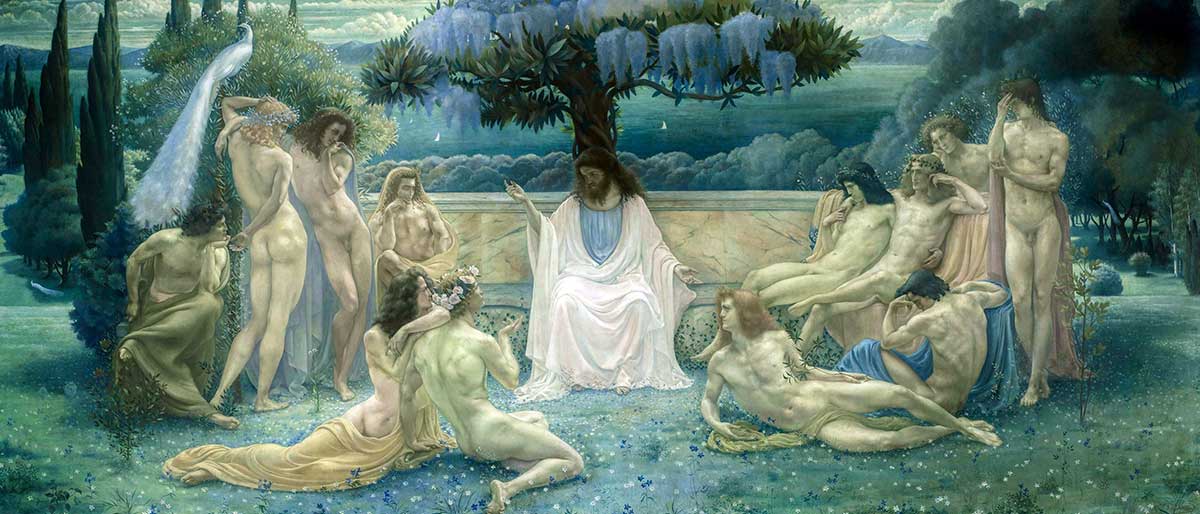
Let’s analyze the case within the context of ostracism versus deplatforming. Socrates’ trial wasn’t decided on by a single judge. Instead, a very large panel of citizens (nearly 500 men) was on it. This was Athenian democracy at work. Nevertheless, it also reflected the collective judgment, shaped largely by emotions, fear, and persuasive arguments.
In many ways, this resembled a court of public opinion. Athens already had a tradition known as ostracism. Citizens could vote to banish anyone seen as hazardous to the state. You didn’t need any crime committed for this to happen, only a suspicion.
This really showed us something rather significant. The society already had tools available to eliminate individuals they believed to be threatening. Socrates’ case went much further, however. Instead of exile, it actually resulted in death.
Why? Because his impact couldn’t be contained. He wasn’t just a politician. He was indeed a thinker. His ideas would still spread out even if he’d left. Execution became quite literally a means of permanently silencing him. Today, “being deplatformed” removes voices from public spaces altogether. It severely restricts one’s reach and influence. In Athens, the stakes were much higher, though, and the solution was a definitive “end.” The trial of Socrates even shows that truly democratic systems can turn into instruments of exclusion. Not because they’re broken, but rather because they reflect a number of concerns people have about stability.
Did Socrates Self-Cancel Through His Own Rhetoric
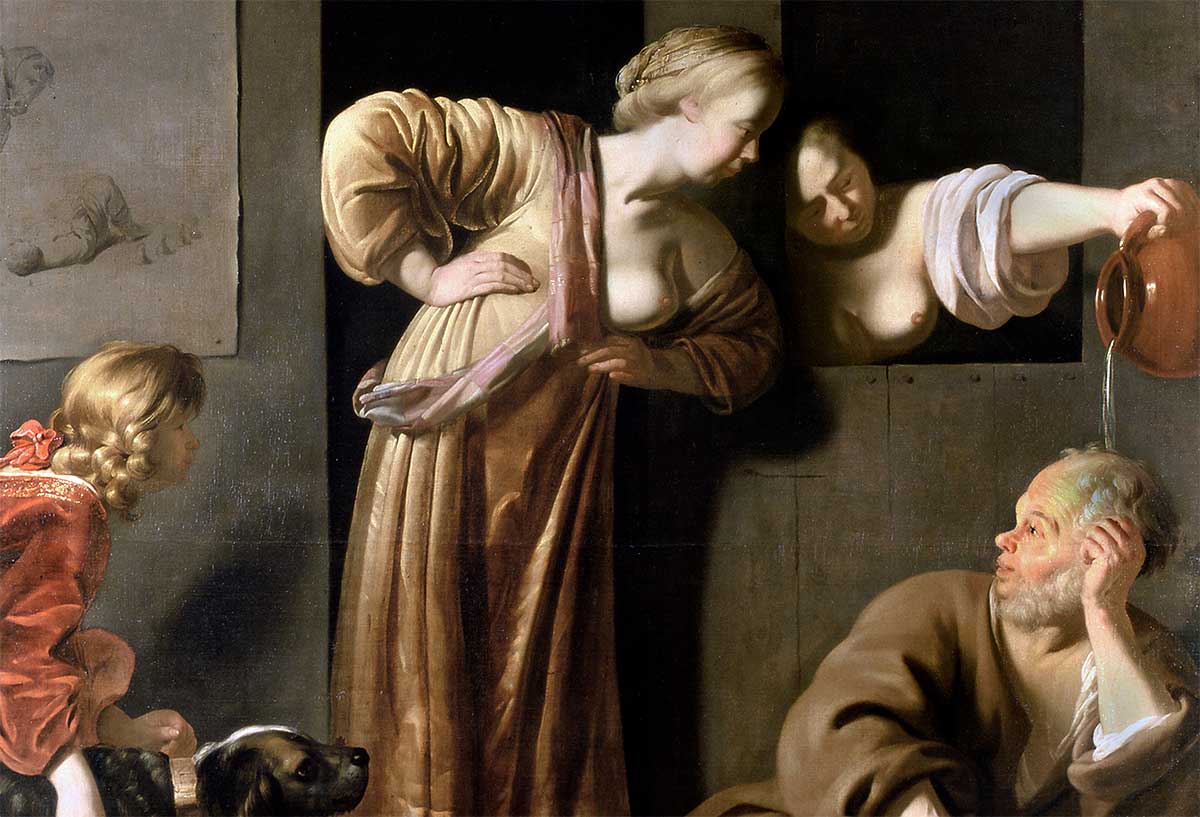
Socrates didn’t really act like someone trying to save his own skin. In his defense, recorded by Plato, he didn’t plead for sympathy much. He didn’t try to sweet-talk the jury. He didn’t soften his ideas at all. Instead, he consistently stuck to his views.
He said that interrogating people was a service to the whole city. That he was helping Athens become more intelligent itself.
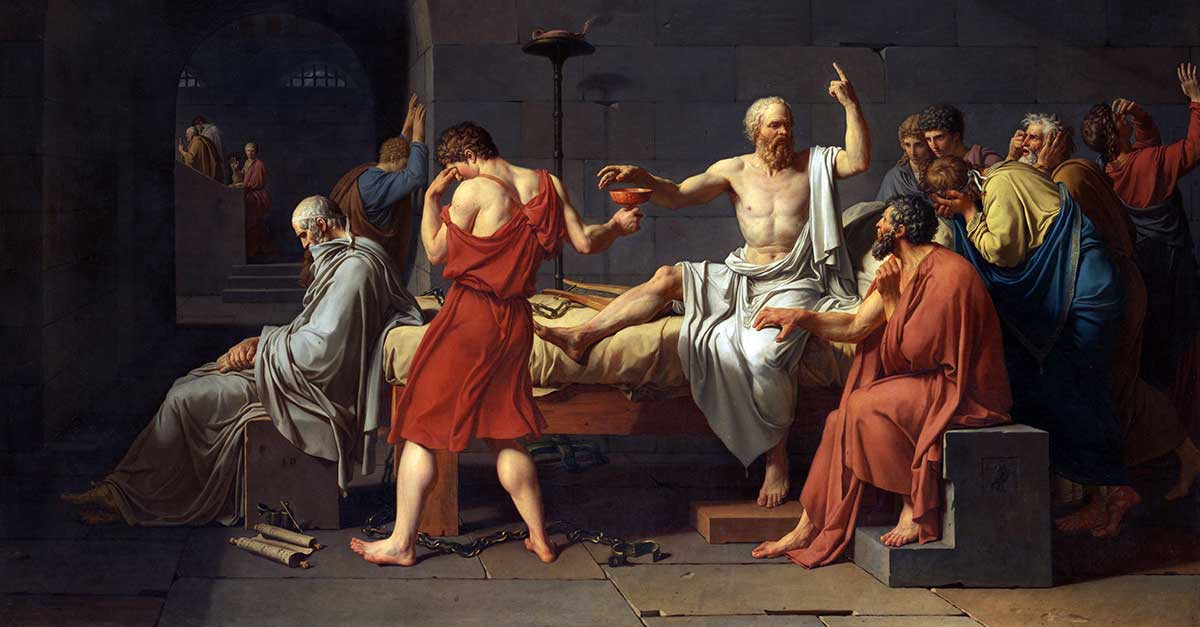
Then he did something quite unexpected. When asked to suggest a punishment, he proposed that he be rewarded. He suggested being fed at public expense, much like an Olympic champion would be treated. This wasn’t simply pride. It was a resistance to accept the idea that he’d done anything wrong at all.
However, to the jury, this probably seemed rather provocative. Think about getting judged, and then instead of saying sorry, you double down even further. You refuse to change your tone or language. In modern terms, this could escalate any conflict very fast indeed. Socrates definitely didn’t “play the game” himself. He didn’t adjust his message to survive the trial process at all. He opted for loyalty and principle over strategic tactics instead. In doing so, he might have actually encouraged the jury to make a harsher judgment call. But this also shows us something much deeper than that. Sometimes holding onto your beliefs really means accepting the consequences of your actions. Socrates didn’t just experience the wrath of cancellation either. He refused to try to escape.
The Difference Between Modern Shunning and Ancient Martyrdom
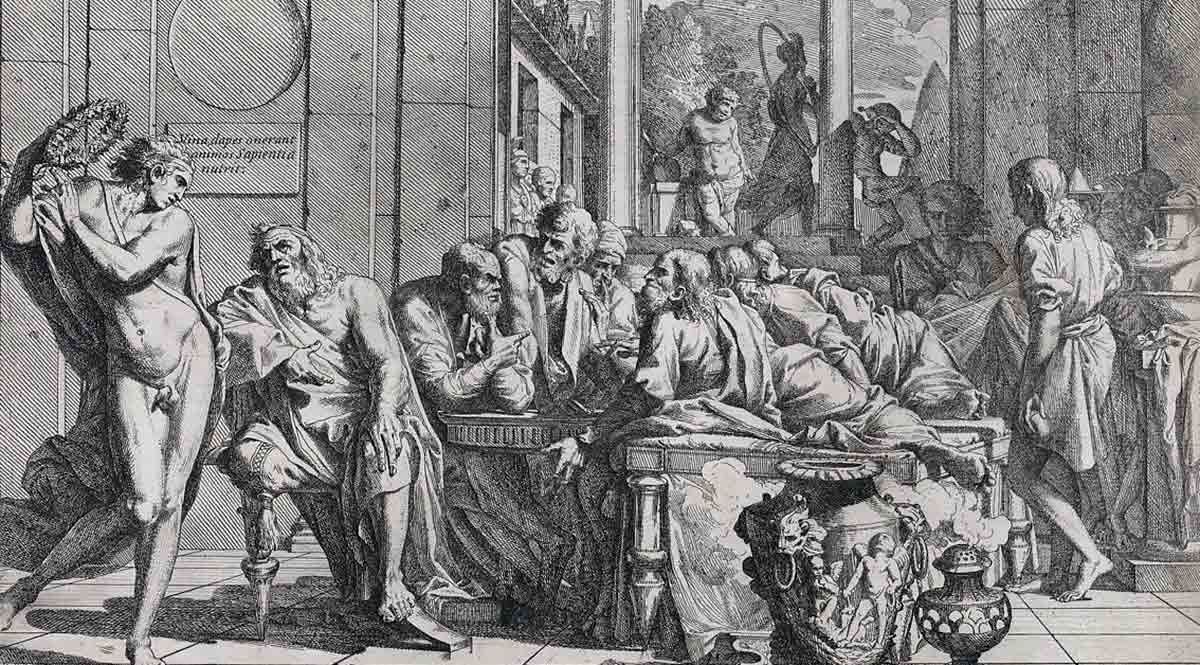
Today, being “canceled” mostly means losing a platform. Someone might lose followers, reputation, or opportunities. Their voice becomes much less visible. Yet they’re still alive. They can return, start over, or move on to somewhere else entirely. Socrates had something much worse in store for him, though. His penalty was actual death itself. Contemporary cancellations are often relatively temporary. His was absolutely final.
And yet, there’s a particularly interesting irony here. Socrates’ concepts didn’t just fade away. In reality, they became even stronger. Since Plato recorded his trial, his words outlived him. What was supposed to shut him up only made him louder.
His execution literally transformed him into a symbol. A symbol of free thought, of questioning authority, and of extraordinary intellectual courage. This brings about quite an intriguing observation. Silencing someone does not totally eliminate their influence.
Within modern popular culture, our efforts to suppress ideas can also quite easily backfire. They bring much more attention to what we were supposed to keep hidden from ourselves. Socrates’ case demonstrates this from all angles, really.
Why the Trial of Socrates Still Matters
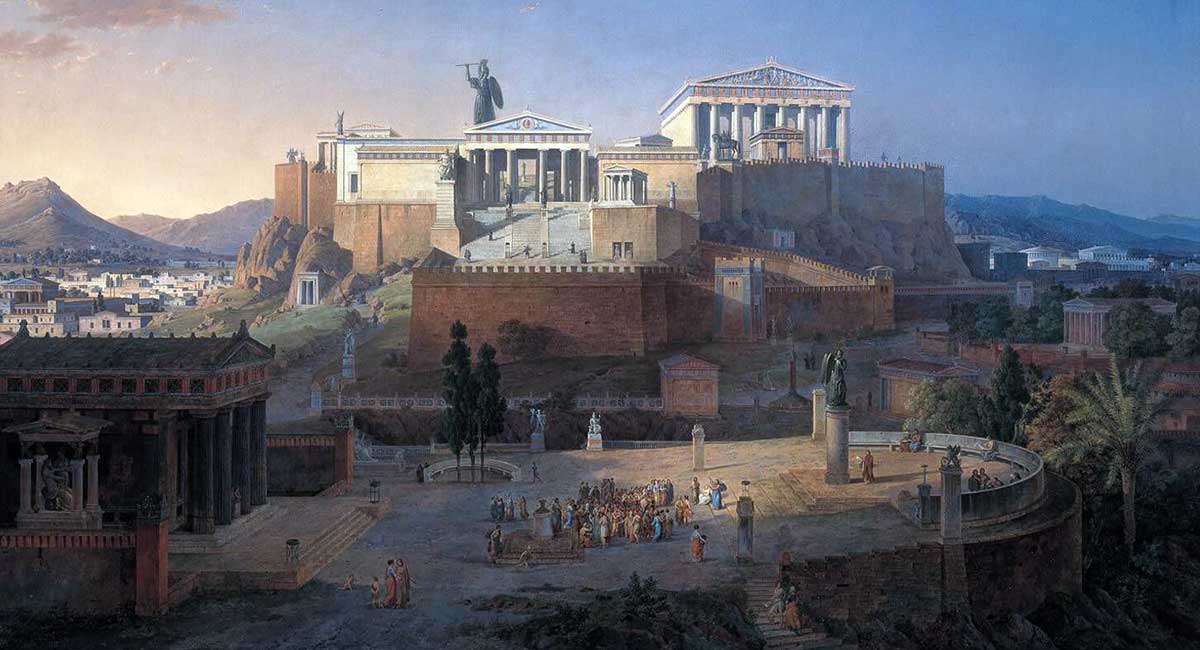
The trial of Socrates truly feels distant and historical. Yet the pattern is all too familiar: A society becomes rather uncertain; someone speaks out against the most widely held beliefs; that individual causes discomfort; people actually start to consider them a threat; and an action is taken to limit or “remove” them.
This whole process repeats itself across the centuries. Sometimes the details vary greatly. Other times, the platforms differ. Yet the dynamics really remain the same. Socrates reminds us just how delicate our freedom of thought is, indeed, even in so-called democratic systems. Because true democracy isn’t just about laws. It’s very much about people themselves. And people often value stability over feeling really uncomfortable.
So the issue isn’t merely safeguarding our right to speak freely on paper. Rather, it involves tolerating concepts that bring us discomfort, practically speaking. That’s really much harder still. Socrates didn’t provide simple answers himself. He posed extremely difficult questions.
His entire story encourages us to think deeply about our own values. When we happen upon some unappealing ideas today, what do we usually do? Do we engage meaningfully with them? Or do we try to suppress them altogether from public discourse? The answer tells us so much more about ourselves than anything at all related to Socrates.