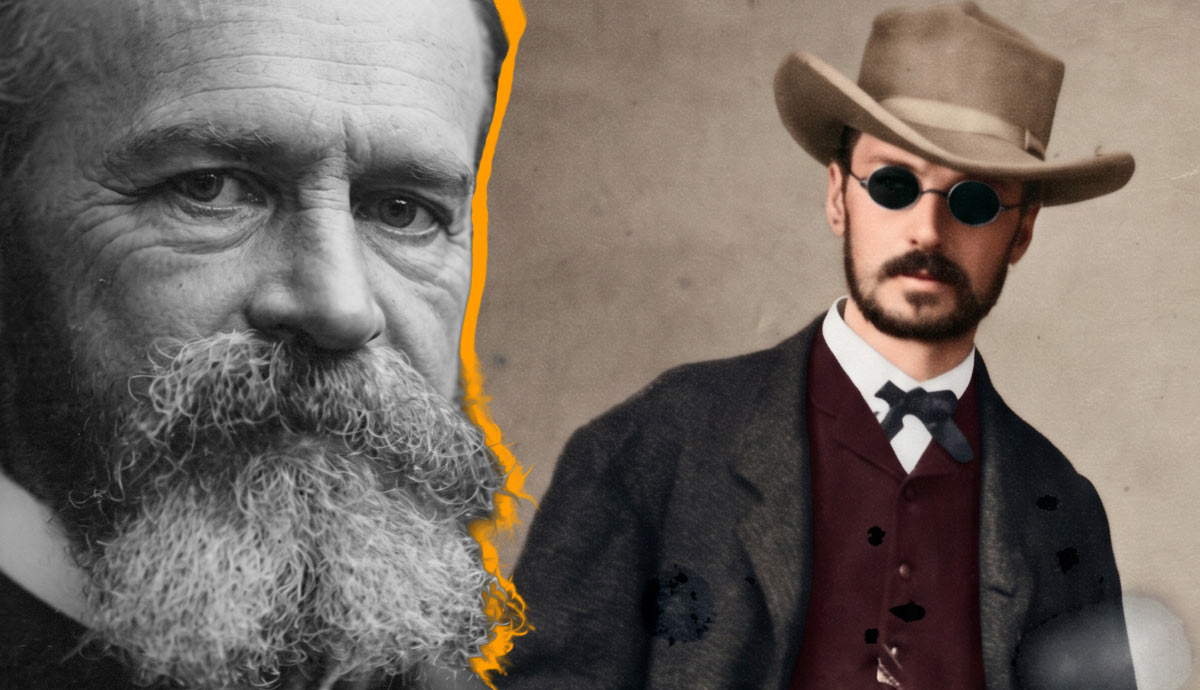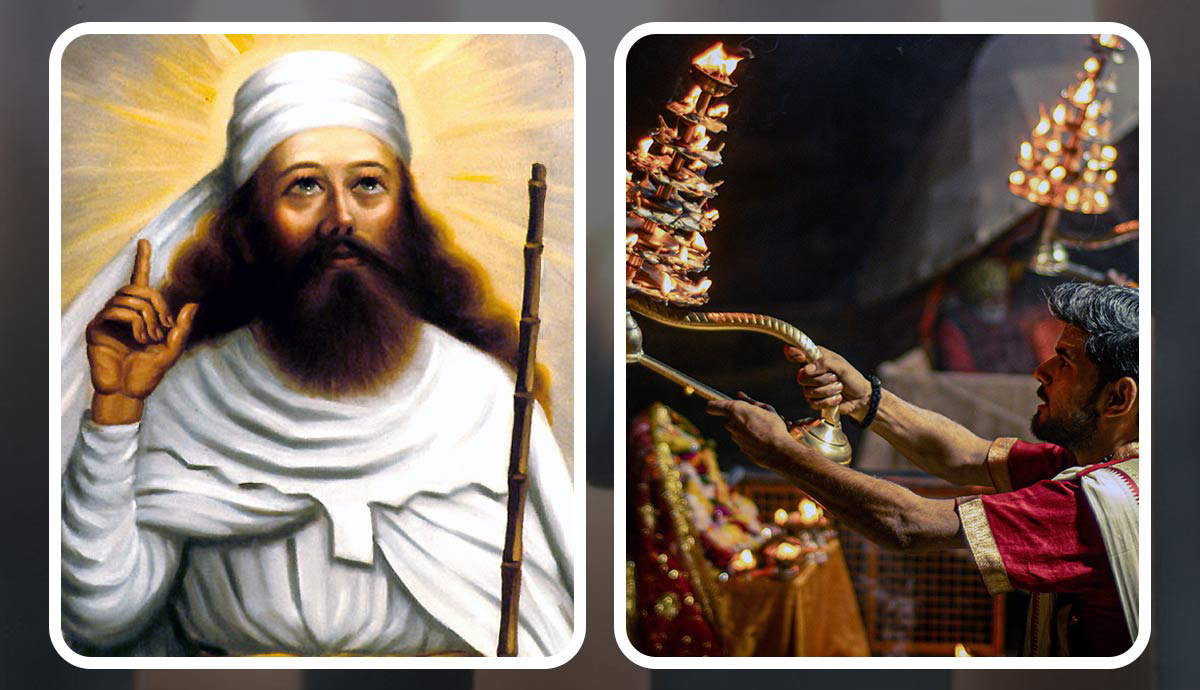

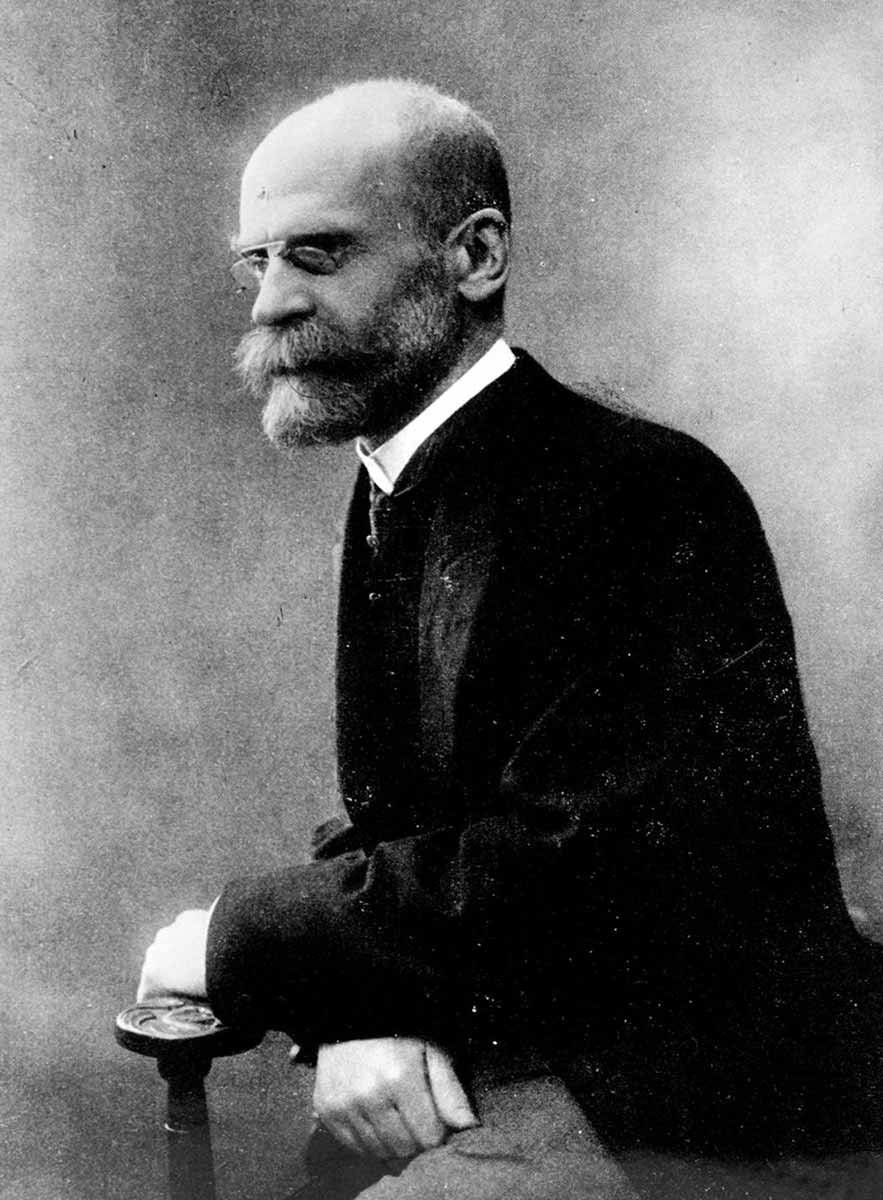
Every religion draws a sharp line between the sacred and the profane. This distinction, developed by the sociologist Émile Durkheim and the historian of world religions Mircea Eliade, may be the most fundamental concept in religious life. For Eliade, it is nothing less than the defining feature of religion itself: the sacred is something set apart from ordinary existence and charged with a higher significance, while the profane is the realm of the everyday. But how exactly is that line drawn? And what does it mean to cross it? Let’s take a look.
Misconceptions About the Sacred
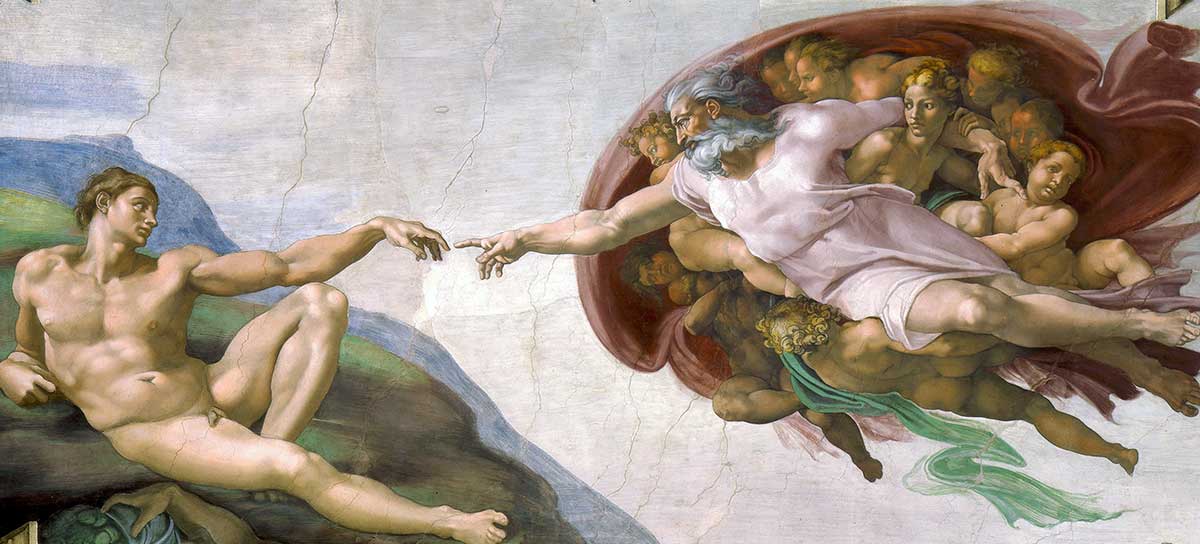
To understand the difference between these two principles, we first need to separate them and see what they mean. But before we go any further, it’s important to mention a common misconception about the sacred.
A common opinion about the sacred is that it is exclusively associated with divine beings or entities, or that it is completely detached from the material world in which we live. This opinion is not true, and almost all religions have proved that. Sacredness (or holiness) is not limited to the divine or the spiritual world; religious entities also have a certain level of sacredness in them.
In fact, there are regular and ordinary things from the world that can be considered sacred. For example, some religions ascribe the sacred to bracelets for everyday use. So, the understanding that the sacred only belongs to things outside of this world is, in fact, incorrect. There is also another misunderstanding about the feeling or aura that the sacred exudes, such as discomfort or the sublime.
What Exactly Is the Sacred and What Is the Profane?
Now that we have cleared up the common misconceptions and myths about the sacred, let’s see what it is and why it’s considered its opposite.
The distinction between the sacred and the profane is as old as time; it has existed as long as religions have existed. Usually, it’s considered that for the religious person, there are two realms of existence: the sacred and the profane. They are opposed to one another and are viewed in contrasting terms.
When we think of the world of the sacred or the holy world, we think of something extraordinary, something with a higher power, divinity, and holiness. That is, the sacred is deeply responsive to the people. The sacred has a higher level of existence, even though it can coexist with the ordinary things in the material world in which we live.
On the other hand, the profane is something totally regular and ordinary, and at times it can even be boring, mundane, and dull. The profane does not cause any feelings or emotions in the religious person like the sacred does. At times, we can even act destructively towards the profane things in the world, and that wouldn’t be a problem. However, that is strictly prohibited to do towards the sacred. The sacred things are completely isolated and guarded with all sorts of restrictions, while that is not the case with the profane things.
Even though it may seem like the definition is not enough, it is the only definition that we can find of the sacred and the profane. The French sociologist Émile Durkheim defines the sacred in the same way. He simply says that the sacred is something totally opposed to the profane.
Can We Go Into the World of the Sacred?
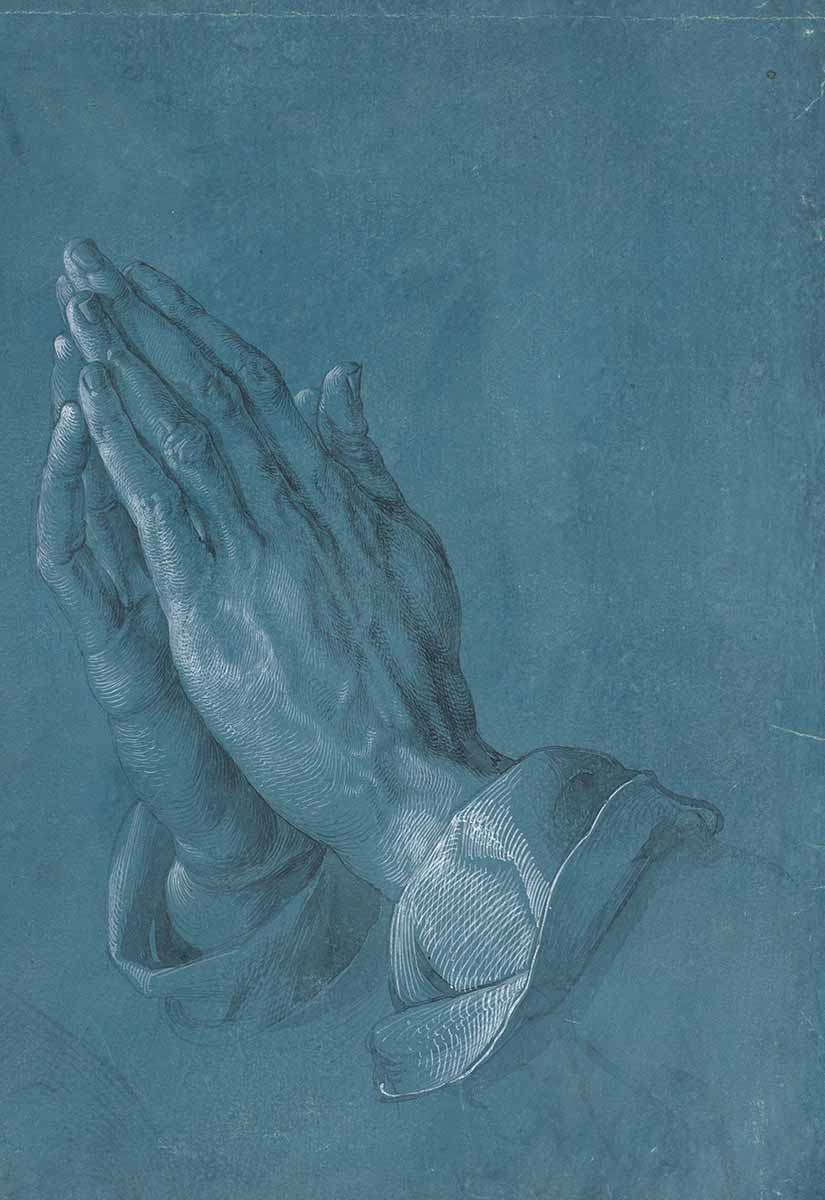
Now that we have defined what the sacred is and have seen that it’s the complete opposite of the profane, the question that inevitably comes to mind is whether we can enter the realm of the sacred from the realm of the profane. The answer to that question would be “yes.” Even though there are clear regulations and restrictions regarding the sacred, it’s worth noting that the prohibition is formal and absolute.
The prohibition of communication between the sacred and the profane does not go that far, like saying there cannot be any sort of contact between the two. The communication between realms is possible only when the profane loses its characteristics and, in a given situation, partly becomes the sacred itself, as in, say, the rituals of initiation.
Initiation is a long series of rituals that introduce a young person to religious life and make him a fully equal member of the community. From the profane world, he passes into the world of sacred things. It is not a matter of slow transition or mild change, but of “dying” and “re-birth” to the new, superior world, not in changed form, but rather in a new form.
Can Time Be Divided Into the Sacred and the Profane?
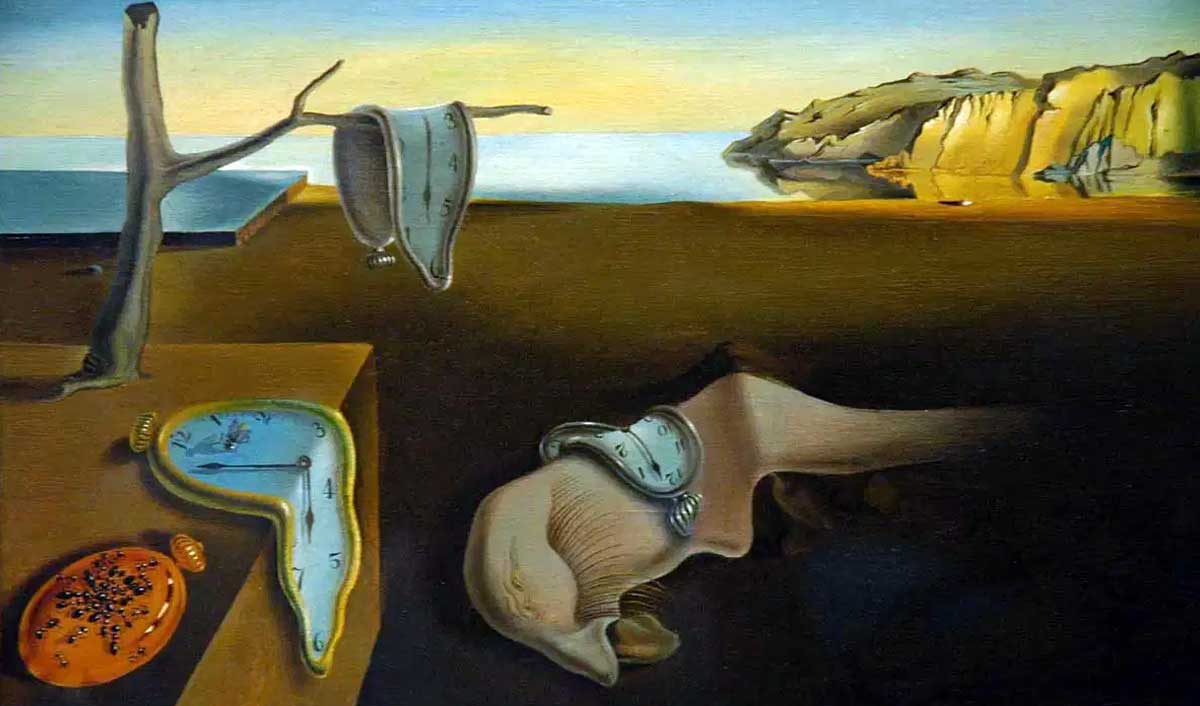
In the religious man’s understanding of the world, there is a sharp division between ordinary, everyday time-passing and sacred time. All important events belong to sacred time, while all unimportant and ordinary events and actions take place in profane time.
The perception of time and the division of time into ordinary, “everyday” duration and time full of meaning and significance can also be observed in the profane sphere of ordinary life. These are defining moments of a recognized and accepted opportunity, or of awareness of a moment when reality changes, after which we can recognize a new type of existence, a new, different period in life. These are the borderline situations in which we wonder about the coincidence or necessity of existence, and we are faced with decisive choices.
Going to school every day is a routine. After completing all the necessary steps, the ritual of the speech act (proclamation) and the acceptance of a diploma upon finishing school is a “special” event in time; after that, it is different. The daily run in the park, or the preparation for a race, is part of the ordinary passage of time, and winning the race, while it is happening, and when we remember it, is a time full of meaning. In fact, new life there is a break and a difference between the monotonous time of ordinary work and the time of celebrations and spectacles, the festival time.
There are also such interruptions between the different rhythms of common emotions and the surges of events and feelings when a person has specific love feelings, aesthetic experiences, or victorious exaltation, for example, the rhythm differs from that of usual, routine events.
Ancient Conceptions of Time: Chronos vs. Kairos
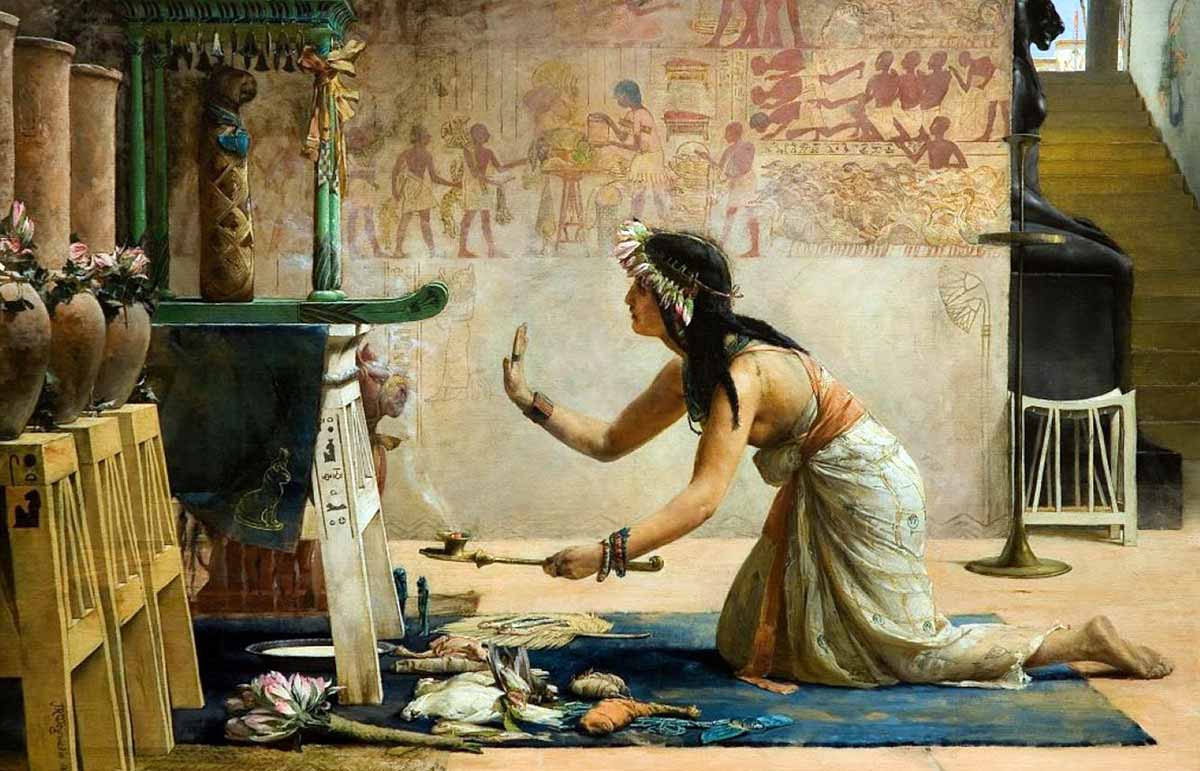
This distinction of the sacred and the profane can be applied to many things and conceptions. But in our case, we’ll take a look at how this impacted the perception of time. Ancient conceptions of time serve as a great testament to that because in ancient times, there was a clear distinction between profane time and sacred time.
The profane time is chronos. It’s the regular passing of time, the ordinary duration of time, the daily insignificance and mundanity of existence in time. It can also be referred to as a “quantitative” time.
Sacred time, on the other hand, or kairos, is a sacred time, that is a time when the profane ceases to exist and a new “holy” time begins. Kairos is a moment of fulfilled time, in which the past is realized, destiny is fulfilled, and the spirit of the time is seized. It is introduced by calling into the profane duration in order to abolish it, and to return to the time of the Beginning of the world.
Between these two types of time, there is a sharp discontinuity, but that does not mean we cannot enter kairos, no matter how hard we try. In fact, religious rituals serve exactly for that purpose, which is to safely pass from ordinary profane duration of time to sacred time.
The sacred time, unlike the profane, is not irreversible, but, on the contrary, it constantly repeats itself because it does not “pass.” Sacred time is the primordial mythic time that carries over into the present. Religious celebrations or any “liturgical” time is the actualization of a sacred event that happened in the mythical past. That’s why participating in a religious event means stepping out of ordinary time and merging with the mythic time that the event itself re-actualizes.