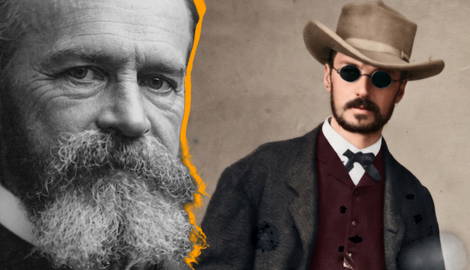

William James is considered the father of American psychology. But psychology was not his only field of interest. He also wrote about philosophy, ethics, and religion. In the last decade of his life, James fully devoted himself to philosophical problems. Let’s explore his work in depth and highlight the important role that William James played in the field of philosophy.
William James’s Life
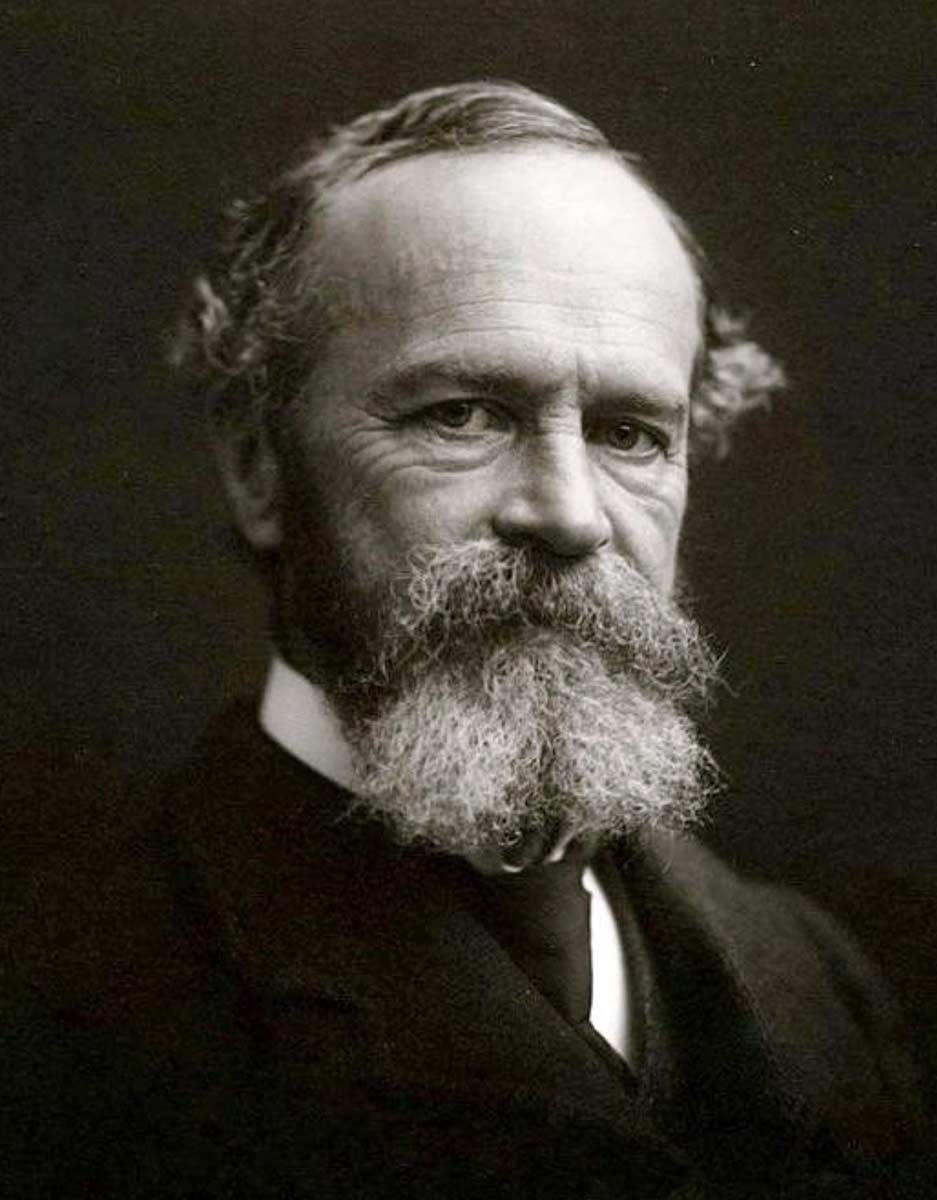
William James was born in 1842. He grew up in an atmosphere full of deep philosophical discussions. In his youth, James traveled frequently and changed schools and universities in the United States, France, Switzerland, and Germany. Because of this, he acquired extensive knowledge not only in the field of philosophy but also in science and art. He studied painting, natural science, and medicine at Harvard University and psychology in Germany.
Throughout his life, he was rarely in good health. He became ill with neurasthenia during his studies. From 1872 until his retirement in 1907, James taught physiology, then psychology, and, finally, philosophy at Harvard. He organized the first psychological laboratory in the USA in 1876, and in 1890, he published his book The Principles of Psychology, a scientific work that gained great acclaim for its depth of treatment and presentation. In the book, James advocated for a functional point of view in psychology by applying the principles of psychophysics.
In various American cities, he gave lectures on the new philosophical method, and in 1907, he published them under the title Pragmatism: A New Name for Some Old Ways of Thinking. His ideas aroused the interest of the wider public, and very quickly, the halls where he gave lectures became full. Pragmatism became known throughout the cultural world, and in the US, it caused deeper and broader philosophical discussions and encouraged the development of philosophy. However, James’ health often prevented him from writing broad and long philosophical works. Though he had traveled to a European spa earlier that year seeking a cure for his failing heart, he returned home and died at his summer residence in Chocorua, New Hampshire, in 1910.
General Philosophy
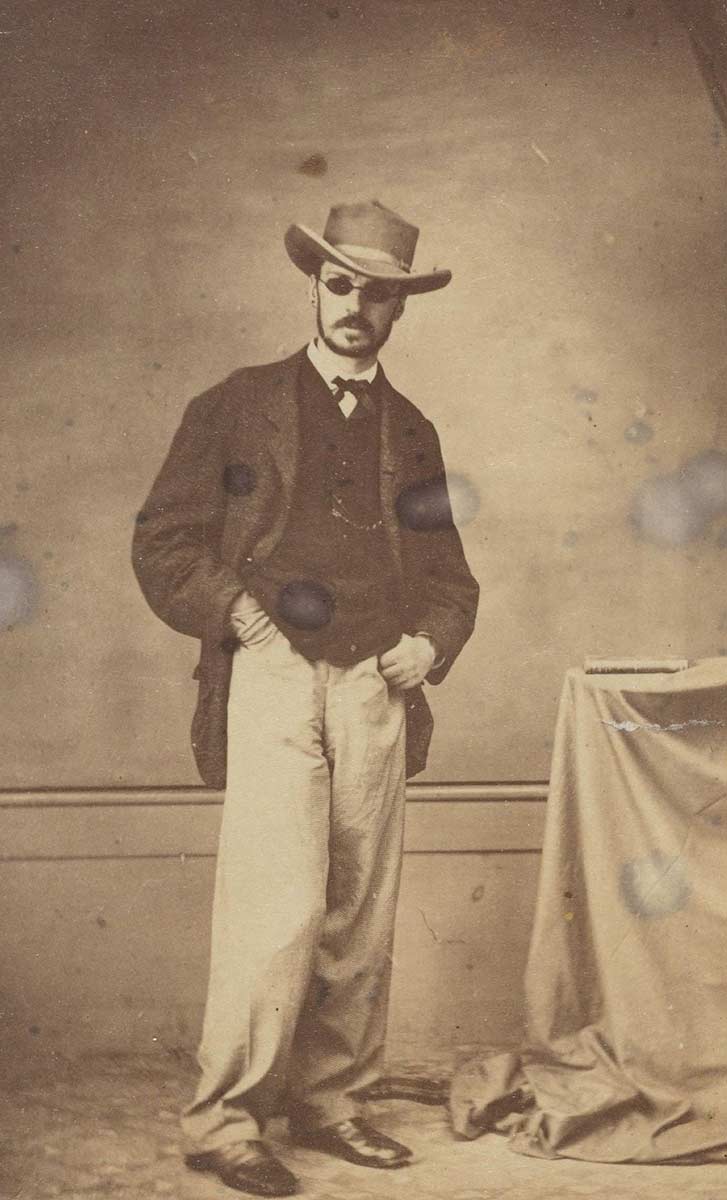
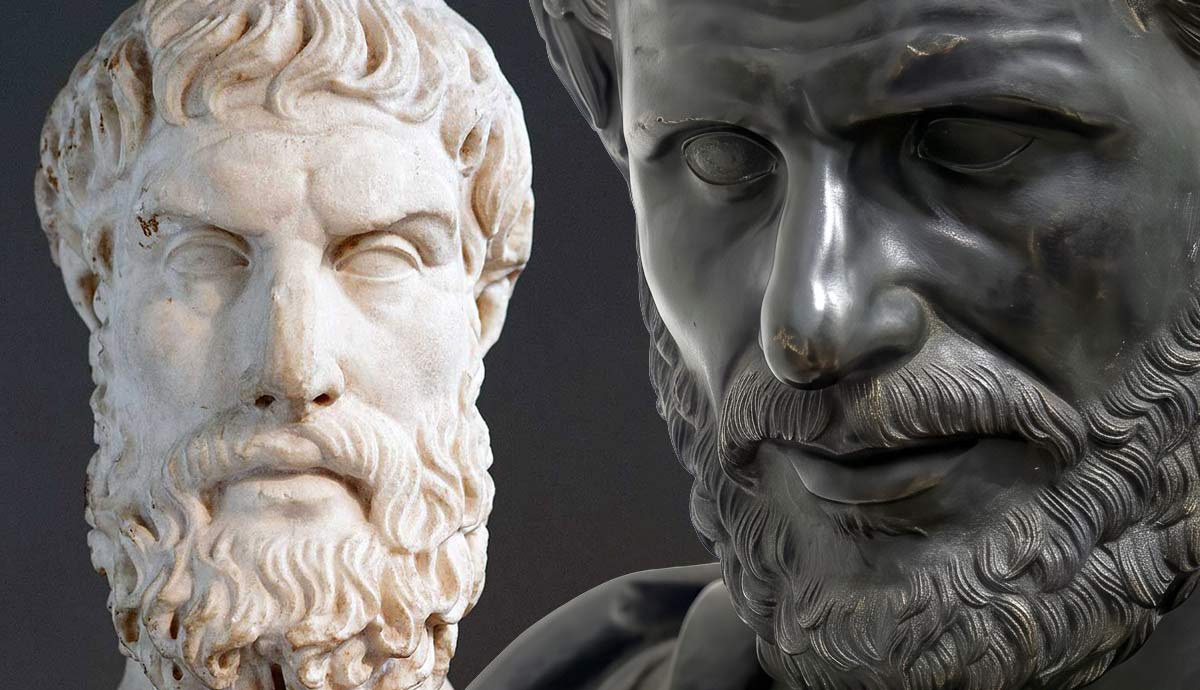
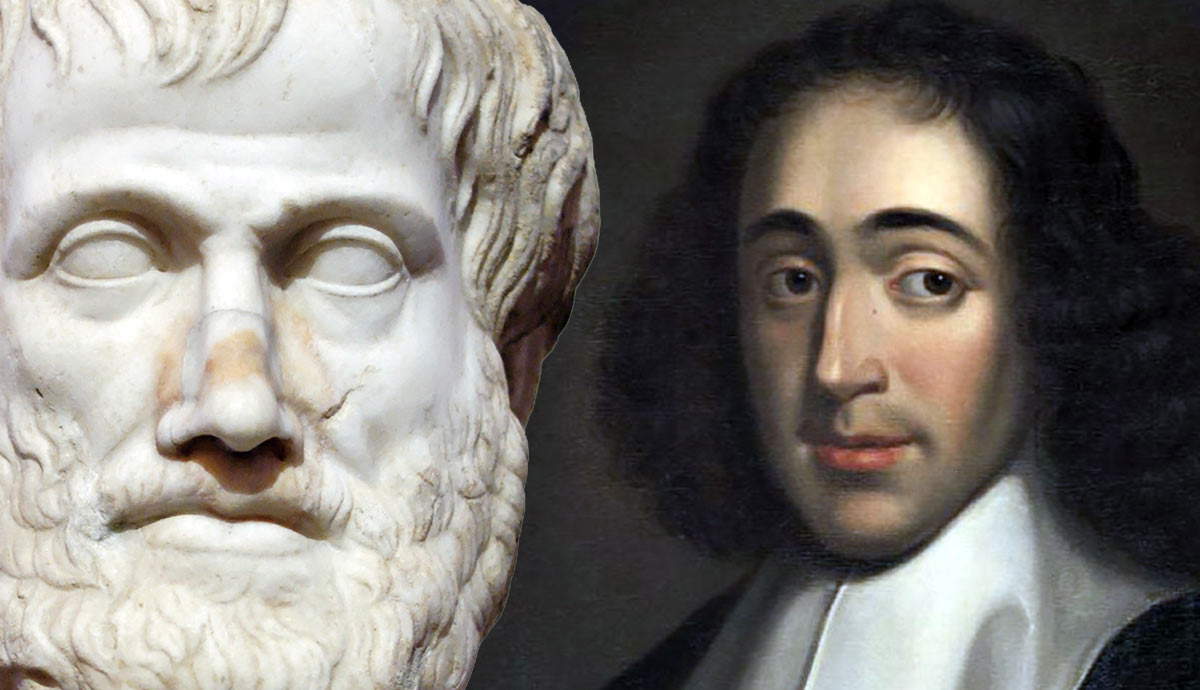
James criticized the rationalistic metaphysics by saying that philosophers like Plato, Descartes, or Spinoza fled into the realm of the absolute instead of immersing themselves in the realm of facts. James believed that the world is so diverse and changing that it cannot be brought under just one principle. According to James, the universe is wide open and unfinished, and all future changes always enter into its structure. The reason behind this worldview is that James always had the psychological and moral world of man in mind, and this pluralism of his is only an expression of his desire to turn people away from empty principles and eternal truths and to turn their eyes to the changing facts of life and to the pursuit of practical utility.
Right away, we sense the pragmatic worldview he advocated. Personal experience is the ultimate measure of reality, truth, and value. That is why he said that philosophy is nothing more than our personal way of representing and feeling the overall pressure of the entire cosmos.
Each person builds their own view of the world and life, guided by their personal interests, taste, and temperament, said James. So, James denied the existence of the objective reality that philosophers reproduce in logically coherent systems. According to him, the only certain things are our desires and aspirations, and it is under their influence that the truth and the reality of the world are created or constructed.
That is why he thought that people need a philosophy that will respect the facts, like empiricism, but also allow personal adventures, intimate aspirations, and religious feelings, as rationalism does. And that middle ground is the philosophy of pragmatism.
Early History of Pragmatism
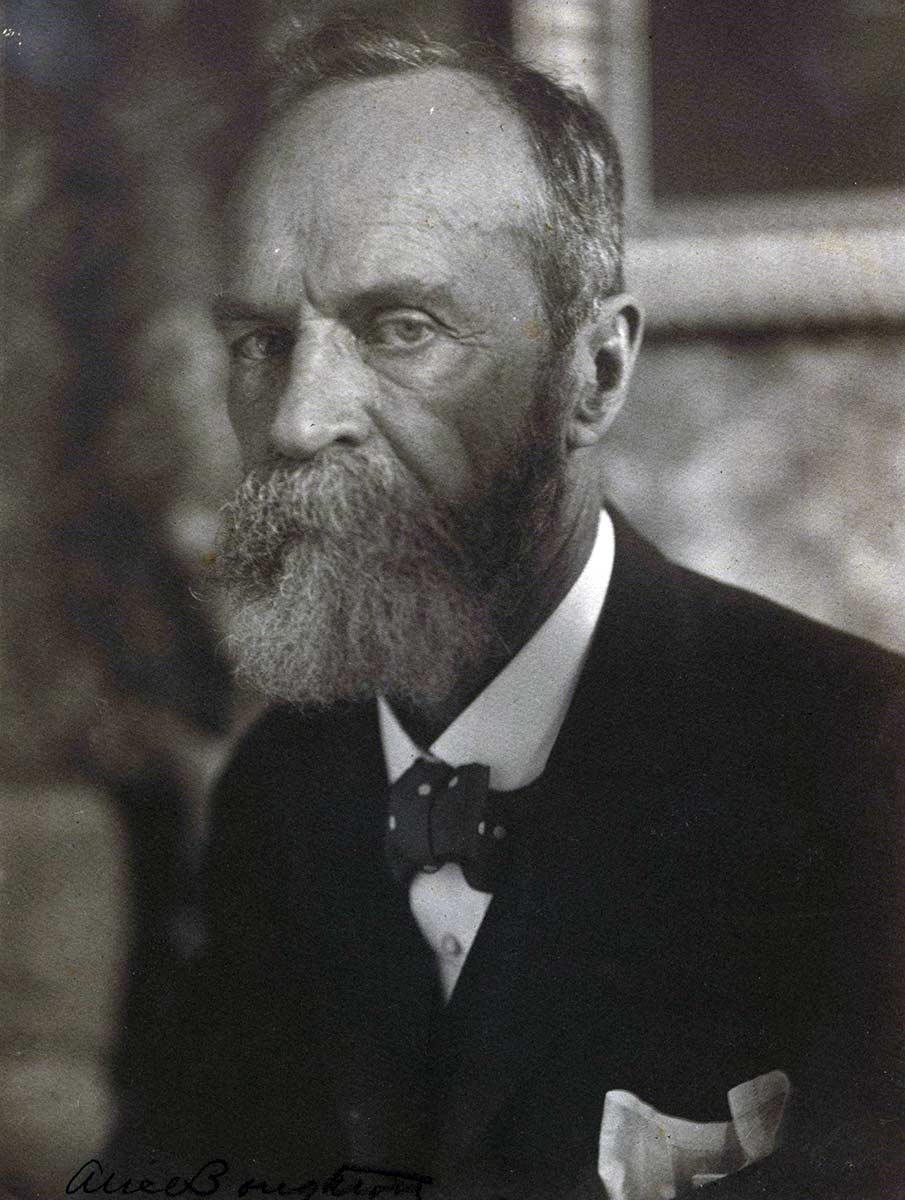
Before we go into the development of pragmatism as a separate philosophical movement, it is necessary to look at the philosophy that preceded it. Historically, pragmatism has been linked to empiricism since ancient times. This is because pragmatism essentially relies on the same starting positions as empiricism. Both rest on the belief that the only valuable knowledge we should seek is knowledge from the realm of experience. Therefore, both empiricism and pragmatism reject rationalism because it relies on knowledge from the speculative world, that is, knowledge that cannot be verified through experience.
Pragmatism is also very intellectually close to positivism. Like pragmatism, positivism holds that what we should focus on are facts: what is sensory-accessible and positive. The founder of positivism is considered to be Auguste Comte. In his work Course of Positive Philosophy, he set out the basic principles of positivism and positivist philosophy.
The basic idea that Comte presents in his work is that positivism is a philosophy that claims that philosophy should be concerned with the investigation only of what is positively given, what can be established through experience, and that any kind of speculation that exceeds the limits of experience should be avoided. Hence, any knowledge that deals with objects beyond our experience, that claims to exceed the limits of possible human knowledge, constitutes metaphysics and, as such, has no value for science and philosophy.
Human knowledge must move only within the boundaries of experience, where we can reach the certainty of things, because only in them do we limit ourselves and orient ourselves according to relationships, relations, and laws.
The Beginning of Pragmatism
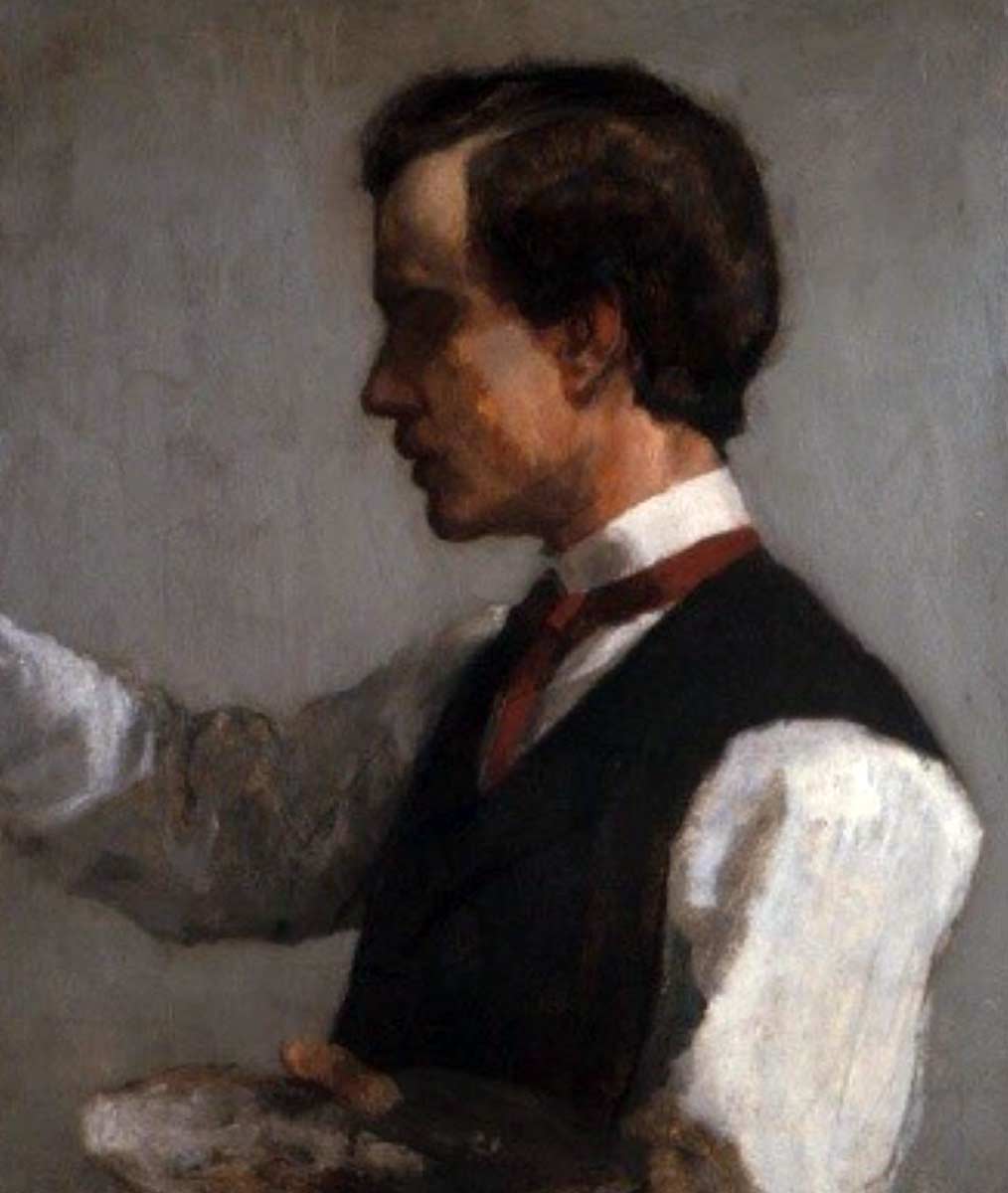
Pragmatism as a method for resolving philosophical disputes was not built by James himself, but by American philosopher Charles Sanders Peirce (1839-1914). According to his worldview and method, in order to determine the meaning of a concept, one should observe what practical consequences are necessary to follow if it is accepted as true, and the sum of all these consequences will make up the entire meaning of that concept. If a concept does not entail any pragmatic (or practical) consequences, then it is meaningless, said Peirce.
According to Peirce, if this method were strictly applied, then it would be shown that many of the metaphysical concepts of traditional philosophy are meaningless, and that many of the old philosophical disputes are pseudo-disputes. A similar idea was later proposed by the Vienna Circle and the logical positivists.
James accepted Peirce’s method for examining the meaning of general terms, but applied it in a different way. While Peirce imagined the pragmatic and objective verification of ideas, James thought that every idea is pragmatically true. Peirce recognized that a belief or idea can have a private significance and emotional value for someone, yet be scientifically unsustainable because it does not entail consequences that could be verified by a wider circle of people. On the other hand, James thought that truth can be individual, relative, and utilitarian if it gives satisfaction in some way. So, it’s not only the usefulness and the practicality of an idea that determines its meaning, but also the individual satisfaction that plays a role as well, said James. However, he added that the only condition an idea must meet to be considered true is that it succeeds in practice.
James’ Theory of Truth
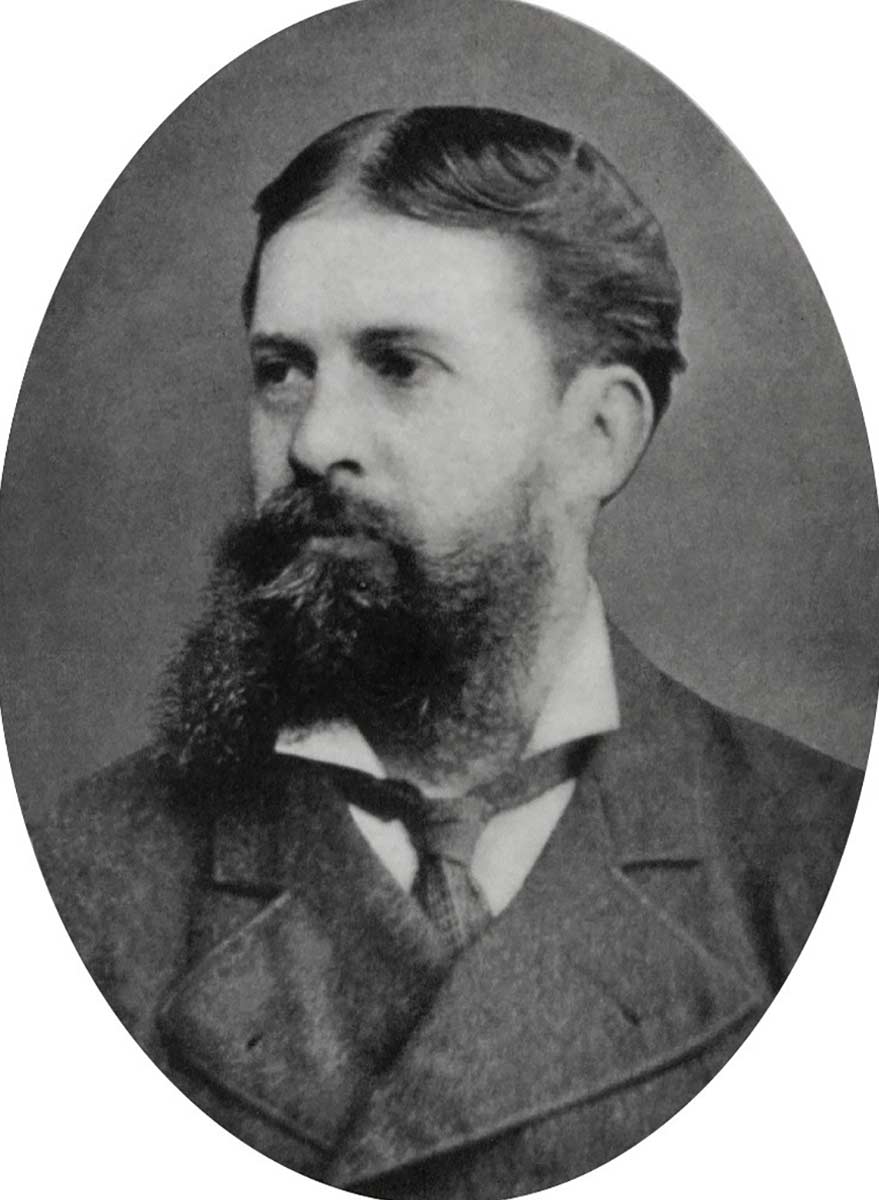
James’s pragmatism wanted to represent “a new, genetic theory of truth,” and this theory constitutes the main content and essence of this new philosophical direction. Pragmatism rejected the centuries-old static theory of truth that Aristotle proposed, as the agreement or correspondence of thought with reality. James thought that it can never be determined whether our thought has accurately copied or reproduced with its concepts what is outside of thought, the objects and events of real reality.
According to James, truth does not exist as an ideal solution that needs to be found, but it is created during our experience in order to connect our earlier situations with those we arrive at later, during our practical life. He emphasized that truth is not a property of a fact or a concept, but only a “collective name” for those beliefs that prove to be useful in practice.
Our truths arose from immediate practice and serve immediate practice. In this way, the difference between theory and practice is erased. Pure, useless knowledge is not even possible because ideas and theories exist only to satisfy our needs and interests. Thus, for James, truth is a kind of value, just like beauty, goodness, health, and wealth. If true ideas do not contain something valuable in terms of improving our lives, then, according to the pragmatists, those ideas would not even be considered as true, but, on the contrary, would be declared false.
Further Development After William James: John Dewey’s Instrumentalism
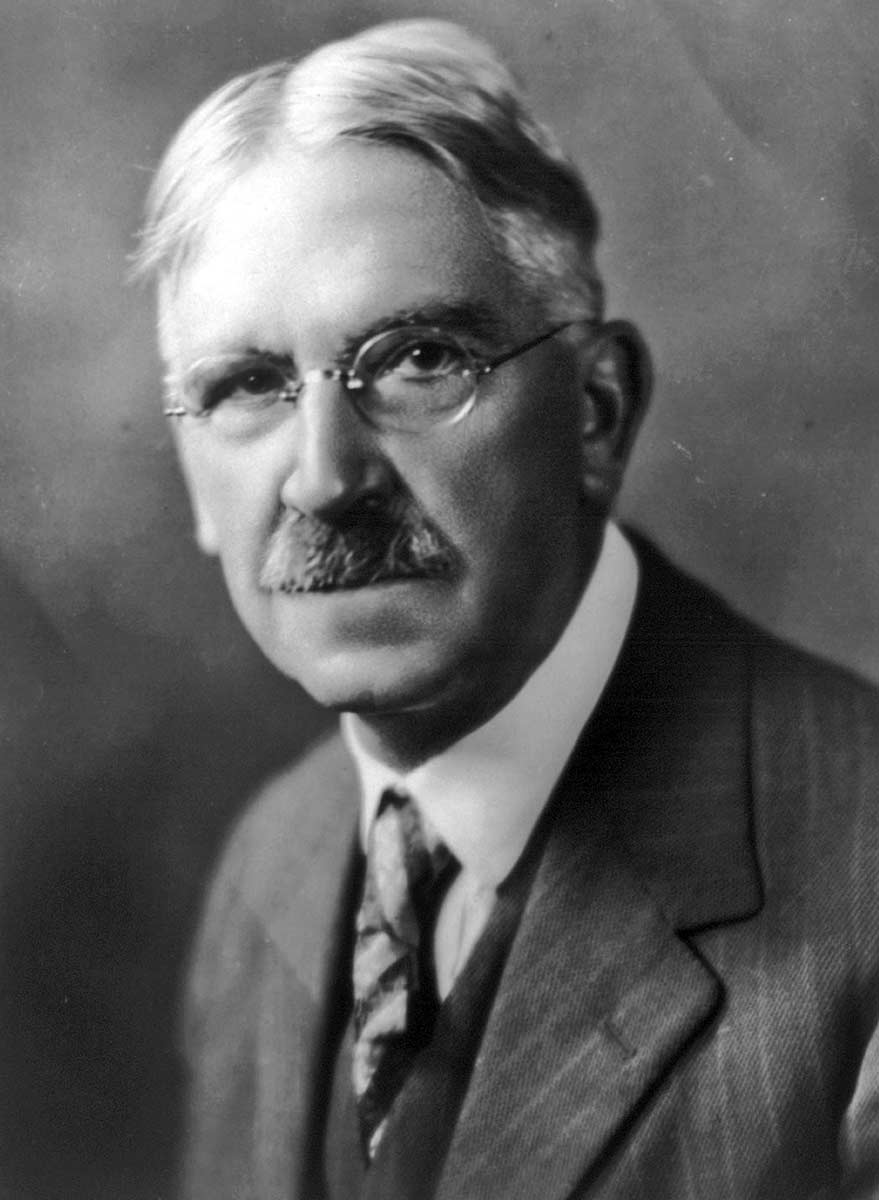
Charles Sanders Peirce is the founder of pragmatism, and William James further developed it into a systematic, separate philosophical discipline. However, pragmatism gained a new form after James, with the philosophy of John Dewey (1859-1952). He is the third representative of pragmatism and is important for his instrumental point of view.
The starting position of Dewey’s instrumentalism is that ideas are not just meant to describe the world, but to help us act in it effectively. Therefore, truth, according to Dewey, is not absolute, but what works in experience. If an idea helps us succeed or make sense of things, it’s true enough. Dewey, just like his predecessors, valued everyday experience the most. He thought that knowledge is not passively received, but rather gained through active interaction with the environment. This is why he emphasized experimentation, both in science and life.
As we can see from this brief overview, William James’s pragmatism and philosophy represented a complete reversal of what was the focus of research at the time. James contributed greatly not only to the development of philosophical thought but also to science, religious understandings, and social phenomena in general. This makes James one of the key philosophers in contemporary philosophy.