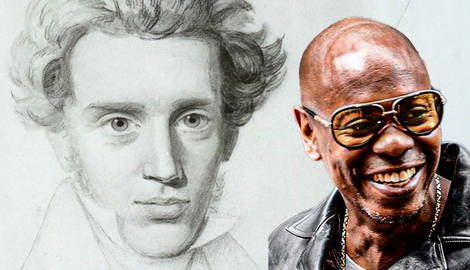

Over the last few years, stand-up comedian Dave Chappelle has created a series of controversies in his comedy specials through jokes made at the expense of transgender people and the LGBTQ community at large. It has been difficult for some to understand how their favorite entertainer went wrong. Subsequently, many remain on the proverbial fence as to whether or not they should condemn or condone this unnerving and controversial type of comedy. In this debate, the Danish philosopher Soren Kierkegaard may be of some help to them.
A Brief Overview of Kierkegaard’s Philosophy of Humor
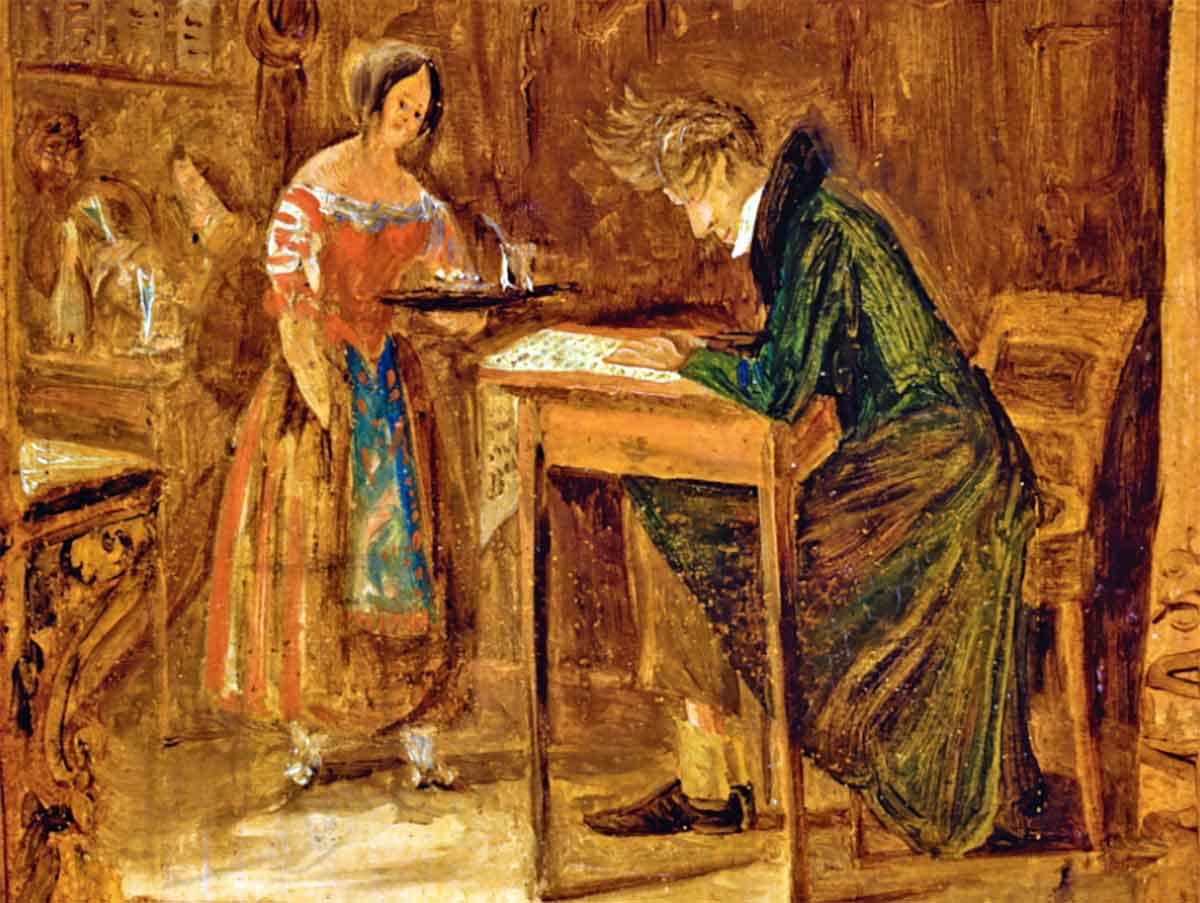
“Aren’t people absurd! They never use the freedoms they do have but demand those they don’t have; they have freedom of thought, they demand freedom of speech.”
Often paraphrased: “People demand freedom of speech for the freedom of thought they seldom use.” – Soren Kierkegaard
Kierkegaard, a nineteenth-century thinker most often considered the father of existentialism and associated with dreary-sounding books such as Fear and Trembling and The Sickness Unto Death, has a surprising amount to say about comedy and humor in general.
In his day, he was even embroiled as a victim in a campaign of what we might today call cancel culture when a Copenhagen newspaper, The Corsair, decided to make him a target of public ridicule. However, despite the great hurt it brought to him and the fact that he was, at least partly, responsible for the attacks, Kierkegaard never attempted to paint himself as a martyr for free speech or implied his speech had been censored; in fact, he continued to publish well after these events.
Although he wrote about the nature of comedy in many places, one work lays out his most comprehensive views on the subject, his Concluding Unscientific Postscript to Philosophical Fragments. In this rather long work, I will focus on only one passage and only a footnote at that. However, though brief, I believe it displays more than enough on its own to aid us in determining the qualities of Dave Chappelle’s current form of comedy and provide an appropriate lens through which we might interpret it.
Kierkegaard’s Philosophy of Humor: Irony vs. Ribaldry
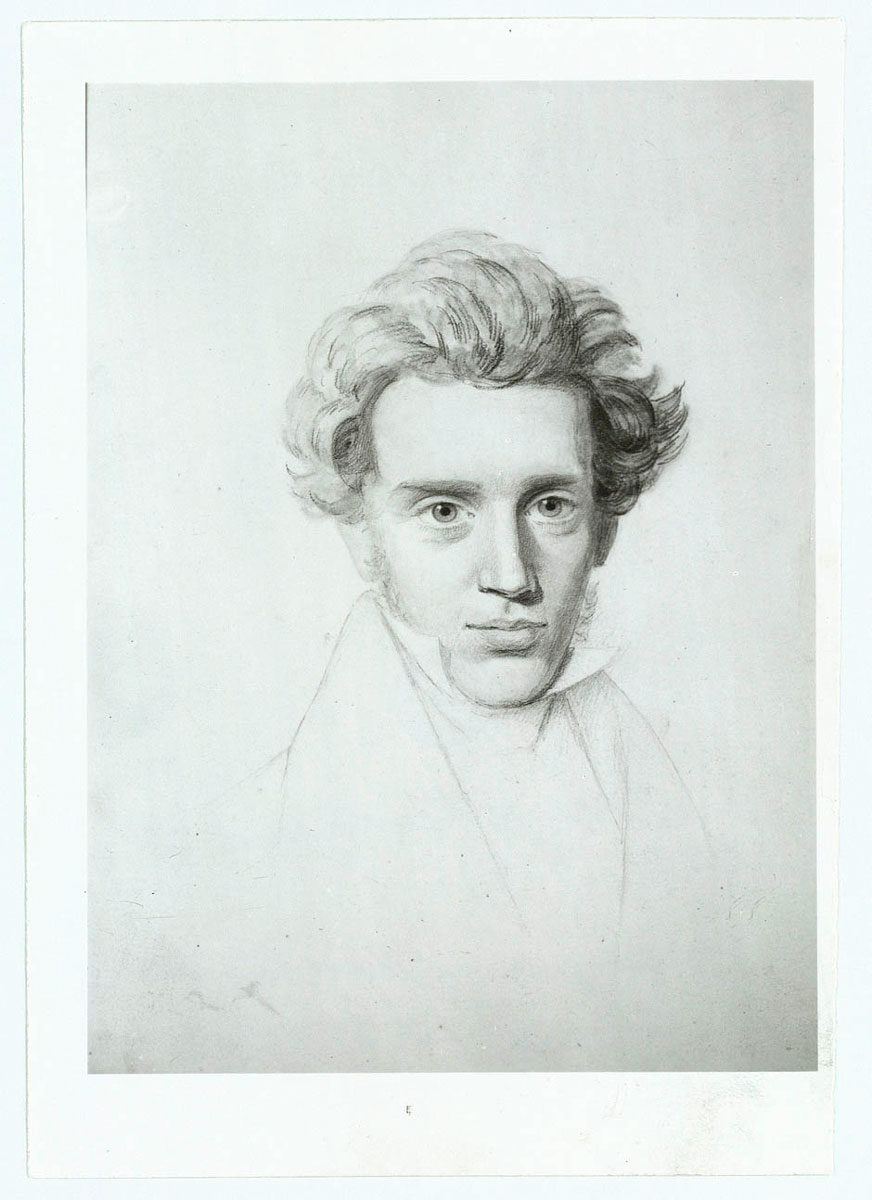
Kierkegaard’s views on comedy are complex—too complex to fully relate in the brief space available. However, insofar as it relates to the current topic, we may interpret Kierkegaard’s view of the ironist as close to the way we might describe the stand-up comedian of today. The ironist is often a commentator upon society and its follies, very much as comedians often present themselves to be, so that is where we will start.
He begins with a quote from Aristotle’s Rhetoric:
Aristotle remarks: “Irony is more free spirited than ribaldry, for the first is employed on one’s own account, the second on that of another.” The ironist himself enjoys the comic in contrast to the prankster, who in making something laughable is at the service of others. An ironist, therefore, who needs the help of relatives, friends and a hurrah-gang in order to be able to enjoy the comic is by the same token a mediocre ironist and on the way to becoming a scurra. But there is another sense in which the ironist has the comic within him, and by being aware of it has insured himself against having it outside him. Once an existing ironist falls out of his irony he becomes comic, just as, e.g., Socrates would have done if, on the day of his judgment, he had become a figure of pathos. It is here the warrant lies, when the irony is not a malapert impulse but an existence-art, for the ironist then, precisely through the ironic mastery over himself, solves greater problems than a tragic hero.
Ribaldry is a type of humor that is rude and offensive. It often involves making fun of someone else’s expense. The ribald comedian is only interested in making others laugh, even if it means hurting someone’s feelings.
Irony: Not Just for Laughs
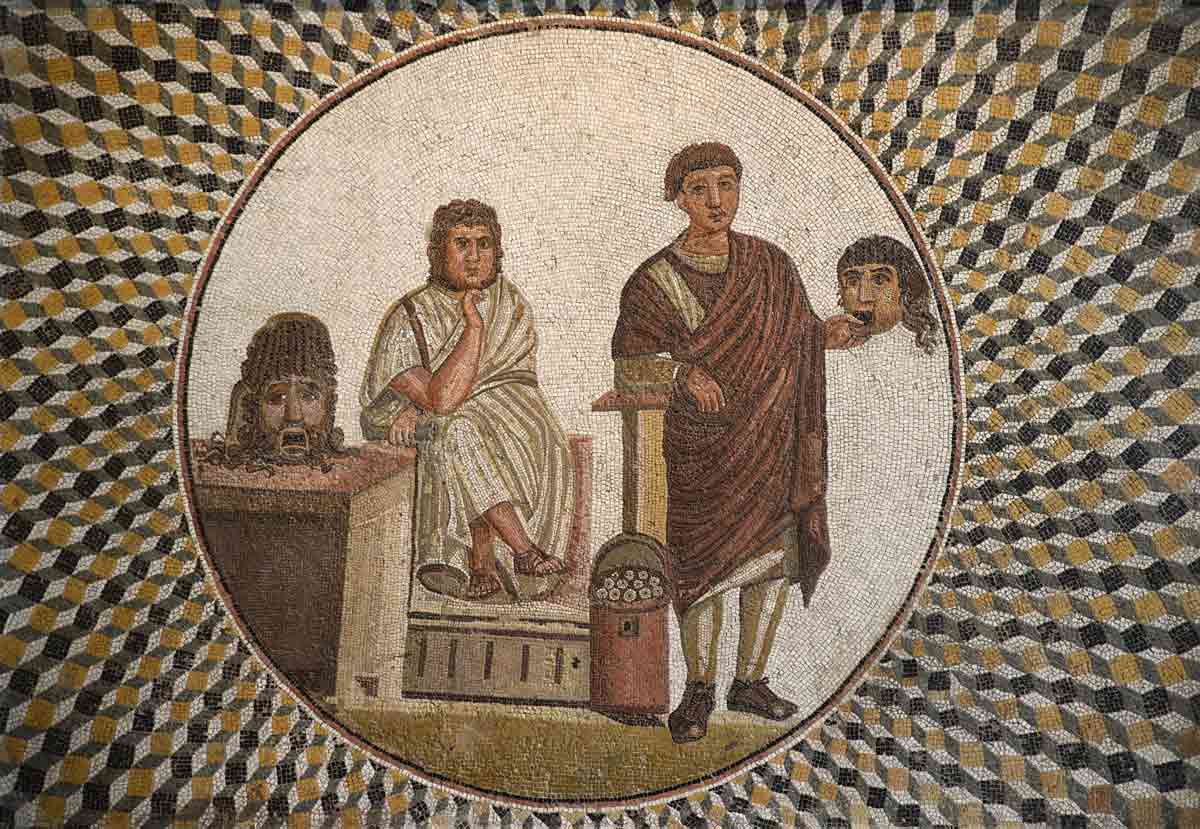
Irony, on the other hand, is more free-spirited than ribaldry because the ironist does it for his own sake, not for others. The ironist has the true spirit of the comic within them, being aware of the absurdity or incongruity of life and using irony to express it. The ironist does not need external validation or support to appreciate the comic, unlike a mediocre ironist who depends on the reaction of others. The ironist protects him or herself from becoming an object of the comic by not losing their sense of irony or detachment from the situation. If they do, they become a figure of ridicule or pity, like a scurra or a figure of pathos.
A “scurra” is the Latin term for a sponger, someone who lives off others without giving anything in return. A mediocre ironist is on the way to becoming a scurra because they rely on others to enjoy the comic, and they do not have a refined or elegant sense of humor.
Pathos is a term that refers to the element in an experience or in an artistic work that makes us feel compassion, pity, or sympathy. It is also an emotion of sympathetic pity. An existing ironist becomes a figure of pathos if they fall out of their irony, meaning that they lose their ability to see the humor or the contradiction in the situation, and they become a victim of it. Kierkegaard uses the example of Socrates. If Socrates had become a figure of pathos on the day of his judgment, when he was sentenced to death, he would have lost his dignity and his wisdom. Chappelle’s contradiction of attacking an imperiled minority while amplified by a majority platform is a remarkable blindspot for someone usually so self-aware of racial and social injustice.
The Ironist and the Scurra: Analyzing Chappelle’s Comedy

Irony is not a rude or impudent tendency but a way of living or being, Kierkegaard contends. The ironist, through their ironic mastery over themselves, solves greater problems than even tragic heroes, a tragic hero being defined as one who suffers a downfall due to a flaw or mistake. The ironist can overcome the challenges or contradictions of life without succumbing to them or becoming tragic objects themselves, thus navigating complex realities with insight and resilience.
The comic ironist, the truthteller about society, stands aloof, detached from the situation they describe. However, Chappelle has become very far from detached. Beneath all the smiles and punchlines, he has made it very clear that he perceives an imbalance of power between the LGBTQ community, which he mistakenly views as predominantly white, and people of color like himself who dare to question that community’s legitimacy.
In his anger and desire to please those who agree with him, he has devolved to the level of the “scurra”—a jester whose anger binds him to his position. No longer detached from it, he falls to a level of pettiness that desires only to be hurtful, a stance unworthy of his former fame and intellect.
From here, it is up to Chappelle to decide to either listen to his critics and attempt to heal the hurt he has inflicted or, by Kierkegaard’s analysis, risk becoming a subject of pathos. For Chappelle, more than perhaps any other modern comedian who has lately had a fall from grace has the farthest to fall and, therefore, the most likely to become a tragic figure brought down by a fatal tragic flaw he failed to see. His journey from revered comic ironist to a figure flirting with tragedy remains a cautionary tale about the perils of pride.
Chappelle’s Fall From Grace: From Ironist to Figure of Pathos
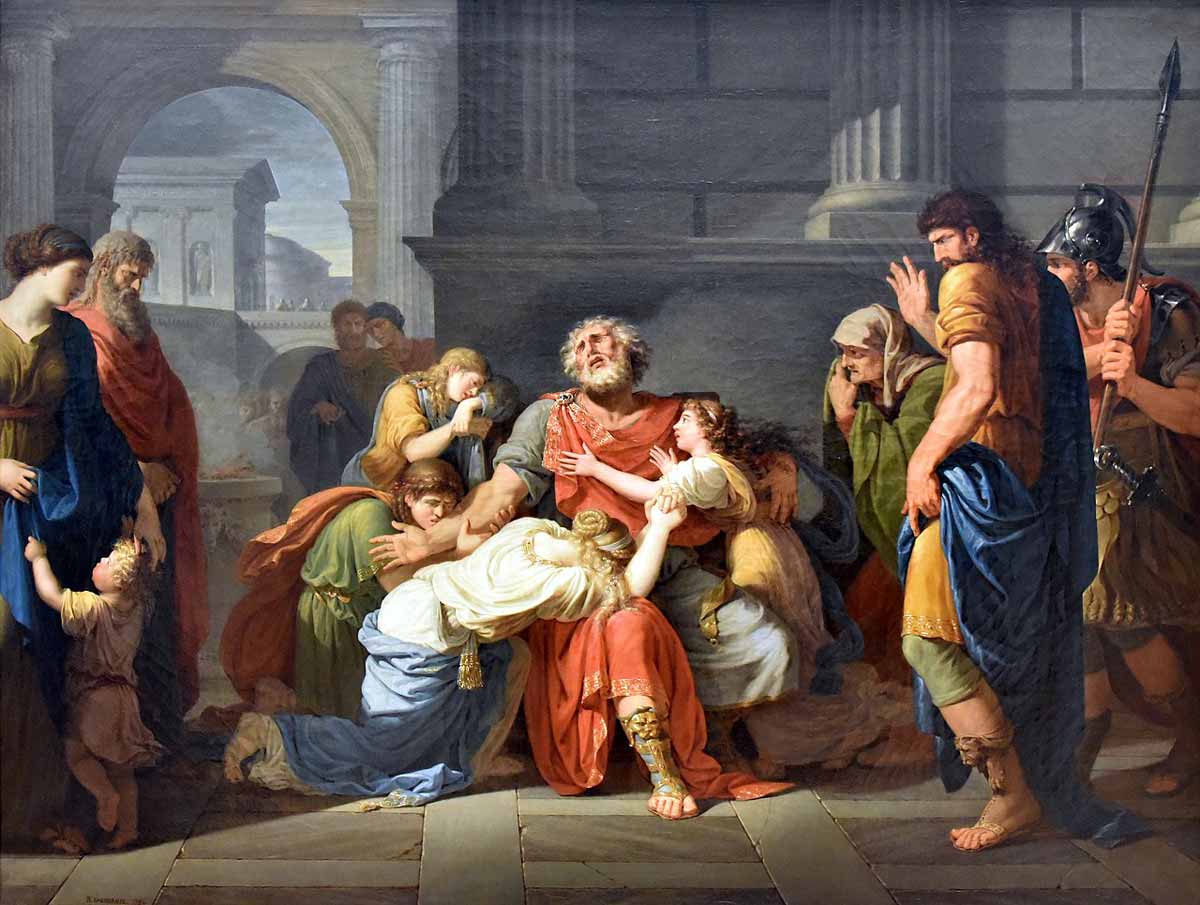
As already stated, Kierkegaard’s views on the comic are far more complex and nuanced than I have made them appear here; it might be pointed out that his depiction of the ribald scurra could apply to any comedian who is paid for what they do. However, this is not my intent to argue. There was nothing like the professional stand-up comedians as we now know them in Kierkegaard’s day, but Kierkegaard did care deeply for the concept of authenticity, and whether one agrees with him or not, Chappelle has certainly changed from who and what he used to represent.
More than a typical “professional,” Chappelle was once perceived to be different, a true “detached” ironic observer and commentator of our times who could provoke thought as much as laughter. That Chappelle, who engaged critically and thoughtfully with his material, is no more. Today, he seems more aligned with the crowd-pleasing tactics that appeal to a different kind of audience—one that may not be interested in challenging their own views or assumptions. Ultimately, however, Kierkegaard’s analysis sheds more light on Chappelle’s audience than on Chappelle himself.
In Concluding Unscientific Postscript, Kierkegaard discusses those who preface a hurtful joke with, “I really shouldn’t be telling you this, but…” This phrase reveals that the person knows the joke is in poor taste, yet they choose to share it anyway. By doing so, they show that its offensiveness doesn’t bother them—in fact, they implicitly agree with the joke’s premise. They seek out someone who will validate their shameful pleasure by sharing in their laughter. The audience, in turn, becomes complicit, as the laughter serves to legitimize the hurtful content. When a comedian like Chappelle does this on a public stage, the dynamic changes.
The Cost of a Joke
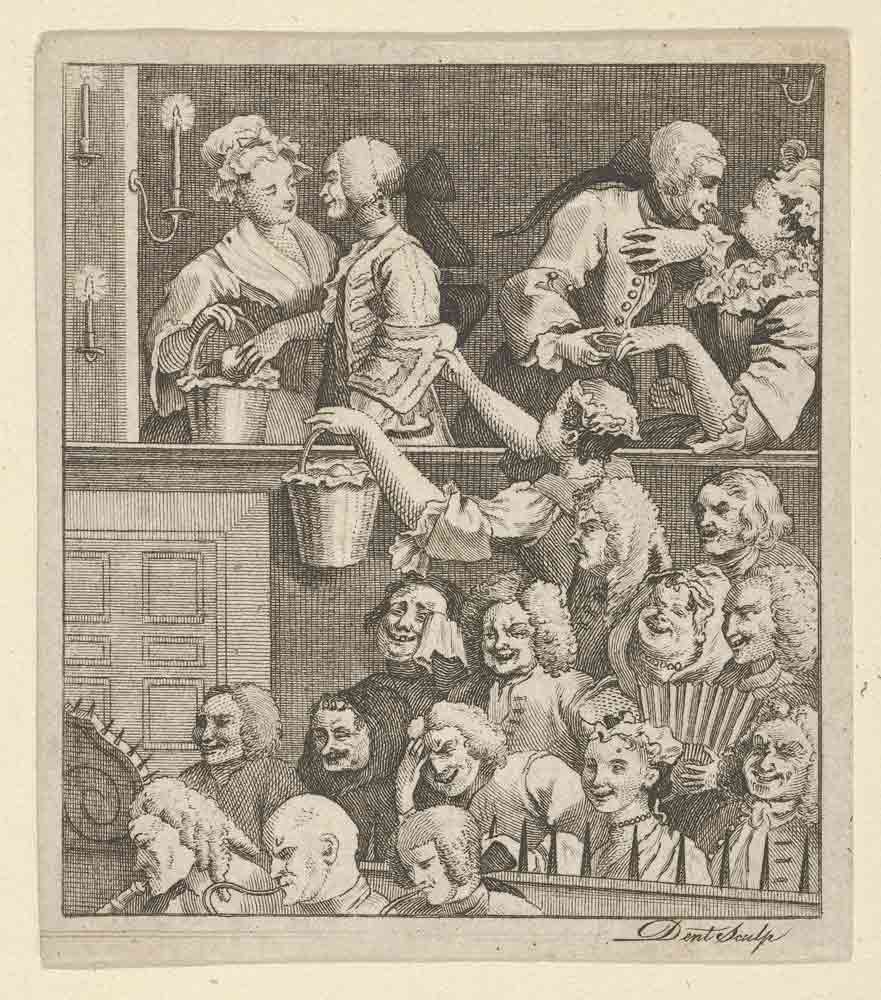
What was once shameful becomes more socially acceptable, and those who take offense are dismissed as killjoys or overly sensitive. We’ve all encountered this type of audience in grade school—those who bully or demean others to boost their popularity. It becomes easier for others to join in the laughter, even if they know it’s wrong, because objecting would risk their own social standing. Such humor, however, lacks the depth and introspection of true irony or satire; it is merely the mockery of a clown intended to entertain at the expense of others.
Any intelligent and empathetic person who still finds this material entertaining, despite its harmful effects, must ask themselves: why? Are they genuinely amused, or are they just seeking the comfort of the crowd’s approval?
Works Cited
Kierkegaard, Soren. Either/Or. Penguin UK, 2004.
Kierkegaard, Søren. Kierkegaard: Concluding Unscientific Postscript. Cambridge University Press, 2009.
—. The Corsair Affair. 2009.