
The most common categorization of ancient philosophy is divided into two periods: pre-Socratic and post-Socratic philosophy. According to this, Socrates is the breakpoint that represents the end of the old way of thinking. If we were to examine ancient philosophy thoroughly, we’d realize that it comprises many different periods; the most important one is the transition from the cosmological to the anthropological period, in which the focus of investigation shifted from the cosmos to the human being. This period begins with the philosophy of the Sophists, specifically that of Protagoras.
Protagoras, Gorgias, Prodicus: Who Were the Sophists?

First and foremost, let’s see who the Sophists were. A distinction is usually made between the old and the young Sophists. The old Sophists include Protagoras, Gorgias, Prodicus, and Hippias, while the young Sophists include Critias and Callicles, among others. They were the first professional, itinerant teachers in ancient Greece. Unlike earlier philosophers who gathered informal circles of disciples, the Sophists charged substantial fees for structured instruction in public speaking and civic virtue. Because of this, they caused great discontent in Athens because they were the first to charge for their teachings, and their greatest critic was Socrates.
They were recognized for their special power of speaking and teaching. They were excellent orators and rhetoricians. Legend has it that they even taught their students that it is not what you say that matters, but rather how you say it. This is especially true about Gorgias. He was an extremely outspoken thinker, so much so that the legend says that people were fascinated by his communication, narration, and teaching skills. Because of that, he is considered to be the greatest rhetorician of his day. He originally came from Leontini, Sicily, and when he visited Athens, he brought many techniques for persuasion that he had mastered in the art of speaking.
Protagoras’ Life
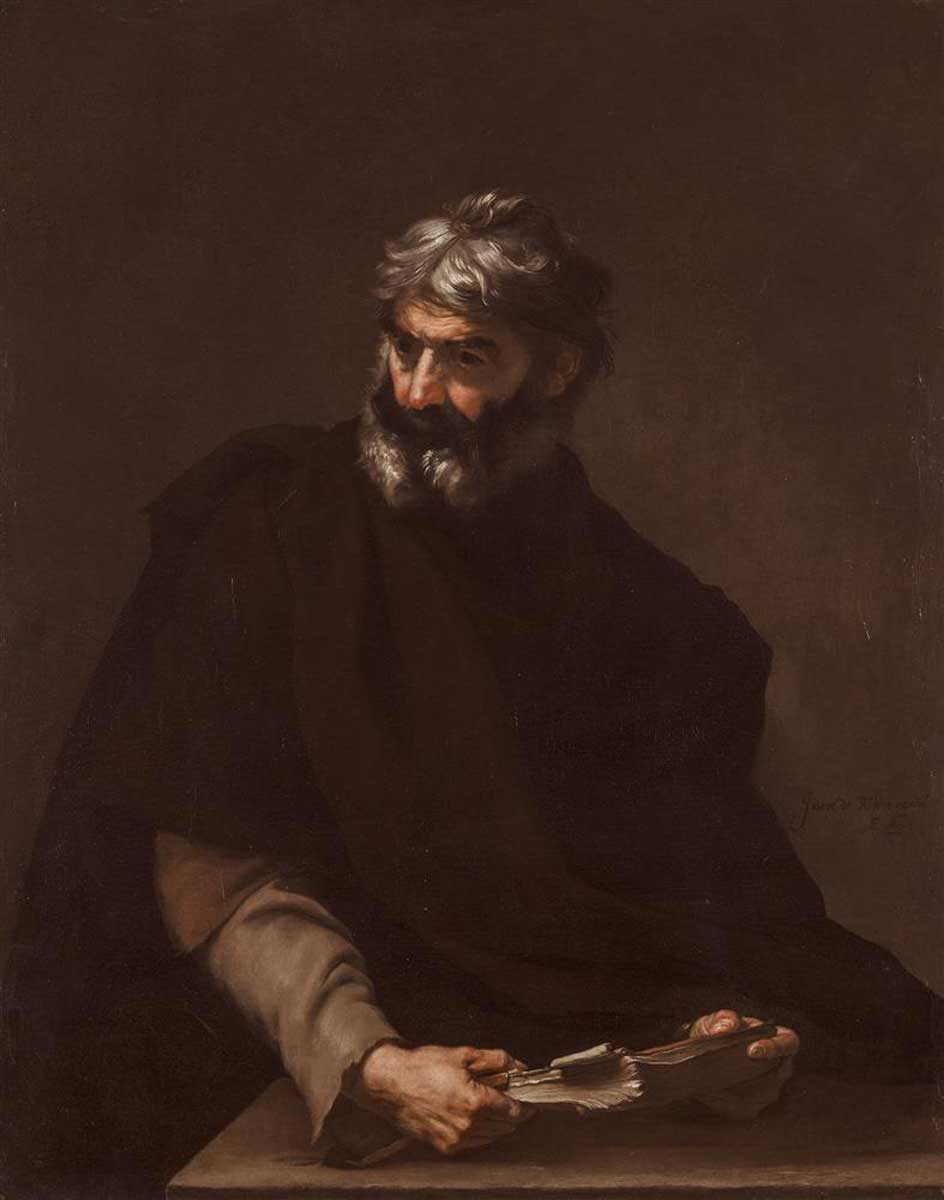
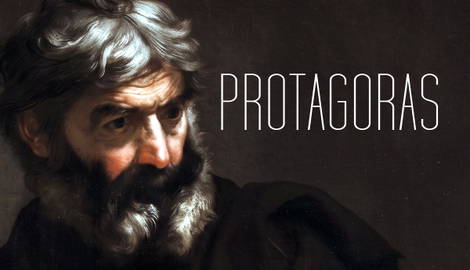
Nothing is known about Protagoras’ childhood, his education, or the entire period before he came to Athens. Some sources say he was born around 490 BC and died between 420 and 415, suggesting he lived for 70 years. But one thing is certain: he came to Athens between 450 and 444 BC.
According to Diogenes Laertius, both Protagoras (and his contemporary Prodicus) achieved fame by giving public readings of their texts to the Athenians. Immediately, Protagoras became one of the most respected philosophers. He was recognized and grouped with the most prominent figures in the political and public life of Athens at the time, such as Pericles, Socrates, Euripides, as well as with several artists, painters, and sculptors. He had amazing oratorical skills, which partly accounted for his popularity.
The legend says that he could even impose a weaker argument on his listeners as if it were stronger. This is partly why Gorgias was likewise categorized as a Sophist, as he, too, was an exceptional public speaker and master of rhetoric. He was the first Sophist of all, and he laid the foundation for all the other thinkers following him. But he didn’t just leave a mark on the other Sophists who came after him; he influenced a major part of the philosophy that followed. That is why, in the following sections, we’ll focus on his work and the impact he had, and the best place to start is his saying that man is a measure of all things.
Is Man the Measure of All Things?
In his writing “Truth,” of which only the beginning has been preserved, he says: “Man is the measure of all things – of the existent that they are, and of the non-existent that they are not.” To this day, there are disputed opinions about what he wanted to say at the time. Whether man means a subject, an individual, or does it have an objective meaning, i.e., man as the representative of all people as a species.
In his book “Theaetetus,” Plato interprets this saying in the subjective sense that every individual has the right to judge something however it seems to them, that everything is as the individual feels. Therefore, according to Plato, Protagoras’ saying has no objective criteria because subjectivism and relativism allow everything that is true. In two places in his book “Metaphysics,” Aristotle interprets Protagoras’ saying the same thing as Plato, that Protagoras meant it in the individual sense. However, he also mentions the objective meaning in another spot. So, his stance is not that clear about what Protagoras really meant.
Supporters of the individual understanding in today’s literature state that at the time the polis was already broken, the collective weakened, individualism grew, and that Protagoras could not possibly think of “man” in the general, i.e., objective way. However, even though social changes occurred, the polis was still very strong, and tradition persistently fought against new understanding. So, the dispute about the various interpretations has not been settled yet, and the question remains open to this day.
Social & Political Implications
But Protagoras’ saying isn’t simply a speculative and philosophical theory. It also has practical, political, and social implications. With his saying that man is the measure of all things, Protagoras elevates man above mythology and tradition, above the gods and religion, and claims that man is the measure of everything, and for his opinion, he needs no authorities. This was an advanced and ahead-of-its-time position because at the time, prophecies always had an important say in private and political life, and they were always asked for their opinion, especially before any political ventures. But Protagoras rejected all that and placed man on a worthy height that he does not need anyone to take refuge behind because he is able to lead his life with his own knowledge, abilities, and skills.
Protagoras’ thesis also extends to ethical discourse because it challenged the old understanding of aristocratic education, which aimed to raise healthy and beautiful children of those in the aristocratic circles, since apparently they were going to be the ones serving and leading the state. However, Protagoras and the other sophists reject the absoluteness of that tradition and spread knowledge throughout ancient Greece, teaching that ethical views are also relative and depend on customs, laws, and the respective social outlook. So, he challenged the view that people from the aristocratic circles were the only noble people who had knowledge of any kind.
Skepticism & Dialectics
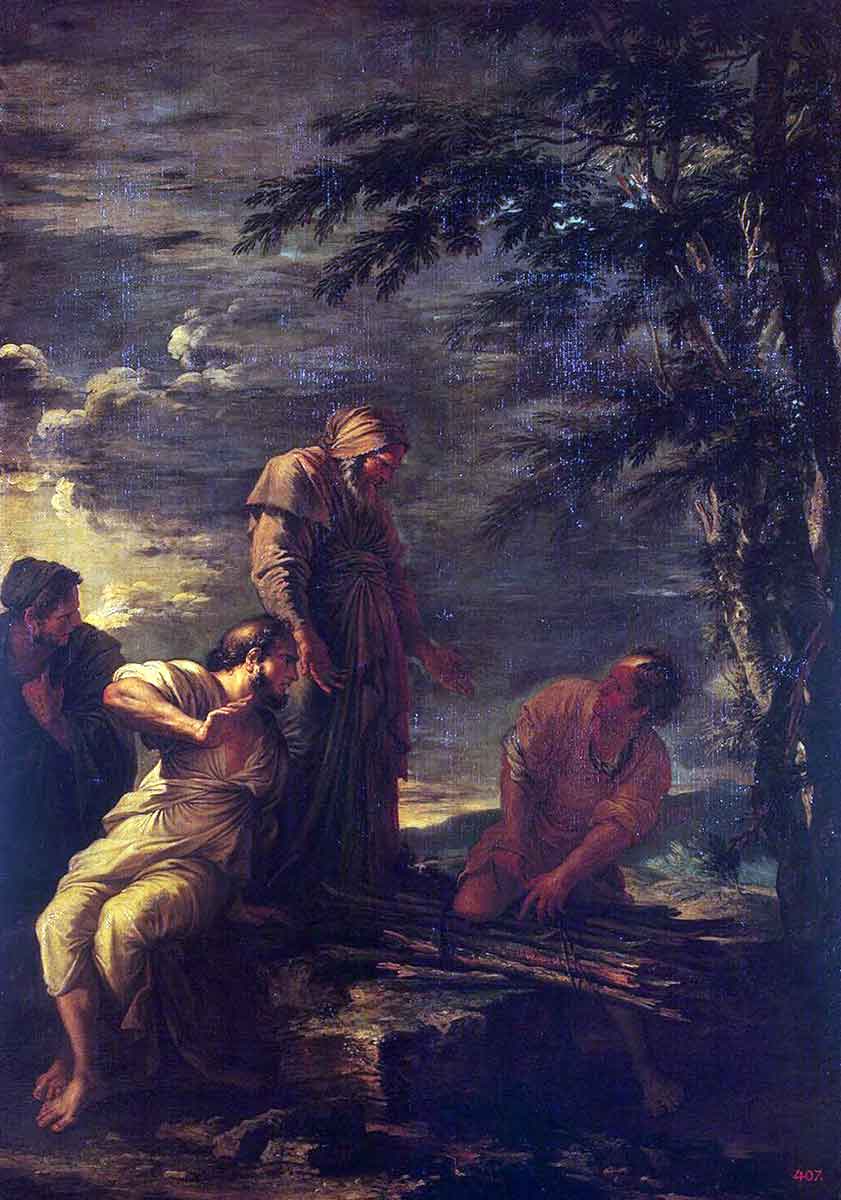
By his saying that man is the measure of all things, we can conclude that Protagoras was a fierce defender of the human ability to grasp the ultimate knowledge of the universe. He did not position the human being below the Gods as flawed, nor did he rely on authorities to determine what is true and what is false. Instead, he fought hard for the position that knowledge is the most valuable thing, and that human beings can obtain real and true knowledge. But as we’ll see, he was not that certain in this view.
That he fought for knowledge is also evident by the preserved fragment from the lost book “On the Gods,” where he says that he cannot know anything about them, neither that they exist, nor that they don’t exist, because human life is too short to bother about such questions. If a man lived longer, he said, perhaps he would be able to learn something about them, but due to his short life, this is not possible. This is where Protagoras sets himself on the path of skepticism, claiming that we cannot know anything about the divine.
His skepticism is an expression of thinking against dogmatic assertions and proposing a dialectical way of thinking, which sees the opposite side in everything. This contributed greatly to the development of argumentation and expression. As is well-known, Protagoras was a great master in long speeches, and he could justify his theses with various evidence, which is why his dialectics are especially important. Protagoras is also credited with early formulations of ideas that influenced legal reasoning and rhetoric in the Western tradition because he introduced methods of argumentation, evidence, and persuasive speech. He, along with the other Sophists, often applied the practice of double arguments, arguing both sides of an issue.
Socrates Against the Sophists
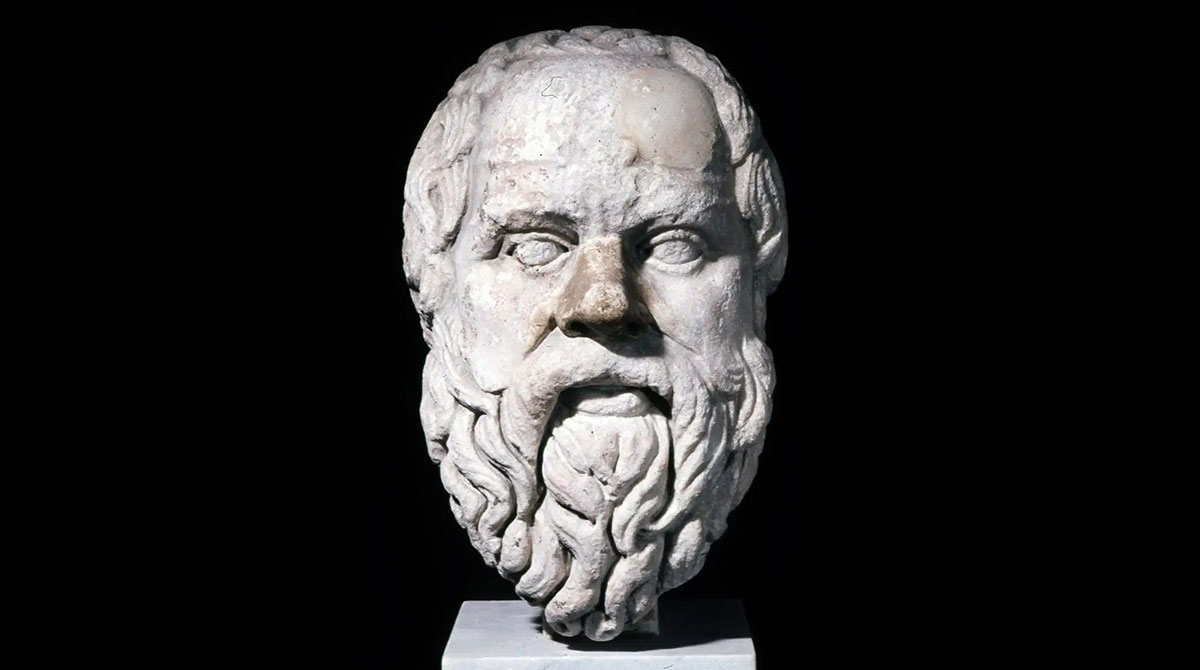
Although Protagoras and all the Sophists gained huge popularity and many followers and admirers, not all Athenians were impressed by their teachings. A lot of people came forward with harsh attacks on their teachings, but their hardest opponent was Socrates. He strongly rebelled against their doctrine and did not hide his disagreement.
He had many objections to all of the Sophists. First, he did not approve of them charging their students for their tutoring. Socrates engaged in dialogue with the children of the aristocrats for free, strongly believing that knowledge and education should be free for everybody. That is why when the Sophists came to Athens and started charging the youth of Athens, he was the first one to criticize them.
Additionally, Socrates also objected to their individual theories. He thought that they did not value knowledge at all because they simply cared about how they appeared to the public. Thus, they made the bad seem good, and the good seem bad, said Socrates. That is why Socrates rebelled strongly against Protagoras’ saying that man is the measure of all things. In opposition to the subjectivism embedded in his saying, Socrates claimed that the categories of truth and value are objectively given and do not depend on the subject at all. However, regardless of Socrates’ critique of Protagoras and the Sophists, it’s almost impossible to deny the importance and significance they had in ancient philosophy.