
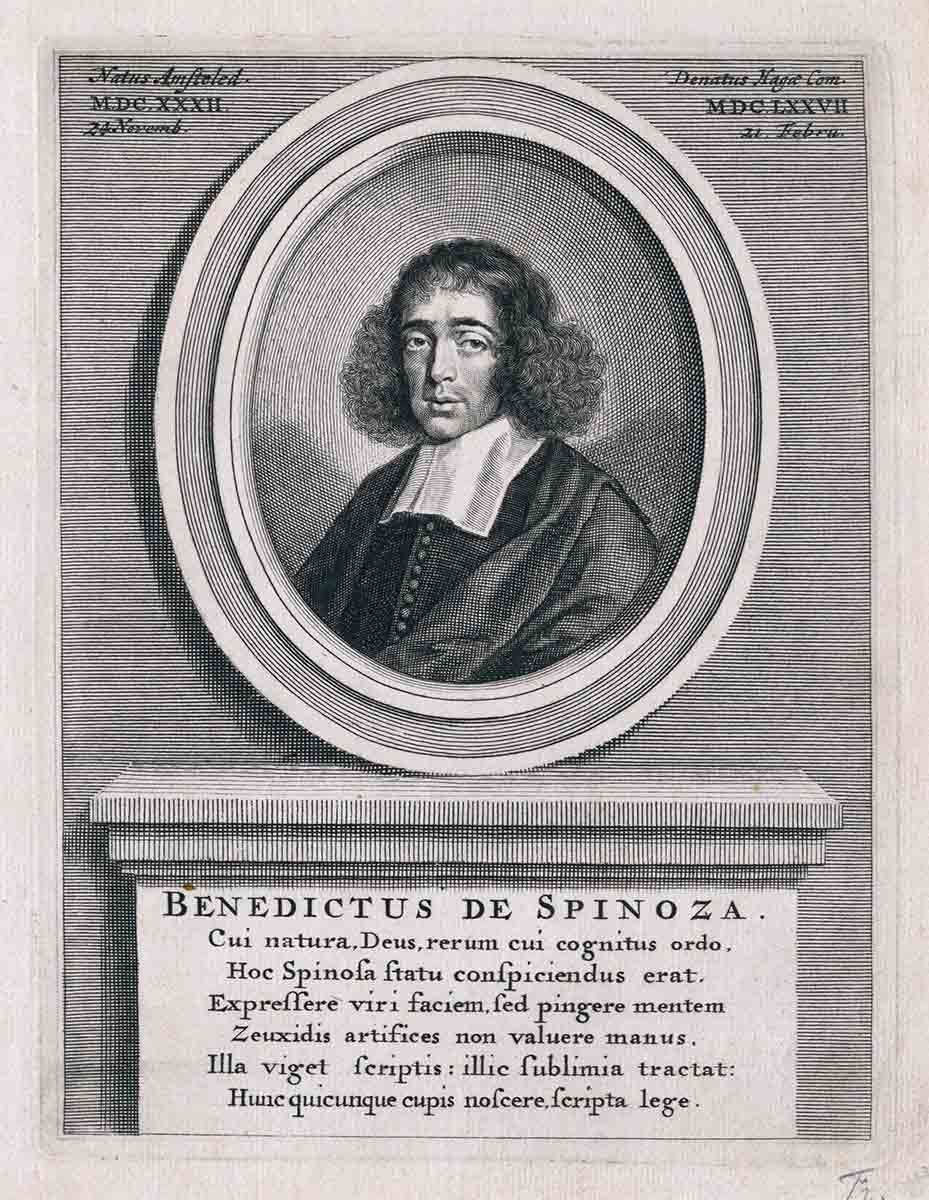
Spinoza was a significant influence on the French philosopher Deleuze. By reading Spinoza, Deleuze formulated a new theory of morality that rejects both the sad passions that often impose themselves through morality and the philosophy of transcendence that supports it. Spinoza’s Ethics offered a manual for self-guidance that rejected punishment. This is because Deleuze saw the ideas emerging from the geometrical method pioneered in Ethics as an impartial system of observations and descriptions of how bodies move and act upon one another.
Decomposing Transcendence
Deleuze believes the most extraordinary achievement of Spinoza’s philosophy was to have transgressed (in the form of the critique of morality) the moralistic codes of customary philosophy and to have replaced them with an ethics, in which there is no authority higher than life (God, the order of reason, divine law, universal duty).
In this sense, human actions are judged exclusively through the practice of immanence. Human conduct is evaluated, according to a practical ethics that focuses on understanding rather than punishment.
Spinoza denies transcendence both epistemically and pragmatically, arguing that nature, in itself, is more than sufficient to guide human action. We need not classify human actions according to abstract moral categories.
For Spinoza, the ethics must be grounded in ontology of power and capacity, the question being not whether an action is in itself good or evil. The only question is whether it increases or impairs life, whether it expands the range of man’s power and adds to his happiness. Something is bad (as opposed to “evil”) if it weakens, confines, or decomposes a person’s capacities.
This distinction between morality and ethics will be central to Deleuze’s own philosophy: morality is the judgment from above, ethics the judgment from within. Morality establishes general laws that are objectively true regardless of the context, while ethics studies the effects of particular relations.
Thus, Deleuze inherits a liberating conclusion from the philosophy of Spinoza: ethics is experimental. As fluid bodies and minds, humans are always seeking to develop modalities of existence appropriate to human flourishing—that is, to a maximal increase of joy.
The Body as a Site of Knowledge
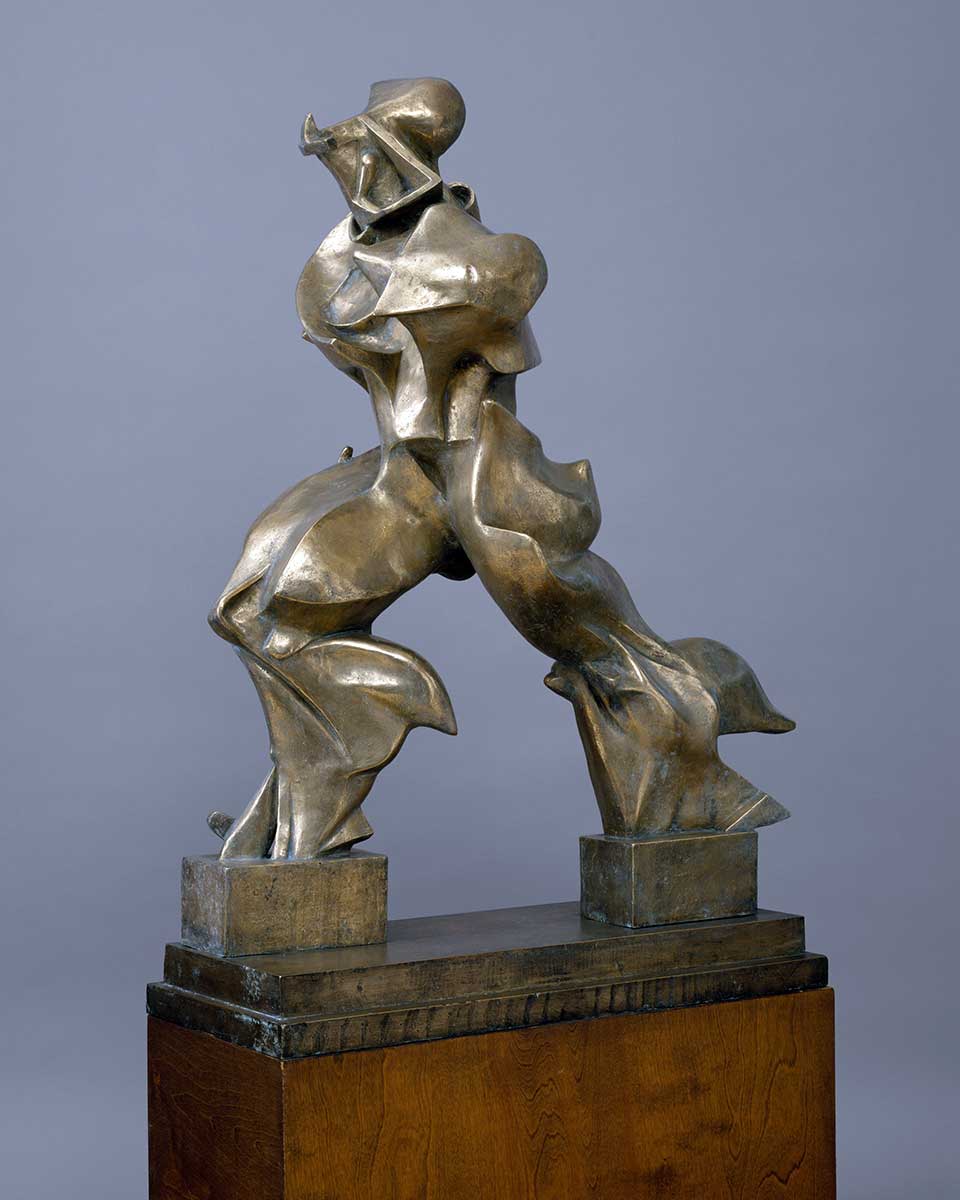
Another famous Deleuzian quotation from Spinoza is “we do not know what the body can do.” This is the most powerful challenge to the history of Western thought, where philosophers from Plato to Descartes took consciousness to be the real root of what it is to be human. The body was considered secondary, unreliable, corrupt as a source of knowledge. Spinoza reverses the hierarchy.
For Deleuze, Spinoza comes to dissolve the distinction. The mind and body are two parallel attributes of the same substance, neither dominating the other. The conscious mind is no longer sovereign in human life. The mind has become partial, just like the body.
The body therefore constitutes a field of underlying capacities and relations, whereby human beings feel emotions, wants, and transformations without knowing the conditions that produce them.
Just as the body expresses powers which exceed conscious intention, thought must also be understood in its underlying, unconscious dimension.
This understanding, Deleuze would go on to argue, would slowly unfurl towards a radically new idea of human existence grounded in affect, intensity, and becoming.
This line of thought would be important for much of Deleuze’s later work, where the question is not of what a thing essentially is, but rather what it can do, what relations it can enter into, and what forces it can sustain.
The body, therefore, is not the passive object of consciousness but an active web of powers linked to the environment it encounters. Accordingly, the ethics Spinoza proposes is an ethics of capacities and experimentation rather than of obedience and abstention.
The Three Illusions of Consciousness
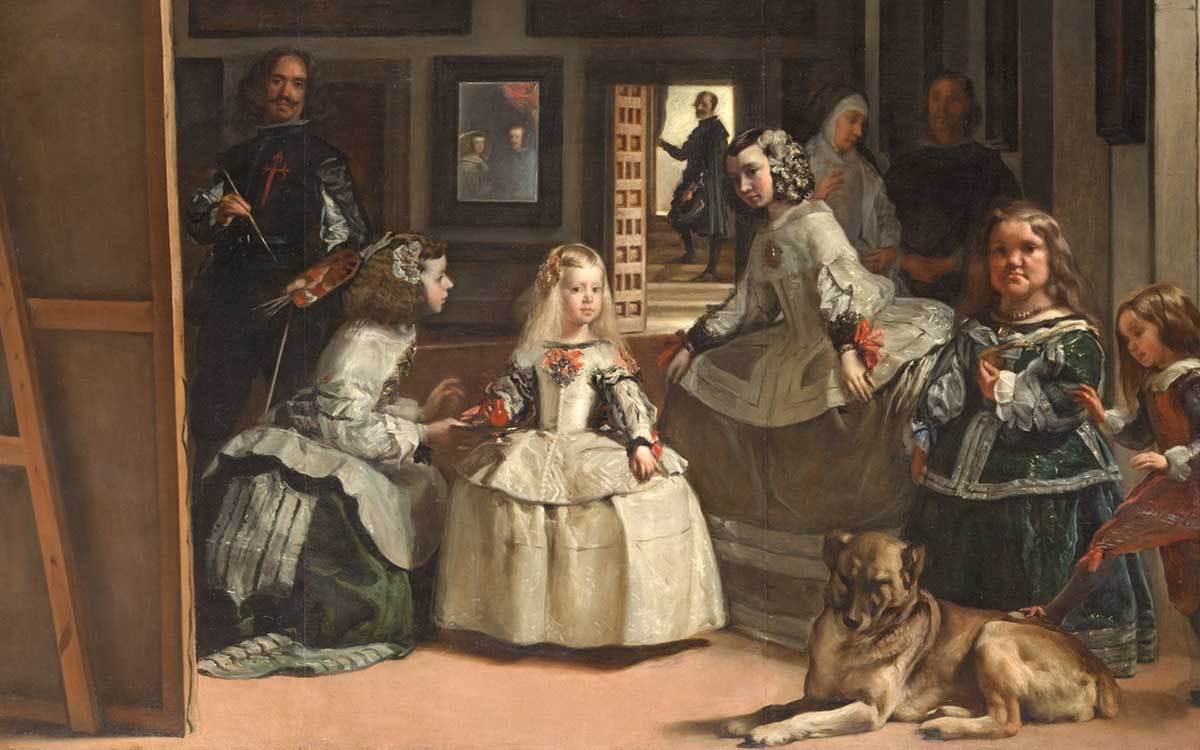
Spinoza holds that the human mind has no direct knowledge of the truth, but only perceives the effects of things, while overlooking their true causes. Humans are aware of their desires and emotions, but seldom aware of the relations through which they arise.
Deleuze notes three specific illusions of consciousness: the first is the illusion of final causes. Nature must be for the use, or, as it is usually expressed, for the sake of man, because the world of nature is interpreted as a system answering to human ends.
The second is the illusion of free will, or the idea that we have, and know, our desires, which causes us to believe we are free choosing subjects.
Thirdly, humans see such fallacies projected onto God as a great moral ruler who makes the world work through conscious intention and punishment.
For Deleuze, these are not benign errors of thought, but means of domination. When people believe that they are guilty before a transcendent authority, they submit more readily to fear, obedience, and shame.
Morality is thus dependent upon misunderstanding causality and is not about how bodies, affects, and social relations function. Morality punishes individuals according to the abstract categories of sin and responsibility.
Freedom, for Spinoza, is knowing the causes that determine us, as well as the effects caused by those causes. The more we become aware of the relations that shape our passions and ideas, the more we can act. This appealed strongly to Deleuze, as it replaced morality with knowledge and understanding. Or, as Descartes would have it: With clear and distinct ideas.
The Joy of Power and the Sadness of Tyranny

The distinction between joy and sadness provides a fundamental ontology for a Spinozist ethics. Spinoza argues that emotions are not merely private feelings but indicators of changes in a person’s power to act. Joy occurs when encounters increase our capacities and allow us to become more active. Sadness is a result of lost capacity for action when our power is diminished, when the relations that make up our identity become decomposed.
Deleuze sees the political implications of Spinoza’s metaphysical system. Traditional systems of morality rely on the production of sad passions to maintain authority. Guilt, fear, shame, resentment, and self-hatred are fundamental passions that weaken individuals, making them docile and governable.
Deleuze repeatedly returns to the figures of the tyrant, the priest, and the slave. All three are interconnected through the sad passions. Tyrants require fearful populations, priests require guilty consciences, and resentful individuals seek meaning through condemning life rather than affirming it.
Deleuze sees Spinoza as a philosopher of affirmation. Instead of cultivating suffering in the name of virtue, the ethical subject should seek joyful encounters that expand their capacities. Within joyful relations, bodies and minds enter into compositions that strengthen one another. Joy moves individuals closer to activity, creativity, and freedom. Sadness, by contrast, traps people in passivity and dependence.
Joy is a deep and complex emotion, not devoid of seriousness and different from optimism. It is an increase in power, an intensification of existence. Deleuze admired Spinoza as a practical art of living, rather than a punitive institution. Thereby, the purpose of an ethical system becomes learning how to organize encounters, relationships, and forms of life that maximize joyful activity while minimizing the forces that diminish human potential to act.
Ethics as an Ethology of Relations and Capacities
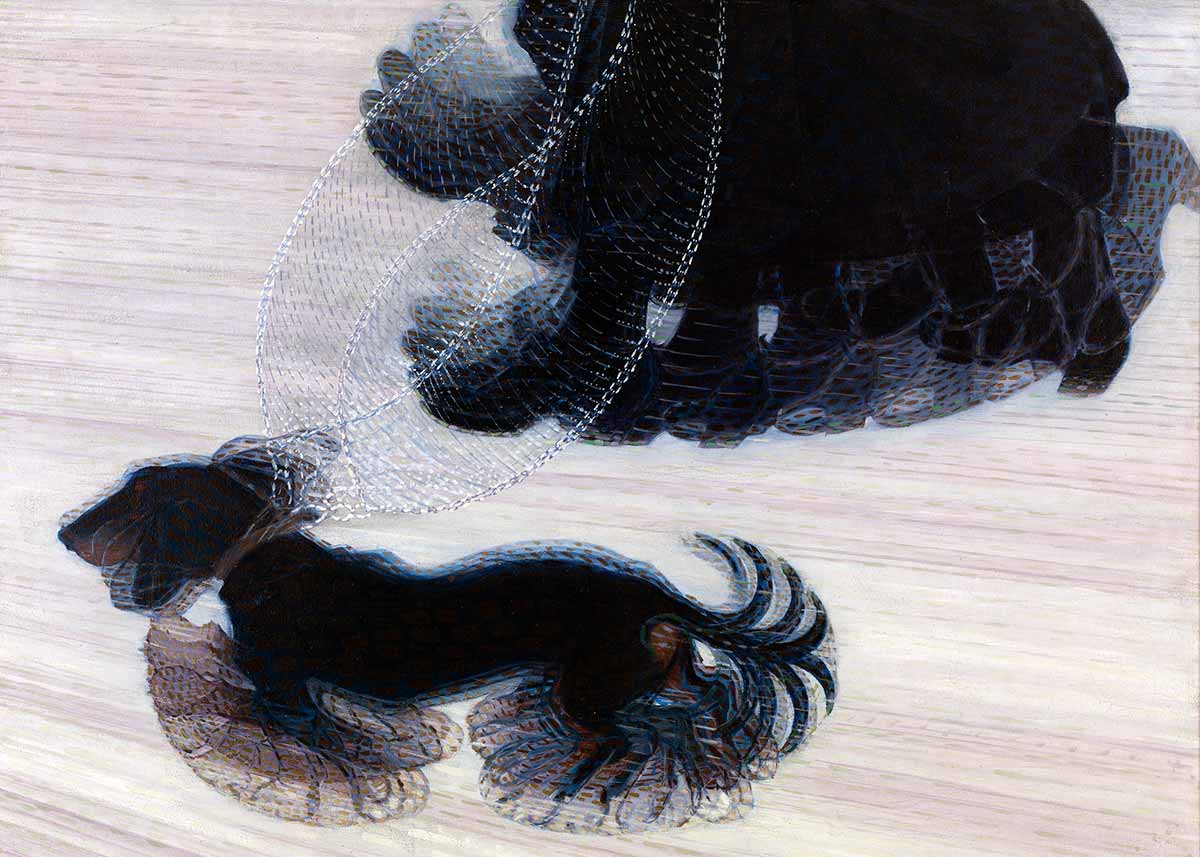
Deleuze advocates for a Spinozist ethology as a substitute for traditional morality. Such an ethology would concentrate on the factual, affective reality of bodies in motion: the capacities, the experiences, the various potentials for self-transformation.
The different relations of composition and decomposition that they can enter into. The shift from a morality to an ethology, as a study of corporeal capacities, will radically alter the meaning of ethics.
Traditional morality judges action according to its conformity to a universal rule. Spinozian ethics poses the question concerning a being’s power to exist. What enhances power and results in the diminution of power? Every individual is a body, an extended thing, and a mind, a thing of thought. Each body has a system of relations that constitute its identity. Everybody is capable of affecting and being affected. Ethics, or ethology, becomes the science of attending to and describing these multiple relations.
Spinoza’s ontology is no less revolutionary than his ethics. Bodies and minds are interpreted as dynamic processes. They are constantly entering new relations, encounters, undergoing transformations, and developing or losing capacities.
Spinoza offers an anti-universalist project that is surprisingly resonant with post-modernism. Something empowering in one context may be destructive in another. Ethical thought must therefore remain attentive to singularity, circumstance, context, and difference.
Deleuze has used the concept of power and capacity in multiple other instances in his work. His critical thought interrogates social systems that organize desire, channel affects, and shape possibilities for being and becoming.