
What frightens humans more…monsters or absolute nothingness? The ancient Greeks were disturbed by the notion of empty space. They had to think that the whole universe was ordered, meaningful, and structured. An entirely empty void seemed incredibly frightening because it threatened a lot more than physics. It put morality, one’s sense of identity, purpose, and the stability of existence into question. If “nothing” could actually exist, then maybe reality was not even governed by reason or harmony after all.
Why the Greeks Believed “Nothing” Could Not Exist
To begin with, we must see the background for why the void itself can’t exist. To a lot of Greek philosophers, “nothing” was almost impossible to picture rationally. Parmenides popularized this argument when he said that “what is not” simply could not exist in any form. Even thinking about nothingness itself was considered to be against his view.
After all, how could we even think about something that doesn’t exist?
Parmenides believed that existence and thought were very deeply connected. If humans can think about something, then, in some way, it’s already “there.” This meant an absolutely empty state was seen as impossible. Reality had to be complete, continuous, and organized.
This idea shaped the Greeks. They equated being with order, reason, and intelligibility. The universe was expected to be rational. On the other hand, a void represented chaos and irrationality.
Fear wasn’t just physical, however. It was also psychological.
If nothingness could exist, then perhaps reality would be without any structure or purpose. That very idea bothered Greek thinkers, since their philosophy was always seeking harmony and cosmic meaning.
Modern people still experience these same fears. Many individuals struggle with feelings of existential emptiness or the notion that life may not contain much meaning. Humans naturally look for patterns, explanations, and structure because an undiluted uncertainty feels very scary.
The Greeks grasped onto this anxiety quite early.
To them, the void wasn’t just empty space. It symbolized the terrifying possibility that reality may not have a truly solid foundation at all.
Aristotle and the Looming Threat of Empty Space
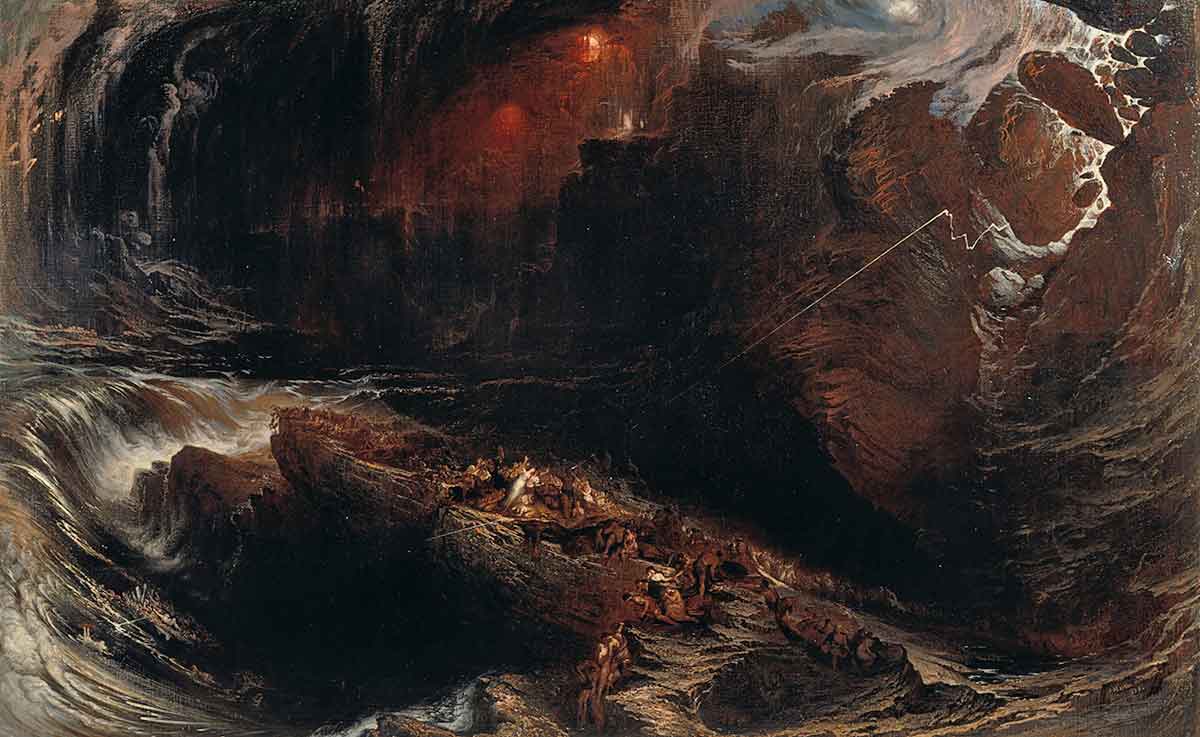
Aristotle forcefully rejected the notion of an empty space in Physics, Book IV. The Latin phrase horror vacui (“nature abhors a vacuum”) is a later Scholastic rendering of his view.
According to Aristotle, the universe naturally resisted a state of emptiness. He believed movement needed something to it. Objects travel through air, water, or some material. An empty space would have been thought impossible since nothing could either act upon or pass through absolute nothingness.
For Aristotle, the cosmos was complete, connected, and meaningful. Everything had a place and function. The stars moved in orderly patterns. Nature is inclined toward balance and meaning.
A vacuum threatened the entire view of the world.
Empty space implied disorder and randomness. It suggested there might exist regions of existence disconnected from purpose or structure. Aristotle found this idea extremely hard to believe.
Greek cosmology reflected this fear very strongly indeed. The universe was imagined as a harmonious system in which every single element was logically and naturally connected. The idea of meaningless emptiness felt unnatural and almost repulsive.
However, modern science was destined to challenge Aristotle’s view one day. Physicists were later able to discover vacuums and what we see in outer space themselves. Even now, empty space isn’t really “empty.” Quantum physics will show us continuous activity, particles, and energy changes always taking place within what appears to be a void.
In a way, modern science has somewhat gotten back to that feeling from old Greece, with the actuality of nothingness.
Humans still struggle to picture absolute emptiness because the mind automatically searches for order and presence.
Aristotle perceived this psychological disposition thousands of years ago. To the Greeks, an empty universe did not merely appear scientifically wrong but felt unbearable.
Chaos Before Cosmos: The Greek Fear of Disorder
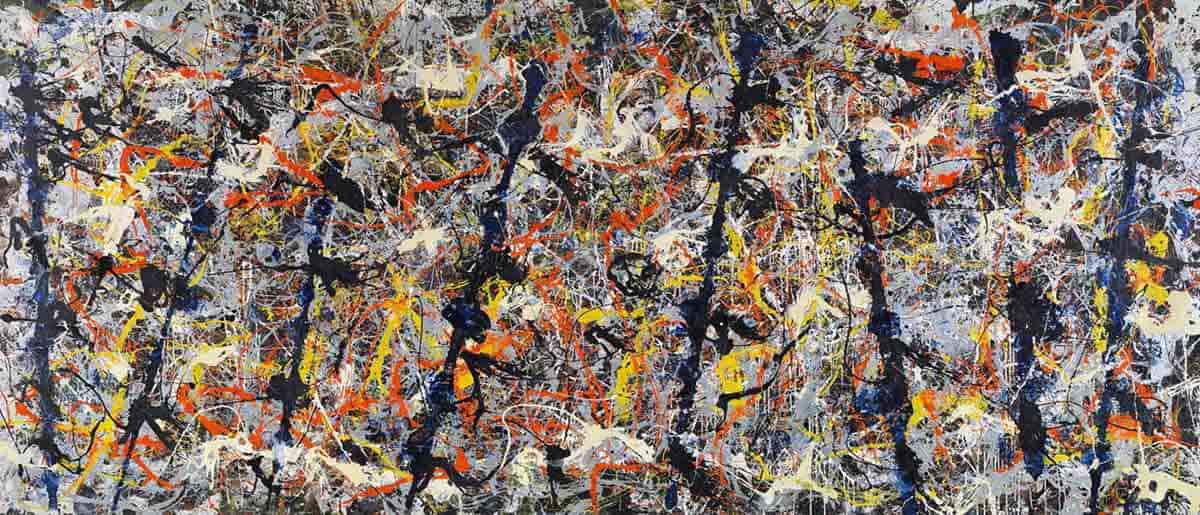
Let’s turn to Greek mythology. It begins with a quite startling notion that before order even existed, there was chaos. This wasn’t, in our modern understanding, solely chaos as confusion. Chaos was pictured as a boundless, undefined chasm existing before formation, shape, or meaning emerging.
The Greeks were deeply afraid of this.
Greek civilization continually attempted to impose order on reality. Their architecture showed a concern for both symmetry and proportion. Their philosophy constantly sought out rational systems. Their politics continuously sought to build structured societies governed by law rather than chaos.
The void was seen as essentially the opposite of everything they held valuable.
To the Greeks, absolute emptiness signified complete instability and complete unpredictability. Without formation, your very identity becomes indistinct. Without order, reality seems virtually impossible to truly grasp or manage.
This fear repeatedly appears in Greek tragedy. Characters quite frequently try to escape disorder or their fate, only to be trapped by forces far greater than themselves. The collapse of the structure carries quite a threat.
Modern societies also continue to experience these anxieties. An economic collapse, political instability, and the disintegration of society foster fear because humans depend on orderly systems to feel certain.
The Greeks learned this psychologically. People are often required to have set routines, preconceived notions, established customs, and institutions because an absolute lack of information produces existential anxiety. Chaos actually poses not only a high risk to survival but also to the meaning of existence.
This is the reason why Greek philosophers became hopelessly fascinated with harmony, balance, and the ultimate cosmic order.
The void became symbolic of all things unstable and completely beyond control. And perhaps that fear has never truly ceased to be part of the whole of human civilization.
Democritus, Atoms, and the Radical Acceptance of the Void
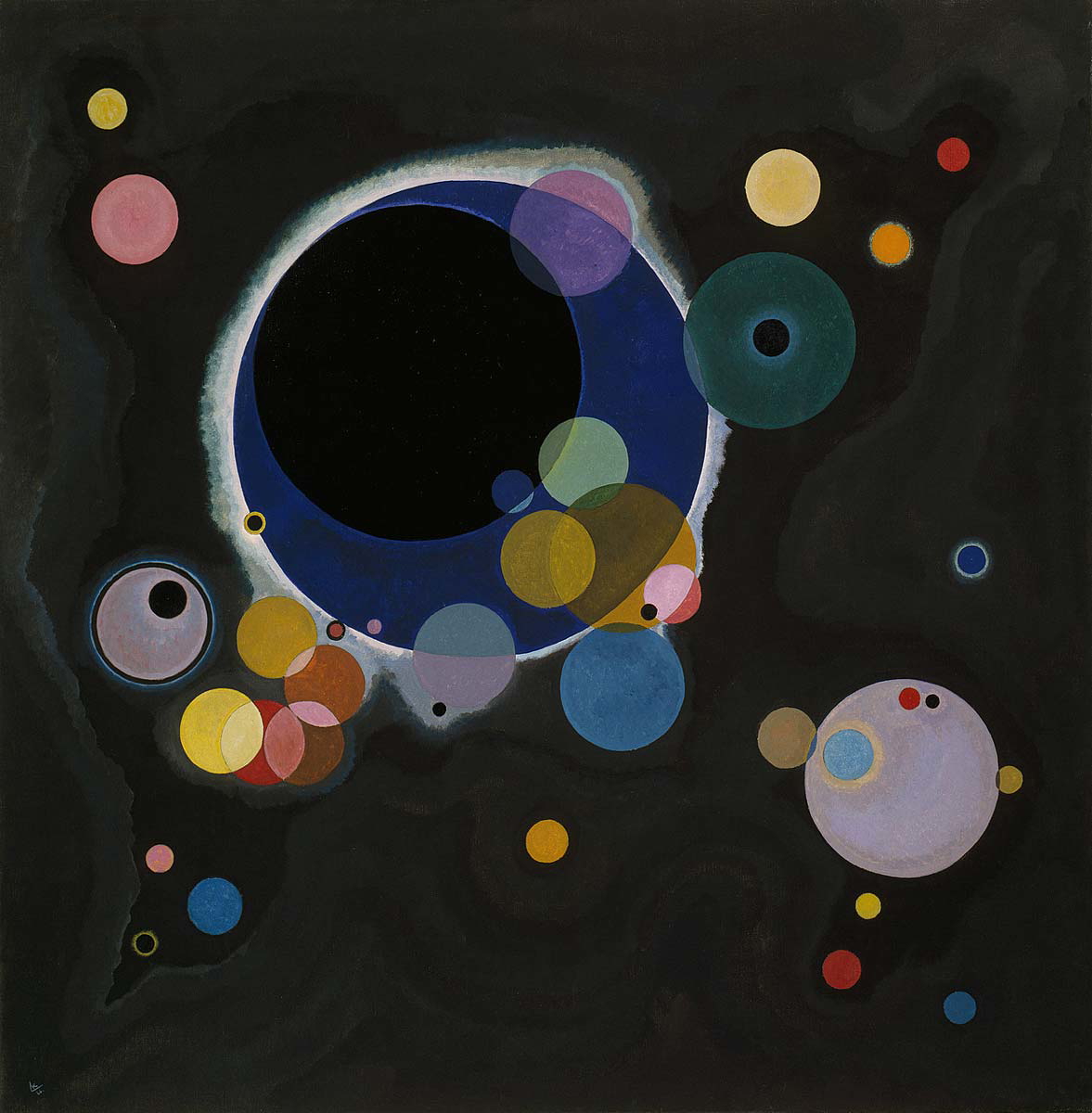
What if the universe weren’t precisely ordered at all times? What if everything that surrounds us is simply atoms floating through a complete void?
While many Greeks were afraid of nothingness, Democritus absolutely accepted it. Together with the atomists, he introduced one of the most radical ideas in ancient philosophy: that reality consists of tiny, invisible atoms moving through empty space.
To many Greeks, this would have sounded frightening.
Unlike Aristotle, Democritus believed that the void was required for motion. Without some empty space, atoms could never move, collide, combine, or create the whole visible world right around us.
In this philosophy, the emptiness actually forms part of existence rather than being its opposite.
That idea transformed everything. Reality no longer depended on a divine order or cosmic reason. Instead, the universe emerged from these unseen particles, continuously moving through the void.
Modern science actually came close to this very old theory. Atomic physics, quantum mechanics, and cosmology all describe the hidden structures that form reality itself beneath our everyday experience.
Democritus was far ahead of his time.
However, many Greeks opposed atomism because it threatened traditional notions of meaning and order. If existence results from atoms moving at random through a complete void, then maybe the universe doesn’t have a predestined purpose at all.
That possibility must have seemed quite disquieting. The atomists made philosophy confront the questions we ourselves are still asking today: does reality itself contain built-in meaning, or do we make meaning ourselves within an indifferent universe?
Democritus accepted uncertainty in a way that many of the other ancient thinkers were not able to do. And perhaps that’s exactly why his philosophy will feel so modern even today.
Why the Void Threatened Greek Ideas of Meaning and Identity

For the Greeks, the void presented an even greater threat than physics. It threatened meaning.
Greek philosophy most frequently linked morality, identity, and the purpose of humans to the cosmic order. The universe was seen as orderly, rational, and full of meaning. People found their position within the grander harmony.
But a void suggested something terrifying: what if existence doesn’t come with a predetermined direction at all?
This fear appears quite clearly in later existential philosophy as well. Jean-Paul Sartre argued that people are “hurled” into existence without preordained meaning. Friedrich Nietzsche warned that modern society might struggle after losing faith in the cosmic order and objective values.
In so many ways, these present-day anxieties were already present in ancient Greece.
The void was a symbol of the collapse of certainty. Without a structure, morality feels very unstable indeed. The self is rather uncertain. Human life may seem both temporary and directionless as a result.
Psychologically, humans naturally resist this feeling themselves.
People are ceaselessly looking out for patterns, explanations, and systems because an empty space causes them anxiety. Religions, philosophies, customs, and political systems are thus always ready to offer an escape from the fear of non-existence.
This possibility haunted ancient Greek and Hellenistic philosophy for centuries to come.
And it still quietly haunts everyday life.
Why the Ancient Greek Fear of the Void Still Exists Today
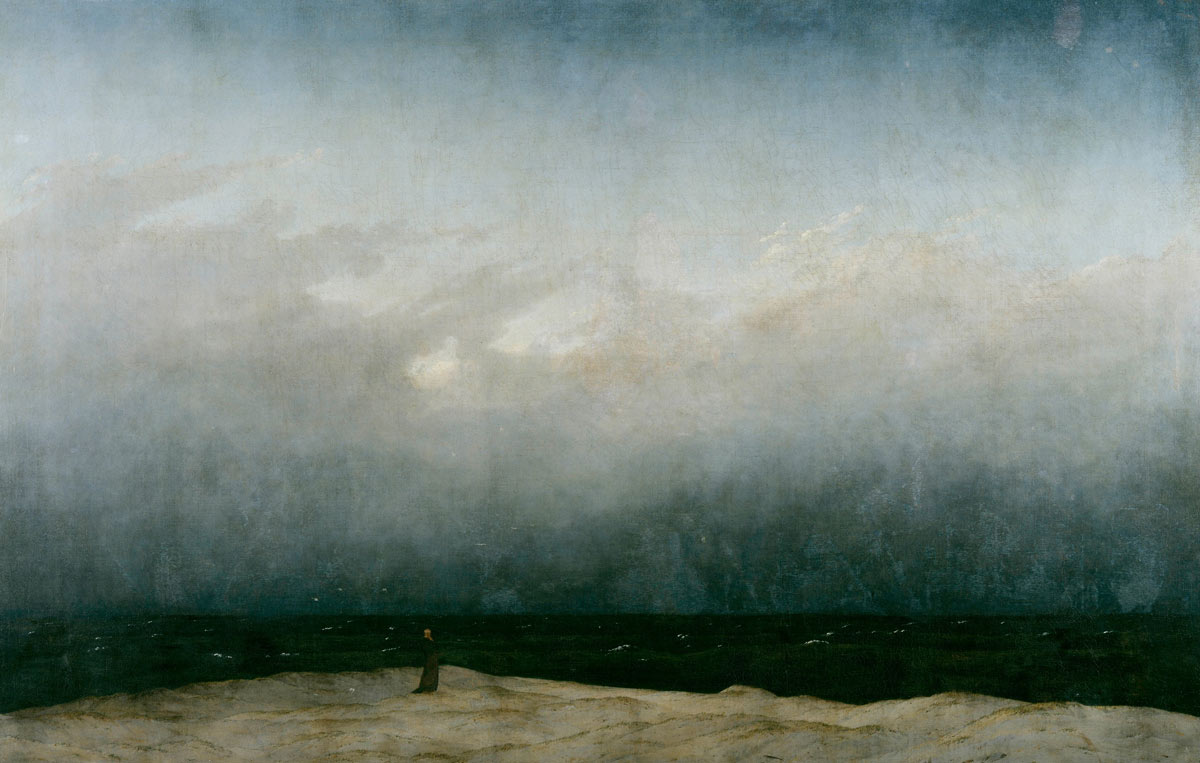
Ancient Greece’s fear of the void never really disappeared. Today, emptiness continues to terrify people emotionally and psychologically, even though it takes on somewhat different forms. The modern “void” is often seen as loneliness, boredom, existential anxiety, or the uneasy silence that appears when distractions disappear.
Our modern society always strives to fill that emptiness.
Mobile phones, social media, streaming platforms, and endless noise all help people avoid sitting alone with their thoughts. Many people are so frightened by stillness that they’d much rather keep themselves constantly distracted than face uncertainty head-on.
The Greeks would immediately spot this behavior.
For them, the void was never just the empty space. It symbolized a terrifying idea: that existence might lack an assured meaning or order altogether.
That anxiety of missing out on life and life becoming empty still determines us everywhere. People pursue productivity non-stop, craft their identities online, and fill their schedules partly because they’re trying to escape that emptiness.