
What if absolutely everything that surrounds you, your memories, your feelings, even the screen that you are reading this on, is simulated on a computer? It may sound like science fiction, but people like Elon Musk and Nick Bostrom have treated the notion with seriousness. Since the movie The Matrix, pop culture has played with the idea that our reality is not really our reality. Beneath the fictional story lies a profound puzzle for philosophy. Let’s discuss the simulation hypothesis as a serious exercise rather than a fantasy of technology.
What Is the Simulation Hypothesis?
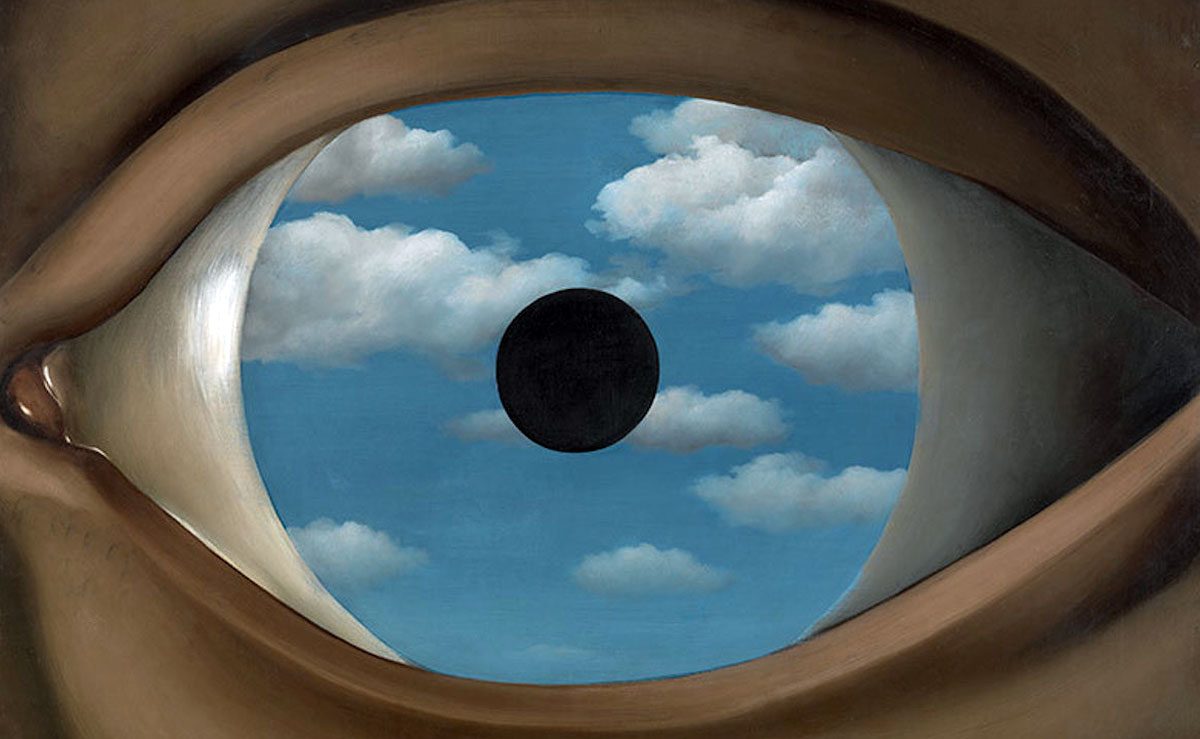
The simulation theory proposes a far-out notion: that the world as we know it could be a simulation constructed by a highly advanced civilization. Imagine The Sims, but way more realistic and detailed. Philosopher Nick Bostrom brought this notion into the spotlight back in 2003 with his “simulation argument.” But he did not say that we live in a simulation, only that one of the following three things is necessarily so:
- Advanced civilizations almost always go extinct before reaching a posthuman stage capable of running such simulations.
- Advanced civilizations just don’t bother simulating their ancestors.
- Or we’re probably living in a simulation.
Why? Because if simulated worlds are possible and easy to make, there could be billions of them, but only one real world. So statistically, we’re probably in one of the fakes. It isn’t a conspiracy theory but a rational philosophical problem. It’s grounded on probabilities and reason, not clandestine extraterrestrial laboratories. The theory doesn’t suggest anyone is misleading us.
Rather, it questions what is “real” and how we would know it is unless we weren’t. It is a brain-twisting exercise that questions what we accept as true, much like Descartes, Plato, and other traditional philosophers did hundreds of years ago.
Plato’s Cave and the Illusion of Reality
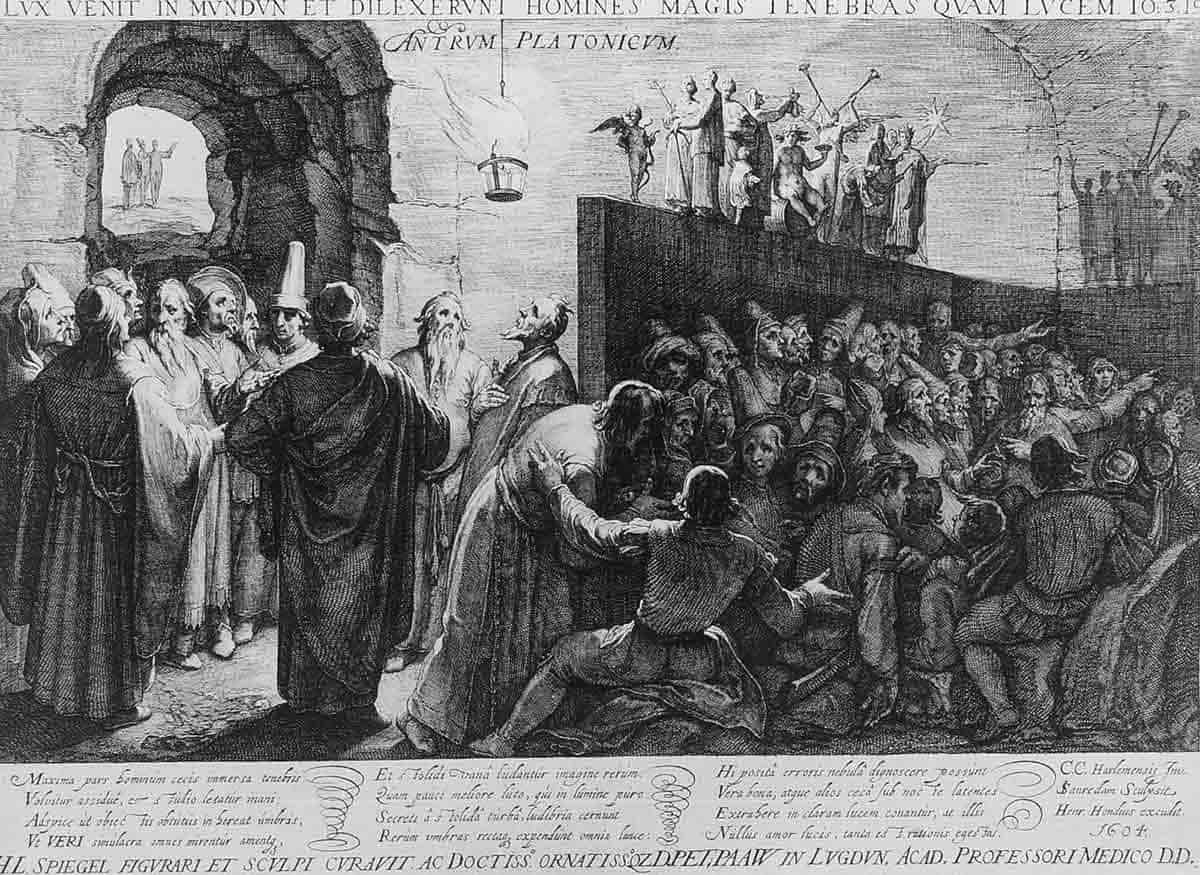
Plato pondered the nature of reality way before computers and video games: What if life is just a simulation? In his Allegory of the Cave, the ancient philosopher asked readers to imagine prisoners who have been chained up in a cave their whole lives.
These unfortunate individuals can only look at one thing: shadows flickering on a wall, cast by objects behind them. To the prisoners, the shadows are the world, and they don’t realize there is anything else. Now replace those shadows with pixels and caves with lines of code. Welcome to the simulation hypothesis, which asks whether our world isn’t “real” but instead merely a very detailed computer-generated scenario akin to an advanced video game.
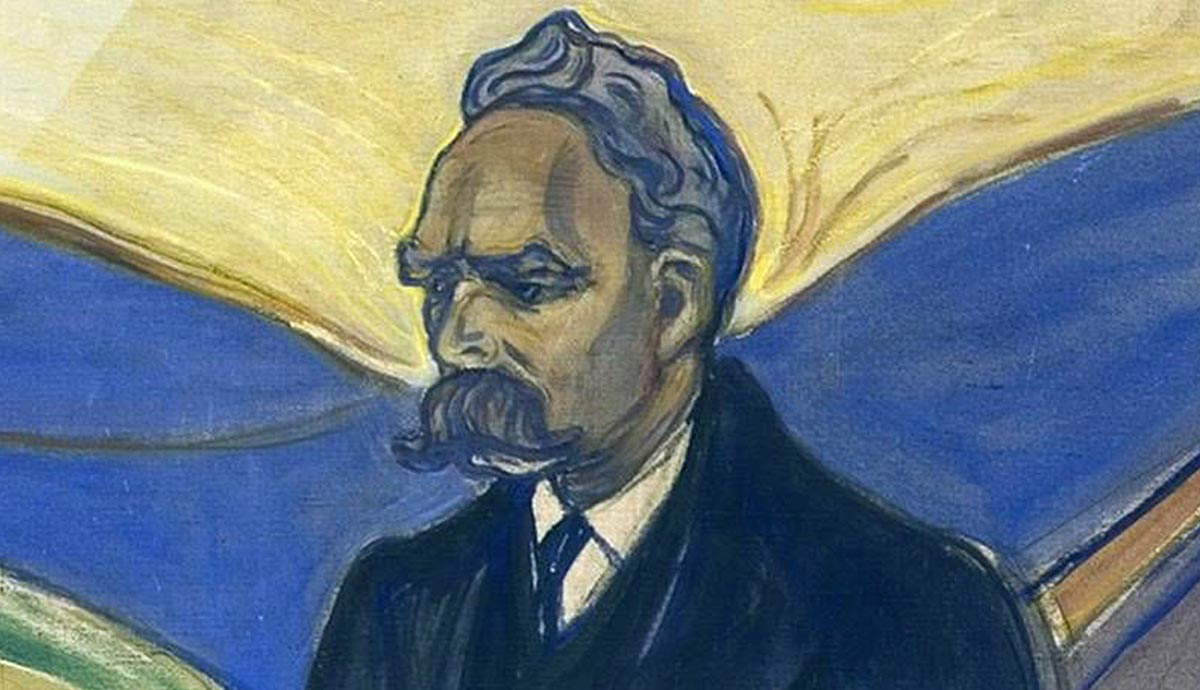
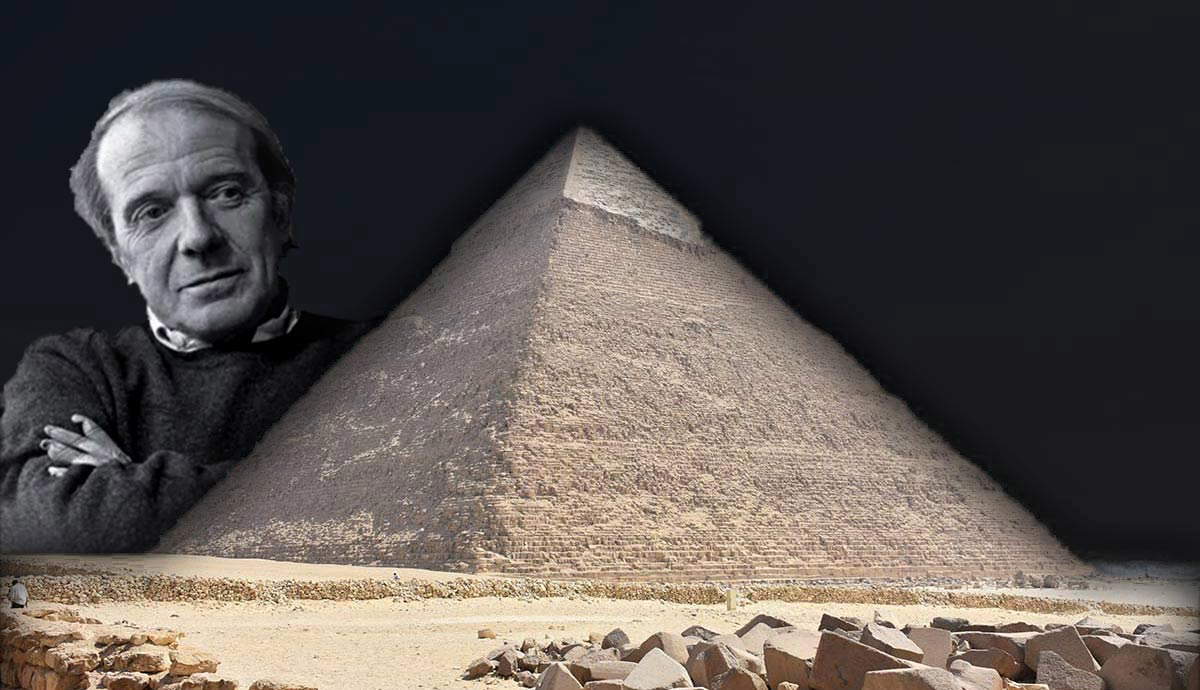
Descartes questioned whether he was being deceived by an evil demon. Baudrillard believed that we exist in a world of simulations (copies without an original). These philosophers did not have VR headsets, but they were very interested in appearances versus reality. The simulation notion simply adds new technology to an old puzzle. A cave, a dream, a computer grid, whatever it is, the reason remains the same: we may be confusing the surface with the truth. It is philosophy reborn for the modern world. And it makes us remember that certainties about what is real could be a lot trickier than they seem.
Could We Ever Know We’re in a Simulation?
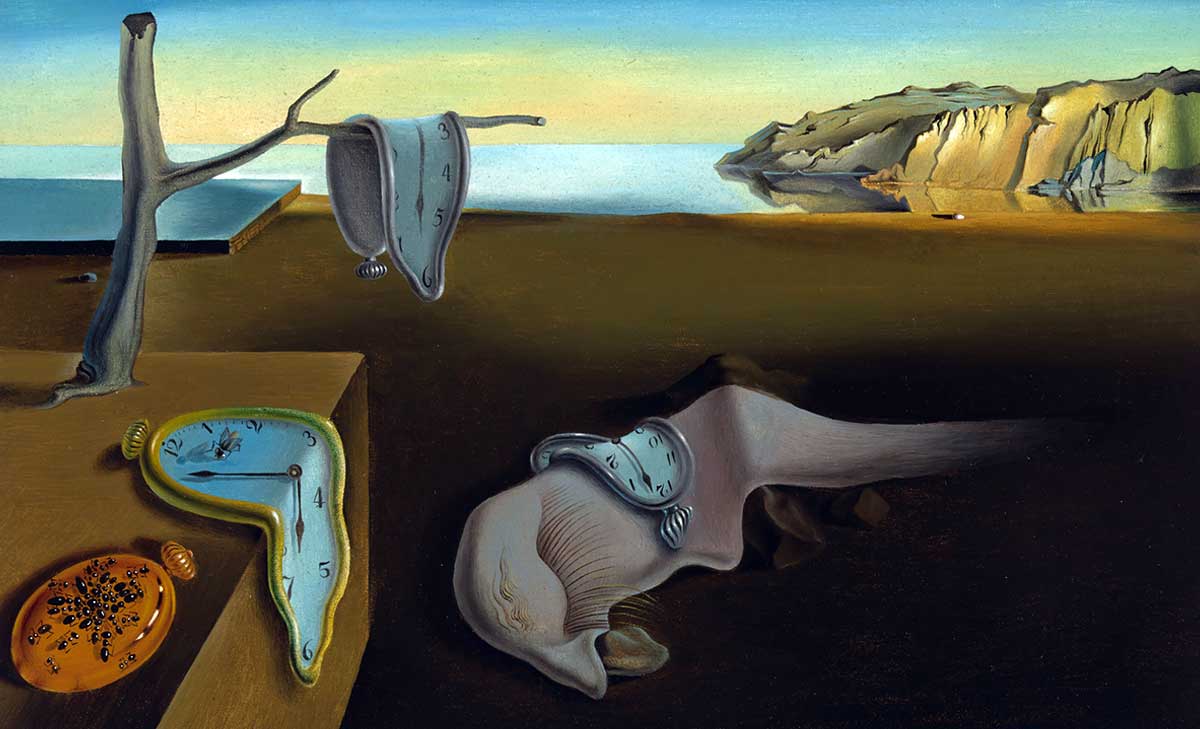
Is it possible to determine whether we are living in a simulation? This is the main question in epistemology, which deals with how we know what we know. If everything, including thoughts and senses, is being simulated, there is no way to step outside the scenario and verify (or falsify) that claim.
In the 1600s, the philosopher René Descartes wrestled with this. He asked himself whether an evil demon might be deceiving him. Could there be an alternative reality so cleverly constructed that he simply could not tell?
Today, we talk about the “brain-in-a-vat” hypothesis: What if your brain has been removed from your body and placed in a vat of nutrients that keeps it alive? The brain is connected to a super-duper computer that feeds information from sensors on board, giving it the impression there is a world out there beyond the vat (and its own cogitating circuits).
Here’s the problem: If everything in our world is part of an incredibly sophisticated computer program, how could we ever know? All the evidence that you’d get would be inside the program. There would not be any “outside” to compare things with.
There might be ways to pick up on errors or glitches in the system, such as déjà vu (feeling like you have seen something before when you haven’t), odd coincidences, or things happening that don’t make sense according to known laws of physics. Then again, maybe not. Maybe it is done so well that no one has yet noticed.
So here is the strange twist: even if we were living in a simulation, there might be no way of finding out. And this is more than an abstract philosophical argument. It means there could be aspects of the world (as we think we know it) that are incomplete or incorrect, though they’re the best we can ever do.
Consciousness and Simulated Beings
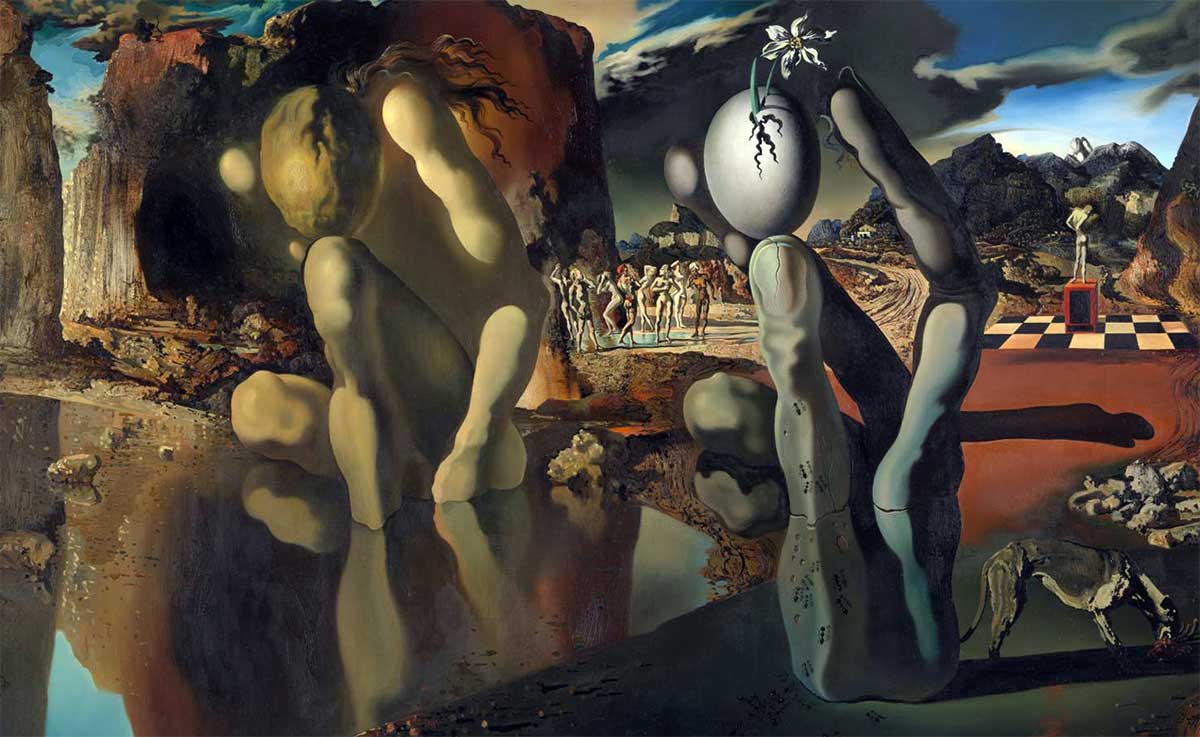
If we exist within a simulation, an important query emerges: What are the implications for consciousness? Might we be nothing more than highly developed code? Alternatively, could our thoughts and feelings, our dreams and experiences, possess a different, deeper essence? Some philosophers answer affirmatively. Consciousness, they argue, could indeed stem from code. This is the idea underlying functionalism: that if a system acts like a conscious entity processing information and reacting to stimuli in ways that resemble our own responses, then it is conscious, whether made of neurons or silicon chips.
On this view, an extremely sophisticated simulation running on some future mega-computer might well create minds that have qualia as rich as our own, not just beings that act as if they feel things. However, some pose the question: What makes an object feel real internally? One theory, panpsychism, suggests a possibility that maybe all particles have minuscule amounts of consciousness.
Integrated information theory (IIT) takes a different approach. It assesses consciousness by measuring how much information a system can integrate in a unified manner. According to IIT, a network (even a digital one) or something that has a brain may one day become conscious. If conscious beings (simulation people like us) exist, then we are not mere game characters but perhaps creatures with moral significance—deserving rights, respect, and care because they are valuable for their own sake. Far from complicating matters further, it seems likely these considerations alone might help solve some puzzles surrounding why anyone would think simulations were important at all.
Moral and Existential Implications

If life is just a game, do thoughts and actions still have meaning? Some say no. But if we are simulated beings, then everything we feel or do, including whether to rebel against those running the simulation, does indeed matter. In fact, being part of such a setup might give existence new depths: Are the simulators divinities? Like Deist gods who brought the world into being and now watch from afar, as some thinkers have compared them with others, seeing as more involved cosmic programmers continually revising what will happen to their virtual creations (us)?
It echoes age-old existential questions about fate, freedom, and whether there could be an ultimate purpose to our lives, even though these may be ones and zeros in an alien computer system.
There is also a moral dilemma: Is it morally acceptable to shut down a simulation that contains sentient beings? Would doing so be akin to ending actual lives? If our feelings of pain and pleasure are indeed conscious experiences, then these entities, whether simulated or not, merit moral concern.
Thus, existing within a simulation may not deprive our lives of meaning. Rather, it forces us to confront the question of what gives human existence purpose. Far from being futile, this exercise could make life feel even more valuable.
Should We Care Either Way?
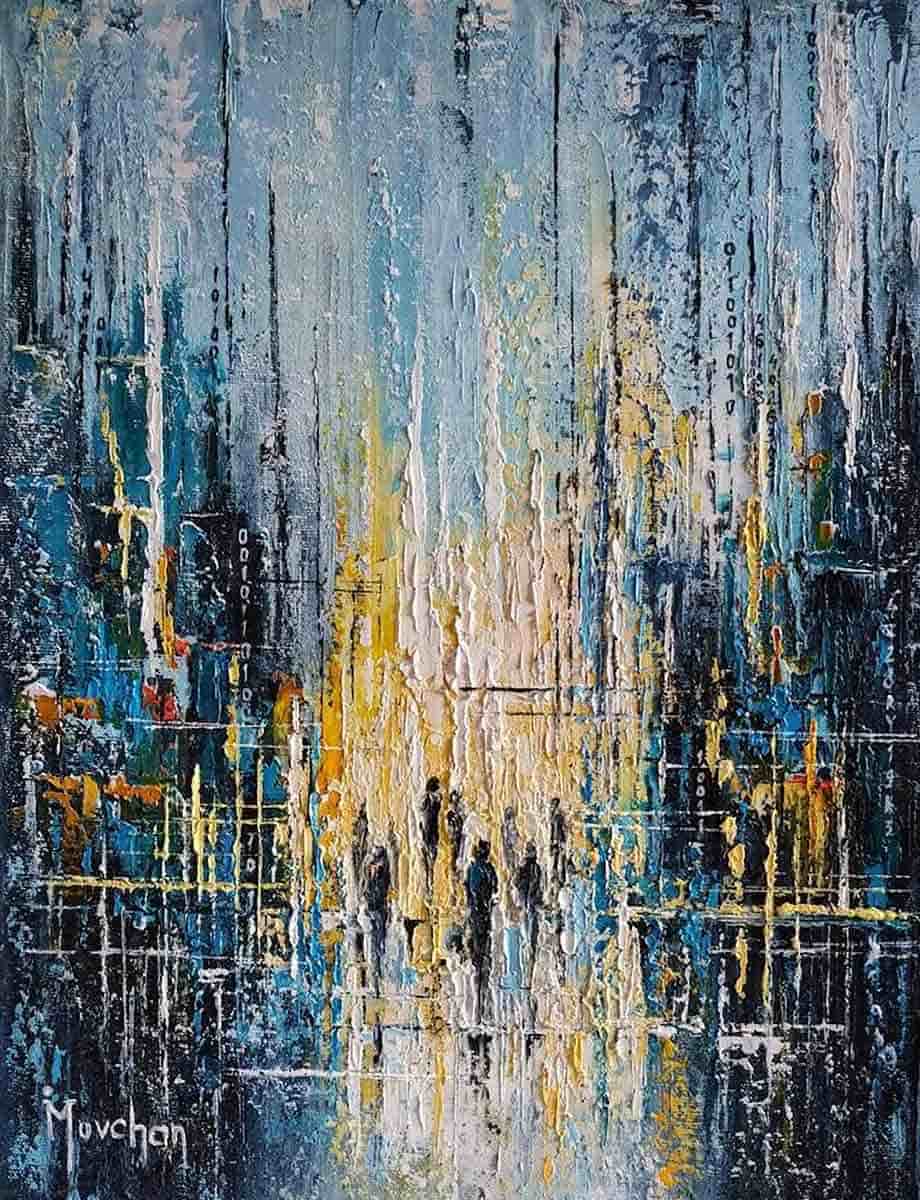
Consider this: If our world is a simulation, does it really matter? This is what some philosophers call “simulation indifference.” If your feelings, thoughts, and daily experiences seem real to you, if you love your family or enjoy an espresso in the morning, then why worry about whether they are made of atoms or code?
William James and Richard Rorty were pragmatists. They might say: No, it doesn’t matter at all. For these two men (as for all pragmatists), something is true if it works right and if using it helps you get along in the world or achieve goals like building friendships or making scientific discoveries.
However, simulation theory still alters our way of thinking. It makes us doubt what lies beneath the surface. It tells us that seeing is not always believing, that technology distorts reality, and that the world may be more complicated than it actually is. Even if we never do prove that we’re simulated, the suggestion makes us glance at what being aware is.
Ultimately, simulated or otherwise, the same fundamental questions remain: What is consciousness? What is the truth? What do we do with our lives?
Perhaps it isn’t important whether or not our world is a simulation. What is important is how we live it. And that is the part that is under our control.
So, Do We Live in a Simulation?
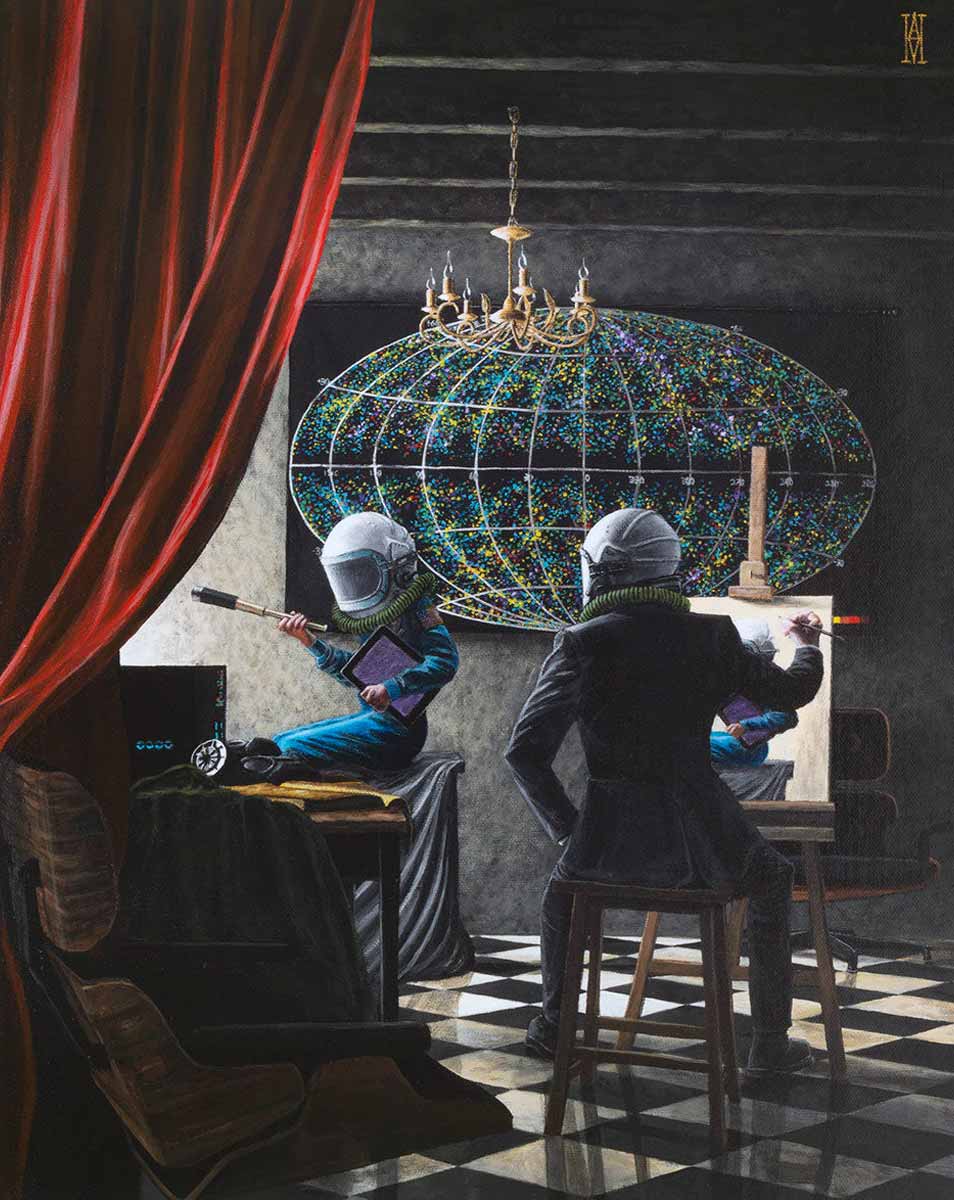
From Plato’s cave wall shadows to artificial intelligence consciousness and virtual reality, the simulation hypothesis resonates with humanity’s most ancient questions regarding what is real. Whether philosophers such as Descartes envision misleading demons or current thinkers like Nick Bostrom suggest virtual universes, the concept challenges us to question the essence of perception, consciousness, and truth.
Even if we come no closer to definitively showing that we are simulated, the notion encourages us to see the world differently and pay attention to things that may be glossed over or unnoticed at first glance. Ultimately, maybe the actual problem isn’t whether this world is “real” or coded, but rather a choice about how to exist within it. Knowledge that the world is possibly a simulation may not provide the answers, but it puts a sharper point on the questions that truly matter. And that may be the most real of all things.