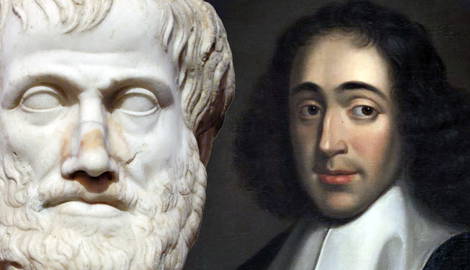

Within the scope of metaphysics, the term “substance” occupies a crucial space. It’s a term that’s well known among all the philosophers who meddled in metaphysics because many of them have used it to define Being and determine the underlying nature of reality. Aristotle was the first to formalize “substance” (ousia) into a comprehensive and highly developed metaphysical system. As a result, his metaphysics became very popular and influential.
Aristotle and Substance
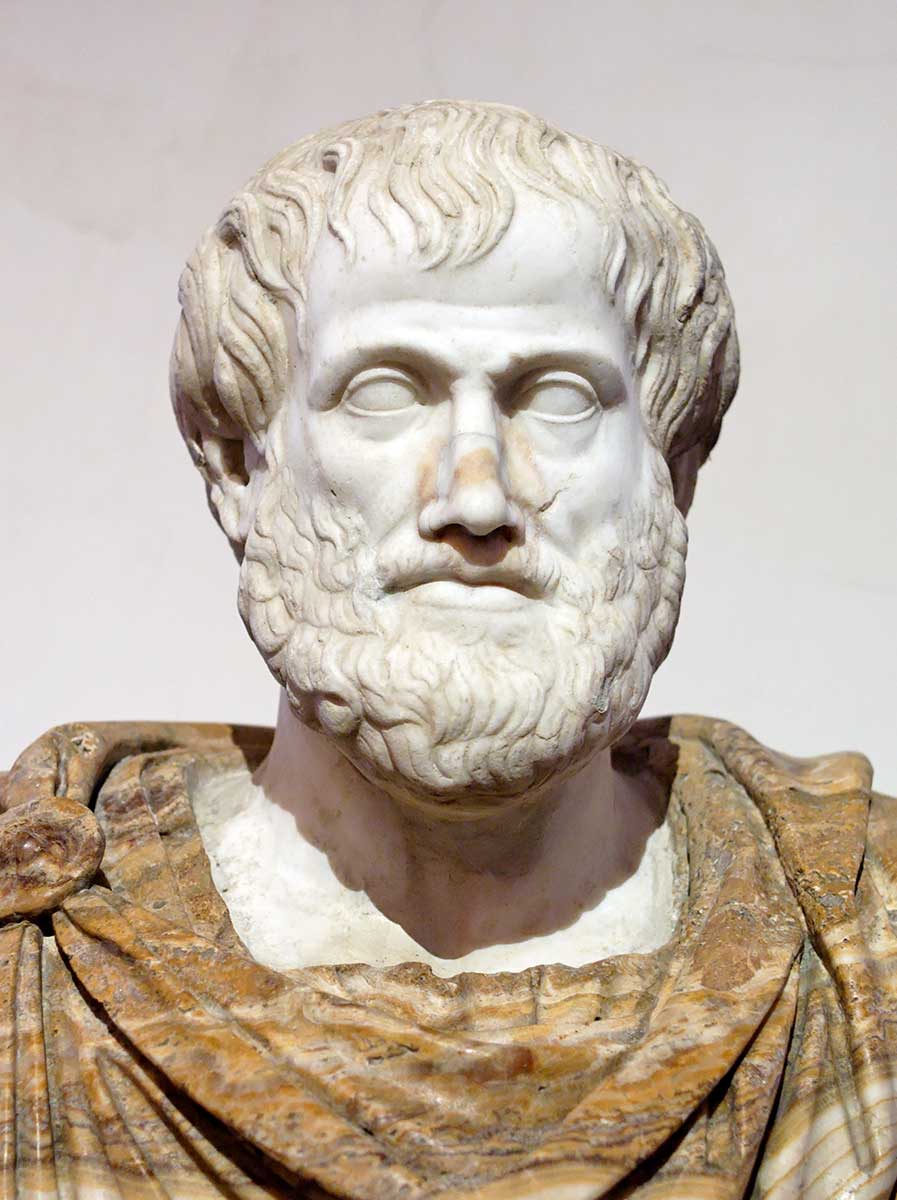
Aristotle was the first one to use the term “substance.” Just like his predecessors, he was trying to locate and identify the ultimate Being, the first thing to ever exist in the universe, the being that caused everything else to come into existence, and the ultimate underlying nature of reality. Most of his predecessors identified Being as one of the four elements. For example, Thales said that Being is water because it can be located in all living beings and entities. Anaximenes said that the Being is air, while Heraclitus identified it as fire.
Aristotle, on the other hand, identified primary reality as substance (ousia). Rejecting the strict materialism of his predecessors, he developed the framework of hylomorphism, arguing that substance is a composite of both matter (hyle) and form (morphe).
There is no matter that exists without a certain form. Therefore, hyle and morphe go together, Aristotle concluded. So, matter was the first thing that came into existence, but only as a potential because it’s only when it obtains a certain form that it is actually actualized. For example, a piece of clay cannot actually exist without receiving a form, i.e., until it’s molded into a sculpture or some other form. So, the form is an essential part in matter, and something that complements the term “substance” itself.
Thomas Aquinas
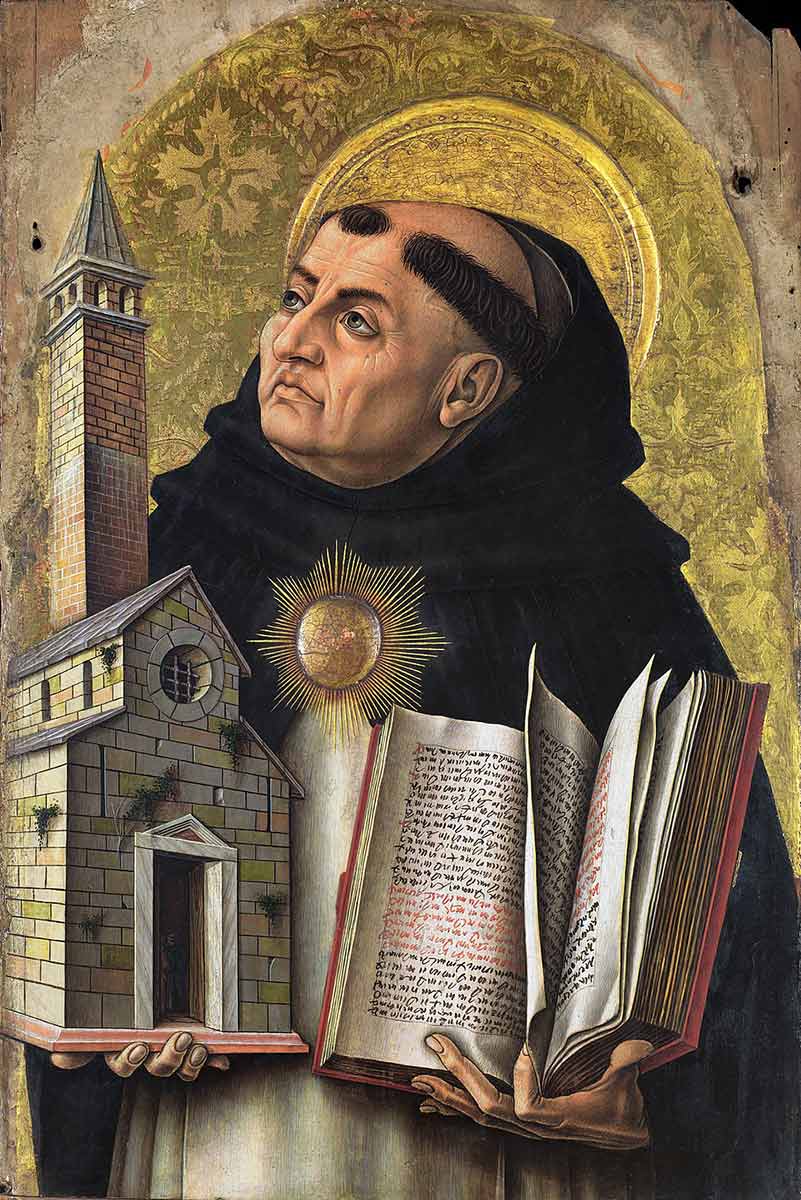
The next thinker who examined the term “substance” was St. Thomas Aquinas during the Medieval Ages. Aristotle had a major influence on medieval thinkers, but especially on scholastic thinkers, like Aquinas. Thomas Aquinas adopted Aristotle’s definition of the term “substance,” but he gave it a distinctively theological dimension. In his most famous book, Summa Theologiae, Aquinas defined substance as: That which exists in itself and not in another.
So, like Aristotle, Aquinas saw substance as a stand-alone being, something totally independent. But Aquinas built on this by bringing in Christian metaphysics. He made a distinction between the existence and the essence of the substance. He said that everything created in the universe is a substance by itself. Thus, every created substance has essence and receives existence from God. The only different substance is that of God because only His substance is his essence and his existence combined. God is His essence and His existence, Aquinas said. So, in Aquinas’ philosophy, God resides at the top of the hierarchy of substances.
Substance also played a major role in his view of the human soul. He said that the soul is a substance by itself, and as such, exists even after the death of the body. Therefore, the soul, according to Aquinas, is also a substance in itself, though incomplete without the body, maintaining the spirit of the Christian doctrine. This view allowed Aquinas to further develop his views on the afterlife, the resurrection, and personal immortality. Substance played a crucial role not only in his metaphysics and Christian point of view, but also in his general philosophy.
René Descartes
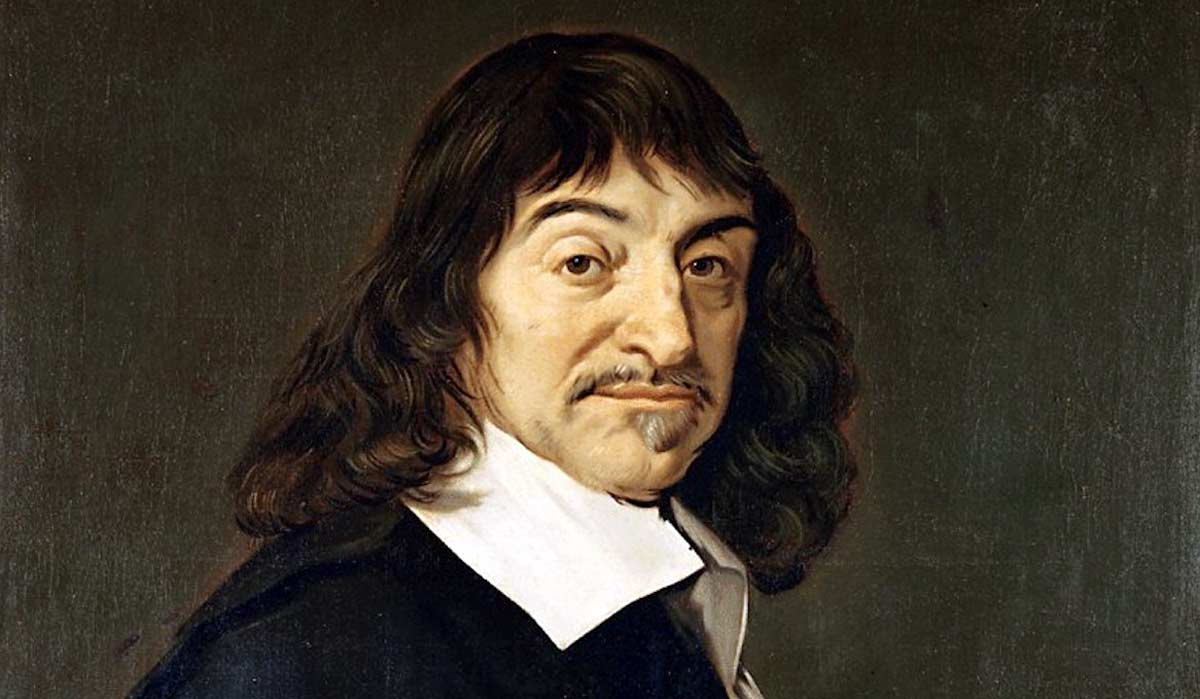
The tradition in the use of the term substance continued into the Early Modern era. René Descartes was the first philosopher to incorporate the term into his rationalistic philosophy. Just like Aristotle, Descartes was on a mission to locate and identify the underlying principle of the world, and he found that substance is the omnipresent entity in everything existent. He defined substance the following way: “By substance we can understand nothing else than a thing which exists in such a way as to depend on no other thing for its existence.”
So, Descartes, just like Aristotle and Aquinas, defined substance in a similar way. However, he elaborated that there isn’t only one substance, but two. According to him, there are two crucial substances that complement every living being in the world. First, there’s the material substance, which is essentially corporeal and represents matter. But in addition to the material substance, there also exists a mental or spiritual substance. So, Descartes adopted a dualistic point of view in his philosophy.
These two substances are distinctly separated and they’re completely different. The first substance, the body, takes up space and has spatial extension. That is why Descartes refers to it as “res extensa.” Furthermore, the substance of the body is divisible and measurable, but at the same time lacks consciousness and intentionality. On the other hand, the substance of the mind has no spatial dimensions and is defined by thought, consciousness, will, and doubt. As such, it is immaterial and indivisible, but is conscious of itself. That is why Descartes referred to it as “res cogitans.”
Cogito Ergo Sum
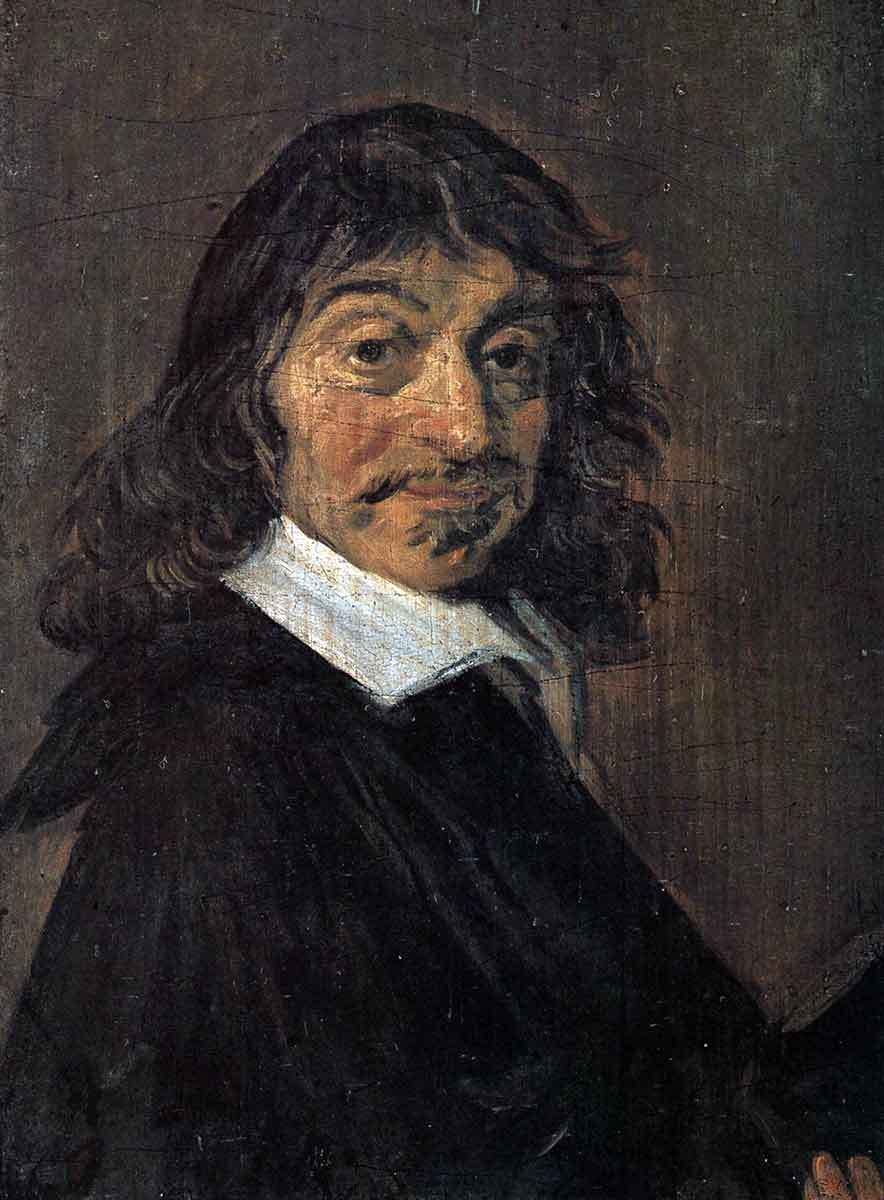
While we’re here, it’s important to examine how Descartes arrived at knowledge of the spiritual (or mental) substance. He wrote about this in the first section of his book Meditations on First Philosophy. Descartes outlined his main vision in the book, and that is to find absolutely certain knowledge; knowledge that cannot be doubted under any conditions, and knowledge that can serve as a solid foundation for all the rest of the knowledge to rest upon. He elaborated that the only way to do that was to doubt everything he possibly could. So, he tried to distance himself from all the knowledge he’s known so far, and reject all the assumptions that seep through society. Whatever survives his radical doubt will serve as the foundational knowledge for all the sciences, said Descartes.
Descartes started with the doubt of his (and ours) senses. He said that it was obvious that our senses can deceive us, because optical illusions often seem like the true reality. So, he concluded that they’re not a reliable foundation. Next, Descartes contemplated the phenomenon of dreaming. He said that when we’re dreaming in our sleep, we don’t normally know we’re dreaming, which is why some dreams seem so vivid that they feel like real reality. That is why everything we see and feel could be a dream, even our own bodies. Finally, the third argument that he came up with was the argument about the evil demon. He said that even if everything is false and even if there is an evil demon deceiving him about all things, one thing remains absolutely certain: he was thinking. Therefore, he concluded: Cogito Ergo Sum, meaning “I think, therefore I am.”
Baruch Spinoza
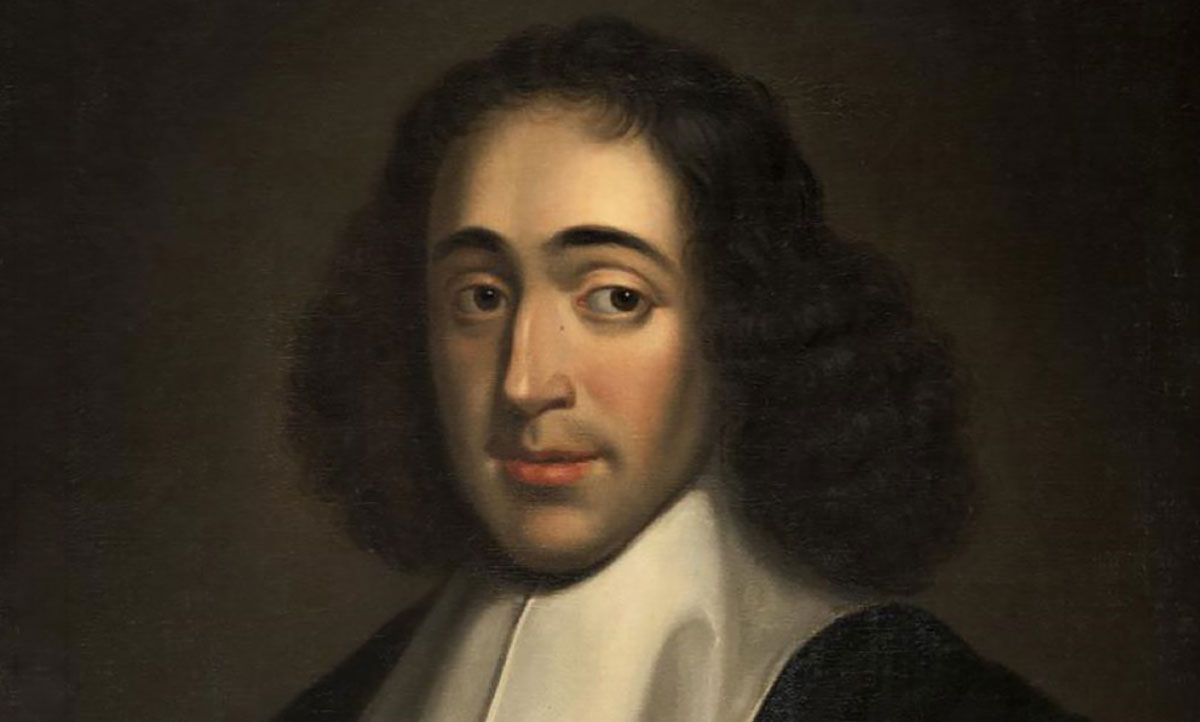
The category of substance does not end with Descartes’ philosophy. The use of the term continued throughout the rationalistic philosophy with the philosophy of Baruch Spinoza. Spinoza’s central metaphysical idea was that there is only one substance and that this substance can be thought of in two essential ways. It is consciousness, and it has extension, or as Descartes would say, res cogitans and res extensa. So, he said that the one world that exists (the one with which we are familiar, of which we are a part) has two basic properties or attributes: thought and extension. Spinoza adopted the use of substance into his philosophy, and also incorporated Descartes’ view of thought and extension. However, contrary to Descartes, who made a clear distinction between these two components and identified them as two separate substances, Spinoza united them into one, saying that they were purely attributes to the one and only substance.
Furthermore, Spinoza elaborated that what exists objectively has these two attributes, and reality can be referenced in two ways, depending on whether we understand it under the attribute of thought or under the attribute of extension. When we think of the world as extending, we usually call it “Nature”; when we think of it as consciousness, we call it “God.” “God” and “Nature” are two words that denote a single substance that possesses both the mental and the physical characteristics. Thus, although perhaps inspired by Descartes, Spinoza broke up with the Cartesian tradition in that he does not assume the existence of two substances: one that thinks and one that extends, but rather assumes the union of those two, in Spinoza’s case, “attributes,” in the unity of one substance: God or Nature.
Substance in Conclusion
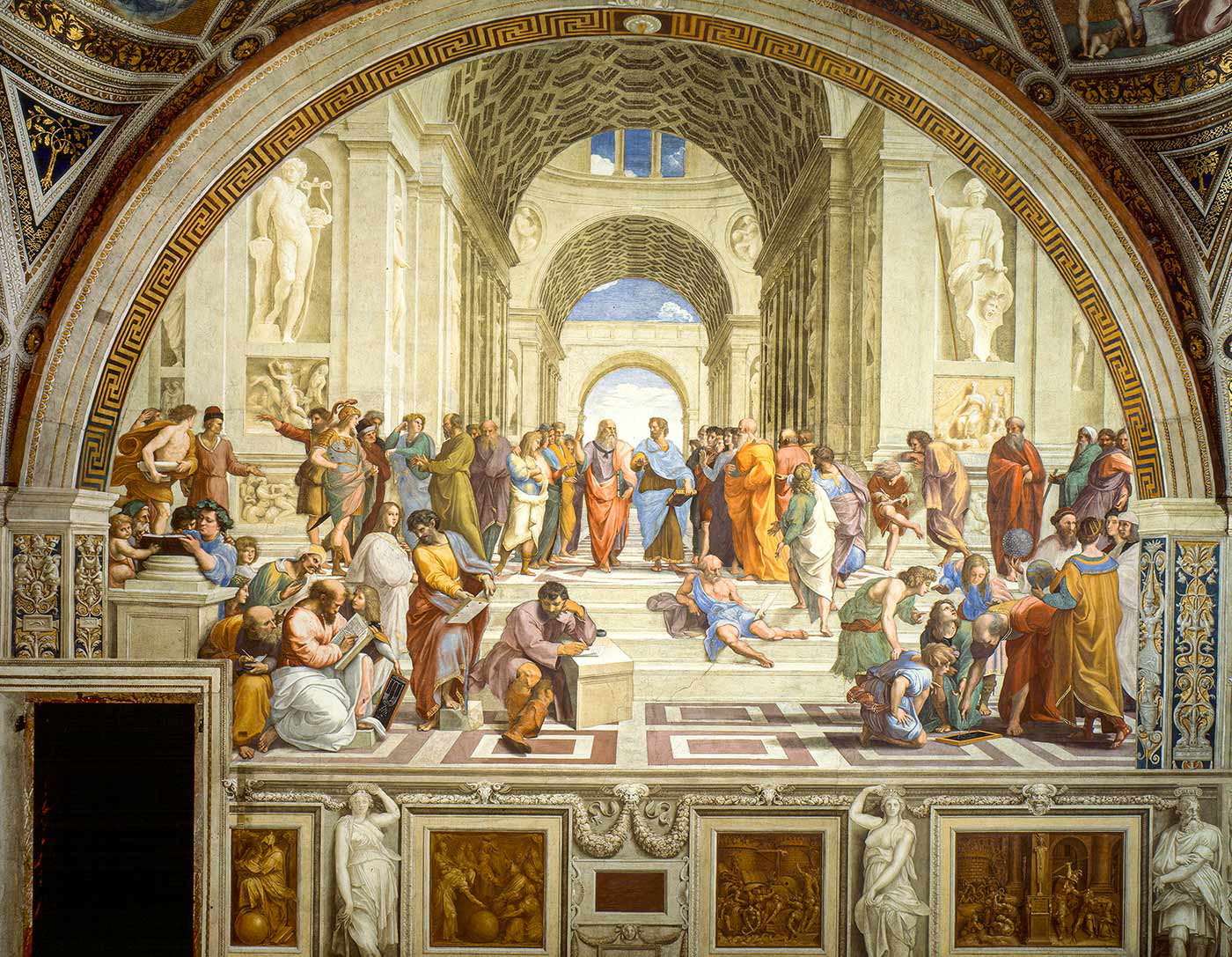
From this brief overview, we can conclude that the category of substance holds a central place in the history of philosophy, and its significance spans centuries. However, although a lot of thinkers incorporated substance into their philosophy to elaborate on their point of view, each of them gave it its own meaning, context, and dimension. Each thinker uses the term “substance” not simply to define reality, but also to redefine the human being’s place in the world.
Aristotle used the term, which eventually led him to the conclusion that the human being is a rational animal. Aquinas thought of the human being as a soul in search of salvation. Descartes defined the human being as a thinking mind, while Spinoza categorized it as a mode of infinite nature. So, the category of substance does not simply relate to the scope of metaphysics, but also applies to anthropology and even ethics. That is why learning the rich history of the substance is an essential part of studying philosophy.