Today, it is hardly revolutionary to suggest that novels can be about the ordinary lives of ordinary people. But in the early 19th century, so-called Victorian realism developed out of a tradition of storytelling that had focused on elevated characters—kings, queens, noblemen, knights—and fantastic, improbable events. Instead of basing stories in imagined worlds, many novelists looked to their own time and place, reflecting the major changes in science, religion, industry, technology, and politics for which the Victorian period is renowned.
How Did Victorian Realism Develop?
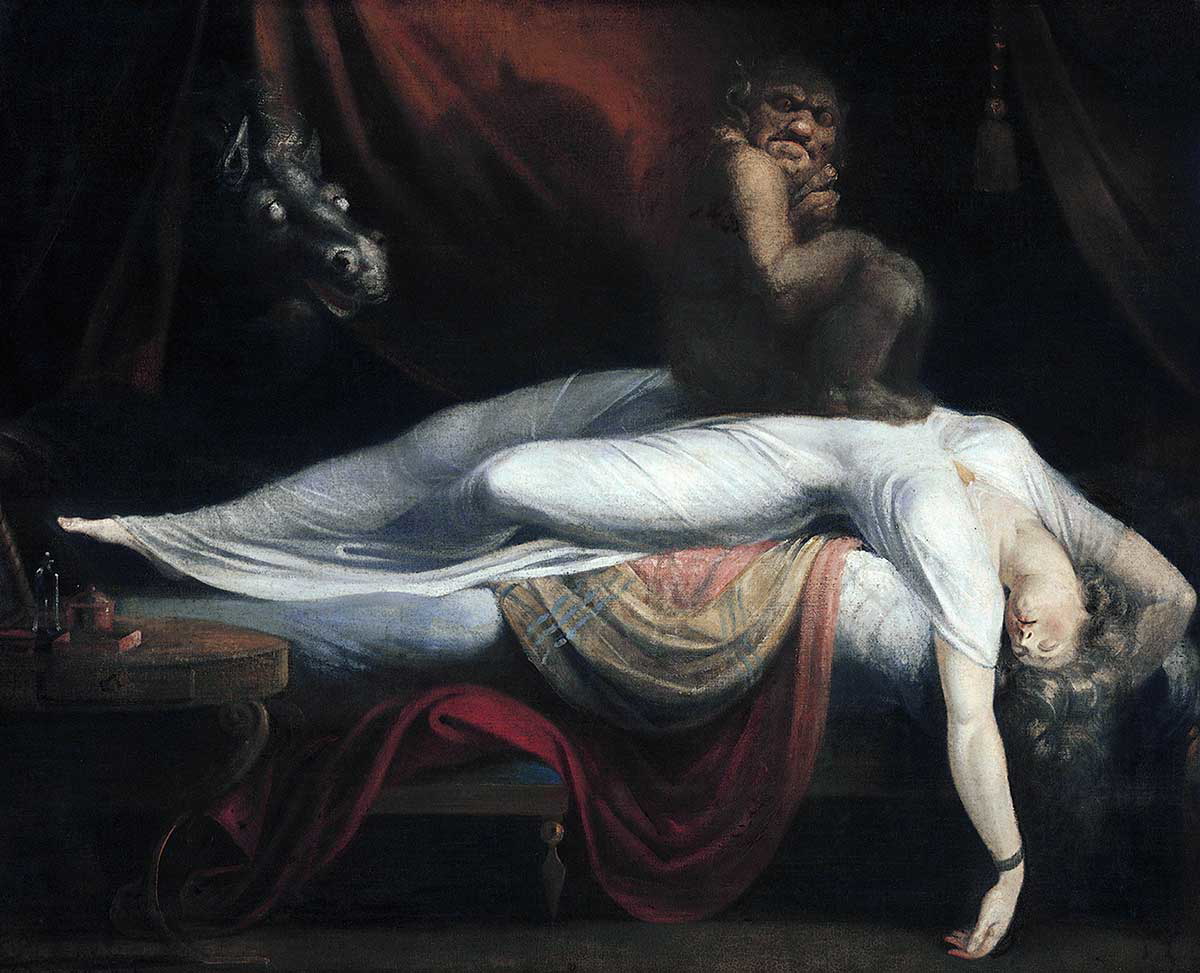
Like many genres, Victorian realism can be just as well defined by what it is not as by what it is. It came to prominence at a time when many novels featured idealized heroes and heroines encountering supernatural or fantasy phenomena and when Romanticism prevailed, making authors inclined to craft their characters as embodiments of a particular ideal and devise plots that tested the limits of the possible.
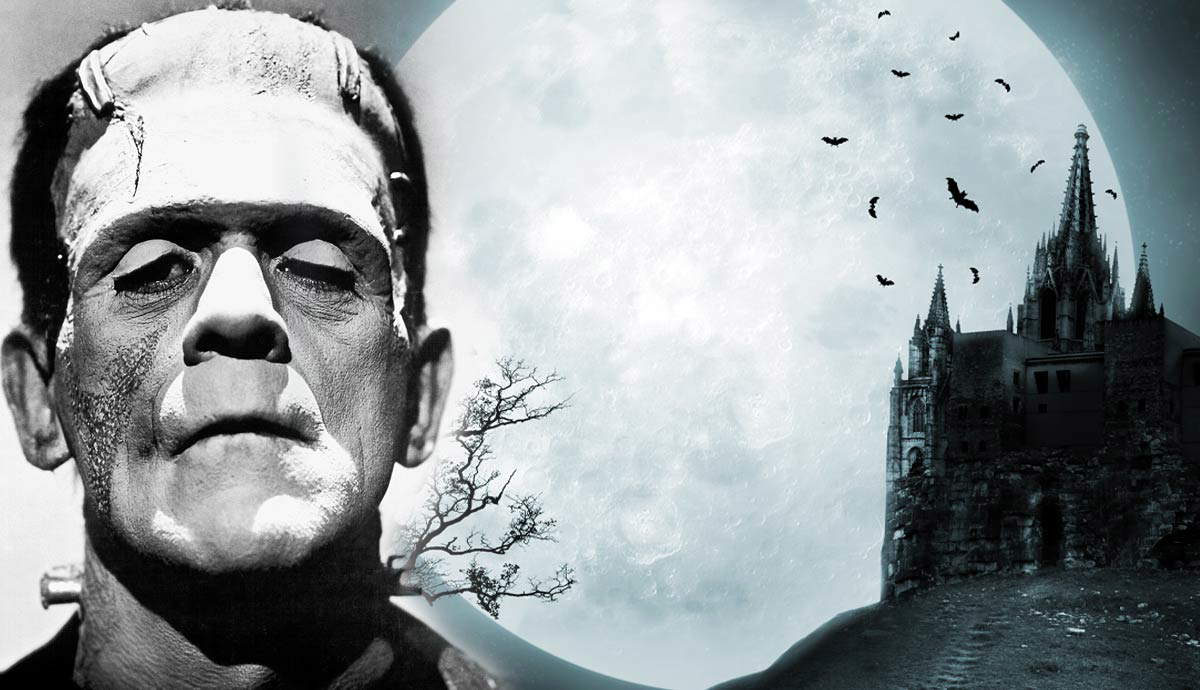
Think, for instance, of Mary Shelley’s Frankenstein (1818) or the earlier Gothic fiction of Ann Radcliffe (The Mysteries of Udolpho, 1795) and Horace Walpole (The Castle of Otranto, 1764). The novel was still in its early days as a form, and as the French word for “novel” (roman) suggests, it had roots in the earlier form of the romance, in which there was no expectation that the events described had actually taken place, or indeed ever could.
A key term for understanding realism is verisimilitude, which connotes plausibility or closeness to real life. Prior to the 19th century, there had been some literary depictions of real life. Daniel Defoe’s A Journal of the Plague Year (1722), for instance, sits somewhere between fiction and non-fiction, using a semi-fictional narrator to provide an eyewitness account of the plague that ravaged London in 1665. Defoe, born circa 1660, could hardly have remembered much about the events himself, so the book differs from accounts such as Samuel Pepys’s diary, kept as things were unfolding. At the same time, Defoe takes pains to include details that add to the book’s verisimilitude, including statistics of casualties in the different parts of London the narrator visits.
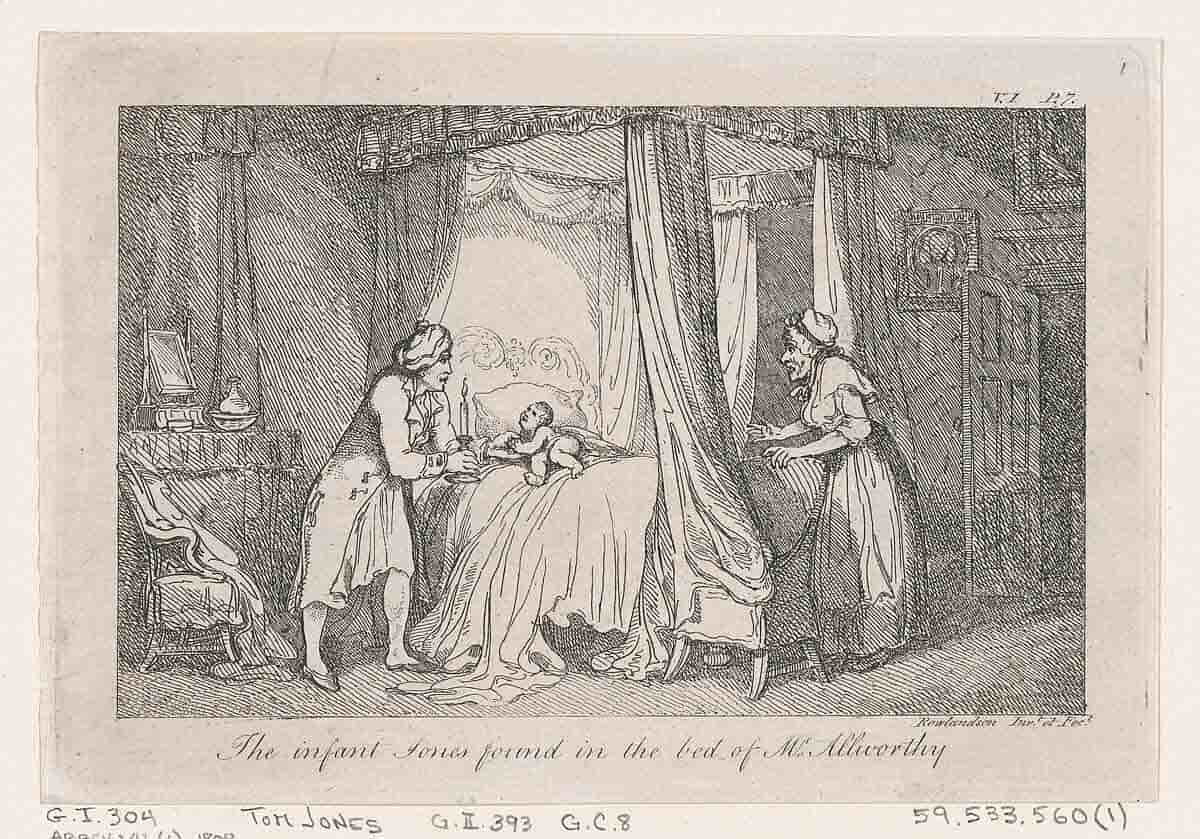
We might also think of 18th-century sentimental and comic novels as precursors to Victorian realism. Samuel Richardson’s Pamela (1740) and Clarissa (1748) center on women in situations that might really take place, and they use the epistolary form to imitate a genuine exchange of letters between real correspondents. Henry Fielding’s Tom Jones (1749), despite constructing a slightly improbable rags-to-riches plot, also presents in its setting a panorama of English life in the mid-18th century. While Jane Austen’s novels implausibly end with a “happily ever after” in which every character is neatly paired off with another, she also made strides towards realism in her presentation of the intricacies—the joys, the tragedies, and the awkwardness—of social life.
What Makes a Novel Realist?
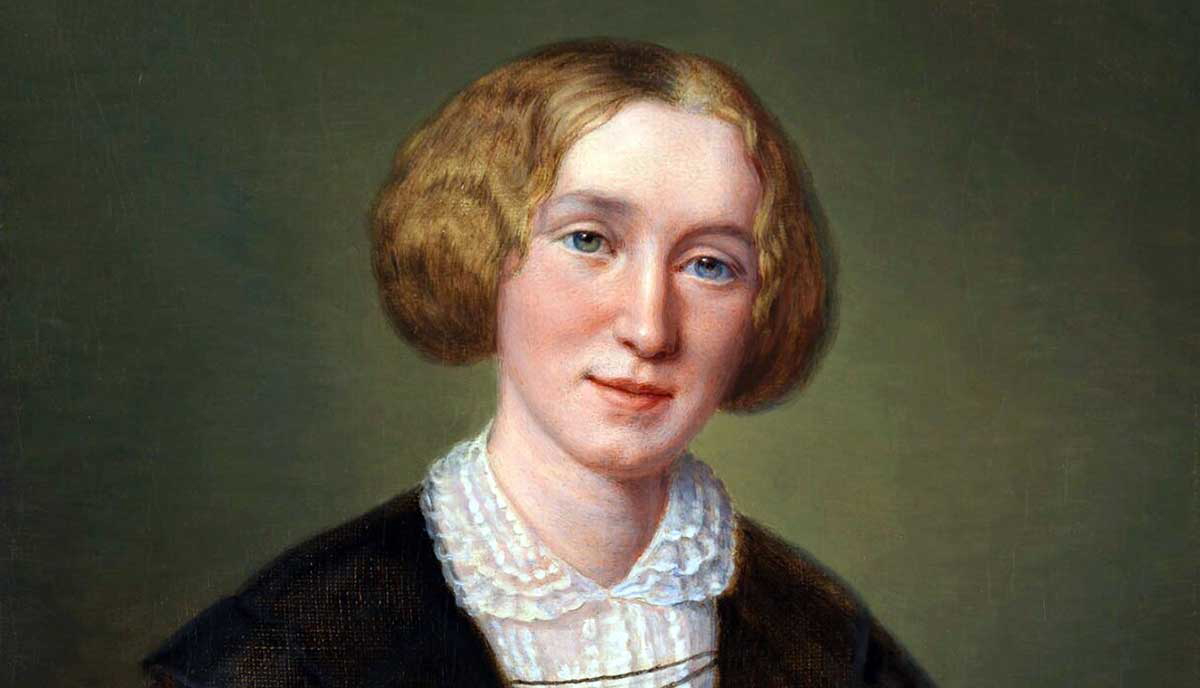
The late Victorian novelist Henry James wrote that a novel’s “foremost claim to merit,” and “indeed the measure of its merit,” is its “truth.” The best fictions, for James, are those that introduce the reader to “an atmosphere in which it [is] credible that human beings might exist,” and “human beings with whom he might feel tempted to claim kinship” (Miller 1972, 210). What James describes are the principle tenets of realism: truth to life in terms of setting and character. These novels (and we are dealing largely with novels, though realism did make its way to drama—more on which later) present characters who could really exist in places that we recognize as real.
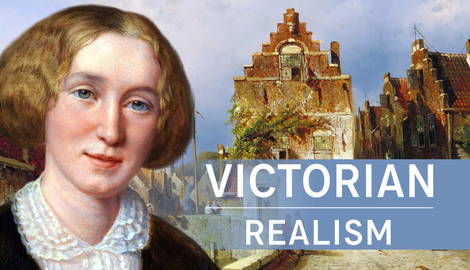
For George Eliot, one of the foremost Victorian realist writers, this meant depicting a variety of characters from all walks of life, going about all kinds of ordinary activities. Midway through her first novel, Adam Bede (1859), Eliot’s first-person narrator draws back for a moment to comment on the coarse and brutal realities they are describing. The narrator swears to “give a faithful account of men and things as they have mirrored themselves in my mind,” changing nothing. Then the narrator draws a famous analogy with Dutch paintings, “faithful pictures of a monotonous homely existence” which, in their “vulgar details,” evoke what Eliot calls a “delicious sympathy.”
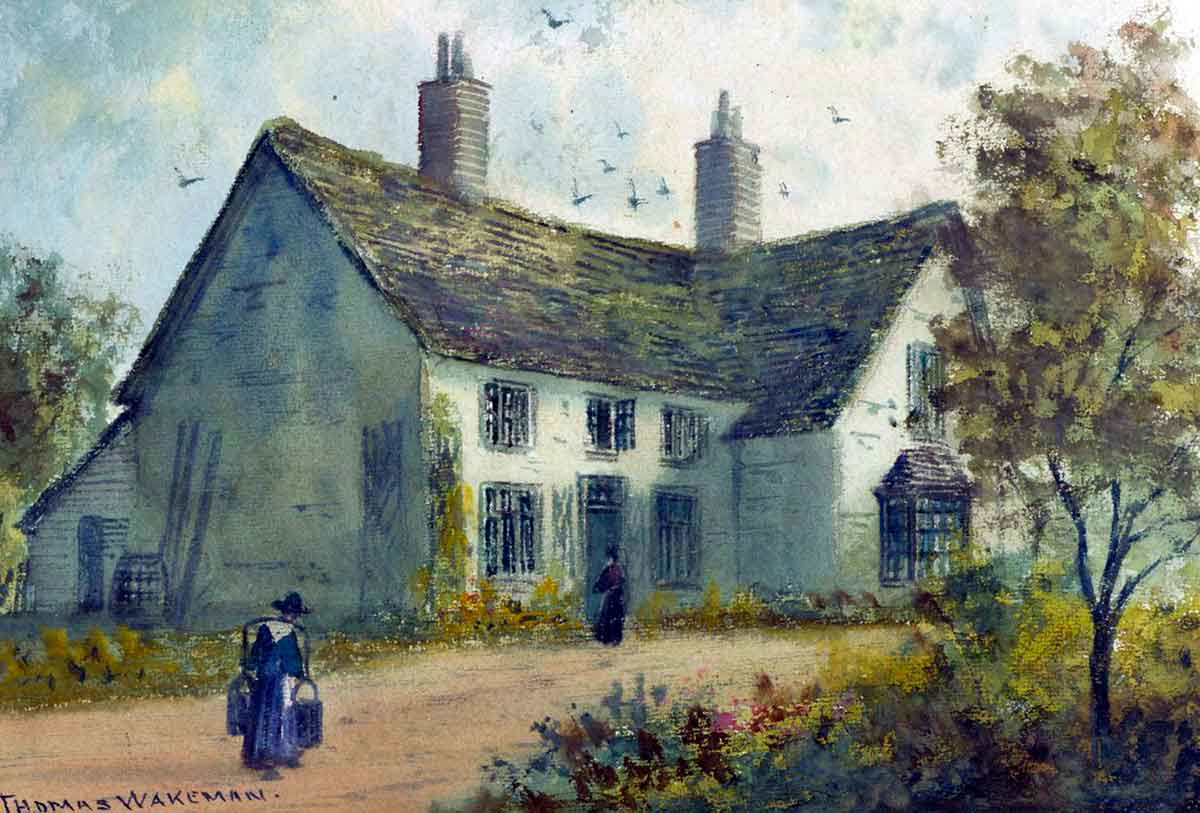
What kind of “vulgar details” did realist fiction such as Eliot’s include? Adam Bede, like many of her novels, is set in a fictional rural community that resembles the Midlands towns of Eliot’s youth. It deals with ordinary workers—the carpenter Adam Bede and the preacher Dinah Morris—and some characters of a higher station, the squire Arthur Donnithorne. Its plot is tragic but not unheard of: Arthur seduces a young woman in the community, Hetty Sorrel, who falls pregnant and so cannot marry Adam Bede as they had planned. Later abandoning her baby in despair, Hetty is sentenced to hang for killing a child, but her sentence is commuted to transportation at the last minute after Arthur’s confession.
Most of Eliot’s novels revolve around ordinary people in ordinary communities, not copied so directly from life that they retain the same names, but similar to people and places that Victorian readers would know. Eliot’s realist technique reached its apex with her eight-volume novel Middlemarch (1871-72). Surveying the entire community of this Midlands town, from the privileged Dorothea Brooke to the down-at-heel Garth family, the idealistic doctor Lydgate, the banker Bulstrode, and the pedantic scholar Casaubon, Middlemarch not only showed a range of characters but also showed their depth. Eliot gives the reader such insight into how Dorothea, the protagonist, feels at every step of the narrative that Dorothea takes on the psychological complexity of a real person. These touches of characterization, along with detailed descriptions of the setting, are hallmarks of realism.
Is Realism Just True Stories?
In Middlemarch, published when Victorian realism was at its height, Eliot gives another famous analogy to explain how the realist author’s work is different from simply reproducing everything they see. She talks about a mirror whose scratches, when rubbed by a housemaid, seem to have no pattern or purpose. However, when someone holds a candle to the mirror, the scratches arrange themselves as “a fine series of concentric circles round that little sun.” The realist author, she implies, is the one holding the candle, making the disordered scratches appear to have sense and purpose.
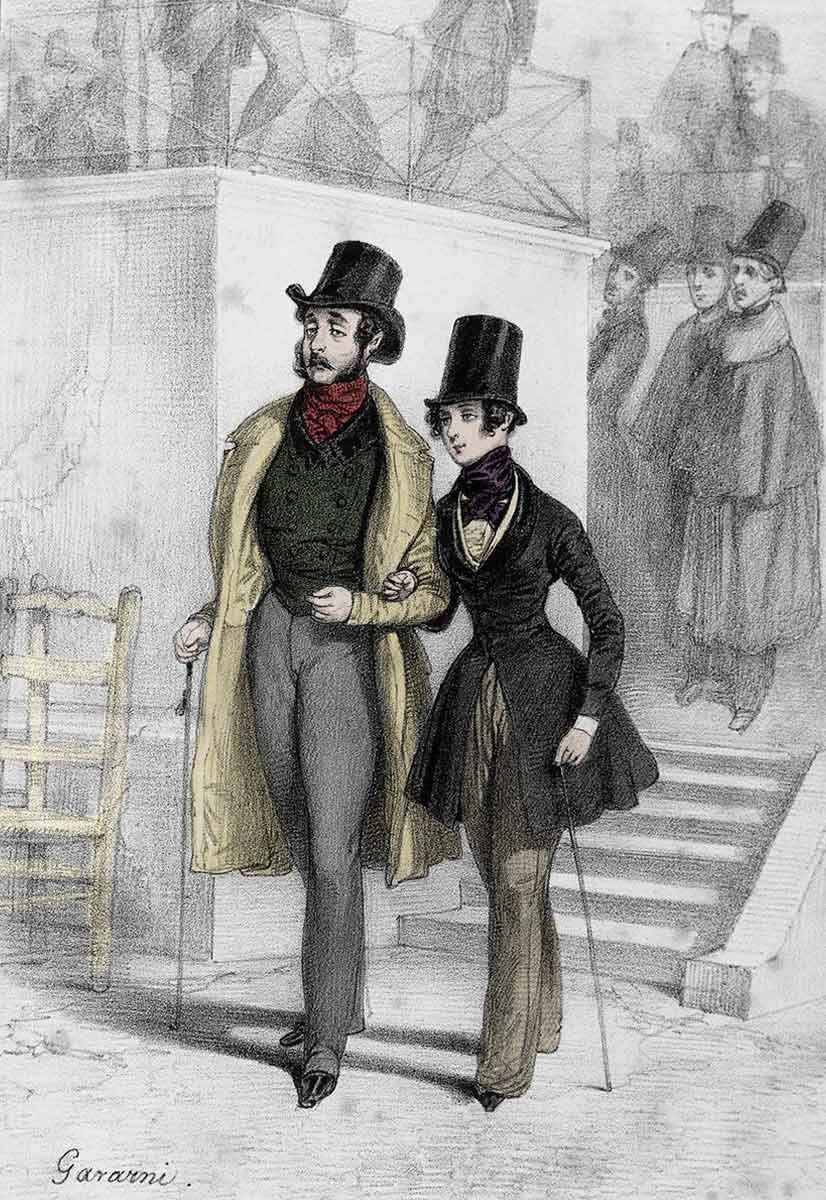
Across the Channel, another woman author who published her realist novels under a pseudonym (she even used the same first name) justified her method in a similar way. George Sand, the prolific French novelist, came under fire numerous times for effectively retelling stories from her own life, especially those featuring her male partners in a less-than-flattering light. For Sand, though, the author’s skill lies in selection: they do not just reproduce every part of their life but choose carefully what they tell and how. They tell their story in a way that is true for them. As Sand’s writing, and the furor it often caused, makes clear, “true” realism is impossible since there is no objective way of presenting a person, place, or event—all the realist author can do is be as true as possible to their own perception.
Realism and Regionalism
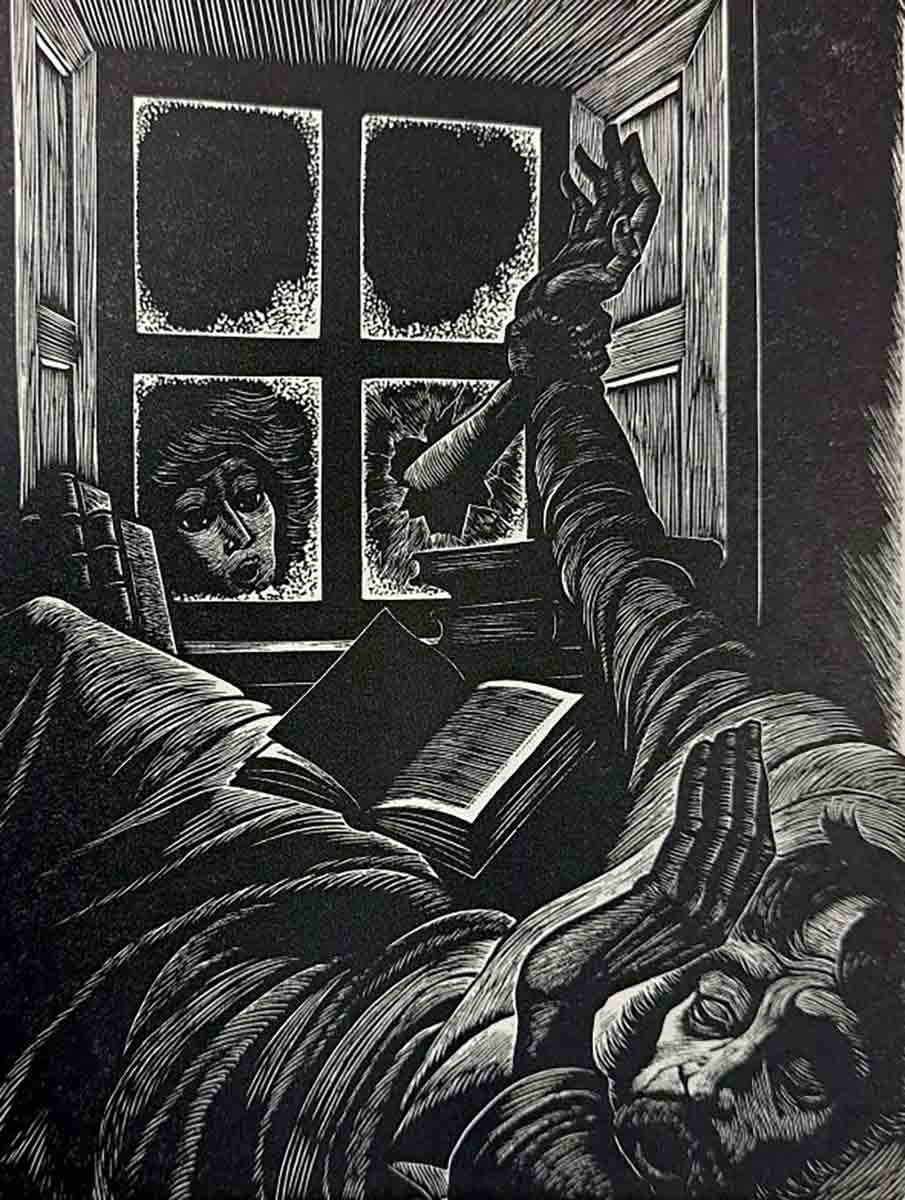
Since Victorian realism aimed at a telescopic, panoramic view of the world, the novels it produced can often be used as historical sources. Their pages contain all the major developments of the Victorian period in science, technology, industry, religion, and politics. Eliot’s Felix Holt, the Radical (1866), for instance, is set some decades earlier but meticulously reconstructs the milieu of a small Midlands town around the time of the 1832 Reform Act, dramatizing the impact of the reforms on landowners and ordinary workers.
Realist novels introduced readers to a broader range of characters and settings than they had encountered before. While most major publishers still tended to have headquarters in London, authors gave accounts of regional communities far beyond the capital. Emily Brontë‘s Wuthering Heights (1847) is full of Romantic and Gothic elements, but its representation of the Yorkshire moors and its phonetic transcription of a Yorkshire accent (in the speech of the old servant Joseph) are realist touches. So realist, indeed, that Emily’s sister Charlotte, editing the novel for republication in 1850 after Emily had died, judged it best to tone down Joseph’s accent so that readers outside Yorkshire might understand it.
Just as the Brontës‘ novels (not only Wuthering Heights, but novels by Charlotte and Anne too) give a picture of life in northern England in the mid-Victorian period, Thomas Hardy’s novels show what life was like for rural communities in the southwest. Hardy, like George Eliot, gave fictional names to the villages and towns in his novels, basing them all in the imagined county of Wessex.
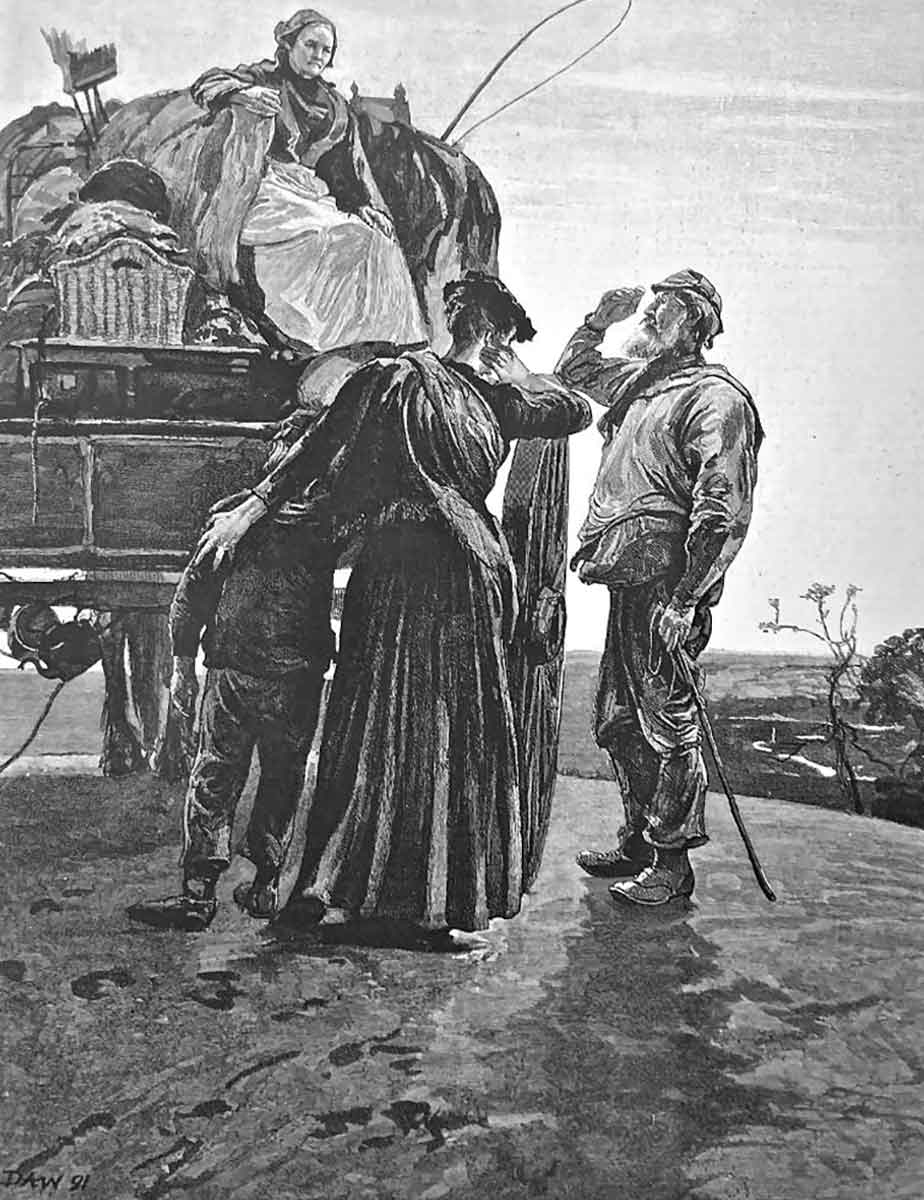
In a 1895 preface to his novel Far From the Madding Crowd (originally 1874), he reminds the reader that Wessex is a “merely realistic dream-country,” and even instructs them “to refuse steadfastly to believe that there are any inhabitants of a Victorian Wessex outside the pages of this [novel].” This is because Hardy’s Wessex—repurposing the name of an ancient English kingdom as a way of referring to swathes of Dorset, Devon, Somerset, Wiltshire, Hampshire, and Oxfordshire—had come to seem real through serving as the setting for his realist novels.
Far From the Madding Crowd, The Mayor of Casterbridge (1886), Tess of the d’Urbervilles (1891), and Jude the Obscure (1894) all give the reader precise information about place names (although these are fictionalized, readers over the years have been able to match them to real locations), exact descriptions of these places, and detailed evocations of ordinary life there. Hardy suggests in his preface to Far From the Madding Crowd—not completely fancifully—that, before his novels appeared, the general public had little idea of what life was like in so-called Wessex, and thanks to his novels, people were now familiar with such things as a “Wessex peasant” and “Wessex customs.”
What Was the Realist Novel For?
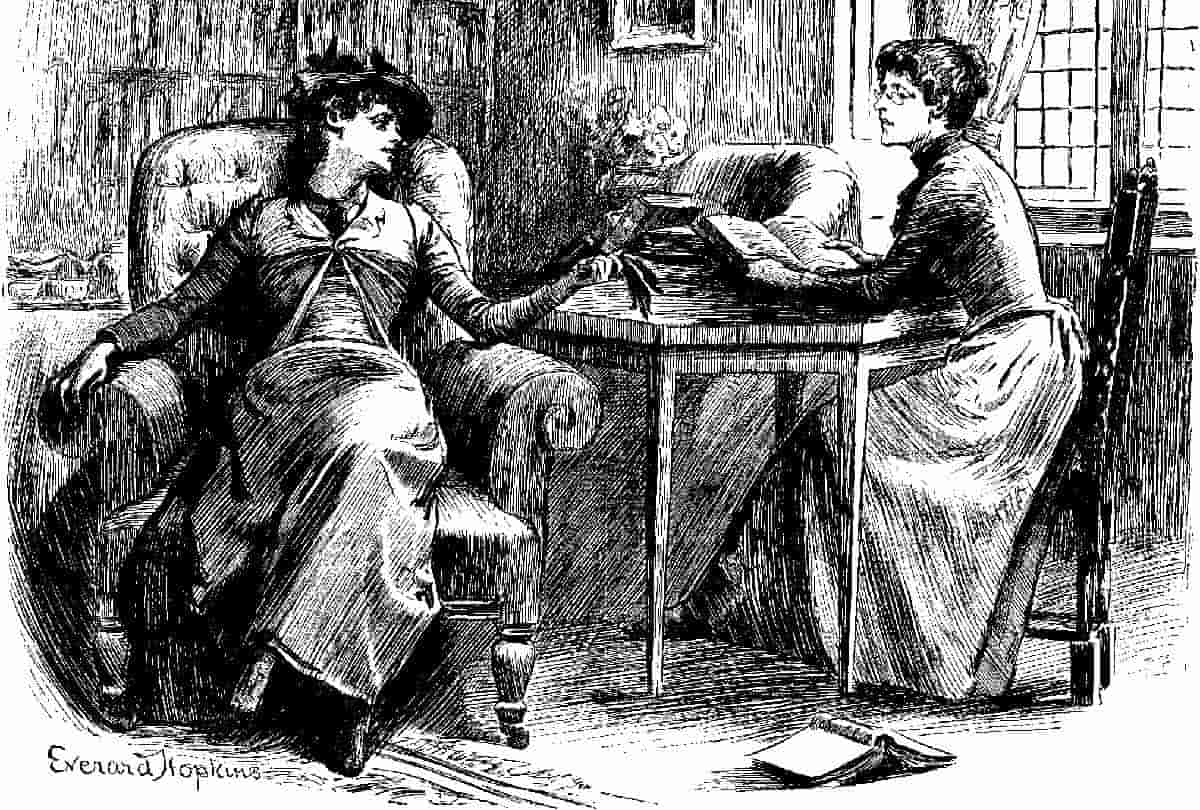
Many realist novelists hoped they could, like Hardy, change the reading public’s perspectives through their writing—perspectives on a place, a group of people, or a social issue. George Eliot was a strong believer in fiction’s capacity, especially realist fiction, to elicit sympathy: the better-drawn a character is, the more we might understand how they feel.
Turning back to the passage from Adam Bede, which serves as something of a realist manifesto, we find Eliot, building on the analogy with Dutch painting, justifying her choice to write about supposedly “vulgar” ordinary people:
“There are few prophets in the world; few sublimely beautiful women; few heroes. I can’t afford to give all my love and reverence to such rarities: I want a great deal of those feelings for my every-day fellow-men, especially for the few in the foreground of the great multitude, whose faces I know, whose hands I touch, for whom I have to make way with kindly courtesy.”
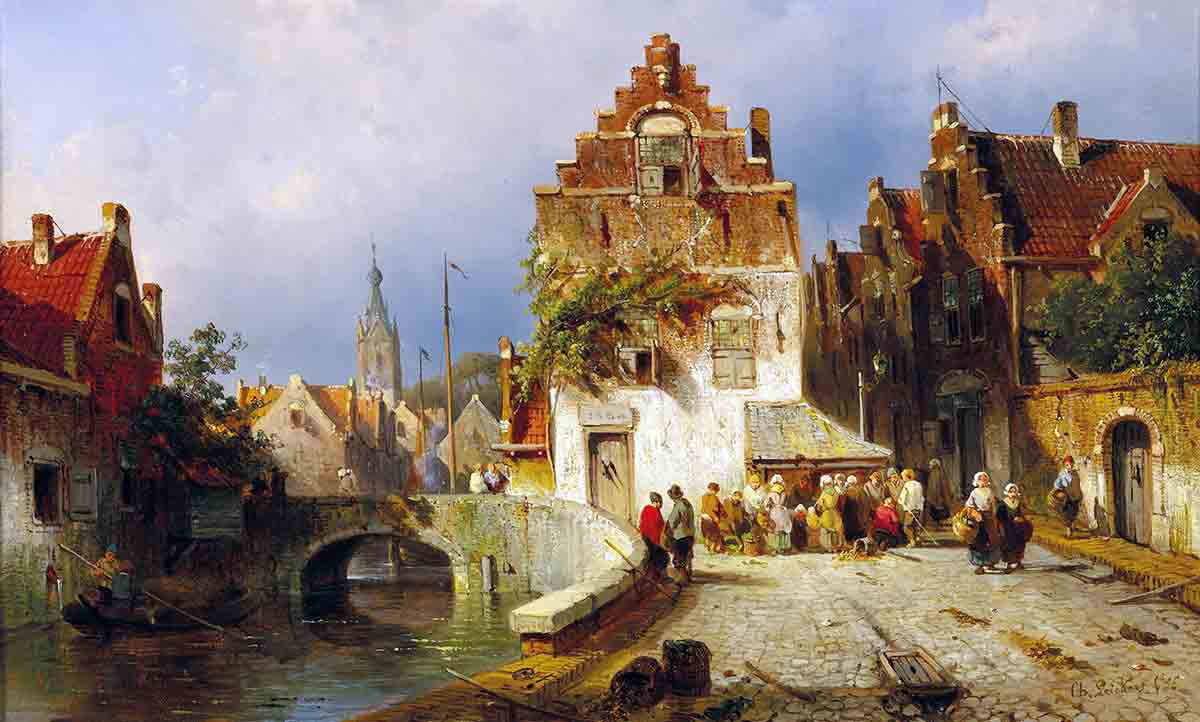
Eliot argues that the world is not made up solely of extremes, nor is it populated solely by heroes and villains. Therefore, fiction ought to show us those people in between, ordinary people with the capacity to act virtuously or villainously. If, by reading their stories, we can understand why they act the way they do, we might better understand why those around us and ourselves act the way we do.
One author who combined this aim of realist fiction with a faithful representation of working-class life, including working-class speech and song, was Elizabeth Gaskell in industrial novels such as Mary Barton (1848) and North and South (1854-55). Both set in her native Manchester (although North and South fictionalizes it as a cotton mill town called Milton), Gaskell’s first two books offer insight and analysis on class comparable to contemporary writing about Manchester by Friedrich Engels, only in the form of novels instead. She wrote about mill owners and workers and was unflinching in her portrayal of the conditions the latter lived in, with Mary Barton featuring several children dying of disease and hunger.
In her preface to that novel, Gaskell writes about having observed first-hand—as the philanthropic daughter of a Unitarian minister who later married another Unitarian minister—how the deprivation of workers inevitably leads to violent class conflict. Gaskell intended to foster sympathy instead, like Eliot, but with perhaps a more urgent call to action. “Try a hopeless life, with daily cravings of the body for food,” her narrator tells their implicitly middle-class, comfortable readership: what desperate measures might you resort to in their situation?
Victorian Realism at the Fin de Siècle
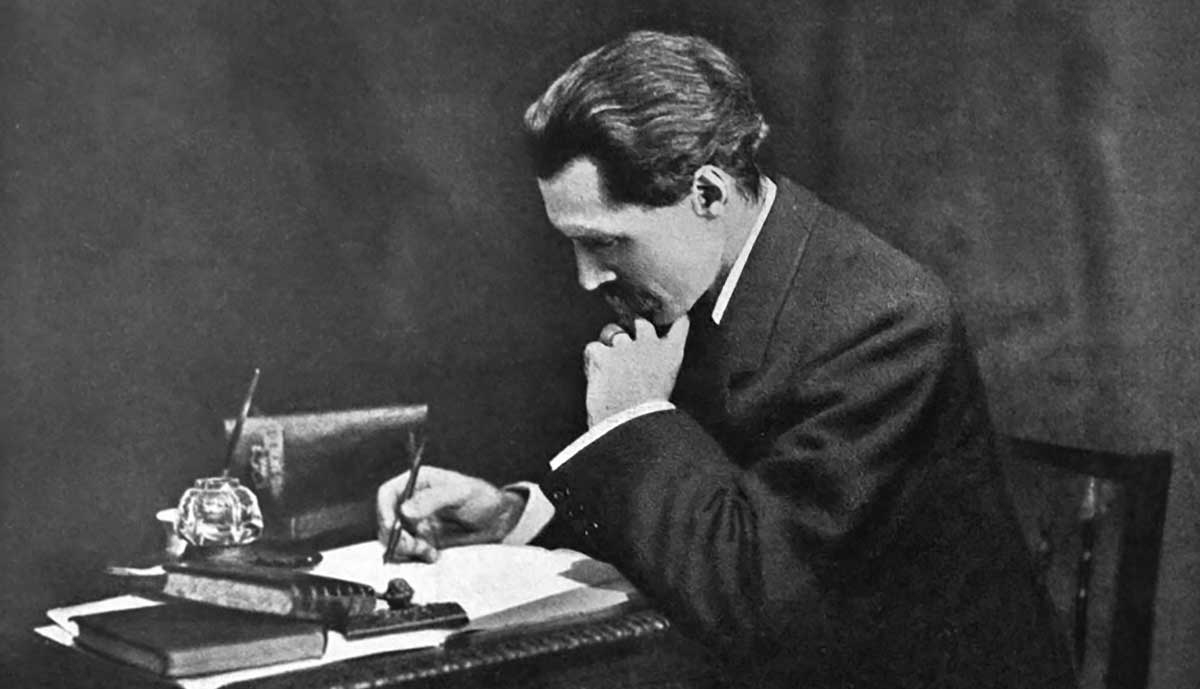
Novelists continued to deal with realist scenes and subjects towards the end of the century, and by now, they were also being influenced by realist traditions on the Continent. In France, naturalism was a form of realism innovated by Émile Zola. It placed more emphasis on scientific justifications for the events described in the novels and tended to present these events as predestined, with the narrator posing as a detached observer rather than (as in Eliot’s and Gaskell’s novels, for instance) a concerned onlooker.
Zola’s numerous disciples in Victorian literature expanded the reaches of realism to tackle contentious subjects even more starkly than before. George Gissing, in early novels such as Workers in the Dawn (1880), Thyrza (1887), and The Nether World (1889), addressed the hardships of class mobility in an increasingly paternalistic culture, which, by doling out an education to working-class people, only leaves them more unsatisfied with their material conditions. By the time he wrote New Grub Street (1891) and Born in Exile (1892), Gissing was incorporating a critical outlook on marriage into his novels alongside these examinations of social class.
The Irish novelist George Moore also followed Zola’s example in tackling subjects that the reading public might consider unfit for literature. Like Gissing, Moore depicted the aspirations and struggles of working-class characters. He also dealt explicitly with sex, as in the succès de scandale A Mummer’s Wife (1884), in which an unsatisfied housewife is seduced by a traveling actor. A Drama in Muslin (1886) shocked readers with its depiction of a young, unmarried woman who falls pregnant, secretly gives birth in a convent, and gives up her child. Moore returned to this theme in Esther Waters (1894), although here, the titular character is determined to raise her child despite being a deserted single mother.
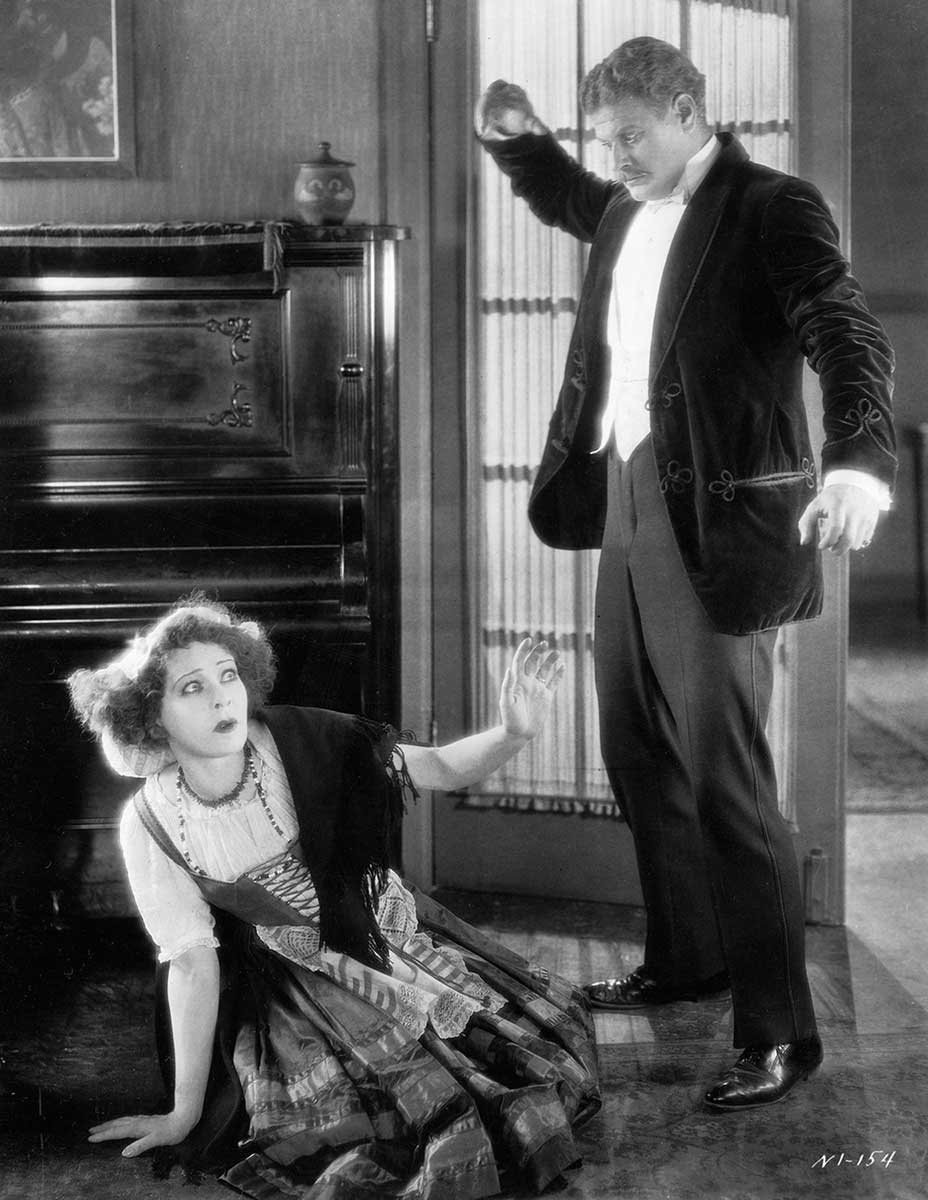
The realism of the 1880s and 1890s was characterized by a more explicit approach to sexuality and analysis of relations between men and women, perhaps unsurprisingly, as the first wave of feminism in Britain surged. Victorian theater now took a realist turn too, influenced by Scandinavian playwrights Henrik Ibsen and August Strindberg. Ibsen’s A Doll’s House (1879) and Hedda Gabler (1891) and Strindberg’s Miss Julie (1888) center on women who can no longer endure their stifling marriages, and the first productions of these plays caused shockwaves for their direct challenges to both theatrical and moral conventions.
Although Victorian realism had reached its peak a few decades earlier, realism continued to flourish in various forms across the globe during the fin de siècle and early decades of the 20th century. Russian authors such as Leo Tolstoy and Fyodor Dostoyevsky, Americans such as Edith Wharton and Henry James, and the Verismo movement in Italy all contributed to the ongoing development of realism as a form through which to critique social mores and effect political change.
Nor did realism disappear from English literature with the advent of modernism and its move to do away with all things Victorian. The influence of realism on the theater was long-lasting, shaping the kitchen-sink dramas of the 1950s and 1960s as well as modern film and television (especially soap operas) that focus on the ordinary lives of working people.
Reference List:
Miller Jr., James E., ed. (1972) Theory of Fiction: Henry James. University of Nebraska Press.