Most people imagine ancient Rome as a grand and charismatic city of marble temples and golden palaces. However, it was also a crowded city, with poorer people living on top of one another in poorly constructed insulae that were prone to fire. To prevent devastating fires, the Emperor Augustus established the Vigiles. Often described simply as firefighters, they had a much bigger role in maintaining the city. This article examines who they were, how they lived, and what they did in Rome.
Fire and Crime in Ancient Rome
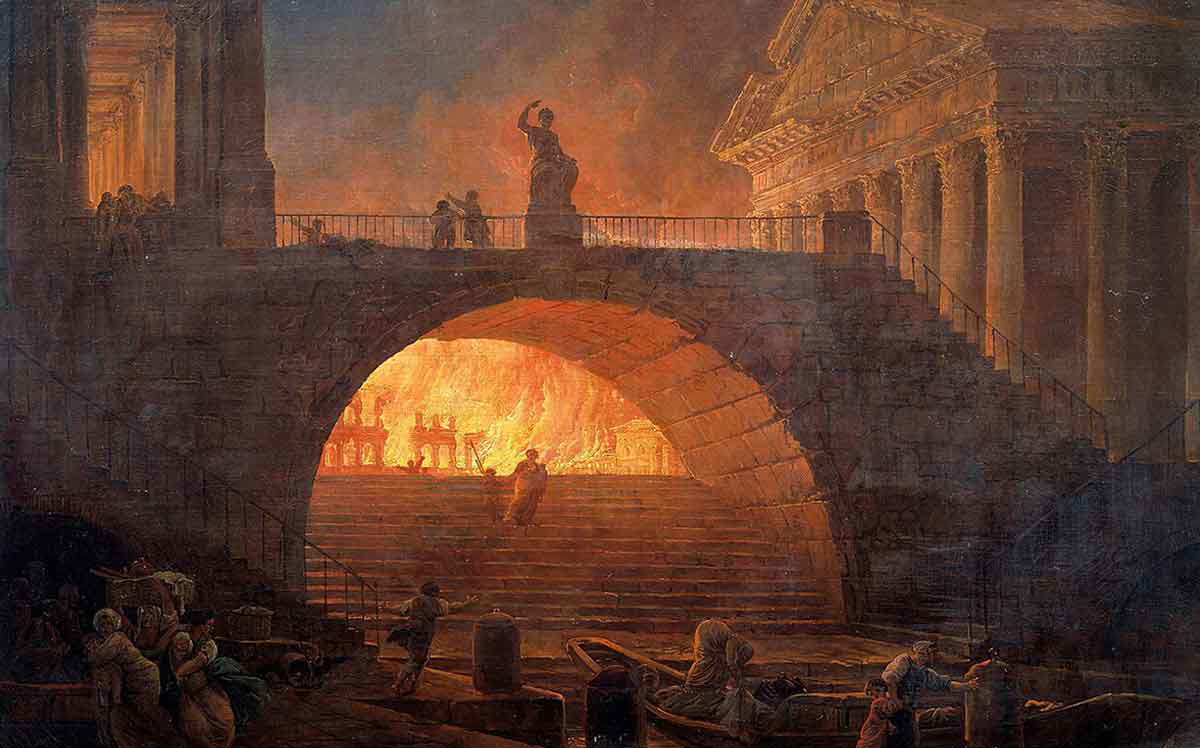
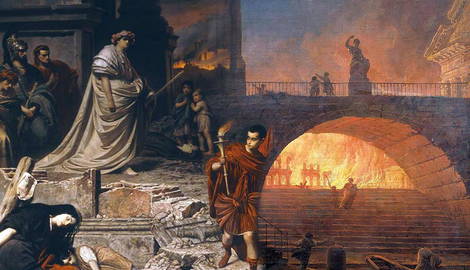
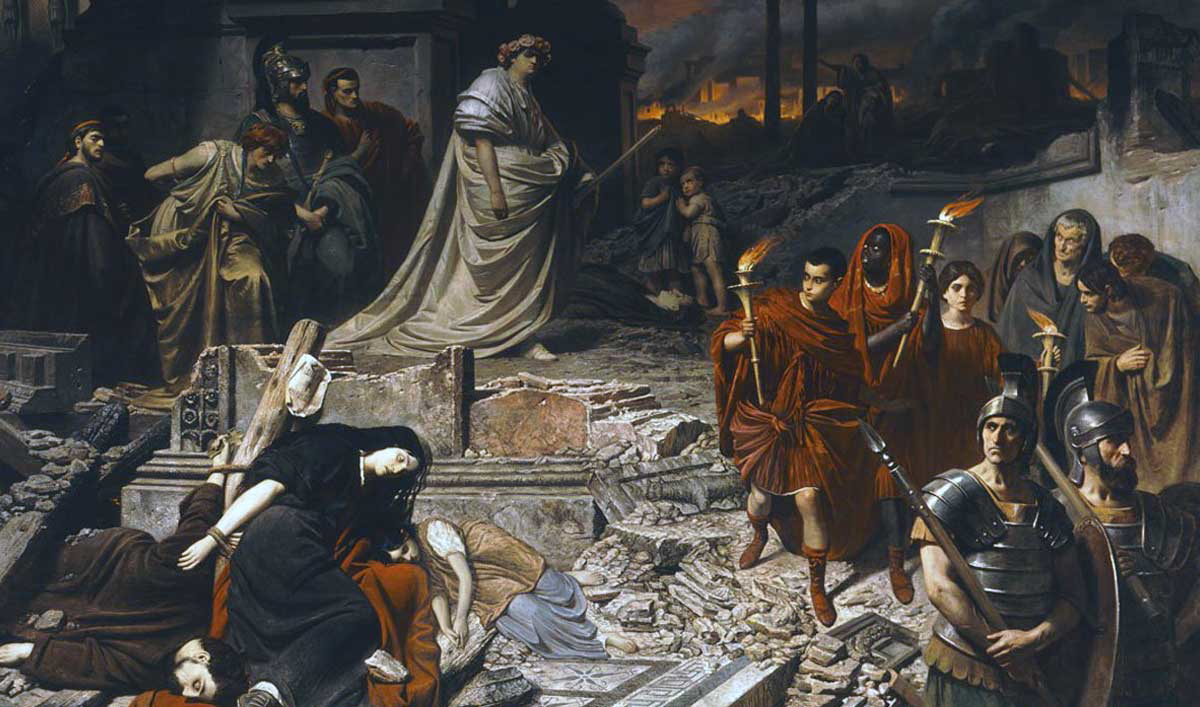
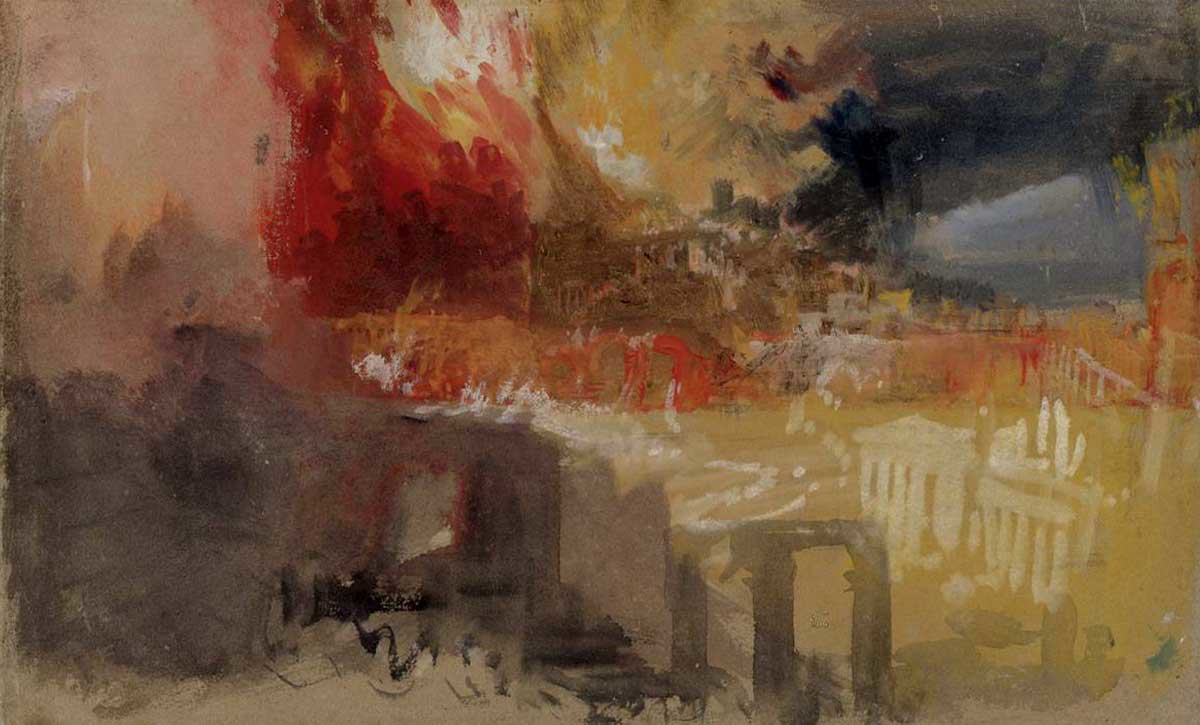
In ancient Rome, danger did not always come from outside enemies. Far more often, threats arose within the city itself. Fires were a frequent occurrence and one of the greatest fears for the Romans. The city was largely built of wood, especially in the poorer districts, where tall insulae (multi-story apartment buildings) were densely packed together, often without any safety measures. In such conditions, a single candle or a carelessly discarded ember was enough to cause a catastrophe. Historians such as Livy and Cassius Dio record several devastating fires, including the one in 64 CE that destroyed much of the city during the reign of Emperor Nero.
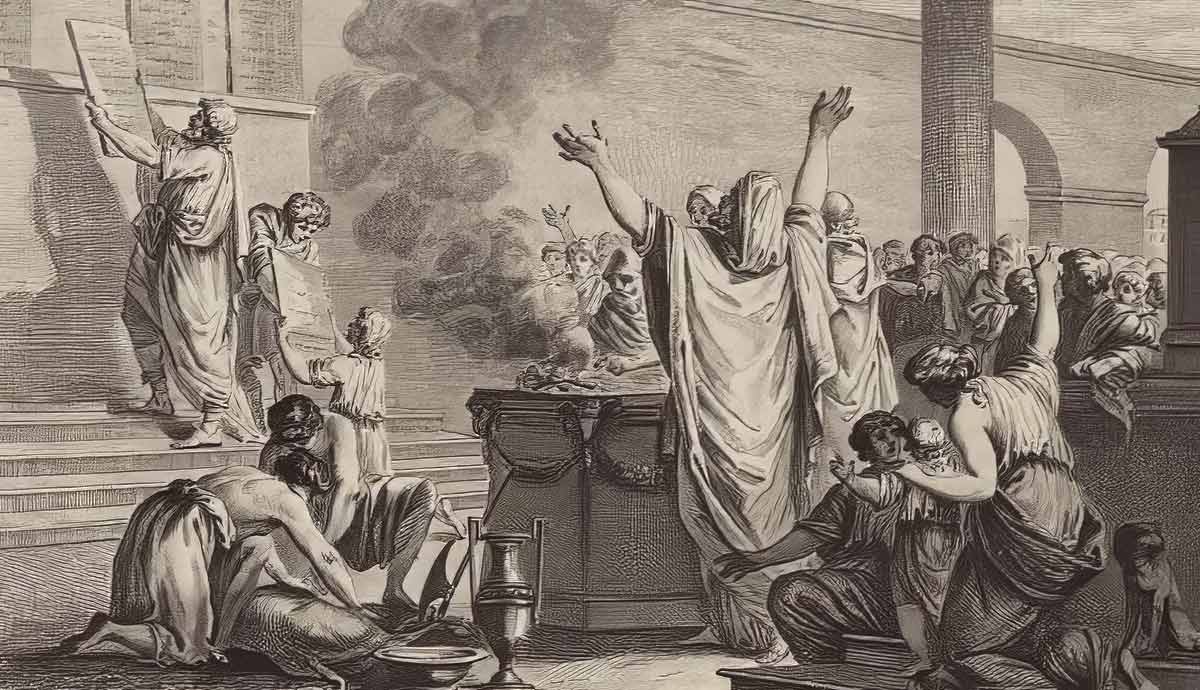
In Rome, starting a fire was considered one of the most serious urban crimes, especially during the imperial period, when the city’s dense population and flammable construction made it extremely vulnerable to fires. The Romans distinguished between intentional and accidental fires, which affected the severity of punishment. As early as the Law of the Twelve Tables in the 5th century BCE, it was decreed that anyone who deliberately set fire to another’s house or a stack of grain “shall be burned alive,” unless they immediately submitted to punishment and paid compensation.
During the Empire, according to the Digest, a legal text from the 5th century CE, a person who intentionally started a fire could be sentenced to death, exile, or forced labor in the mines. If the offender was a slave, the punishment was usually death. In cases of accidental fires, the culprit generally had to compensate for the damage.
Besides fires, Rome also lived in fear of crime during the nighttime hours. At night, the streets were dark, and the only light came from the occasional torch or lamp. This gave thieves and drunkards the opportunity to steal and attack civilians who happened to cross their path. Because of all this, a need arose in Rome to establish organized supervision.
The Creation of the Vigiles Under Augustus

At the end of the 1st century CE, Rome was a city of one million inhabitants, and with a growing population came a growing threat of fire and crime. Emperor Augustus, known for his many reforms, recognized the importance of citizen safety. In 6 CE, he established a special service known as the Cohortes Vigilum, which can be considered the predecessor of modern firefighting and police units.
The primary duty of the Roman Vigiles was to combat fires, but they also maintained order during the night. Their guard stations, known as excubitoria, were strategically placed throughout all parts of Rome, enabling them to respond quickly in cases of fire or civil unrest.
Not everyone was happy when the Vigiles were established. The poorer classes, who were most exposed to fires, saw in this reform the promise of a safer daily life. However, some among the wealthy elite viewed Augustus’ new corps as yet another instrument of imperial control over the populace. They feared that this unit could be used for spying and monitoring citizens, an understandable concern in an era marked by the centralization of power under the emperor.
Recruitment From the Margins: Who Became a Roman Firefighter?
Unlike the Roman legions, which were composed of free citizens, the Roman Vigiles were made up of society’s marginalized class. When establishing the corps, Augustus did not intend to create an elite fighting unit, but rather one capable of dealing with the everyday hardships of life in Rome. For that reason, most of the Vigiles consisted of slaves and freedmen (liberti).
Initially, firefighting and night patrols were not regarded as respectable occupations, and Roman citizens were reluctant to undertake such work. Physical labor, especially dangerous and dirty work, carried a certain social stigma. Over time, however, the Vigiles began to earn more respect, particularly after the introduction of a regular salary (stipendium).
The cohorts were distributed across different districts, and each Vigil worked in shifts. During their watch, they typically patrolled the streets, inspected buildings, and guarded warehouses, especially those containing flammable materials. This allowed them to respond quickly in case of a fire outbreak. When there was less activity, they maintained their equipment, trained new recruits, or kept watch from their station houses.
The Structure, Equipment, and Firefighting Methods of the Vigiles
As with everything in Rome, the Vigiles were precisely and clearly organized. There were seven cohorts, each responsible for two of the total fourteen city regions. Each cohort consisted of 1,000 men in total, meaning that at any given moment, there were approximately 7,000 active Vigiles. Each cohort was led by a tribunus cohortis, assisted by several centurions, who oversaw smaller groups or manipuli. At the head of all the Vigiles stood the Praefectus Vigilum, chosen by the emperor himself.
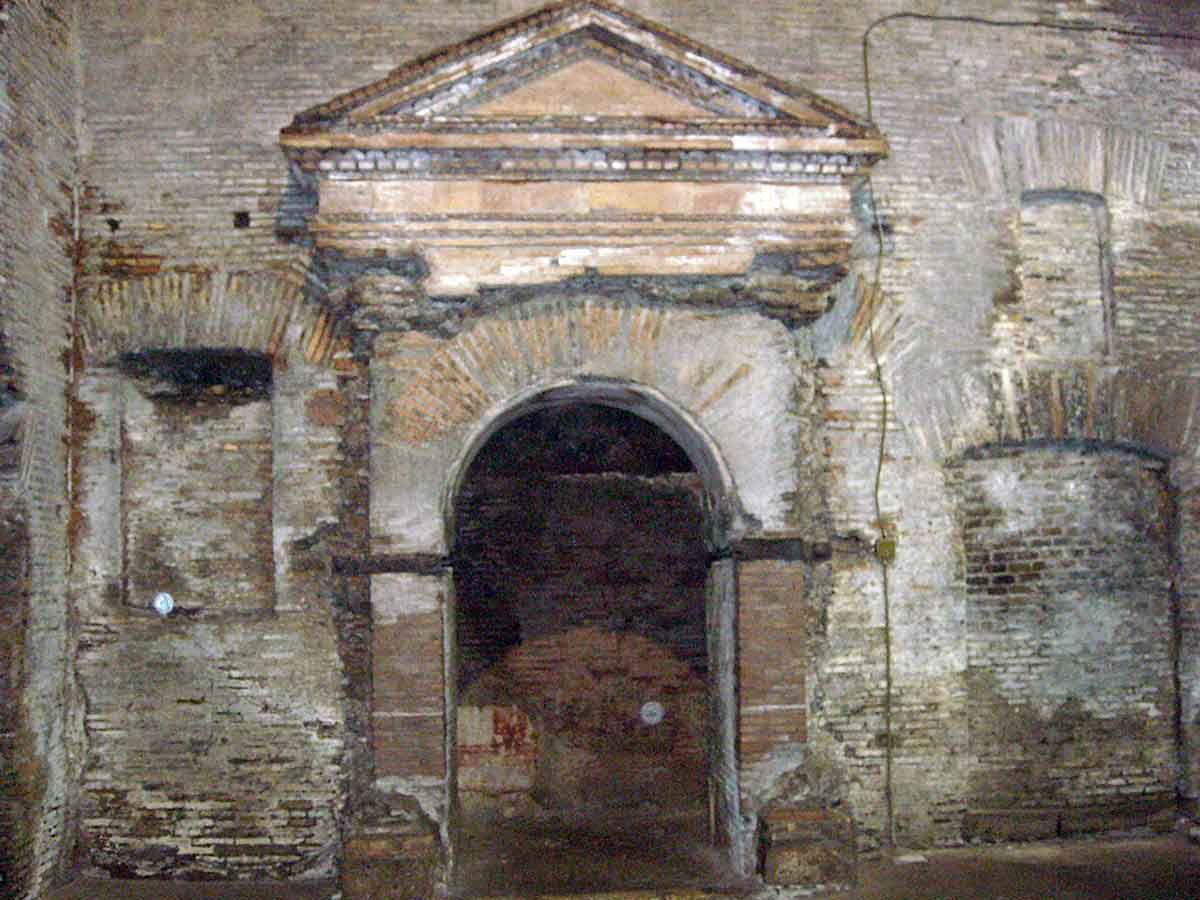
The Vigiles were stationed in excubitoria, and archaeologists have discovered the remains of the excubitorium of the seventh cohort in Rome’s Trastevere district. This has provided insights into the daily life of the Vigiles. Inside were inscriptions, frescoes, and even graffiti left by the Vigiles themselves.
The equipment was practical and innovative for its time. Fires were extinguished using hand water pumps that sprayed directly onto the flames. In addition, fires were fought by forming a chain of buckets from a nearby well to the fire. If there was not enough water, vinegar and sand were used to help extinguish the flames. Axes were used to break into burning buildings, and hooks to tear down walls. The Vigiles also carried out rescue operations of citizens trapped in fires, often sacrificing their own lives.
When a fire broke out, a swift response was crucial to preventing its spread. The Vigiles were positioned so that they could react quickly in any district at any time. Fires were most often first detected by watchmen on rooftops or towers, who would then sound the alarm with horns. After the alarm was raised, the Vigiles rushed to retrieve their equipment. Their response was coordinated much like a small-scale military operation.
The Decline and Legacy of Rome’s Fire Brigade
Over the course of three centuries, the Vigiles were one of the most important Roman institutions. However, like other bodies of the Empire, they were not spared from the socio-political upheavals of the 3rd century. The Third Century Crisis, marked by constant civil wars, economic collapse, and barbarian invasions, drained the imperial treasury and weakened urban administration. The Vigiles suffered from budget cuts, corruption, and neglect. Many positions remained vacant, and those who continued to serve were left with poor equipment and low pay.
At the same time, the city’s population density declined, as many residents moved to the suburbs and countryside. And as the Empire’s focus shifted eastward toward Constantinople, Rome lost its central administrative role. The office of the Praefectus Vigilum, once a position of real authority, became largely ceremonial.
The most significant archaeological trace of the Vigiles is the excubitorium of the seventh cohort, unearthed in 1866 in the Trastevere district (Via della VII Coorte). It was a two-story building with rooms arranged around a central courtyard, decorated with frescoes, altars, and inscriptions. Many of these were dedicated to Vulcan and Neptune, the gods of fire and water. Graffiti found on the walls reveal the names of the Vigiles, their ranks, and fragments of their daily routines. Other archaeological findings suggest the existence of similar stations. Brick stamps marked “Cohors V Vigilum” were discovered near the Aventine Hill, and inscriptions referring to Cohors VI Vigilum were found near Via Lata.
After the fall of the Western Roman Empire, the Vigiles ceased to exist as a distinct, organized corps and were absorbed into other local units and institutions. Archaeological evidence and fragmentary late Roman documents indicate that small, locally organized firefighting groups, often privately funded, replaced the once-imperial service.