
Viking Iceland was sparsely settled and governed collectively by chiefs elected to represent their local communities. This meant there was limited infrastructure for justice and law enforcement. People generally had to take matters into their own hands. Norse ideas about honor meant that if a family was the victim of a crime, they had to retaliate to restore their honor. This often resulted in tit-for-tat revenge killings, known as blood feuds, which decimated entire families and weakened Iceland as a whole. These blood feuds are one of the major themes that recur throughout the Icelandic sagas.
Law and Leadership in Viking Iceland
According to the tradition of the Icelandic sagas, Norse settlers, mostly from Norway, began settling Iceland in the 870s. People were fleeing the tyranny of King Harald Fairhair of Norway and seeking arable land to farm.
The initial settlement was a “land grab,” with new arrivals identifying and claiming the best land on a first-come basis. The earliest settlers then distributed portions of their land to their crews, families, and followers. This resulted in a sparse settlement of independent farms, with groups connected through ties of family and loyalty.
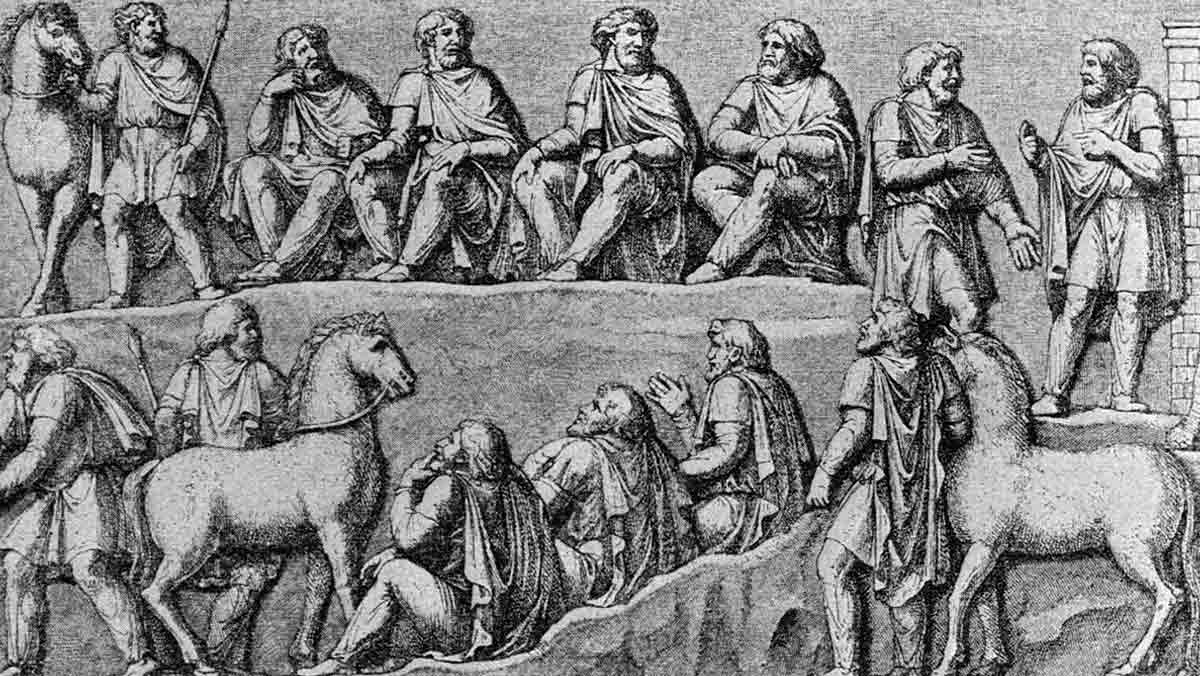
Unlike in Denmark and Norway, where centralized kingship was taking form, Iceland’s settlement pattern lent itself to more decentralized organization in the form of a commonwealth of chiefs. Chiefs called Godi (or Godar in the plural) were elected by their communities to represent their followers at local Thing meetings and the national Althing, when it was established around 930.
These meetings of Godar had been part of the culture since Germanic times. They were important opportunities to conduct business and make marriage alliances. The Godar also agreed on shared rules and laws, and they could hear legal cases presented to them. The Althing was supported by a Lawspeaker, who was responsible for remembering and reciting laws and previous decisions. The Icelandic chronicler of Norse mythology, Snorri Sturluson, served as Lawspeaker for several years in the 13th century.
What Was Considered a Crime in the Viking World?
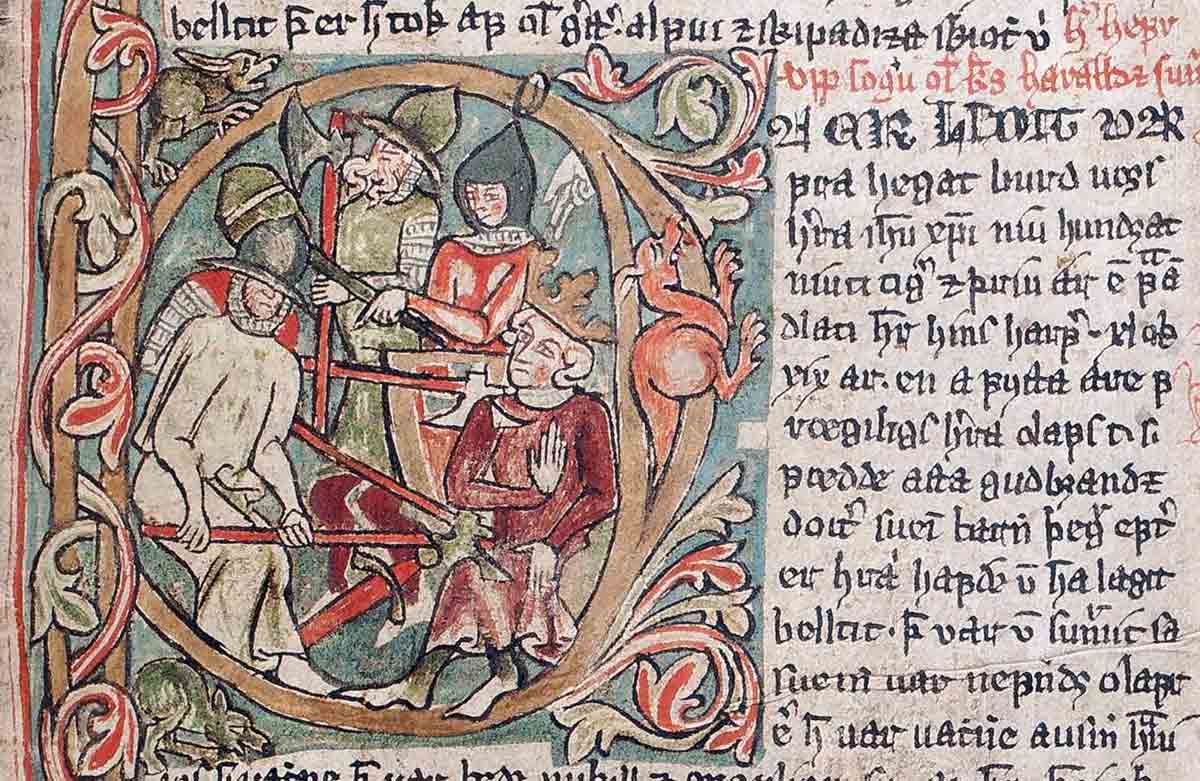
While raiding foreign peoples for gold and slaves was considered a respectable profession, theft and property damage within your own community were serious crimes. It is notable just how many spells in the Medieval Icelandic grimoires dealt with identifying and exposing thieves. Libel or insulting someone’s courage or manliness was also considered a crime for which a man’s honor demanded satisfaction.
Just as today, killing another person was not always considered a crime. The Vikings recognized self-defense as a valid reason for killing another person, as was defending one’s honor. What was important was that the actions were open. For example, a Viking might challenge another to a duel, making their intentions clear, and then complete the act publicly in front of witnesses. However, killing another man in secret and then trying to cover it up was considered a serious crime.
But determining whether a killing was justified or honorable depended very much on the opinion of the injured party. A crime against you or your kin was thought to damage your honor (drenskapr), which needed to be restored, usually through a public act of retribution. But while a public act of retribution might not be a crime, the family on the receiving end might still feel like this new act required a further act of retribution. This approach to justice often escalated into tit-for-tat revenge killings that could decimate families.
Restoring Your Honor: Paths to Retribution
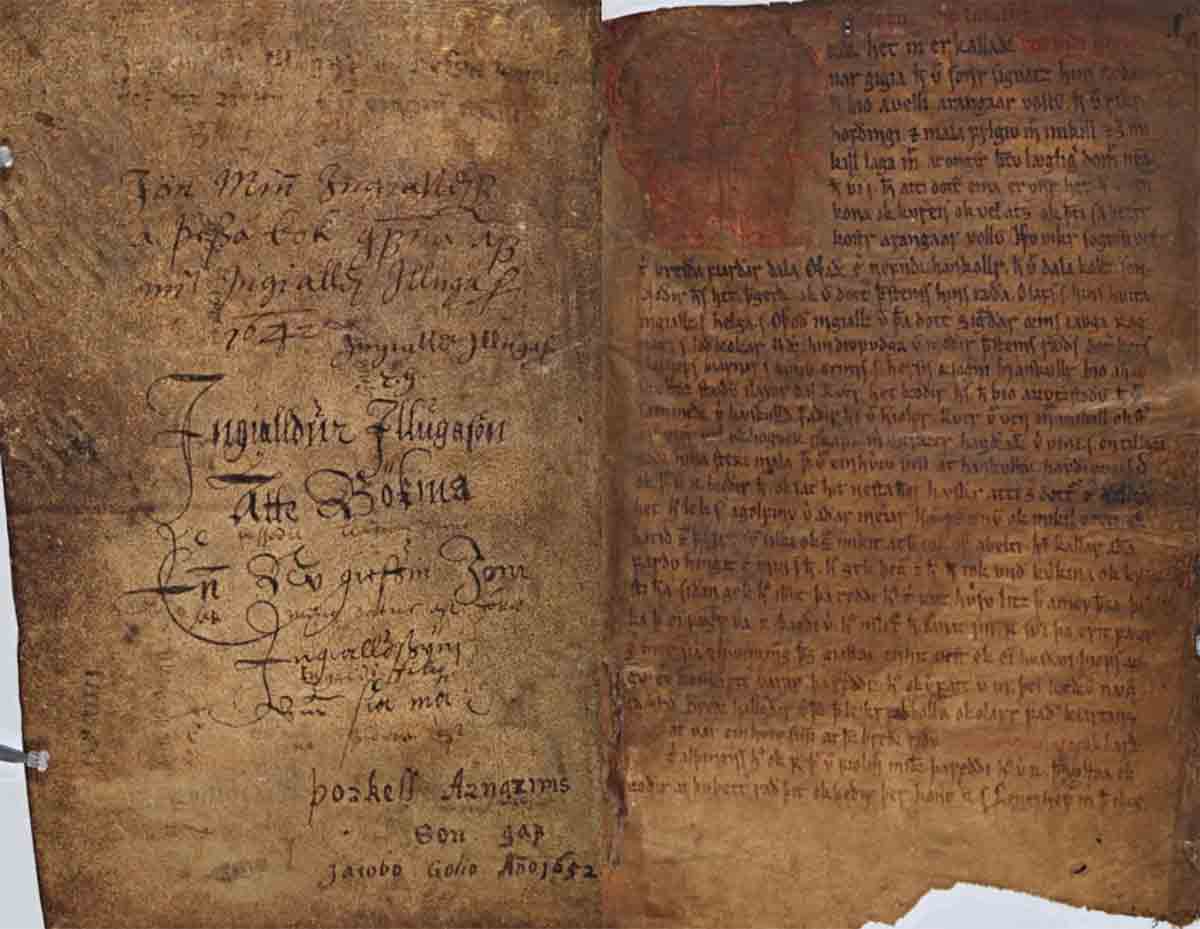
Many of the Icelandic sagas deal with crimes within the community and subsequent acts to restore honor and social order. They reveal three clear paths to retribution, all of which appear in the story of Gunnar Hámundarson.
According to Njals Saga, written in the 13th century, Gunnar was one of the Icelandic chiefs at the start of the 10th century. He was probably a real person, though his character and story have been dramatized for the sake of the saga.
Gunnar is described in idealized terms. Handsome and well-groomed, Gunnar is a powerful warrior who can jump his own height in full armor and wield a sword so quickly that it looks like he has three hands. He is an expert bowman, can throw a rock and hit a man between the eyes at a great distance, and is famous for his skill with a hewing spear. He is an excellent swimmer and wins all games and physical challenges. Gunnar is also intelligent, loyal, and well spoken. For all these reasons, he was elected chief in his local community.
While Gunnar generally preferred to resolve matters peacefully, the saga recounts how he finds himself involved in several conflicts, despite his best efforts. The writer makes it clear that it was challenging to avoid these conflicts in Iceland at the time.
Murder and Wergild
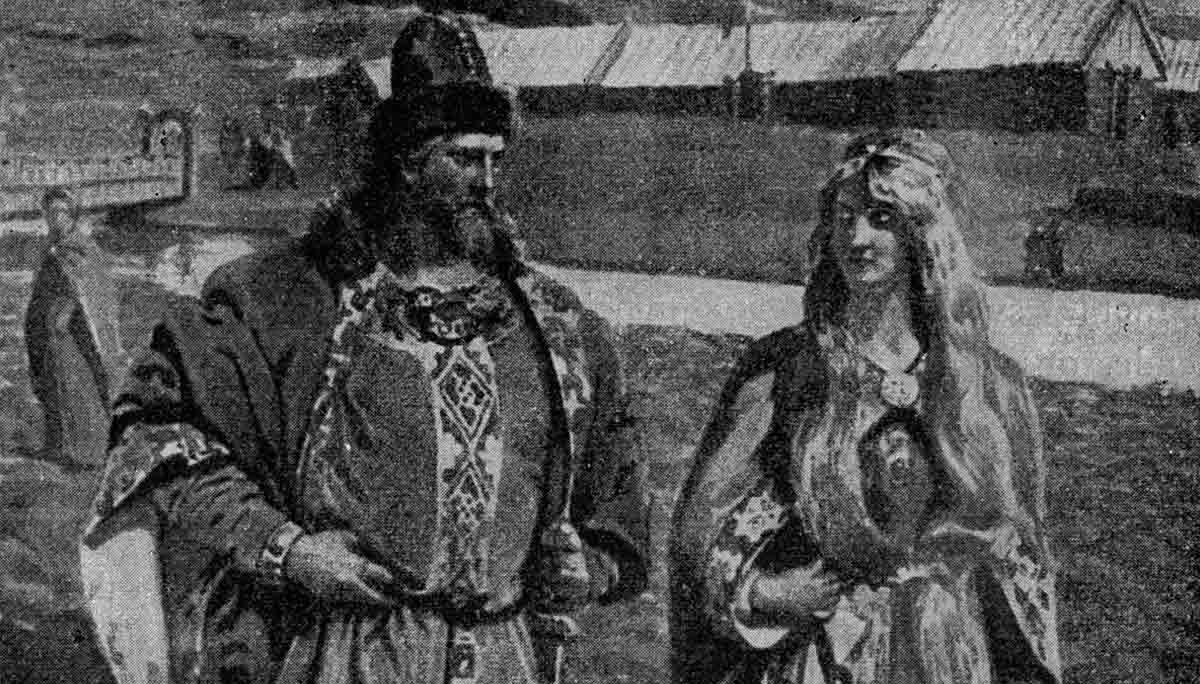
According to the saga, Gunnar’s wife, Hallgerdr, gets into a conflict with the wife of Gunnar’s friend Njal, Bergthora. This results in tit-for-tat killings between the families. It starts when Gunnar’s slave Kol kills Svart, a woodcutter working for Njal; slaves and functionaries were considered like (lesser) family members. Bergthora then hires a man called Atli to kill Kol, and Hallgerdr hires Brynjolf to kill Atli. Bergthora then has her kinsman Thord Freedmason kill Brynjolf, and he is in turn killed by Hallgerdr’s kinsman Sigmund and his friend Skjold. Njal’s sons then kill Sigmund and Skjold.
While the purpose of these revenge killings was to restore balance by restoring honor, these could get out of control and devastate entire families. Later in the saga, 100 men led by Flosi Thordarson surround Njal’s house and kill Njal, his wife, and all his sons. Only his son-in-law, Kari Solmundarson, escaped the flames and spent the rest of his life hunting down the men who burned the house. The Vapnfirdinga saga recounts a feud between Brodd-Helgi and Geitir that sees all the male stakeholders of the original two households killed, leaving both houses genetically, socially, and economically extinct.
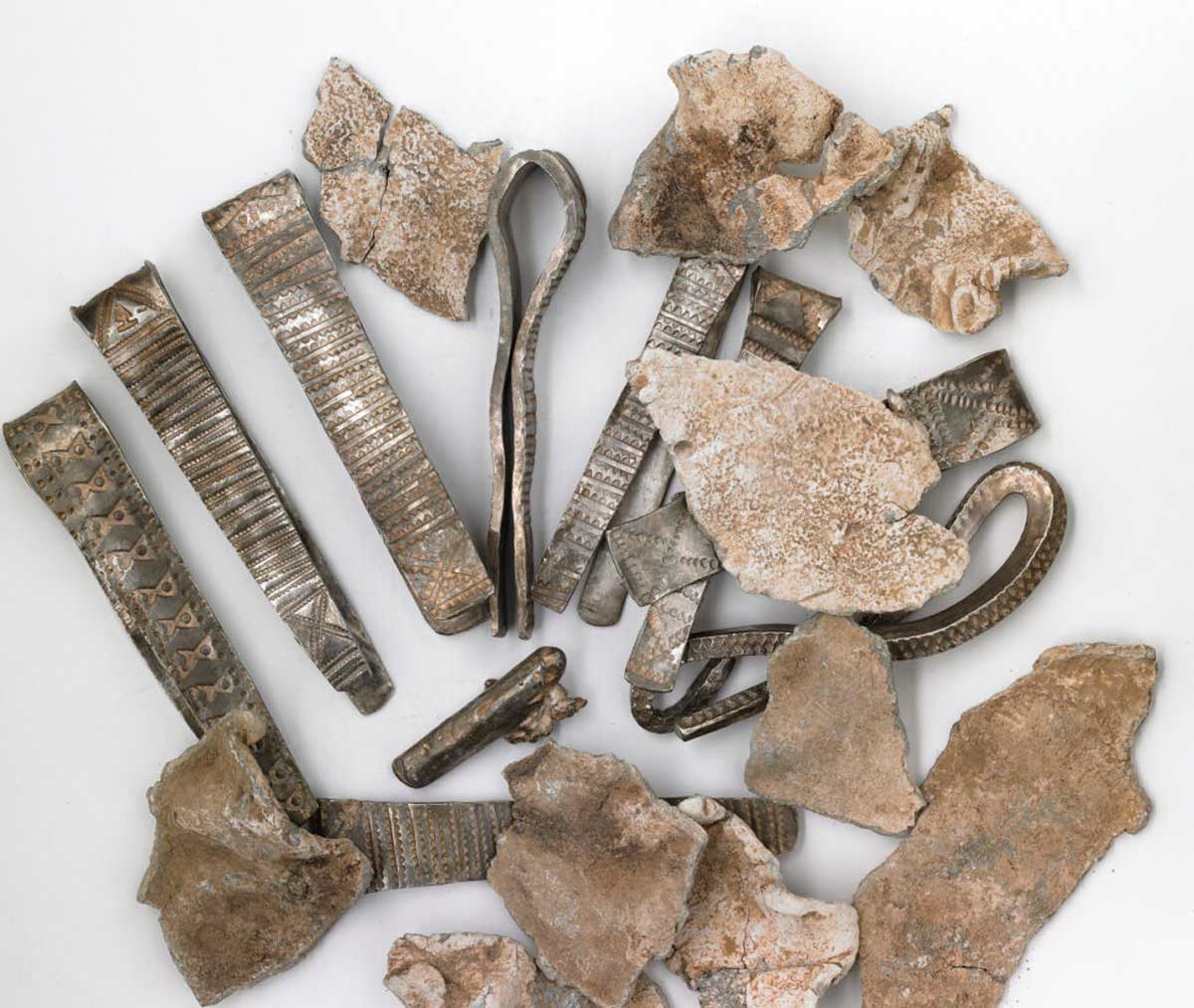
In Njals saga, Gunnar and Njal were able to end the feud started by their wives privately through a financial settlement. The saga says that they paid a price based on the status of the various victims. This was known as wergild, a pre-determined financial value placed on human life. It was a way for a killer to admit fault and buy back peace, while the victim’s family could claim that they had been compensated and their honor restored.
While the cost might be low for slaves, it could be a significant amount of silver for Karls, who were free farmers. The price for a Godi could be astronomical, and an entire community might need to band together to pay. If the murder was particularly cowardly, the price could be doubled or tripled. Between Njal and Gunnar, Gunnar paid Njal 12 ounces of silver for the woodcutter; it was 100 ounces for a free overseer, and 200 ounces for a noble kinsman.
Legal Recourse
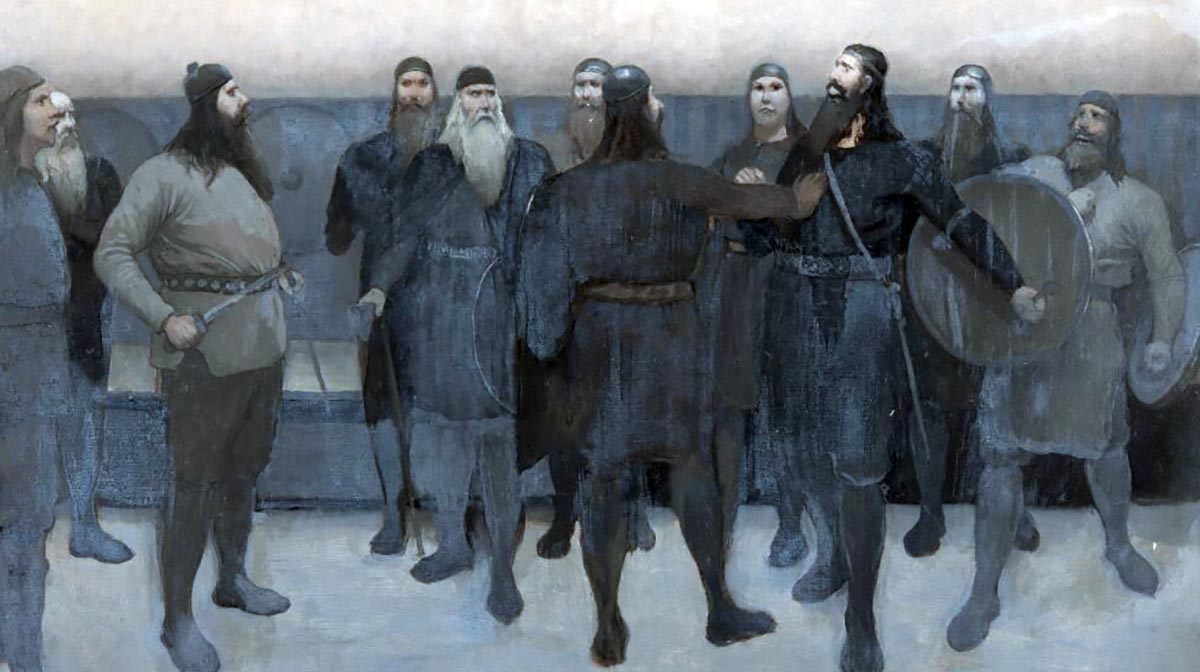
It is prescribed that the man on whom injury is inflicted has the right to avenge himself if he wants to, up to the time of the General Assembly at which he is required to bring a case for the injuries.
Gragas, Treatment of Homicide, 12th century
According to the Icelandic Gragas, or Grey Goose Laws, written in the early 12th century, injured parties had a window in which they could deal with an issue before referring it to the Thing or Althing for judgment by the Godar. While this specific law belongs to a later time, it reflects the fact that people could consult the broader community for a legal resolution.
In Njals saga, Gunnar’s wife, Hallgerdr, continues to create issues by using her slave to burgle the home of a churlish man called Otkell, but she is discovered. While Gunnar offers financial compensation, the man refuses and then insults Gunnar’s honor by drawing blood with a spur. This allowed Gunnar to summon Otkell to the Althing for satisfaction.
But the legal interaction was much more complex than two men being judged by a group of their peers. With the help of Njal, Gunnar summoned Otkell for the minor injury in a way that gave him the upper hand, as it looked like Otkell’s refusal of the earlier financial settlement was malicious. Njal then used his prestige to garner support for Gunnar, ensuring the judgment in the case would go his friend’s way.
When Godar attended the Thing and Althing meetings, they were accompanied by their supporters, called “thingmen,” who could act as an influential threat. Nevertheless, Gunnar, as a man of peace, while extracting a large sum of money from Otkell, later waived much of it in exchange for a promise of continued peace.
Outlawry
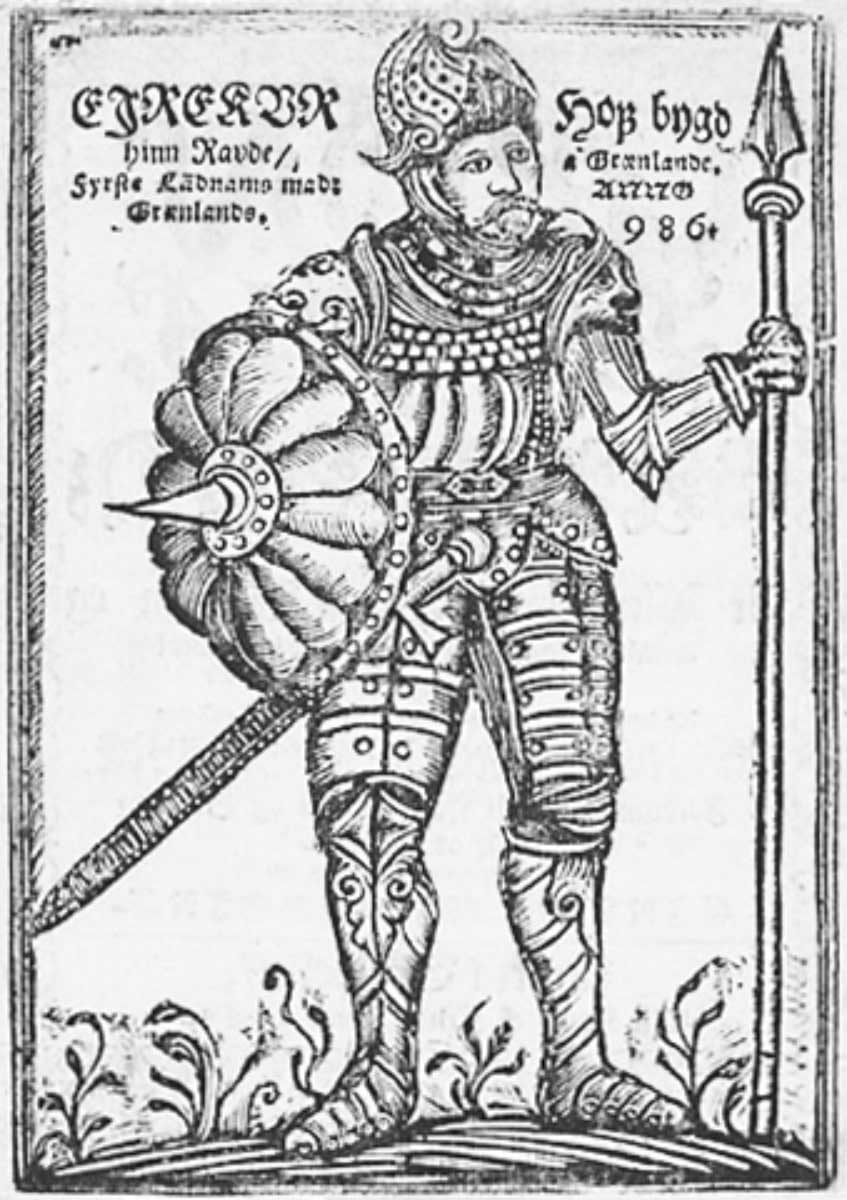
While this case of Gunnar and Otkell resulted in financial compensation, the Thing could also pass punishments such as outlawry. If you were outlawed, you were excommunicated from society. If you were caught somewhere that you should not be, anyone in the community had the right to kill you on the spot without facing any consequences. Death was often the result, as members of the injured family actively sought out the outlaw to kill them.
In Iceland, there were two levels of outlawry. Lesser outlawry (fjörbaugsgarður) was for a fixed period, usually a minimum of three years. While permanent outlaws were expected to leave the community immediately, in the case of lesser outlawry, there were some concessions. These outlaws were allowed three buildings to dwell in while they waited to board a ship, and they were given safe passage to the harbor if they stayed off the main roads. This was necessary as it could take months for an outlaw to find passage off Iceland.
In the case of full outlawry (skóggangur), they were not to be housed, helped, or fed in any way, and anyone helping an outlaw risked being declared an outlaw. These outlaws were often called skoggangr, which means “man of the forest,” because they were forced to flee to the forest and live off the land. They were often seen as little better than animals.
Enforcement
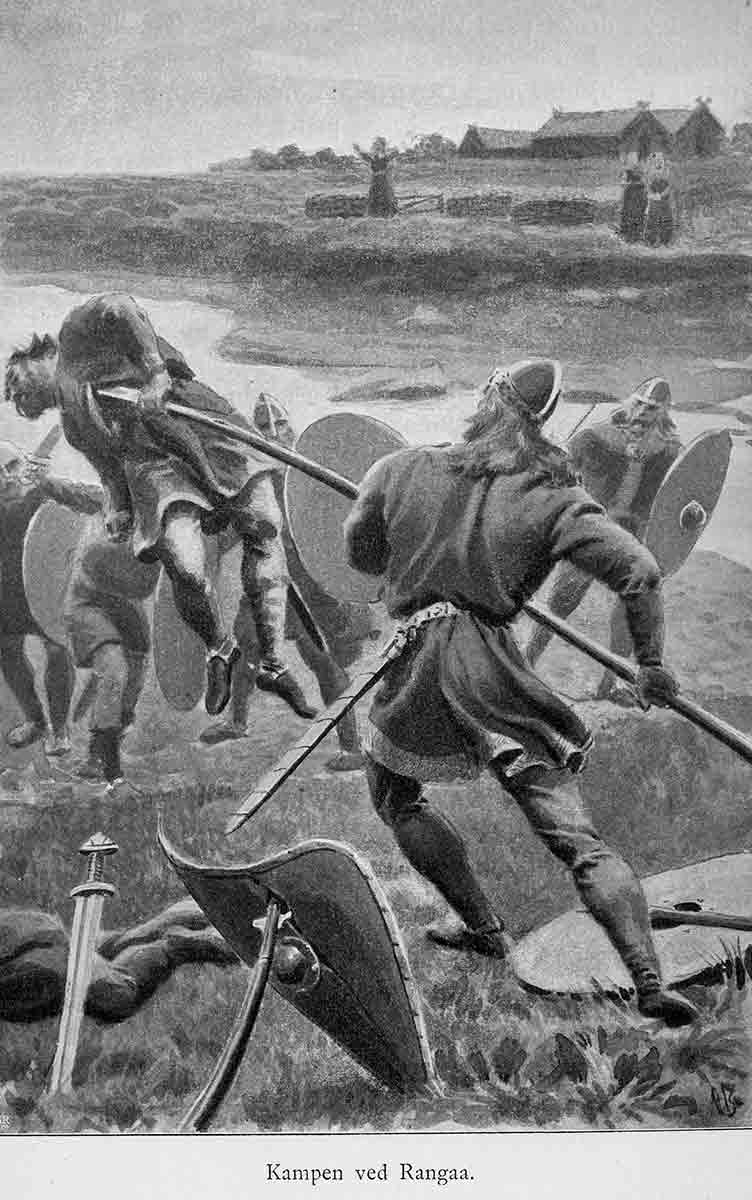
While the Thing could pass judgments of compensation or outlawry, they had no police force or resources to enforce it; that was left to the individuals involved. We see this in Gunnar’s case. Otkell was unwilling to accept the judgment and so organized a group of men to ambush Gunnar. The great warrior killed Otkell and seven of his companions.
This did not work out well for Gunnar, whose power and reputation grew, causing his enemies to ally against him. Njal also prophesied that if Gunnar killed another member of Otkell’s family, he would suffer a dire fate. Mordur Valgardsson, a man jealous of Gunnar, heard the prophecy and organized for Gunnar to kill Otkell’s son, Thorgeir.
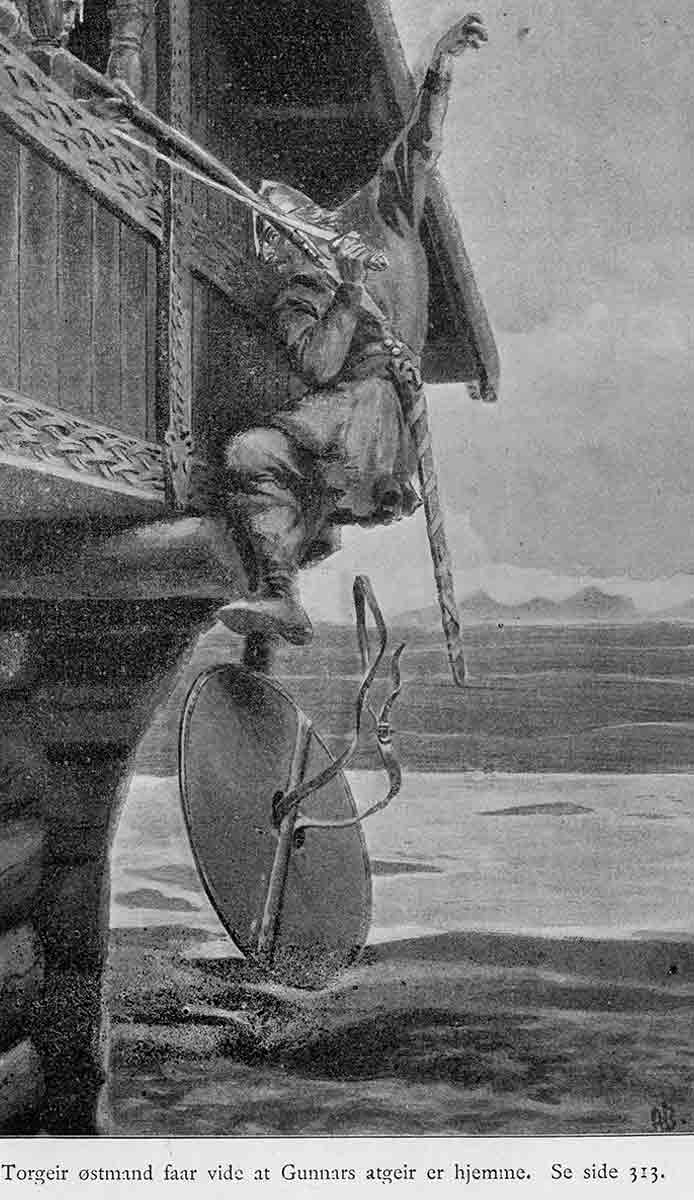
This led the Althing to outlaw Gunnar for three years. Njal warned him that if he did not leave Iceland, he would be killed. While Gunnar initially accepts this fate, as he turns to leave, he looks back on the beauty of his own farmhouse and decides to stay and fight. The avenging Vikings arrive and attack his home. While Gunnar takes many of them out single-handedly, he is eventually killed.
According to the saga, after Gunnar’s death, his son Hogni saw his shade rise from his burial mound and sing about how he would rather die than yield. Hogni then hunted down the main perpetrators and killed them in revenge. Despite his father being an outlaw, his popularity meant he successfully claimed financial compensation via the Althing.
How Blood Feuds Brought Down Iceland
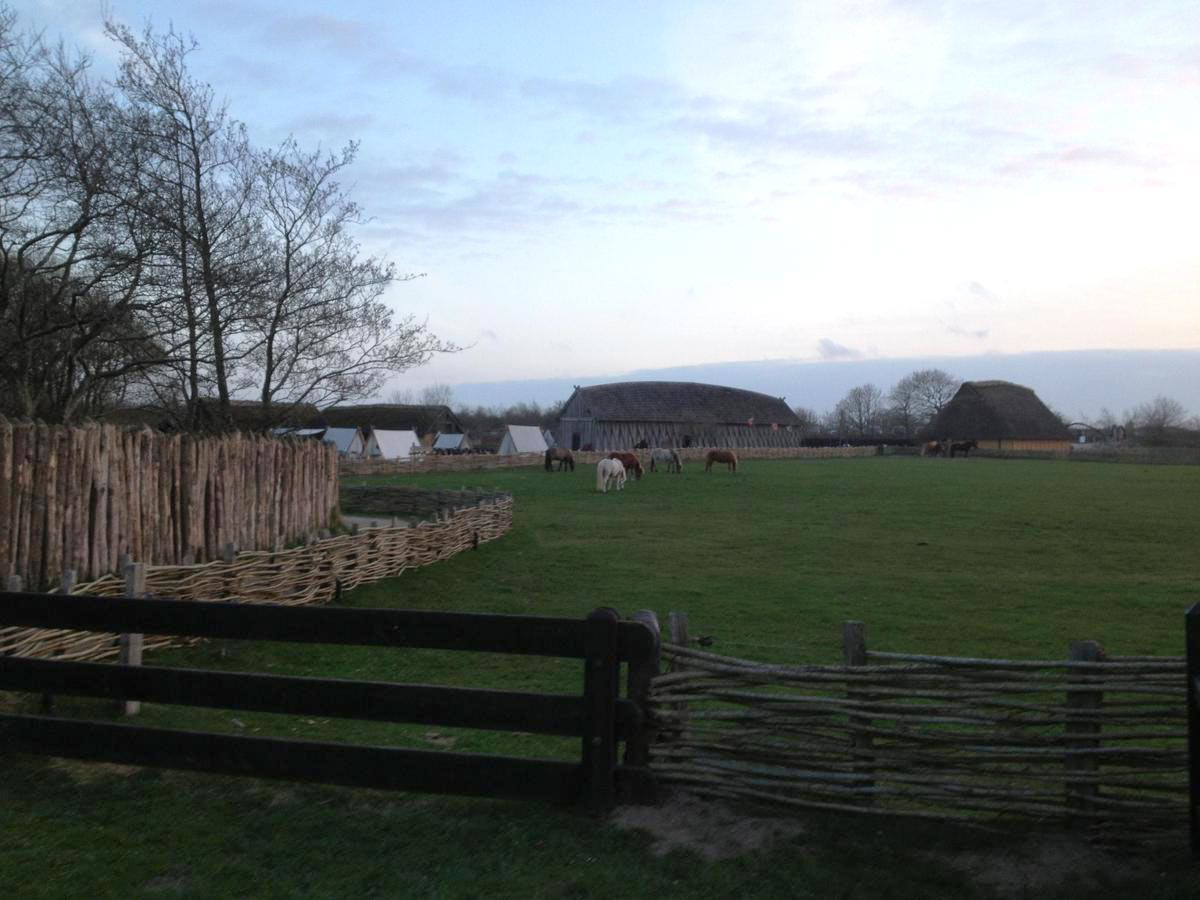
While the reported body counts of many of the blood feuds recorded in the sagas are probably exaggerated, Iceland was a small community, and the loss of life had a major impact on the community. There is a reason why the sagas, mostly written in the 12th and 13th centuries, when the effects of the loss of men were being felt, cast the practice in a negative light.
The population of Iceland is estimated to have been 60-70,000 in AD 1000, but to have barely grown by the end of the 12th century due to the consistent killings. Moreover, small landowners were pushed out, as bigger families targeted them for blood feuds to claim their land. This led to a breakdown of the local legal system, and in 1262, Iceland voluntarily surrendered its independence to Norway in what is known as the Old Covenant. Iceland would not regain full independence until the 20th century.