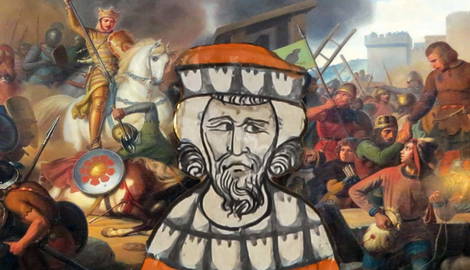

Starting in the 700s AD, Viking raiders attacked settlements in the northern French coast. These raids led to two sieges of Paris, the establishment of a new Duchy in northern France, and indirectly, the Norman invasion of England.
The Coming of the Northmen: France Faces the Viking Onslaught (8th–9th centuries)
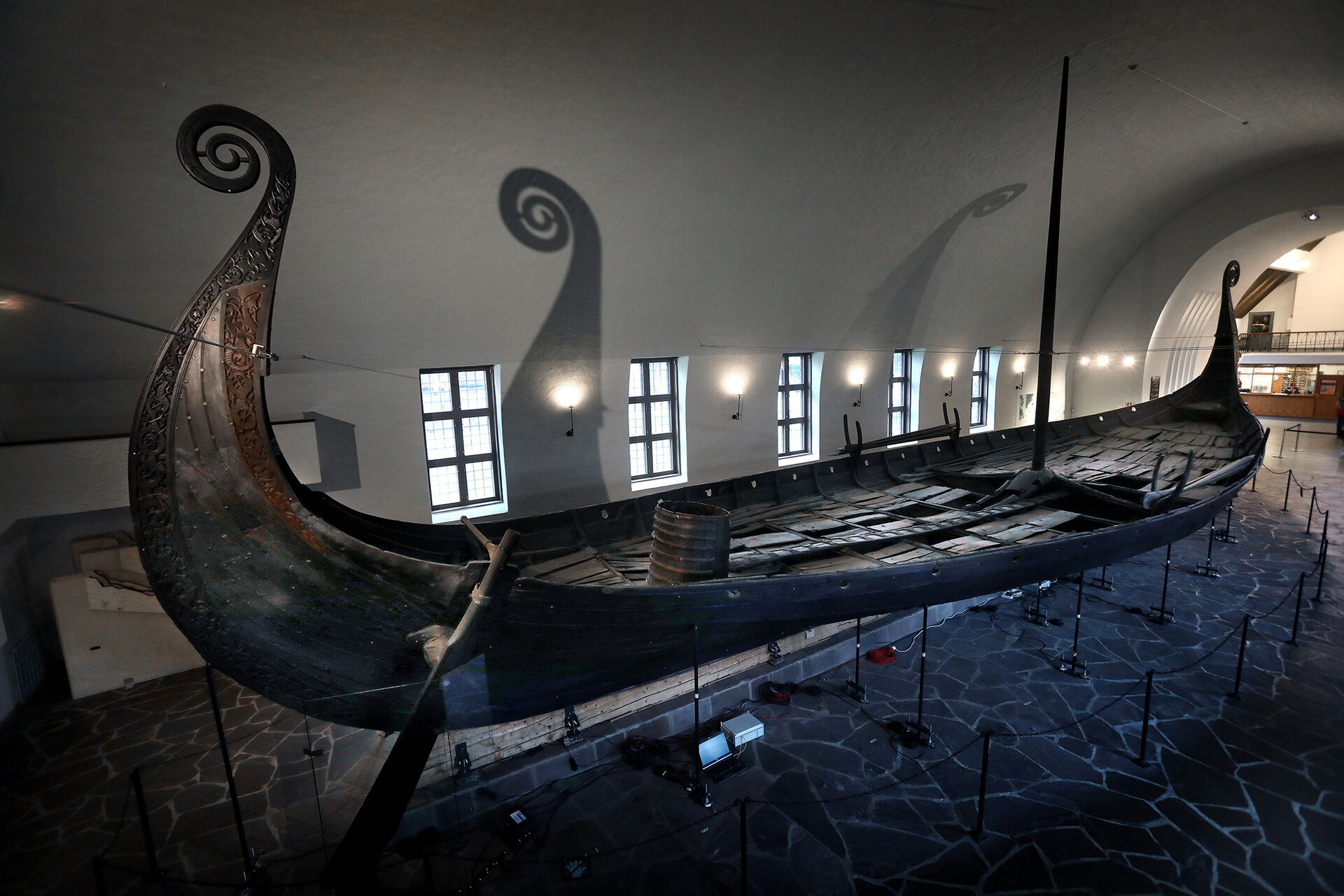
After several years raiding the coasts of the British Isles, Vikings began to target settlements in northern France. The first Scandinavian ships appeared off France in 799. They arrived at a perilous time for the locals. The local Frankish nobility struggled to maintain control over their territories and lacked the resources to defend themselves against these raiders. As a result, the Viking raids quickly increased in intensity.
The Vikings initially aimed to plunder the coastal areas, targeting abbeys, churches, and small towns for their wealth. The Vikings were experienced in raiding coastal settlements and the Carolingian rulers in France struggled to respond. The lackluster defense only encouraged more raids as the Vikings were eager to seize more riches.
In the 830s-840s, Viking raiders began establishing fortified camps in the Seine estuary to allow them to raid further inland. In 841, a Viking fleet sailed up the River Seine and plundered Rouen and the Abbey of Jumièges. These raids showed two things: the Carolingians were too weak and the Vikings were planning on staying there. This would have profound implications for the political future of northern France.
The Siege of Paris and the Crisis of the Carolingians (845–885)
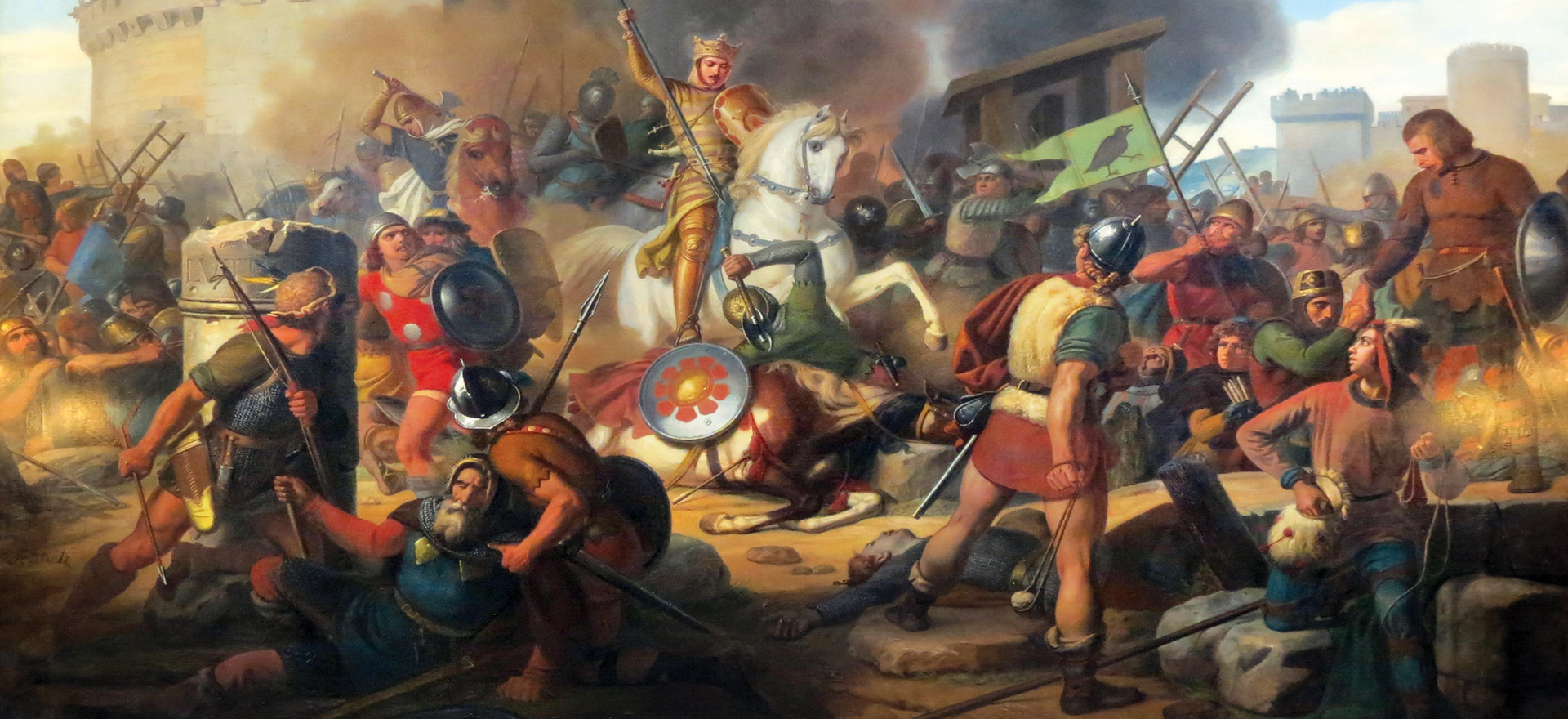
In 845, one of the most important moments in Frankish history took place when thousands of Vikings sailed down to the Seine to attack Paris. The Frankish king, Charles the Bald, was poorly prepared for this attack. After the Frankish vanguard was defeated, the Viking chieftain Ragnar Lothbrok laid siege to the city. Charles decided to pay off the Vikings by giving them 7,000 livres of silver and gold.
The Vikings found that by laying siege to poorly defended cities like Paris, they could exact major tributes. Repeated attacks throughout the rest of the 9th century AD devastated towns such as Rouen, Tours, and Angers, while monastic centers like Saint-Denis and Fontenelle were burned multiple times.
In 885, a much larger Viking force numbering in the tens of thousands laid siege to Paris again. This time, Odo, the Frankish Count of Paris, managed to defeat the Vikings thanks to careful preparation and a formidable defense. He also had to pay a ransom to force the Vikings to leave, but the Frankish defense deterred additional Viking attacks on the city. A stalemate now emerged: northern France was at the mercy of the Vikings, but areas further inland were harder to reach due to stronger Frankish defenses.
Rollo and the Settlement at the Lower Seine (911)
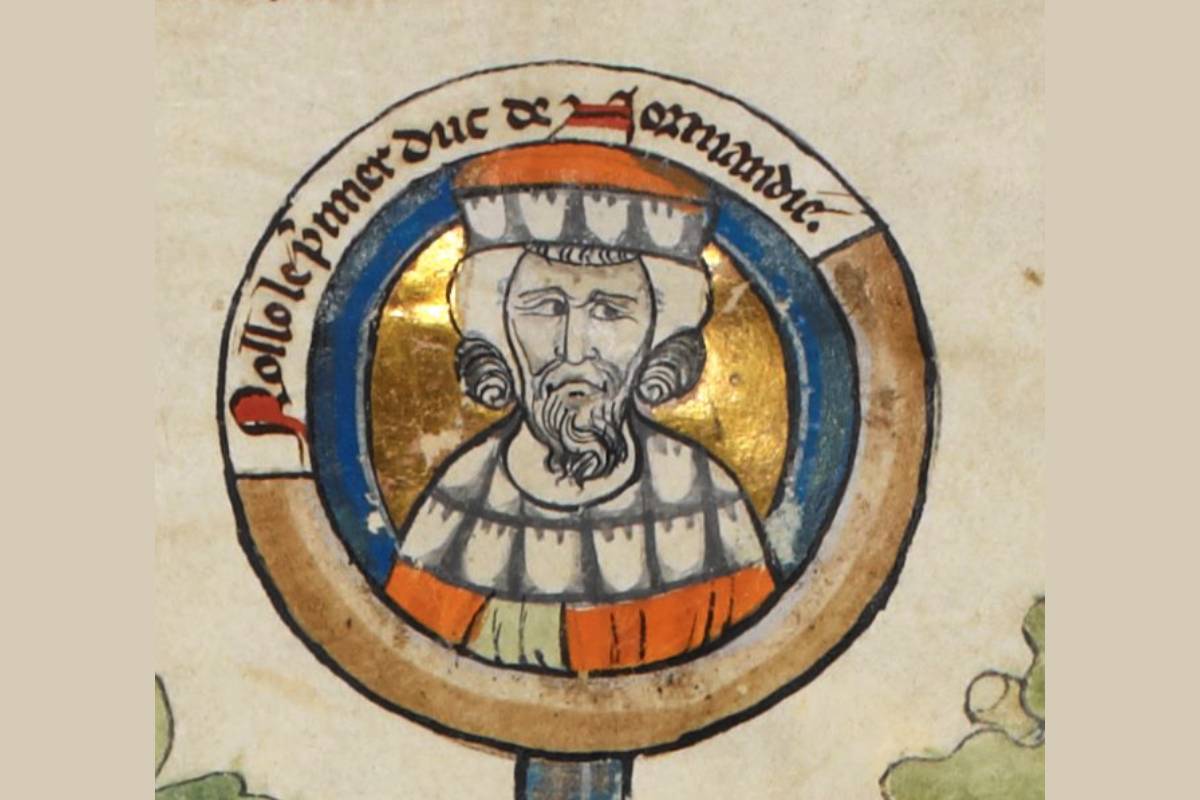
While this stalemate persisted, a prominent new Viking ruler appeared on the scene. Rollo, a Scandinavian chieftain born in either Denmark or Norway, took control of much of the Viking-held territory in the Seine estuary and on the coast. His position was strengthened by the fact that the Carolingians were very weak, enabling him to maintain control of the territories seized by prior Viking warlords.
While the Vikings were unable to seize Paris itself, they could take control of the city’s hinterland, leaving it isolated from the rest of France. King Charles the Simple decided that he would try to negotiate with the Norsemen instead of trying to oust them entirely. In 911, both leaders met and signed the Treaty of Saint-Clair-sur-Epte. This accord enabled Rollo to take control of the vital territory near Rouen. In exchange, he agreed to make peace with the Franks and pledge allegiance to King Charles. He even converted to Christianity and married Charles’s daughter.
Rollo’s realm came to be known as Normandy, or “land of the Northmen.” From now on, the Vikings in northern France were no longer a threat to the Frankish kingdom. Instead, they were co-opted to protect their Frankish liege lords from other external threats. The treaty and subsequent events consolidated the Duchy of Normandy and stopped the rampant Viking pillaging that plagued northern France at the time.
From Raiders to Rulers: The Early Norman Dukes (10th century)
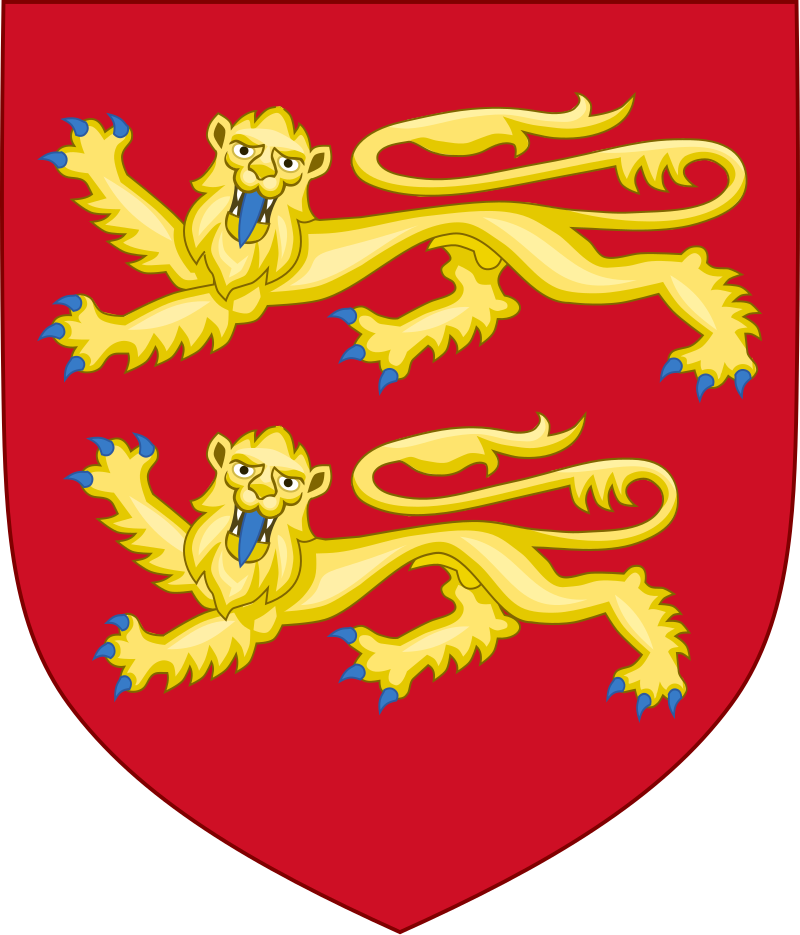
Upon the signing of the treaty between Rollo and King Charles, northern France underwent drastic changes. Many of the Vikings who lived there decided to settle down, adopt a Christian lifestyle, and intermarry with the locals in the towns in the region. The establishment of a prosperous Norman state on the French coast encouraged further migration from Scandinavia.
Rollo proved an able ruler. He fortified Rouen, established law and order, and encouraged trade along the Seine, turning his once-hostile base into a thriving center of commerce. His son and successor, William Longsword, expanded Norman control westward toward the Cotentin and eastward into the Vexin, using both the carrot and the stick. The Normans’ growing power alarmed neighboring counts, but their martial discipline and strategic marriages secured their position.
In 942, Richard I became the Duke of Normandy and he decided to increase the power of the Church in the region. He welcomed reforming monks and established more monasteries to support the Church’s growth. The close ties established between the Duchy and the Church ensured that the Normans could integrate more easily into the Frankish kingdom than if they had retained their Norse pagan beliefs.
Normandy’s Rise: Power, Prosperity, and Integration (11th century)
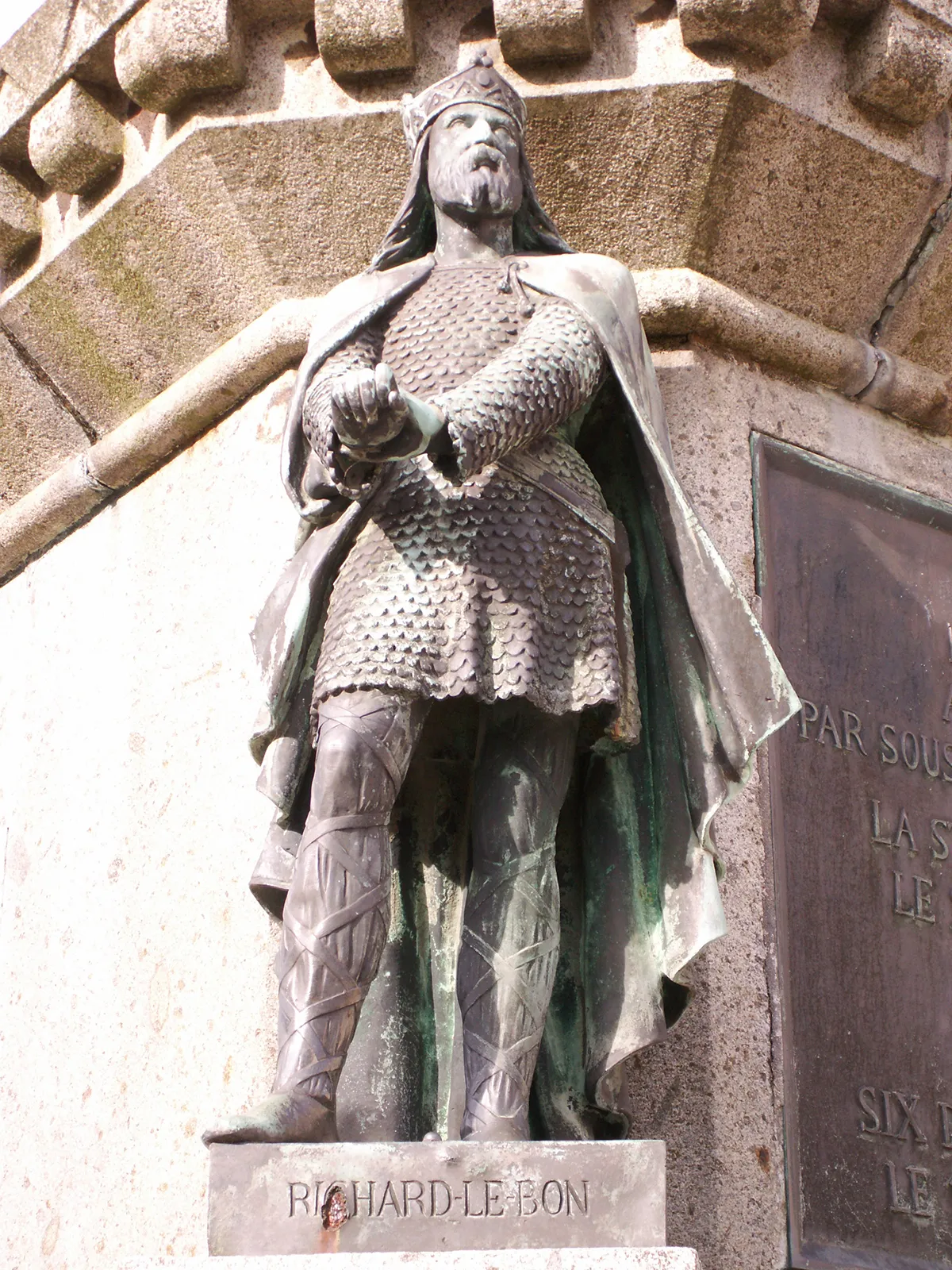
Normandy continued to expand as a result of the strategic decisions of its dukes and the growth in its population. The descendants of Rollo had perfected the art of balancing independence with loyalty to the French crown. Under Duke Richard II and his successors, the duchy consolidated its institutions, strengthened ducal authority, and cultivated a distinctive Norman identity.
In the late 10th century, the Norman dukes helped to put Hugh Capet on the French throne, an act that demonstrated their influence beyond Normandy. Additionally, their military power was growing. By the mid-century, over 300 permanent knights protected the castles in the duchy, not including thousands more warriors that could be called up in a crisis. The dukes imposed vassalage on the lay nobility as well. Until Richard II in the late-10th century, Norman leaders were willing to call over more Scandinavians to strengthen their numbers.
The mid-11th century witnessed the rise of Duke William, the illegitimate son of Duke Robert I of Normandy. William had become duke at eight years old in 1035 and spent the next few decades facing a host of challenges to his power. After restoring stability to his realm, William turned his attention to England. William’s great-aunt Emma of Normandy had been the mother of the childless Edward the Confessor, whose death in 1066 encouraged William to lay claim to the English throne.
Legacy of Conquest: Normandy and the Wider World
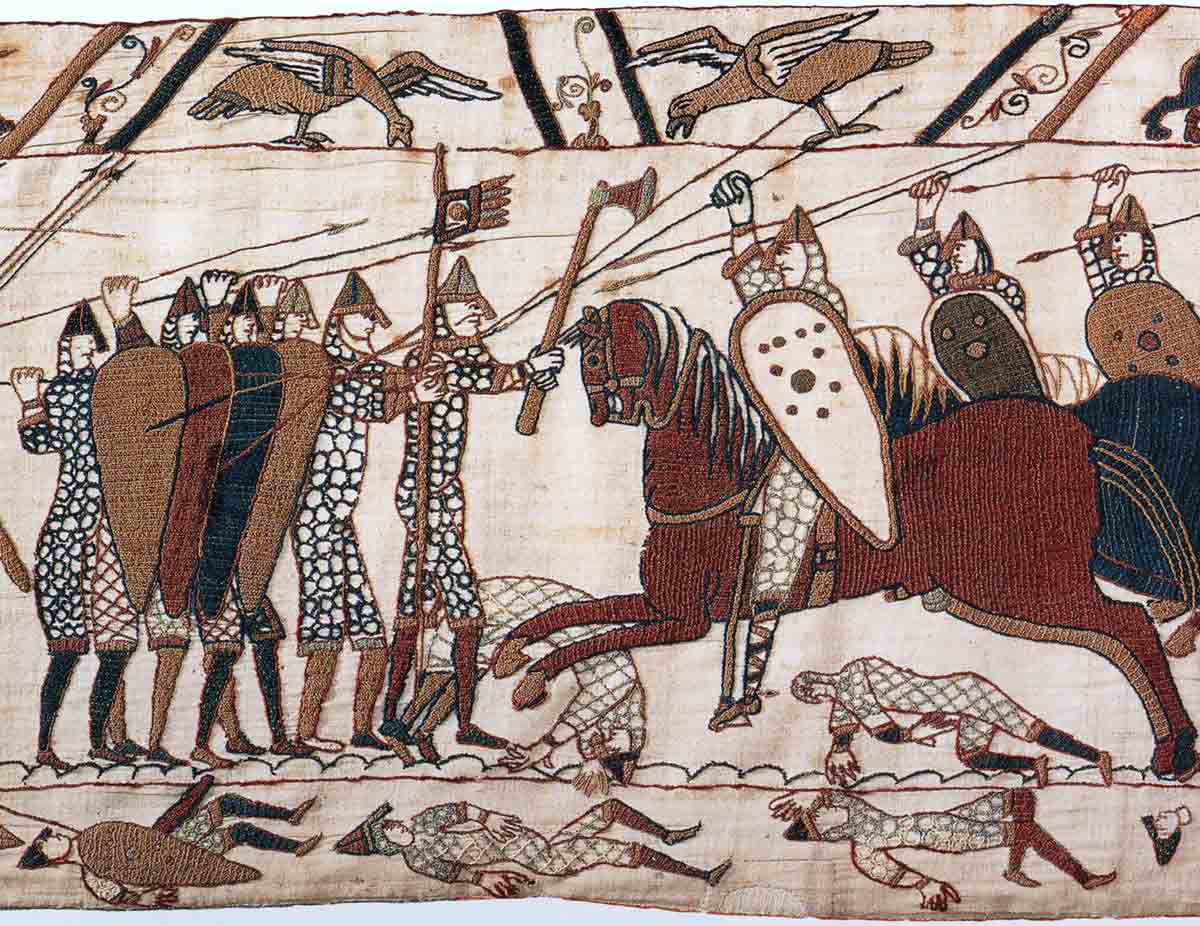
Following Edward’s death in January 1066, his brother-in-law Harold Godwinson moved quickly to seize the crown. William claimed that Edward had previously promised him the throne and invaded England in the fall of 1066 to stake his claim. During that fateful year, Harold not only faced the threat of William’s Normans to the south but also had to defend his kingdom from invasion by King Harald Hardrada of Norway in the north.
Although Harold prevailed against the Norwegians at the Battle of Stamford Bridge, the Normans emerged victorious and Harold was slain at the Battle of Hastings on October 14, 1066. After his coronation in December, William became king of England as well as the duke of Normandy. England and Normandy remained separate realms after William’s death, with his eldest son Robert taking over in Normandy and his second son William II becoming king of England. The territories were reunited in the person of Henry I, William’s third son.
The Normans carried to England their distinctive blend of Viking audacity and Frankish organization. They centralized political administration, and created a new aristocracy bound by loyalty to the new king. Their castles dominated the surrounding countryside as a statement of the new regime. Norman rule reshaped English society and governance, leaving long-lasting legacies in law, architecture, and language.
Across the channel, the duchy itself remained a cornerstone of English power in France until King John was forced to cede the duchy to France in the early 13th century. Born from Viking raids and forged in Frankish politics, Normandy had become a model of adaptability, resilience, and growth. Its influence extended long after the end of the Duchy and to this day, the legacy of the Viking settlers remains imprinted on the territory.