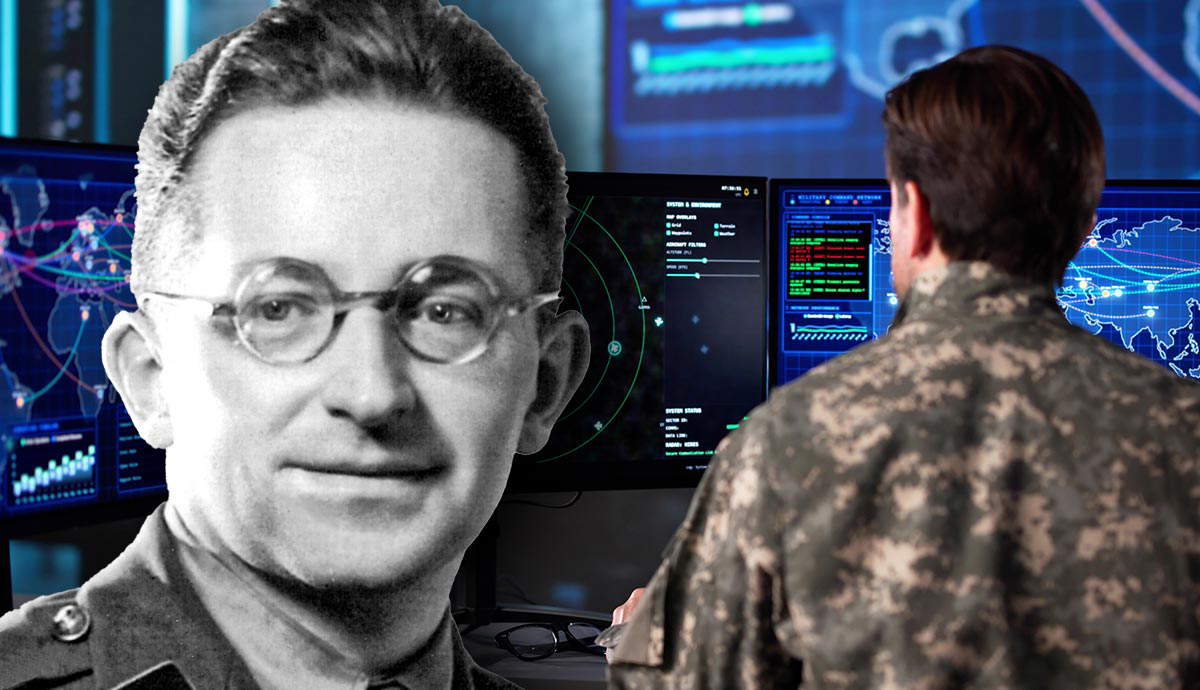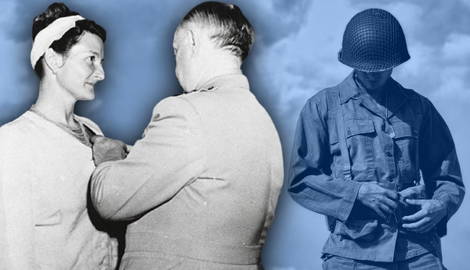
Virginia Hall, born into a wealthy American family, served in the British Special Operations Executive in France (SOE) from 1941 to 1942 before joining the United States Office of Strategic Services (OSS). Though her story remained largely hidden until 1970, today, she is recognized as one of the most successful spies of the Allied forces during World War II.
Early Life
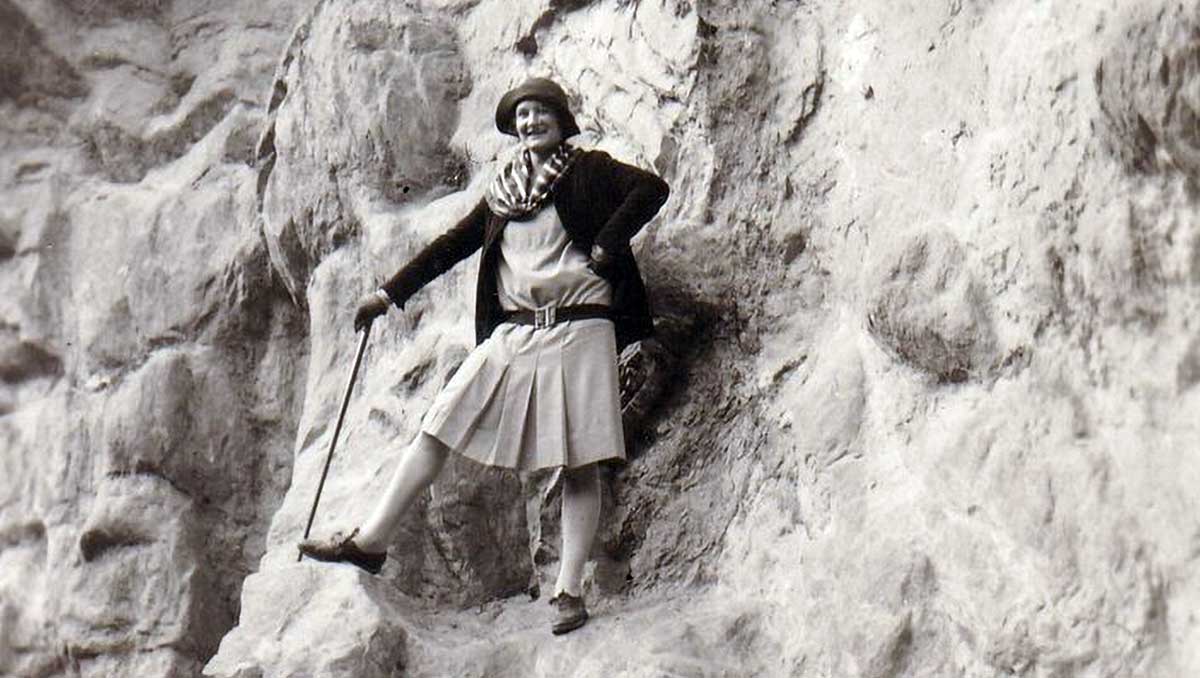
Virginia Hall was born in a wealthy family on April 6, 1906, in Baltimore, Maryland. Her parents were Edwin Lee Hall and Virginia Hammel. Virginia Hall was an intelligent young woman studying French, Italian, German, and economics during different times at Radcliffe College of Harvard University, Barnard College of Columbia University, and George Washington University.
From a very young age, Virginia Hall aspired to live in Europe and work for the American diplomatic service. In late 1920, she relocated to Europe and continued studying in Germany and Austria. Eventually, in 1931, she was appointed consular service clerk at the Embassy of the United States in Warsaw, Poland.
Virginia was a naturally adventurous person who was constantly seeking out new experiences. She often referred to herself as “capricious and cantankerous.” Fascinated with nature, she once went to school wearing a bracelet made of live snakes, an episode that highlights her adventurous spirit and courage.
After only a few months in Warsaw, she relocated to Smyrna (modern-day Izmir), Republic of Turkey, to work at the United States Embassy. Then, in 1933, a terrible incident would permanently alter her life. She accidentally shot herself in the left leg while hunting for birds, and because of the subsequent medical complications, her limb had to be amputated. Her new leg would be a wooden appendage that Virginia called “Cuthbert.”
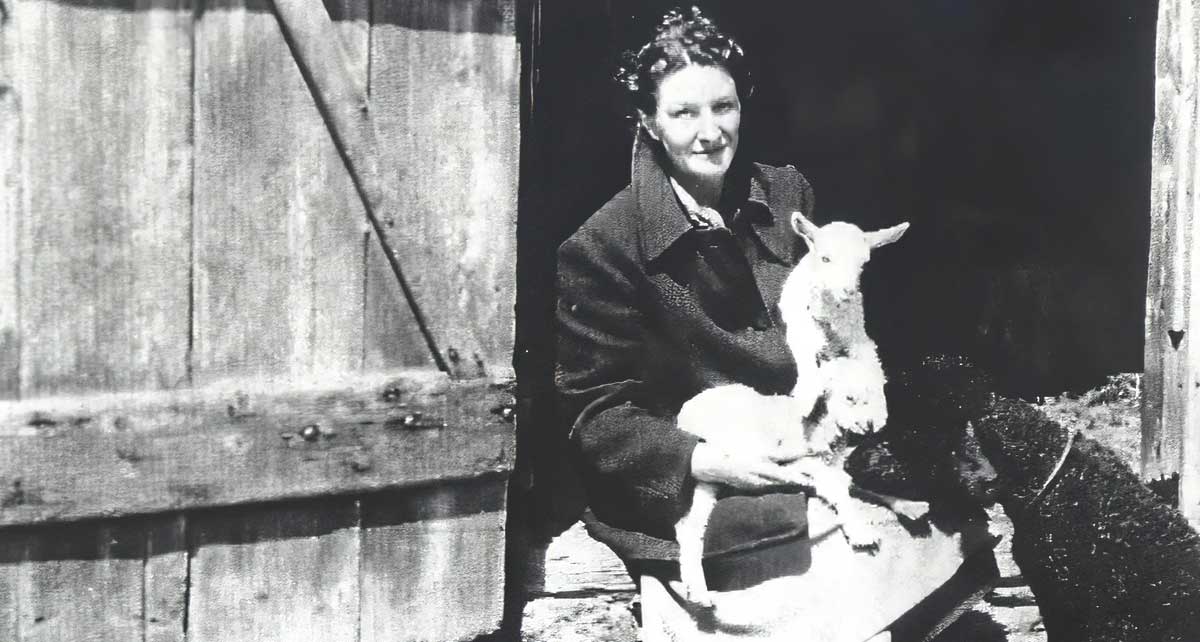
The amputation of her leg became a turning point in Virginia’s life. Sonia Purnell, British writer and author of the book A Woman of No Importance (2019), points out:
“She had been given a second chance at life and wasn’t going to waste it. And her injury, in fact, might have kind of bolstered her or reawakened her resilience so that she was in fact able to do great things.”
Being disabled, Virginia Hall faced challenges in getting a job as a diplomat. According to the rules of the Department of State, applicants with disabilities could not be hired as diplomatic representatives. Virginia made multiple unsuccessful applications before 1939. In addition to being disabled, she was a woman, and at the time, only six women were serving at American Embassies in Europe out of 1,500 total employees.
Becoming a Spy & the Beginning of World War II
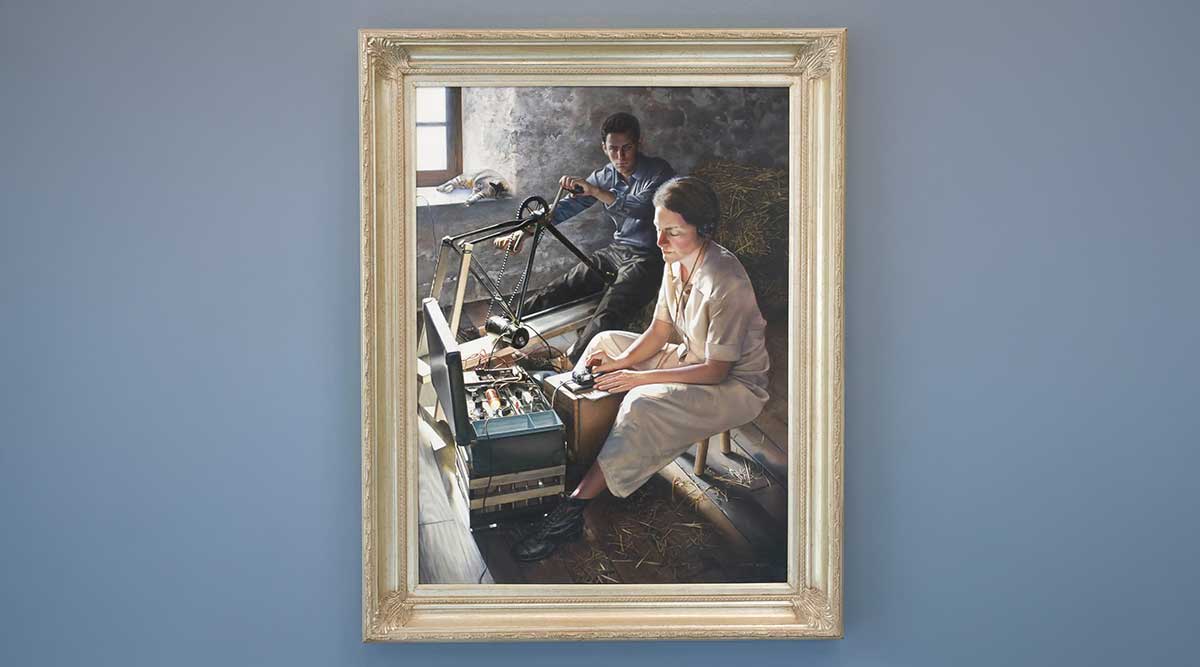
World War II erupted in Europe in 1939. Nazi Germany reached Paris, France, in June 1940. Virginia Hall was in France during this time and decided to volunteer for the ambulance service. France fell to Nazi Germany merely days later, while Virginia continued to drive wounded French soldiers to different hospitals in the capital city of Paris.
Being alone, she applied for the ration cards at the Nazi stations to get food and gasoline for transport. Apparently, as a disabled woman and American neutral, she was treated with less caution and more generosity. As a result, Virginia Hall began to seek more ways to help the Allied forces win the war.
During this time of uncertainty, she accidentally met with a British agent, George Bellows, while traveling from Spain to London, Great Britain, via train. This small encounter left Bellows impressed with Virginia’s courageous personality, intelligence, and aspiration to help Nazi-occupied France. He gave Virginia the telephone number of the head of the “F” (French) Section from the newly established British secret service, the Special Operations Executive (SOE)—Nicolas Bodington. This encounter would play a decisive role in developing Virginia Hall’s career as a successful spy.
Virginia Hall in France
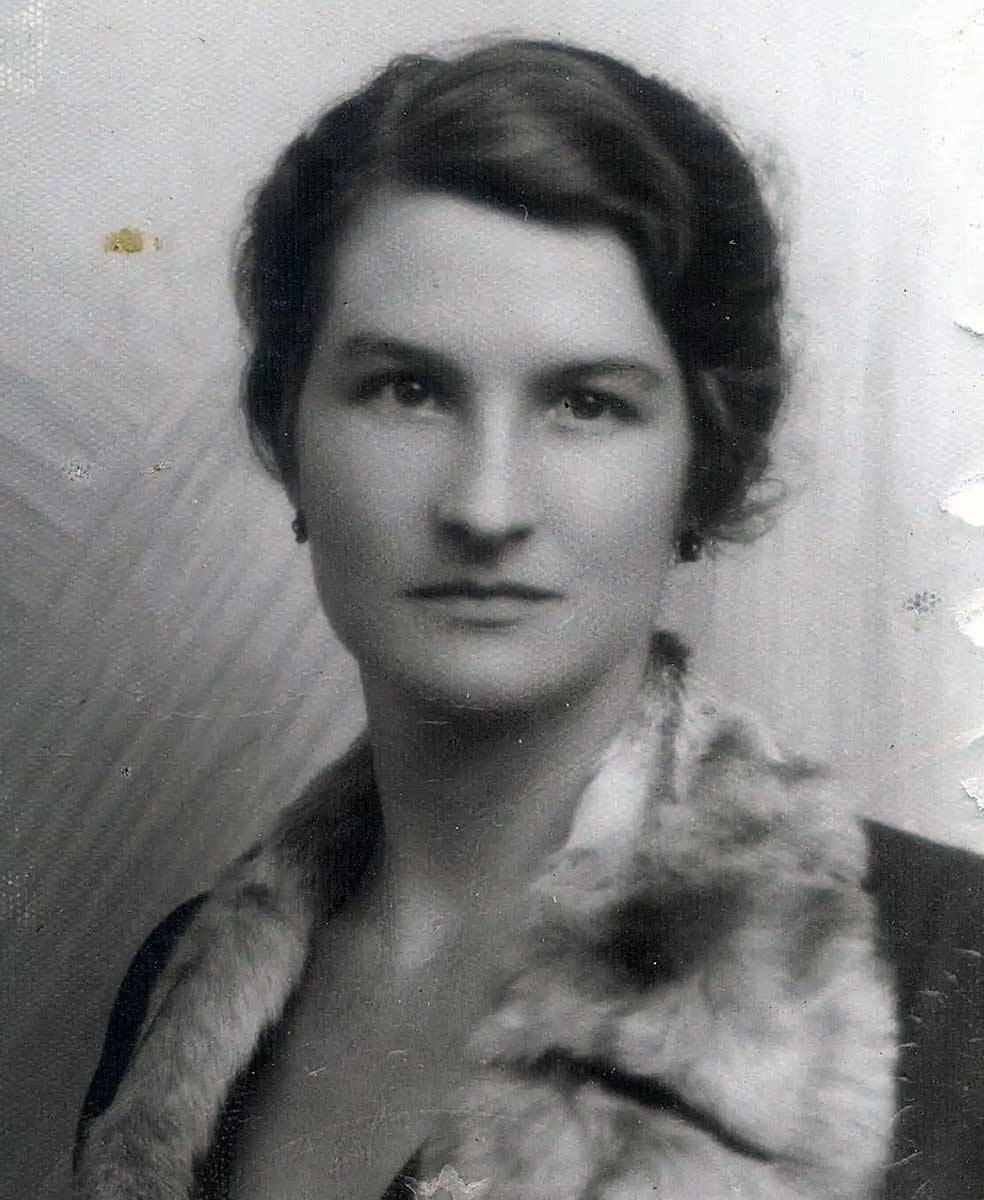
At that time, Nicolas Bodington was building a network of personnel who could build and establish Resistance groups in several Nazi-occupied European territories. Bodington, sensing that Virginia would hold a key place in this endeavor, immediately recommended her for service to his Head of Section.
Virginia accepted the offer and joined SOE in April 1941. She underwent a brief and standard period of training and arrived in France in August 1941, disguised as a reporter for the New York Post.
The cover enabled her to travel to strategic places, conduct interviews, and ultimately collect information. She relayed all this information to London in the form of newspaper stories. Virginia’s attempts to collect useful information did not always go smoothly. Indeed, she faced challenges, especially in the early days, when her contacts were frequently arrested or executed.
While operating in the city of Lyon in eastern France, she befriended nuns and doctors, the closest one being a doctor named Jean Rousset. Germaine Guerin was another close contact of Virginia. She was the owner of one of the most well-known and popular brothels and shared the information that sex workers collected from Nazi soldiers. Lyon, at that time, was regarded as the center of the French Resistance.
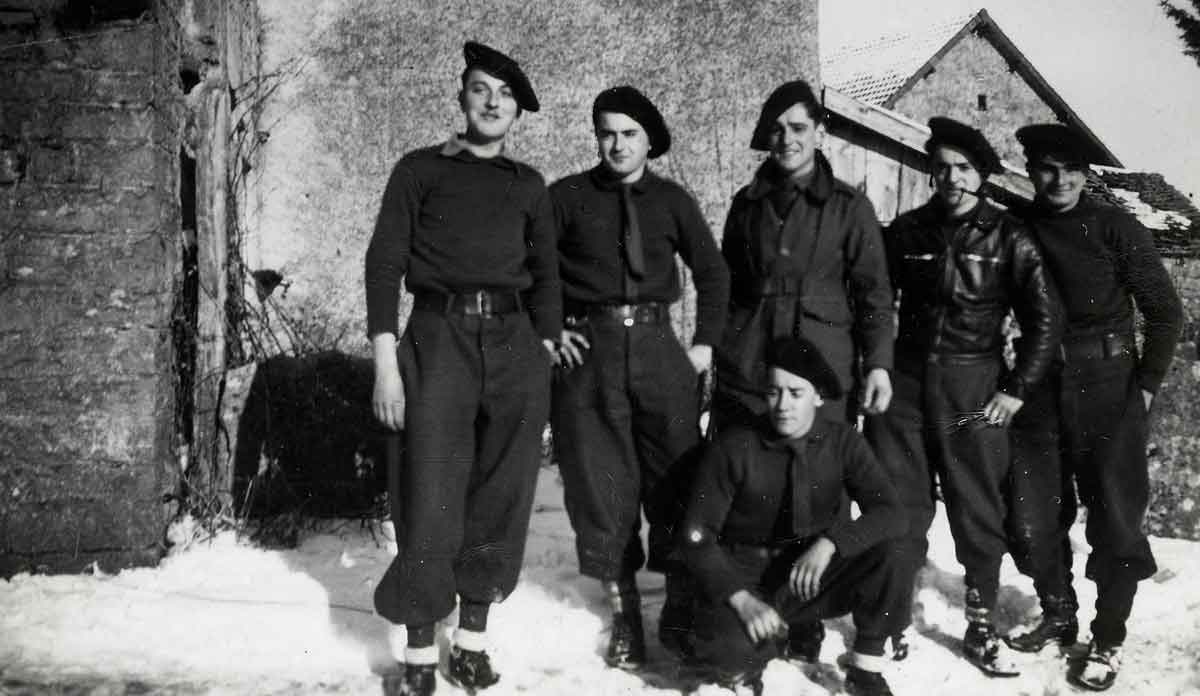
During her time in Nazi-occupied France, Virginia assisted in organizing the resistance movement. In particular, she ensured the safety of the resistance members by providing housing, arranging meeting venues and contacts, and providing logistical support.
Constantly changing her appearance, Hall proved to be a natural spy, always one step ahead of the German secret police, the Gestapo. Craig Gralley, a former senior officer in the Central Intelligence Agency and a chief speechwriter for three CIA directors, remarked:
“Virginia Hall, to a certain extent, was invisible. She was able to play on the chauvinism of the Gestapo at the time. None of the Germans early in the war necessarily thought that a woman was capable of being a spy.”
Through her remarkable achievements, Virginia Hall became known as “la dame qui boite” (the limping lady) in France. Germans also considered her a top threat, listing her as one of their most wanted individuals.
The Mauzac Escape
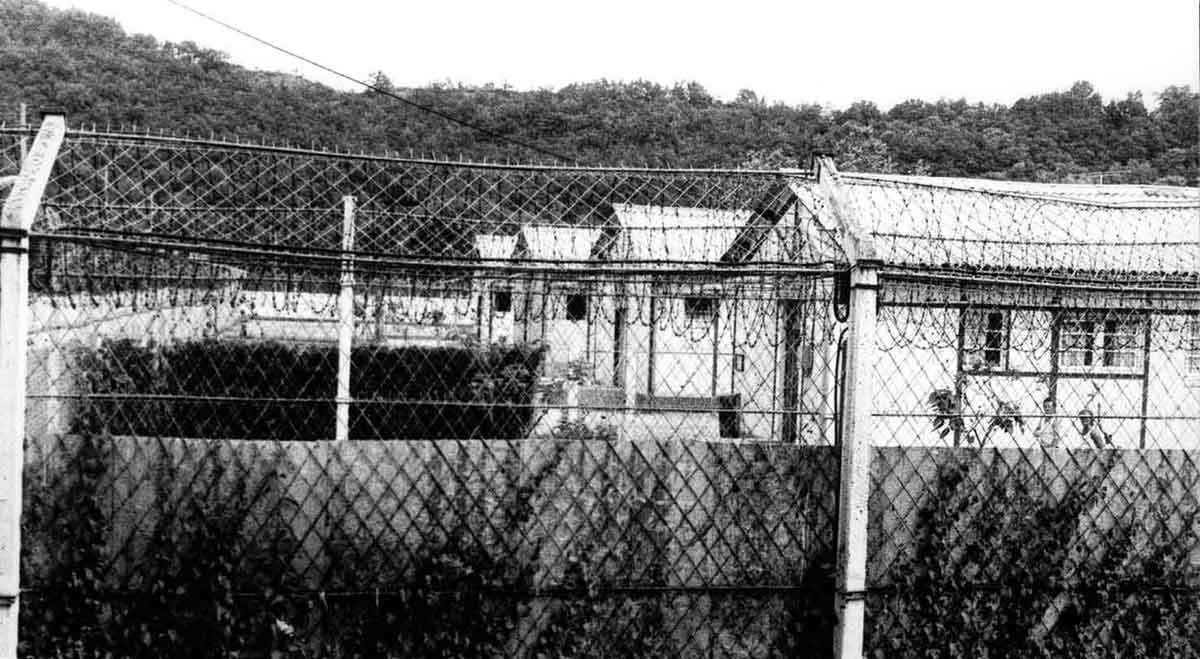
Virginia Hall closely adhered to the SOE security regulations. She declined an invitation to an SOE agents’ event in Marseille because she was concerned that it would be noticed. She was correct. In a raid, the Nazi secret office caught twelve SOE agents, leaving Virginia as the sole SOE spy able to communicate with the British side through a radio.
One of Virginia Hall’s greatest career accomplishments was her unwavering commitment to assisting and retrieving captured agents who Nazi officials imprisoned at the Mauzac prison, an internment camp near Bergerac in southwest France.
Virginia gave Gaby Bloch, the wife of one of the prisoners, Jean Pierre Bloch, the task of smuggling messages and small equipment, hidden in tins of sardines, to the prisoners. Virginia’s other contact, Georges Begue, made a key for the door of the building where the prisoners were held.
Meanwhile, Virginia prepared safe housing, transportation, equipment, and French police uniforms to execute a successful escape. The prisoners escaped on July 15, 1942, and were able to reach London with Virginia’s assistance safely. Later, some of the escapees would play a significant role in leading resistance movements in Europe.
Discovering “The Enemy’s Most Dangerous Spy”
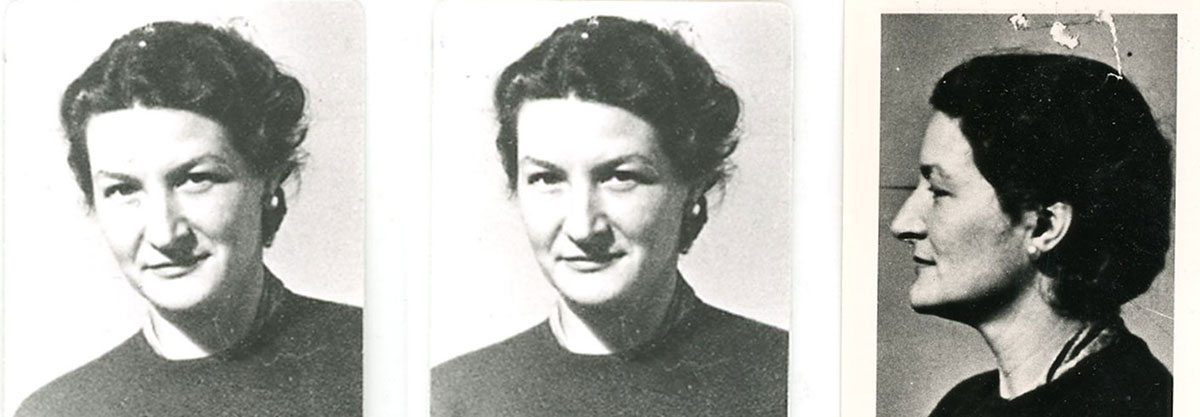
Nazi Germany responded to the escape of key SOE spies with the mobilization of more than 500 agents into the unoccupied zones of France, mainly concentrating on Lyon. With increased German security surveillance in Lyon, Virginia could not risk her safety.
The feeling of not being safe was further enhanced when, in 1942, a priest, calling himself Robert Alesch, visited Virginia. Alesch claimed he represented one of the French resistance networks based around Paris, Gloria. At the same time, news about various members of Gloria being captured erupted. Virginia suspected the priest was a disguised agent from the German side, and she was right.
One of the Gestapo’s most infamous members, Klaus Barbie, known as “the Butcher of Lyon” for imprisoning and killing thousands of Frenchmen, ordered “wanted” posters of Virginia Hall to be spread across France, with the following announcement: “The Enemy’s Most Dangerous Spy—We Must Find and Destroy Her!”
Virginia Hall left Lyon for Spain without informing anyone, even her closest contacts, Jean Rousset or Germaine Guerin.
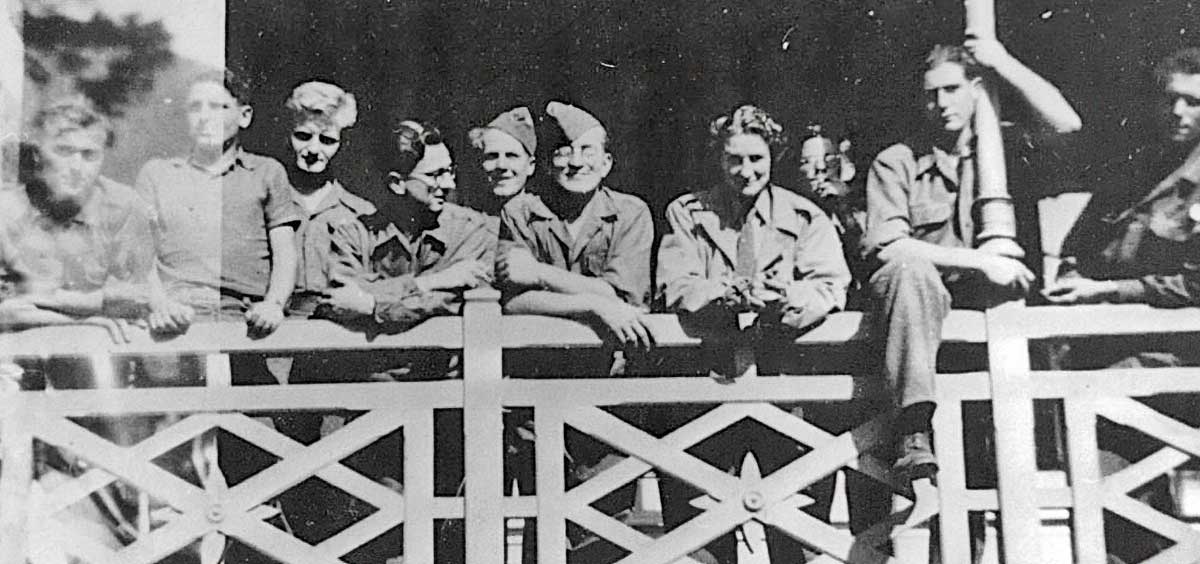
To reach Spain safely, Virginia traveled by train to Perpignan, a southern French city near the Mediterranean coast bordering Spain. There, she found a guide and then embarked on a brutal path, crossing the Pyrenees Mountains via a high pass. She walked up to 50 miles a day for three days. The snowy road was hard and full of obstacles, especially with the discomfort of “Cuthbert” (her wooden leg).
Spanish authorities arrested Virginia for crossing the border illegally. However, the United States Embassy negotiated her release and assisted her in returning to London. Maurice Buckmaster, the head of SOE’s “F” Section, did not agree with Virginia’s decision to return to France. The move would be too dangerous to execute.
Instead, Virginia joined the newly formed American Office of Strategic Services (OSS), the precursor to the Central Intelligence Agency (CIA). As part of OSS, she returned to France on March 21, 1944, as a second lieutenant in the Special Operations Branch.
Returning to France as a CIA Agent
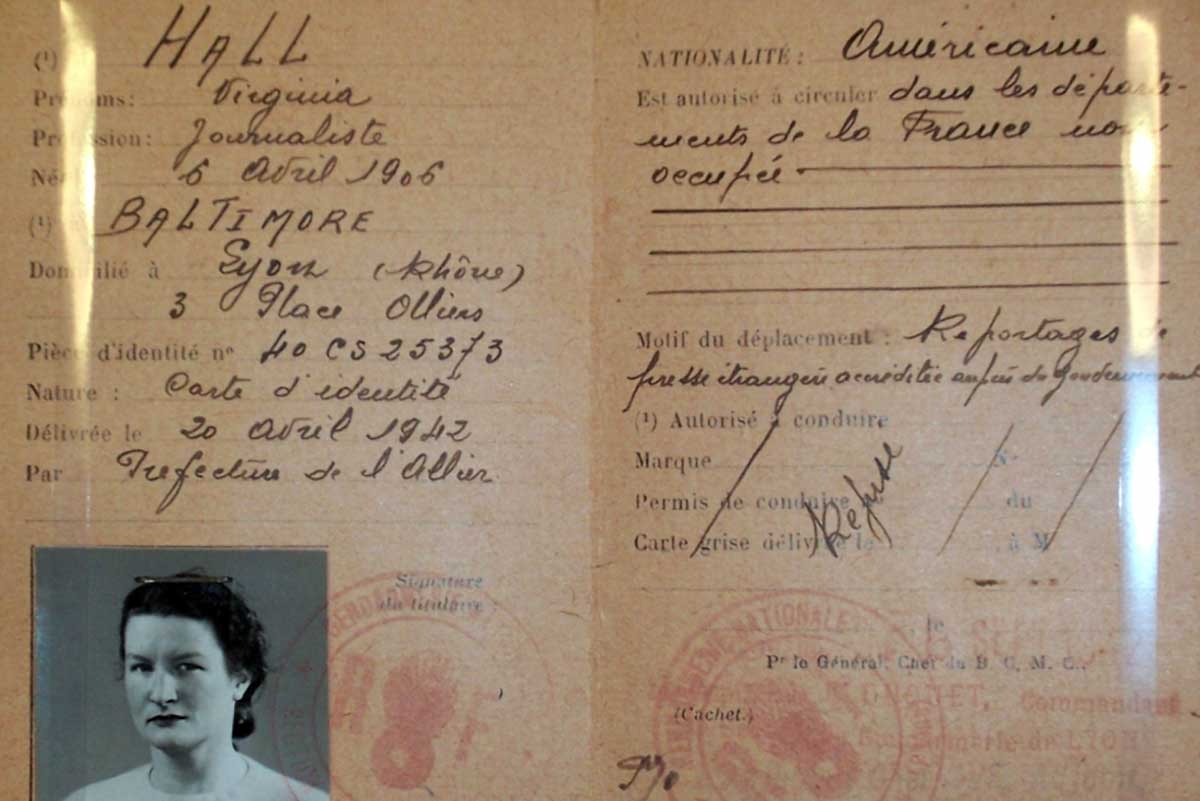
For her second time in France as a secret agent, Virginia Hall was given a forged French identification card issued in the name of Marcelle Montagne. Her codename was Diane. She was tasked with training and providing armaments to the resistance group members called the Maquis (also known as maquisards). The Maquis were mainly conducting guerrilla fights to support the anticipated Allied forces’ invasion of Normandy, scheduled for June 6, 1944.
Disguised as an older woman with gray hair, Virginia posed as a milkmaid, sometimes selling cheese to German soldiers. She collected information on the drop zones, made new contacts with resistance members, or re-established old ones. Her support of the resistance groups proved successful during some small-scale attacks on German infrastructure and strategic locations.
In July 1944, Virginia Hall was transferred to the Haute-Loire department to lead her headquarters near Le Chambon-sur-Lignon. Despite being given the higher position of second lieutenant, she faced significant challenges in taking control of the Maquis’ three battalions, consisting of around 1,500 men. Virginia provided material support and arms in exchange for the Maquis’ pledge that they would follow her strategic and security advice.
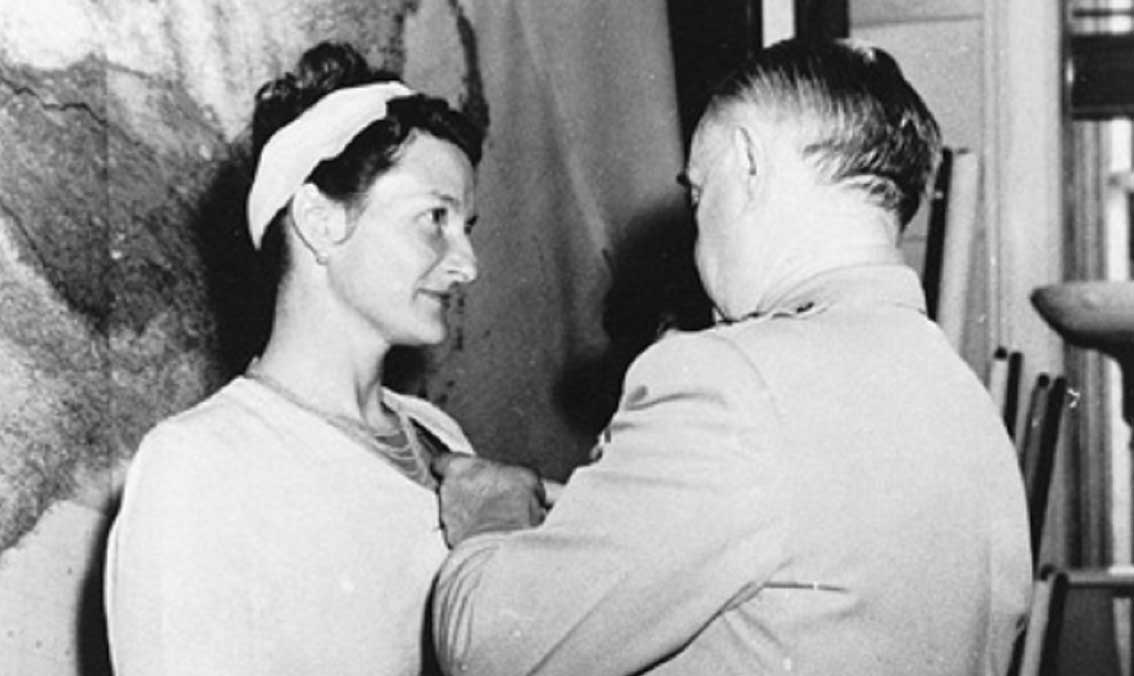
Virginia’s goal was to “form companies of maquisards and training and arming them to execute strategic sabotage operations, and, once the time came, hit-and-run attacks on German convoys.”
Under Virginia Hall’s supervision, the maquisards achieved significant success, forcing Nazi soldiers to withdraw from Le Puy-en-Velay to the north, where they joined already retreating German forces. These efforts were hailed as the most effective compared to any resistance group.
Following the liberation of Haute-Loire, Virginia traveled to Austria with her partner from OSS, Paul Goillot. Soon, they started to ferment anti-Nazi resistance again, this time in Austria.
With the retreat and defeat of Nazi Germany, Hall and Goillot returned to Paris in April 1945. Following the end of World War II, Virginia joined the newly established CIA, mainly working at the headquarters, where she was stuck with writing reports, being largely bound to a desk, and executing administrative work. However, she felt at her best while acting independently in an open field. She ultimately retired from the CIA in 1966 at the mandatory retirement age of 60.
Legacy of Virginia Hall
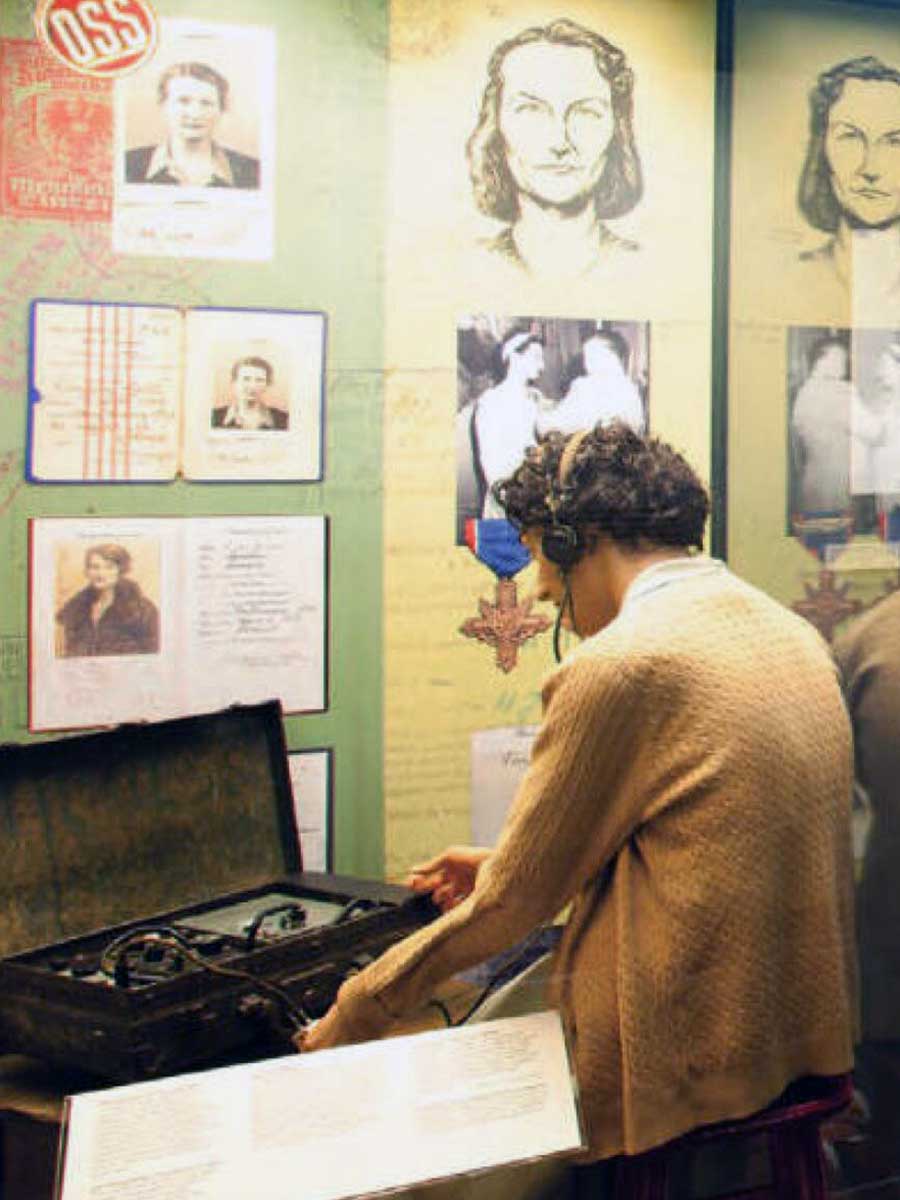
In 1945, Virginia received the Distinguished Service Cross for her dedication and heroism during World War II from the United States, the Order of the British Empire from Great Britain, and the Croix de Guerre (French military decoration for bravery) from France. These achievements illustrated her remarkable dedication and efforts to assist the Allied powers in winning World War II, though with setbacks and defiance.
In her book, A Woman of No Importance, British author Sonia Purnell explains the irony of the biography’s title. “Through a lot of her life, the early life, she was constantly rejected and belittled,” said Purnell, “she was constantly just being dismissed as someone not very important or of no importance.” This was partly because she never appeared in public, never made speeches, and lived a relatively modest life.
Virginia Hall died in 1982 in Maryland, aged 77. Her story was still hidden in the CIA’s intelligence archives. She commented at one point regarding her personality that “too many of her friends were killed because they talked too much.” Because of this trait of Virginia’s exceptional personality, the historical record contains little to no material from her memoirs or personal accounts.
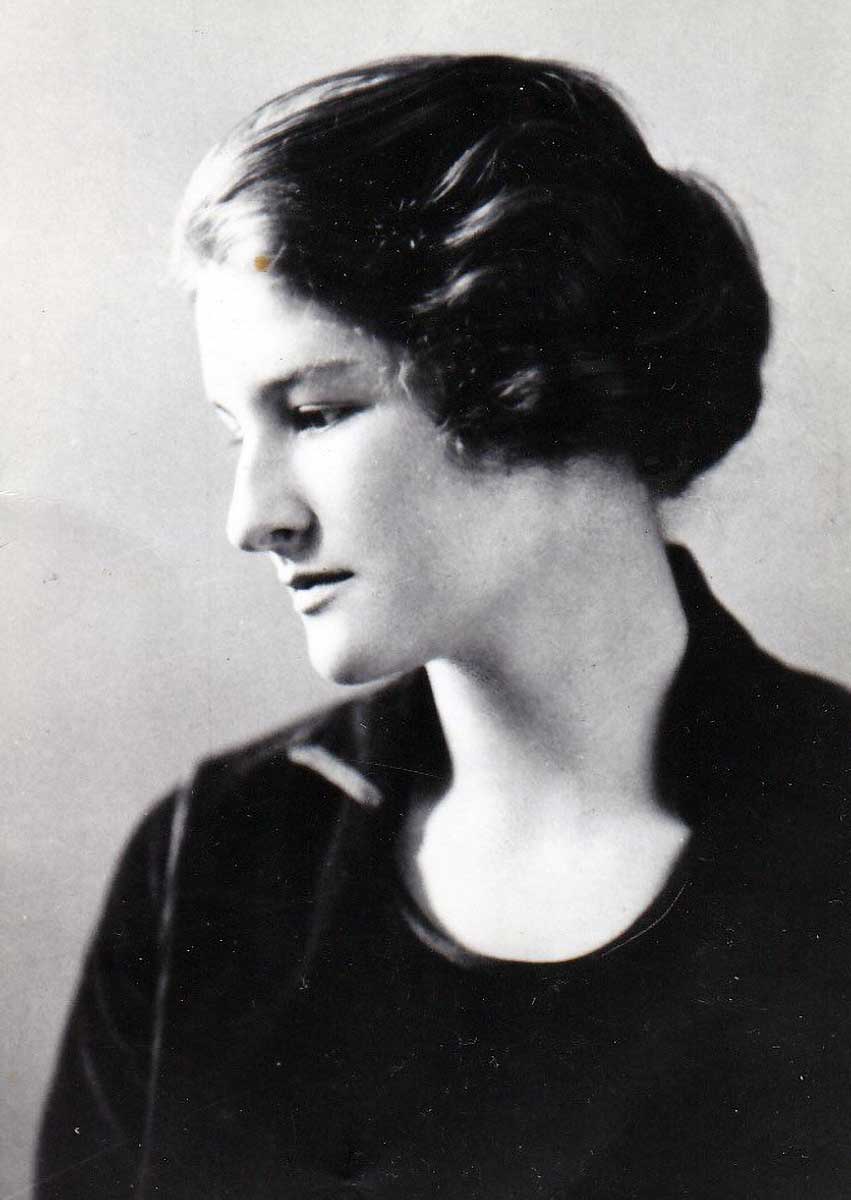
The recommendation for Virginia Hall to be awarded the Croix de Guerre outlined:
“She has been indefatigable in her constant support and assistance for our agents, combining a high degree of organizing ability with a clear-sighted appreciation of our needs. She has become a vital link between ourselves and various operational groups in the field, and her service for us cannot be too highly praised.”
Today, her name is more widely known and serves as a testament to the courage and resilience of a disabled woman in espionage who broke barriers and helped win World War II.