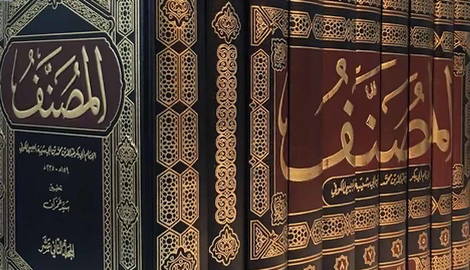
The Qur’an’s place in Islam as the most important source of divine revelation is without dispute. However, Muslims believe that all of Muhammad’s words and actions provide divine guidance, and a great deal of what is considered standard belief and practice in Islam cannot be found in the Qur’an itself. Instead, they are preserved in large collections of the sayings and actions of Muhammad called Hadith.
What Is the Hadith’s Place in Muslim Faith?
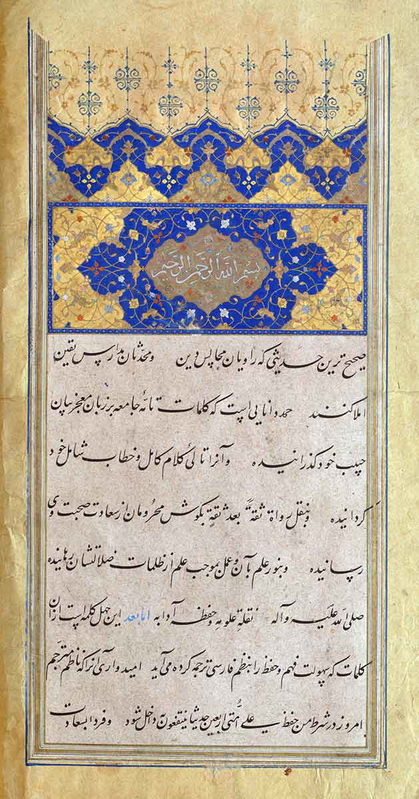
Hadith are highly important for Muslim religious culture, despite their secondary status to the Qur’an. The proper process for Muslim prayer and bathing rituals, for example, which are key parts of the daily life of every faithful Muslim, are not detailed in the Qur’an. Instead, Muslims depend on hadith for guidance in this and many other areas of religious practice. Similarly, the Qur’an provides very little narrative material about Muhammad or the prophets that preceded him, alluding only occasionally to locations and the sequencing of events in their lives.
Yet, in popular culture, Muslims are familiar with many stories about these figures and their contemporaries. Tracing the origins of these well-known stories inevitably involves depending on Hadith. It would be difficult to overestimate their influence on Muslim life—but it would also be very easy to under-nuance this influence given the large size of the collections and the diverse ways they are used.
What Are Sunnah and Hadith?
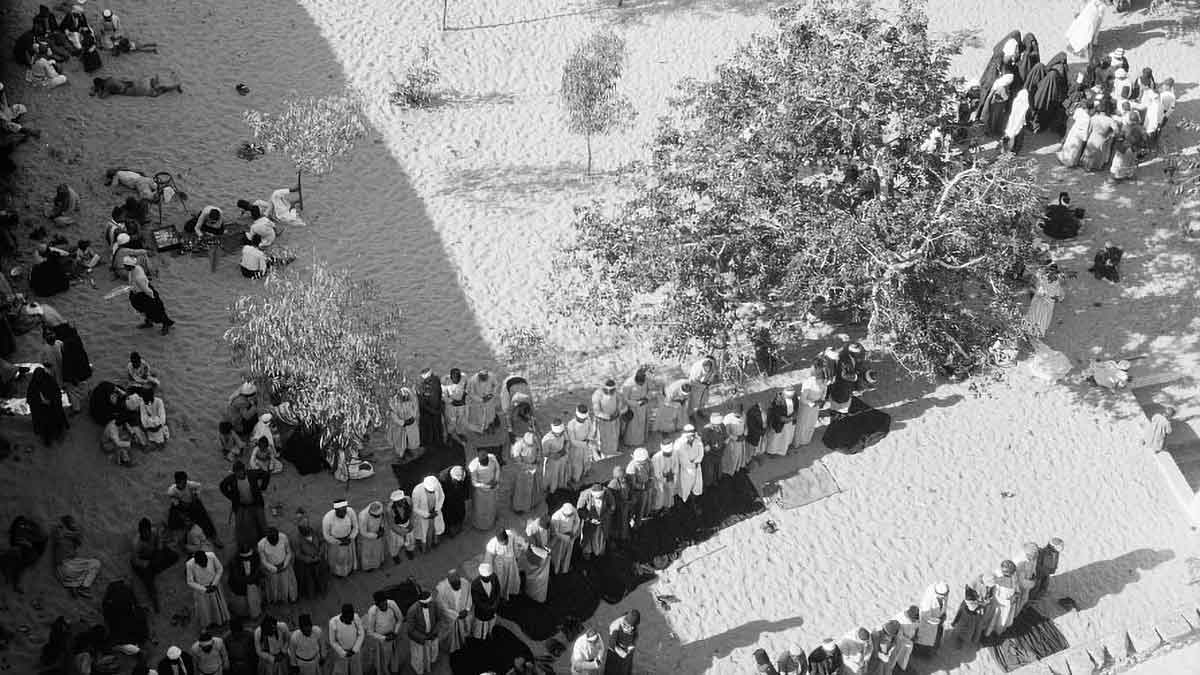
Traditionally, the practices, customs, and actions of Muhammad are called sunnah and reports about his spoken teachings are called hadith. Both sunnah and hadith are included in the collections called simply “Hadith” today. This is why there are many stories in the Hadith relating observations about Muhammad’s practice alongside his spoken words. In Islam, both the teachings and the practices of Muhammad are considered divine guidance, so their preservation is highly important.
It is helpful to know that the term “hadith” signifies not only the completed collections themselves, but also the individual passages within them. Thus, “a hadith” refers to an individual passage within a given Hadith collection. At times, “a sunnah” will also be discussed. This is also a reference to an individual passage within a collection—in this case one that describes one of Muhammad’s practices or actions.
Does Hadith Differ in Shia and Sunni Islam?
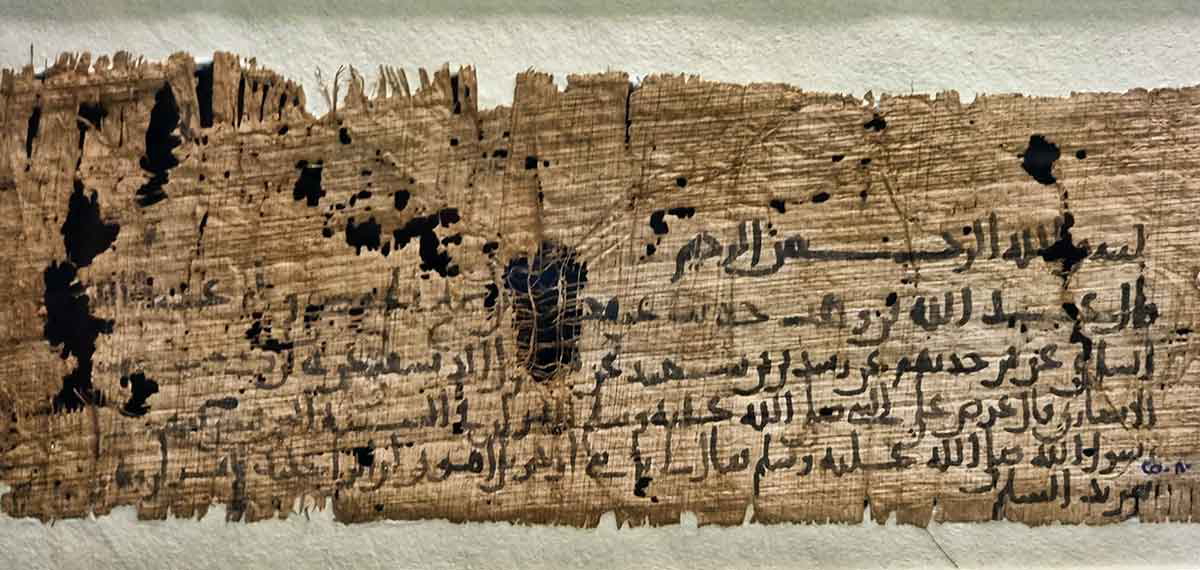
Six Hadith collections, named after the scholars who compiled them, are considered trustworthy by most Sunni Muslims and are sometimes called “canonical” in discussions in English. Shia Muslims, who comprise about twenty percent of the world’s Muslim community, respect the authority of Hadith they consider authentic in four collections called simply, “The Four Books.”
The primary difference between Shia and Sunni Hadith has to do with the special regard Shia Islam affords to the imams they believe to be the successors of Muhammad. The first of these was Ali, Muhammad’s son-in-law, with the others being appointed in succession in following generations. Because of Shia Islam’s regard for these leaders, hadith that can be traced back to them are highly valued. Still, the majority of the thousands of individual hadith within the canonical collections used by both Shia and Sunni Muslims are shared even though they are arranged differently.
What Is the Reliability of Individual Hadith?
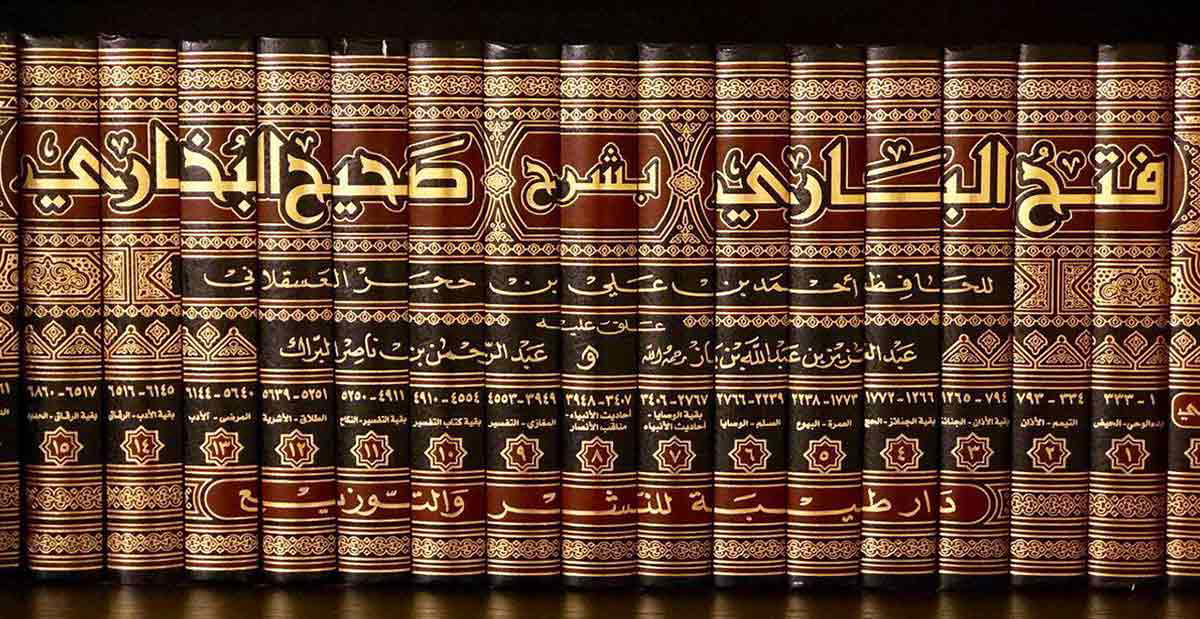
Distinguishing between the nature of the Qur’an and Hadith in Muslim teaching is important when considering the authority of a given Hadith collection relative to another. The Hadith compilers, though revered, carry no prophetic status in Islam. They themselves depended on the reliability of the “chain” of transmitters who passed individual hadith or sunnah down from one generation the next.
This chain is called a hadith’s sanad, meaning “support.” Thus, any given hadith or sunnah could be regarded as highly reliable if its sanad is found to be of high quality, even if the collection in which it resides is not the most respected of them all. While the method of evaluating a hadith’s reliability by examining the quality of its sanad began with the first Hadith critics in the eighth century, it is the ninth-century scholars Muhammad al-Bukhari (usually shortened to “al-Bukhari”) and Muslim ibn al-Hajjaj al-Naysaburi (usually shortened to “Muslim”) who are celebrated for refining it.
How Can We Classify Individual Hadith?
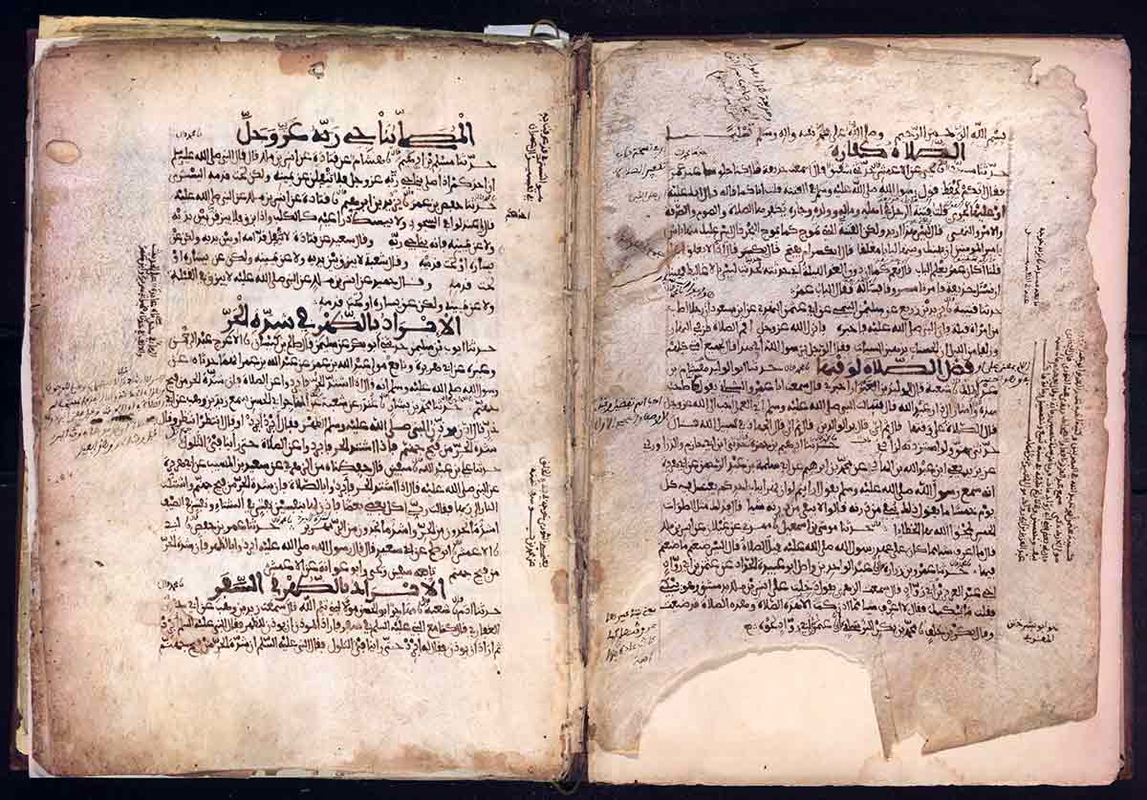
Early Hadith critics wanted both to weed out inauthentic hadith and also to preserve hadith whose authenticity may have been in some doubt, but which were possibly genuine at least in part. In order to mark the difference, a three-tiered system of classification was developed. Sahih, meaning “genuine,” signifies the highest level of trustworthiness. Al-Bukhari and Muslim’s collections as a whole are referred to regularly as “Sahih al-Bukhari” and “Sahih Muslim” by Sunni Muslims, showing the exceptional esteem they enjoy among the six canonical collections. However, every individual hadith still needs to provide a high-quality sanad in order to be considered sahih.
When the quality of a sanad is in a measure of doubt it is called hasan, meaning “good;” but when it is in more serious doubt it is called da’if, meaning “weak.” Others that are deemed to be fabricated—labelled mawdu’—are rejected.
What Are the Disagreements About How to Use Hadith?
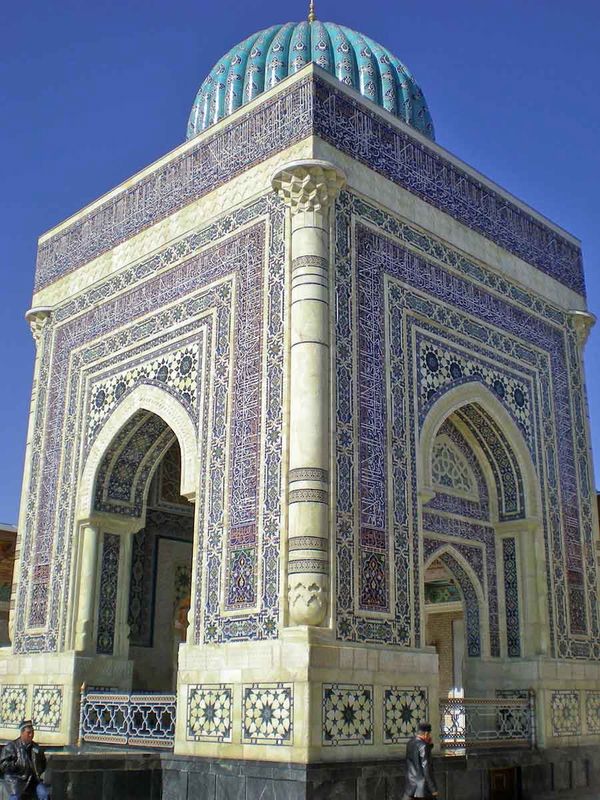
Most of the above discussion relates to Sunni Islam, which is often referred to as “Orthodox Islam” in English because around eighty percent of Muslims are Sunni. As with all discussions related to the beliefs and teachings of large religious movements, it is nearly impossible to incorporate the beliefs of the entire group without omission. With regard to Hadith, not only do Muslims disagree from group to group about how they should be used, but even at the level of individual scholars, nuance is routinely necessary for conveying opinions on their appropriate use.
There is much more agreement about the status of the Qur’an in the Muslim community, and some Muslims find little value in traditions outside of it for purposes of religious piety. But no matter what status their religious authority is given officially today, many traditions that the Hadith preserve have been undeniably and integrally influential in the formation of Muslim culture and thought.