The École des Beaux-Arts is the most famous French art school located in Paris. Its students were the most famous French artists of the 19th century, like Ingres and Renoir, and even some iconic 20th-century fashion designers. Opened in 1648, École des Beaux-Arts still functions today, teaching a new generation of outstanding artists. Read on to learn more about the iconic École des Beaux-Arts and its students.
The Origins of École des Beaux-Arts

In 1648, King Louis XIV opened the Academie des Beaux-Arts, a state institution that was supposed to gather and educate the most talented artists and sculptors. The final goal was to create an art school for state-approved artists capable of working on governmental commissions. The Academy never positioned itself as a cutting-edge progressive art center, instead representing the safe and publicly approved standard. By a miracle, it survived the turmoil of the French Revolution and continued to function under Napoleon’s regime.
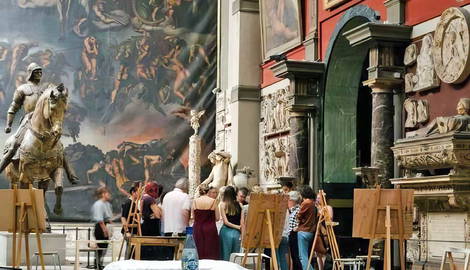
Before the 1863 reform, the school had only two departments, one for painting and sculpture and the other for architecture. The education program for painters consisted mostly of daily two-hour sessions of copying ancient casts or live models and occasional lectures on perspective, history, and anatomy. The students started their training in the studio of a professional artist, who then checked their skills and signed a document admitting they were worthy of training at Academie des Beaux-Arts. After strict examinations, some students could finally continue their education, often in the same studio, but with the official student status.
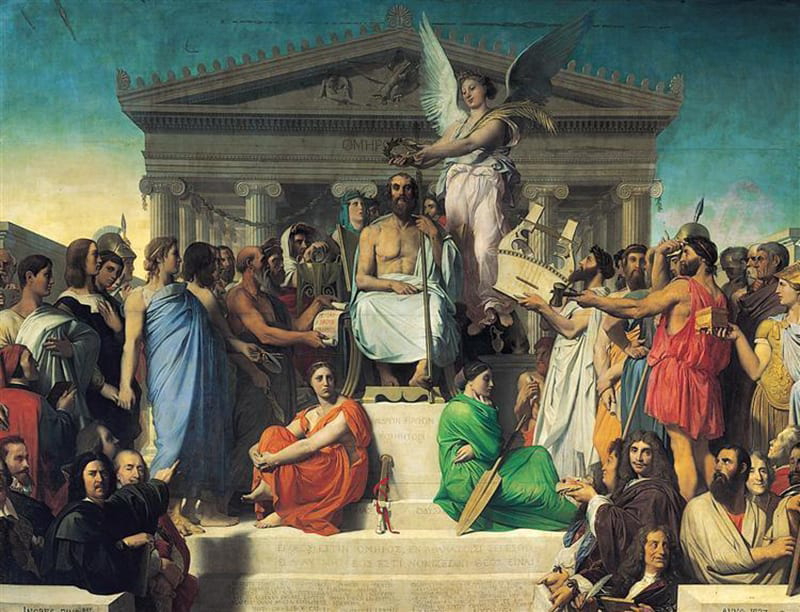
In 1863, Napoleon III granted the school independence from the state and changed its name to a more familiar École des Beaux-Arts. With the name came the curriculum changes. First of all, sculptors’ training was separated into another faculty instead of being mixed up with painting. Courses in engraving and gem cutting also became available to those interested. Generally, education moved from artists’ studios to classes, becoming more diverse and less dependent on a single tutor figure. Over the years of its existence, École des Beaux-Arts employed many outstanding artists as their professors. One of the most respected was the famous Symbolist Gustave Moreau, who was a teacher of Henri Matisse and Georges Rouault.
Admissions

École des Beaux-Arts was sponsored by the French state and remained free for all students who passed the entry exams. An École des Beaux-Arts student was supposed to be male, no younger than 15, and no older than 30, and provide at least one letter of recommendation from a professional artist to be admitted to entry exams. However, these exams were notoriously hard to pass and deeply rooted in the rigid artistic conventions of their time. École des Beaux-Arts promoted strict style and composition inspired by the art of Roman antiquity and did not tolerate innovation.
Despite its worldwide fame, École des Beaux-Arts had a very small number of foreigners studying compared to French students. Although foreigners were exempt from the age restrictions until 1883, they had other obstacles on the way. Apart from checking their creative skills, École des Beaux-Arts officials insisted all foreigners would take a French language exam. Most of the foreign students were already French-speaking due to the dominant culture of their time, and yet the exam was reportedly so difficult that even many native speakers failed it.
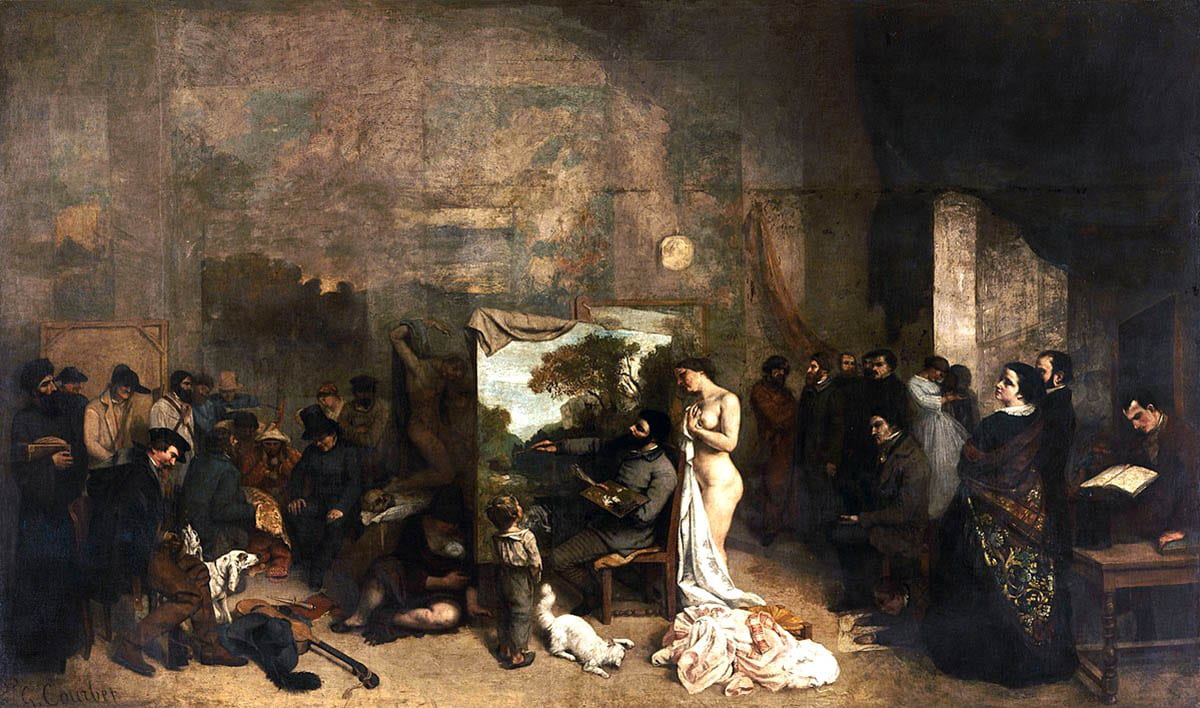
Women were not allowed to study at École des Beaux-Arts until 1897, and even after the formal liberalization of rules, the training of women artists was drastically different from that offered to men. École des Beaux-Arts teachers placed emphasis on studying human anatomy and working with nude models, which was absolutely forbidden for “respectable” women. The tutors expected women artists to focus on still lives, fruits, and flowers, occasionally resorting to genre scenes and gentle portraits of family members. Generally, society encouraged women to paint and draw as long as they made no attempts to turn these little hobbies into careers. The exclusion of women from École des Beaux-Arts classes meant not only the inaccessibility of education but also blocked the way to state-sponsored commissions and the professional art market.
Prix de Rome
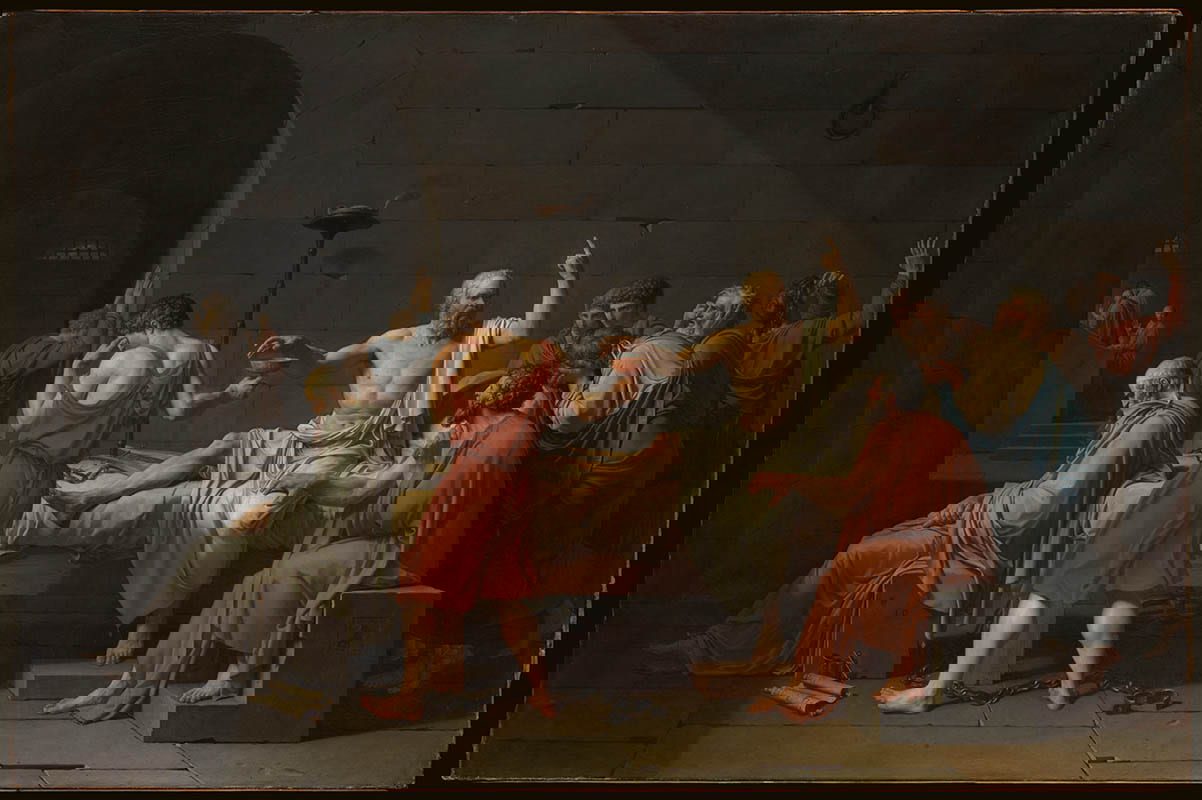
One of the greatest advantages of École des Beaux-Arts was that it granted its students access to prestigious competitions for scholarships, prizes, and state commissions. The most prestigious of them was the Prix de Rome, a state-sponsored scholarship that allowed gifted students to live and study in Rome for three to five years. The French Academy in Rome accepted winners and took care of their accommodation and curriculum. The Prix de Rome participants were expected to deliver a painting on a particular topic, usually a historical or mythological scene. The size of the painting was strictly regimented, so the unusual dimensions would not affect the jury’s judgment.
Despite its prestige, the Prix de Rome was abolished in 1968, as the French Ministry of Culture realized the inadequacy of old-fashioned training and standards to the realities of the art world. Indeed, many winners of the Prix de Rome were entirely forgotten by history, and those who failed or even did not receive the chance to apply turned into the most successful and influential figures of their time. The competition for the Prix de Rome was stressful and dramatic. A victory was one of the highest artistic achievements that opened the doors for expensive commissions and fame. The famous painter Jacques-Louis David failed three times and did not take it lightly. Convinced of the jury’s bias, he resorted to a hunger strike and even attempted suicide. His fourth attempt in 1774 was a long-awaited success.
Famous Alumni… and Famous Failures
Over the centuries of its existence, École des Beaux-Arts has produced many students who would become groundbreaking creatives. Despite the conservative teaching, many of them went on to defy the artistic conventions of their era, like Pierre-Auguste Renoir, Edgar Degas, and Pierre Bonnard.
Given the difficult entrance exams, which were hard to pass even for those raised in French language and culture, it was no surprise that some of the famous artists of their time failed them. The great sculptor Auguste Rodin failed the entry exam three times before giving up, and Paul Cezanne was rejected twice. Henri Matisse failed his first attempt but was able to join Gustave Moreau’s workshop unofficially as a promising young talent.
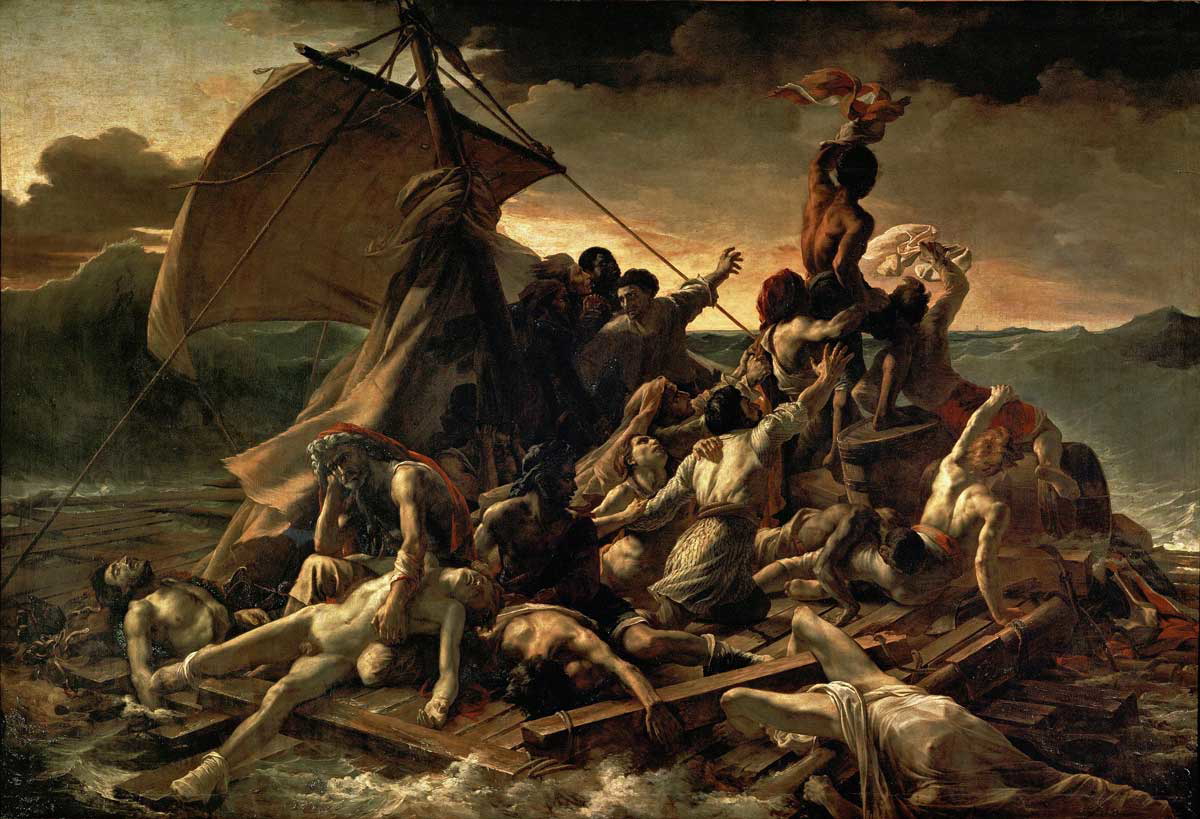
Passing exams and enrolling into École des Beaux-Arts was no guarantee that one would successfully graduate. The famous Romanticist Theodore Gericault was expelled from the school after he splashed a bucket of water on his tutor during a heated argument with the rest of the class. The expulsion, however, did not stop Gericault from becoming a successful artist.
École des Beaux-Arts Rivals
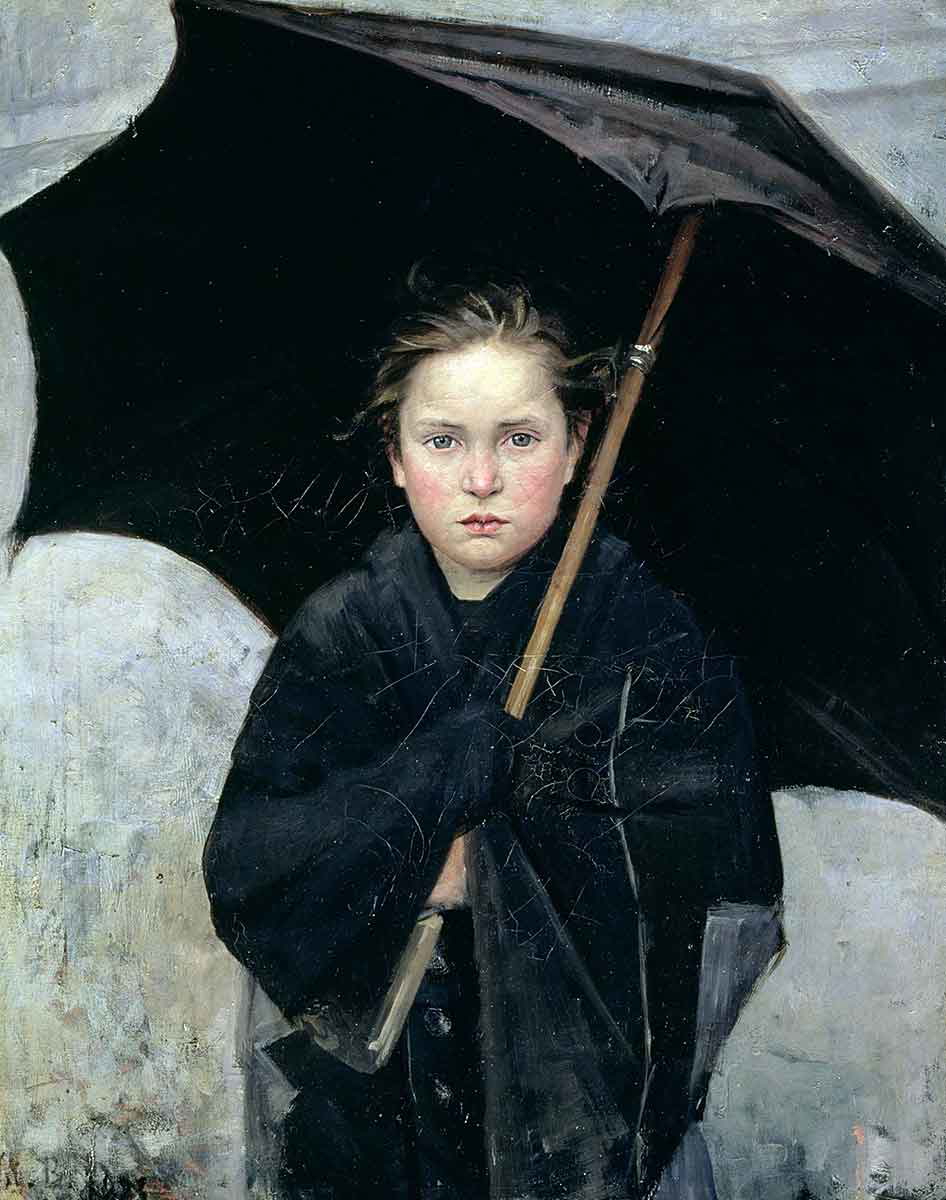
The strict rules and high barrier of entry into the École des Beaux-Arts created the need for more liberal and accessible training. École des Beaux-Arts’ main competitor was the private Academie Julian, a progressive art school that admitted students without exams and did not pay much attention to their level of French. However, being a private institution, it was rather expensive and thus was popular among wealthy foreigners.
It also accepted women, although their classes took place separately from those of men. Marie Bashkirtseff, a talented Ukrainian painter, studied in the Academie Julian under the famous Naturalist painter Jules Bastien-Lepage and left a detailed account of her studies in her diaries. Bashkirtseff died from tuberculosis at the age of just 25, and her published diary remained one of the most important works ever created by her. Other notable students of the Academie Julian included Jean Arp, Leon Bakst, Louise Bourgeois, and Marcel Duchamp.
École des Beaux-Arts Today
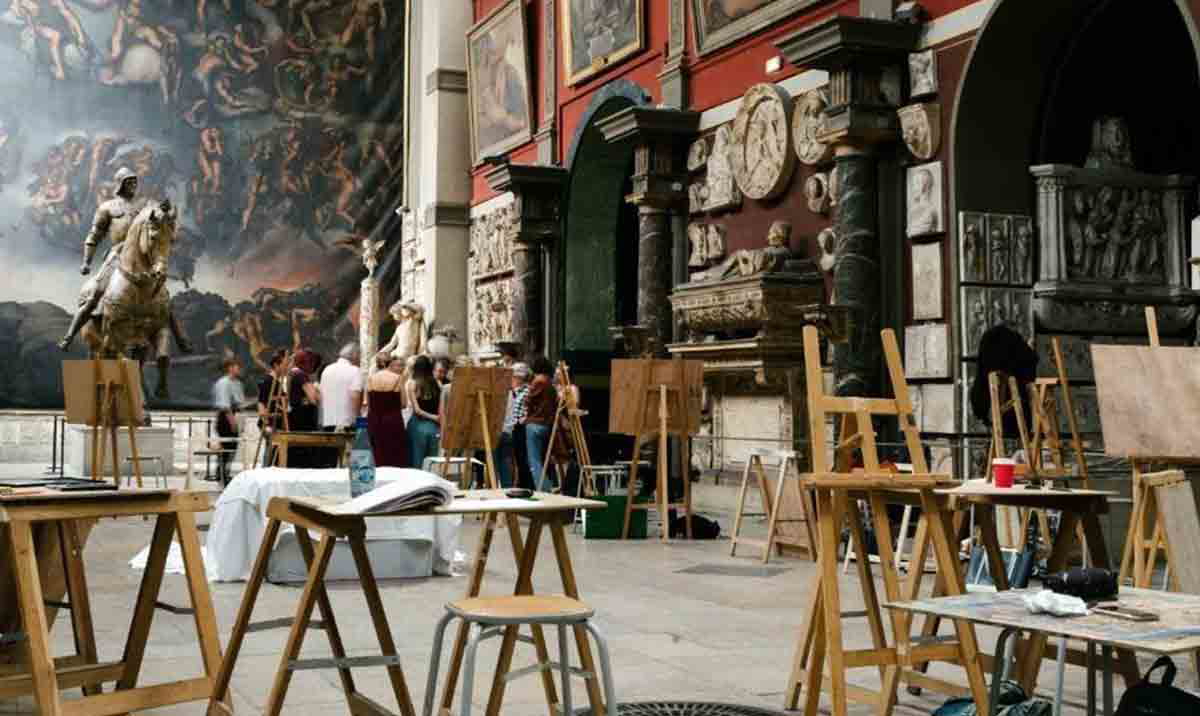
Today, the school still functions in the same building constructed for it in the mid-19th century and still remains relevant for the artistic community worldwide. Although it has lost its revered status, it is still associated with famous figures and high-level education. A list of outstanding yet surprising figures associated with the school in the recent era includes Tove Jansson, the author of the famous Moomin series, who studied art at École des Beaux-Arts in 1938. Famous fashion designers Hubert de Givenchy and Valentino Garavani attended the school in the 1940s-1950s. In recent decades, École des Beaux-Arts invited famous contemporary artists like Marina Abramovic, Annette Messenger, and Christian Boltanski as part-time professors.