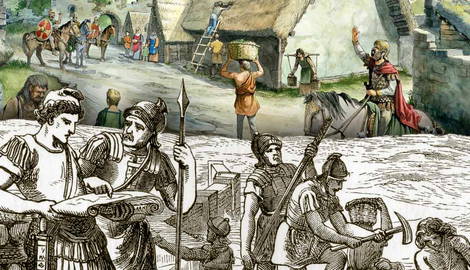
While Julius Caesar had some success campaigning in Britain, he was quickly distracted by civil wars back home. The true Roman conquest of Britain occurred under the emperor Claudius in 43 AD, ushering in three and a half centuries of Roman rule that dramatically changed life on the island. How did the Roman presence change life in Britain, and what was Roman Britain like during its peak before the Romans abandoned it at the start of the 5th century AD?
The Rise and Fall of Roman Britain
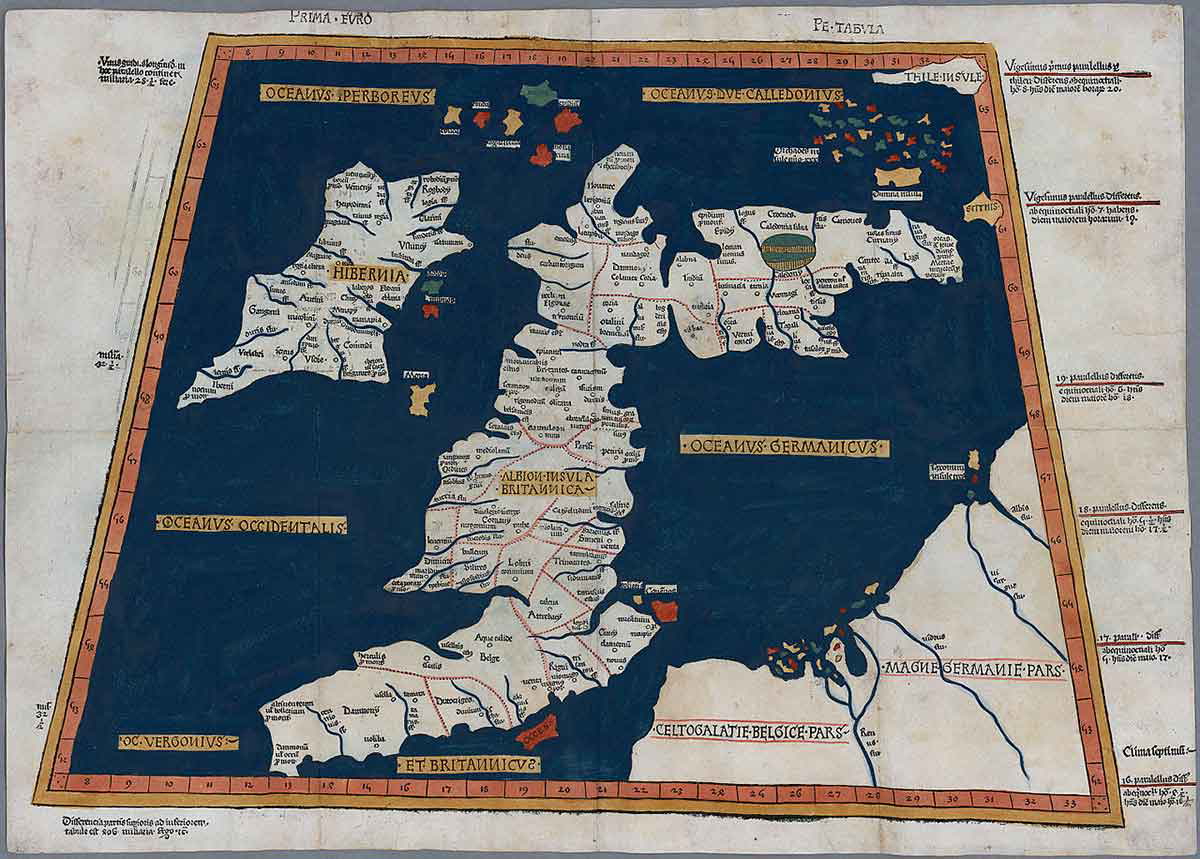
The Romans did not gain control of and transform Britain overnight in 43 AD, and then suddenly leave in 409 AD, removing their influence. Both their domination and withdrawal from Roman Britain were gradual. With that in mind, what was the timeline for Roman influence in Britain?
In the 1st century AD, Roman Britain was in its infancy. The Romans began seriously invading the island in 43 AD, although there is evidence of trade prior to that. While the conquest was relatively rapid, it nevertheless took place over several decades. Furthermore, it was afflicted by constant rebellions and uprisings, such as the rebellion of Boudicca, which resulted in the complete destruction of several major Roman cities. By the end of the 1st century AD, the Romans had conquered about as much of Britain as they ever would, thanks to the efforts of Roman generals like Agricola. The depth of their control over the island still left much to be desired.
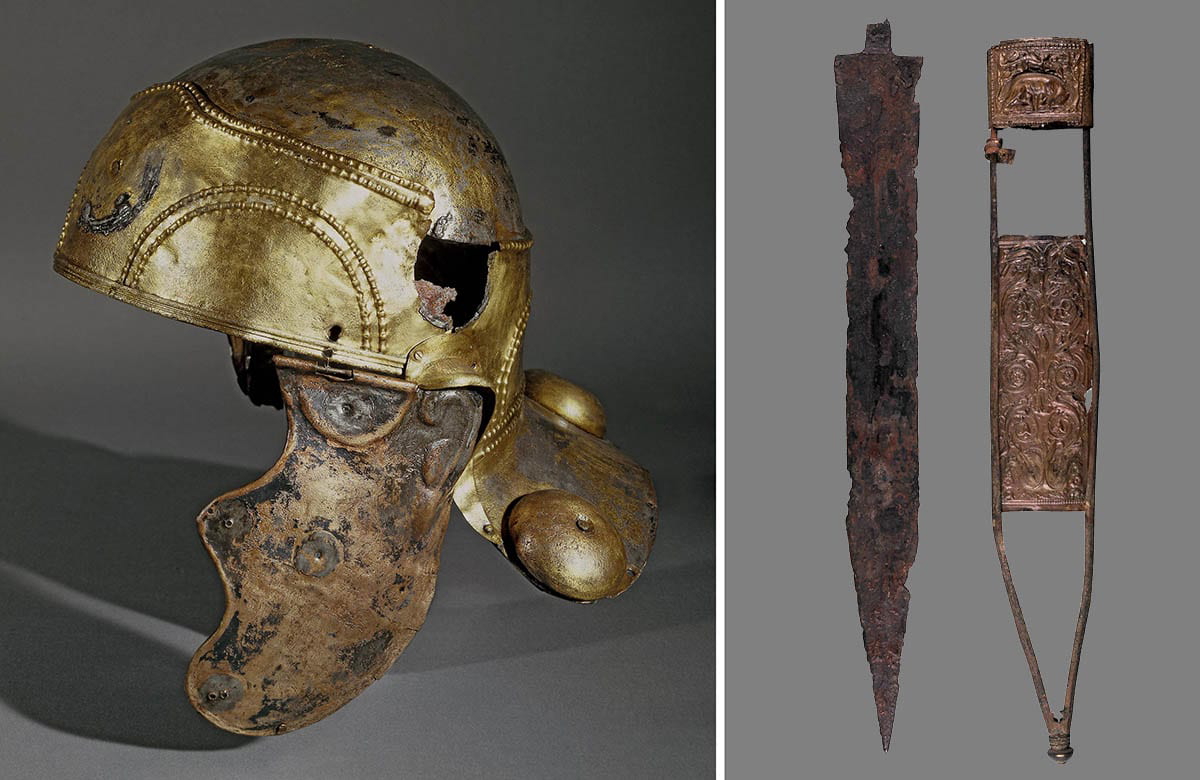
Roman influence in Britain diminished significantly in the 4th and 5th centuries AD. The Roman administration withdrew from Britain in 409 AD. This was the culmination of a decline that had started decades earlier. In the 360s AD, Britain suffered major attacks from barbarian nations, including the Picts, Scots, and, probably, the Saxons. At its most severe, in 367 AD, they completely overran the island. Although the Romans regained control, Magnus Maximus’s usurpation from 383 to 388 AD led to the withdrawal of numerous Roman troops to the continent to deal with other threats.
When Was Roman Britain at Its Peak?
It was during the 2nd and 3rd centuries AD that Roman Britain was at its peak. One line of thought places the peak of Roman Britain in the time of Septimius Severus’s campaigns into Scotland between 208 and 211 AD. These campaigns represented a significant expansion and consolidation of Roman control over the northern border of Roman Britain.
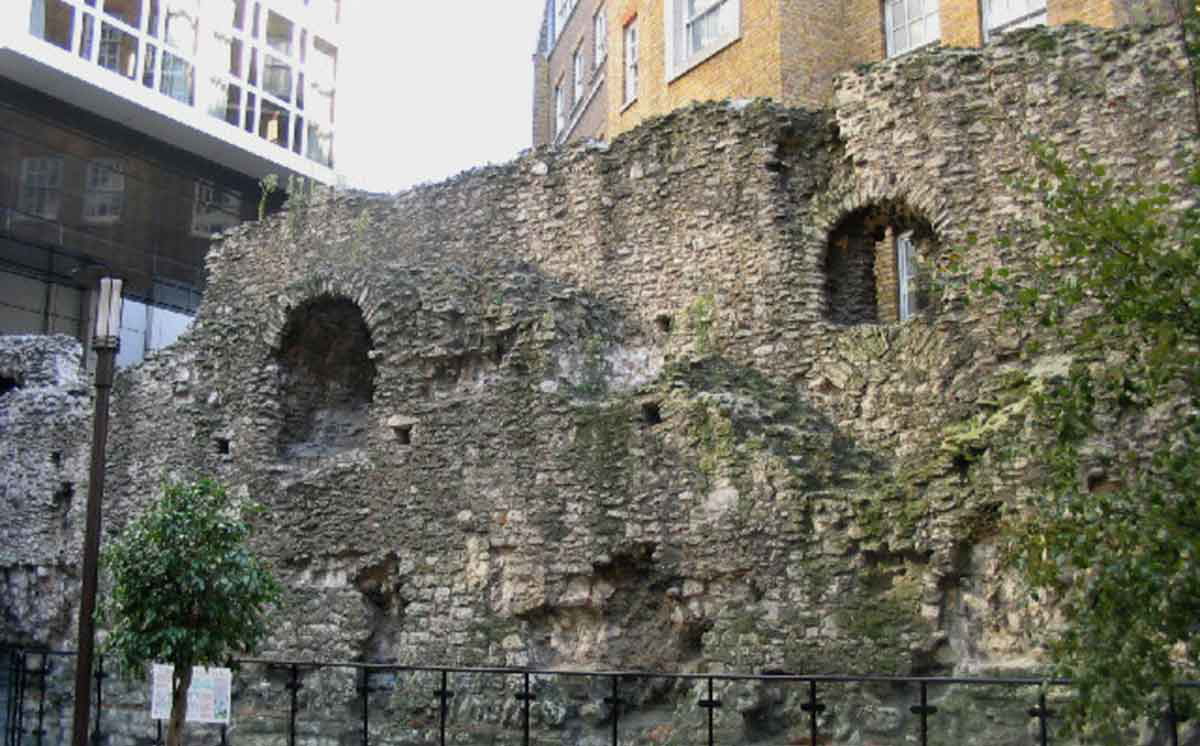
Others place the peak in the 2nd century AD, when important Roman cities in Britain, such as Camulodunum, were at their height. Londinium was the most important city in Britain as the capital of the province, and London reached its peak between 100 and 150 AD. By 160 AD, the population had declined by perhaps as much as two-thirds, and there is evidence of extensive desertion in various parts of the city and its surrounding area. Similar population decline can be seen in other parts of south-east Britain in the decades that followed.
This suggests that Roman Britain reached its peak in the early second century AD and was already in decline by the start of the early third century AD.
Roman Britain in the 2nd Century AD
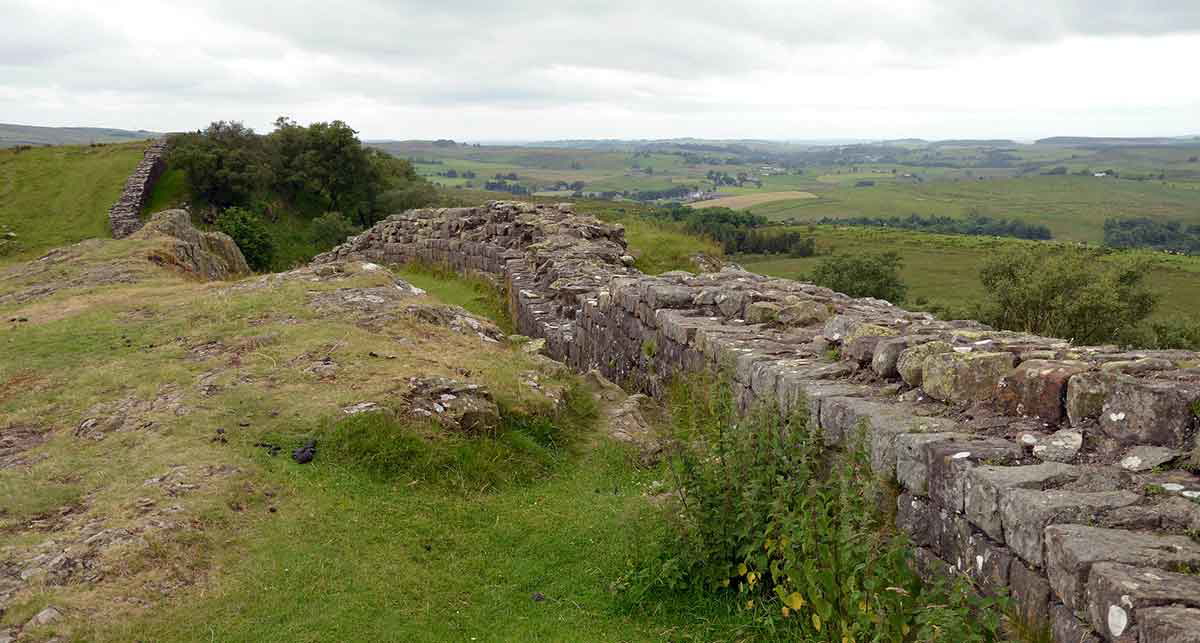
For most of the 2nd century AD, Britain was still a single Roman province. At the very end of the century, during the time of the Severan Reforms in 197 AD, it was divided into two distinct provinces: Britannia Inferior and Britannia Superior. The latter corresponded to what is now the Midlands and northern England, while the former was equivalent to southern England and Wales. Later still, it was divided into yet more provinces.
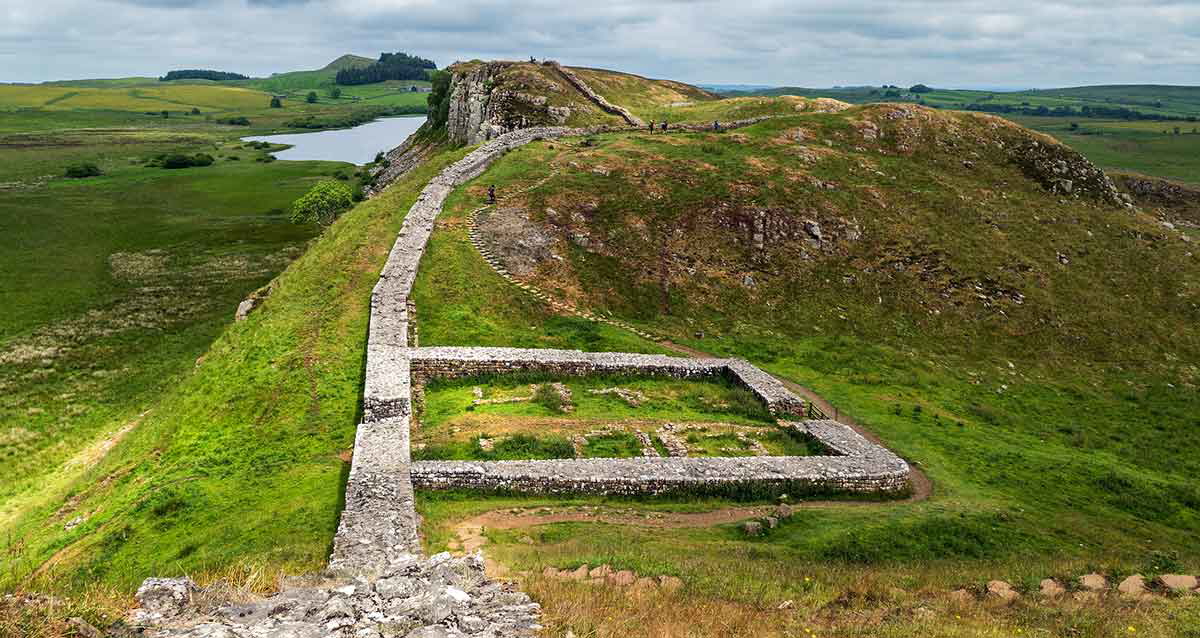
The Romans ruled over the entire southern part of the island, including the West Country and Wales. Their rule extended as far north as what is now Scotland. In 122 AD, Emperor Hadrian initiated the construction of what is now known as Hadrian’s Wall. This was a massive construction project that separated Roman Britain from the part of the island that remained in the hands of the native Britons. In addition to serving the practical purpose of deterring potential attacks from these enemy tribes, it also served as a major symbol of the Roman Empire’s might. It appears to have been the longest continuous wall that the Romans ever built.
It is estimated that in the 2nd century, Roman Britain had a population of between three and four million people, with 90% residing in rural areas, primarily engaged in agriculture. It is estimated that around 125,000 were probably Roman, members of the army and their families. Some soldiers also married local women, despite rules that forbade this, and settled in Britain as veterans on land gifted to them by the Roman state. Many notable Romans completed some of their military service in Britain, from the Emperor Vespasian (69-79 AD) to Constantine the Great (306-337 AD).
Life in Roman Britain
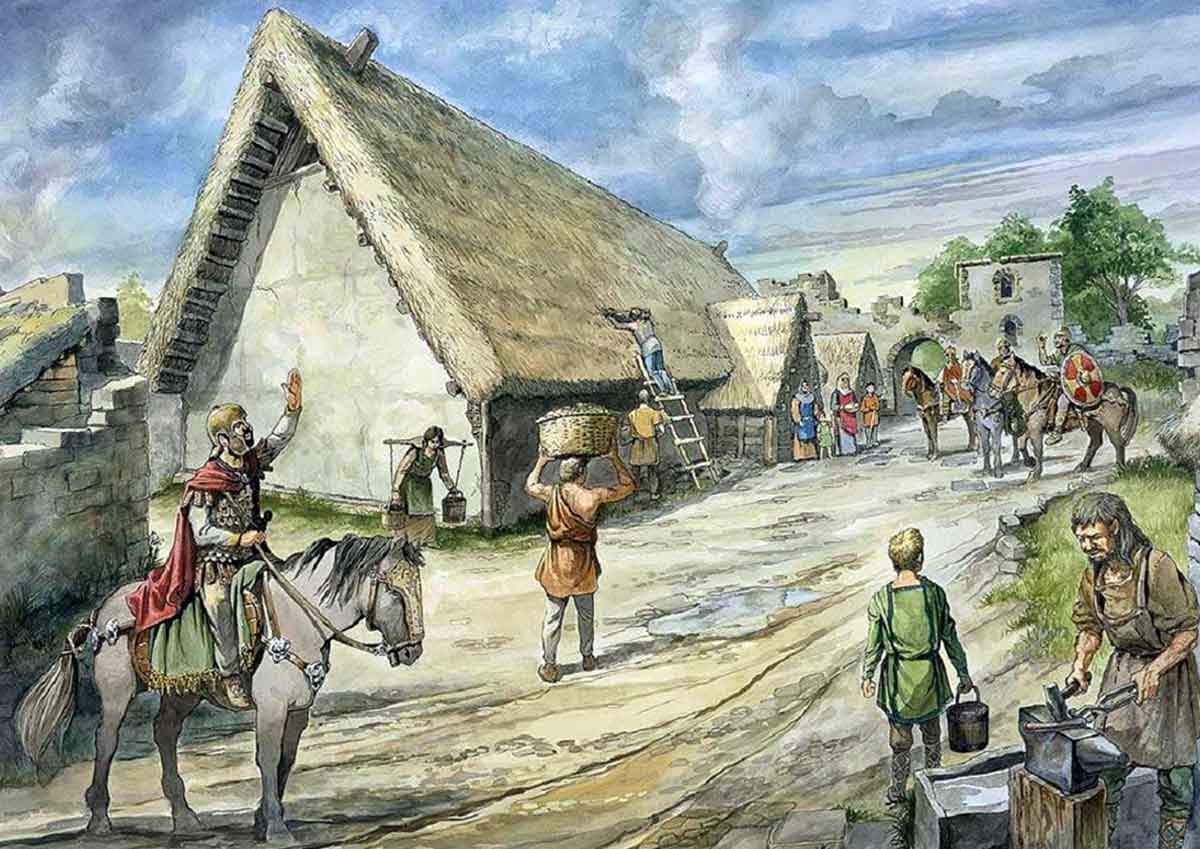
The territory of Roman Britain was dotted with Roman towns, villas, and legionary fortresses, as well as extensive roads that facilitated travel throughout the province. One of these legionary fortresses was Isca Augusta, at the modern town of Caerleon in southeast Wales. The Romans established a firm military presence here due to the trouble that the local tribe, the Silures, had caused them throughout much of the 1st century. Another was Deva Victrix, located at what is now Chester. The third permanent legionary fortress was Eboracum, located at what is now York. However, this final site did not remain a mere legionary fortress; it eventually evolved into one of the most prominent cities in Roman Britain.
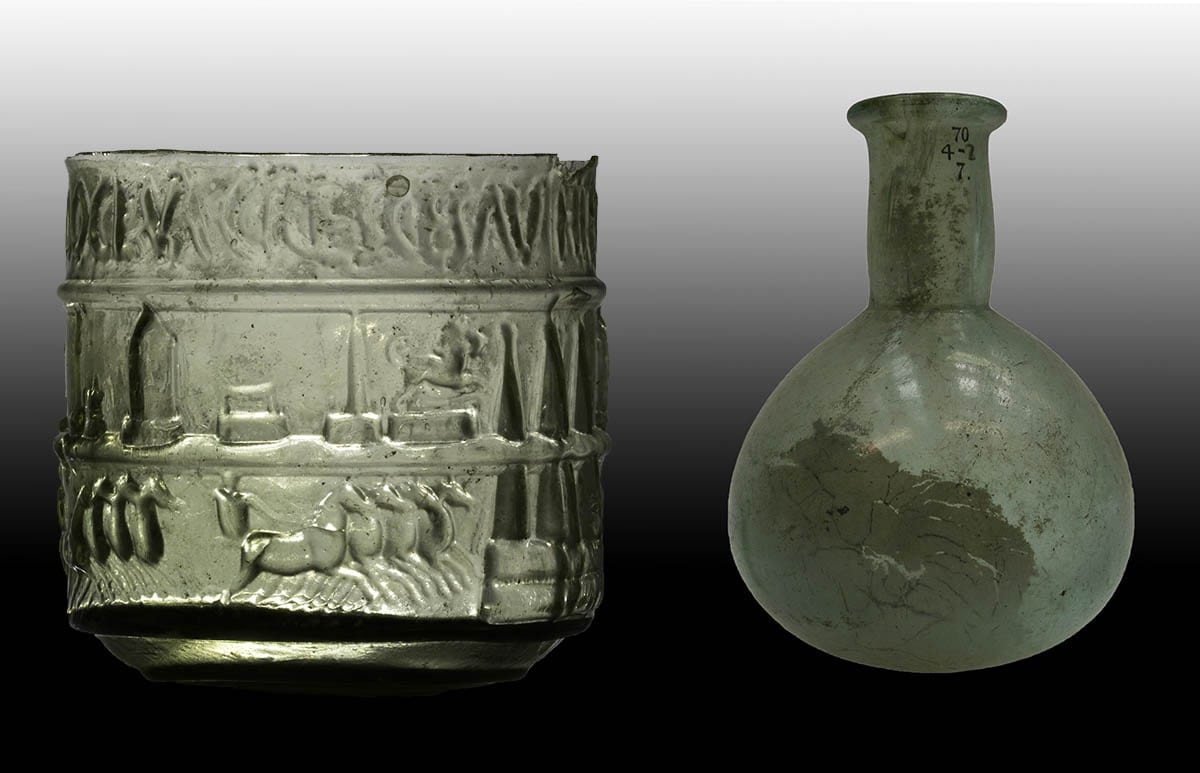
Legionary fortresses, naturally, indicate the need to maintain firm military control over the surrounding area. On the other hand, Roman villas indicate the areas where the populace had more readily accepted Roman rule. Hence, it is highly significant to note that Roman villas tend to be concentrated in the south-eastern part of Britain. If we imagine a line stretching from the Humber in the northeast to the Severn in the southwest, the evidence is clear that Roman life was more prevalent to the southeast of that line. To be sure, the inhabitants of the other side, such as those in what are now Wales and most of northern England, were certainly still part of the Roman Empire. Yet, they maintained their native Celtic culture to a much greater degree than their counterparts on the other side of the Humber-Severn divide.
English Heritage explains:
“In the far West, Wales and most of the North, the army always remained at the forefront of daily life. Soldiers occupied a network of forts, connected by good roads, to police this huge area, in which Roman ways of life had far less impact than in the Midlands, South and East. In those areas, urban civilization developed.”
Regarding the more Romanized areas, what was life actually like? Just like in other parts of the Roman Empire, the inhabitants worshiped Roman gods. However, they also continued worshiping their native Celtic deities, such as Belenus and Nudens. In many cases, they identified Celtic gods with Roman counterparts in a practice known as syncretism.
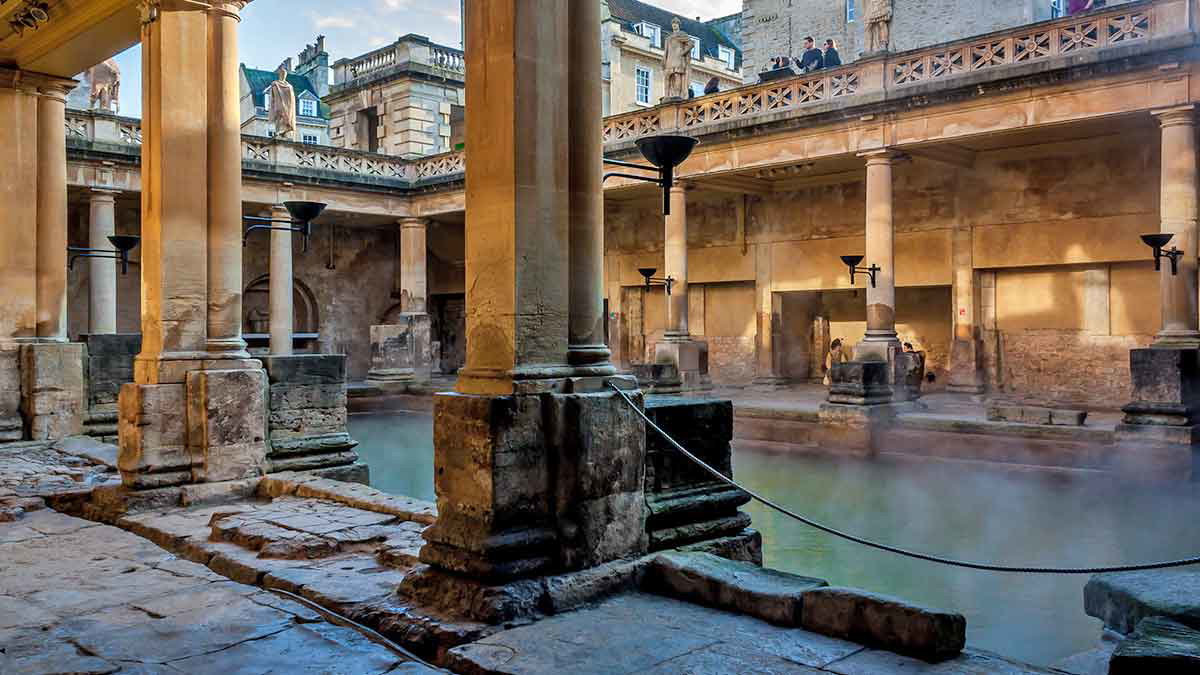
Writing was widespread in Roman Britain. Archaeologists have uncovered countless inscriptions. However, these were almost exclusively written in Latin, not Brythonic. The natives also enjoyed many Roman luxuries, such as impressive public baths. The most notable of these was in Bath, whose very name preserves the prominence of this aspect of public infrastructure. However, various other towns and cities had public baths, which were an important feature of relaxation within public life in Roman society.
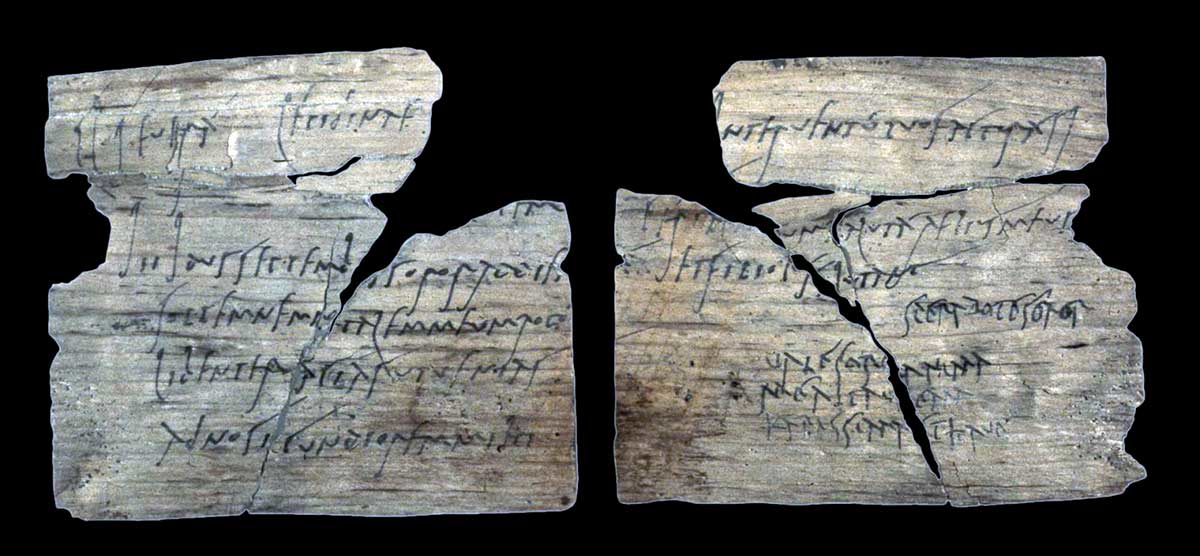
We know quite a bit about what life was like for Roman soldiers and their families thanks to the survival of the Vindolanda Tablets. Vindolanda was another Roman fort just south of Hadrian’s Wall, occupied between 85 and 370 AD. The surviving wooden tablets cover a range of topics, from military strength reports and supply lists to personal correspondence, including letters from home and birthday invitations. The tablets use the word Brittunculi, meaning “wretched little Britons,” for the local population, suggesting that racism was alive and well in Roman Britain.
Understanding Roman Britain
In conclusion, what do we know about Roman Britain at its peak? Roman influence reached its peak in the 2nd century AD, when Roman cities such as Londinium and Camulodunum were thriving. After this, the population of these areas experienced a severe decline. By the 4th century, Britain began experiencing incessant attacks from the Picts and Scots, slowly but surely leading to the decline and ultimate end of Roman Britain.
At its peak in the 2nd century, Britain was still a single province, being ruled from the capital of Londinium. Other major Roman cities included Camulodunum and Eboracum. The latter of these was also one of three permanent legionary fortresses, the other two being Isca Augusta (Caerleon) and Deva Victorix (Chester). The land was covered in Roman towns and villas, especially southeast of the Humber-Severn divide. Roman gods were worshiped, and Latin writing was widespread.
At the northern border of Roman Britain stood Hadrian’s Wall, constructed in the years following 122 AD under the orders of Emperor Hadrian. This was a massive testament to Rome’s power and might, and marked the border between the world of Roman Britain and the world of the unconquered Britons in what is now Scotland.